
Have you considered or thoughts about us – D/deaf people, D/deaf with disabilities people, People with disabilities, even seniors? Do you have a plan for us? What about digital technology for accessibility, like satellite mobile?
The cyclone, flooding and disasters around the North Island of New Zealand recently impacted many survivors without communication, clothing, food, drinking water and medicals.
Look at the figure/data on mobility and disabilities in Hawke’s Bay and Gisborne. Link here – https://figure.nz/chart/Bp5atC12oR9uoJhC-ObNz5i7aIRIzwerC
Recently I understood that approximately 20 Deaf people are living in Hawke’s Bay and Gisborne. There are 35% of disabled older adults over 65 years old, 26% of Maaori disabled people and 24% of disabled people (1.1 million) across New Zealand.
New Zealand has Civil Defense Emergency services, Hazard Services (mobile emergency service by SMS/Text warning alerts) and Red Cross. We have Police, Fire and Emergency Services, Ambulance, and Forest and Rescue Services.
Every City Council is responsible for checking, monitoring and recognising the worst area for flooding listed in the database records via emergency and hazard alert services. For example, Hawke’s Bay Council did not list the flooding hazard for the Eskdale and Esk Valley because the staff thought it was okay. Unfortunately, Eskdale and Esk Valley were the worst hit by flooding, and the residents did not receive any SMS hazard warning. It was a human error for not recognising or being aware that a river runs along the valley from the ocean, and the database still needs to be updated in 2018.
In the Waikato area, we have a flood hazard map linked to the emergency team. See the link and a map.
https://hamilton.govt.nz/property-rates-and-building/district-plan/flood-mapping/

There are several links in New Zealand if you can explore around.
Is there anyone familiar with the knowledge and to work with people with disabilities, D/deaf with disabilities and D/deaf people or partially familiar with working and knowing where they (people with disabilities) live? For example, sign language, wheelchairs, blindness, learning disabilities or medical issues such as diabetes and a heart condition. A couple more problems need to be aware of our mobiles, communication and friends/strangers to the neighbours.
Learn from this group called Off the Grid Missions, which runs by non-profit organisations. Here is the website and explore their works for the crisis https://www.offthegridmissions.org
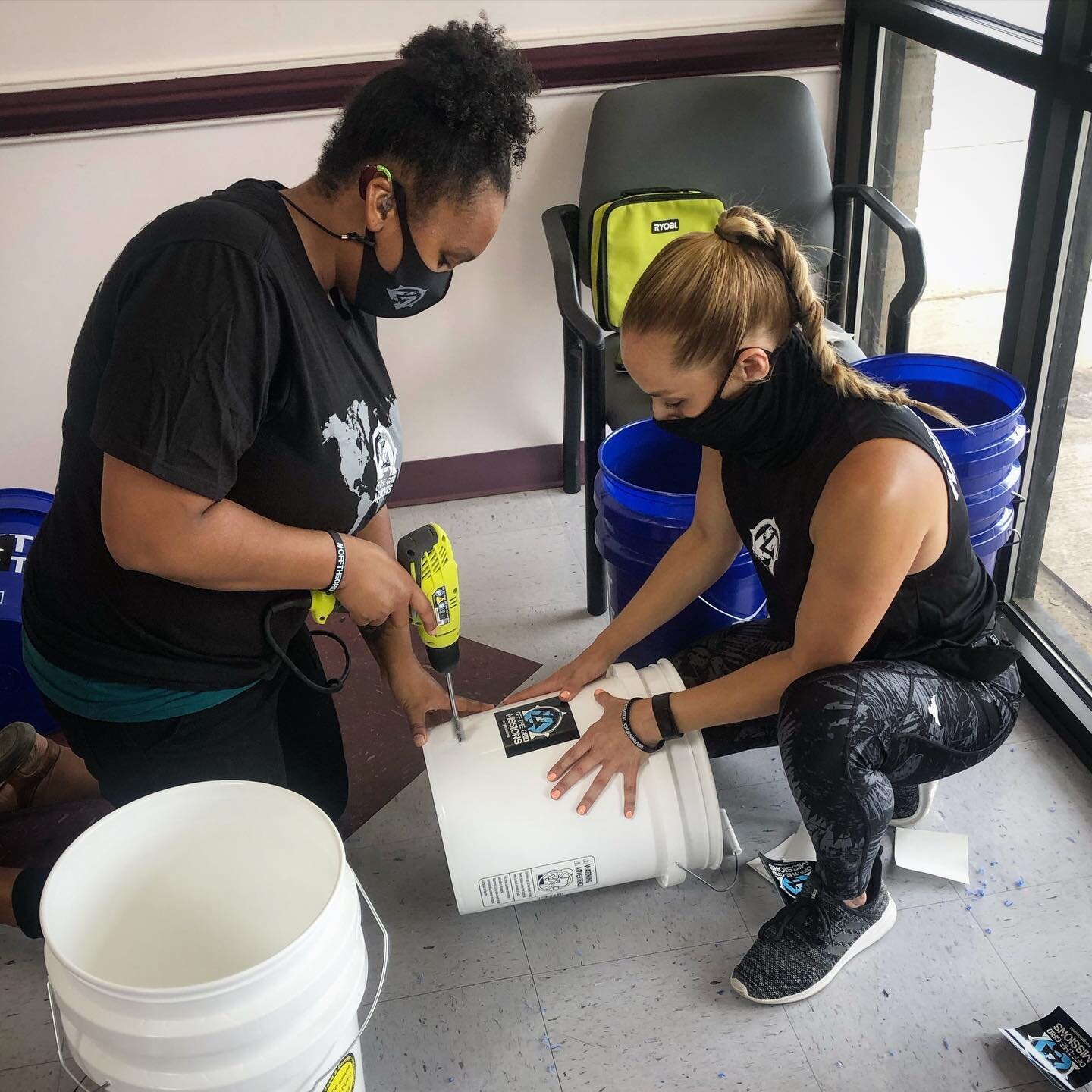

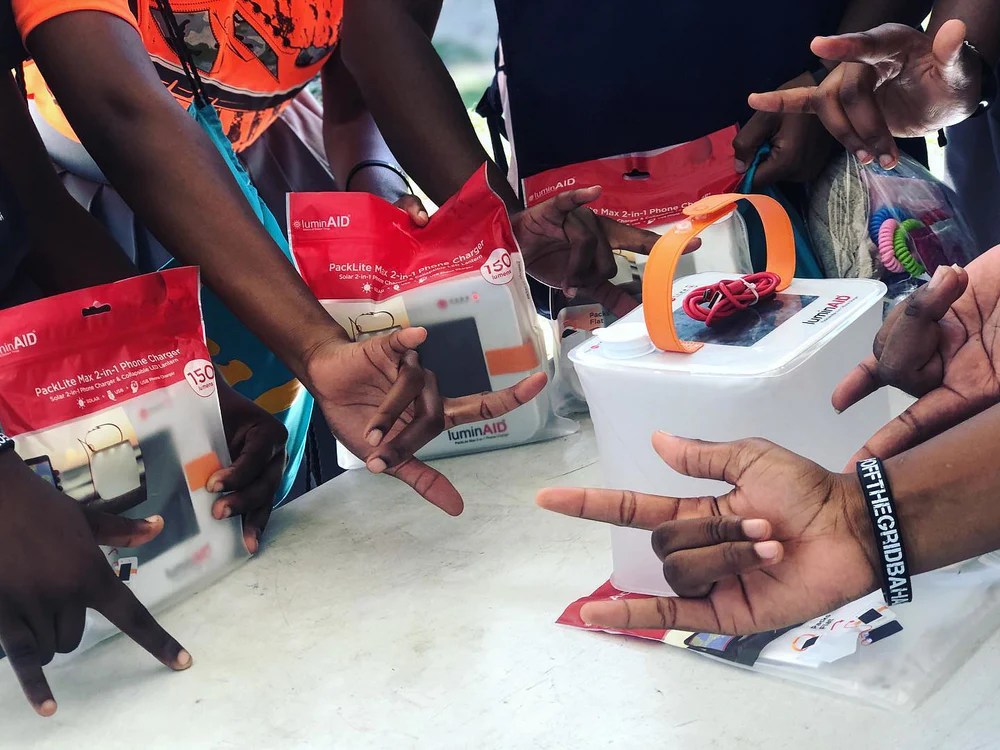
Have you thought about Solar-powered lights, cellphone chargers and drinking water filters?
https://luminaid.com/blogs/notes-from-the-field/empowering-deaf-bahamians-after-hurricane-dorian
https://www.mobilesystems.co.nz/nz_satellite_phones_auckland_wellington_new_zealand/
Would the satellite phones work for any D/deaf people?? Probably not? They need SMS, TEXTS and video chats free from no cost service through emergency and disaster times. Note Our landline by Sparks was down before Cyclone Gabrielle happened and we were unable to use the internet for video chat, social media and my work from home for two weeks. Sparks provide a Promise connection but it is not enough and I have to use my mobile which was too small to work on. The problem on the landline down was due to an outage BEFORE cyclone Gabrielle happened and we have not received any reason why there was an outage by Chrous.
“Alerting systems can be used for alarm clocks, doorbells, door knocks, phone calls, baby monitors, weather alerts, motion detectors, smoke alarms, and a wide range of other traditional alerting technologies. Instant Messaging is a form of real-time communication between two or more people based on typed text.” Emergency app
https://www.redcross.org/get-help/how-to-prepare-for-emergencies/mobile-apps.html

As a deaf blogger, I have been a deaf advocator for many years, not just for the D/deaf people and D/deaf with disabilities. I am advocating for all people with disabilities due to my experience. I am a member of the World Federation of the Deaf, the Commonwealth Disabled People Forum and the United Nations Convention on the Rights of Persons with Disabilities. I posted the article from the World Federation of the Deaf about accessibility and sign language included in all Governments and agencies through media, social media, Health sectors and emergency teams such as the Civic Defense team.
“In addition to the CRPD, an essential aspect of our work is the United Nations’ 2030 Agenda, adopted in 2015. The 2030 Agenda aims to reduce poverty and inequality and save the planet from ecological degradation and climate change.
The 2030 Agenda is a worldwide call to action, recognising that we can only solve these critical issues facing our global society with everyone’s participation.
The WFD remains involved in developing and implementing the 2030 Agenda and Sustainable Development Goals (SDGs). As a result of the work done by the WFD and other organisations of persons with disabilities and global partners, the 2030 Agenda contains 11 direct references to people with disabilities, including deaf people.
We also advise and provide training to our members so that they, too, are involved in implementing the 2030 Agenda and the SDGs. To achieve truly sustainable development, we cannot leave anyone behind.
The WFD has enriched my perspectives about the Deaf Community, informing and contributing to implementing my mandate. Their extensive knowledge about the situation of deaf people makes them a valuable partner in promoting the human rights of deaf people through sign language rights globally. Fulfilling the CRPD demands the active engagement of representative organisations of deaf people. The permanent collaboration with the WFD is vital to ensure that deaf people are not left out or behind in the global agenda.’Catalina Devandas Aguilar
UN Special Rapporteur on the rights of persons with disabilities
Link – https://wfdeaf.org/our-work/2030-agenda/
From Word Ferdation of the Deaf Ry
The UN Committee on the Rights of Persons with Disabilities (the CRPD Committee) decided that its 9th General Comments would focus on Article 11. Article 11 requires States Parties to ensure the protection and safety of persons with disabilities in situations of risk, including cases of armed conflict, humanitarian emergencies and natural disasters.
The WFD has a long history of closely collaborating with the CRPD Committee on various topics.
In that regard, the WFD made a written contribution to the General Comment on Article 11 to highlight the specific rights of deaf people in times of crisis. The WFD provided several recommendations to be included in the draft General Comment by taking examples of the lessons learned from the war in Ukraine and other crisis situations. These recommendations include the rights to professional and accredited national sign language interpreters at all times when seeking assistance and emergency services. All emergency-related information and materials must be translated into the national sign language.
Link – https://fb.watch/i_eBaEaNTC/
Accessibility
HUMAN RIGHTS INSTRUMENTS THAT SUPPORT ACCESSIBILITY: to make informed decisions, we need an informed world. Too often, a lack of accessibility bars deaf people from sharing and learning information with others. Information and communication across all areas of life should be accessible via sign language interpreting, subtitling, and close-captioning. A key factor to accessibility for public services such as healthcare, employment, social welfare or any other government services is the provision of and access to sign language interpreters.
- CRPD Articles 9 and 21: Requires governments to provide accessibility to information and communication.
- 2030 Agenda, Goal 11.2: By 2030, provide access to safe, affordable, accessible and sustainable transport systems for all, improving road safety, notably by expanding public transport, with special attention to the needs of those in vulnerable situations, women, children, persons with disabilities and older persons.
- 2030 Agenda, Goal 11.7: By 2030, provide universal access to safe, inclusive and accessible, green and public spaces, in particular for women and children, older persons and persons with disabilities”
Link – https://wfdeaf.org/our-work/human-rights-of-the-deaf/

 Life in Eureka