Gypsy Day in NZ Transport

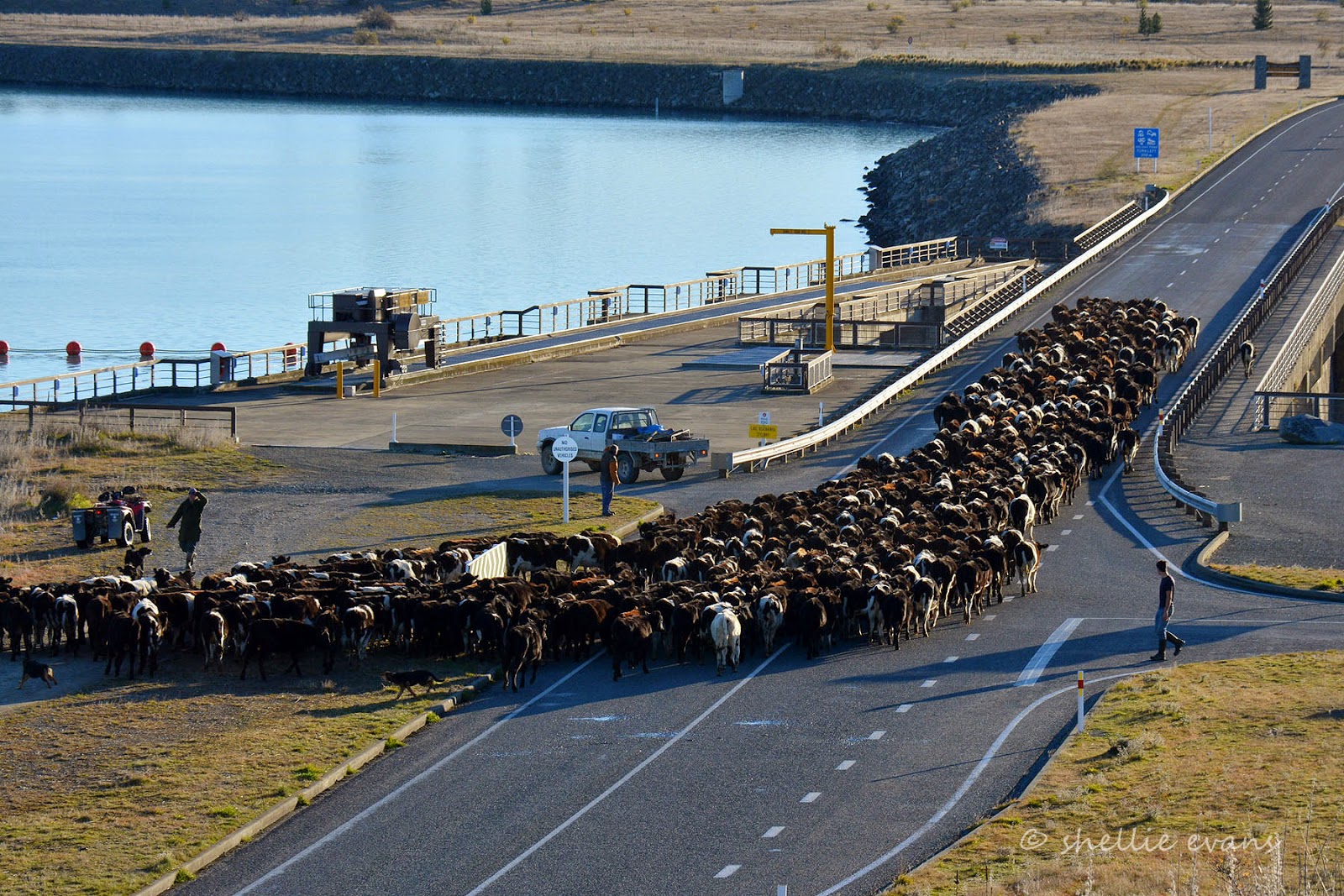
Gypsy Day is taking place across Aotearoa-New Zealand today. What significance does Gypsy Day hold for you?

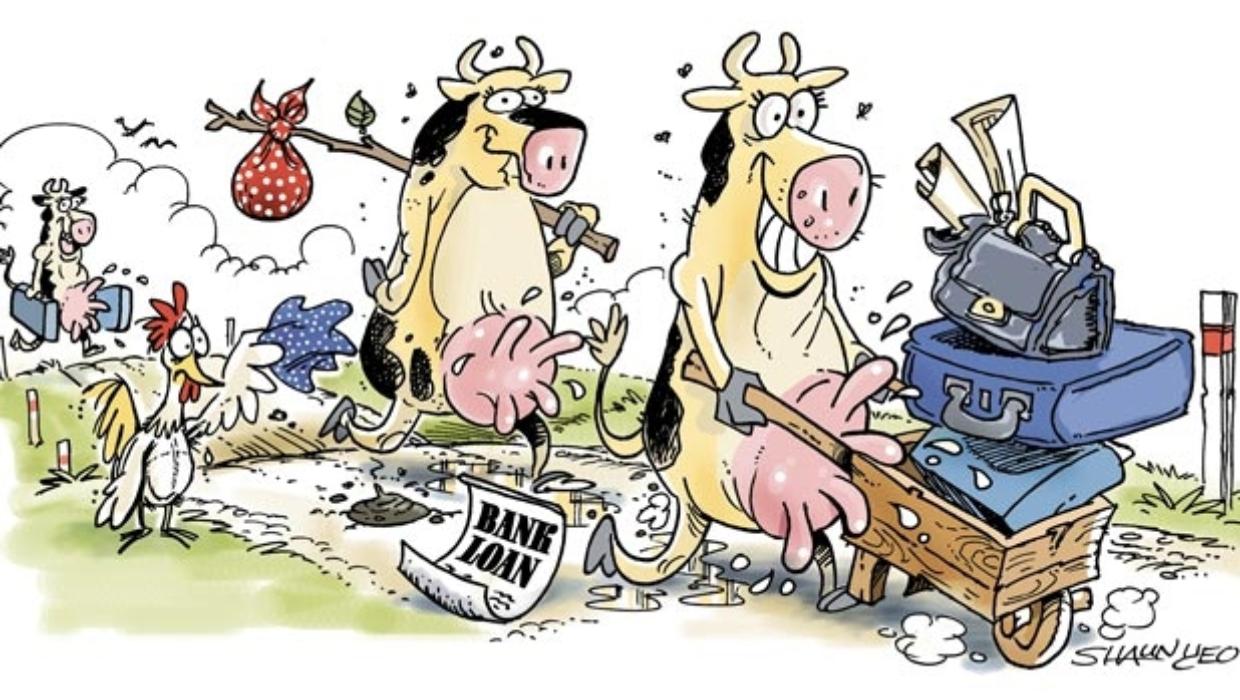
In New Zealand, Gypsy Day on June 1 is the official Moving Day for the dairy industry. On this day, sharemilkers, contract milkers, farm staff, and their families relocate their homes, equipment, and herds to new farms for the upcoming season. This move typically occurs annually or every three years, depending on employment arrangements.

https://www.stuff.co.nz/business/farming/advice/67560953/is-it-time-to-move-on-from-gypsy-day

It is also commonly referred to as “Mooving Day.”

Our neighbour, who worked as a farmhand, and his wife or fiancée moved out a few days ago. He mentioned they are now living along Tahuroa Road, on the other side of Tauwhare. Their one-year stay was unusual, as previous tenants, such as a young family named Greg, lived here for nearly four years before moving to Morrinsville. The tenant before them, between 2023 and 2024, also stayed for one year. Our neighbour is a shareholder in two major farms, including King (Hinton Bosch) Farm. The King couple began sharemilking 420 cows on 123 hectares on Hinton Road with Dan Hinton’s family, expanding their operation to 560 cows on 163 hectares and grazing stock at Tahuroa Road. My late great-aunt Joy was part of the Hinton family before the 1940s. Gypsy Day has always been significant to us, and several of my late uncles and other relatives spent many years living on farms. When I was young, my late grandmother Hilda (Biddy) explained the meaning of Gypsy Day to me.

The Hinton Bosch Farm is a prominent, multi-generation dairy property situated on the corner of State Highway 26 and Hinton Road in Eureka, Waikato. Spanning over \(120\) hectares, the property has a rich local history and has produced generations of the Hinton family, who originally settled the area as part of the Waikato Militia in the 1860s. [1, 2, 3, 4]

Historical Background

  • Family Line: The Eureka and Hinton Roads property is a 5th-generation Hinton family property. Henry Hinton, a private in the 4th Regiment, was granted a 50-acre block in the area known as Hinton’s Gully in the 1860s. [1, 2]
  • Operation: In the 2000s and 2010s, Troy and Michelle Hinton-Bosch ran the dairy operation on the property, milking around 400 cows and later expanding to over 420 cows. [1, 2]
  • Current Status: After the Hinton-Bosch family sold the property in the mid-2010s, subsequent owners continued sharemilking over 120 hectares [1]. The property was later sold to the King-Hinton family.

Locality & Context

  • Region: Located in Eureka, a tight-knit rural satellite farming community of the Waikato situated just a short drive from Hamilton.
  • Nearby Hubs: The farm is only about 15 to 20 minutes northeast of Hamilton City via State Highway 26.
  • Community: The area is famously documented by the local monthly publication, the Eureka Express, which records the comings, goings, and history of the local pioneering farming families. [1, 2, 3]

To learn more about the history of local families and estates, please visit the Heritage Waikato archives.

https://tikitouringnz.blogspot.com/2015/05/gypsy-day.html

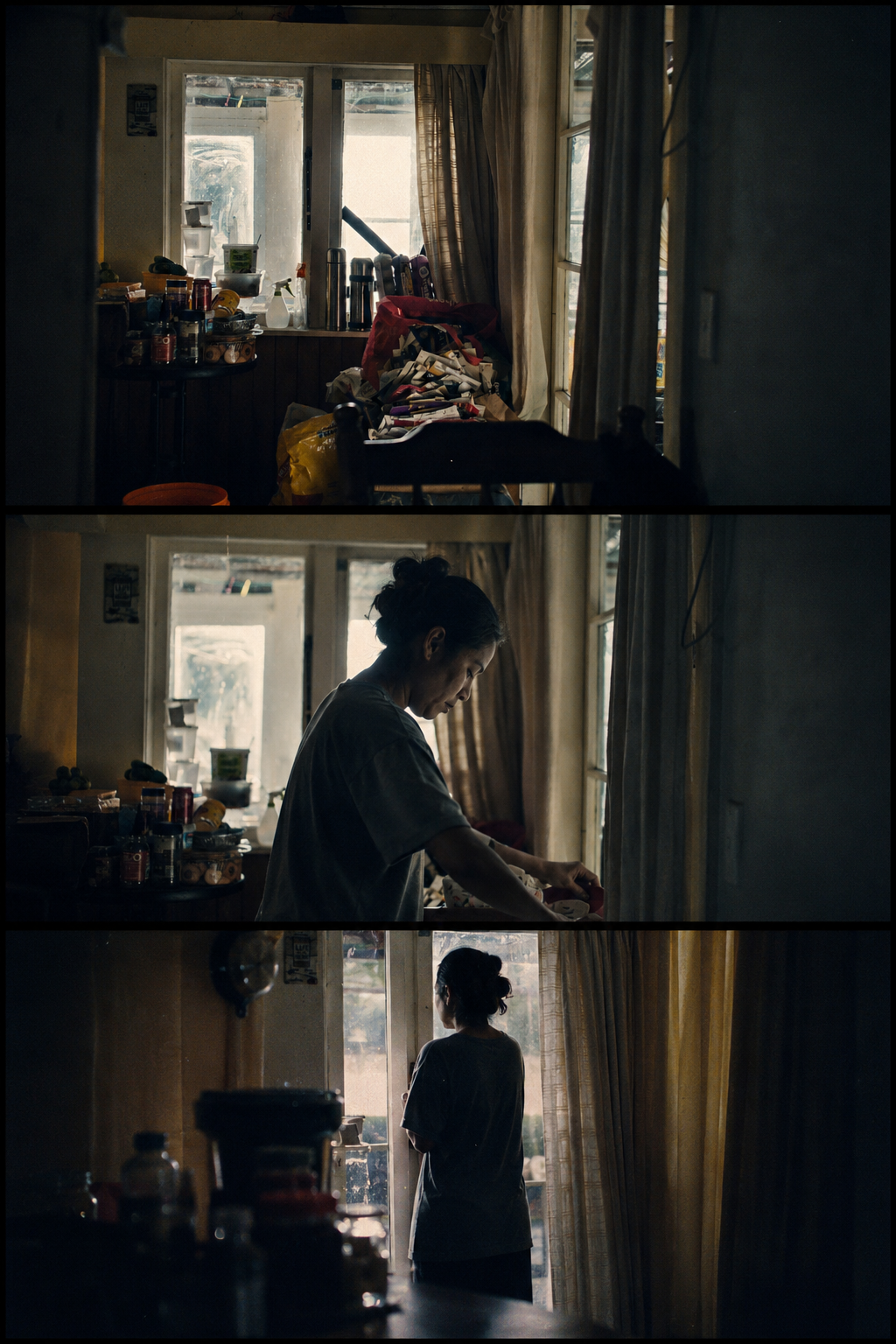
looking through the window

Thinking about what life could be like in the future can feel worrying. Many countries are preparing for a difficult economic outlook, with higher prices and job losses. Because of this, thousands of people with disabilities, D/deaf people, and others might face even more challenges, especially if there are cuts to support workers and funding for access.

Many people with disabilities, D/deaf people, and seniors will probably have a hard time managing daily expenses and finding ways to save money.

We do not know exactly what the future will bring. Sometimes, it feels as uncertain as the futures shown in movies like Blade Runner or the Terminator series.

I can feel the music’s vibration and try to hear the voices through my hearing aid, but it is hard without Bluetooth. The YouTube video ‘This Sound Feels Like Heaven | Gregorian Chants That Heal the Soul’ has Gregorian chant music that is great for meditation, prayer, relaxing, deep sleep, and spiritual practices. Many people use these chants for reflection, reading, or inspiration. As I listened, I looked out the window and watched sunlight fill my home office. Relaxing music helps me unwind, especially since I have multiple disabilities, including chronic pain and cervical spine issues that were finally diagnosed in 2014-2015. We live in the countryside outside Hamilton, which has given us a break and lets us enjoy life on our property. There are many garden projects, our dogs keep me company, and we have a house with a large barn, double garage, and a separate double carport on a one-hectare property. I named it Cluain na mBláth and Cluain na gCrann.

The Ministers in Parliament are struggling with their finances, rules, inflation, taxes, and funding. This makes things harder for us, while they benefit from our taxes and profits. Budget Day is this Thursday, and we have no idea what they plan to do.

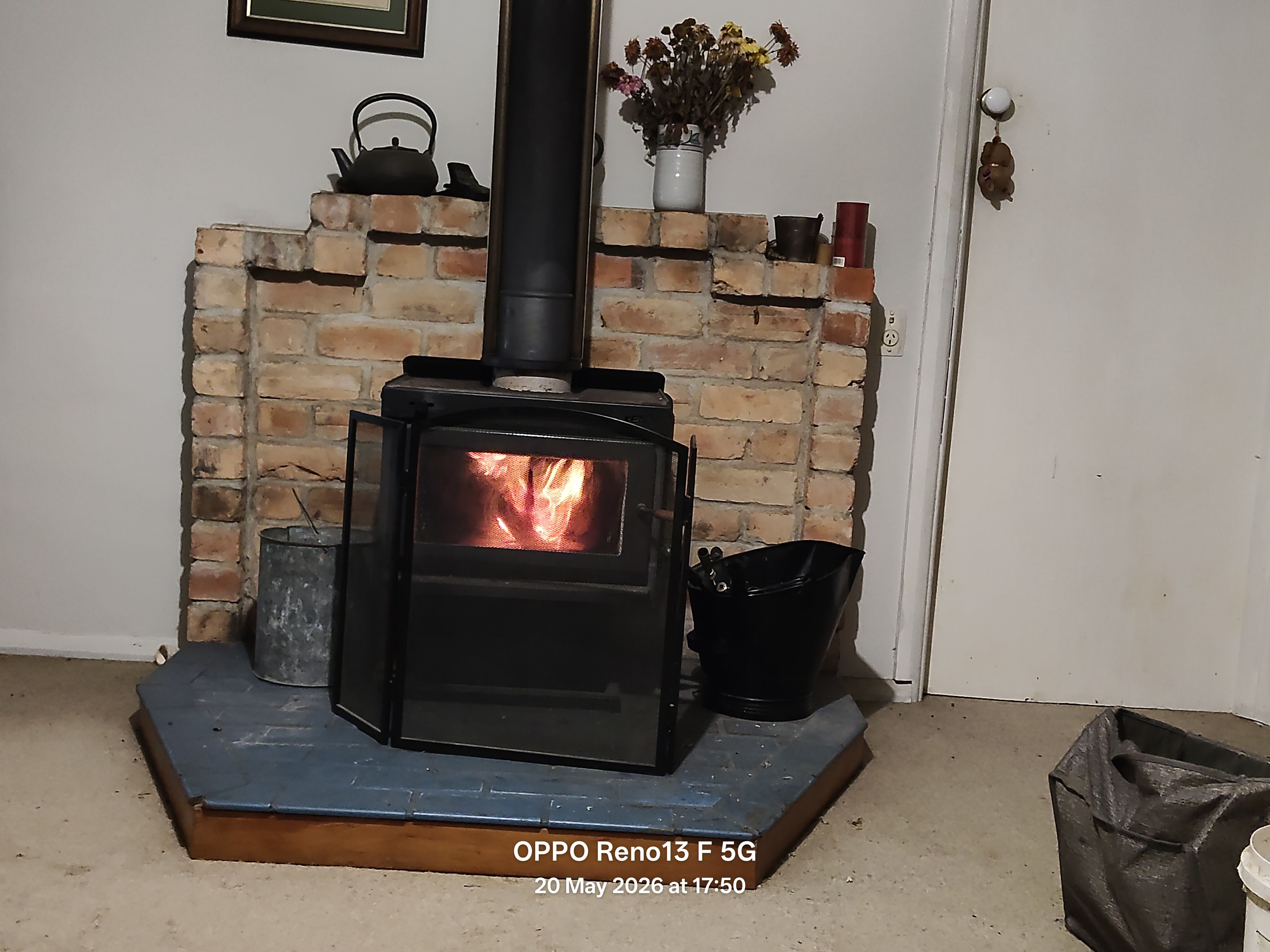
Now the sunshine is fading, and night is slowly falling as the temperature drops. It is time to start the fire for heating, and I will soon prepare the dogs’ meals because my partner will be home soon.

Welcome Autumn season

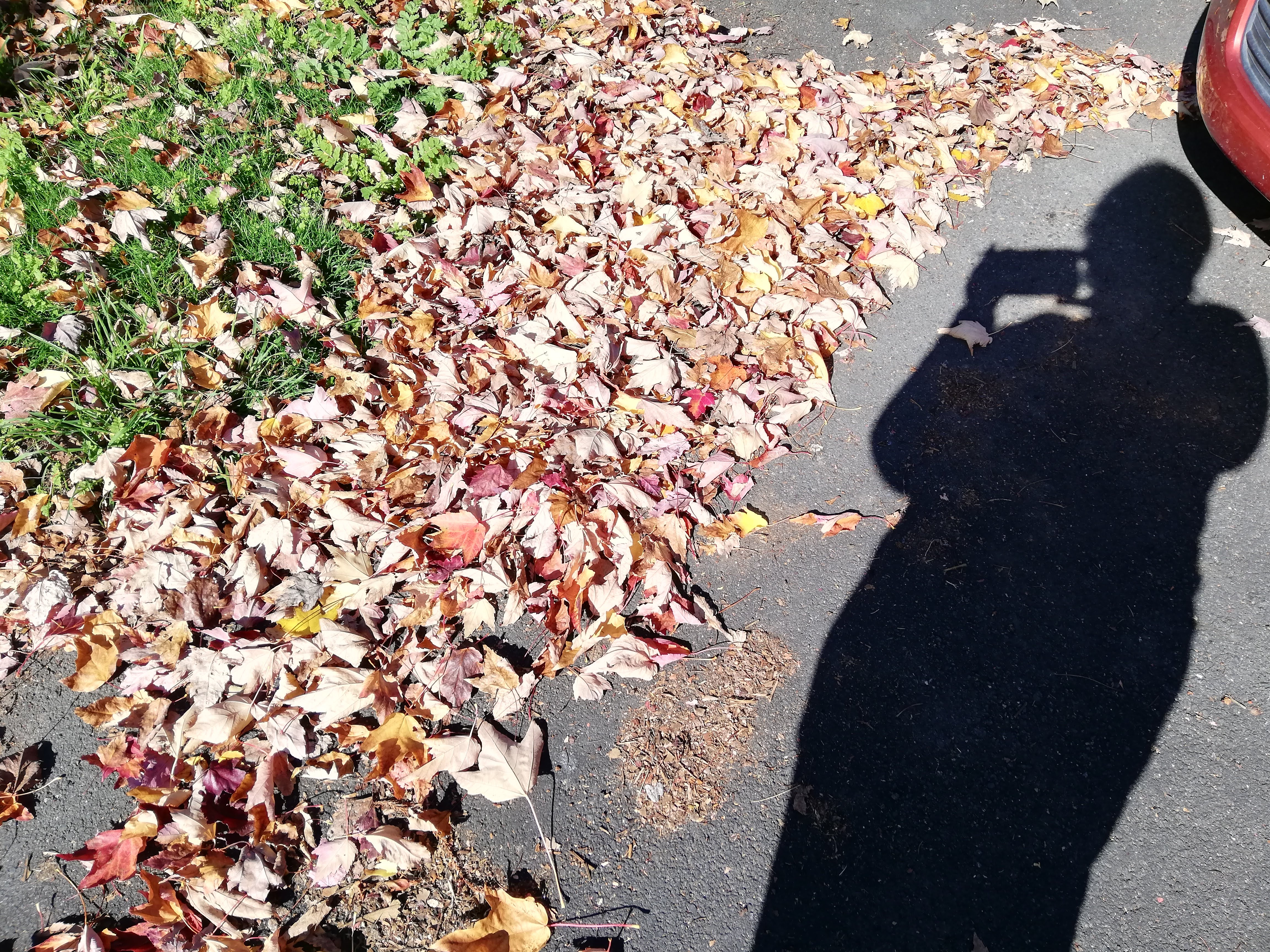
Autumn is here in Waikato. The leaves are changing colour, and as you walk through fields, along footpaths, by the roadside, or in the park, you can hear the crunch of fallen leaves under your feet.

Mushrooms pop up among the fallen leaves, but you have to be careful. Some are poisonous, while others are safe to eat.

Raking up the leaves can feel like a chore or something fun. Some people burn them in a bonfire, while others add them to compost to make new soil.

This morning, I went to the Oak Eatery Cafe in Morrinsville to meet with a Neurodiverse Support Group. From the cafe, I watched children playing in the playground nearby while parents, walkers, seniors, and other customers enjoyed the sunshine and walked through the leaves. One young child with mild autism was full of energy, running around, climbing a rope structure shaped like a hut, and walking across the platform bridge. The child’s mother looked tired as she tried to keep up.

A woman named Pamlea, whose real name is not Pamlea, asked me about using sign language to help autistic children and teenagers communicate. She said there was an NZSL class, but found it too hard for nonverbal young people. She was not criticising the class; she was just trying to understand. I suggested she talk to one of the NZSL teachers or teacher aides to see if they understand the needs of neurodiverse children and youth.

Out back, children played in the playground and loved the sound of leaves crunching under their feet and the feel of the leaves. Their faces were full of laughter and smiles. Adults enjoyed drinks like coffee, tea, or milkshakes with their meals and chatted with friends and colleagues.

It was a lovely morning at the Oak Eatery Cafe in Morrinsville. You might want to visit and try their menu while enjoying the area around the new housing estates.

Here is the link for you to look up… https://www.oakeatery.co.nz/

Earth Day – 22nd April 2026

AI Overview

The theme for Earth Day 2026, “Our Power, Our Planet,” focuses on working together to protect the environment and accelerate the adoption of renewable energy. It shows that both individuals and governments are important for driving change, aiming to triple renewable energy by 2030.

This video shares why the 2026 Earth Day theme matters.

00:33

António Guterres Instagram• 22 Apr 2026

Here are the main points of the 2026 theme:

  • Action-Oriented Focus: Moving from promises to real local involvement to make a difference.
  • Core Goals: Supporting clean energy, cutting down on plastic pollution, and looking after ecosystems.
  • Community Mobilisation: Inspiring schools, businesses, and people to take real steps in their own communities.

This year’s theme builds on the 2025 focus and reminds us that everyone shares responsibility for the environment. Even small actions by individuals can have a big impact worldwide.

In New Zealand, we’ve had several tropical storms and heavy rain over the past two weeks. Northland, East Coast/Hawke’s Bay, and Marlborough have been hit the hardest in years. Bay of Plenty, Wairarapa, and Wellington (Te Whanganui a Tara) have also faced downpours, flash floods, and rising rivers. Wellington was especially affected because it sits at the southern tip of the North Island, surrounded by hills, narrow roads, and parks. The city took the worst hit in just 48 hours this week.

Wellington’s Māori name, Te Ika-a-Māui (often called Te Upoko-o-te-Ika), means “The Head of the Fish of Māui.” This traditional name for the southern tip of the North Island comes from the legend of the demi-god Māui.

Other countries around the world are facing similar challenges, and in many cases even worse ones, such as earthquakes, cyclones, floods, and other natural disasters. The world is changing, and many people are not taking care of the environment or working to prevent global warming. For example, our property lacked enough trees to block the wind or prevent erosion, so the soil began to wash away. I planted native trees—some that grow quickly and some slowly—to balance growth each year, and I also planted flaxes to replace agapanthus shrubs. I am still working to remove the agapanthus, even though I have disabilities and little help from my farming neighbours or the council’s environment staff.

Yes, it is time to start thinking about how you can preserve and improve the environment, such as planting trees and shrubs, controlling weeds, exploring other ideas, and recycling plastic into materials or products.

Genealogy Research

I’ve spent years exploring both sides of my family tree, and it’s been a rewarding journey. Not long ago, I checked Family Search, the website run by The Church of Jesus Christ of Latter-day Saints, for any updates. I hadn’t visited in some time because my work in social services and advocacy kept me busy. Over the weekend, I received an email that piqued my curiosity about which famous people might be connected to my family. I was surprised and pleased to see a list of twelve well-known names. I also got a message from RootTech about a possible connection to someone I’m unfamiliar with.

I was excited to discover that some of these people are important to me as a writer and blogger, including a few of my favourite historical figures and even a politician. On my late father’s grandmother’s side, we are related to Prime Minister Norman Kirk. On my mother’s side, there are well-known rugby players. My nephew only learned about them when his mother mentioned Carlos and Payton Spencer. I have a neighbour up the road who is related to my mother’s side of the family, and her aunt, though not related by blood, is a New Zealand politician. Another neighbour who owns a share in the local farms is connected to my father’s mother’s mother’s side of the family.

His ancestor through the Cherry-Osborne side of the family

I also found a darker part of our family history while reading a New Zealand newspaper. None of us had heard this story from my mother’s side before. It was about Walter James Bolton, the last person to be hanged in Auckland and in New Zealand before capital punishment ended. The death penalty for murder was abolished in 1961, but the last parts of the law were not removed until 1989. My mother’s family left Marton, in the Rangitikei district of the Manawatū-Whanganui region on New Zealand’s North Island, during the Depression years. Marton is 35 kilometres southeast of Whanganui and 40 kilometres northwest of Palmerston North. Ngāti Apa are the tangata whenua for the Marton area.

I also learned that we are connected to a royal family line dating back to the 1300s, though not to the current royal family. This connection is through my mother’s side, from Somerset, UK.

When you look into your family history, you may find both good and bad stories. There’s no need to feel afraid or worried if you discover a black sheep or someone with a criminal past. These events often happened long ago, and learning the reasons behind them can help, such as understanding why someone was sent to Tasmania, Australia, as a convict.

It’s true that finding these stories can feel embarrassing or shameful, and sometimes others might even see them as taking advantage of the past.

A few years ago, I met a Deaf woman through Facebook and Messenger who was related to the Flutey family from Canterbury, New Zealand. She only found out about this connection after researching her mother’s side. She mentioned the name “Flutey” on a Deaf Facebook page, and I recognised it because I knew her through her deaf ex-husband. I offered to help her with genealogy and shared that my father’s mother’s side included a marriage to a Flutey man. She gave me her family details, and I traced them back to Okains Bay, Banks Peninsula, near Christchurch. It turned out her female ancestor was a sister to our female ancestor from Canterbury. Among her Flutey ancestors, there are many dark stories, mysteries, troubles, and good stories.

Most people choose not to get into genealogy, and that’s completely fine. Māori people have their own genealogy, called whakapapa, for their hapu and iwi. Another reason to look into both sides of your family is to check for any genetic issues, such as whether a family member might carry cancer DNA or show other symptoms. Here are some important variations and factors to keep in mind:

  • X-Inactivation: In females, one X chromosome is turned off to prevent getting a double dose of genes.
  • Aneuploidy: Missing or extra chromosomes can cause conditions like Turner syndrome (monosomy X).
  • Chromosomal Studies: Researchers often study X-chromosomal variants, including nonadditive effects, in genetic association studies to better understand disease risk, according to research from PMC – NIH.

The more you look into your genealogy, the more connections you’ll find, and you never know who you might be related to. There are several good websites available, though you usually have to pay to join. My advice is to be careful about whether there’s a real link to another family or DNA system, since it’s not always accurate. For example, details like birthplace, age, sharing a name with a parent, or changing a name to leave family or country can cause confusion.

Endometriosis Awareness Day – March 11th

For Empowerment: “Be gentle with yourself; your pain is real, your strength is unmatched”.

Even though we face pain every day, we still find reasons to smile. We keep fighting our illness and work hard to have our condition recognised. Through everything, we stay strong and live with love. This is what every endo warrior goes through.

Endometriosis is not imagined. It is a real condition that affects the pelvis.

Bethany Stahl

Today is Endometriosis Awareness Day. It is a time to recognise the challenges many women face with this condition.

Endometriosis isn’t always recognised as a listed disability under specific laws, but in severe cases, it can qualify if it significantly disrupts one’s ability to work or perform daily activities.12 Nov 2025 https://clintonwomenshealthcare.com/is-endometriosis-a-disability-what-patients-should-know/#:~:text=Endometriosis%20isn’t%20always%20recognized,work%20or%20perform%20daily%20activities.

Is endometriosis considered a disability in New Zealand?

Endometriosis is a long-term condition that can greatly affect daily life. However, most medical professionals and the law in New Zealand do not consider it a disability. 13 Sept 2022 in New Zealand.

Read This If You’re Asking, ‘Is Endometriosis a Disability?’Healthlinehttps://www.healthline.com › health › is-endometriosis-a-…

https://www.insightendometriosis.org.nz/info-hub?_gl=1*46sczh*_up*MQ..*_gs*MQ..&gclid=Cj0KCQiA5I_NBhDVARIsAOrqIsYtJJYwzxBBypnbFJwe0_dCBV3ZS6njDcdGLg5-WQUslb1cvSt8ErcaAvcgEALw_wcB&gbraid=0AAAAABwcGdMO371_5TyezeMgGnww6toup

You are not alone. I am a deaf endometriosis survivor, and my journey took place between July and October 2000.

This is my story of moving from unbearable pain to recovery after surgery in 2000. Before July that year, my periods were not painful, but they slowly became lighter each month. After spending a month in the USA between June and July, I was asked to teach basic sign language to a group of neurodiverse young adults for a play in October called ‘Snow White and Seven Tall Dwarves’. In mid-July, I started to feel a nagging cramp on one side of my pelvis and stomach. I made an appointment with my GP to talk about it. My GP could not find the cause and sent me to a Radiology Clinic for an ultrasound. During the scan, the nurse asked if I was pregnant or had children, then brought in a specialist to check the results. They decided I needed to see a gynecologist, so my GP referred me. Since they could not find a female gynecologist, I eventually saw a male gynecologist. In August and September, I met with him to discuss the ultrasound results, and we agreed I should have surgery as soon as possible, since I had teaching duties for the play in October. I did not use an interpreter in the same room, but the gynecologist explained everything to me in detail, with pictures and information about the surgery. Laparoscopic surgery is a minimally invasive technique that uses a camera and small instruments inserted through small incisions to perform abdominal or pelvic procedures. It reduces pain, minimises scarring, and allows for a faster recovery than open surgery.

Since I am deaf and cannot use the phone, the gynecologist called the private hospital for me. After two cancelled bookings, I scheduled my surgery for the first week of October and took five days to rest. I found a friend from church to cover my teaching duties for the play. I explained the situation to the neurodiverse students, their support staff, and the organisers. At first, they were disappointed, but they understood and accepted that I would be back in time for the play’s show night. I also received a wedding invitation from a Deaf couple that same month.

The laparoscopic surgery went well. During the operation, the gynecologist and other specialists found more cysts behind the pouch of Douglas and near the bladder. They had my permission before the surgery and made sure to remove everything. The surgery took a long time, and the nurse called my mother in the middle of the night. My mother was relieved to hear I was okay. The next day, I woke up and saw more than two specialists in the room. We talked about the results and what they found. After five days, I was discharged from the private hospital and rested for two weeks: one week at my mother’s place in Ralgan and another week at my home in Silverdale. While I was in the hospital, I received a big Get Well card and flowers from the neurodiverse students. It was a kind gesture, and they missed me. First, I attended my Deaf friends’ wedding. An ex-husband of one of them, who worked for the NZ Deaf Association Hamilton Branch, now called Deaf Aotearoa, took me to the wedding.

On the night of the show at Hamilton Methodist Social Service Hall, the place was packed with a big crowd eager to see the play. Another friend took me to the show because I was not allowed to drive for six weeks. Several weeks later, they gave me the video. I still have it and a Get Well card somewhere here.

In the following years, I was studying for a BA in Arts at the University of Waikato, and my notetaker asked me about this symptom. I replied, “Yes, I have one. Why are you asking me?” The notetaker went through a painful journey, waiting for results and looking for help from networks and books. I loaned her one of my books and gave her a contact website. In the end, she had surgery and went on a Maaori spiritual healing retreat, since she is Maaori.

Endometriosis is represented by the sunflower, a flower which, by its nature, symbolises light and life and is an emblem of hope for all women who live every day with this pathology, which is still “in the shadows” and little known.

Pondering thoughts of the world changing

This morning, I received several newsletters from overseas. These hidden stories are being shared with others, not fake stories, as I work from home in a resilient, supportive rural environment. The post came through LinkedIn from Matthew Tukaki, Chair of the National Māori Authority, Aotearoa/New Zealand: “Just for a moment, let’s step back.

Put the politics aside.

Put the noise down.

Look around you and really see Aotearoa — the land of the long white cloud.
The beauty in every maunga and valley.
The reflection of the sky in our awa.
The quiet strength of our coastlines, our forests, our towns, our people.
We may not all agree. That’s okay.

But one thing is certain — we are stronger together.

We are not Trump’s America.

We are Aotearoa — a beautiful country with immens…..” Wish to read more and go to this link. https://www.linkedin.com/posts/matthewtukaki_just-for-a-moment-lets-step-back-put-ugcPost-7421706955297099776-T7uT?utm_source=share&utm_medium=member_desktop&rcm=ACoAAAjOMIwBDoyWlGCoauJDu55eiFuBMvoUgY0

I took a break to refresh my thoughts and read Matthew’s post. It was calming to reflect with a cup of coffee and my two dogs beside me.

The world has been changing constantly and without warning. Global weather disasters, wars, trauma, rising living costs, lack of affordable housing, struggling businesses, and increasing poverty affect millions of people with physical and invisible disabilities.

Where is the compassion, empathy, and teamwork in leadership roles in a world full of egopaths? There are arrogant people, even among millionaires and billionaires, but only a few truly altruistic wealthy individuals. What about those who stand firmly against oppression, suppression, and tyranny? Have you thought about the true meaning of wealth, in giving to those who need it, investing in education and innovation, not in poor planning and design? Anyone can be filled with riches in their hearts.

Perhaps those who know me understand my improvisation in blogging, storytelling, mentoring, and sharing resources as a deaf person with disabilities, historian, advocate, and advisor. Their encouragement has helped me continue to grow, improvise, and learn. I am thankful to these people in my life and work.

“Just let people be wrong about you. It does not matter. Just be a good person and let them be wrong.

People will always form opinions about you, and not all of them will be right. You cannot control what they believe or say. What you can control is how you act and the choices you make. Focus on kindness, honesty, and integrity. Being true to yourself matters more than proving others wrong. Motivational Life Quotes

Recently, over the last few weeks, the D/deaf community lost their favourite teacher aide of Deaf students, the school principal of the Primary School in Hamilton, and a Deaf senior of the Deaf community and the Waikato Deaf Society Inc, from 1956 to 1999 (Dissolved in 2004). I listened to and read their comments in messages and during the funeral service. Several D/deaf students and families of Deaf seniors recalled their favourite memories to share with us. One person shared a speech from a son-in-law who remembered his Deaf mother: a strict upbringing, the uncertainty of communicating in sign language with his deaf mother and father-in-law, and the deaf mother-in-law’s famous phrase, calling someone a silly old man and giving him a clip on the head several times. A brother-in-law mentioned that his sister-in-law crashed into power poles without a seatbelt and wasn’t fazed by the police’s warning. The messages from the D/deaf students recalled their favourite teacher aide through their memories of her as a caring, warm-hearted person, compassion and empathy to many Deaf students through Waikato schools.

The disaster in Mauao, also known as Mount Maunganui, a 232-metre dormant volcanic cone, was the most significant landslide and killed six people this year. This was not the only disaster. There were several others in Welcome Bay, which killed two people, as well as in the East Coast, Coromandel, and parts of Greater Auckland, such as landslides. Mauao was the worst in many years due to heavy rain, poor understanding of soil environments, and failures in response and prevention. Mauao was a highlight of my childhood, where our family lived and spent school holidays.

What more can I put down at the moment, as I looked at the clock and the time flew by?

During the Work Retreat weekend at the Coromandel.

2026 – A New Year

As 2025 ends and 2026 begins, we’re curious about what’s ahead. Now in our sixties and seventies, we live in the countryside near Hamilton. Over the years, we’ve faced ups and downs in work, relationships, money, family, friends, and health.

We have lived in Eureka, Waikato, for 12 years.

Life in Eureka isn’t without its challenges, but it’s pleasant here. We’re away from Hamilton but close to towns like Cambridge, Morrinsville, Te Aroha, Matamata, and Ngāruawāhia.

Living here has meant adapting to changes in life and finances, but we’re managing. I still teach, advocate, and mentor in our communities, learning about disabilities and how they affect people in business and health. We also spend time working in our large gardens and around the property, maintaining the woods for firewood, pruning trees, fixing the fence, and planting new bulbs and plants.

Recent government decisions have made things harder for many, with funding cuts, higher taxes, less support for seniors and people with disabilities, fewer retirement options, and business closures. Across New Zealand, people feel both hope and worry about money, inflation, changes at work, health issues, and moving to retirement villages or smaller homes near family.

Many countries are facing worsening situations and deeper crises, like Ukraine-Russia, Israel-Gaza-Palestine, Venezuela, Cuba-USA, and Iran. All except Greenland have fallen into poverty because of the economic crisis.

I think Trump should step back, since he doesn’t own any countries, control resources, or have the power to stop the drug trade and other problems. The same goes for Putin and Benjamin Netanyahu, who want land and resources, build more housing for their own people, and push aside Palestinian communities as history repeats itself. It all comes down to greed and power.

Instead of focusing on the world’s chaos, I’m trying to stay positive. What will 2026 bring for us here?

“The future depends on what we do in the present.” – Mahatma Gandhi

With the New Zealand election coming up, I read about a group doing great teamwork in the Disability Sector and public communities. New Zealand relies heavily on debt, which has grown 4.7 times in 25 years—from $128.8 billion in 2000 to $608.7 billion in 2025. That’s a 372% increase, much higher than the 35% population growth. Debt per person tripled, from $33,378 in 2000 to $117,054 in 2025, a 251% rise. On January 1, 2026, net borrowing was $15.6 billion. Net worth dropped by $3.8 billion to $465.0 billion, after a $26.5 billion increase in 2024. Net debt went up $25.1 billion to $115.2 billion in the year ending June 2025. This is due to fiscal management over the past six years or more. New Zealand’s economy has faced significant challenges, including a deeper-than-average recession, low growth, and high inflation, affecting households and businesses.

Housing and jobs are the biggest challenges for many disabled people, D/deaf people, and thousands of homeless people across New Zealand. Low benefits, high inflation, and struggling businesses make things harder. It’s also tough to access skills and equipment in ways that are accessible and free of ableism.

“There is nothing like a dream to create the future.” – Victor Hugo

I am focusing on making time to keep moving on two projects: Waikato Deaf Units and Waikato Deaf Society Inc., 1956-1999 (dissolved in 2004), despite little help or support from other Deaf people in the community, except for a small number of seniors. I am updating the website domains through WordPress.com and budgeting the annual website costs. Work and Advisory Groups keep me busy as I juggle time to type stories, put photos together, upload them to the website, and store them safely in hard storage and on iCloud drive. Through spare times I was on leave for surgeries and took several weeks leave from 2 works so I can focus on my health resume last year.  I will try my best to finish these projects.

With the wild weather continuing to disrupt everyone’s holidays, the worst disasters were flooding and landslides in Northland and at Mauao in Mount Maunganui. Several people were killed in a landslide at Mauao and Welcome Bay, while one or two people died in roaring flooding that swept them away. The world is affected by global climate change, which creates man-made disasters faster than anyone can cope with the crises that follow.

“Although the world is full of suffering, it is also full of the overcoming of it.” – Helen Keller

These words from Helen Keller can help remind us that while hardship and difficulty are a part of life, resilience is too. Even when things are difficult, there is always the possibility for growth and healing.

Testing the time as the day went by!

Having two weeks break under one Disability Organisation, and I am on the second week of the break, despite the weather not being so great for me to start with the garden weeding, planning the jobs in the garden and many other lists. That is okay!

As you’re aware, Spring has already sprung here, and we’re eagerly awaiting the arrival of Summer! The anticipation is palpable, and I can’t wait to see how the garden transforms with the change in season. The excitement is contagious, and I hope you’re as thrilled as I am for what’s to come. It’s a journey we’re all part of, and I’m excited to share it with you.

It’s a delight to see the bees buzzing around the fresh flowers, diligently collecting pollen for honey and pollinating other blooms. Their presence is a reminder of the interconnectedness of nature, and I’m deeply grateful for their role in the garden. It’s moments like these that make me appreciate the beauty of our natural world.

New seedlings popped up, and it is not yet ready for planting in the vegetable garden. I need to think carefully about a rabbit-proof barrier around the seedlings in the garden. Yes, I do have rabbit-repelling stuff, such as a combination of physical obstacles and natural deterrents like certain plants, and it is working well. Mm, better throw out plenty of pumpkin seeds there and over there, anywhere.

The strawberry garden is thriving, and it’s a joy to see the urgent need for weeding and weekly fruit fertiliser. The same goes for the Blueberries garden-they’re doing well and it’s a testament to the care and attention they’ve received! It’s truly inspiring to see the results of our hard work, and it fills me with hope for the future of our garden.

I am focusing on doing plant cuttings and contacting a couple of friends I know who have dahlia bulbs before Labour Weekend. By looking at the weather forecast, a Labour Day Monday is not going to be good; however, who knows what the weather will bring for us in Waikato? The anticipation for these upcoming plans is palpable, and I can’t wait to see how they unfold.

The greenhouse needs a bit of tidying up while caspuim plants are still producing caspuim fruits through Winter to present. Kumuras are ready for digging out and preparing for the next stage of planting fresh kumuras inside the greenhouse for a long, productive period of time. Just like Potatoes, too!

No fear for my last week of the holiday break, I am looking forward to an extended annual leave under two organisations before Christmas 2025 until mid-January 2026. It is a once-a-year one-month leave.

Flowering shrubs and trees are doing well, and there is plenty of time to do pruning of old branches and trimming heights once winter flowering finishes. The Five Cherry trees field will be displayed with flowers, not fruits, in one large field. Roses are coming out, and fear not about late pruning. I will trim and remove the dead stems and branches in the rose garden. There is no harm done if anyone forgot to do the pruning of the roses or not.

The large centre garden, as I call it, the Golden Totara garden, is a special place where the beautiful display of colour of the golden totara tree stands tall and mightily displays colours of the changing seasons every year. Currently, the shrubs, Manuka shrubs and kowhai tree need attention to do jobs such as trimming, weeding and laying down mulch of old totara leaves and branches, which were trimmed back by one of my Christian friend’s sons, who is an aborist qualified and runs a business early this year. Sigh, by seeing the last chunks of logs waiting to be cut up and stored in the large barn for firewood within one to two years.

Mm, there are lots more shrubs, lavender shrubs, bottlebrush trees and many more in our large property. We bought our homes (there were two houses – one house now) with a double carport, a double garage and a large barn over 50 years back in October Labour Weekend in 2014. The gardens grew by adding more trees, vegetables and fruit trees and expanding the size to allow the control of wind breaks and privacy screening. Mm, Flaxes, a type of plant that we particularly love for its beauty and resilience, reminding me, and I need more flaxes from a large flaxes section, the point head of the intersection of the state highway road and a small public road. By putting more flaxes, we will be planting along the entrapment stream opposite the private farms – share farming. This section will control a place for many ducks, pukeos, of course, bloody rabbits, a nest and a security place while maintaining flaxen fences border lines to stop erosion of the banks, despite the ever-changing nature of Global Warming becoming increasingly alarming and destroying the environment.

We love our home and gardens until we decide to move within fifteen or twenty-five years with our dogs, because we are over 60 years old and continue to work.

wiki mo te hauora hinengaro (Mental Health Awareness Week)

Mane 6 o Oketopa (Monday 6th October)

Tūhono (Connect)

Extract from the Mental Health Foundation site NZ

Connect, me whakawhanaunga

Talk and listen – me kōrero, me whakarongo, be there – me whakawātea i a koe, feel connected – me rongo i te whanaungatanga

The ability to form relationships is a fundamental aspect of what makes us human. Positive social interactions make us feel happy, connected and secure. Building meaningful relationships with family/whānau, friends, and the community goes a long way to increasing your sense of belonging and strengthening personal wellbeing. Through sharing experiences, you can discover how you can help others. It also means that during times of distress, you have the support you need to get through. 

Connect with people who make you feel valued and appreciated. This might include your whānau/family, friends, colleagues and neighbours. Here are some examples:

  • Smile at someone else.
  • Take the time to find out something you didn’t know about someone you know.
  • Contact a friend you have not seen or spoken to for a while.
  • Reach out to someone who may be lonely and invite them to spend time with you.
  • Connect with someone you’ve lost touch with on social media and share a happy memory you have of them.
  • Introduce yourself to a new parent or family at your child’s school.
  • Eat dinner with the whānau. Play a game of ‘table talk’ where each person reports about their day’s events, including the best thing that happened, the funniest thing and anything they didn’t enjoy.
  • Take time to read your local newspaper or newsletter – find out what’s going on in your area.
  • Host a potluck catch-up or BBQ with neighbours, friends or whānau.
  • Join a group: it could be your local sports team, book club, choir – whatever interests you most!
  • Organise a baby photo competition with friends or colleagues – match the person to the baby!
  • Connect with the whenua; grab some mates and get into the great outdoors – go on a bush walk, go surfing, or mountain biking.
  • Have a family WiFi, TV, and text-free day and bring out the old board games.