Genealogy Research

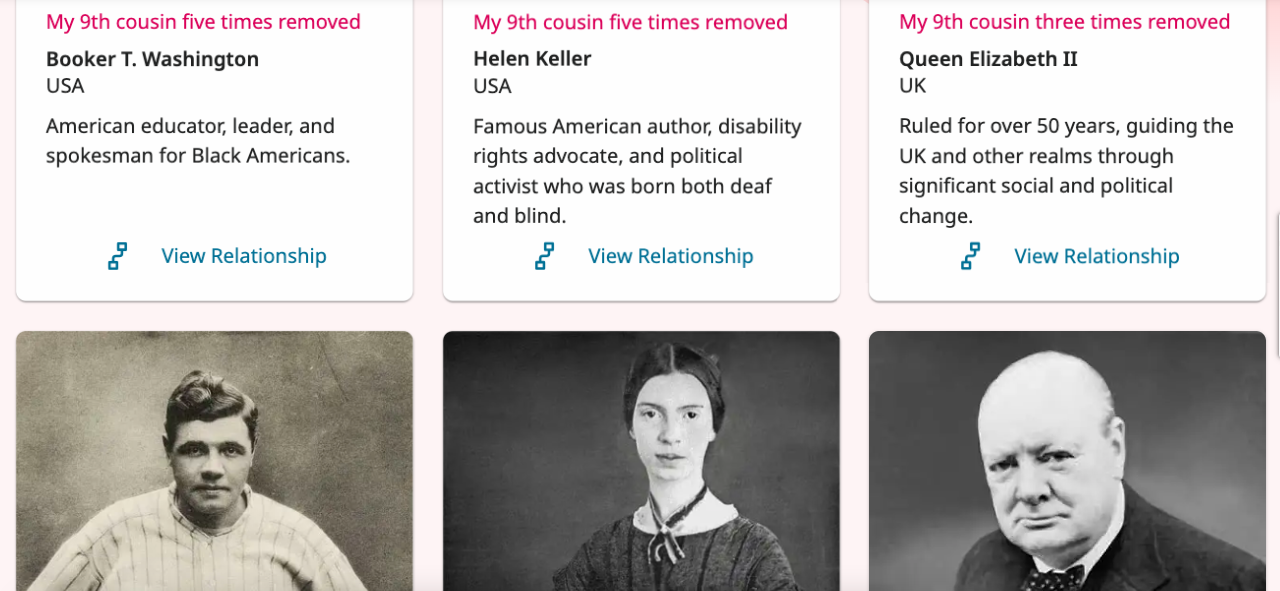
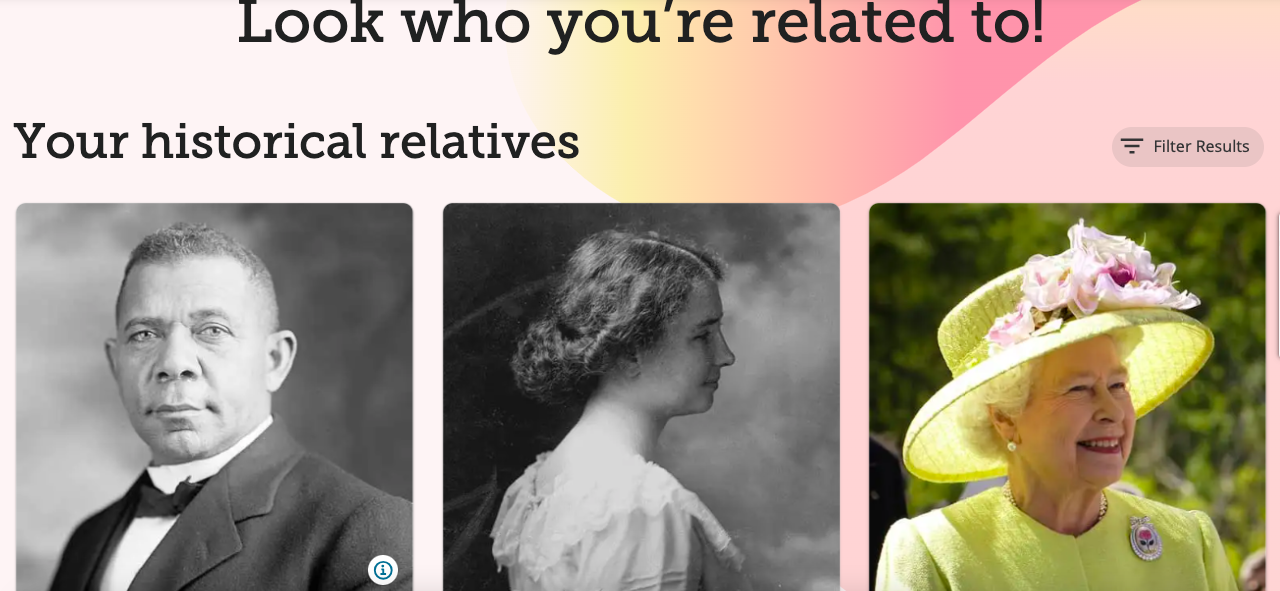
I’ve spent years exploring both sides of my family tree, and it’s been a rewarding journey. Not long ago, I checked Family Search, the website run by The Church of Jesus Christ of Latter-day Saints, for any updates. I hadn’t visited in some time because my work in social services and advocacy kept me busy. Over the weekend, I received an email that piqued my curiosity about which famous people might be connected to my family. I was surprised and pleased to see a list of twelve well-known names. I also got a message from RootTech about a possible connection to someone I’m unfamiliar with.
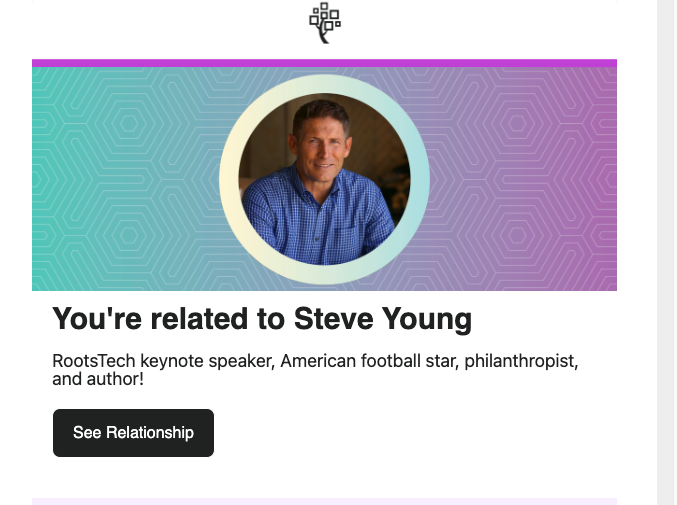
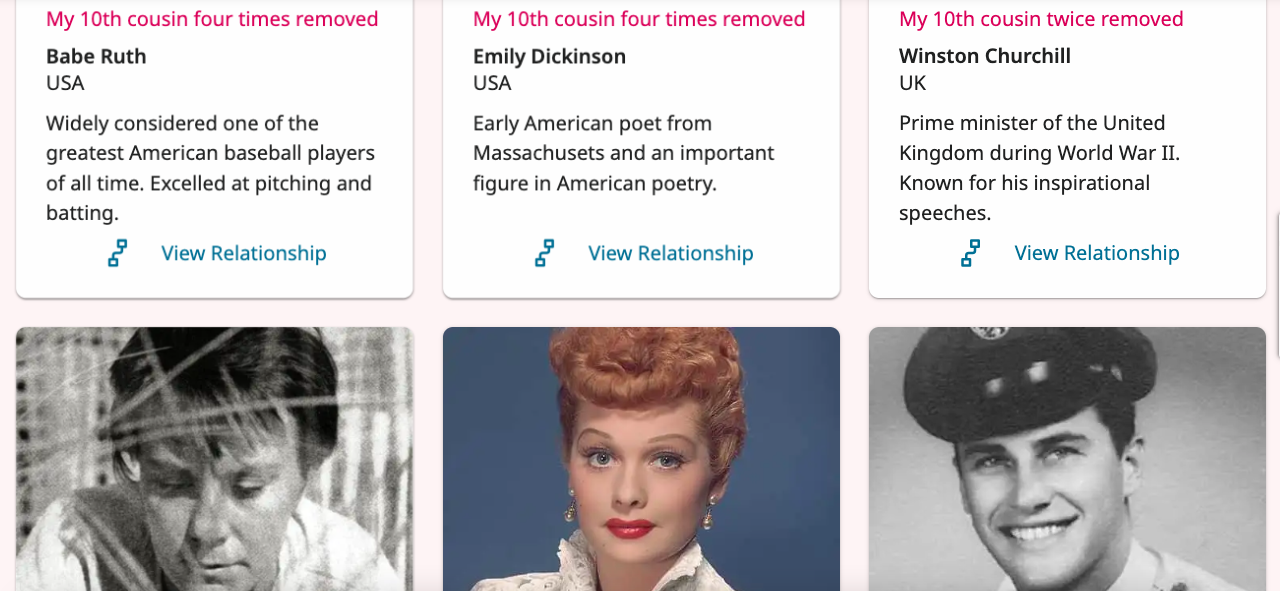
I was excited to discover that some of these people are important to me as a writer and blogger, including a few of my favourite historical figures and even a politician. On my late father’s grandmother’s side, we are related to Prime Minister Norman Kirk. On my mother’s side, there are well-known rugby players. My nephew only learned about them when his mother mentioned Carlos and Payton Spencer. I have a neighbour up the road who is related to my mother’s side of the family, and her aunt, though not related by blood, is a New Zealand politician. Another neighbour who owns a share in the local farms is connected to my father’s mother’s mother’s side of the family.
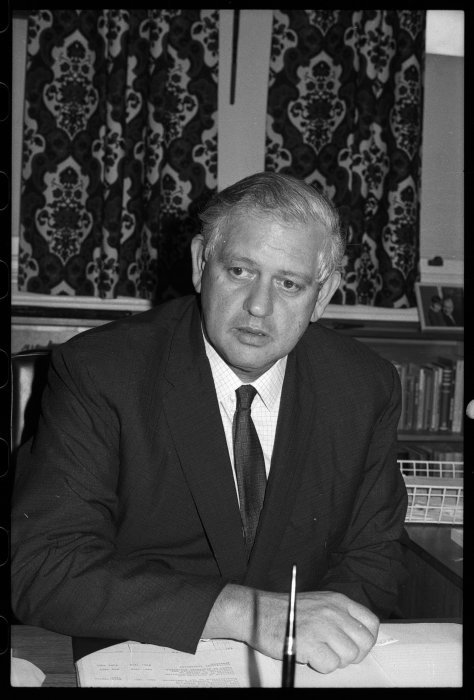
His ancestor through the Cherry-Osborne side of the family

I also found a darker part of our family history while reading a New Zealand newspaper. None of us had heard this story from my mother’s side before. It was about Walter James Bolton, the last person to be hanged in Auckland and in New Zealand before capital punishment ended. The death penalty for murder was abolished in 1961, but the last parts of the law were not removed until 1989. My mother’s family left Marton, in the Rangitikei district of the Manawatū-Whanganui region on New Zealand’s North Island, during the Depression years. Marton is 35 kilometres southeast of Whanganui and 40 kilometres northwest of Palmerston North. Ngāti Apa are the tangata whenua for the Marton area.

I also learned that we are connected to a royal family line dating back to the 1300s, though not to the current royal family. This connection is through my mother’s side, from Somerset, UK.

When you look into your family history, you may find both good and bad stories. There’s no need to feel afraid or worried if you discover a black sheep or someone with a criminal past. These events often happened long ago, and learning the reasons behind them can help, such as understanding why someone was sent to Tasmania, Australia, as a convict.

It’s true that finding these stories can feel embarrassing or shameful, and sometimes others might even see them as taking advantage of the past.

A few years ago, I met a Deaf woman through Facebook and Messenger who was related to the Flutey family from Canterbury, New Zealand. She only found out about this connection after researching her mother’s side. She mentioned the name “Flutey” on a Deaf Facebook page, and I recognised it because I knew her through her deaf ex-husband. I offered to help her with genealogy and shared that my father’s mother’s side included a marriage to a Flutey man. She gave me her family details, and I traced them back to Okains Bay, Banks Peninsula, near Christchurch. It turned out her female ancestor was a sister to our female ancestor from Canterbury. Among her Flutey ancestors, there are many dark stories, mysteries, troubles, and good stories.

Most people choose not to get into genealogy, and that’s completely fine. Māori people have their own genealogy, called whakapapa, for their hapu and iwi. Another reason to look into both sides of your family is to check for any genetic issues, such as whether a family member might carry cancer DNA or show other symptoms. Here are some important variations and factors to keep in mind:

  • X-Inactivation: In females, one X chromosome is turned off to prevent getting a double dose of genes.
  • Aneuploidy: Missing or extra chromosomes can cause conditions like Turner syndrome (monosomy X).
  • Chromosomal Studies: Researchers often study X-chromosomal variants, including nonadditive effects, in genetic association studies to better understand disease risk, according to research from PMC – NIH.

The more you look into your genealogy, the more connections you’ll find, and you never know who you might be related to. There are several good websites available, though you usually have to pay to join. My advice is to be careful about whether there’s a real link to another family or DNA system, since it’s not always accurate. For example, details like birthplace, age, sharing a name with a parent, or changing a name to leave family or country can cause confusion.
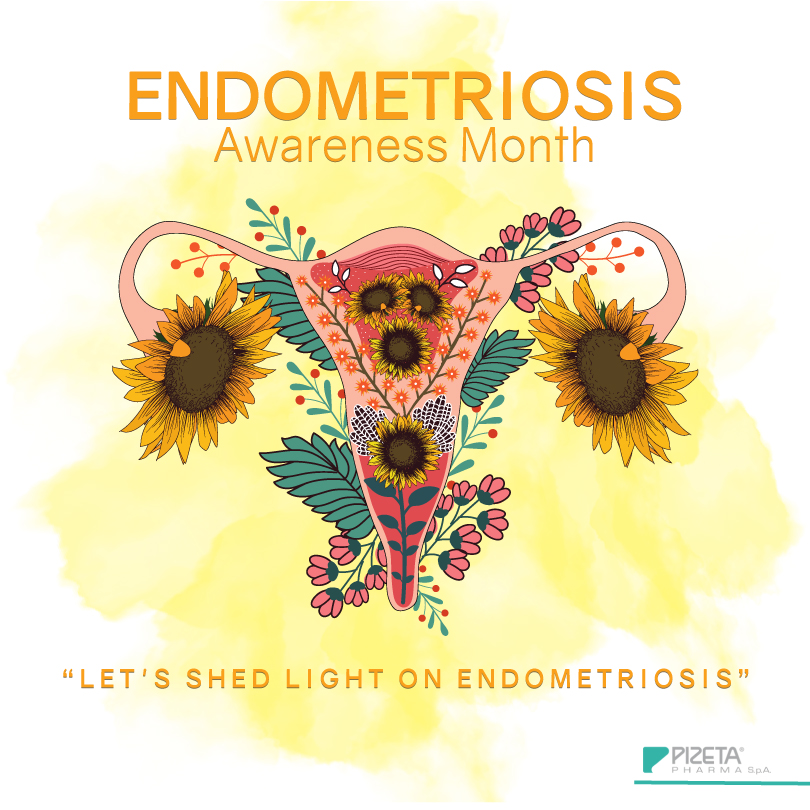
Endometriosis Awareness Day – March 11th

For Empowerment: “Be gentle with yourself; your pain is real, your strength is unmatched”.

Even though we face pain every day, we still find reasons to smile. We keep fighting our illness and work hard to have our condition recognised. Through everything, we stay strong and live with love. This is what every endo warrior goes through.

Endometriosis is not imagined. It is a real condition that affects the pelvis.

Bethany Stahl

Today is Endometriosis Awareness Day. It is a time to recognise the challenges many women face with this condition.

Endometriosis isn’t always recognised as a listed disability under specific laws, but in severe cases, it can qualify if it significantly disrupts one’s ability to work or perform daily activities.12 Nov 2025 https://clintonwomenshealthcare.com/is-endometriosis-a-disability-what-patients-should-know/#:~:text=Endometriosis%20isn’t%20always%20recognized,work%20or%20perform%20daily%20activities.

Is endometriosis considered a disability in New Zealand?

Endometriosis is a long-term condition that can greatly affect daily life. However, most medical professionals and the law in New Zealand do not consider it a disability. 13 Sept 2022 in New Zealand.

Read This If You’re Asking, ‘Is Endometriosis a Disability?’Healthlinehttps://www.healthline.com › health › is-endometriosis-a-…

https://www.insightendometriosis.org.nz/info-hub?_gl=1*46sczh*_up*MQ..*_gs*MQ..&gclid=Cj0KCQiA5I_NBhDVARIsAOrqIsYtJJYwzxBBypnbFJwe0_dCBV3ZS6njDcdGLg5-WQUslb1cvSt8ErcaAvcgEALw_wcB&gbraid=0AAAAABwcGdMO371_5TyezeMgGnww6toup

You are not alone. I am a deaf endometriosis survivor, and my journey took place between July and October 2000.

This is my story of moving from unbearable pain to recovery after surgery in 2000. Before July that year, my periods were not painful, but they slowly became lighter each month. After spending a month in the USA between June and July, I was asked to teach basic sign language to a group of neurodiverse young adults for a play in October called ‘Snow White and Seven Tall Dwarves’. In mid-July, I started to feel a nagging cramp on one side of my pelvis and stomach. I made an appointment with my GP to talk about it. My GP could not find the cause and sent me to a Radiology Clinic for an ultrasound. During the scan, the nurse asked if I was pregnant or had children, then brought in a specialist to check the results. They decided I needed to see a gynecologist, so my GP referred me. Since they could not find a female gynecologist, I eventually saw a male gynecologist. In August and September, I met with him to discuss the ultrasound results, and we agreed I should have surgery as soon as possible, since I had teaching duties for the play in October. I did not use an interpreter in the same room, but the gynecologist explained everything to me in detail, with pictures and information about the surgery. Laparoscopic surgery is a minimally invasive technique that uses a camera and small instruments inserted through small incisions to perform abdominal or pelvic procedures. It reduces pain, minimises scarring, and allows for a faster recovery than open surgery.

Since I am deaf and cannot use the phone, the gynecologist called the private hospital for me. After two cancelled bookings, I scheduled my surgery for the first week of October and took five days to rest. I found a friend from church to cover my teaching duties for the play. I explained the situation to the neurodiverse students, their support staff, and the organisers. At first, they were disappointed, but they understood and accepted that I would be back in time for the play’s show night. I also received a wedding invitation from a Deaf couple that same month.

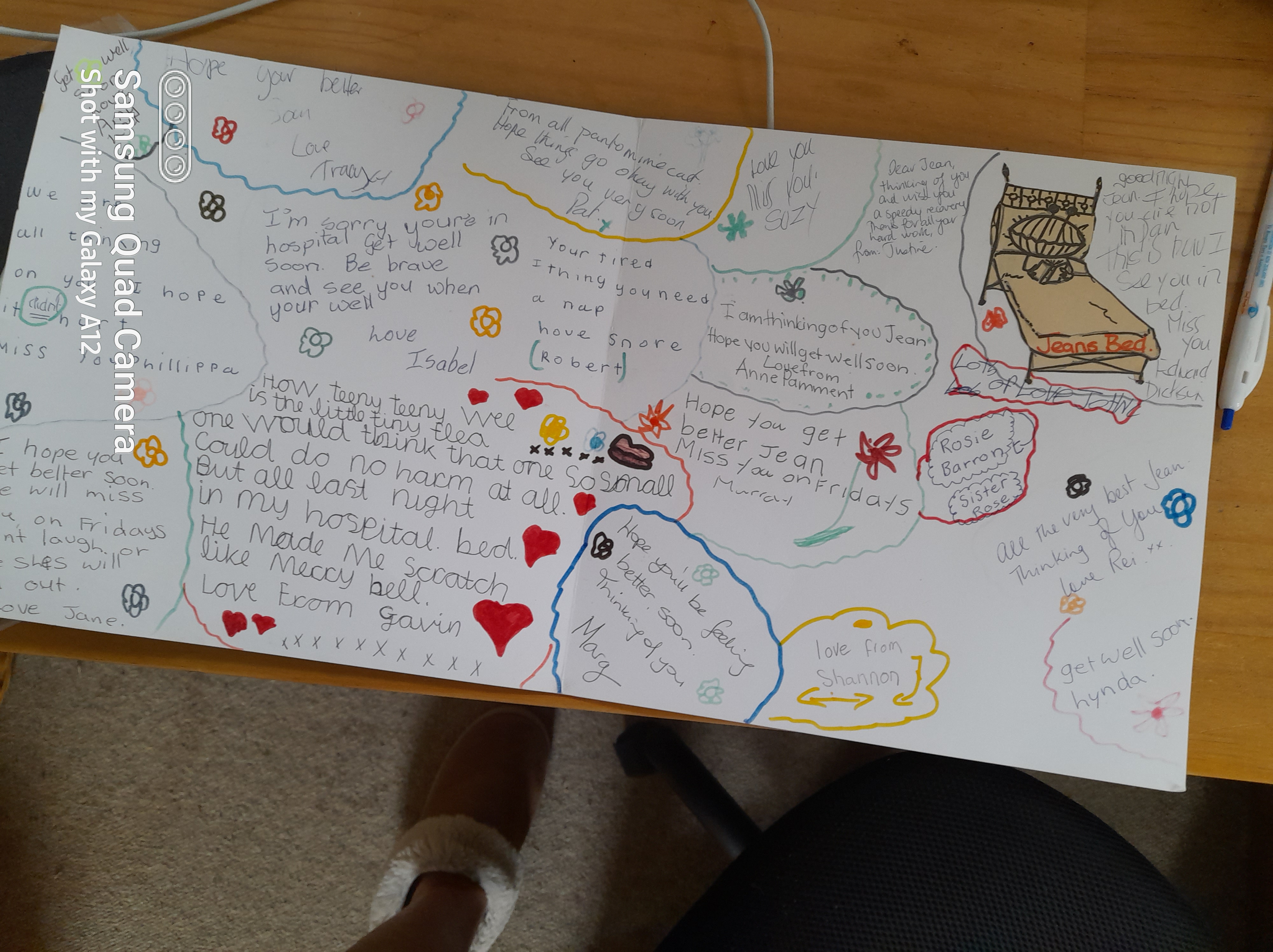
The laparoscopic surgery went well. During the operation, the gynecologist and other specialists found more cysts behind the pouch of Douglas and near the bladder. They had my permission before the surgery and made sure to remove everything. The surgery took a long time, and the nurse called my mother in the middle of the night. My mother was relieved to hear I was okay. The next day, I woke up and saw more than two specialists in the room. We talked about the results and what they found. After five days, I was discharged from the private hospital and rested for two weeks: one week at my mother’s place in Ralgan and another week at my home in Silverdale. While I was in the hospital, I received a big Get Well card and flowers from the neurodiverse students. It was a kind gesture, and they missed me. First, I attended my Deaf friends’ wedding. An ex-husband of one of them, who worked for the NZ Deaf Association Hamilton Branch, now called Deaf Aotearoa, took me to the wedding.

On the night of the show at Hamilton Methodist Social Service Hall, the place was packed with a big crowd eager to see the play. Another friend took me to the show because I was not allowed to drive for six weeks. Several weeks later, they gave me the video. I still have it and a Get Well card somewhere here.

In the following years, I was studying for a BA in Arts at the University of Waikato, and my notetaker asked me about this symptom. I replied, “Yes, I have one. Why are you asking me?” The notetaker went through a painful journey, waiting for results and looking for help from networks and books. I loaned her one of my books and gave her a contact website. In the end, she had surgery and went on a Maaori spiritual healing retreat, since she is Maaori.

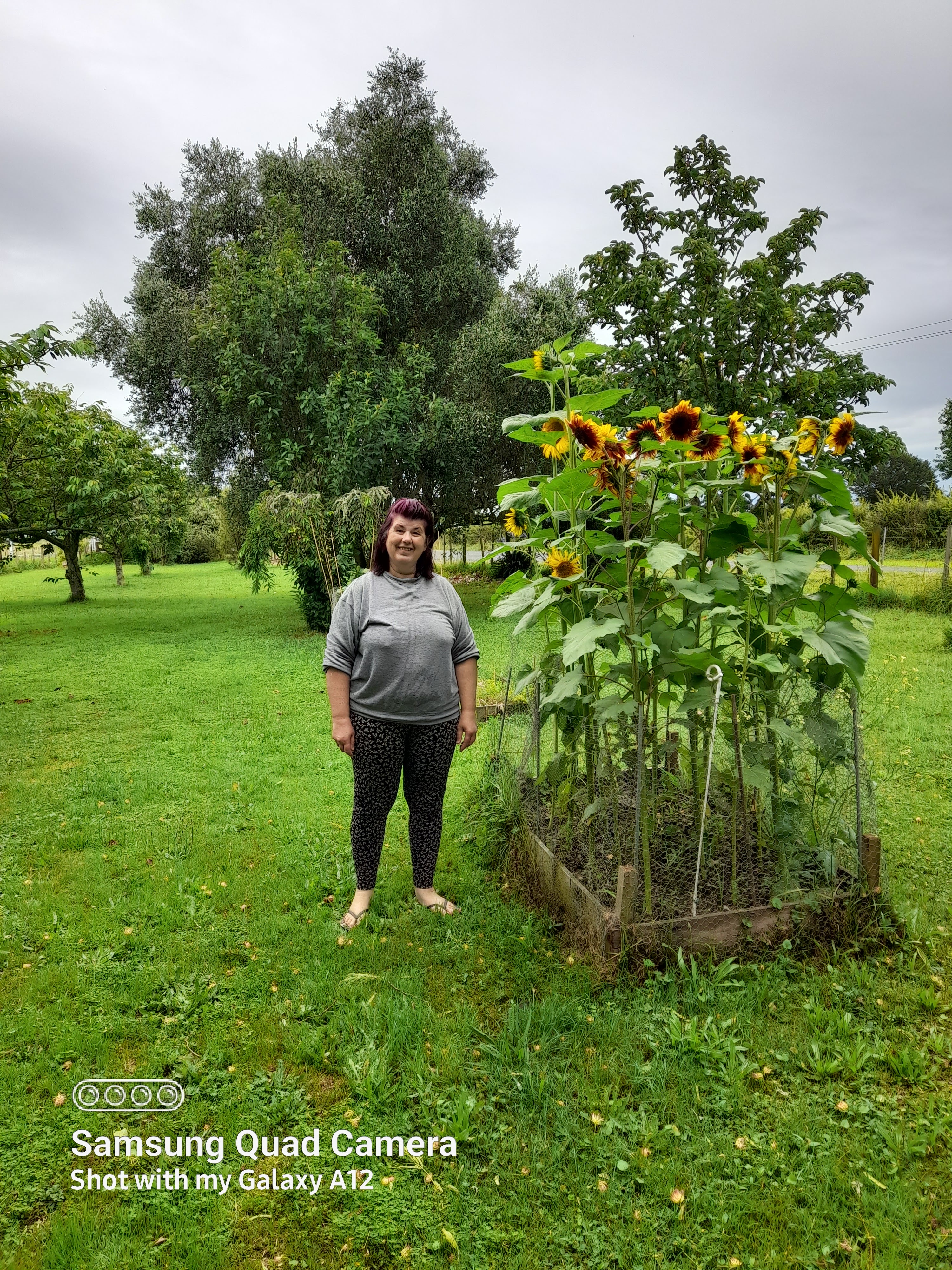
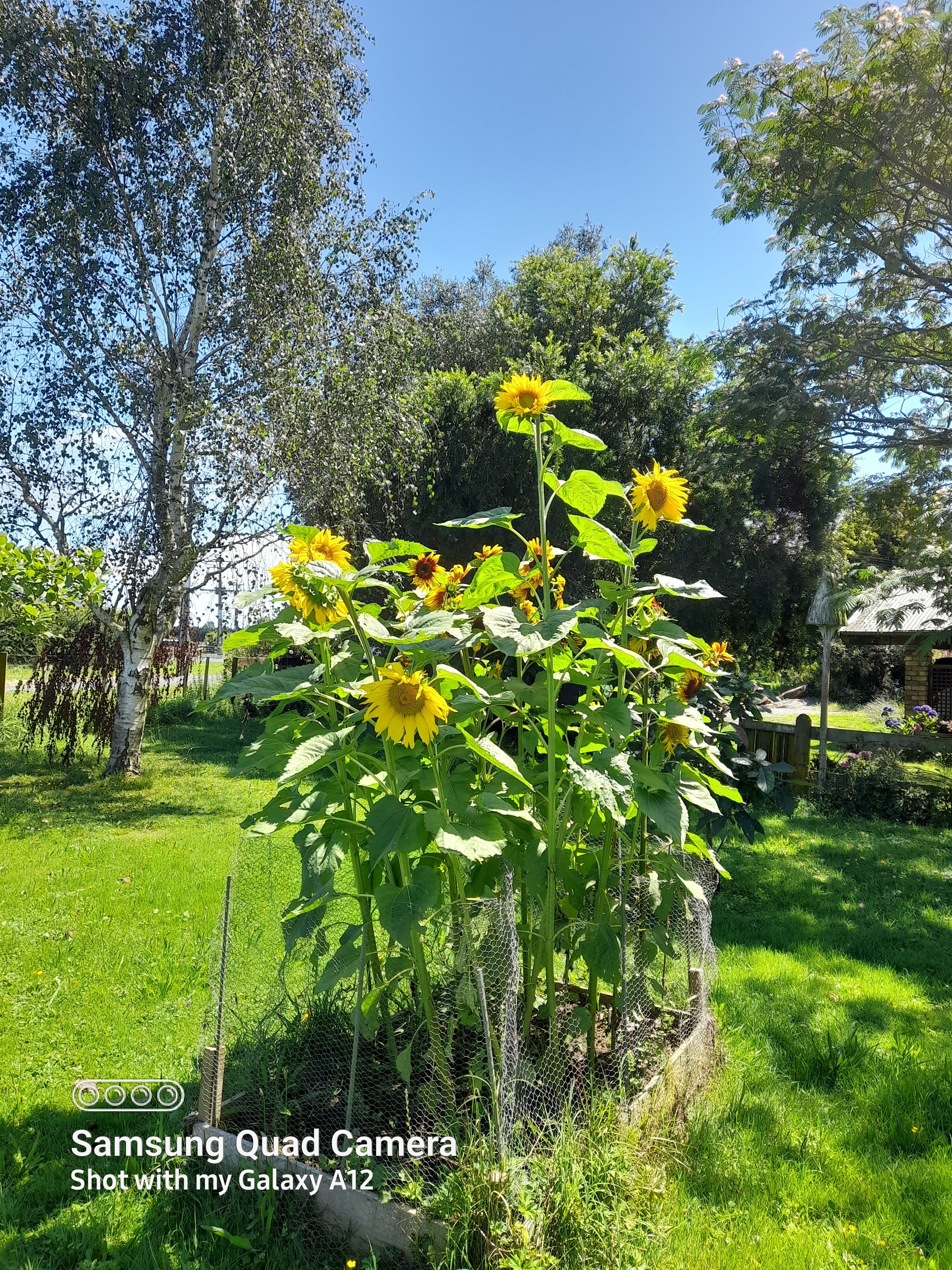
Endometriosis is represented by the sunflower, a flower which, by its nature, symbolises light and life and is an emblem of hope for all women who live every day with this pathology, which is still “in the shadows” and little known.

The Difference you made

The Difference you made

You might not always see how your kindness affects others. Still, somewhere, someone feels a little lighter because you treated them well.

“Today I was reminded how powerful a simple act of kindness can be.

I was moving through my day with a sense of uncertainty, and my thoughts felt unsettled.

Then someone spoke to me with unexpected kindness.

Just a few words.

A warm tone.

A moment of genuine attention.

It lasted only seconds.

Yet I remember feeling my shoulders relax as if something inside me had quietly softened.

On the way home, I kept thinking about it.

How such a small gesture can change the way someone feels.

The truth is, we rarely know what someone else is carrying through the day.

Sometimes a person only needs a moment of kindness to breathe a little easier.

Kindness has a quiet way of touching two hearts at once, the one who receives it and the one who offers it.

And now, as this Friday evening comes to an end, I find myself remembering that moment again.

Perhaps this weekend will bring simple encounters.

A greeting.

A conversation.

A kind word.

And maybe, without even realising it, a small act of kindness from YOU will make someone’s day a little lighter.”

from DM – Daily Motivation by Alice.

“Feeling gratitude and not expressing it is like wrapping a present and not giving it.” — William Arthur Ward.

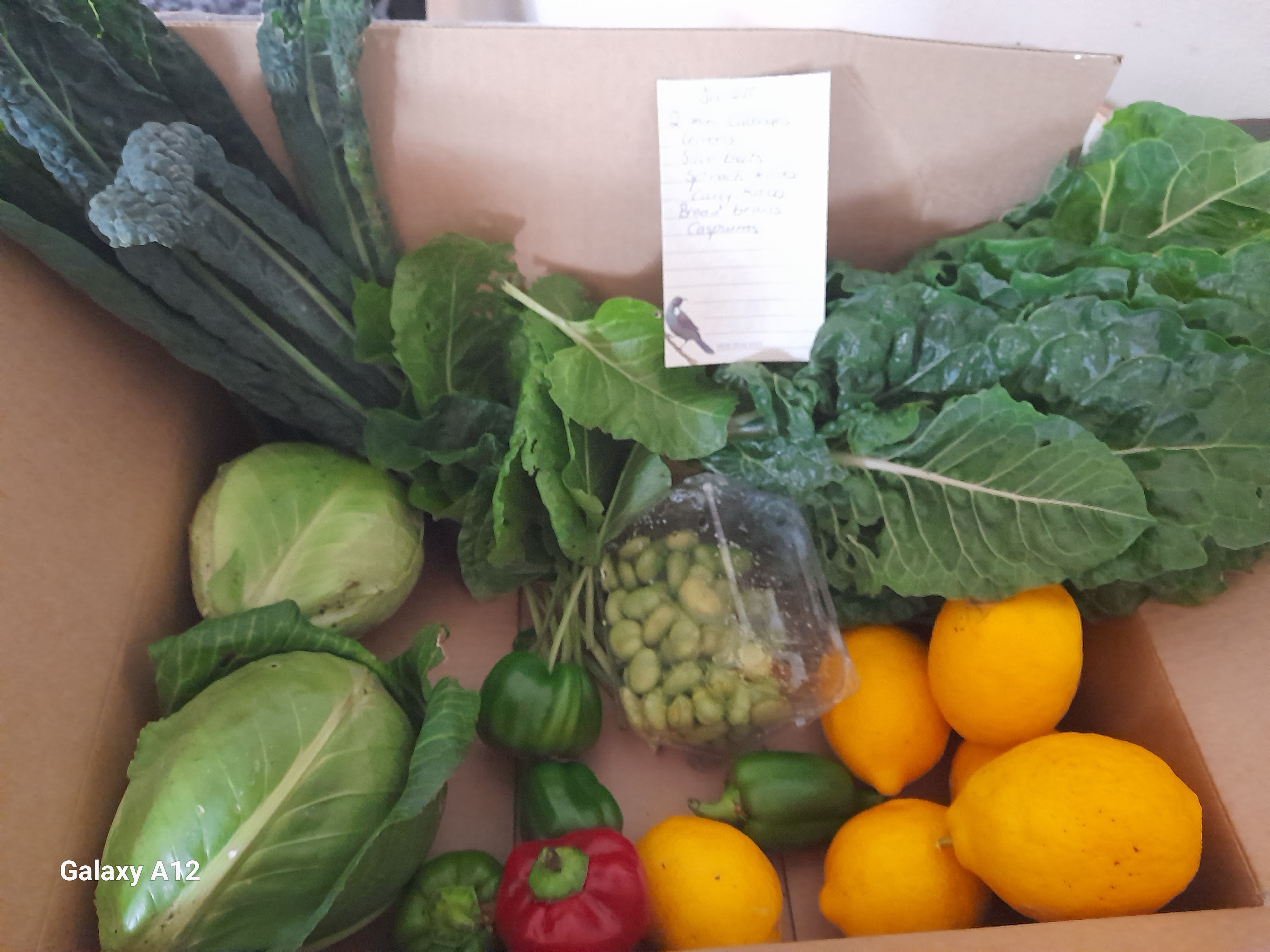
Every Tuesday, as part of my job as a support worker and advocate, I visit two Deaf disabled people. I always bring them fresh vegetables and fruit, and sometimes I share with their neighbour too. One of them is Carole. She has had a pacemaker since before the lockdown and faces other health challenges that make life hard. I’ve known her for almost fourteen years, since I started working with the Deaf community more than thirty years ago. I also worked with a woman named Sian, though that’s not her real name, who had a head injury.

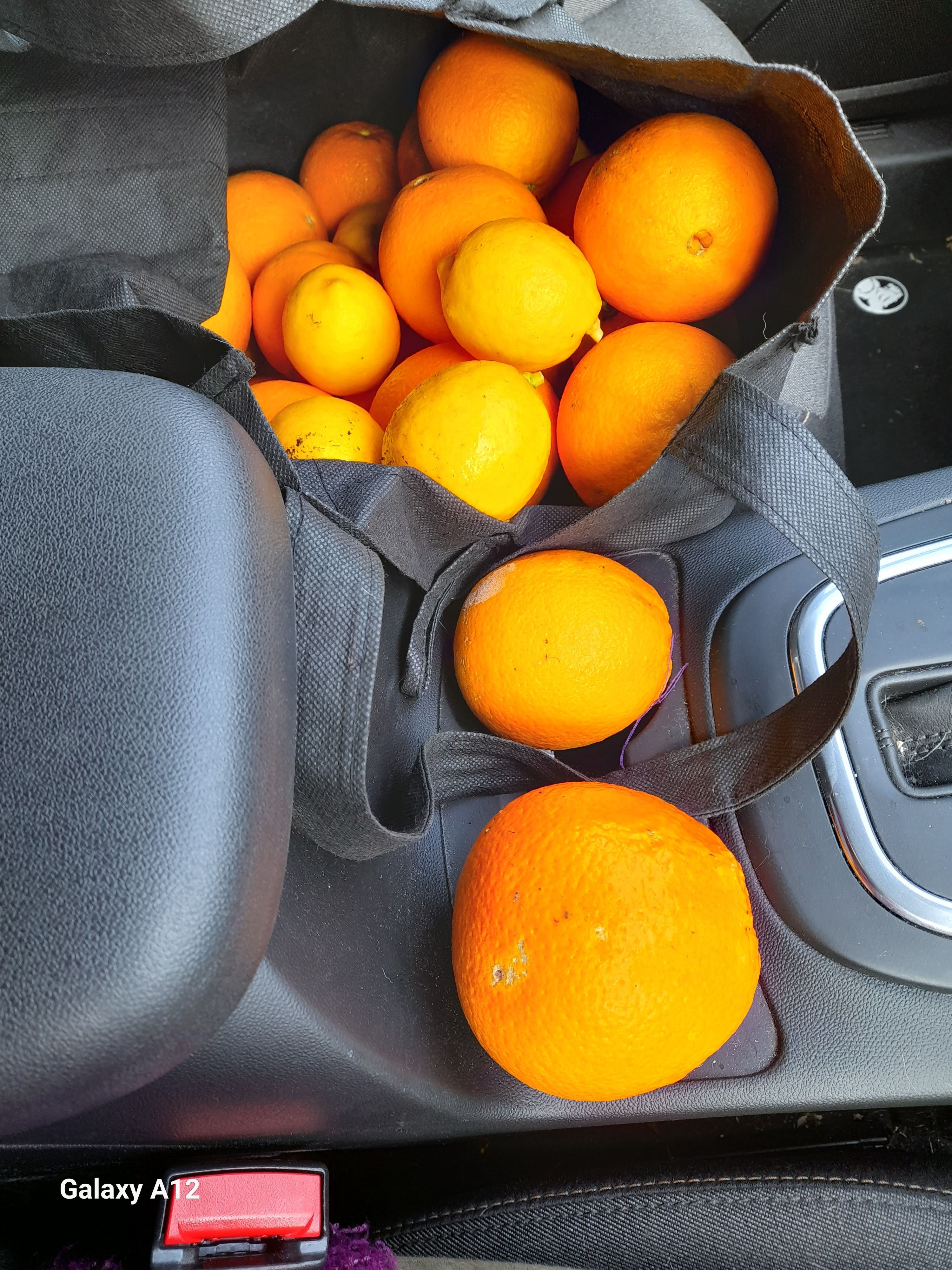
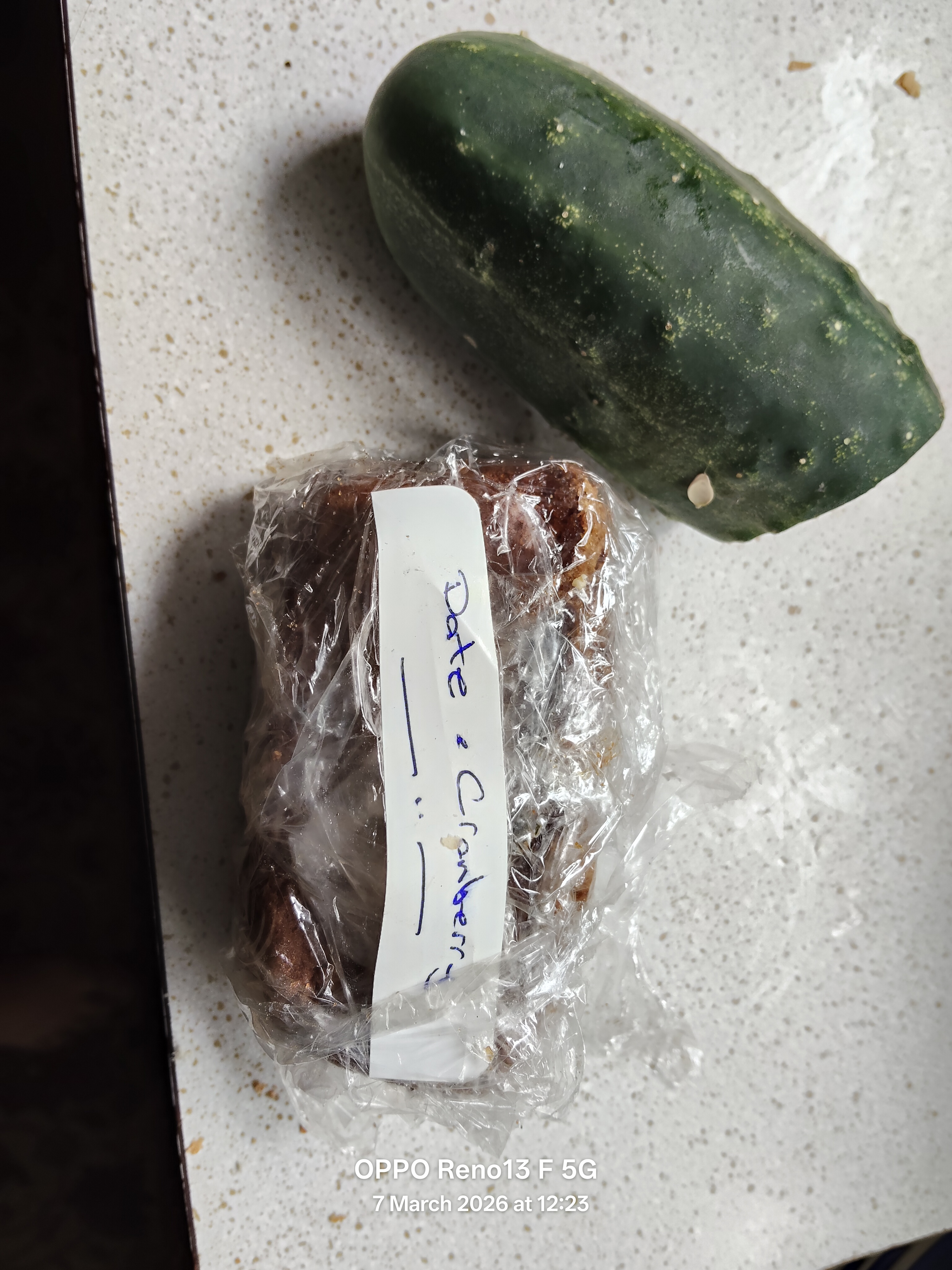
Each season, I bring Carole tangelos, feijoas, short cucumbers, a bouquet of flowers to brighten her day, and some plant cuttings for her garden.

Carole always gives me homemade loaves when I visit or drop things off. It’s her generous way of saying thank you for checking in on her, since she lives alone.

“Make all you can, save all you can, give all you can.” — John Wesley.

One night, there was a serious incident at Sian and Carole’s housing estate involving several neighbours. There were fights, broken windows and cars, shouting, and threats made to a neighbour right in front of Sian and Carole’s apartments. It woke everyone up in the middle of the night. The police and the New Zealand Police Armed Offenders Squad (AOS) arrived and set up a barricade at the top of the main road. The AOS checked each apartment, including Sian’s, because they didn’t hear Carole say there was a deaf lady next door. Sian stayed upstairs to keep herself safe until the AOS knocked on her door to check for intruders. There was a language barrier. One neighbour, who usually didn’t get along with Carole, came to keep her safe. Carole texted me about what happened, but she couldn’t reach Sian because of the language barrier. I visited them in the morning, listened to their stories about that frightening night, and filed reports with the police and my case manager at the disability organisation. I also visited Carole because her blood pressure was high and she was scared to live alone, unable to sleep well for weeks after. Carole trusts me, and she knows how to contact me by text if her sister and her other good neighbour, who lives up the road, are unable to visit sometimes.

It’s not about pity or feeling sorry for people like Carole. When you take time to understand their lives, you see them for who they really are. It’s not about being selfish or refusing to help someone who is struggling or facing health issues with little support. It’s also not about judging people, like those who are homeless, because you can’t know their story just by looking at them.

Through our social service, we give out food parcels with the help of Food Bank Providers from Monday to Friday. We also offer showers, laundry services through Orange Service, a weekly community lunch on Mondays, and referrals to other agencies.

  • “Gratitude is the healthiest of all human emotions. The more you express gratitude for what you have, the more likely you will have even more to express gratitude for.” — Unknown Xavier University +2
  • “When we give cheerfully and accept gratefully, everyone is blessed.” — Maya Angelou.

Pondering thoughts of the world changing

This morning, I received several newsletters from overseas. These hidden stories are being shared with others, not fake stories, as I work from home in a resilient, supportive rural environment. The post came through LinkedIn from Matthew Tukaki, Chair of the National Māori Authority, Aotearoa/New Zealand: “Just for a moment, let’s step back.

Put the politics aside.

Put the noise down.

Look around you and really see Aotearoa — the land of the long white cloud.
The beauty in every maunga and valley.
The reflection of the sky in our awa.
The quiet strength of our coastlines, our forests, our towns, our people.
We may not all agree. That’s okay.

But one thing is certain — we are stronger together.

We are not Trump’s America.

We are Aotearoa — a beautiful country with immens…..” Wish to read more and go to this link. https://www.linkedin.com/posts/matthewtukaki_just-for-a-moment-lets-step-back-put-ugcPost-7421706955297099776-T7uT?utm_source=share&utm_medium=member_desktop&rcm=ACoAAAjOMIwBDoyWlGCoauJDu55eiFuBMvoUgY0

I took a break to refresh my thoughts and read Matthew’s post. It was calming to reflect with a cup of coffee and my two dogs beside me.

The world has been changing constantly and without warning. Global weather disasters, wars, trauma, rising living costs, lack of affordable housing, struggling businesses, and increasing poverty affect millions of people with physical and invisible disabilities.

Where is the compassion, empathy, and teamwork in leadership roles in a world full of egopaths? There are arrogant people, even among millionaires and billionaires, but only a few truly altruistic wealthy individuals. What about those who stand firmly against oppression, suppression, and tyranny? Have you thought about the true meaning of wealth, in giving to those who need it, investing in education and innovation, not in poor planning and design? Anyone can be filled with riches in their hearts.

Perhaps those who know me understand my improvisation in blogging, storytelling, mentoring, and sharing resources as a deaf person with disabilities, historian, advocate, and advisor. Their encouragement has helped me continue to grow, improvise, and learn. I am thankful to these people in my life and work.

“Just let people be wrong about you. It does not matter. Just be a good person and let them be wrong.

People will always form opinions about you, and not all of them will be right. You cannot control what they believe or say. What you can control is how you act and the choices you make. Focus on kindness, honesty, and integrity. Being true to yourself matters more than proving others wrong. Motivational Life Quotes

Recently, over the last few weeks, the D/deaf community lost their favourite teacher aide of Deaf students, the school principal of the Primary School in Hamilton, and a Deaf senior of the Deaf community and the Waikato Deaf Society Inc, from 1956 to 1999 (Dissolved in 2004). I listened to and read their comments in messages and during the funeral service. Several D/deaf students and families of Deaf seniors recalled their favourite memories to share with us. One person shared a speech from a son-in-law who remembered his Deaf mother: a strict upbringing, the uncertainty of communicating in sign language with his deaf mother and father-in-law, and the deaf mother-in-law’s famous phrase, calling someone a silly old man and giving him a clip on the head several times. A brother-in-law mentioned that his sister-in-law crashed into power poles without a seatbelt and wasn’t fazed by the police’s warning. The messages from the D/deaf students recalled their favourite teacher aide through their memories of her as a caring, warm-hearted person, compassion and empathy to many Deaf students through Waikato schools.

The disaster in Mauao, also known as Mount Maunganui, a 232-metre dormant volcanic cone, was the most significant landslide and killed six people this year. This was not the only disaster. There were several others in Welcome Bay, which killed two people, as well as in the East Coast, Coromandel, and parts of Greater Auckland, such as landslides. Mauao was the worst in many years due to heavy rain, poor understanding of soil environments, and failures in response and prevention. Mauao was a highlight of my childhood, where our family lived and spent school holidays.

What more can I put down at the moment, as I looked at the clock and the time flew by?

During the Work Retreat weekend at the Coromandel.

2026 – A New Year

As 2025 ends and 2026 begins, we’re curious about what’s ahead. Now in our sixties and seventies, we live in the countryside near Hamilton. Over the years, we’ve faced ups and downs in work, relationships, money, family, friends, and health.

We have lived in Eureka, Waikato, for 12 years.

Life in Eureka isn’t without its challenges, but it’s pleasant here. We’re away from Hamilton but close to towns like Cambridge, Morrinsville, Te Aroha, Matamata, and Ngāruawāhia.

Living here has meant adapting to changes in life and finances, but we’re managing. I still teach, advocate, and mentor in our communities, learning about disabilities and how they affect people in business and health. We also spend time working in our large gardens and around the property, maintaining the woods for firewood, pruning trees, fixing the fence, and planting new bulbs and plants.

Recent government decisions have made things harder for many, with funding cuts, higher taxes, less support for seniors and people with disabilities, fewer retirement options, and business closures. Across New Zealand, people feel both hope and worry about money, inflation, changes at work, health issues, and moving to retirement villages or smaller homes near family.

Many countries are facing worsening situations and deeper crises, like Ukraine-Russia, Israel-Gaza-Palestine, Venezuela, Cuba-USA, and Iran. All except Greenland have fallen into poverty because of the economic crisis.

I think Trump should step back, since he doesn’t own any countries, control resources, or have the power to stop the drug trade and other problems. The same goes for Putin and Benjamin Netanyahu, who want land and resources, build more housing for their own people, and push aside Palestinian communities as history repeats itself. It all comes down to greed and power.

Instead of focusing on the world’s chaos, I’m trying to stay positive. What will 2026 bring for us here?

“The future depends on what we do in the present.” – Mahatma Gandhi

With the New Zealand election coming up, I read about a group doing great teamwork in the Disability Sector and public communities. New Zealand relies heavily on debt, which has grown 4.7 times in 25 years—from $128.8 billion in 2000 to $608.7 billion in 2025. That’s a 372% increase, much higher than the 35% population growth. Debt per person tripled, from $33,378 in 2000 to $117,054 in 2025, a 251% rise. On January 1, 2026, net borrowing was $15.6 billion. Net worth dropped by $3.8 billion to $465.0 billion, after a $26.5 billion increase in 2024. Net debt went up $25.1 billion to $115.2 billion in the year ending June 2025. This is due to fiscal management over the past six years or more. New Zealand’s economy has faced significant challenges, including a deeper-than-average recession, low growth, and high inflation, affecting households and businesses.

Housing and jobs are the biggest challenges for many disabled people, D/deaf people, and thousands of homeless people across New Zealand. Low benefits, high inflation, and struggling businesses make things harder. It’s also tough to access skills and equipment in ways that are accessible and free of ableism.

“There is nothing like a dream to create the future.” – Victor Hugo

I am focusing on making time to keep moving on two projects: Waikato Deaf Units and Waikato Deaf Society Inc., 1956-1999 (dissolved in 2004), despite little help or support from other Deaf people in the community, except for a small number of seniors. I am updating the website domains through WordPress.com and budgeting the annual website costs. Work and Advisory Groups keep me busy as I juggle time to type stories, put photos together, upload them to the website, and store them safely in hard storage and on iCloud drive. Through spare times I was on leave for surgeries and took several weeks leave from 2 works so I can focus on my health resume last year.  I will try my best to finish these projects.

With the wild weather continuing to disrupt everyone’s holidays, the worst disasters were flooding and landslides in Northland and at Mauao in Mount Maunganui. Several people were killed in a landslide at Mauao and Welcome Bay, while one or two people died in roaring flooding that swept them away. The world is affected by global climate change, which creates man-made disasters faster than anyone can cope with the crises that follow.

“Although the world is full of suffering, it is also full of the overcoming of it.” – Helen Keller

These words from Helen Keller can help remind us that while hardship and difficulty are a part of life, resilience is too. Even when things are difficult, there is always the possibility for growth and healing.

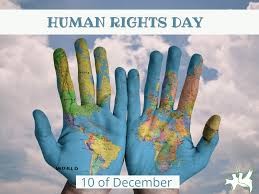
Human Rights Day is observed every year on 10 December

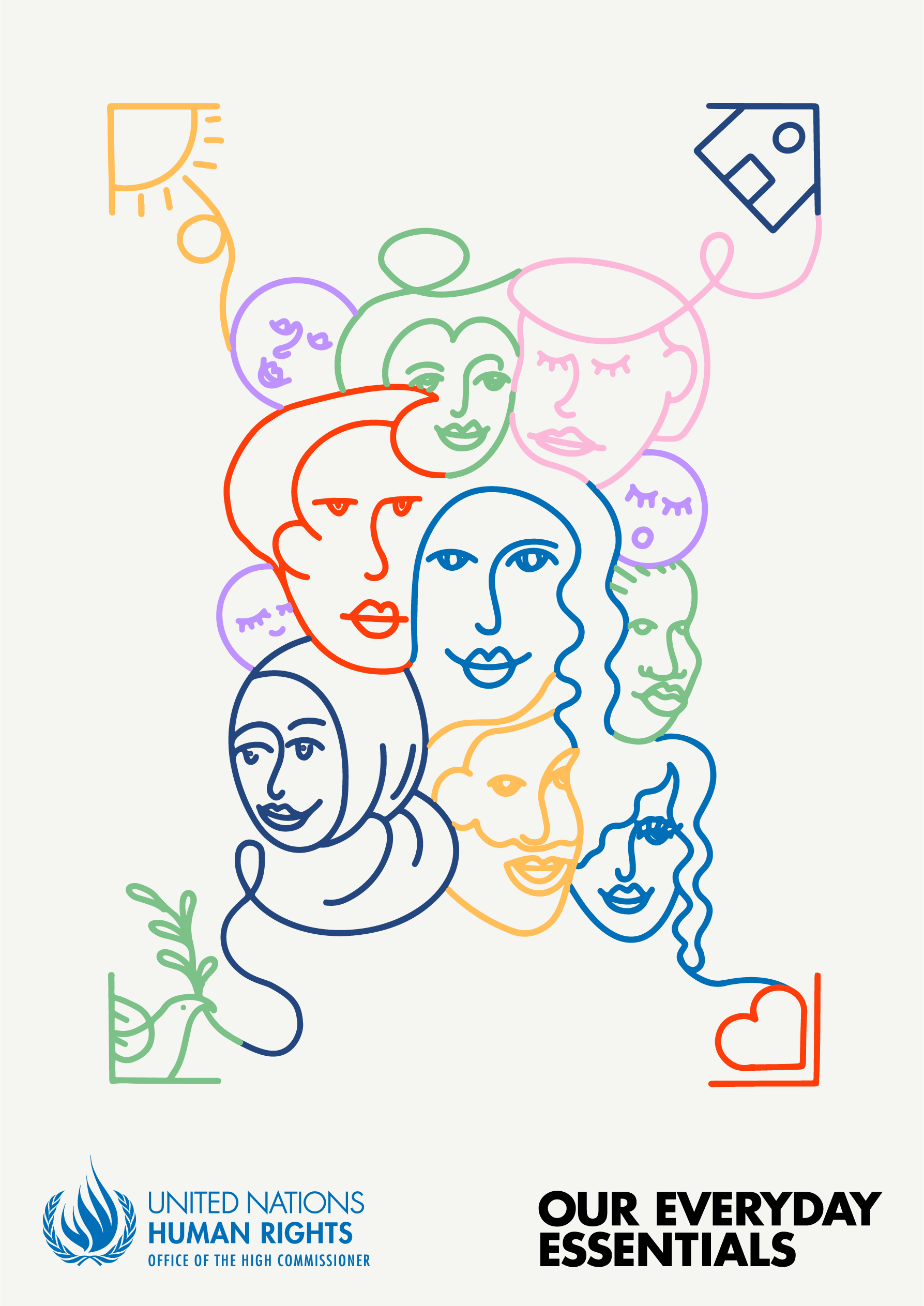
About Human Rights, Our Everyday Essentials

Human Rights Day on 10 December reminds us of our collective responsibility to uphold the rights in the Universal Declaration of Human Rights (UDHR), adopted in 1948, inspiring us all to protect the inalienable rights everyone is entitled to, regardless of race, religion, or social status, including people with disability.

Human rights are at the core of the Sustainable Development Goals (SDGs) set out by the 2030 Agenda for Sustainable Development, which aims to inspire us all to work together to leave no one behind and ensure everyone’s rights are respected and protected.

Related links

Key hashtags

  • #HumanRightsDay
  • #GlobalGoals

UNCRPD – Article 10

“Every human being has an inherent right to life.”

Everyone born in this world has human rights that the law must protect. Recognising the 30 fundamental human rights can help the public and advocates feel empathetic and compassionate towards vulnerable populations. 

https://www.ohchr.org/en/get-involved/campaign/everyday-essentials

Here is the thirty basic Human Rights List –

  1. All human beings are free and equal
  2. No discrimination
  3. Right to life
  4. No slavery
  5. No torture and inhuman treatment
  6. Same right to use law
  7. Equal before the law
  8. Right to be treated fair by court
  9. No unfair detainment
  10. Right to trial
  11. Innocent until proven guilty
  12. Right to prvacy
  13. Freedom to movement and residence
  14. Right to asylum
  15. Right to nationality
  16. Rights to marry and have family
  17. Right to own things
  18. Freedom of thought and religion
  19. Freedom of opinion and expression
  20. Right to assemble
  21. Right to democracy
  22. Right to social security
  23. Right to work
  24. Right to rest and holiday
  25. Right of social services
  26. Right to education
  27. Right of cultural and art
  28. Freedom around the world
  29. Subject to law
  30. Human rights can not be taken away

These are the 30 fundamental human rights listed by the United Nations General Assembly in the Universal Declaration of Human Rights, which serve as a foundation for laws that protect all individuals and promote societal support for vulnerable populations.

Fiji Women’s Rights Movement – Facebook Reel

https://www.facebook.com/reel/1246393090679510

On Wednesday, 3 December, I attended a Zoom meeting titled “From Hardship to Equity: Ensuring disabled people have a decent standard of living.” As someone working in Social Services, I felt a need to highlight that the panel and the New Zealand Disability Rights Commissioner did not address the struggles faced by homeless disabled, mentally ill, or other vulnerable people living on the streets across New Zealand. Their focus on reports to the Government and MSD misses the urgent reality of hundreds of thousands of vulnerable individuals living on the streets with disabilities and mental illness, which demands our broader concern and action. I suggested it is straightforward to find out what the main problems and issues are that have not been resolved for hundreds of thousands of disabled homeless people for the MSD, MPs, Organisations, Health sectors and many more.

Repeat: we are all human, no matter who we are, where we live, or our social class, whether in poverty, the lower middle class, or the upper middle class. We are all one human in the world. I understand the safety and security risks involved in questioning and collecting information for Government agencies such as MSD and other organisations, including DPA. People living in households, businesses, and agencies also face their own fears about safety and security, and acknowledging this can help us build trust and solidarity.

When I was a young deaf girl, I was without a father as a six-year-old, and living with my mother as a single mother with four children. We were fortunate to have a wider number of people through the Church, communities, the farming sector, and families. Many of the friends through our grandparents, such as Charlie F., late Rev. Moke Couch, late Rev. Tony Clark, taught me a great example of living a meaningful life from the ex-gangs in the workforce programme, the farming life, and the depression years they experienced in their own families. Yes, I do have several cousins who work in the Government and the Member of Parliament, and one particular cousin I never met was Norman Kirk, the Prime Minister of New Zealand. I met his wife down in Christchurch with my great-grandma at the Rest home. I do not recall Dame Lucy (Dame Lucy Ruth Kirk) much during my visits. My family are related to Norman’s mother’s family in Wairarapa and his father’s family in Waimate, Canterbury. They came from low-income families and had firsthand experience of life in the 1900s and 1970s.  

https://my.christchurchcitylibraries.com/blogs/post/remembering-norman-kirk/

Check out Norman Kirk’s comments – he most formidable debater of his time and once famously said that “there are four things that matter to people: they have to have somewhere to live, they have to have food to eat, they have to have clothing to wear, and they have to have something to hope for”,[7] often misquoted as “somewhere to live, someone to love, somewhere to work and something to hope for”.[8] 

International Day of Persons with Disabilities

In 2025, the theme of the International Day of Persons with Disabilities is “Amplifying the Leadership of Persons with Disabilities for an Inclusive and Sustainable Future,” highlighting the collective power to inspire pride and motivate action among the audience.

Make a Pledge

It is impossible to solve the world’s inequalities in a single day, so commit to meaningful actions like valuing Accessibility, supporting disabled staff, and joining local or national disability initiatives this World Disability Day. Consider setting measurable goals to track your progress and see how your efforts can lead to real change, empowering your organisation to make tangible impacts.  

5 Meaningful Pledges You Can Make-each one a step to create real change, helping the audience feel empowered and capable of supporting disability inclusion. 

  1. Donate to Disability Charities 
  2. Strengthen Your Discrimination Policies 
  3. Improve Accessibility, e.g., Wheelchair Ramps, providing Interpreters for D/deaf people, deafblind people, D/deaf with disabilities, and seniors, and braille. Seek out local or national resources, training, and expert advice to help you implement these changes effectively. Assess Your Employees’ Diversity 
  4. Make a Public Statement of Support 

https://diversity-inclusion-speakers.com/news/general-news/how-to-celebrate-international-day-of-disabled-persons/

Under the UNCRPD, Article 10: “Every Human being has an inherent right to life.”

In New Zealand, we are behind the rest of the world in the disability community; however, we Disabled people have worked hard in our sector, not together as a team/leadership/advocates (DPOs – Disabled People Organisations) for the communities, such as Government agencies, Health Sectors, Non-Government agencies, Education, and other agencies. Note that there are seven organisations linked to the DPOs: Association of Blind Citizens New Zealand (Blind Citizens NZ), Balance Aotearoa, Deaf Aotearoa, Disabled Persons Assembly NZ (DPA), Mana Pasefika, Muscular Dystrophy Association of New Zealand Inc., and People First New Zealand. How can community members and allies support these efforts and strengthen collective advocacy?

Ngā Tāngata Tuatahi. There is one more: Kāpo Māori Aotearoa, which is not currently a member of the DPO Coalition. DPOs are affiliated with international bodies such as the World Blind Union and the International Disability Alliance, thereby strengthening their global influence and advocacy efforts and inspiring the audience to feel part of a larger movement.

EGL (Enabling Good Lives) was created in 2012 and 2013, and I have been in the Waikato EGL Leadership from 2013 to the present. Let’s look at the eight principles: Self-Determination, Beginning Early, Person-Centred, Ordinary Life Outcomes, Mainstream First, Mana-Enhancing, Easy to Use, and Relationship Building. EGL gives people with disabilities and their families the choice to choose any equipment, home help, a personal carer, pay for an interpreter’s costs without using the Isign service, live in a flat, and control over their lives and the supports available to them. They can plan for the lives they want.

Thank you, Waikato Museum staff, for making a special day for everyone to enjoy tours around the museum – Explore Te Whare Taonga o Waikato in a welcoming and inclusive environment. A relaxed session in the open-air playground designed for our neurodiverse community, NZSL Interpreters tour, Drop-in Touch, and Braille and Audio-described tour, plus tea on December 3rd. There will be a guest speaker, Rodney Bell, an internationally renowned disabled dancer and co-director of Touch Compass. Rodney will share stories from his life as a dancer and community leader, what Accessibility means to him, and will lead an accessible movement workshop to follow in your seat.

https://tewharetaonga.nz/whats-on/events/open-house-at-te-whare-taonga-o-waikato

Take a look at the Nippon-Japan newsletter about friendly accessible technology for all people with disabilities, D/deaf people, and people with mobility difficulties as independents. The Japanese are becoming more friendly and accessible to everyone, not just the highly respected, demonstrating how inclusive design can benefit entire communities and encourage others to follow suit.

My sister sent me a photo showing an excellent idea for mobility scooter parking off the road, due to NZ Law. She took a picture at the Cirque Eatery in Leamington, Cambridge. There was another photo of a person-designed wheelchair in each car park lot on the road. The person mentioned a protest in England. Each wheelchair has a piece of paper on it saying “Sorry, will be back in a minutes, Just had to run an pick something up.”

Are you one of the people who park their car in the mobility car park without displaying a Mobility Car Park sticker inside the car and say you will be back in a minute?

The United Nations estimates that there are approximately 70 to 72 million deaf people worldwide. Sign Language Use: This population collectively uses over 300 different sign languages. Sign languages are recognised as fully-fledged natural languages, structurally distinct from spoken languages.

What about this one? The hearing person and a Deaf person in the noisy bar have a social evening. Everyone in the same room, talking and shouting at their friends while loud music played, leaving a Deaf person out, unable to lip-read and a lack of sign language understanding for our communication. Then another Deaf friend entered the room and communicated in sign language without hesitation, and they understood each other. The hearing people are struggling to hear what their friends are saying, even the staff at the bar/restaurant. Why not learn our sign language with us! Organisations can offer sign language classes or resources to foster inclusive social environments.

Another example: making more things more friendly and accessible for many Deafblind people by using sensory/tactile approaches. Check out Haben Girma, a Deafblind lawyer who graduated from Harvard Law School as the first Deafblind person/American Disability Rights advocate in the USA. Haben has visited Edinburgh Castle yet and is checking whether the information is easily accessible for everyone and herself. Check out YouTube for yourself.

What makes a good leadership skill to help thousands of disabled persons, D/deaf persons, and D/deaf with disabilities people to achieve their goals by working in team groups/keynote speakers?? Perhaps look at one of the popular keynote speakers, Chris Ruden and Dustin Giannelli.

A good leader has qualities like integrity, vision, accountability, and empathy, combined with strong communication, problem-solving, and decision-making skills. Effective leaders also demonstrate resilience, self-awareness, and the ability to inspire and motivate their team through confidence, passion, and a willingness to delegate and collaborate. 

Foundational and personal qualities

  • Integrity: Acting with honesty and having strong moral principles.
  • Vision: Creating a clear picture of the future and a sense of purpose for the team.
  • Accountability: Taking ownership of one’s actions and decisions.
  • Empathy: Understanding and sharing the feelings of others.
  • Resilience: Bouncing back from setbacks and handling pressure effectively.
  • Self-awareness: Understanding one’s own strengths, weaknesses, and emotions.
  • Confidence: Believing in one’s own abilities to inspire trust in others.
  • Humility: Recognising one’s own limitations and valuing the contributions of others.
  • Passion: Having a strong enthusiasm for the work and the team’s goals.
  • Adaptability: Adjusting to new situations and challenges with flexibility. 

Interpersonal and communication skills

  • Communication: Clearly conveying ideas, both verbally and non-verbally.
  • Active Listening: Giving full attention to what others are saying and responding thoughtfully.
  • Emotional Intelligence: The ability to understand and manage one’s own emotions, and those of others.
  • Delegation: Assigning tasks to the most suitable team members to empower them and focus on key areas.
  • Collaboration: Fostering teamwork and encouraging cooperation among team members.
  • Respect: Treating others with dignity and fostering a respectful environment.
  • Influence: The ability to guide and persuade others toward a common goal. 

Strategic and problem-solving abilities

  • Problem-solving: Identifying problems and developing practical solutions.
  • Decision-making: Making timely and sound judgments, even under pressure.
  • Courage: Having the bravery to make difficult decisions and take necessary risks. 

Sigh! Today, the Beehive released the update to the New Zealand Strategy with the Whaikaha. It is not an excellent strategy for everyone in New Zealand.

https://www.beehive.govt.nz/release/new-disability-strategy-drives-change

https://www.nzdoctor.co.nz/article/undoctored/refreshed-new-zealand-disability-strategy-launched

If you wish to read the NZ Disability Strategy, here is the link, available in the format that best meets your needs.

https://www.whaikaha.govt.nz/about-us/our-work/new-zealand-disability-strategy-2026-2030

https://www.disabilitysupport.govt.nz/disabled-people/learn-about-enabling-good-lives

https://www.disabilitysupport.govt.nz/about-us/taskforce/independent-review

https://www.disabilitysupport.govt.nz/disabled-people/changes-to-disability-support-services/summary-findings-from-community-consultation-on-assessment-tools-processes-and-flexible-funding

Purple Tuesday 4th November 2025

Purple Tuesday, an annual event, is a robust platform that champions accessibility and inclusivity for disabled consumers. This day, observed on the second Tuesday of November, not only serves as a reminder of the importance of making businesses and public spaces more accessible, but also significantly enhances their operations and customer base. It offers hope for a more inclusive future and encourages businesses to make their services more accessible, thereby increasing their customer base.

Related links

Key hashtags

  • #PurpleTuesday
  • #IAmYourCustomer

https://purpletuesday.co/

Did you know that 70% of disabled people will NOT return to a business after receiving poor customer service? This staggering statistic underscores the urgent need for companies to prioritise accessibility and inclusivity immediately. It’s not a problem we can afford to ignore or delay.

With 1.8 billion disabled people in the world, representing 17% of the population, the need for accessibility is a global issue that unites us all in a shared responsibility. It’s a cause that transcends borders and unites us around a common goal.

https://purpletuesday.co/

Removing barriers, such as ableism, across the infrastructure, improving signage in the Public Gardens, workplaces, and technologies. The lack of communication barriers, such as no interpreters for D/deaf people, D/deaf blind and D/deaf with disabilities and captioning on social media. It is not about financial funding to improve the quality of life, or about more accessible, friendly signage, or ‘visual’ signage such as flashing fire alarm, doorbell, or boarding time, which is expensive to make or adapt.

Let’s take a moment to reflect: are our services—businesses, the Health Sector, Airport services, and many others—accessible to everyone? Do they cater to the needs of all, including D/deaf people, D/deaf with disabilities and seniors with poor mobility/disabilities? For instance, businesses can install ramps and elevators, provide Braille signage, and offer online booking systems with accessibility features. These are just a few steps towards a more inclusive society.

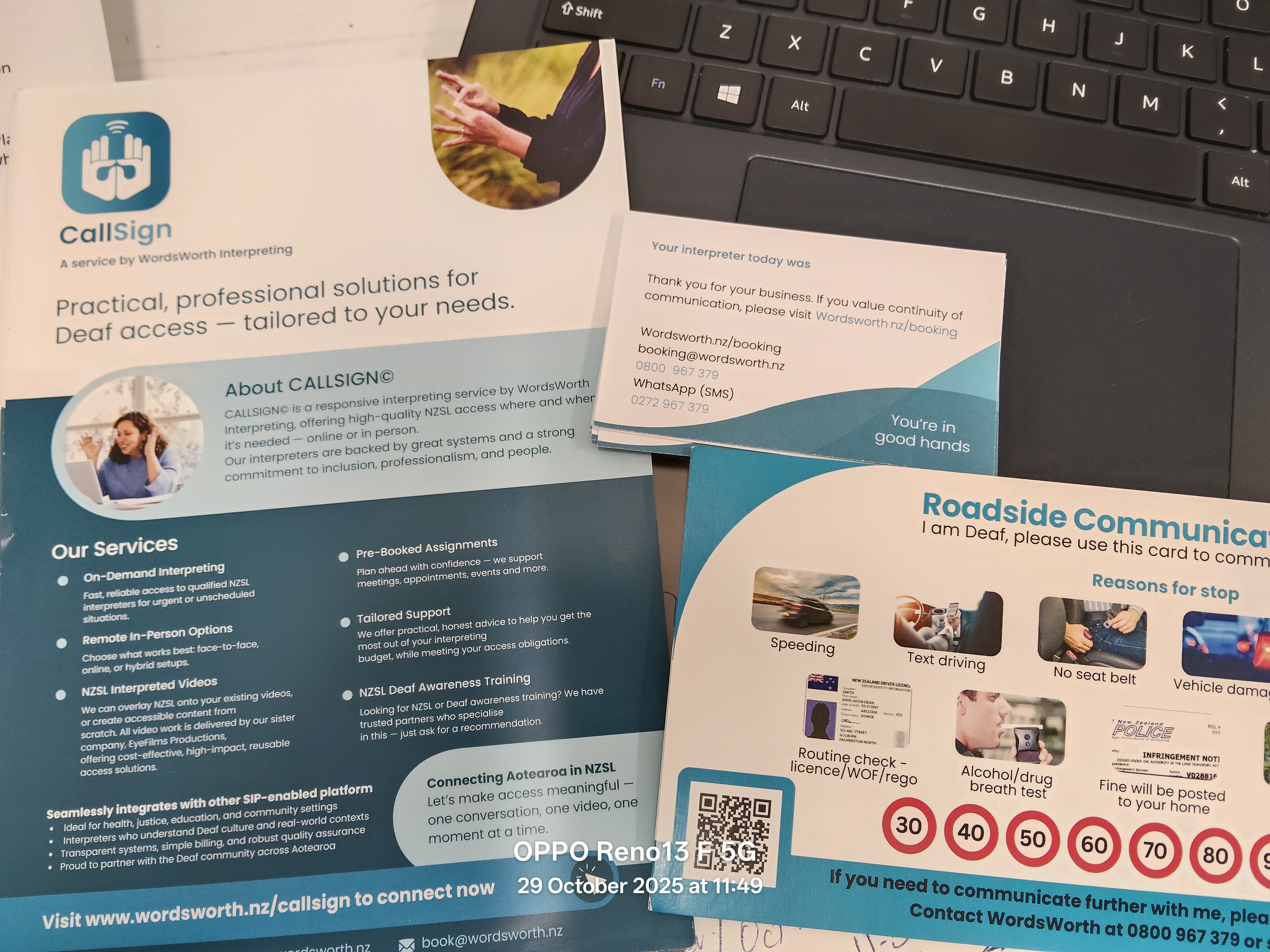
In Waikato, New Zealand, there is an updated additional service for Deaf People who need interpreter services from any business or Health Sector Service. Interpreter Services is Wordsworth Sign Language Interpreting, based in Hamilton. The system is called “CallSign”, a responsive interpreting service by Wordsworth Interpreting. This Interpretering Service wants to improve the quality of service for all people in the communities to reach many of their D/deaf clients and patients—this service benefits the health sectors, justice, education and community settings. There is an option for all Deaf Drivers when using a Roadside Communication Card. This Roadside Communication Card is beneficial for all Police Officers when stopping any Deaf Drivers. Inside the communication card are tips on various topics, such as speeding, texting while driving, and driving a red light as a reason for a stop. On the other side of the communication card, there are quick communication tips for Police Officers to understand our D/deaf needs of verbal commands. The card is similar to the USA and Vancouver cards, and here is the link—note it was four years ago. https://youtu.be/lLuzjS3HaYY?si=hE4jqJ4Rs5QjOBDj

oplus_0

Did you know about Universal Design for all people? Here is the link for you to look at or to read information – https://www.branz.co.nz/universal-design/

I suggest not ignoring this Universal design because you will be one of us at a stage of life you never know or expect, where there are health issues or you are involved in an accident.

https://www.nsai.ie/standards/sectors/universal-design-and-inclusion/

https://universaldesign.ie/about-universal-design/the-7-principles

https://universaldesign.ie/about-universal-design/policy-and-legislation/policy-and-legislation-in-ireland

This universal design link is from New Zealand, and it is weak. This link provides guidelines for anyone who does housing, office buildings, and/or school buildings. We, people with disabilities, advocate that this guideline should be placed under the Law and Regulations Act through the Parliament here. We do not want to hear about the financial cost of building the building by the contractors, the architects, or the Council’s decision-making on the Building consents. https://www.gpg.govt.nz/workplace-design/universal-design-approach/

Here is another link from the Building Performance website: Complying with the Building Code. The Building Code is contained in regulations under the Building Act 2004.

https://www.building.govt.nz/building-code-compliance/d-access/accessible-buildings/about/practical-application-of-universal-design

For example, look at Kāinga Ora and the housing across Aotearoa-New Zealand, which does not meet the needs of thousands of people with disabilities and seniors with poor mobility/disabilities to live in and make their lives better quality in the communities. There are 851,000 people (17 per cent) in households in Aotearoa/New Zealand who are disabled. Extract from AI – There is no single global figure for the number of disabled people living without a home. The number varies significantly by country, and data on disability and homelessness are often incomplete or inconsistent. However, data from New Zealand can provide a detailed example of the disparity disabled people face in housing. 

In New Zealand:

  • Higher rates of severe housing deprivation: The 2023 Census found that disabled people were more than twice as likely as non-disabled people to experience severe housing deprivation. For every 10,000 disabled people aged five and over, 414.5 were severely housing-deprived, compared to 203.7 per 10,000 non-disabled people.
  • Increased risks across all categories: The disparity holds across types of housing deprivation, including living without shelter, in uninhabitable housing, or in temporary accommodations.
  • Specific issues with inaccessible housing: Beyond homelessness, a significant problem is a lack of accessible and affordable housing. A 2022 survey found that as few as 2% of homes for sale in New Zealand were accessible to people with disabilities. 

Factors that contribute to homelessness among disabled people include:

  • Income inequality: Disabled people often have lower incomes, making it harder to afford housing.
  • Discrimination: Many disabled people face discrimination in the housing market and are denied rental applications.
  • Accessibility challenges: The lack of accessible homes forces many to live in unsuitable conditions or without housing. 

The search results for this query focus exclusively on New Zealand. However, the data highlights a broader global problem, as disabled people worldwide are more likely to experience housing insecurity and poverty. 

It is not about a bad example; it is the main problem of a lack of awareness, and their response costs too much money to repair or adapt for people with disabilities/seniors with mobility/issues. Honestly, tenants pay rent to them. There is not enough accessible housing for people with disabilities/seniors with disabilities; for example, one accessible house vs four fully accessible houses are not accessible—what is Kāinga Ora’s problem?

Have you considered our neighbour islands—the Pacific Islands? Extract from AI – There is no single, precise figure for the number of deaf people across all Pacific islands, but they constitute a significant portion of the population. Estimates suggest that over one in ten people in the Pacific region live with a disability, many of whom are deaf or hard of hearing. In the Western Pacific, the World Health Organisation (WHO) reports over 546 million people with hearing loss, and a local estimate suggests about 1.5 million people with disabilities live across the Pacific Island countries and territories, which includes those with hearing impairments.

Pacific Region: Over one in ten people live with a disability, many of whom are deaf or hard of hearing.

Western Pacific: The World Health Organisation (WHO) estimates more than 546 million people live with hearing loss in this region.

Pacific Island Countries: An estimate from the Pacific Disability Forum suggests that about 1.5 million people with disabilities live in the Pacific Island countries and territories, which includes the deaf and hard-of-hearing population.

Extract from the RNZ in 2012. https://www.rnz.co.nz/international/pacific-news/206244/deaf-people-the-most-neglected-of-solomon-islands’-disabled

from the Guardian Newspaper – 2022

https://www.theguardian.com/world/2022/dec/05/left-out-of-society-vanuatus-deaf-community-push-for-national-sign-language

From Australian Media 2024

https://www.abc.net.au/pacific/what-is-it-like-growing-up-deaf-in-solomon-islands-/104563884

There are six core partners: Australian Aid, New Zealand Foreign Affairs and Trade, CBM (I know this one —we keep in touch), Centre for Inclusive Policy, United Nations, and International Disability Alliances.

Testing the time as the day went by!

Having two weeks break under one Disability Organisation, and I am on the second week of the break, despite the weather not being so great for me to start with the garden weeding, planning the jobs in the garden and many other lists. That is okay!

As you’re aware, Spring has already sprung here, and we’re eagerly awaiting the arrival of Summer! The anticipation is palpable, and I can’t wait to see how the garden transforms with the change in season. The excitement is contagious, and I hope you’re as thrilled as I am for what’s to come. It’s a journey we’re all part of, and I’m excited to share it with you.

It’s a delight to see the bees buzzing around the fresh flowers, diligently collecting pollen for honey and pollinating other blooms. Their presence is a reminder of the interconnectedness of nature, and I’m deeply grateful for their role in the garden. It’s moments like these that make me appreciate the beauty of our natural world.

New seedlings popped up, and it is not yet ready for planting in the vegetable garden. I need to think carefully about a rabbit-proof barrier around the seedlings in the garden. Yes, I do have rabbit-repelling stuff, such as a combination of physical obstacles and natural deterrents like certain plants, and it is working well. Mm, better throw out plenty of pumpkin seeds there and over there, anywhere.

The strawberry garden is thriving, and it’s a joy to see the urgent need for weeding and weekly fruit fertiliser. The same goes for the Blueberries garden-they’re doing well and it’s a testament to the care and attention they’ve received! It’s truly inspiring to see the results of our hard work, and it fills me with hope for the future of our garden.

I am focusing on doing plant cuttings and contacting a couple of friends I know who have dahlia bulbs before Labour Weekend. By looking at the weather forecast, a Labour Day Monday is not going to be good; however, who knows what the weather will bring for us in Waikato? The anticipation for these upcoming plans is palpable, and I can’t wait to see how they unfold.

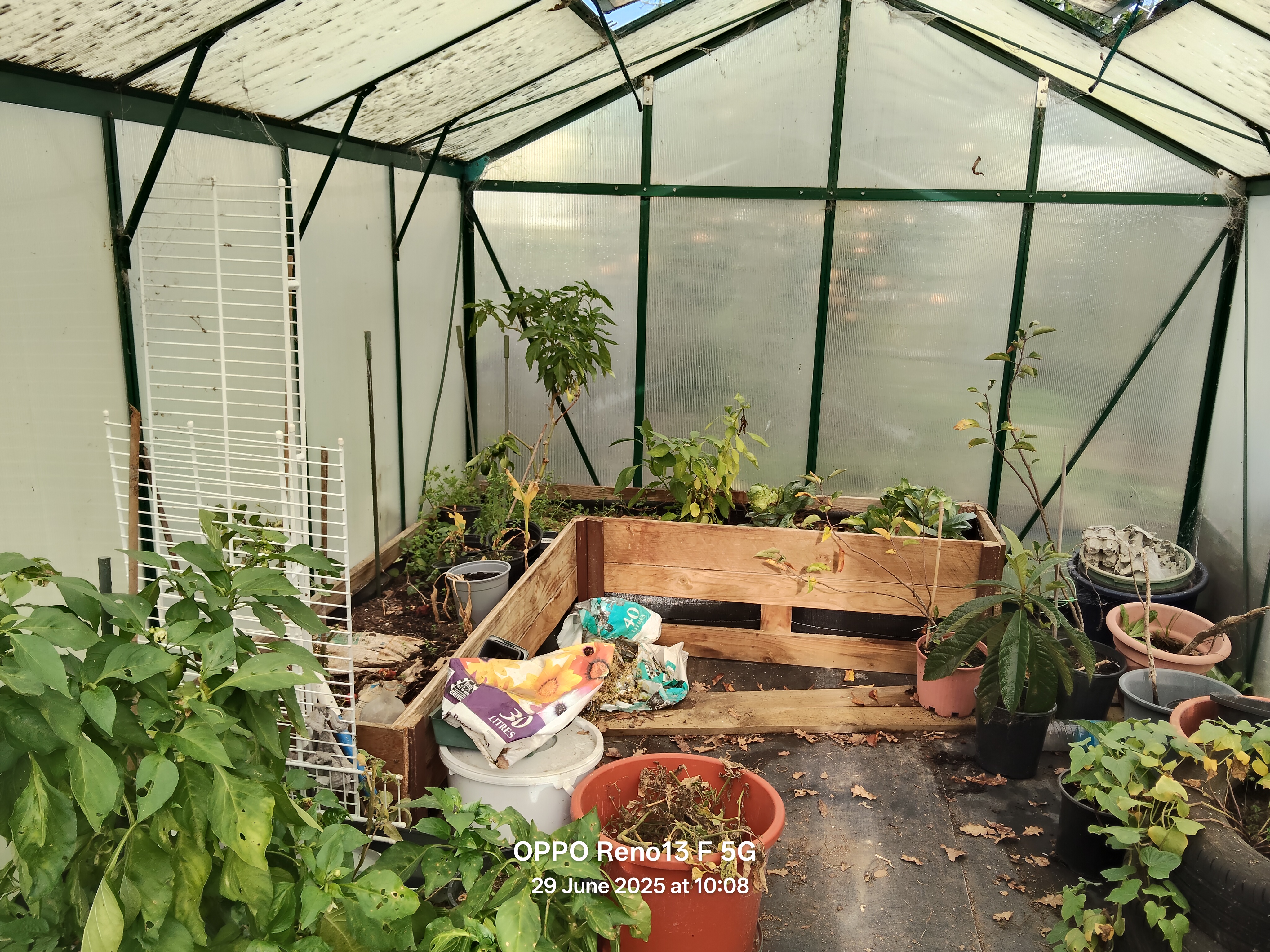
The greenhouse needs a bit of tidying up while caspuim plants are still producing caspuim fruits through Winter to present. Kumuras are ready for digging out and preparing for the next stage of planting fresh kumuras inside the greenhouse for a long, productive period of time. Just like Potatoes, too!

No fear for my last week of the holiday break, I am looking forward to an extended annual leave under two organisations before Christmas 2025 until mid-January 2026. It is a once-a-year one-month leave.

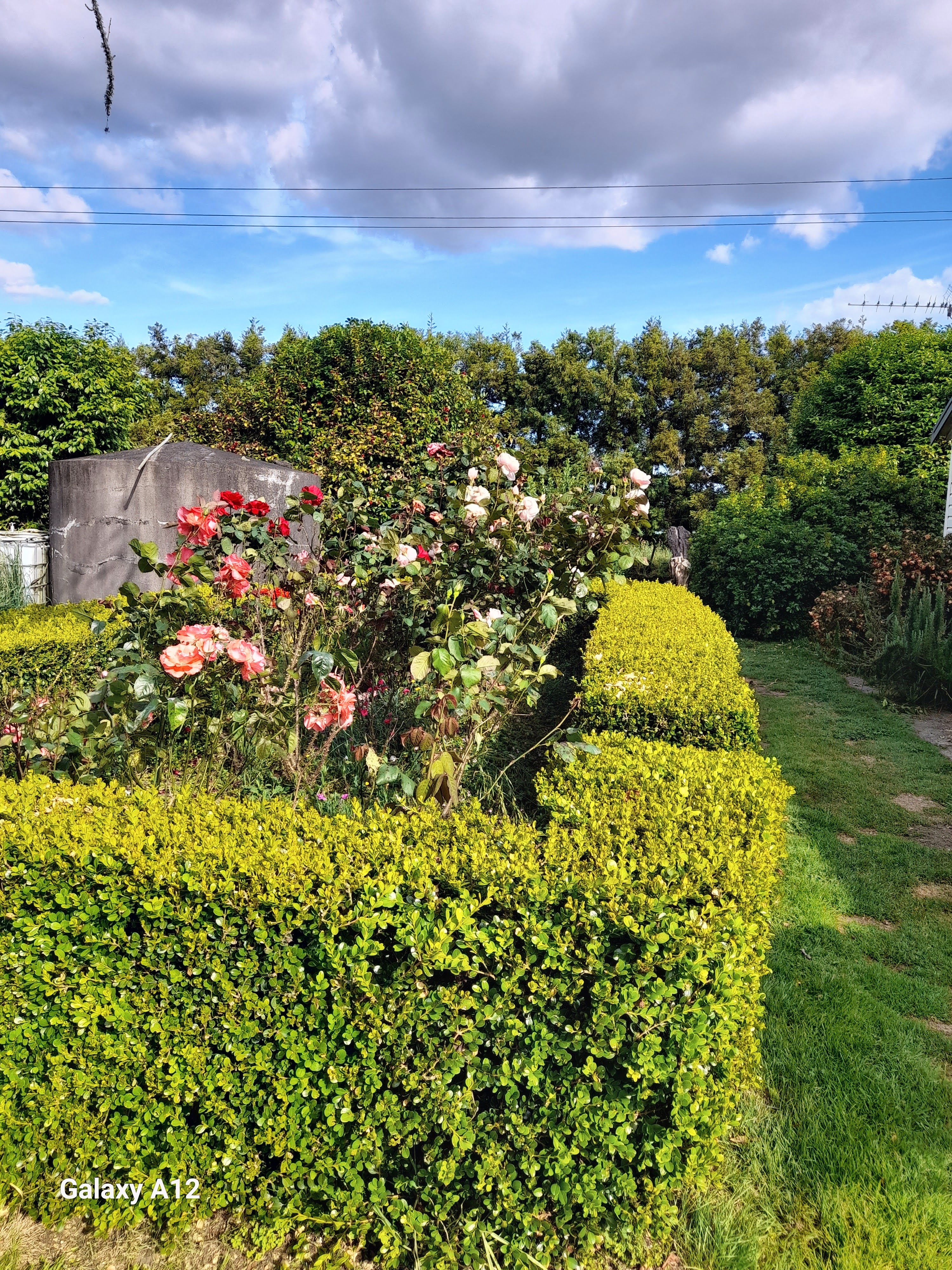
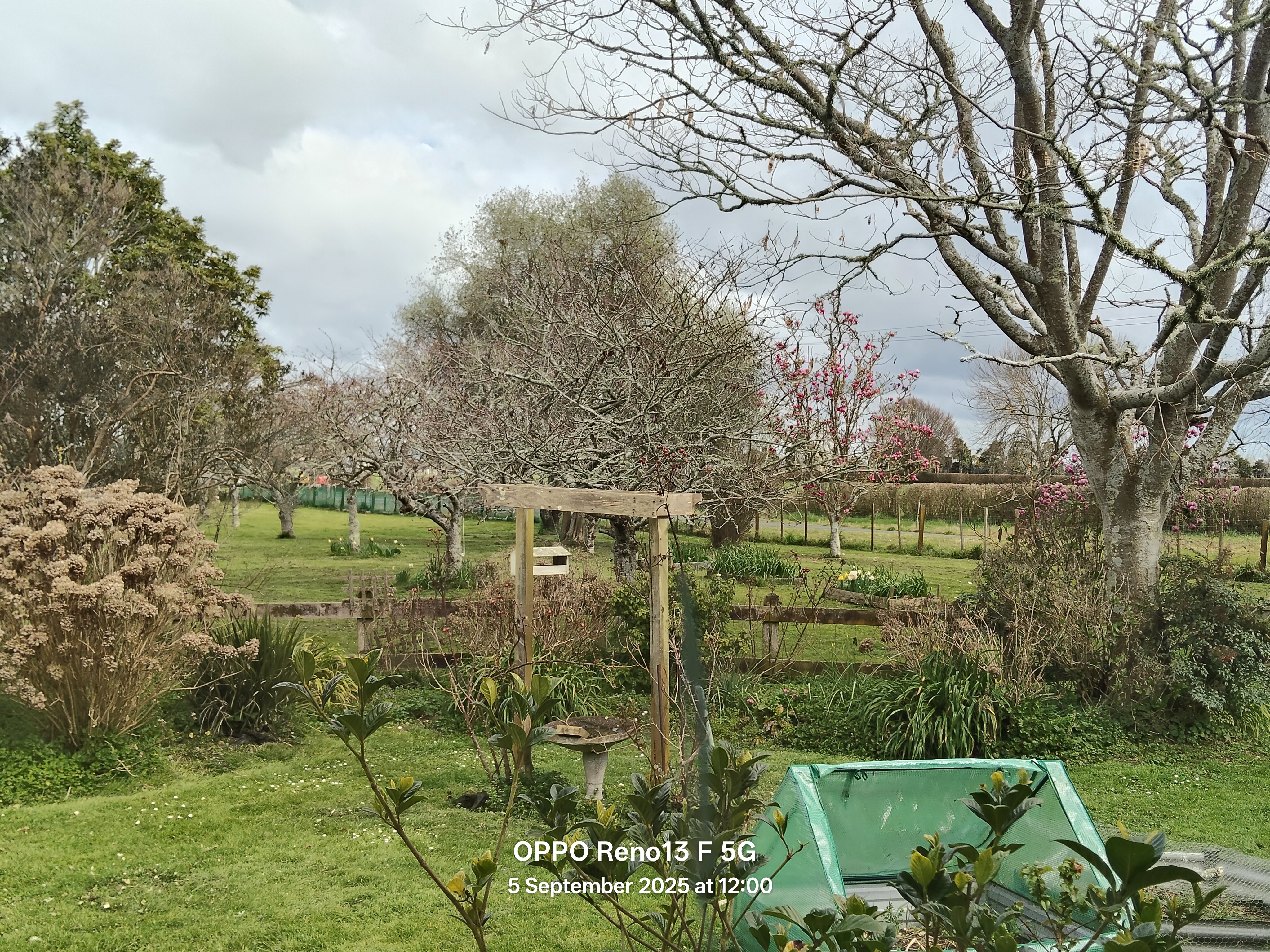
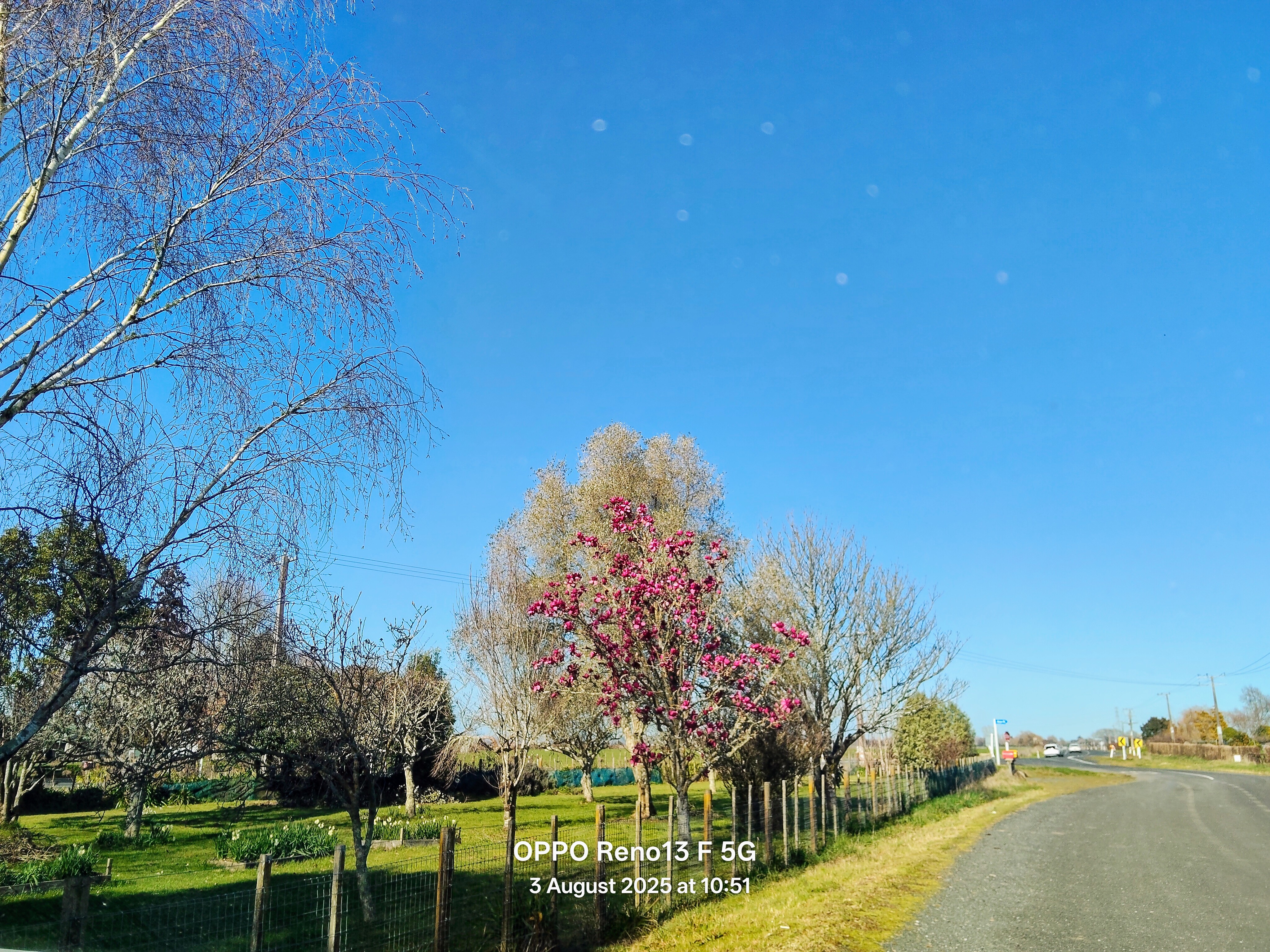
Flowering shrubs and trees are doing well, and there is plenty of time to do pruning of old branches and trimming heights once winter flowering finishes. The Five Cherry trees field will be displayed with flowers, not fruits, in one large field. Roses are coming out, and fear not about late pruning. I will trim and remove the dead stems and branches in the rose garden. There is no harm done if anyone forgot to do the pruning of the roses or not.

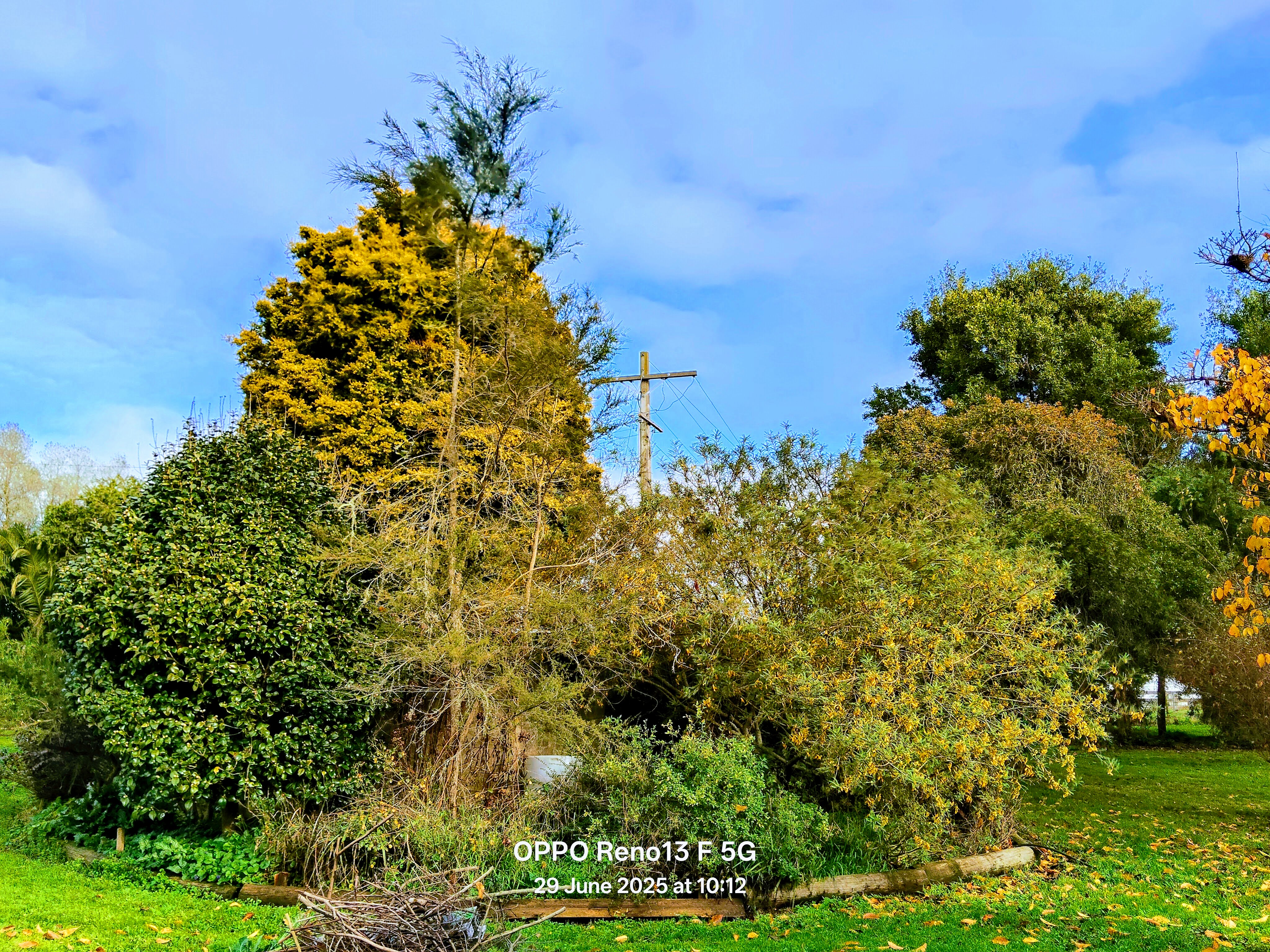
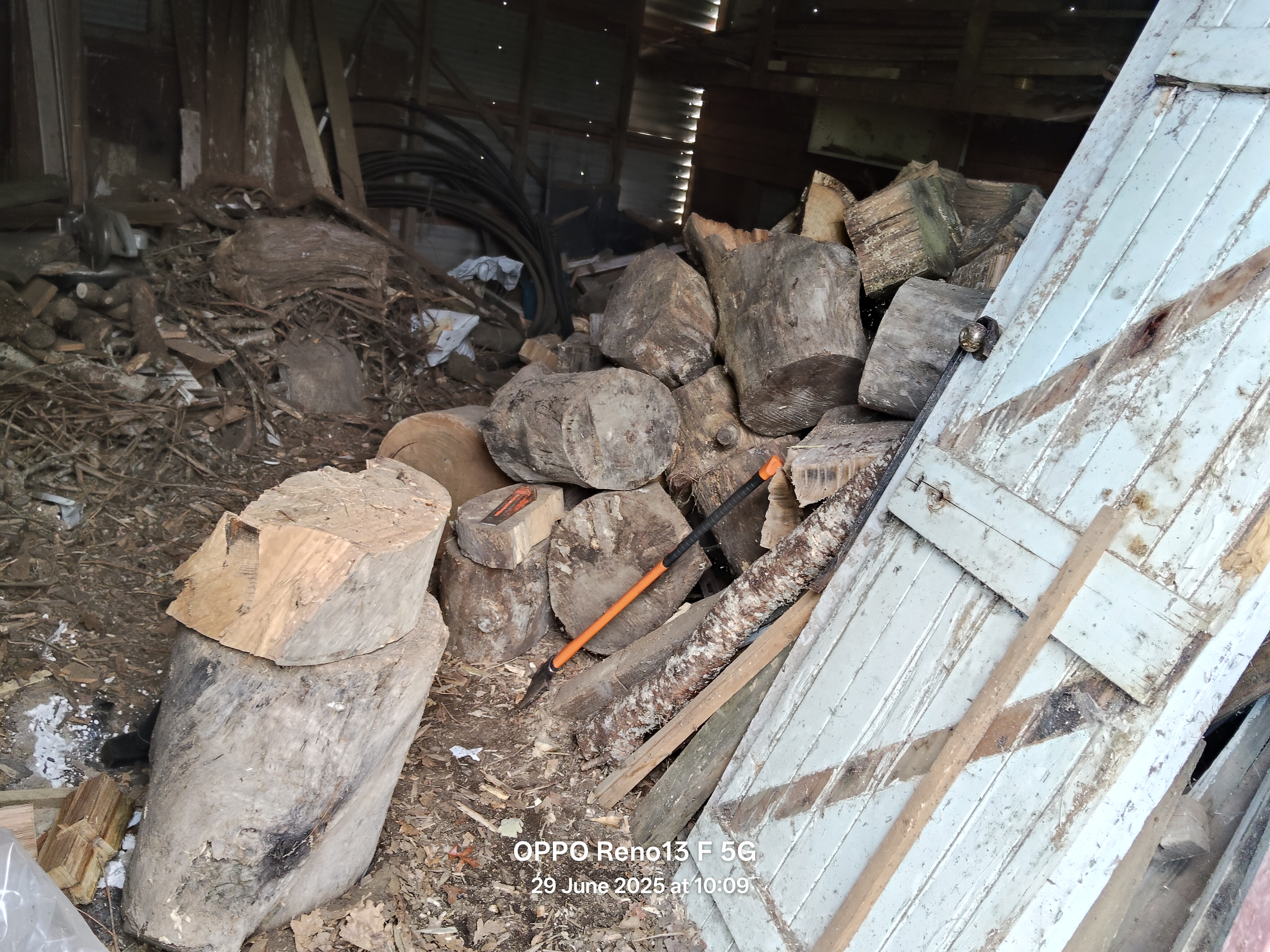
The large centre garden, as I call it, the Golden Totara garden, is a special place where the beautiful display of colour of the golden totara tree stands tall and mightily displays colours of the changing seasons every year. Currently, the shrubs, Manuka shrubs and kowhai tree need attention to do jobs such as trimming, weeding and laying down mulch of old totara leaves and branches, which were trimmed back by one of my Christian friend’s sons, who is an aborist qualified and runs a business early this year. Sigh, by seeing the last chunks of logs waiting to be cut up and stored in the large barn for firewood within one to two years.

Mm, there are lots more shrubs, lavender shrubs, bottlebrush trees and many more in our large property. We bought our homes (there were two houses – one house now) with a double carport, a double garage and a large barn over 50 years back in October Labour Weekend in 2014. The gardens grew by adding more trees, vegetables and fruit trees and expanding the size to allow the control of wind breaks and privacy screening. Mm, Flaxes, a type of plant that we particularly love for its beauty and resilience, reminding me, and I need more flaxes from a large flaxes section, the point head of the intersection of the state highway road and a small public road. By putting more flaxes, we will be planting along the entrapment stream opposite the private farms – share farming. This section will control a place for many ducks, pukeos, of course, bloody rabbits, a nest and a security place while maintaining flaxen fences border lines to stop erosion of the banks, despite the ever-changing nature of Global Warming becoming increasingly alarming and destroying the environment.

We love our home and gardens until we decide to move within fifteen or twenty-five years with our dogs, because we are over 60 years old and continue to work.

Invisible Disabilities Week, October 19 – 25, 2025.

#invisibledisabilitiesweek

#seetheinvisible

Let’s come together to celebrate our Invisible Disabilities Week, a time to raise awareness and understanding about the millions of invisible disabilities that many may not realise exist. This week is an opportunity to learn, share, and most importantly, support those living with invisible disabilities. By understanding their challenges and offering our empathy and support, we can make a significant difference in their lives. Let’s strive for inclusivity, acceptance, and understanding, as advocated by the Hidden Disabilities Sunflower. Our understanding and empathy can be a powerful force for change.

As a person living with invisible disabilities, I navigate daily life in a rural community outside Hamilton City, New Zealand. My invisible disabilities include deafness, Cervical Disc-Spine degeneration and radioculopathy of my right side from the neck, the shoulder and arm, Rheumatoid Arthritis, Endometriosis, migraine, hypertension, thyroid gland-T4 (thyroxine), glaucoma/cataract implant lens, chronic sinus and asthma conditions. These are the many symptoms I live with, but I don’t dwell on my severity. However, I often find that people, including my D/deaf friends, struggle to understand my experiences. I share these experiences to foster a sense of community and understanding among those living with invisible disabilities.

I write various types of blogs, including Deaf History, Dogs’ Tales, Life in Eureka, Waikato Deaf Society/Waikato Deaf Units, and a few more domains on WordPress. I enjoy writing, thinking, exploring, researching, and mentoring, all while enhancing the experiences of diverse audiences worldwide, because everyone is unique. By writing blogs across several domains, I help myself improve my writing in English and other languages and gain more confidence to share with you and others, such as in cognition, reasoning, reflection, pondering, contemplation, and ideation. In other words, philosophical thinking is a critical, reflective, abstract, and logical process aimed at pursuing truth and knowledge, examining values, and developing personal worldviews. It involves questioning assumptions, connecting ideas logically, and critically evaluating information to understand fundamental concepts, ethics, and the nature of existence itself. Please note that I am not a paid writer/historian/researcher at present, and I am seeking funding grants and donations to support my ongoing work.  

Let’s explore the diverse spectrum of invisible disabilities you may have come across – Crohn’s disease, MS (Multiple Sclerosis), ME (Myalgic Encephalomyelitis, also known as Chronic Fatigue Syndrome – CFS), Fibromyalgia Syndrome (FMS), ADHD (Attention Deficit Hyperactivity Disorder), Aphasia, autism, chronic obstructive pulmonary disease (COPD), Coeliac Disease, dementia, dyslexia, Ehlers-Danios Syndrome, and Endometriosis. What about two different types of diabetes, Dysautonomia, asthma, epilepsy, Foetal Alcohol Spectrum Disorder (FASD), Functional Neurological Disorder (FND), Haemophilia, Long COVID, Lupus, Migraine, Narcolepsy, Ostomy, Pancreatic Cancer, Parkinson’s, Peri/menopause, poTS, Scleroderma, stuttering, Tourette’s Syndrome and Ulcerative Colitis? Yes, these are all invisible disabilities, each with its unique challenges and experiences.

Societies around the world are not immune to ableism and disablism in the workplace and in communities. The disadvantage of these problems is that they are often perceived by other ‘able-bodied’ people, even without knowledge of disabilities, such as wearing glasses, dentures, and the main problem is a lack of understanding of our invisible disabilities out in the communities.

I want to highlight these problems. I used AI copy and paste here for you –ableism refers to the systemic valuing of able-bodiedness, which creates barriers and disadvantages for disabled people. In contrast, disablism is the specific, direct discrimination and oppressive behaviours that result from this underlying ableist ideology. 

Ableism

  • What it is: A system that values and prioritises the abilities of non-disabled people, also known as able-bodied privilege.
  • How it works: It shapes society to fit the needs of non-disabled individuals, creating physical and attitudinal barriers for people with disabilities.
  • Examples:
    • Buildings without ramps or elevators make them inaccessible to wheelchair users.
    • Lack of captions in online videos excludes deaf and hard-of-hearing individuals.
    • Workplaces are failing to make reasonable adjustments for employees with disabilities. 
    • Lack of Sign Language Interpreters in public meetings, events, staff training/meetings and media

Disablism

  • What it is: The discrimination, prejudice, and abusive actions or behaviours directed at disabled people. It stems from the belief that disabled people are inferior.
  • How it works: It can involve conscious discriminatory actions or behaviours, as well as less obvious prejudices.
  • Examples:
    • Using offensive or patronising language when speaking to a disabled person.
    • Ignoring or excluding someone with a disability.
    • Making assumptions about what a disabled person can or cannot do. 

The Relationship Between Ableism and Disablism

  • Ableism can be viewed as the underlying societal ideology that fosters an environment where disablism thrives.
  • Disablism is often the direct manifestation of ableist beliefs and practices.
  • Both concepts are crucial for understanding and dismantling discrimination against people with disabilities and for promoting a more accessible and inclusive society. 

I know a large group of people with invisible disabilities here, and they do not have full-time work like me; a small number of them are on part-time work under 25 hours a week. We are advocates for human rights to various agencies, Government agencies, and businesses. We, along with other groups such as low-income families, homeless people, seniors with disabilities and poverty groups, are unable to afford the cost of living, such as rent, mortgages, food prices, and power/wifi. The critically important thing is to remove ableism and disablism from laws, policies, acts, and other types of legislation by making our lives equal in society as one whole world. This slogan is our mission – ‘Nothing about us without us‘. Let’s work together to bring about this change.

In New Zealand, we have a small organisation called the Hidden Disabilities Sunflower to encourage inclusivity, acceptance, and understanding. Not just in New Zealand, there are global networks, such as The Hidden Disabilities Sunflower.

https://hdsunflower.com/au/about-hidden-disabilities-sunflower

What was the reason it was called the Sunflower? Happiness, positivity, strength, growth, and confidence are universally known. 

One of the famous quotes I’ve known for many years came from Helen Keller – “Keep your face to the sunshine and you cannot see the shadows. It’s what sunflowers do.” 

Sunflowers are also seen as symbols of hope and optimism. Their ability to grow tall and strong, reaching toward the sky, represents personal growth and the pursuit of one’s aspirations.

Sunflowers symbolise joy, positivity, and hope during difficult times. They inspire resilience and perseverance. As gifts, they convey warmth, love, and admiration without words.

Essential keys for your audience/readers: consider starting learning about invisible disabilities through workshops, one of your colleagues, organisations near your business, and society. We would appreciate it if you and your company could amend or adapt the infrastructure and open environment gardens to allow children, seniors, and families to enjoy them.

https://www.hamiltonairport.co.nz/hiddendisabilitiessunflower/