Yellow dots raised bumps on the pavement.

Some individuals were expressing their discontent regarding the yellow dots, which they believed were causing injuries. They were moaning, complaining, frustrating, whining or grumbling about this issue, despite the fact that only a small number of people had experienced accidents as a result of the tactile dots. Over the past decade, approximately 45 individuals have been injured by the yellow dots, which is a relatively low number in New Zealand. Despite recent articles from the NZ Herald, social media, and news outlets claiming that the yellow dots were to blame for these injuries, I was not surprised. Something seemed off about these claims, and it appears that the issue has been blown out of proportion. Some people were suggesting that the yellow dots should be replaced or fixed throughout Auckland, but it seems unnecessary given the minimal impact they have had on public safety.

Individuals who are struggling to carry out daily tasks due to ongoing pain resulting from their injuries. Despite receiving their ACC compensation claim, they still face difficulty in managing their day-to-day activities. In this blog, I provided them with some advice on how they can improve their situation, but it is evident that they are going through a challenging time. My thoughts are with them and anyone else who may be in a similar predicament.

I am curious to know if the health and safety staff at ACC and the medical staff are aware of the safety measures and minimal-risk options available in the city’s surroundings, such as the yellow tactile pavements. It seems like there may be additional ways to mitigate potential safety risks in the area. I would appreciate any knowledge or recommendations they may have on the matter.

Are you wearing the proper shoes/boots with a rubber sole/non-slip sole or not? Were you using mobile and looking/reading texts or Youtube media while walking without looking at your surrounding environment? Were you talking over your mobile while walking without looking around or using the crossing in a hurry? 

Hey there! Just wanted to check in and see if you’re wearing the right shoes today. It’s highly recommended and important that you wear shoes or boots with a rubber or non-slip sole today, especially if you plan on walking around. Moreover, it’s crucial to be fully alert of your surroundings while you’re out and about. Although it may be tempting to use your phone or listen to music, your safety and awareness should take precedence. Be cautious and take good care of yourself.
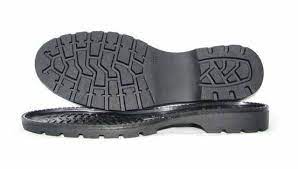
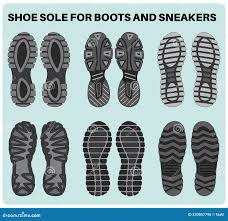
Most of the time, I do shoe shopping for us and people with mobility disabilities such as walking problems. I checked every shoe and boot to see if these shoes/boots have rubber or non-slip soles. Sadly, only one-quarter of these shoes/boots have rubber soles/non-slip soles, while three-quarters of shoes/boots still need one. I recall one or two staff asked me and the person I support if we needed help finding the shoes. I asked these staff if there were any shoes with rubber soles; these staff did not understand why I asked this question. I explained about wearing shoes/boots with rubber soles for safety when walking around. These staff need to learn about this, and it is not about fashion design shoes/boots. 

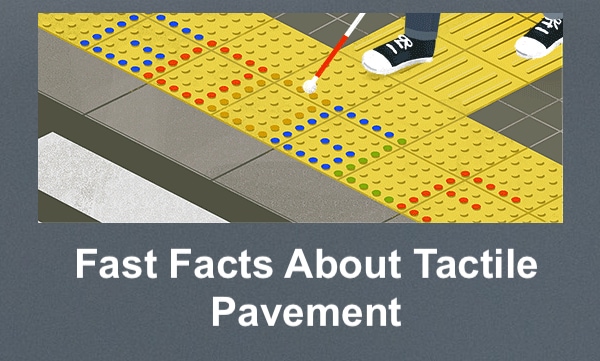
Take a moment to observe the numerous yellow tactile pavements that are installed on sidewalks and at crosswalks worldwide. These pavements serve a crucial purpose in aiding people with disabilities, particularly those who are visually impaired or blind. The raised bumps on the pavement offer tactile feedback that enables these individuals to navigate their surroundings with safety and independence. It’s a significant step towards creating a more inclusive and accessible world for everyone. So, remember that the yellow tactile pavement is there to assist those who require it the most.

Tactile pavements, particularly the yellow ones, are absolutely crucial for people with low vision or children using walking canes. Without these pavements, they risk becoming lost and losing their independence, which could lead to disastrous consequences. It is imperative that we prioritise the safety and accessibility of every individual in our communities.

Stop blaming yellow tactile pavements or poorly installed/designed pavement! We are human, including people/children with disabilities, as equal humans, and we do ourselves differently in work, social outings and homes. Many people do not realise that there are 28% of humans with disabilities living in New Zealand, and they need to learn to accept it and to understand us and the need for access to anywhere we go. We pay tax and rates to the Government and the City Council for these tactile pavements as same with you. We must work together as teams, and you will have to adapt or change the way of buying a proper pair of shoes/boots, walk properly and take it easy by looking around and limiting yourself when using the mobile while walking. 

Let’s move on and learn about the history of tactile pavement. 

Many low-vision people/children and blind people/children need critical information and guidance help when walking around the city because their brains work differently from yours. 

“Provide the additional information needed to confirm an impression gained visually. Tactile learning also requires that information be gathered over time by systematically exploring an object one aspect at a time.”

One person invented tactile pavement in Japan in 1965 and wanted to make it more accessible for blind people/children and low-vision people/children in Japan. That is a brilliant example of breaking down the barriers for all people with disabilities around the world. The person was Seiichi Miyake, who invented Tenji blocks by helping his friend who was losing his eye-sights/visual impairment. Thank him for breaking down the barriers for all Blind people/children and low-vision people/children. 

https://www.independent.co.uk/tech/seiichi-miyake-google-doodle-who-is-japan-tactile-paving-a8827656.html

https://www.news18.com/news/buzz/how-japans-yellow-tenji-blocks-guide-the-visually-impaired-in-public-places-4169453.html

https://www.rnib.org.uk/get-involved/support-a-campaign/inclusive-journeys/tactile-paving/#:~:text=Tactile%20paving%20consists%20of%20a,of%20a%20train%20station%20platform.

https://www.perkins.org/resource/fast-facts-about-tactile-pavement/
https://www.nzherald.co.nz/nz/broken-bones-concussions-yellow-tactile-dots-for-sight-impaired-a-slippery-hazard/QOH3XFF2SFFN3D5MJVUYOGVLSE/

https://www.nzherald.co.nz/nz/man-suffers-break-in-four-places-after-slip-on-yellow-dots-at-auckland-train-station/CXYSEPTNFZABTLPOQRVYPYKMWE/

https://www.nzherald.co.nz/nz/auckland-woman-breaks-leg-in-three-places-after-slipping-on-auckland-transports-yellow-tactile-dots/XKA3S2YB3BBB5GPPMBJEHVSG7I/

Te Kete Aronui 

Te Kete Aronui – The Te Haa o te Whenua o Kirikiriroa (THaWK) group collectively devised the following name and narrative for the building. 

“A new name that is significant and relevant to this building

in Rototuna. We are referring to Te kete aronui, a basket

of knowledge of aroha, peace and the arts and crafts which

benefit the Earth and all living things – one of the three

baskets of knowledge. This basket relates to knowledge

acquired through careful observation of the environment.

It is also the basket of ritual, of literature, philosophy and

is sometimes regarded as the basket of the humanities.

This is how we would describe and refer to this place.”

– Sonny Karena

https://hamiltonlibraries.co.nz/location-and-hours/te-kete-aronui/

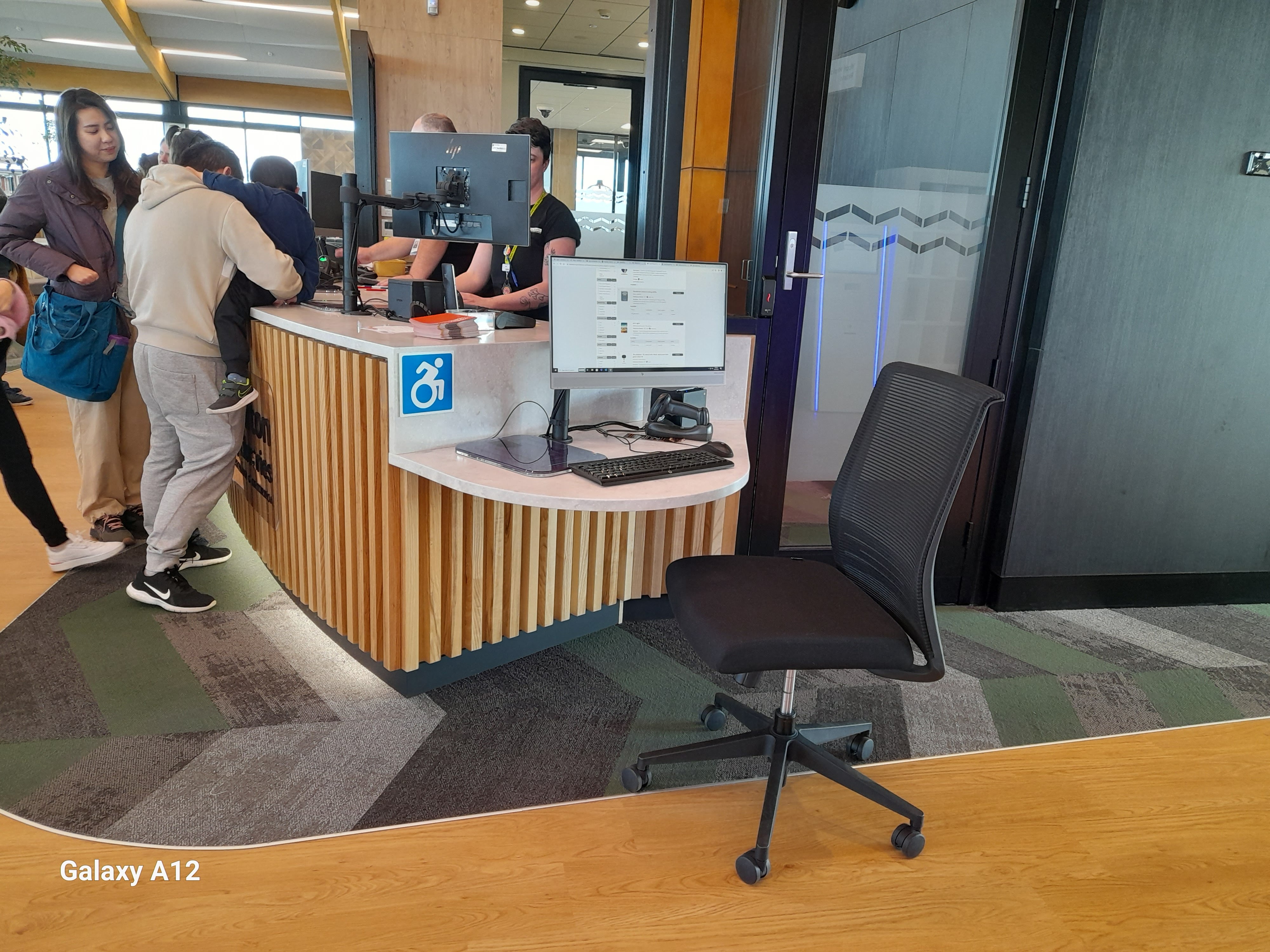
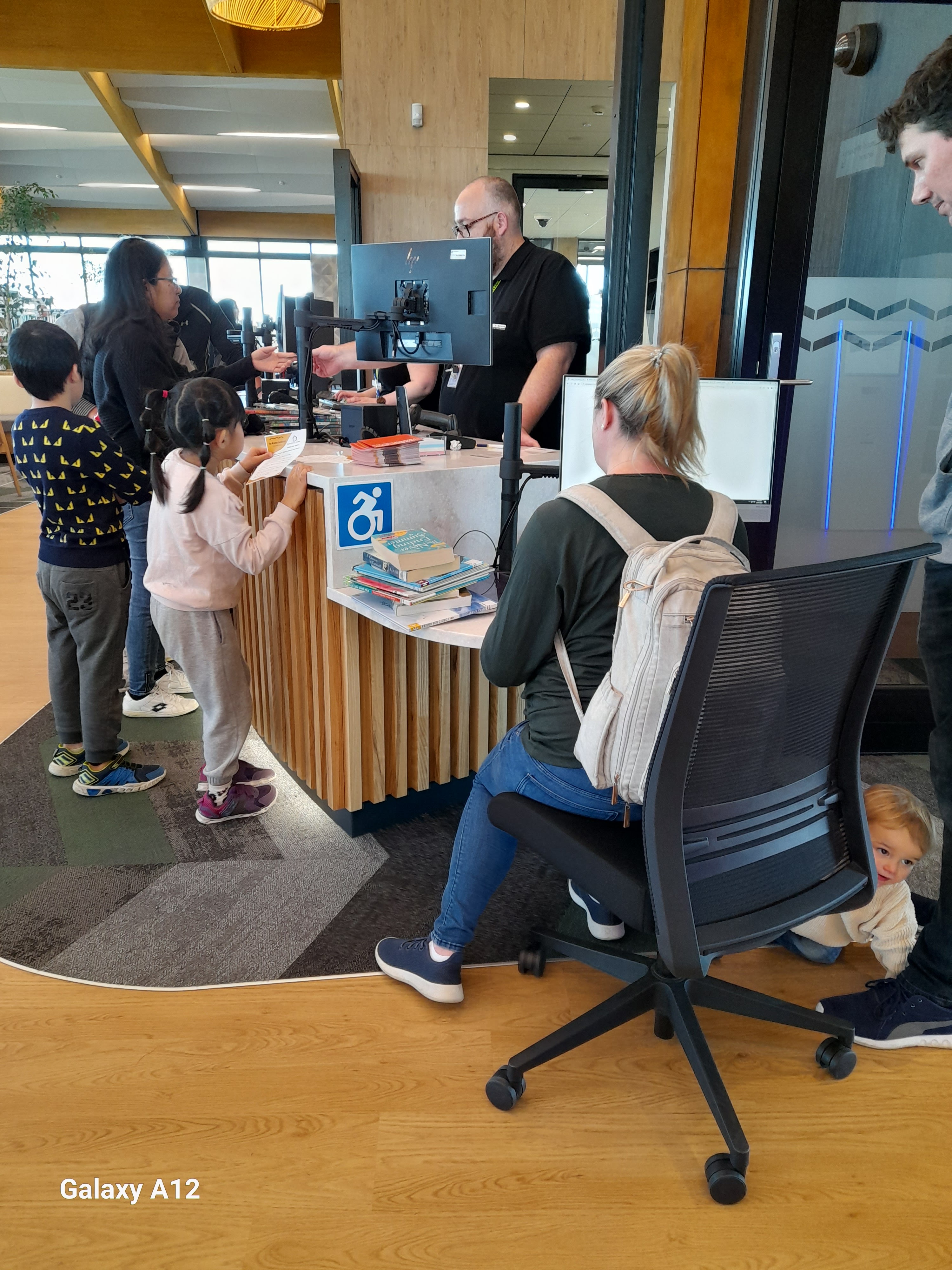
The deaf blogger/author took Jacek – a deaf with speech impaired and CP (Cerebral Palsy), one Sunday morning after the new library opened in Rototuna, Hamilton. We did explore the building to see if there are friendly and accessible for all people and children with disabilities. He found it a great place to visit the library, especially an indoor cafe in Rototuna. 

The blogger/author was invited by the Hamilton City Council, the librarian manager and the Disability Advisor staff of the Hamilton City Council, and we were in a team to overlook the designed plan of the library several times back in 2019 and 2020. We discussed what to amend/adapt in the design plan and what needs to be friendly and accessible ground floor interior and exterior surroundings. 

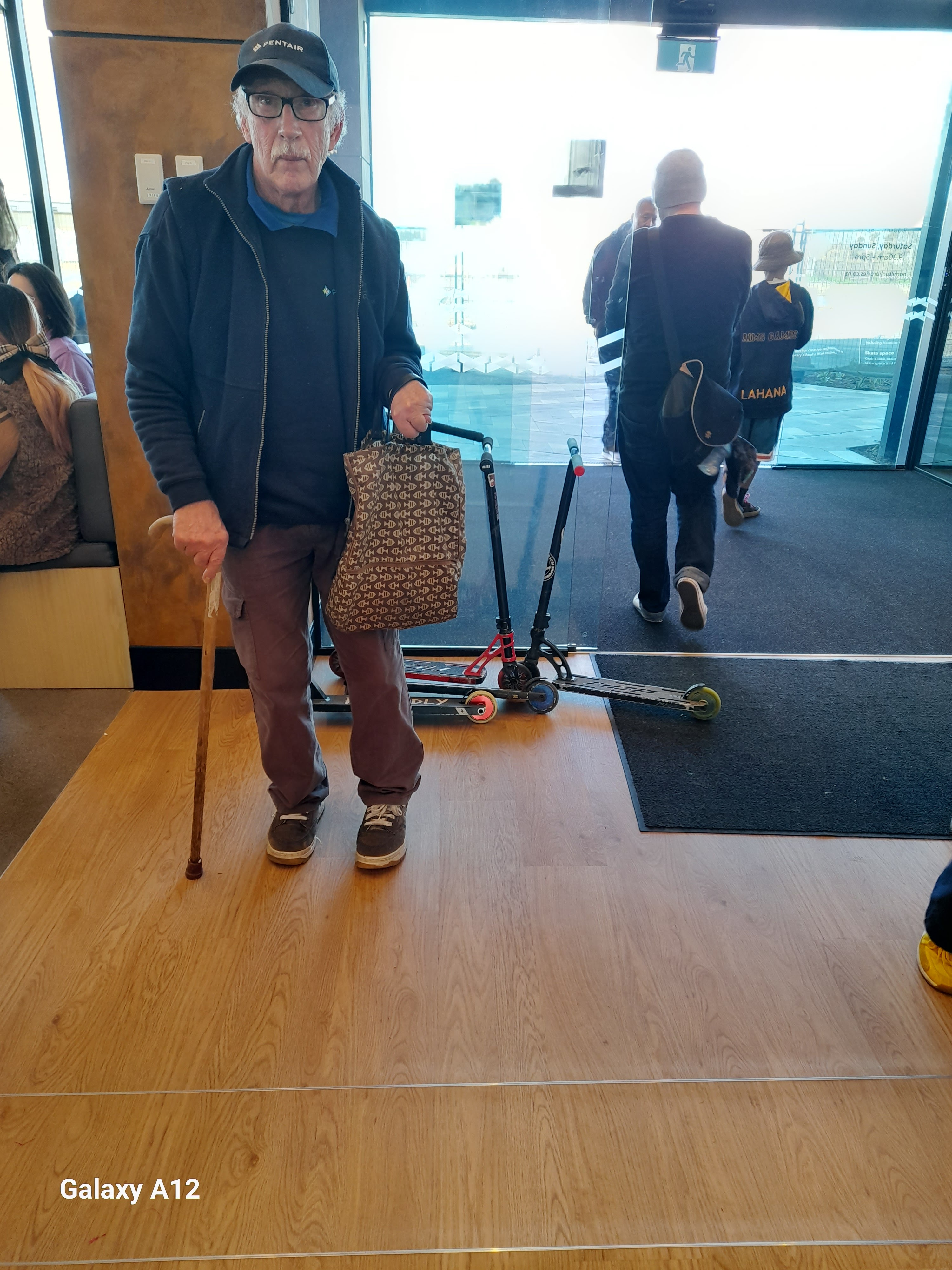
There was one thing we noticed and does not assume in the future, such as children and teenagers coming along and leaving their scooters near the double automatic glass doors. The blogger/author thought it might be a mild risk for low vision impaired/blind people may trip over or knock over. We would require the staff to put scooter stands along with the bike stands. 

The cafe was a brilliant idea, and the staff were great. Jacek mentions that we are both deaf when ordering food and coffee. She was helpful and repeated what we called and paid the cost of the meals and drinks. 

Inside the library, there are many services and meeting rooms for everyone.

  • The library features are: – A range of small and large meeting rooms and flexible spaces are available to book.
  • Council services such as rates payments and dog registrations. 
  • Hamilton’s third Changing Places bathroom facility. 
  • An on-site café called Chapter One. 
  • An Auaha Makerspace, purpose-built for creative technologies. 
  • Free wi-fi, with computer, printing and scanning services available. 
  • Kids and young adults’ zones, community lounge and a study/work area. 
  • Borrow from self-checkouts, collect holds, and return items 24/7. 
  • A skate space integrated with the outdoor areas. 
  • A play space designed for junior to intermediate use (opening October). 

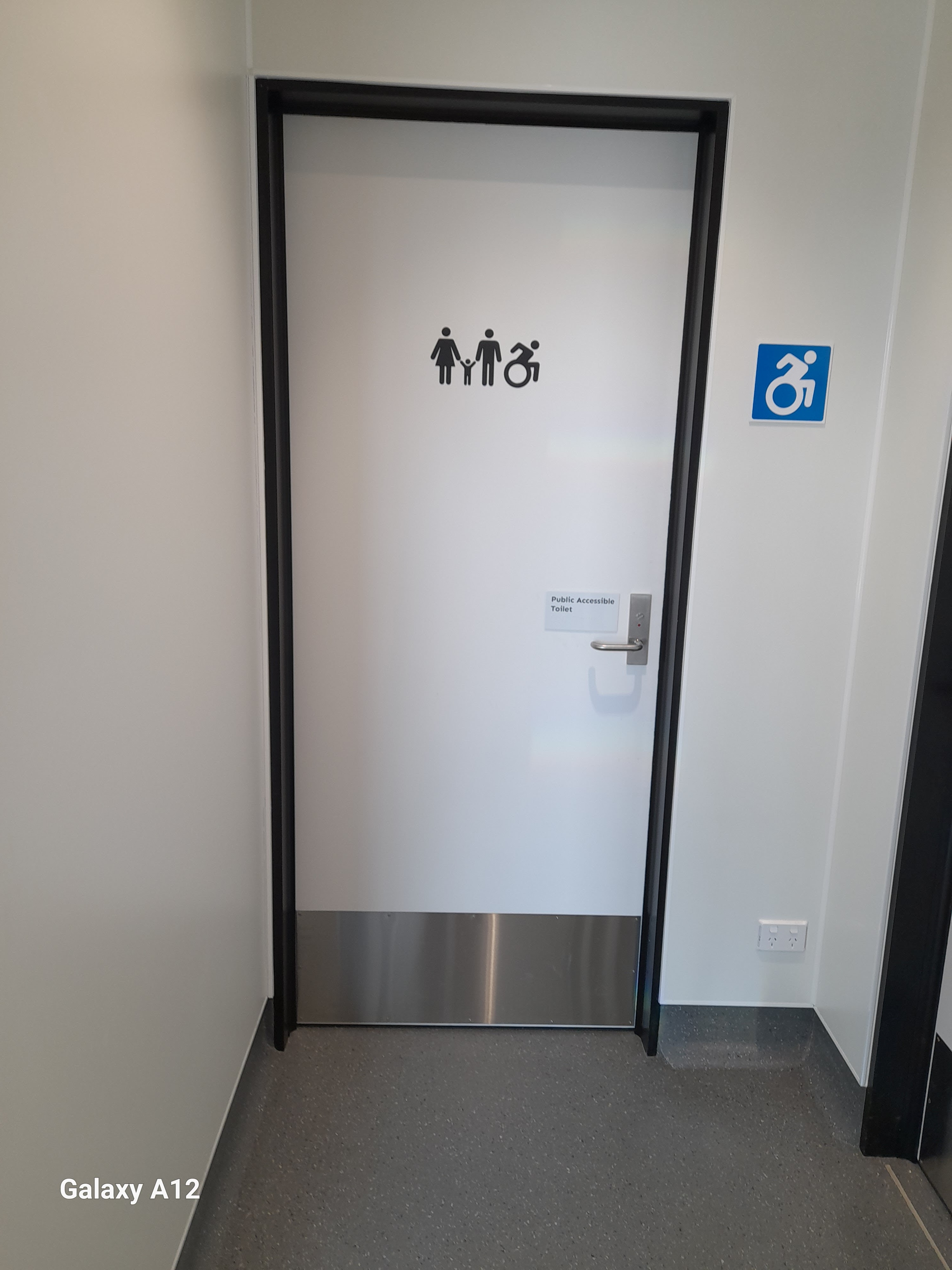
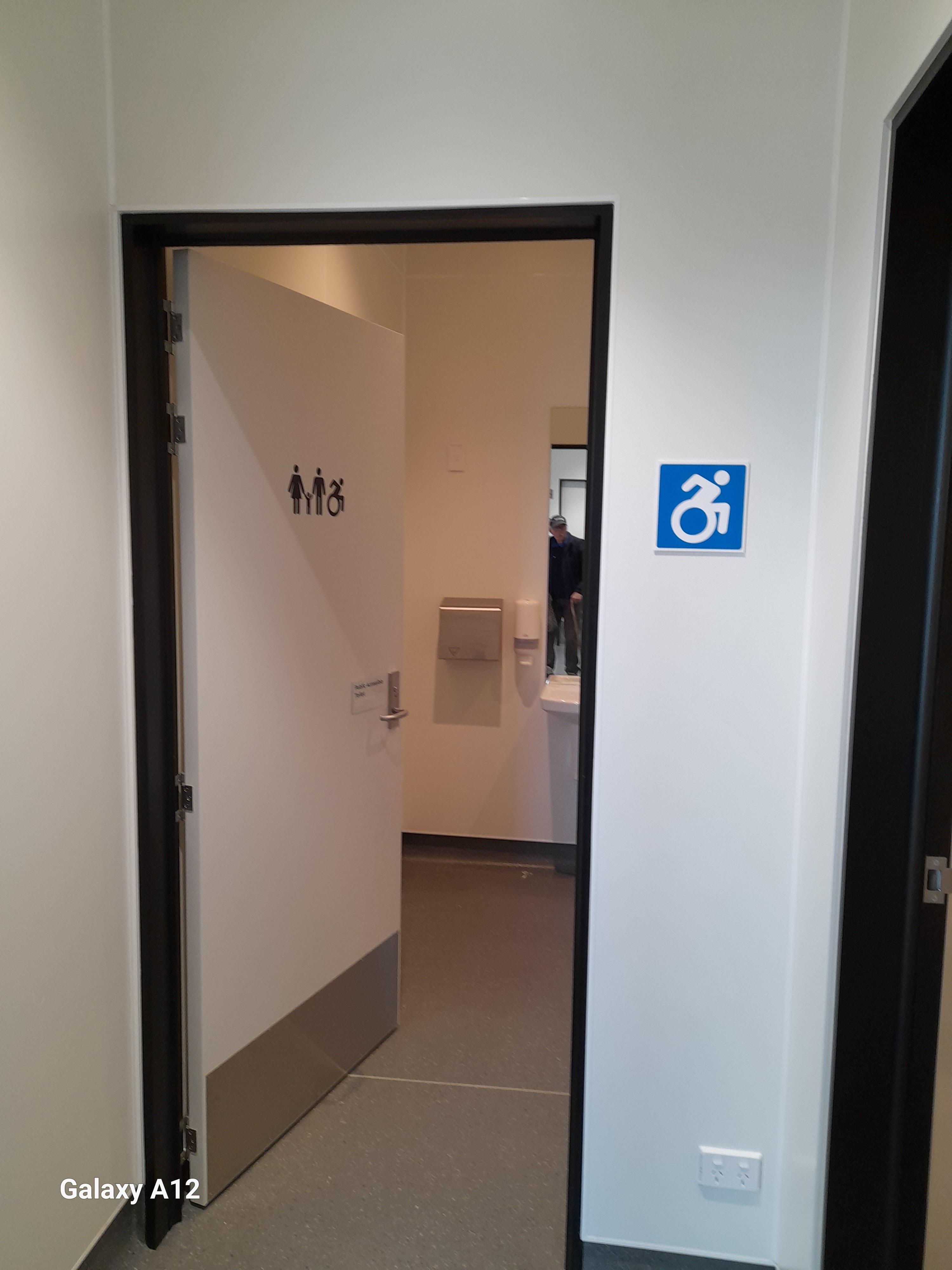
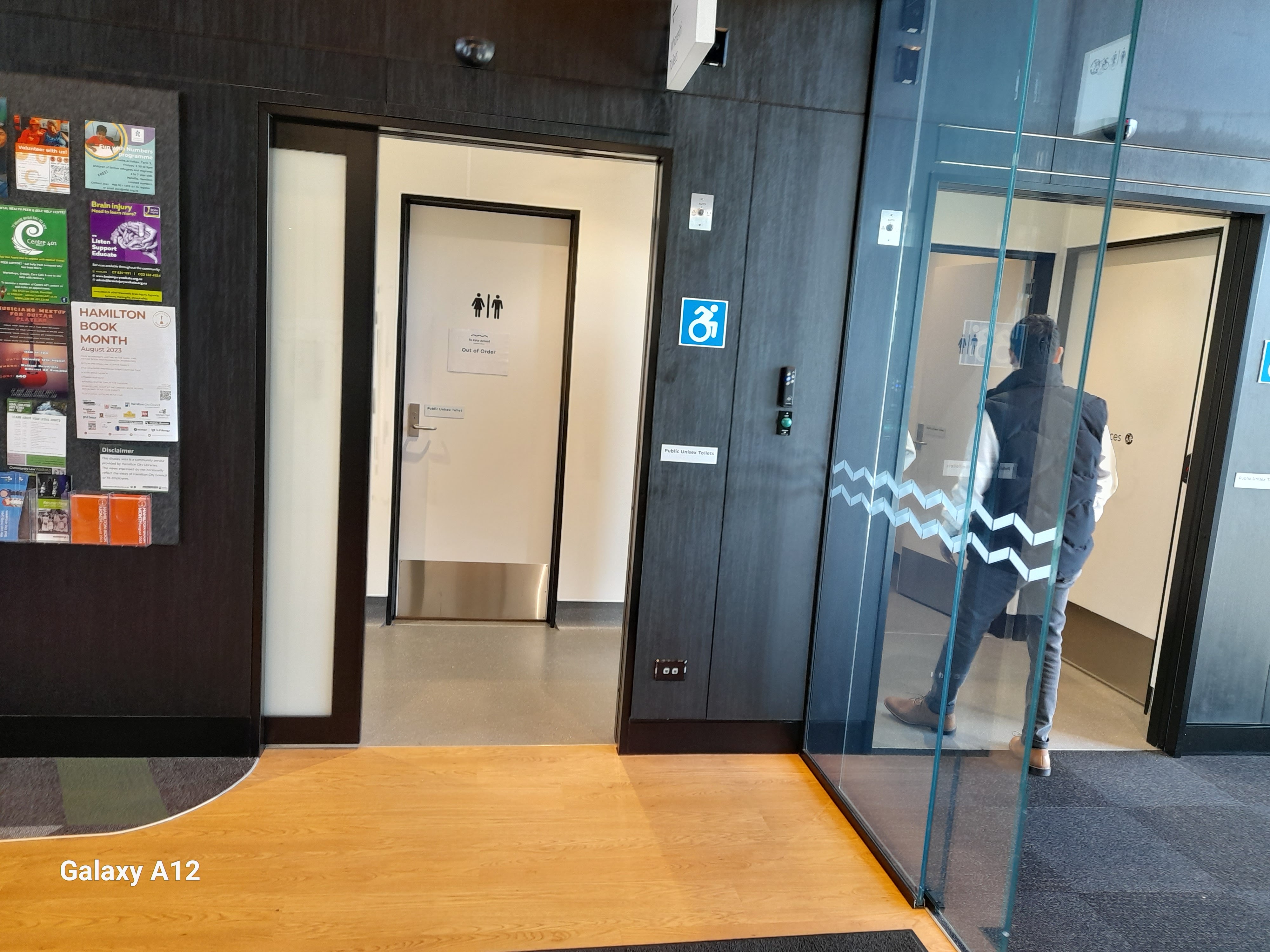
The public toilet facilities include the changing places bathroom, which is excellent for anyone with disabilities and any support workers/parents of the disabled person/child to use this. One large room – designed for the changing place, requires a tag to identify anyone belonging to the Changing Place as a member. Check out this link for more information here. https://www.changingplaces.org.nz/

https://hamilton.govt.nz/your-council/news/growing-hamilton/new-library-brings-community-space-to-rototuna

What a beautiful sunshine in the garden after all the wild wet weather in Eureka!

“Give me odorous at sunrise a garden of beautiful flowers where I can walk undisturbed.” Walt Whitman.

We looked through photos of our gardens and property over many years as we moved here in October-November 2014. My goodness, how much we have changed and made several new garden plots surrounding our property. Our neighbours walked along our shared road off the State Highway road daily; even the parents of their children come home from school/going to school. They noticed our daily changing of landscape, new plants and trees in our property when their children saw and heard many native birds such as fantail birds, kingfishers, ducks, finches, swallows and many more. Through the Winter season, we do not do much gardening, and we do a lot of tidying up, chopping wood, trees down for firewood, and storing in a large barn.

“The best and most beautiful things in the world cannot be seen or even touched — they must be felt with the heart.” -Helen Keller.

Do you realise there is excellent therapy in the garden when you feel down, grieving, dismaying or taking a timeout from work? If you hate walking, running, and weightlifting, why not exercise in the garden?

I have enjoyed this throughout my life since I came home from travelling overseas for many years and taking a break from work in the city of Hamilton and Waikato. I must remind myself to take it easy when doing physical work in the garden because I have a disc spine degeneration radiculopathy, and on my right side has an early set of arthritis and partial nerve damage from the shoulder to hand.

“You will face many defeats in life, but never let yourself be defeated.” -Maya Angelou.

Each day, the staff of our workplace help out with food parcels, referrals to Budget Advice agencies, Mental Health and Addiction agencies, and so on. The people I support are people with disabilities, D/deaf people, D/deaf people with disabilities and Deaf seniors; I help them with home visits, literacy lessons, referrals to job brokers, posting newsletters, and so on. I am a deaf advocate and deaf historian/linguist/researcher. The main issues are poverty, financial problems, failing the assessment over equipment, no jobs available for them and, of course, our human right to access and equality in everyday lives. I found many families with children and people with disabilities (including D/deaf and D/deaf with disabilities people) struggling to buy food due to high prices in the supermarkets.

Whenever I asked them if they knew how to grow vegetables or fruits in their garden or the pots, their answers were a big NO. Mm, their replies were the landlord said no, there was no idea of growing in the containers or the garden, no time to do growing, sore back or knee and so on. Most People with disabilities are unable to reach the ground, their physical can be challenging to maintain the body to stand balance while weeding or planting, and many barriers are preventing them from doing gardening.

“To improve is to change; to be perfect is to change often.” -Winston Churchill.

Today there are many options of ideas and making accessible by improving the heights, making it easy to reach for something, finding the right garden tools, using the seeds from ‘shop bought’ vegetables and fruits, throwing out waste foods by digging a trench for food scraps into compost/fresh soil and so on.

I enjoy visiting our gardens daily by walking around, pulling out weeds, or removing dead-headed flowers. We do have a greenhouse to grow brassica vegetables and potatoes there. We are tidying up the strawberries garden by putting fresh topsoil with blood and bone fertiliser and coffee grind from the local coffee shop.

‘Every great dream begins with a dreamer. Always remember, you have within you the strength, the patience, and the passion to reach for the stars to change the world.’ -Harriet Tubman.