Some individuals were expressing their discontent regarding the yellow dots, which they believed were causing injuries. They were moaning, complaining, frustrating, whining or grumbling about this issue, despite the fact that only a small number of people had experienced accidents as a result of the tactile dots. Over the past decade, approximately 45 individuals have been injured by the yellow dots, which is a relatively low number in New Zealand. Despite recent articles from the NZ Herald, social media, and news outlets claiming that the yellow dots were to blame for these injuries, I was not surprised. Something seemed off about these claims, and it appears that the issue has been blown out of proportion. Some people were suggesting that the yellow dots should be replaced or fixed throughout Auckland, but it seems unnecessary given the minimal impact they have had on public safety.


Individuals who are struggling to carry out daily tasks due to ongoing pain resulting from their injuries. Despite receiving their ACC compensation claim, they still face difficulty in managing their day-to-day activities. In this blog, I provided them with some advice on how they can improve their situation, but it is evident that they are going through a challenging time. My thoughts are with them and anyone else who may be in a similar predicament.
I am curious to know if the health and safety staff at ACC and the medical staff are aware of the safety measures and minimal-risk options available in the city’s surroundings, such as the yellow tactile pavements. It seems like there may be additional ways to mitigate potential safety risks in the area. I would appreciate any knowledge or recommendations they may have on the matter.
Are you wearing the proper shoes/boots with a rubber sole/non-slip sole or not? Were you using mobile and looking/reading texts or Youtube media while walking without looking at your surrounding environment? Were you talking over your mobile while walking without looking around or using the crossing in a hurry?
Hey there! Just wanted to check in and see if you’re wearing the right shoes today. It’s highly recommended and important that you wear shoes or boots with a rubber or non-slip sole today, especially if you plan on walking around. Moreover, it’s crucial to be fully alert of your surroundings while you’re out and about. Although it may be tempting to use your phone or listen to music, your safety and awareness should take precedence. Be cautious and take good care of yourself.
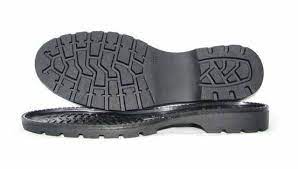
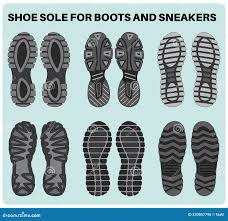
Most of the time, I do shoe shopping for us and people with mobility disabilities such as walking problems. I checked every shoe and boot to see if these shoes/boots have rubber or non-slip soles. Sadly, only one-quarter of these shoes/boots have rubber soles/non-slip soles, while three-quarters of shoes/boots still need one. I recall one or two staff asked me and the person I support if we needed help finding the shoes. I asked these staff if there were any shoes with rubber soles; these staff did not understand why I asked this question. I explained about wearing shoes/boots with rubber soles for safety when walking around. These staff need to learn about this, and it is not about fashion design shoes/boots.
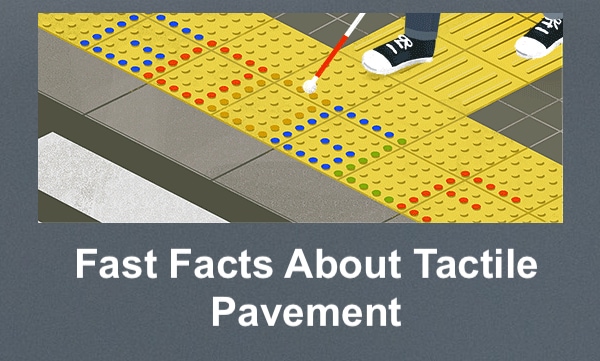
Take a moment to observe the numerous yellow tactile pavements that are installed on sidewalks and at crosswalks worldwide. These pavements serve a crucial purpose in aiding people with disabilities, particularly those who are visually impaired or blind. The raised bumps on the pavement offer tactile feedback that enables these individuals to navigate their surroundings with safety and independence. It’s a significant step towards creating a more inclusive and accessible world for everyone. So, remember that the yellow tactile pavement is there to assist those who require it the most.
Tactile pavements, particularly the yellow ones, are absolutely crucial for people with low vision or children using walking canes. Without these pavements, they risk becoming lost and losing their independence, which could lead to disastrous consequences. It is imperative that we prioritise the safety and accessibility of every individual in our communities.
Stop blaming yellow tactile pavements or poorly installed/designed pavement! We are human, including people/children with disabilities, as equal humans, and we do ourselves differently in work, social outings and homes. Many people do not realise that there are 28% of humans with disabilities living in New Zealand, and they need to learn to accept it and to understand us and the need for access to anywhere we go. We pay tax and rates to the Government and the City Council for these tactile pavements as same with you. We must work together as teams, and you will have to adapt or change the way of buying a proper pair of shoes/boots, walk properly and take it easy by looking around and limiting yourself when using the mobile while walking.
Let’s move on and learn about the history of tactile pavement.
Many low-vision people/children and blind people/children need critical information and guidance help when walking around the city because their brains work differently from yours.
“Provide the additional information needed to confirm an impression gained visually. Tactile learning also requires that information be gathered over time by systematically exploring an object one aspect at a time.”
One person invented tactile pavement in Japan in 1965 and wanted to make it more accessible for blind people/children and low-vision people/children in Japan. That is a brilliant example of breaking down the barriers for all people with disabilities around the world. The person was Seiichi Miyake, who invented Tenji blocks by helping his friend who was losing his eye-sights/visual impairment. Thank him for breaking down the barriers for all Blind people/children and low-vision people/children.

https://www.perkins.org/resource/fast-facts-about-tactile-pavement/

 Life in Eureka