Those who lead give sight to those who follow; those who follow give life to those who lead. This whakatauki also speaks to the importance of working together. It acknowledges and values the importance of both the leader and the followers, for both are essential and co-dependent.
Last night, we were watching the programme ‘The Project’ channel three, and there was a clip about a Māori whanau (family) with their tamariki (Plural as in children) and te tamaiti (singular as in a child) to speak Te Reo Māori in the home. The large cities did not have enough service or kura (schools). This story clip made me think about Māori Turi Tangata (Māori Deaf people) in Aotearoa.
Ko tōku reo tōku ohooho, ko tōku reo tōku māpihi maurea. My language is my awakening, my language is the window to my soul.
Māori Turi Tangata (Māori Deaf people) use their first language – Māori Sign Language concepts, which use most of our NZSL (New Zealand Sign Language) into Māori Te Reo. “Deaf signs express concepts through visual elements rather than originating in spoken words, so NZSL signs can be translated into either English or te reo Māori.”
One thing is to speak in Māori Te Reo; they cannot say correctly because of sounds. Māori Turi Tangata cannot hear the sound correctly, let alone follow the lip reading. They will ‘mouth’ the words as they sign where a trilingual interpreter is available.
Look at the poster and try to learn our sign language when ordering coffee.
One weekend, I took Jacek for his social outing as part of my job, and we went to see the new building at the University of Waikato. I studied for a BA in History along with Linguistics and Anthropology. The new facility is called The Pā: māu, māku, mā tātou katoa. The previous small building and the marae – Te Kohinga Mārama were no longer there.
He mea nui kia tiakina o tatou reo, kaua ki te mate i nga reo mo nga whakatipuranga o muri. It is crucial to preserve our languages rather than dying languages for future generations.
“Kotahi te waka e noho ana tatou katoa kaore he wehenga.” – Whakatauki Maori “One canoe which we are all in with no exception.” – Maori Proverb
Tōtara rakau (tree) was there when we bought our home and the large property in 2014. The tara (spike leaves) change their colours from lime-green to gold each season; for example, in Spring, the tara is yellow-green colour, yellow in Summer, and then in winter, the tara is golden yellow. This tree is a Podocarpus totara ‘Aurea’ – Golden Totara. It grows to 5 metres tall and 3 metres wide and lives over 900 years.
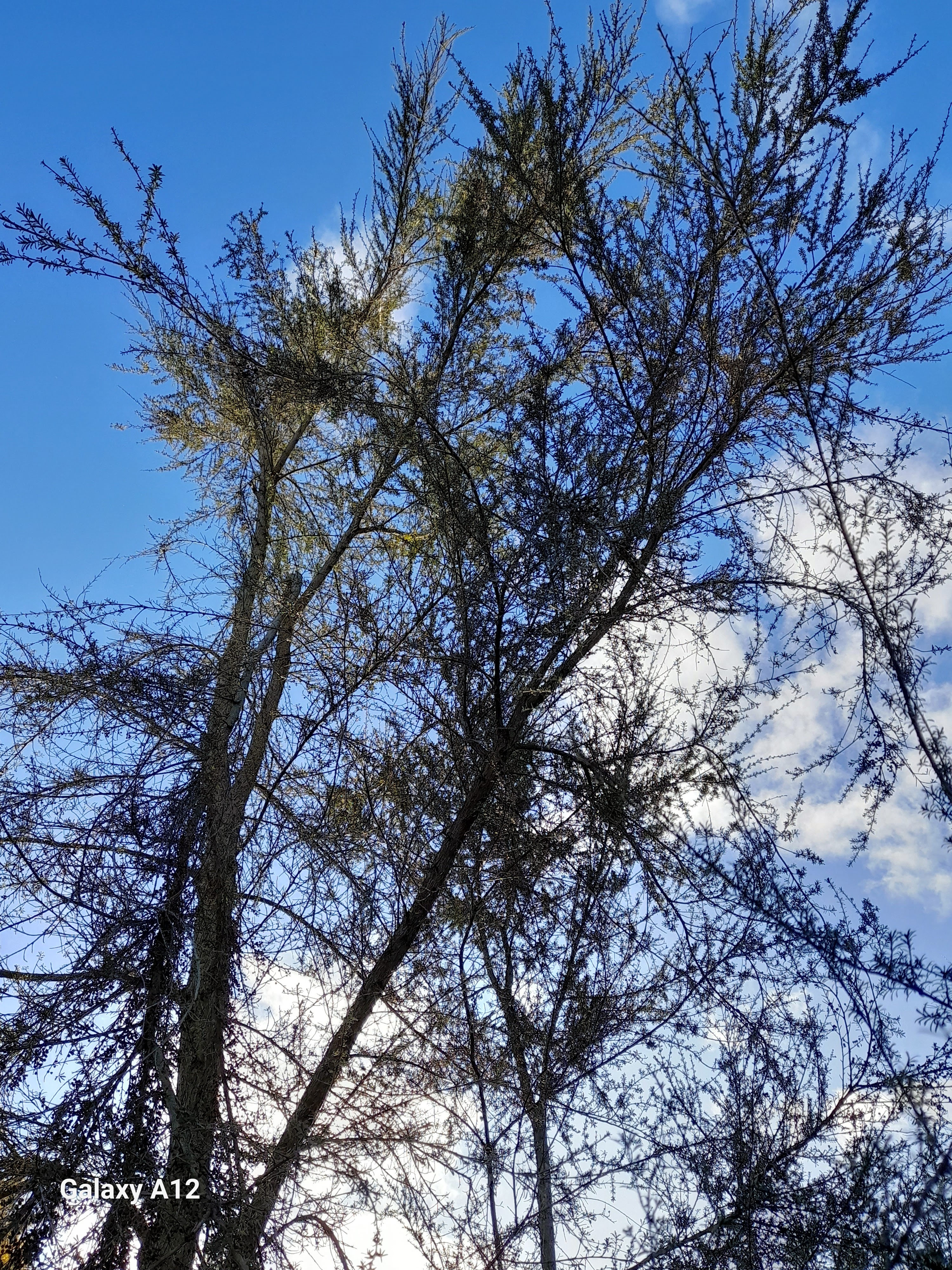
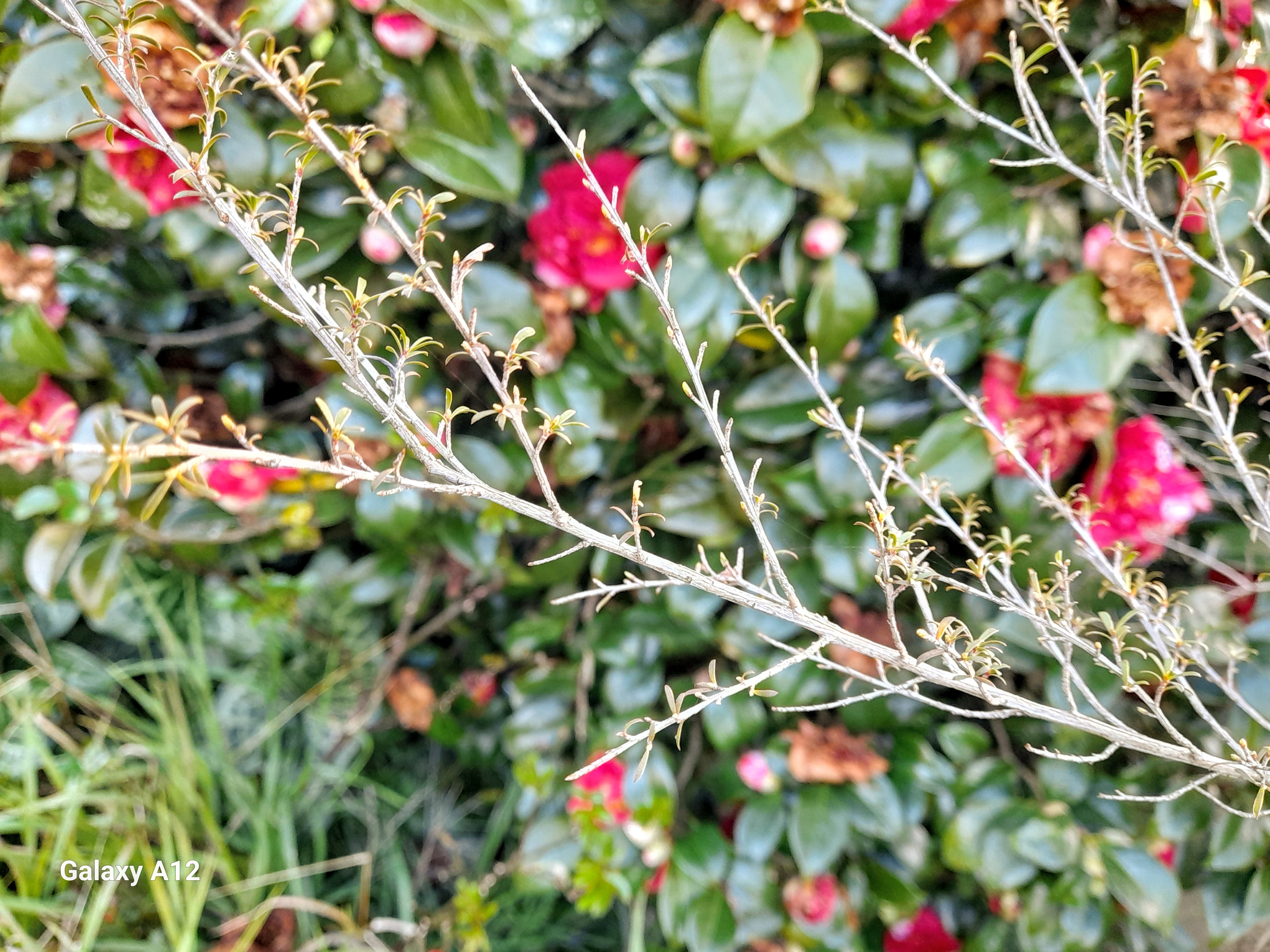
Tootara rake on the left – Kanuka (in front of the cherry tree) on the right
Ka rere nga manu ki roto i te rakau mo nga hua whero kiko. Birds swoop into the tree for fleshy red berries. Possums often climb up for shelter or to collect berries.
Autumn into Winter: Many Tara are shedding on the ground and replaced with many new Tara. Incredible mulch ground for the soil.
Tōtara wood is widely used for waka (long boats), fence posts, floor piling, and railway sleepers. Many Māori tane (men) used this wood for carving properties such as Toi whakairo (art carving) or just whakairo (carving), which is a Māori traditional art of carving in wood, stone or bone, e.g. the tekoteko (carved figure), the maihi (front barge boards)
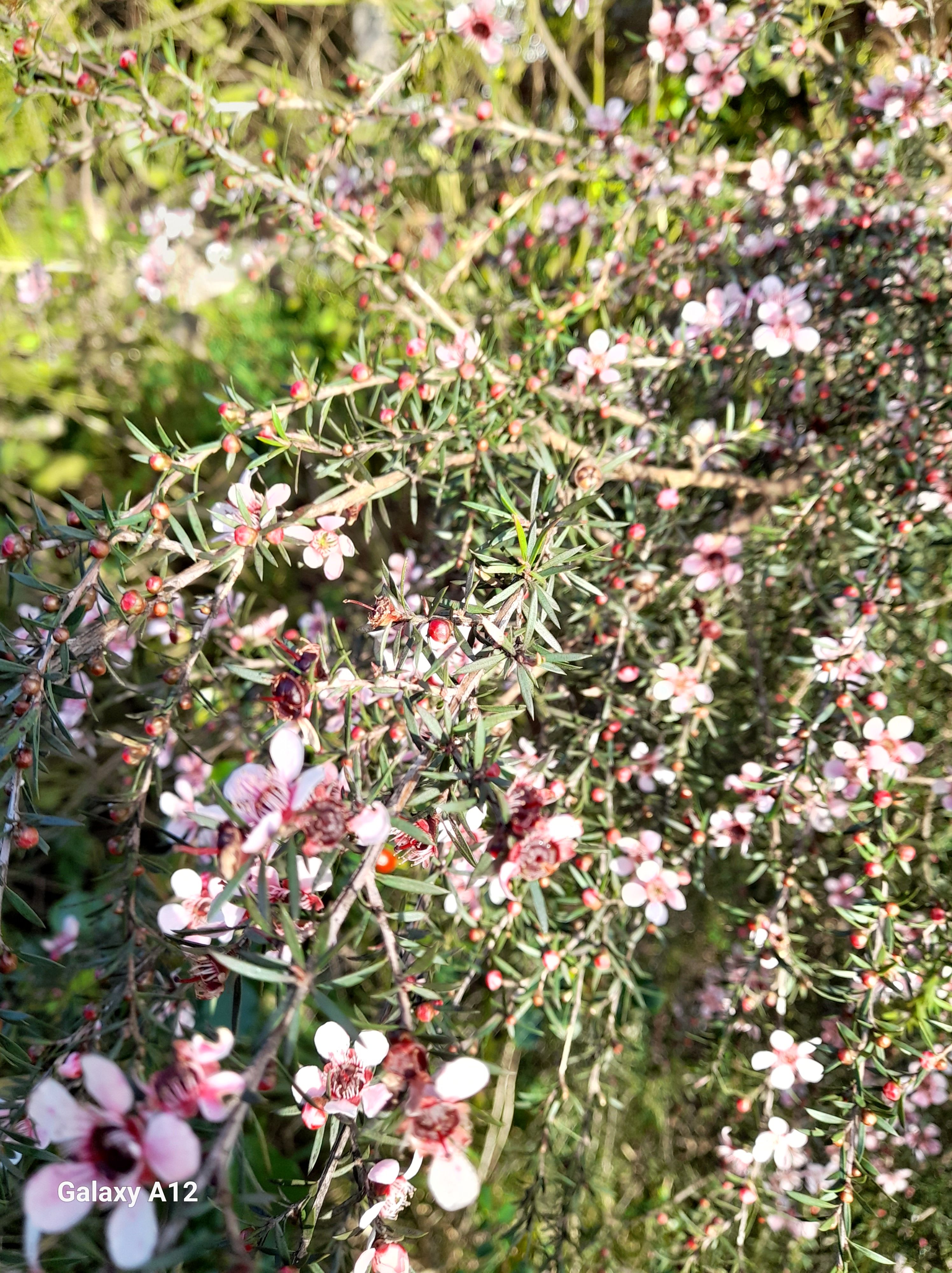
Kānuka (Kanuka) and Mānuka (NZ Tea Tree) are growing in our garden. It has benefits for bees, pollen transfer from one tree to another tree, collecting nectar, using the leaves for cooking like smoking during roasting meats or steaming the leaves over hot water for head cold, oil from the soft bark and chewing the smooth bark for relaxing and sleeping benefits.
The flowers differ between these two trees – Mānuka displays large white or light reddish pink flowers and produces single flowers over the bush/tree.
Kānuka displays small white flowers and produces a cluster of flowers in clumps.
Many thousand years ago, Māori settlers used Mānuka (NZ Tea Tree) for honey in New Zealand. They know and claim that Mānuka (NZ Tea Tree) honey is used for antibacterial health properties.
Why was it called ‘tea tree’? Captain Cook visited Aotearoa and came across the Mānuka rakau. His crew boiled the rau (leaves) to make cuppas of tea for drinking. They made beer using Mānuka and Rimu rau (leaves) and found it: “exceedingly palatable and esteemed by everyone on board.”
Which country makes the best Mānuka honey? The reality is our country – New Zealand, not the Australia Manuka.
Understanding the different types of honey products each country makes where NZ help ensure an authentic product is essential. Also, it’s crucial to choose a Mānuka honey product that is raw and unpasteurized to preserve the anti-inflammatory properties and other nutrients found in the bee pollen. It is not about the number of tea trees available in Australia; there is one unique Mānuka rakau (tree) in NZ.
See the argument between Australian scientists and our people in NZ. It is about competition, bragging about who is the best-produced honey, marketing for finances and, of course, the greed of Australian capital financial marketing. “Biosota using lab testing to create an MGO rating – the higher the rating, the higher the grade of your honey and its benefits.
Australia’s Manuka trees’ diversity is vastly superior to New Zealand’s. Australia is home to 83 species of Manuka, 12 of which have bioactive, medicinal properties, making them ideal for high-MGO Manuka production. In comparison, New Zealand has only one.”
Did you know that Aboriginal people have another name for sweet? It is Ngkwarle — a honey-like food in Central Australia (“sugar-bag as in native”). The Marrangu-Wurrkiganydjarr people and Wurrkiganydjarr mean flower power – known as the sugarbag (honey) people.
“Spring is when life’s alive in everything.” —Christina Rossetti, writer.
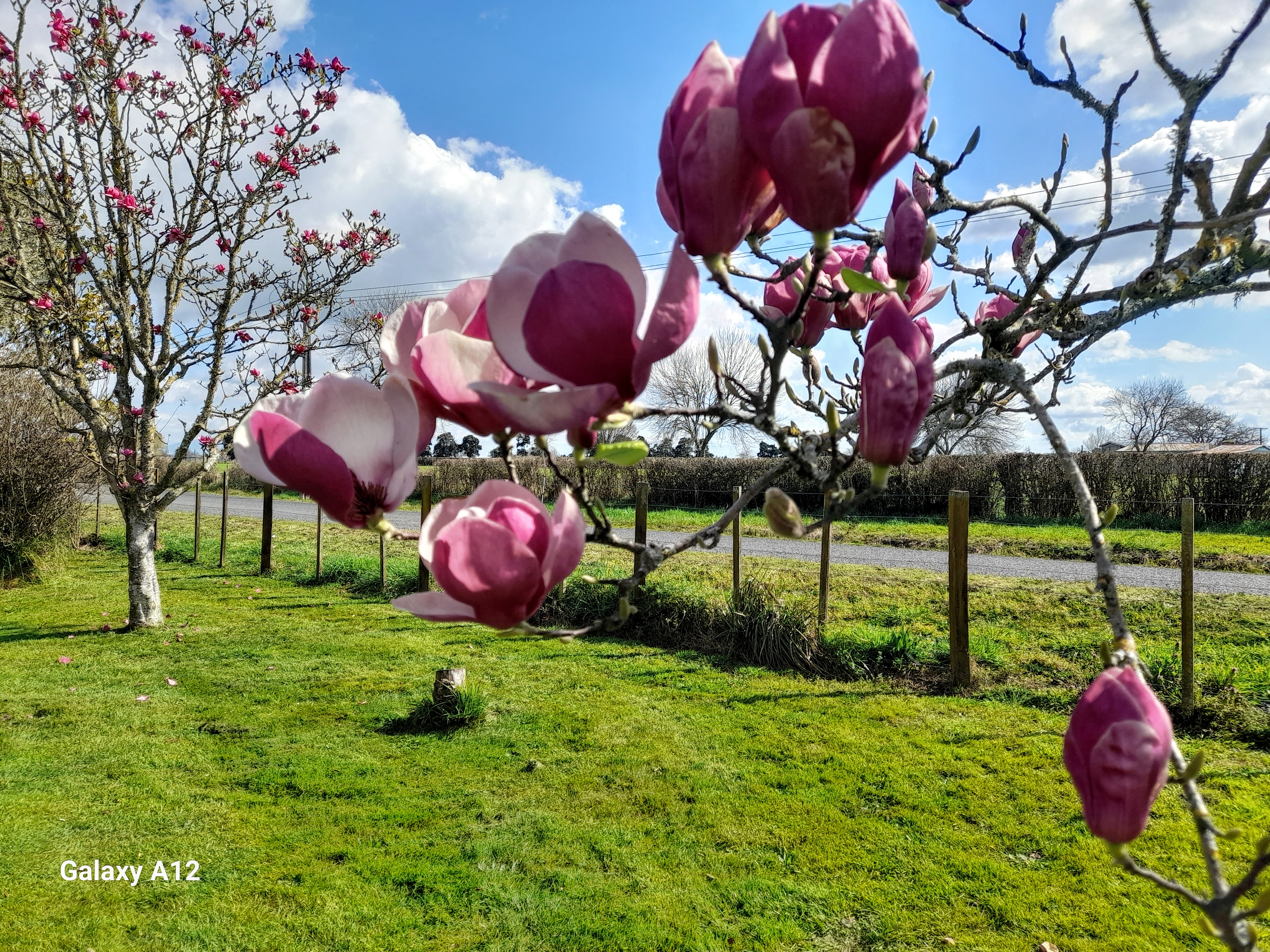
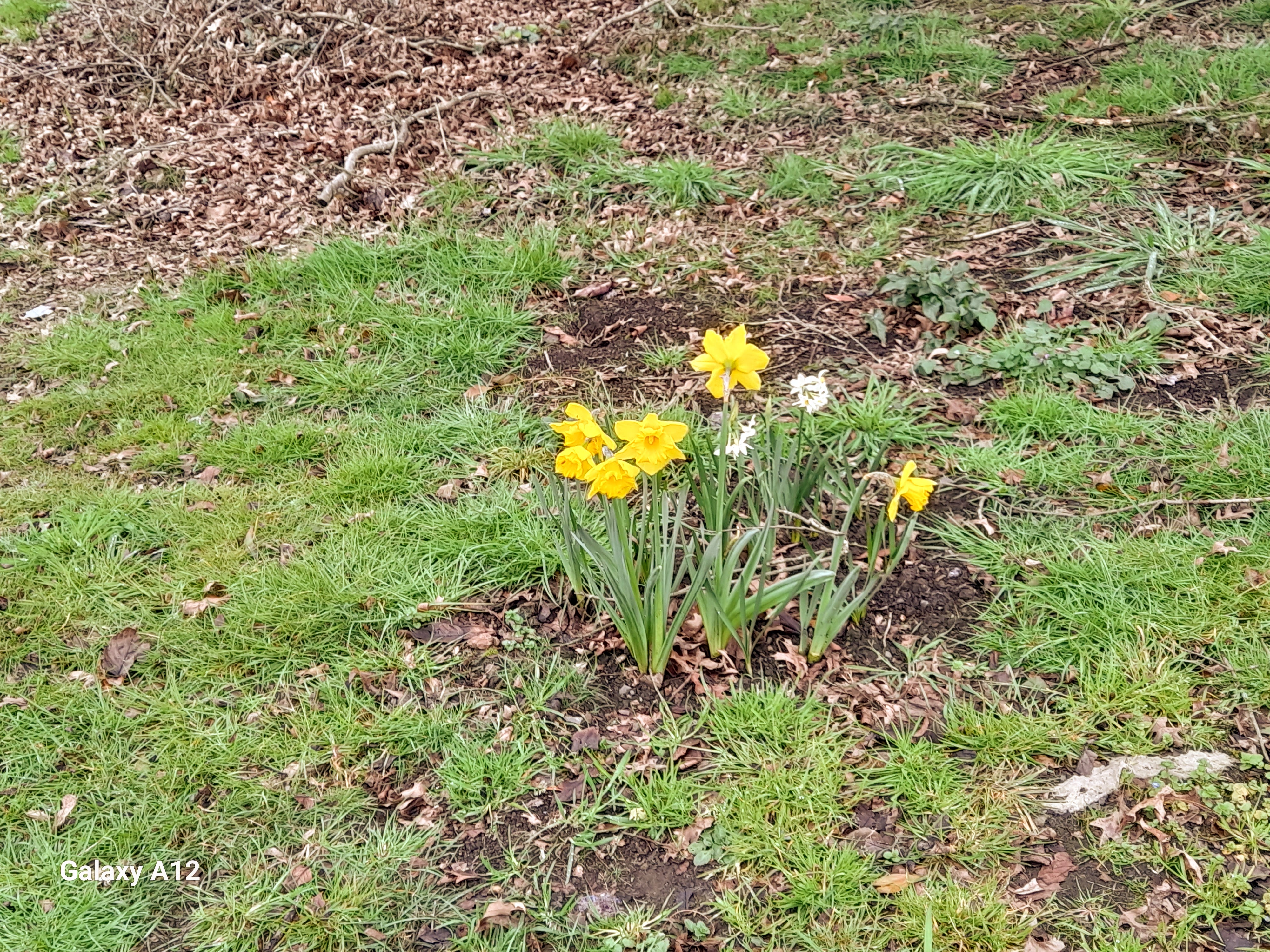
Quel plaisir de voir fleurir les jonquilles et les magnolias !
What a delight to see daffodils and magnolia blooming!
“Spring has sprung, and a new life has begun. It’s finally time for me to come out of hibernation. It’s a beautiful time of year for a new beginning. Spring is the perfect time to turn over a new leaf.”
“Life is full of transitions and changes, embracing each season with open arms is essential to personal growth.” – Anonymous
I am eagerly anticipating the arrival of Spring! The end of Winter is near, and soon, the fields surrounding our home will be ablaze with vibrant hues of flowers. The sweet melodies of birds will fill the air as they soar through the sky, savouring the nectar and seeds provided by the blossoming flowers. These feathered creatures will be busy building nests in trees, birdhouses, and beneath the bushes. And let us not forget the feral rabbits, leaping and bounding through the fields in search of sustenance for their young offspring. Spring is undoubtedly a stunning season! Winter is almost finished, and come the Spring season when many flowers bloom out in the fields of our home. Birds sing in the air, swooping down to eat seeds and nectars from flowers and making nests in the tree tops, inside the birdhouse and on low ground under the bushes. Feral rabbits jumping, running and finding food for their babies bunnies around the fields.
“A flower blossoms for its own joy.” —Oscar Wilde, author
Our dogs enjoy chasing feral rabbits, and they try to catch one each day as wild rabbits are intelligent when they stay as model statues or try to camouflage against the backdrop in the garden. It is nice to look at or laugh at them by watching their behaviour while we are inside the house or standing in the doorway. We know that in New Zealand, wild rabbits are classified as pest animals and need to be culled because the rabbits are a nuisance to the land environment by damaging plants and land. There are many possums here, too. We can not lay traps or poison bait due to our dogs on the property. Most farmers locally have traps, poison bait and guns where no animals such as cows, pet animals, goats, Ilama and chickens are nearby farmlands. One of our neighbours who is related to my mother’s side of the family and related to one of the National MPs (not our side through the line family of our mother) does have a gun, but he does not use to shoot because they have chickens around their property.
“I love spring anywhere, but if I could choose I would always greet it in a garden.” —Ruth Stout, gardener and author.
A few weeks ago, I accompanied Jacek on his social outings and grocery runs as part of my job. Jacek has four permanent disabilities – he’s deaf, speech-impaired, has cerebral palsy, and has mobility difficulties due to his age over 70 years. During one of our outings, we stumbled upon some petrol/electric Utility vehicles being showcased near the Hospital and Hamilton Lake area. Jacek expressed a keen interest in them and suggested that we (my partner and I) get one for our home to make physical labour jobs around our 0.4000 Hectares much easier. We would like to have one for our daily physical acitivies around the property, but I prefer to walk and use my partner’s ride on mower for collecting branches, tree trunks, etc. We need more money to buy these types of Utility vehicles. Yes, it is a nice gesture of thought from Jacek to me.
“Life is a journey to be experienced, not a problem to be solved.” – Winnie the Pooh
Winter season brought us different flowering times, such as Camelia trees, Hellebores, Cyclamens, daphne shrubs, violet groundcovers, Irises, crocus, protea shrubs, Prunus campanulata (Taiwan Cherry), Mānuka or kahikātoa (Leptospermum scoparium), Wattle trees (bottle brush flowers) and Lily of the Valley tree. Daily activities I did were going out to work, working from home, and then taking a break by walking around if it was not rainy or too cold.
“Life is a series of natural and spontaneous changes. Don’t resist them; that only creates sorrow. Let reality be reality. Let things flow naturally forward in whatever way they like.” – Lao Tzu





 Life in Eureka
You must be logged in to post a comment.