
“Kotahi te waka e noho ana tatou katoa kaore he wehenga.”
– Whakatauki Maori
“One canoe which we are all in with no exception.”
– Maori Proverb
Tōtara rakau (tree) was there when we bought our home and the large property in 2014. The tara (spike leaves) change their colours from lime-green to gold each season; for example, in Spring, the tara is yellow-green colour, yellow in Summer, and then in winter, the tara is golden yellow. This tree is a Podocarpus totara ‘Aurea’ – Golden Totara. It grows to 5 metres tall and 3 metres wide and lives over 900 years.


Ka rere nga manu ki roto i te rakau mo nga hua whero kiko. Birds swoop into the tree for fleshy red berries. Possums often climb up for shelter or to collect berries.
Autumn into Winter: Many Tara are shedding on the ground and replaced with many new Tara. Incredible mulch ground for the soil.
Tōtara wood is widely used for waka (long boats), fence posts, floor piling, and railway sleepers. Many Māori tane (men) used this wood for carving properties such as Toi whakairo (art carving) or just whakairo (carving), which is a Māori traditional art of carving in wood, stone or bone, e.g. the tekoteko (carved figure), the maihi (front barge boards)
Kānuka (Kanuka) and Mānuka (NZ Tea Tree) are growing in our garden. It has benefits for bees, pollen transfer from one tree to another tree, collecting nectar, using the leaves for cooking like smoking during roasting meats or steaming the leaves over hot water for head cold, oil from the soft bark and chewing the smooth bark for relaxing and sleeping benefits.
The flowers differ between these two trees – Mānuka displays large white or light reddish pink flowers and produces single flowers over the bush/tree.
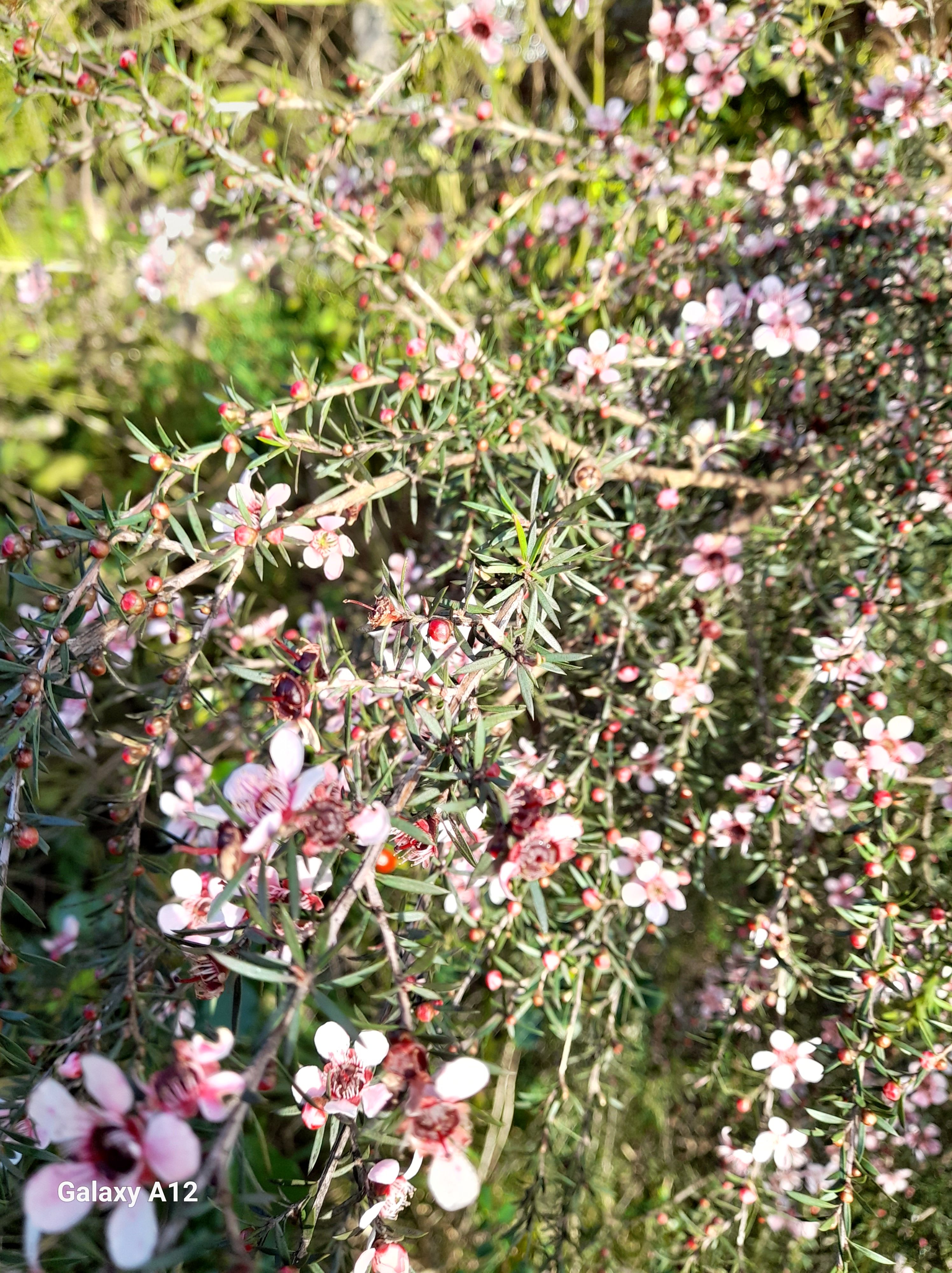
- Kānuka displays small white flowers and produces a cluster of flowers in clumps.
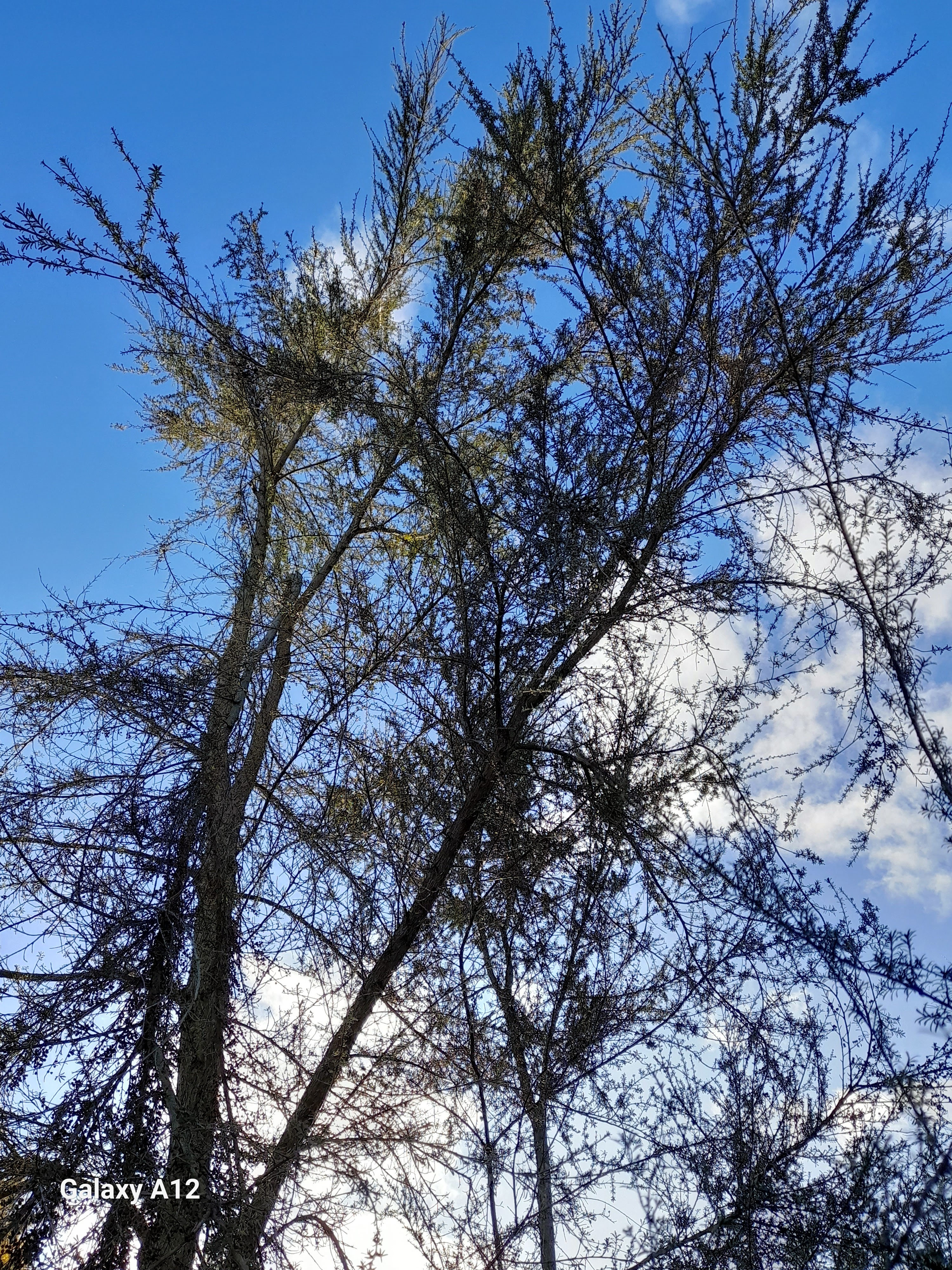

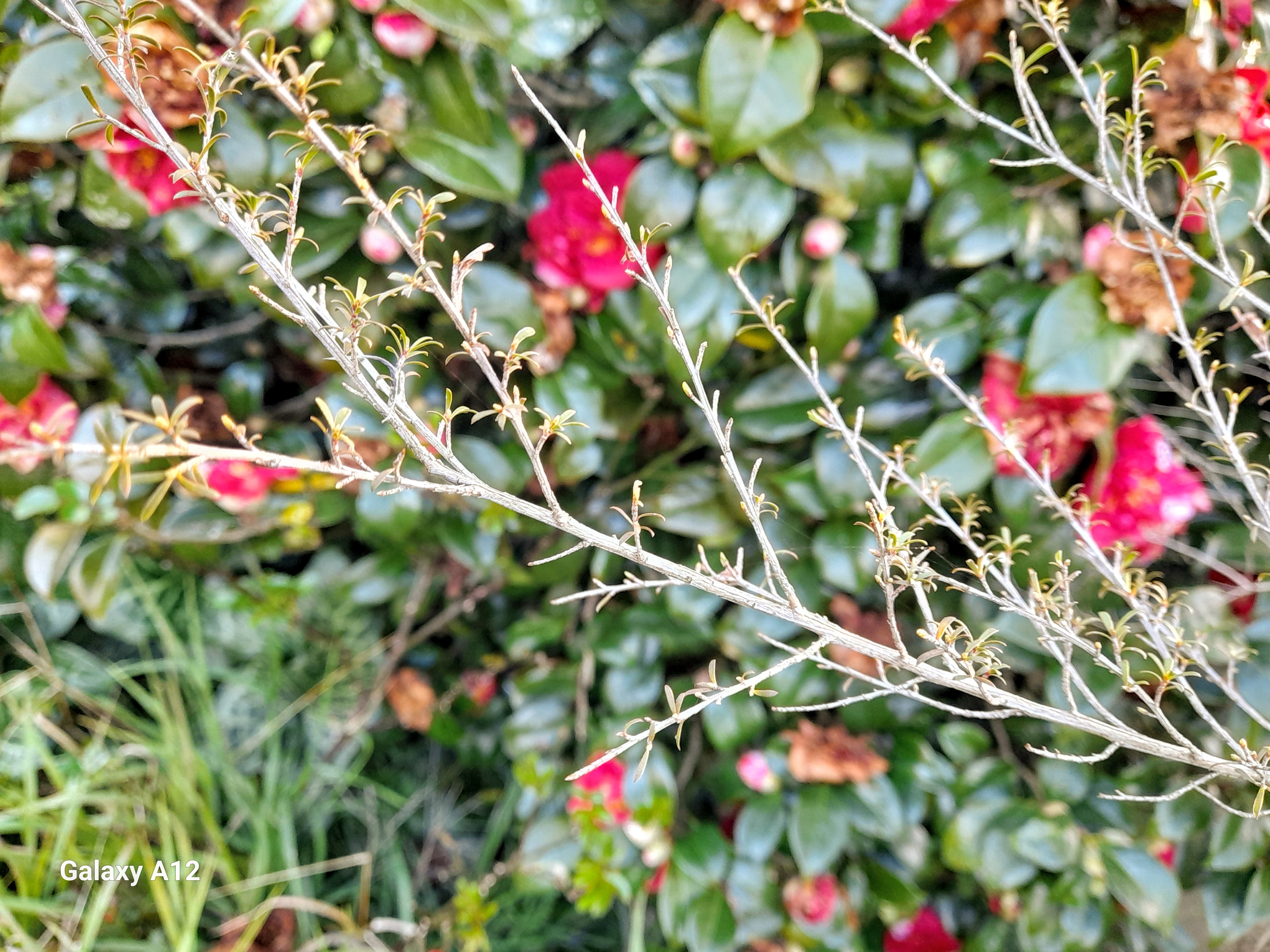
Many thousand years ago, Māori settlers used Mānuka (NZ Tea Tree) for honey in New Zealand. They know and claim that Mānuka (NZ Tea Tree) honey is used for antibacterial health properties.
https://manukahoneyofnz.com/blogs/manuka-honey-blog/the-history-of-original-manuka-honey
Why was it called ‘tea tree’? Captain Cook visited Aotearoa and came across the Mānuka rakau. His crew boiled the rau (leaves) to make cuppas of tea for drinking. They made beer using Mānuka and Rimu rau (leaves) and found it: “exceedingly palatable and esteemed by everyone on board.”
https://www.nzstory.govt.nz/stories/manuka-a-honey-of-a-plant/
Which country makes the best Mānuka honey? The reality is our country – New Zealand, not the Australia Manuka.
Understanding the different types of honey products each country makes where NZ help ensure an authentic product is essential. Also, it’s crucial to choose a Mānuka honey product that is raw and unpasteurized to preserve the anti-inflammatory properties and other nutrients found in the bee pollen. It is not about the number of tea trees available in Australia; there is one unique Mānuka rakau (tree) in NZ.
See the argument between Australian scientists and our people in NZ. It is about competition, bragging about who is the best-produced honey, marketing for finances and, of course, the greed of Australian capital financial marketing. “Biosota using lab testing to create an MGO rating – the higher the rating, the higher the grade of your honey and its benefits.
Australia’s Manuka trees’ diversity is vastly superior to New Zealand’s. Australia is home to 83 species of Manuka, 12 of which have bioactive, medicinal properties, making them ideal for high-MGO Manuka production. In comparison, New Zealand has only one.”
Manuka in Australia was incorrect; many Aboriginal people called Ngooka (the Ballardong Noongar native word), and the tree grows on Ballardong Noongar native land in Western Australia. https://www.foodnavigator-asia.com/Article/2020/09/29/On-par-with-manuka-Aboriginal-Ngooka-honey-aims-for-premium-positioning-due-to-health-benefits#
Did you know that Aboriginal people have another name for sweet? It is Ngkwarle — a honey-like food in Central Australia (“sugar-bag as in native”). The Marrangu-Wurrkiganydjarr people and Wurrkiganydjarr mean flower power – known as the sugarbag (honey) people.
https://truebluebees.com.au/f/sugarbag-the-origin-of-the-native-australian-word-for-bee-honey
So, Manuka is not an Aboriginal language but a native Māori language. The indigenous Māori people of Aotearoa were the first to discover Mānuka honey.

 Life in Eureka