Sakura

“warau” means both laughing and splitting open (of the bud in this case). Sakura means cherry blossoms in Japan. 
https://www.tokyoweekender.com/art_and_culture/books-literature-art_and_culture/cherry-blossom-haiku/

And a spring haiku that signifies friendship and community, the beauty of shared joys, as well as a possible budding romance:

花の陰赤の他人はなかりけり

(hana no kage aka no tanin wa nakari keri)

Under the cherry blossoms,

strangers are not

really strangers

(translation: Zoria P. K.)

https://www.tokyoweekender.com/art_and_culture/japanese-culture/best-love-haiku/

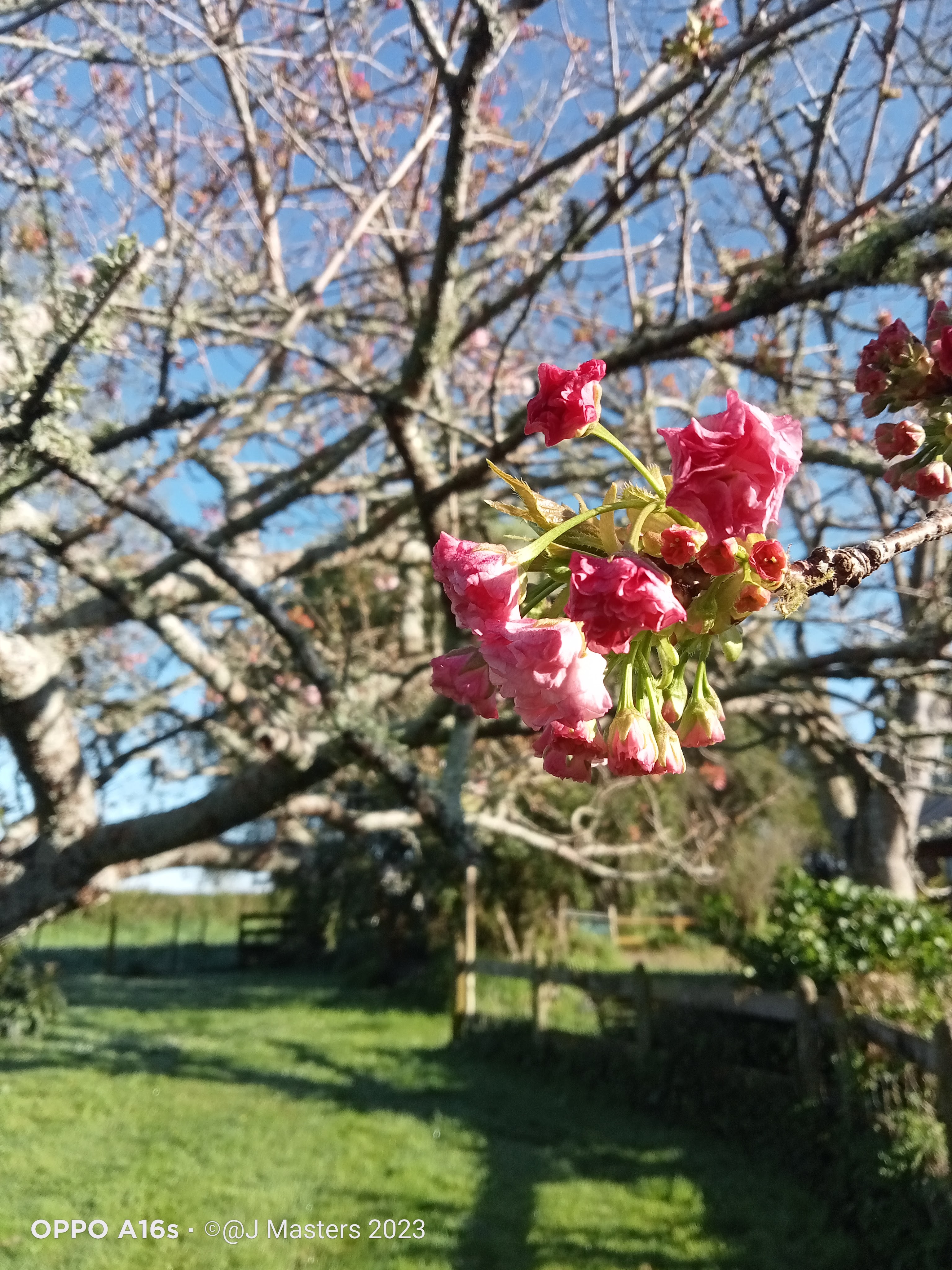
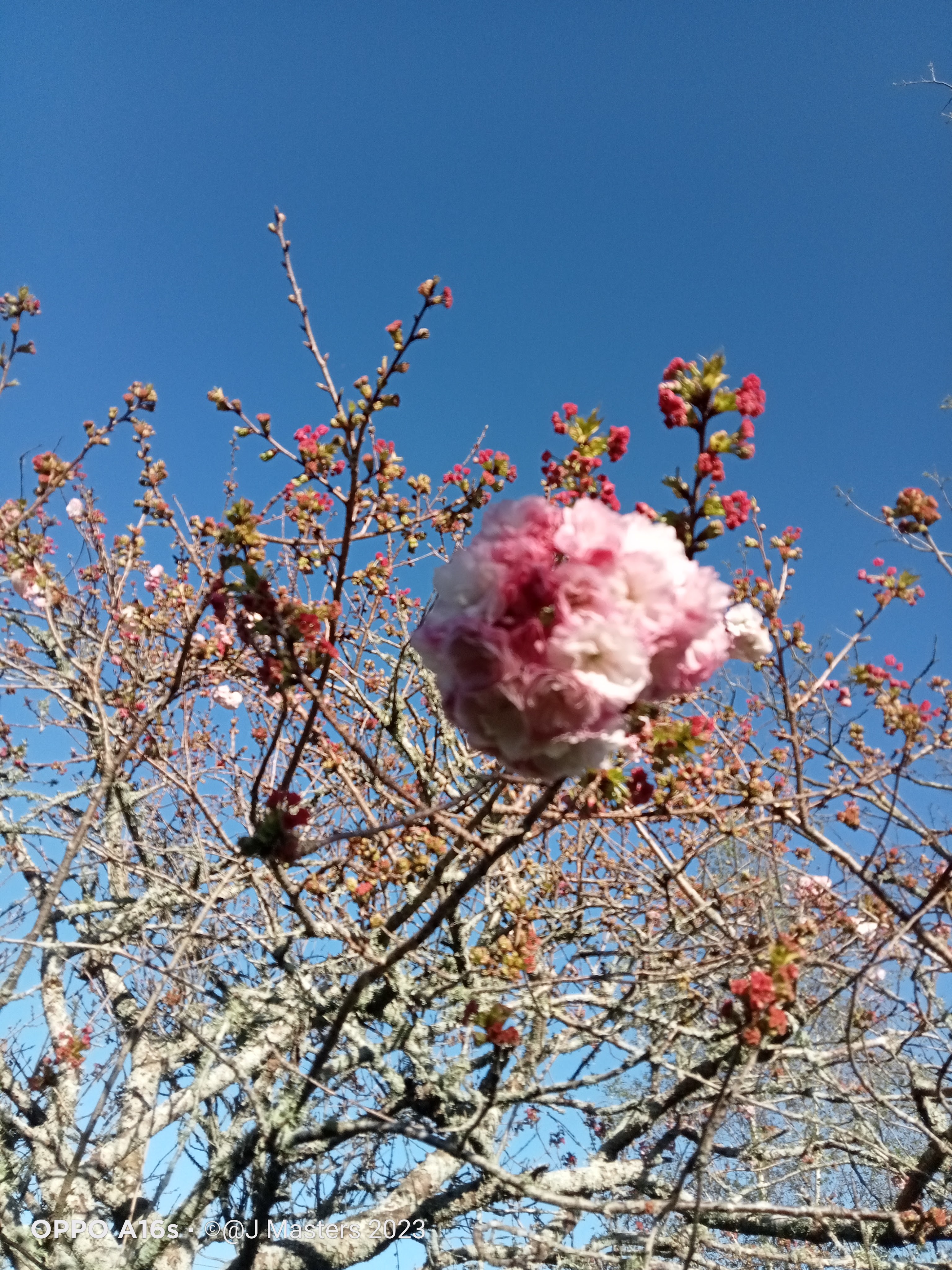
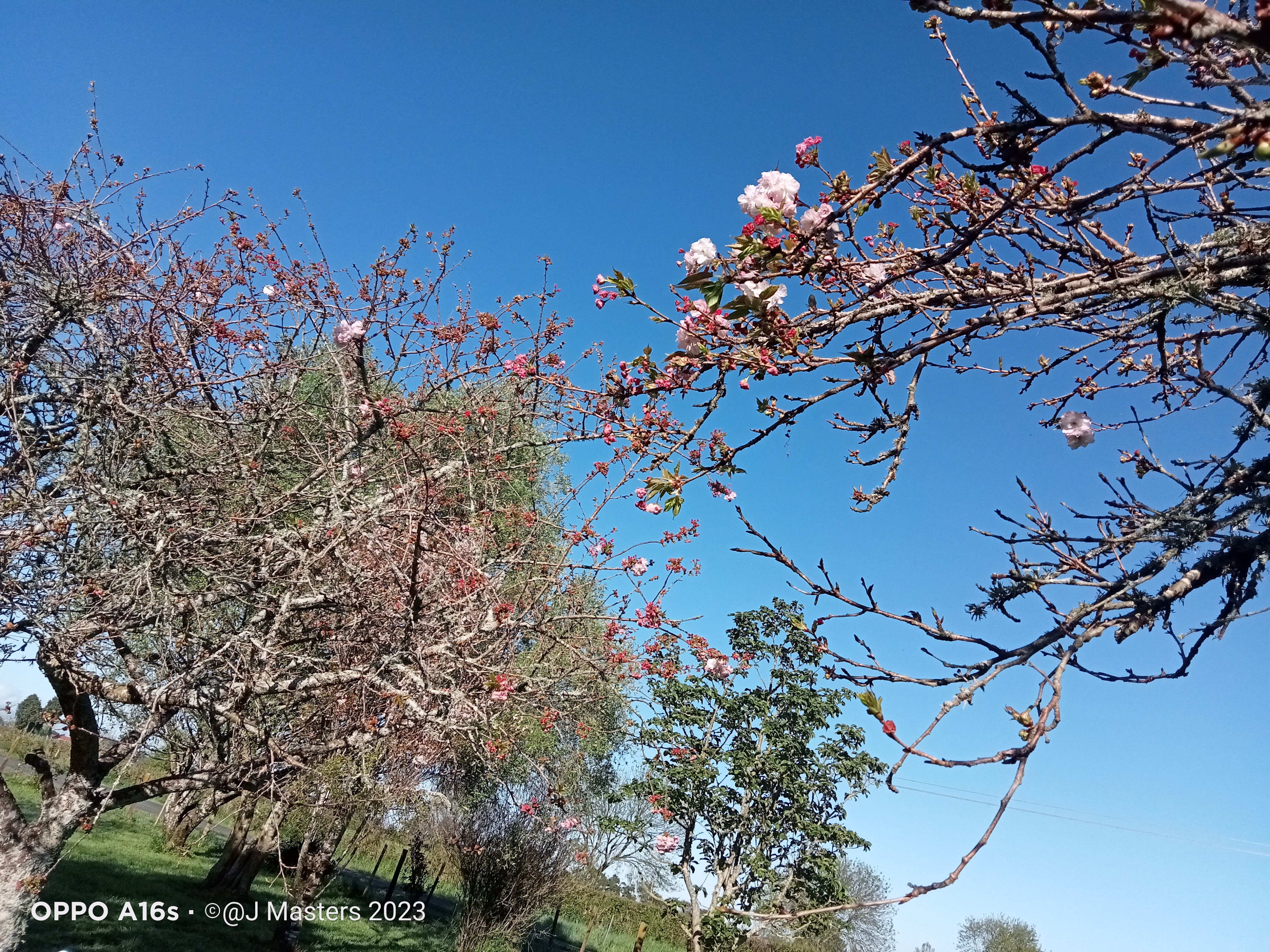
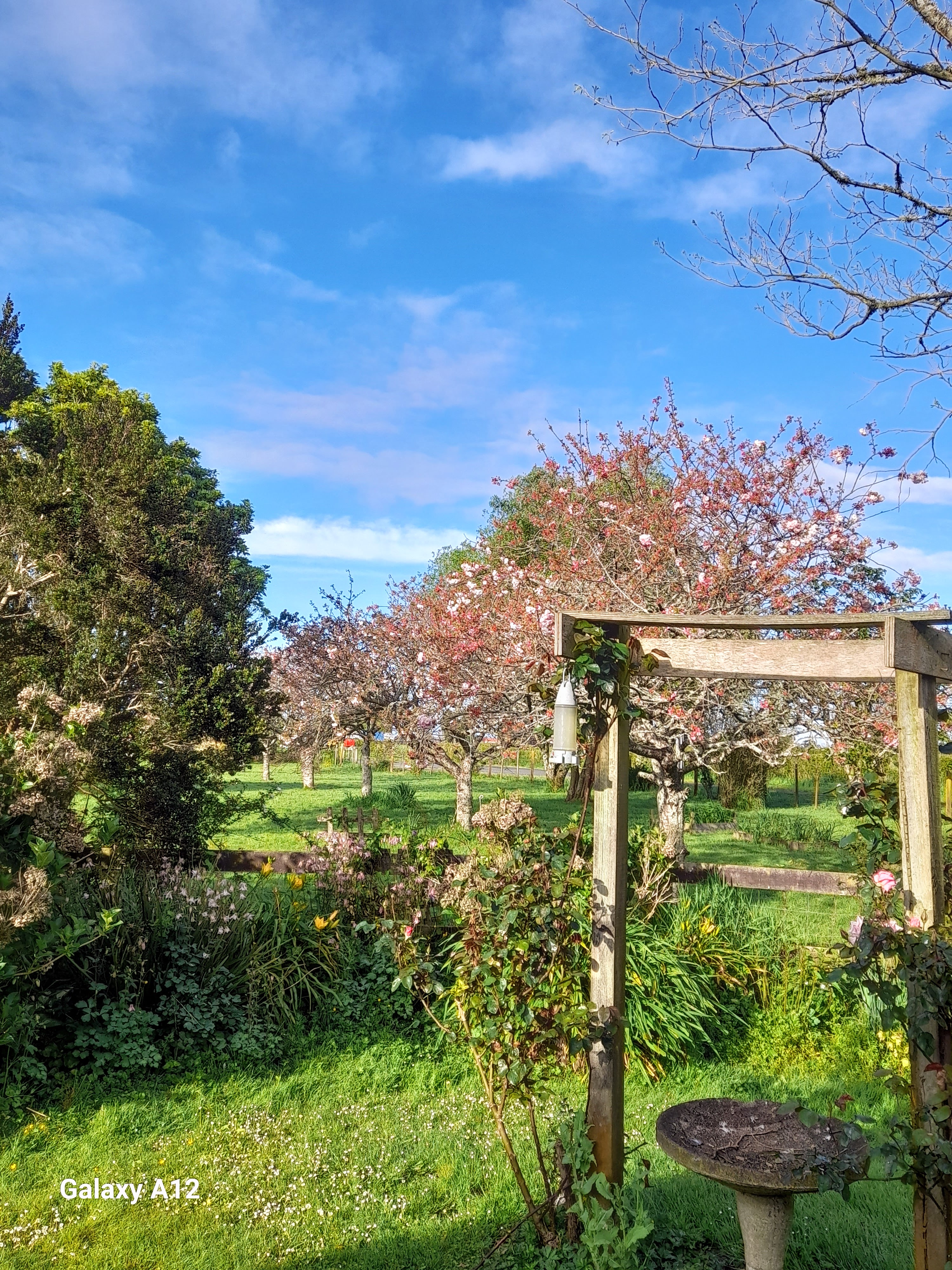
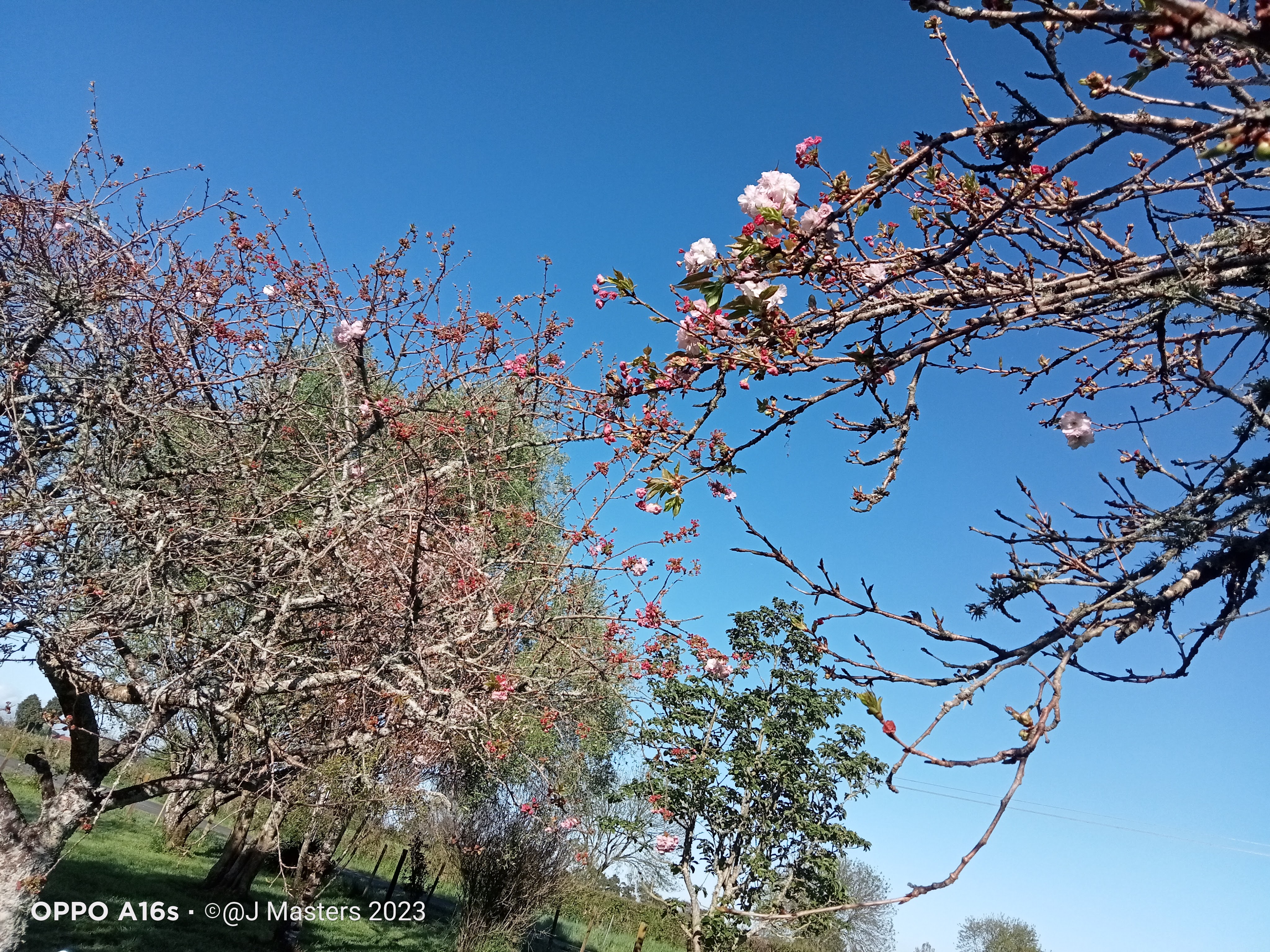
Seeing our six Cherry trees in the field from the 18th of October that morning was beautiful! The weather was dreadful each day from the 18th of October, except our Cherry flowering always stood out against the weather. 

Each year, Cherry trees are a sign of Spring season here despite the changeable weather in the past. It is not just here when I drove anywhere in the Waikato region and saw many cherry flowers in the streets, along the main roads and parks. It is a magnificent showing of displays and warm to everyone’s hearts. 

“The significance of the cherry blossom tree in Japanese culture goes back hundreds of years. In their country, the cherry blossom represents the fragility and the beauty of life. It’s a reminder that life is almost overwhelmingly beautiful but that it is also tragically short.” – Homaro Cantu

Many tuis and bees love collecting nectar and pollen from cherry flowering. As myself, I would not hear the buzzing noise of these birds and bees each day but see them working over flowering. 

The cherry blossom symbolises life and death, beauty and violence, and promising new life. The blooming of cherry blossoms shows a sense of vitality and vibrancy, and the flowering takes a short time to remind us that life is fleeting.  

“Are we to look at cherry blossoms only in full bloom, the moon only when it is cloudless? To long for the moon while looking on the rain, to lower the blinds and be unaware of the passing of the spring – these are even more deeply moving. Branches about to blossom or gardens strewn with flowers are worthier of our admiration.” – Yoshida Kenkō.
There is a need for more awareness in the computer database where people with disabilities are under their organisation, such as Kaainga Ora, Life Insurance, and MSD.

It’s imperative that we raise awareness about the difficulties faced by people with disabilities when dealing with organisations such as Kaainga Ora, Life Insurance, and MSD. The recent experience of a Deaf tenant with Kaainga Ora highlights the need for better communication and understanding. Despite submitting an online form two weeks ago, I, as a consented person on behalf of the Deaf (ESOL) tenant, had not received any updates on job maintenance for leaking taps. The system had removed my name as the consented person, leading to confusion and difficulty in understanding their needs. The call centre staff were not adequately trained to deal with people with disabilities, leading to further frustration. The lack of communication and understanding from the case manager of the Housing Support Manager added to the Deaf (ESOL) tenant and myself more problems. It’s time we take action to ensure that people with disabilities are treated fairly and with respect and that organisations are better equipped to meet their needs. I updated the tenant’s profile with consented persons in the portal system and hope they will not remove my name again.

It’s disheartening to hear about the challenges you faced while trying to contact Kaainga Ora for the Deaf (ESOL) tenant and myself as a deaf consented person. It’s high time that organisations like Kaainga Ora take the necessary steps to understand the needs of people with disabilities better and train their staff to handle such calls effectively. Doing so can improve their communication channels and ensure that people with disabilities are treated fairly and respectfully. Let’s work together to create a world that’s inclusive and accessible for everyone.

Effective communication is essential for everyone and becomes even more critical when dealing with people with disabilities. My recent experience with Kaainga Ora and a Deaf tenant highlights the need for better communication channels and understanding. It’s time for organisations like Kaainga Ora, Life Insurance, and MSD to take action to ensure that people with disabilities are treated fairly and with respect. By improving communication channels and training their staff to handle calls more effectively, these organisations can provide a more inclusive and accessible environment for everyone. Let’s work together to create a society that values diversity and promotes equal opportunities for all.

It’s frustrating to hear about my experience with a different caller who didn’t realise I was a deaf person and sent the email incorrectly. It’s essential for people to be aware of the needs of individuals with disabilities and take appropriate measures to ensure effective communication. However, it’s good that the caller apologised and resent the email without any issues. Let’s continue to raise awareness and promote understanding to create a more inclusive and accessible society for everyone.

To create a more accessible and inclusive society, organisations like Kaainga Ora, Life Insurance, and MSD need to recognise the needs of people with disabilities. These organisations’ current database system is minimal and fails to display disabilities. It takes work to communicate effectively, make appointments, and arrange for interpreters. However, by investing in improving their systems and displaying the profile’s disabilities, these organisations can provide better services to people with disabilities and ensure that they are treated fairly and with respect. Let’s encourage them to immediately improve their systems and create a society that values diversity and promotes equal opportunities.

It’s unacceptable that many organisations fail to recognise the needs of people with disabilities, as seen in the case of Kaainga Ora, Life Insurance, and MSD. On the other hand, hearing about my positive experience at an international hotel in Europe is commendable. It’s high time that all organisations recognise the importance of investing in training their staff to identify and cater to the needs of people with disabilities. It’s essential that they provide accessible facilities such as flashing lights for phone wake-up calls, fire alarms, and doorbells to ensure that people with disabilities are treated with respect and dignity. Let’s demand that organisations take immediate action to create a society that values diversity and promotes equal opportunities for all, including people with disabilities.

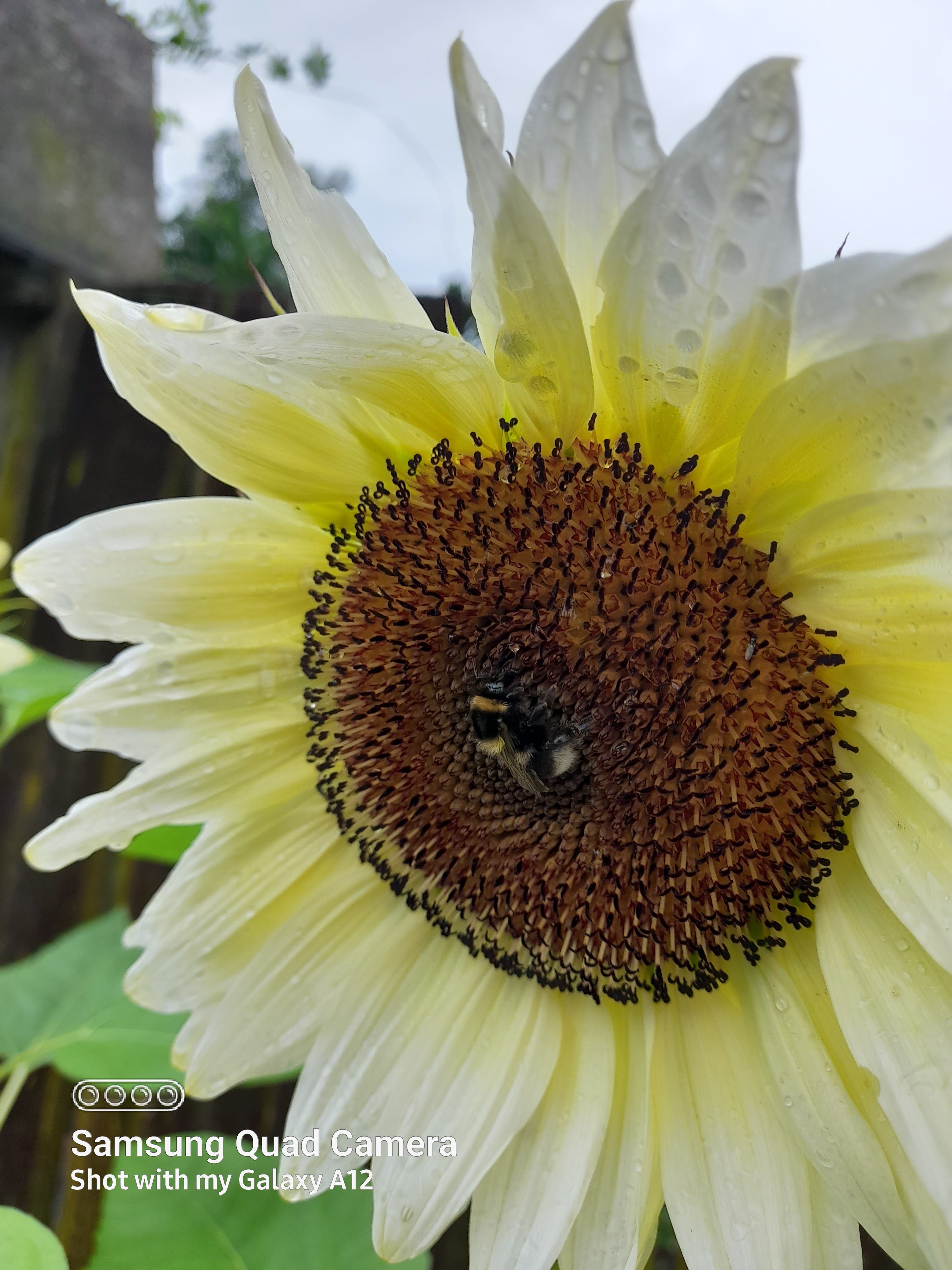
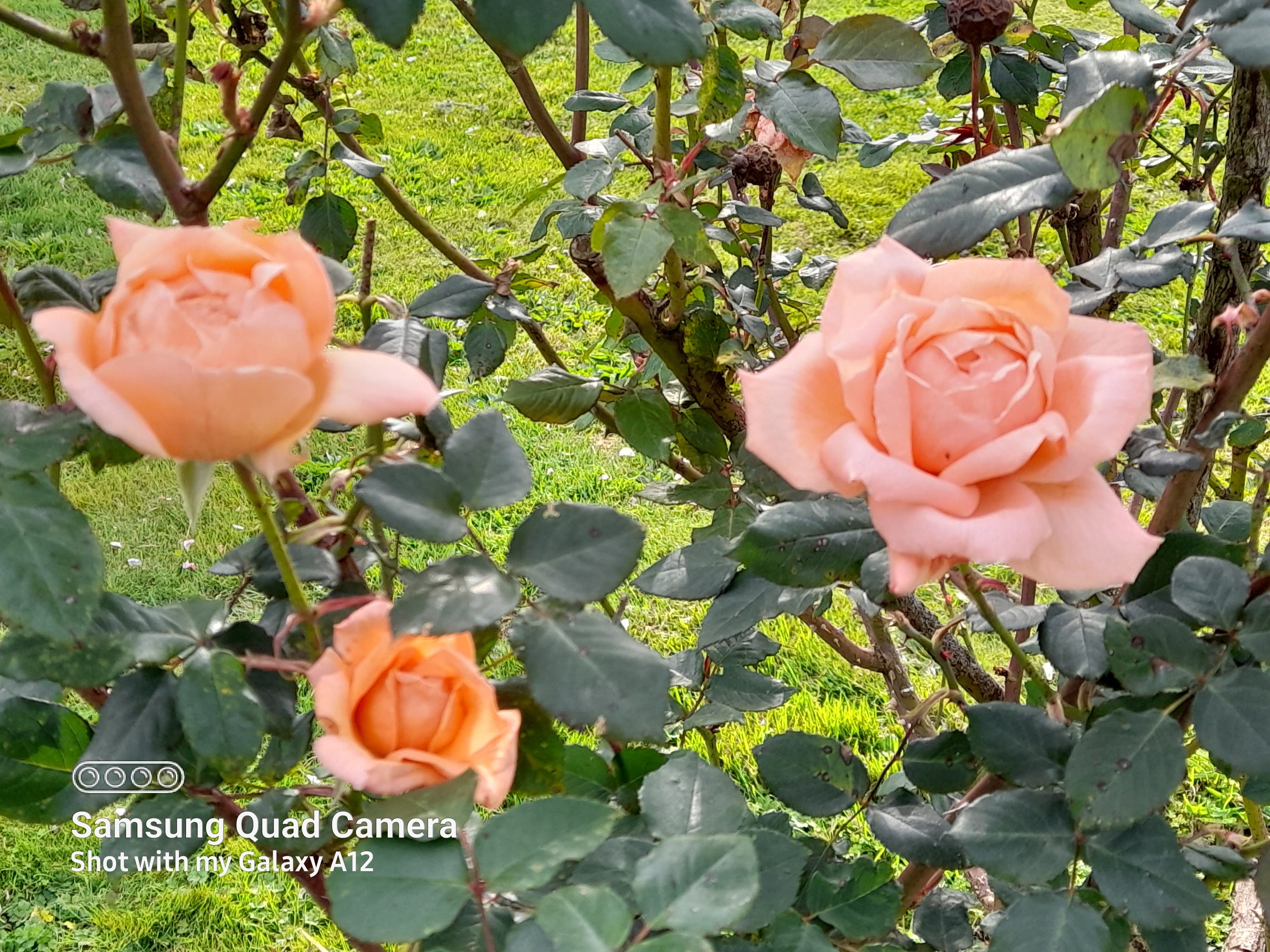
“There are always flowers for those who want to see them.”— Henri Matisse

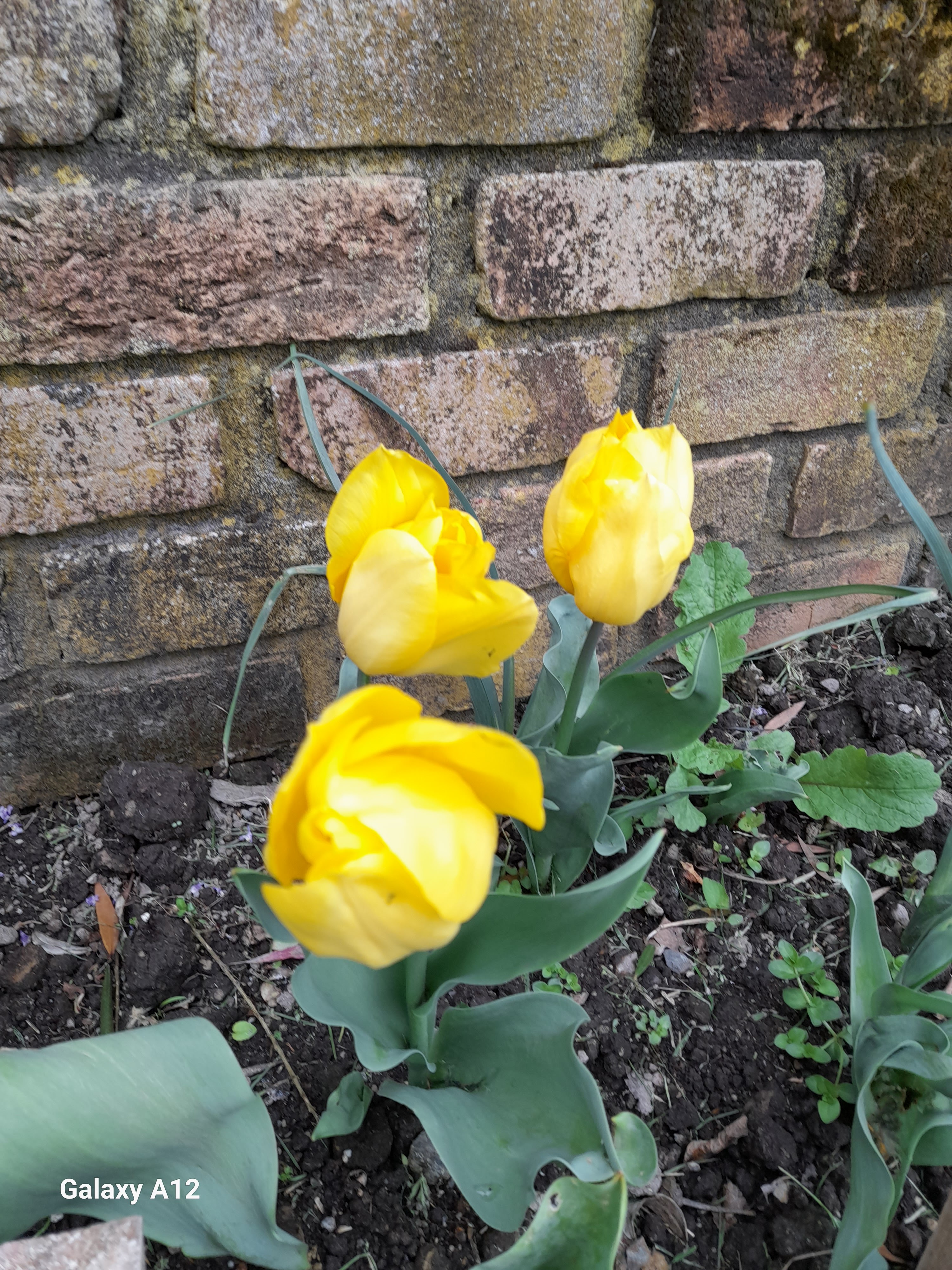
“Sweet scents red tulips, red tulips bring such happiness. Our hearts are full of pleasure.” – Natasa Tocuc.

Life is some philosophy to anyone, but not everyone’s real life is hope, joy, or despair. Socrates is possibly the father of philosophy in Western philosophy, and Jean studied his books to find the answer or solution in our sign languages and Deaf Culture. What about Aristotle, Plato, and Pythagoras? Many academics pointed out the first three philosophers in their scholarly thesis papers: Socrates, Plato and Aristotle. Did anyone know there was/were disabled Greek people in the mythology? The people were Larunda, Tiresias and Hephaestus, and their disabilities were mute, blind and clubfoot.

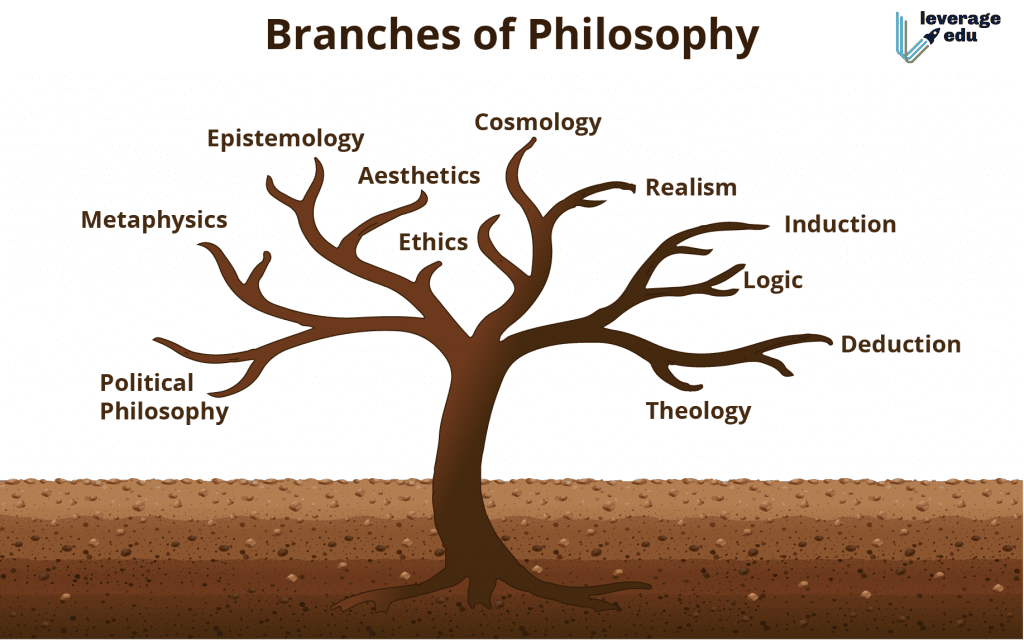
Mm, let us look at the chart here. There are more than five key branches – epistemology (knowledge and truth), metaphysics (reality and being), logic (argumentation and reason), axiology (aesthetics and ethics), and political philosophy (the state and government).

In Jean’s diverse and multifaceted life, Jean takes on multiple roles, including being an advocate for the D/deaf community both at work and at home. Over the years, Jean has been honoured with several awards for her contributions to this community. Those in leadership must recognise her essential role in advocating for individuals with disabilities, particularly those who are deaf or hard of hearing. Jean’s ultimate goal is to impact the lives of those around her positively, and she is dedicated to achieving this through her work.

“Focus on your strengths, not your weaknesses.

Focus on your character, not your reputation.

Focus on your blessings, not your misfortunes.”

— Roy T. Bennett

Jean relishes collaborating with her partner and furry companions in her leisure time on various gardening endeavours. Jean owes her gardening acumen to the benevolent guidance of her departed grandparents and other kindred spirits who graciously imparted their wisdom. Although Jean hailed from Hamilton with minimal gardening exposure, she spent countless school breaks in the countryside with her grandparents, honing her horticultural skills. Jean is deeply grateful for the invaluable knowledge they bestowed on her and is enthusiastic about further advancing her gardening expertise through perpetual education and development.

“If we should be blessed by some great reward, such as fame or fortune, it’s the fruit of a seed planted by us in the past.”

— Bodhidharma

Jean is a remarkable individual who serves as an inspiration to many. Despite her disabilities, she refuses to let anything hinder her from experiencing life to the fullest with such strength and determination is truly inspiring. Whether at home or work, Jean always finds ways to overcome any obstacles that come her way. Her passion for nature is evident in the garden with her dogs, where she is truly in her element. Watching her flowers, fruits, and vegetables grow brings her immense joy, and she is always eager to share her harvest with others. Her beautiful gardens are a sight to behold, and even her neighbours cannot help but appreciate their beauty. Each season brings something new and exciting, and Jean’s positive attitude and determination are truly remarkable. She is a shining example of overcoming challenges and living a fulfilling life. She is an accurate role model for anyone facing difficulties, showing us all that we can lead a fulfilling life with hard work and perseverance.

“Blessing must arise from within your own mind. It is not something that comes from outside.”

— Dalai Lama

“Always remember to forget the troubles that passed away. But never forget to remember the blessings that come each day.”

— Irish Proverb