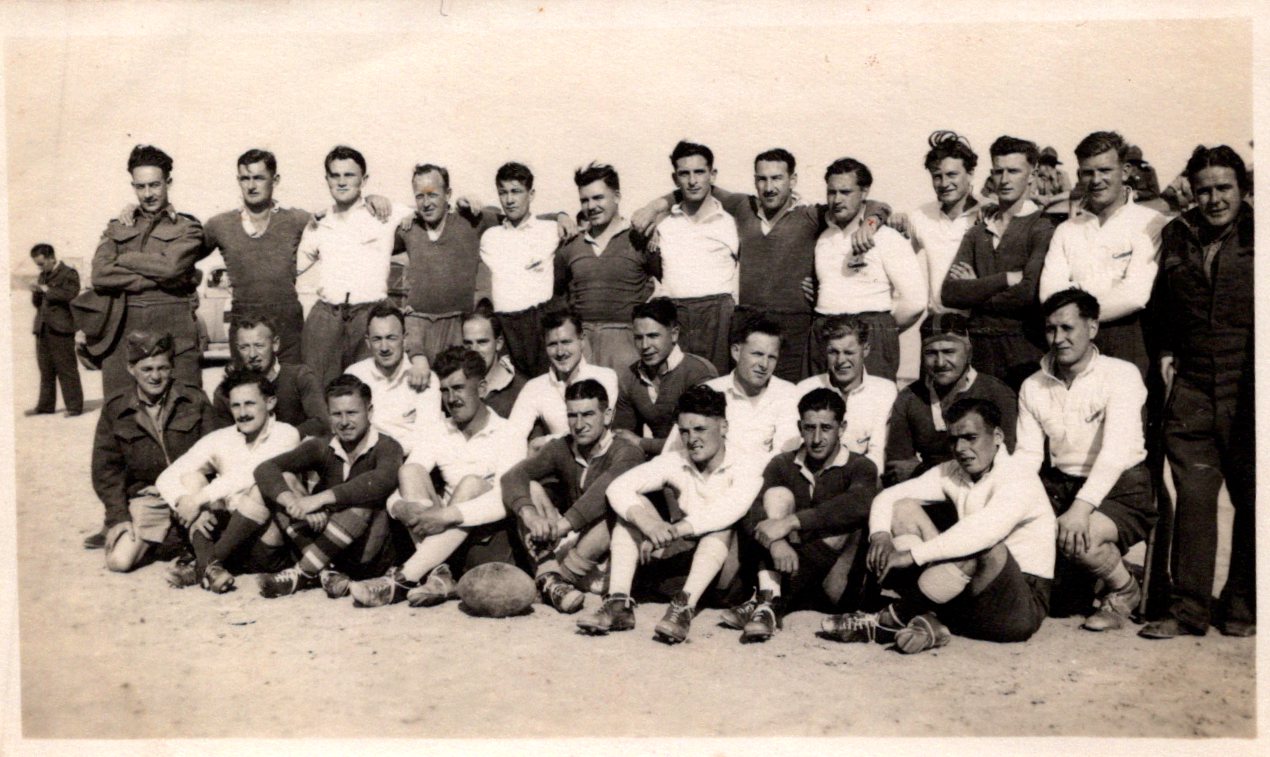
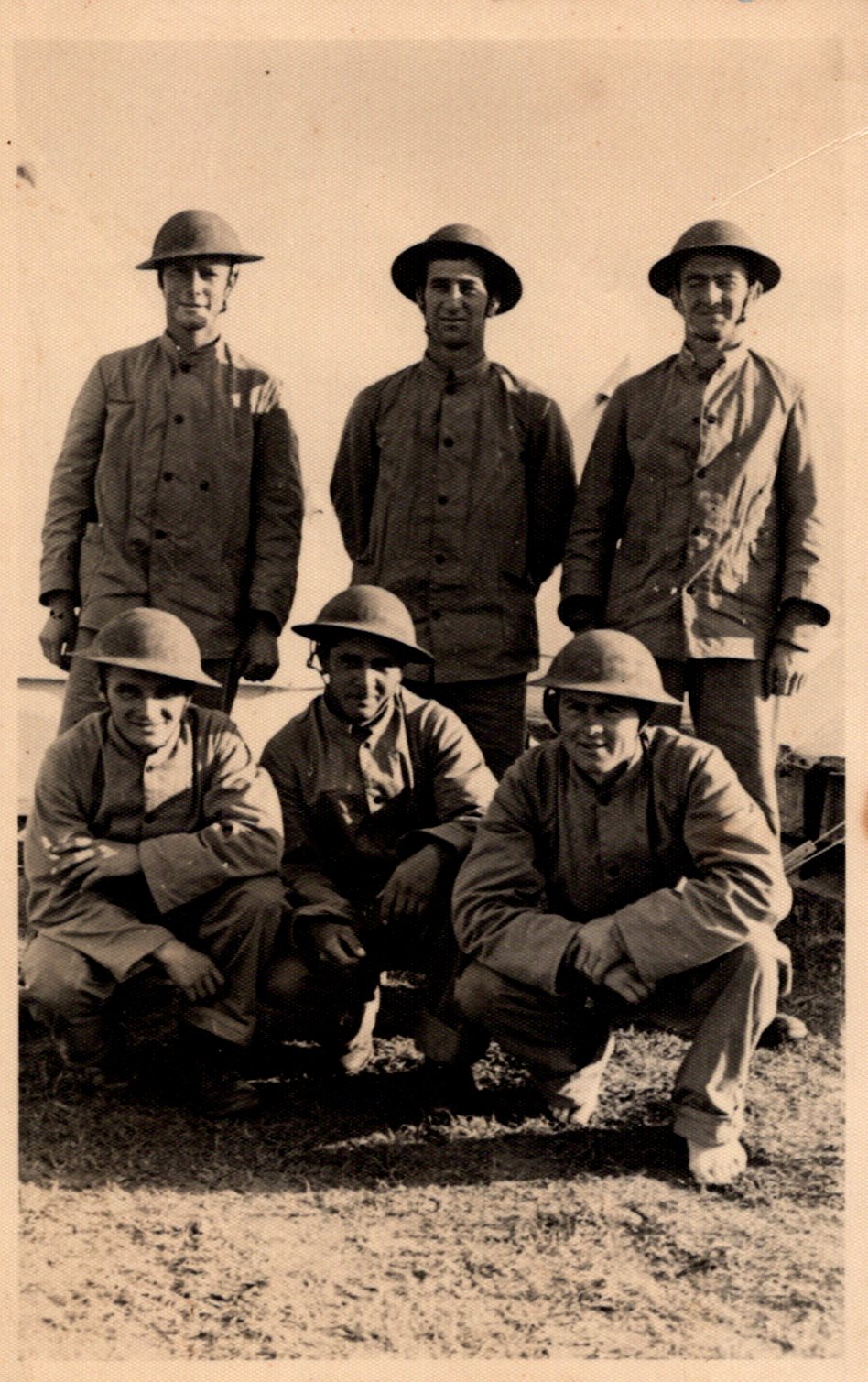
I was sorting through the photos left to me by my family, one Deaf man and the Deaf Club Society books handed to me by the daughter of the Deaf father. The precise images were of the veterans who went to Egypt and outside Wellington, New Zealand, during World War 2 from late Gran. It was amazing to see the veterans’ lives during the war.
I am grateful to have these photos and treasure them for the next generation. The next generation will learn about the past of the wars, the suffering of the loss, how hardships the veterans came home to their families, even our families, and whether they (the veterans) talked about their experience of the horror wars or not.
English poet Laurence Binyon in September 1914:
They shall grow not old, as we that are left grow old:
Age shall not weary them, nor the years condemn.
At the going down of the sun and in the morning
We will remember them.
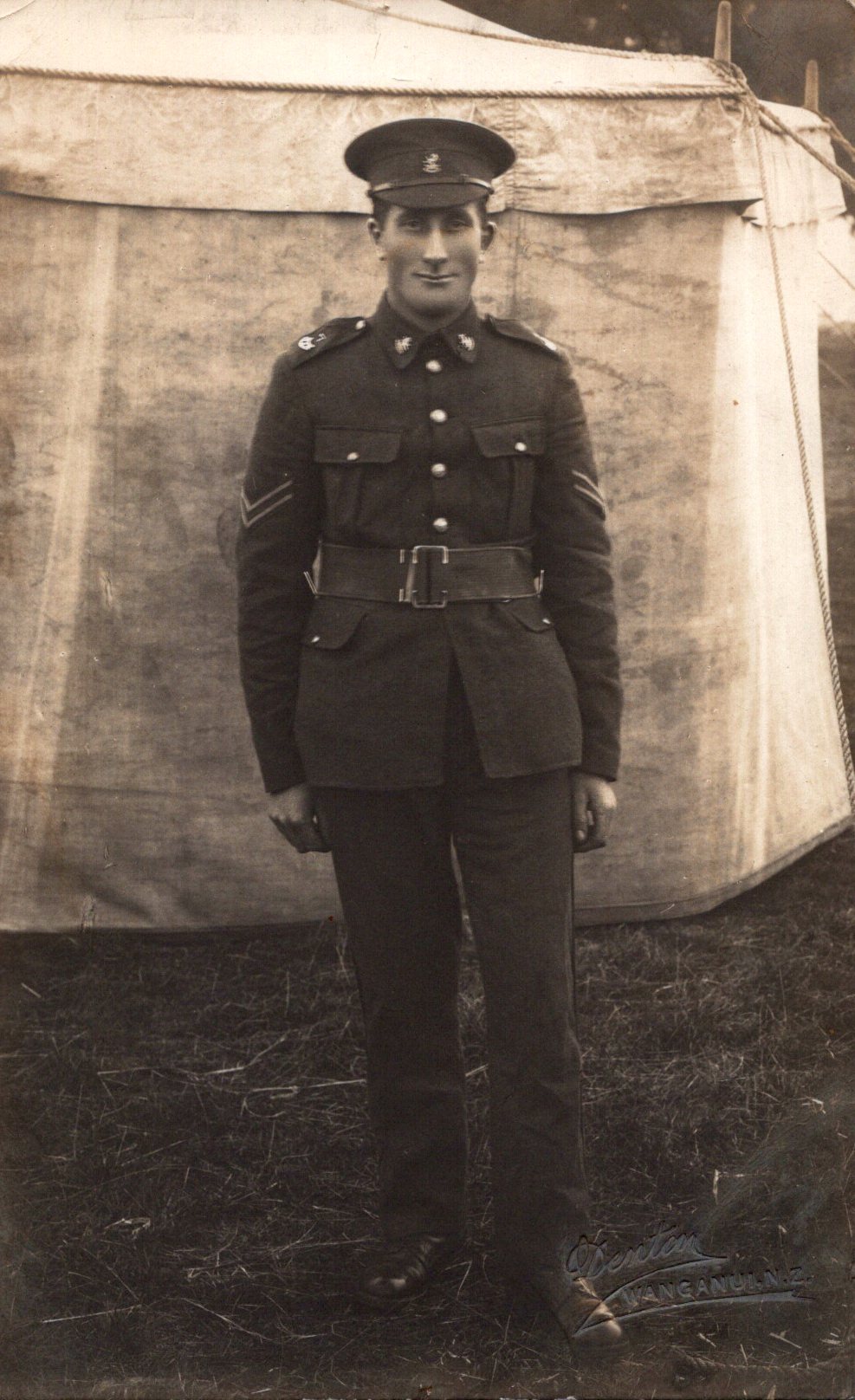
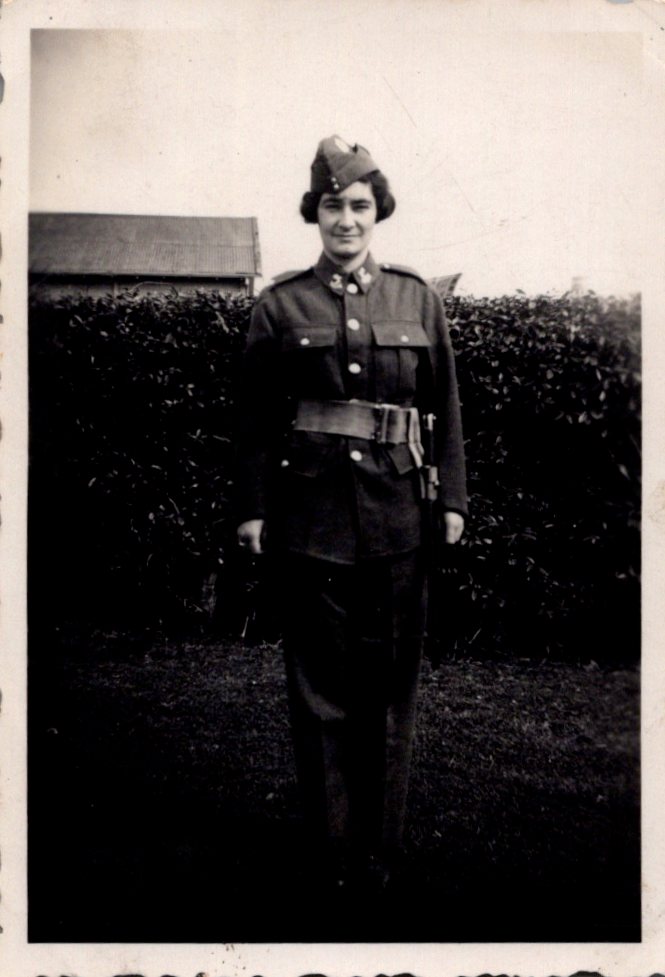
Every year, on April 25th, people in New Zealand remember their lost loved ones on a particular day—ANZAC (Australian and New Zealand Army Corps). In our families on both sides, we have lost granduncles, cousins, and great-grandfathers and several women who served as nurses. A few men came back alive, but their lives were not the same as before. My late father’s grandfather served in two wars before coming to New Zealand, which was odd about his life. We have got a photograph of him. Photo shown here.

My late father, Allan, was a Home Guard in Waikato, New Zealand. Allan’s brother Keith served as a cook in the Pacific Islands through the Vietnam War, and Keith came home in one piece. My mother’s father, Albert (Gee, as we called him), was a Home Guard and a driver during World War Two.

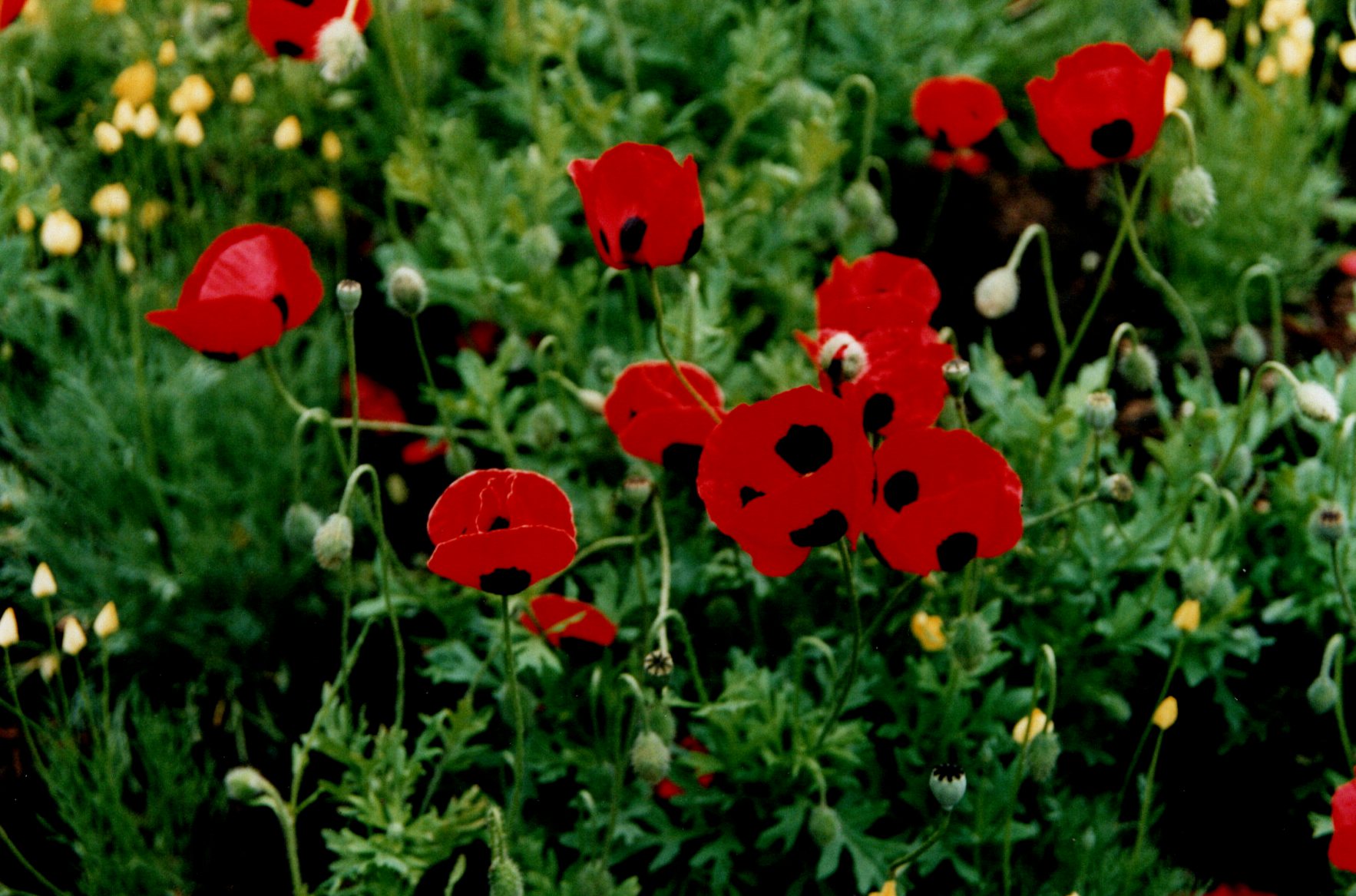
Canadian medical officer Lieutenant-Colonel John McCrae, in his poem, ‘In Flanders fields’.
In Flanders fields, the poppies blow
Between the crosses row on row,
That marks our place and in the sky
The larks, still bravely singing, fly
Scarce heard amid the guns below.
We are the Dead. Short days ago
We lived, felt dawn, saw sunset glow,
Loved and were loved, and now we lie
In Flanders fields.
Take up our quarrel with the foe:
To you, from failing hands, we throw
The torch be yours to hold it high.
If ye break faith with us who die
We shall not sleep, though poppies grow
In Flanders fields.
The photos of the veterans, the background of the images, and their lives showed us important meanings and clues of history through wars, the Deaf Society, Deaf Education, and more. Tomorrow, generations will learn from us and our lives through poverty, financial recession, our disability – D/deaf and D/deaf with disabilities, climate change, technologies, agricultural lives, infrastructure, and wealth.





There are rich stories from the Deaf community in Ohio, USA, during World Wars One and Two, but it was only a short time until many war servicemen returned to work after the wars. Many Deaf workers were able to work in the factories while the men and most women served during World Wars One and Two, and they lost their jobs at the end of the wars because the servicemen came home and resumed their jobs. https://gallaudet.edu/museum/exhibits/history-through-deaf-eyes/community-building/factory-work-jobs-available-to-deaf-workers-durin-world-war-ii/
Here is another story from the BBC. “The Untold Stories of Deaf People in WW1.
https://www.bbc.com/news/blogs-ouch-29846154
There are many ongoing wars in the world, and they never stop, for example, Israel vs. Gaza and Ukraine vs. Russia. In the past, there were many wars, such as the American Civil War: North and South (the Union (“the North“) and the Confederacy (“the South“)USA), the Vietnam War, and the Boers War in South Africa against the British Empire, Orange Free State, and the South African Republic (also known as the Transvaal and Anglo-Boer War).
Several questions came to my mind when I studied one of the papers – The American Civil War, at the University of Waikato, and I asked the professor whether any Deaf men served in this war or not. The professor replied no, and I thought of doing some ground research at the University of Waikato Library. I found a book called Fighting in the Shadows: The Untold Story of the Deaf People in the Civil War by Harry G. Lang, and yes, there were several Deaf men and young men who served as cannon soldiers and other stories can be found in this book. I typed an assignment as proof of my findings and handed it to the professor. He did not research any ‘born permantely’ disabled men and Deaf men and families in the war topics. I presume the professor was not interested in the disability area.
Today is ANZAC day, and let us remember every man and woman who served in the wars and preserve their histories of service through wars. It is essential to treasure their stories through interviews, photos and items they bought back from the wars.
Help Jean to raise money for the projects – Deaf History in NZ and International. Thanks
Make a one-time donation
Make a monthly donation
Make a yearly donation
Choose an amount
Or enter a custom amount
Your contribution is appreciated.
Your contribution is appreciated.
Your contribution is appreciated.
DonateDonate monthlyDonate yearly
 Life in Eureka