From Ableism to Unableism in Society.

https://wordpress.com/refer-a-friend/Vwy92eJi9QNlbNQM2O0J/

Whether you’re familiar with the term ‘ableism’ or not, it’s crucial to understand and address it. By improving our workplaces, environments, and society, we can create a more inclusive and equal community for all. This is not just a goal, but a call to action for each one of us to contribute to this societal change.

Why do I bring this up?
I have been a deaf community worker for two D/deaf with disabilities for a long time in Hamilton. Today (Sunday, August 18th), I took a Deaf with cerebral palsy and speech impairment for his grocery, shared lunch and shopping. The first stop was KMart at the Base, Te Rapa, and our experience was absurd. I noticed many shoppers pushing and cutting in our way when walking past us, and they did not see this disabled person’s disability. Only a handful of shoppers noticed and politely said sorry to us after discovering his disability. So we could pass them, and I moved this chap to the sideway to allow shoppers to go through nicely. The checkout staff was great, as I explained to the staff because this chap told this staff, “We are Deaf”. This staff ushered me in the right direction to the checkout table, where there was another staff member instead of using the self-checkout technology. That was a great example of understanding us.

Our visit to Te Awa Base, a shopping mall, for lunch at The Latte Cafe inside the Warehouse Building, was a refreshing contrast. The service was excellent.

The next stop is the Woolworth, formerly Countdown Supermarket, in the Te Rapa area. It was more or less an experience inside Woolworth; most of the shoppers were pushing around without saying excuse me and overlooked our disabilities – note I have invisible disabilities, such as Deaf, Cervical spine disc degeneration radiculopathy, and disabled man has physical disabilities, which show cerebral palsy than speech impaired and deaf. A few shoppers recognised us and walked along us where there was room to pass along. We could not hear the trolley wheel approaching us when we turned left or right to the next aisle. One disadvantage is that no mirrors or shelves are reduced height to allow us to see someone approaching. We are always cautious when turning left or right without crashing into someone. The training checkout was tremendous, and the disabled man told her that we were deaf. She accepted and continued to scan the grocery products. At the end of the payment, she asked if one of us would like Disney Promotion cards, and he needed to know what they were for. I asked him if he would like it; I did not need it, so I asked the lady behind us if this shopper would like some. We gave the promotion cards to this person. It is an act of gratitude.

I’m thinking about the Minister of Social Development, Whaikaha, and the Government’s announcement of the shocking, disheartening news for everyone with disabilities across New Zealand last Thursday, August 15th, 2024. Note Whaikaha is a Ministry of Disabled, and it is the first time a new Ministry under the Government was created by the Disabled people two years ago.

The Government is more or less an “ABLEISM” improvement, and the politicians are more or less authentic in their understanding of disabled people in society. I know most of the Ministers have a disabled family member in their own homes. Their role as politicians remains under the Government rather than a household /family role in their community, which proved tricky when serving in Parliament.

In the next post, I will explain hindsight and how to reverse it from ableism to unableism.

One-Time
Monthly
Yearly

Make a one-time donation

Make a monthly donation

Make a yearly donation

Choose an amount

NZ$5.00
NZ$15.00
NZ$100.00
NZ$5.00
NZ$15.00
NZ$100.00
NZ$5.00
NZ$15.00
NZ$100.00

Or enter a custom amount

NZ$

Your contribution is appreciated.

Your contribution is appreciated.

Your contribution is appreciated.

DonateDonate monthlyDonate yearly
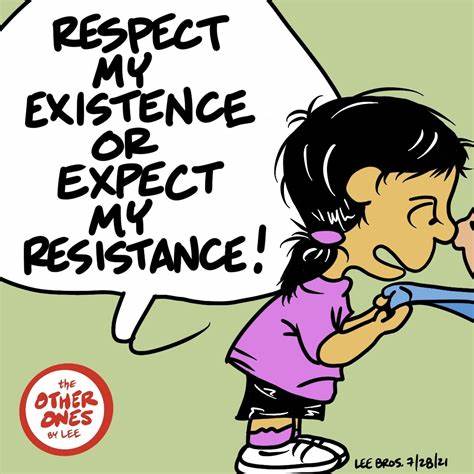
A slap (mud/shit) in our (people with disabilities) faces from the Minister of the Government!

What a nightmare and disheartening news was thrown at us across New Zealand last Thursday morning, August 16th, 2024!

“There’s a story behind every disabled person. There’s a reason why they’re the way they are. Think about that before you judge someone.”

Watch the announcement here (YouTube) https://youtu.be/v_fEM4UPmfc?si=oIS1BX_S1XPHh-PO

Minister Uptson’s message from the National Pary via the Beehive Government website is here.

https://www.beehive.govt.nz/release/government-acts-disability-review-findings#:~:text=Immediate%20action%20will%20be%20taken%20to%20stabilise%20the,these%20services%20when%20it%20was%20established%20in%202022.

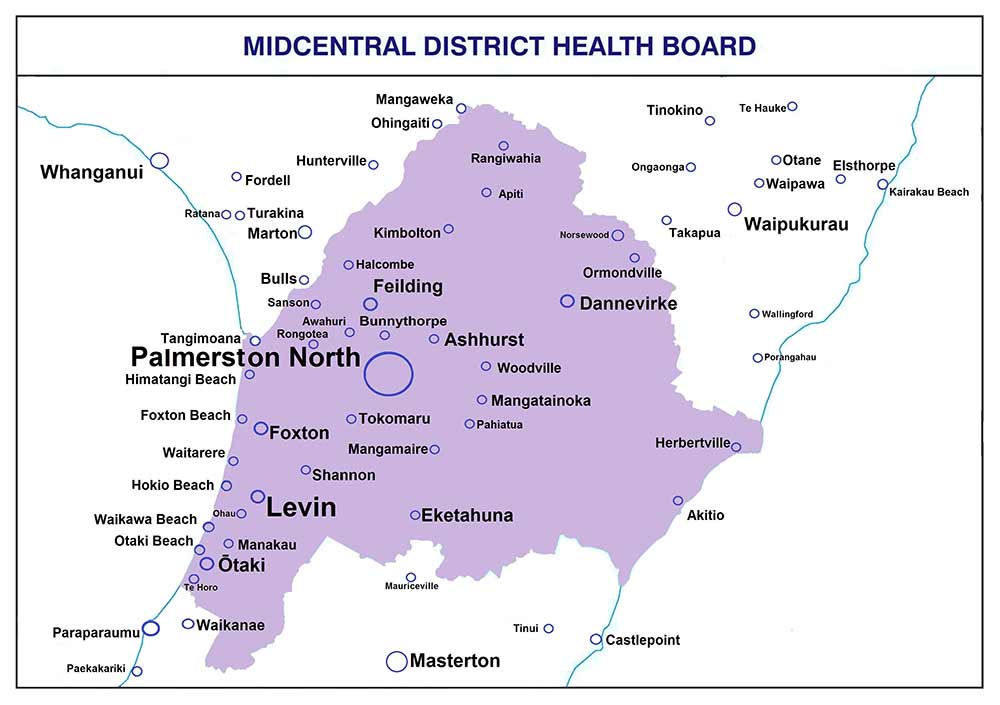
The EGL (Enabling Good Lives) groups (Christchurch, Waikato-Sth Waikato-Coromandel and MidCentral of the North Island – Palmerston North- nearby area see map) advised Whaikaha monthly to give report updates, financial updates, and any other issues in the past two years. Still, unfortunately, from last year to the present, the EGL group has not been consulted and has received minimal update reports and no financial reports. There is a NEGL (National Enabling Good Lives). Note Whaikaha – Ministry of the Disabled, and it is the power of us – The people with disabilities, not the Government, stand above us and control us. The EGL has eight principles for everyone, including the MPs, the Government agencies and the parliament staff, which are: – Self-Determination, Beginning Early, Person-Centered, Ordinary life outcomes, Mainstream First, Mana enhancing, Easy use and Relationship building. (the link show here – https://www.enablinggoodlives.co.nz/about-egl/egl-approach/principles/)

Early this year, EGL learnt shocking news from Minister Uptson, who replaced Penny Simmonds, formerly Minister of the Disabled, and ordered to be made aware of the Indendent Enquires Panel established and the need to find what went wrong for the report from the Whaikaha. The EGL groups, along with the NEGL, DPO (Disabled Persons Organisation) and DPA (Disabled Persons Assembly), were never consulted during the Indenpent Enquires Panel Board review. Note that the panel persons on the board do not have living experience disabilities, and they are Sir Maarten Wevers, the Distinguished public servant and former diplomat; Leanne Spice of Tregaskis Brown senior partner; and Rev Murray Edridge of Wellington City Missioner.

In the end, Minister Upston and the Government breached and discriminated against the human rights of persons with disabilities under the Convention on the Rights of Persons with Disabilities (CRPD). Two years ago, the Committee of the General Assembly of The Convention on the Rights of Persons with Disabilities (CRPD) cautioned Ministers and other staff to visit and deliver the report from the Government of NZ in New York. The committee mentioned they watched every moment if any MPs and the NZ Government did not comply with the Article’s section.

“The Convention on the Rights of Persons with Disabilities (CRPD) is an international human rights convention which sets out the fundamental human rights of people with disability. 

The purpose of the United Nations Convention on the Rights of Persons with Disabilities (CRPD) is to promote, protect and ensure the full and equal enjoyment of all human rights and fundamental freedoms by all persons with disabilities and to promote respect for their inherent dignity.   

It consists of two documents: the Convention on the Rights of Persons with Disabilities, which contains the leading human rights provisions expressed as a series of Articles, and the Optional Protocol to the Convention on the Rights of Persons with Disabilities.  

The CRPD and its Optional Protocol opened for signature on March 30th 2007, and Australia became one of the original signatories. The CRPD entered into force for Australia on August 16th 2008, and the Optional Protocol in 2009. ” https://humanrights.gov.au/our-work/disability-rights/united-nations-convention-rights-persons-disabilities-uncrpd

We strongly support EGL and suggest that Waikaha improve the service by providing more staff training, preparing the action now that later, doing the monthly financial review reporting, and doing other types of work involved. We would not be tolerant or told what to do and what we are entitled to use the funding from the Ministry of Social Development (MSD) because MSD service and the staff lack understanding of our disabilities and our needs in our daily lives, for example, one staff request a driver licence from a Blind benefit person or suggest to contact them by making a phone call from a Deaf person without using a Relay Service/often against a third party if using a Relay Service. I have met several disabled homeless persons who had their benefits cut without giving any reason or explaining why disabled homeless and low-income families with disabled children’s benefits stopped. I have to find a way to end this solution by getting the answers from MSD, and often, I found the lack of staff attitudes, failure to follow up the correct methods from their MSD computer systems and understanding of the disabilities and needs difficult in finding work for them where no business would not take them into employment.

The providers are walloped due to the difficulty of funding. Now, with EGL funding on pause, providers face real hardship depending on how much funding they are allotted or how little funding they have to use for disabled people and families of disabled members in the household.

Rural societies are beginning to be hit hard due to a lack of or very little funding for transport, technology, 24/7 Care Services, and the list goes on.

We will not stand down; we will continue to fight and make the Ministers, staff and the Government not take EGL away from disabled people.

Here is a new word – Ableism and it is time for unableism in society. https://en.wikipedia.org/wiki/Ableism

Here is the supported letter via the Labour Party website. You can copy and paste it to contribute to others you know by sending this letter to Prime Minister Chris Luxton and Minister Louise Upston.

“I’m writing to oppose the changes being made to Whaikaha and the pausing of the Enabling Good Lives programme. Alongside many other New Zealanders, I am deeply concerned that our disability communities were not consulted on these changes and will be left worse off.

My key concern is that, without a fully-fledged Ministry of Disabled People, decisions that affect New Zealand’s disability communities will once again be taken away from them.

The Enabling Good Lives programme also gives choice and control to disabled people to lead meaningful, and dignified lives. I urge you to please reconsider the halt to this programme, which will make life harder for many people.

Earlier this year, sudden cuts to disability funding flexibility left many people shocked. Thousands of people have asked for these changes to be reversed, and this new announcement is yet another decision that overlooks the views of those it affects.

Please listen to the thousands of people from our disability communities who are strongly against these changes. We ask that any decisions are centred on the needs of disabled people and their whānau.

Kind regards”

https://www.labour.org.nz/whaikaha

https://www.labour.org.nz/release_govt_delivers_its_biggest_blow_to_disability_communities

Mid Central EGL

My Monthly Life Journey..

“In Philippians 2:13, Paul wrote, “It is God who works in you both to will and to work for his good pleasure.” And it is. God gives us the will and the power for life.”

My mother asked me if I suggested typing a life journal after hearing about my new health issues two months ago (June 2024). It is time to start thinking about the first day of the month and how I manage daily life wherever I am, at work, home, or anywhere else. It is essential for any of you never to experience one-off disability or impairment but live with a permanent disability or more than one disability that develops a new permanent impairment later on.

At the age of eighteen months old, I was diagnosed deaf with rubella when my mother was in the 2-trimester stage, and my sister had rubella from the MOPs group. Note New Zealand was the last country to learn about the severe Rubella epidemic, and no vaccines were available for all mothers and children. I found a way of problem-solving, and my family helped me through daily living when there were many obstacles in the community and at home. I did not identify myself as a deaf person until I was a teenager, and today, I use the small letter ‘d’ as my first language is English, and I didn’t spend my time with the Deaf community until I worked as a Deaf and People with disabilities community liaison/Advocator from 2001.

Then, I suffered another excruciating nerve pain from the neck down to my hips a month after moving into my second home with a mortgage in the late 1990s. The GP could not diagnose my symptoms, but he suggested that I continue with physiotherapy and pain relief until my symptoms are resolved. There was a long battle with the Health Services, ACC and the specialists to get to the bottom of my mystery symptoms. Note I haven’t received any compensation from ACC. Their referral of specialists by the ACC was not fully qualified to understand my permanent disability as deaf. It did not cover a complete check on the nerve from the central neck and cervical spine base; instead, it said it was in the head, taking more pain relief, a cortisone shot injection in the elbow and physiotherapy. I refused to have two more cortisone shots because it would damage my body, and I saw several people with disabilities suffer from this; even my partner, who had the last surgery, refixed after discovering he had three cortisone shots in the past. I explained to him and his specialist that one of his specialists failed to explain the risk of taking three or more cortisone. Yes, it was a lot of crap bureaucracies and ableism in that area.

Out of the blue, my ex-GP came out of the UK and served in the Army Medical area. He read my reports before meeting me during my personal GP’s routine health visit and getting to know me. He saw many notes flagging errors in finding my symptoms by other specialists, and he referred me to the top specialist at the hospital with his wording, and these symptoms had nothing to do with my deafness or my head. This ex-GP assumed what I may have because he treated several veterans back in the UK, and we waited until the final result to confirm my symptoms. Finally, in 2018, my symptoms confirmed that I have C4-7 Cervical Disc Degenerated Radiculopathy. Over the years, I adapted several activities around the home, gardening, the workplace, and travelling. Today, I continue to maintain activities and learn to ask my partner and other people to assist me, such as carrying heavy cargo and boxes, cutting up meat bones for our three dogs, digging holes in the ground, doing DIYs around the home and reducing vibrating gardening equipment. I continue to take prescriptions for these symptoms, make an appointment with the same physiotherapist in Hillcrest whenever I need some help with massage, and, of course, get more rest and reduce long-distance travelling by taking a break at each stop. This symptom is my new disability, to add my first disability.

Now, I have a new symptom that showed up early this year. The eye specialist discovered it and referred me to the Optometrist at the hospital. Twice, we (my partner and I) visited the Eye Clinic at the hospital, and the optometrists did several eye tests, including pressure tests and Retinal Imaging tests. The Optometrist told us what they expected and gave me the night eye drops until the next appointment for more tests due this month.

Currently, I am working on adapting when using a computer/laptop/iPad screen, font size, and background brightness, moving a bit close to the PowerPoint screen for reading and watching the interpreter sign, the lighting in the rooms, and wearing reading glasses as a short-sighted person. Driving is okay as it is below the average eyesight requirement in New Zealand, and an acceptable certificate will not be present until years to come. My new symptom will be added to my two disabilities as my age is sixty years old, and it will change from time to time. I have become less independent than before. I am fortunate to have learned by making adapted tools, equipment, and technology for people with disabilities, whom I have supported over many years. Now, it is my turn to change the way I work and home.