“Money can’t buy happiness.”

“You have probably heard this phrase a million times. Money is a tricky question because if you do not have it, you want more of it, and even if you do, you want to earn more of it.”

As I reflect on the lives of the many different people, families, and disabled individuals I’ve had the privilege to work with under the Social Services and Disabilities Organisations in New Zealand, I am struck by their resilience. Despite being underfunded and understaffed, these organisations provide crucial support to those in need. It’s a testament to the strength and determination of these individuals that they continue to persevere, even when the system fails them.

We are not rich in finances of wealth as we get older, for example, over 60 years. Our health declines each month or year paying house mortgages, loans, bills, food, petrol/diesel like you while the world of finances grows worse, with the economy forcing many people off work, businesses shutting down, and an increasing number of people living in poverty in New Zealand. For example, 122% of children live in the worst poverty homes or have no home. New Zealand is smaller than any other country, but other countries follow the same pattern of influx finances, high taxes, higher poverty and homelessness in the wealthy countries.

One day, I was sitting in the car while the Somalian Deaf lady went to her shopping errands at Five Cross Road, Claudelands, Waikato. Jamila (not the actual name of this person here) came back and sat in the car while I asked her if everything was okay when she did the shopping alone. Suddenly, a young girl around eleven or twelve years old was tapping the car window and her hands out as she begged us to give any money. I declined her because I knew her parents, who visited many social services offices around Hamilton and tricked many staff members into more cash and food assistance. Why? The parent lives in a reasonable home with enough income to live. The parent taught their children to be beggars anywhere in the car park, shopping mall, or park. It is all about greed, lack of empathy for other people’s wealth other than themselves, even scammers, ripping off, fleecing other people’s finances away, fabricated stories and many other issues. This is a stark reminder of the negative impact of greed on our society.

Mother Teresa, a revered figure in social justice, once said, ‘We sometimes think that poverty is only being hungry, naked and homeless. The poverty of being unwanted, unloved and uncared for is the greatest poverty. We must start in our own homes to remedy this kind of poverty.’ These words hold a powerful message for each one of us. They remind us that we all have a role in addressing poverty, starting from our homes and communities. It’s a call to action, a reminder that we can all make a difference if we act with empathy and understanding.

Many social media platforms, such as Meta (Facebook), Whatsapp, and video game media, can be good or bad. Still, they are not designed to prevent scammers, hackers, or false marketing to all disabled people, D/deaf people, and older people because of ableism, a form of discrimination or social prejudice against people with disabilities. Many social media often lead to these individuals being targeted for scams or not being provided with the necessary accessibility features. I know several D/deaf people have been hacked many times via advertisements or YouTube videos/fake profiles. Online banking, gift cards, loan sharks and Apple iTunes/App gift cards are among the worst scammers and hackers. Jean’s Deaf History International Facebook page was hacked in March 2024. Unfortunately, the Meta Support Service was not there to assist because there was no human contact service. The Meta Support Service was ableism and failed to deliver goodwill in resolving the problem and restoring the Facebook page.

When I was a deaf teacher aide to a Deaf student at an intermediate school, one of the students in the same classroom took my laptop behind my back and quickly closed the lid when I turned around and noticed something was not right. This student did not ask my permission to use my laptop in the classroom. I suspected one of the students, so again, with my different laptop several weeks later, and this student tried to attempt, but the teacher and I caught this student in red hand. This student could not access my laptop due to a biometric need instead of a code breaker. Three of us went to the principal’s office, and the student’s father attended the meeting. I discovered this father from the past; I knew him well for his hatred toward disabled people in society and his lack of empathy, brazen, selfish, cold man and remorse. This father and the student do not care about other people; they feel superior to us with wealth, selfishness, and greed in the community. Several years later, I learnt of them before my volunteering visit to one of the Deaf adults for his literacy lesson in prison under the Social Service Trust where I work. The father’s business went to receivership, and the student went to jail for being corrupt over finances and bribing the tax department in a different company. They have not learnt anything about good deeds in the community. The father passed away a couple of years ago as a broken man, and I understood his funeral was not a whole house; just 6-10 people attended.

Did Jesus teach us to be rich or poor? Jesus said things like, ‘Woe to you rich,’ Luke 6:24, and ‘Blessed are the poor,’ Luke 6:20. These teachings are not about the inherent moral value of wealth or poverty but rather about the dangers of becoming too attached to material wealth and the blessings that come from a humble and compassionate heart.

“When someone lives in poverty, they struggle to afford the basic necessities of live. On the other hand, having wealth allows one to live an excessive life in terms of material and non-material goods.”

Our Government has gone backward, forcing many businesses into receivership, raising the cost of power and cutting back funding. They have broken the promise to deliver Health Sectors, Disability Organisations, Whaikaha, EGL (Enabling Good Lives), and others. This broken promise has devastated these sectors, leading to a lack of resources and support for those in need.

Christmas is drawing, and we have lost more than four of the largest companies/mills in New Zealand. and the largest company was lost in Timaru because “Falling stock numbers and a shift in land use from farming to forestry are being cited as the reasons behind the proposed closure of the Alliance Group’s meatworks in Timaru.” More than 600 employees will be laid off work before Christmas this year. https://www.rnz.co.nz/news/national/529290/what-s-behind-the-proposed-closure-of-alliance-group-s-meatworks-in-timaru

Proverbs 23:4-5 – Do not toil to acquire wealth; be discerning enough to desist. When your eyes light on it, it is gone, for suddenly it sprouts wings, flying like an eagle toward heaven. Solomon mocks lazy people and warns them to expect poverty and family shame.

We are not the only country in despair, facing poverty and hardship. Australia, the UK, the USA, and Europe have the same problems with their governments and financial crises. Their Governments have gone backward, just like ours. Failure is a leadership tool; where does the skilled leadership person run a good shape?

Thousands of people aged 14 to 99 live in cars, tents, parks, empty warehouses, buildings, bridges, and streets. Disabled people live in vehicles, carports without kitchens and bathrooms, make-shift homes next to strangers’ homes or family’s home property, and in garages or caravans without power.

Every Monday, our workplace (Social Services Trust) runs a community lunch meal except during the Christmas and New Year Holiday seasons. Many homeless people, disabled people, and low-income people come with gold donation coins. We have a list of support networks, and the Church organisations assist with preparing community meals. We receive many foods donated from supermarkets, local schools, church groups, and businesses, and Jean often donates vegetables and fruits from our large property to them.

“Overcoming poverty is not a gesture of charity. It is an act of justice. It is the protection of a fundamental human right, the right to dignity and a decent life.” Nelson Mandela

Sunday: Investing in the Future of Deaf Communities

Let us support D/deaf children and their family’s connections with deaf communities to ensure early exposure to national sign languages and access to language-rich environments.  Sign up for Sign Language Rights by sharing a video on social media about our vision for the future of our D/deaf communities.

Today, as we conclude the International Awareness of the Deaf People Week, we reflect on the progress we’ve made. While the lack of exposure of our Deaf Culture, sign language, and the Deaf community in New Zealand was disappointing, it also serves as a reminder of the work that still needs to be done. Let’s use this as a catalyst for positive change.

Each of us plays a crucial role in spreading our Deaf culture, our sign language, and the importance of communication in sign language and interpreters. Through education, health, and the public sectors, increasing videos and stories through social media, and improving technology, we can make our culture more friendly and accessible. Your contribution is not just valuable, it’s integral to our success.

Our mission to spread sign language continues. We’re actively promoting sign language classes and encouraging everyone to consider becoming an interpreter. The demand is high-we need more interpreters, trilingual interpreters, and teacher aides with sign language skills in the education sector, as well as staff with sign language skills in the health sector.

We, the Deaf people of the community, need to remind Government staff, agencies, and disability organisations that they need to listen to us, not control us. They will have to work with us as equals, not superiors, to allow everyone to enjoy, prepare for emergency disasters, stay in touch, gain employment, maintain equal finances, and receive updates and news throughout their daily lives.

We will continue to teach our D/deaf children, D/deaf children with disabilities, and hard-of-hearing children how to maintain/preserve sign language, culture, tradition, and heritage for the next generation.

We know that technology keeps changing and updating, but what counts to ensuring all IT students, developers, staff, and cyber experts understand our need for friendly accessibility and provide sign language and captioning, video chats, emails, or texts? We do know about the high cost of finances. Still, it is unnecessary to complain about the expensive or high cost of damage, repair or improvement of broadband quality for internet –network services. It is the people who come first, then financial.

Could Mark Zuckerberg, Elon Musk, Bill Gates, or any high-profile wealthy social media person take on the responsibility to learn more about our Deaf culture, sign language and technology-accessible needs? Your influence could make a significant difference.

Part Two: Thursday: Building Resilient Deaf Communities

We are building the capacity of D/deaf communities on emergency preparedness and response to mitigate disaster risks and reduce D/deaf communities’ vulnerability in the face of disasters. Sign up for sign language rights by demonstrating partnerships between D/deaf communities and emergency responders.

Consider the ongoing wars in Gaza, Lebanon, and Ukraine, and the profound impact they have on thousands of D/deaf people, D/deaf families, D/deaf individuals with disabilities, and Hard of Hearing people. These conflicts are not just distant news, but real-life situations affecting our global community.   

The communication breakdown occurred when there were no sign language interpreters on social media due to Israel’s cutoff. “According to Netblocks, a company that tracks disruption to internet services in conflict zones, there have been about ten telecom blackouts in Gaza since the beginning of the war, as recently as a few weeks ago.

“When they cut off communications, we cried and wailed — that’s it, they’ve killed them all,” Rana says.” https://www.npr.org/2024/03/03/1229402063/gaza-communications-cell-phone-internet-service-blackouts-paltel

Here are other links – https://www.sapiens.org/culture/gaza-palestine-deaf-disability-justice/

https://www.who.int/europe/news/item/12-04-2023-safeguarding-the-rights-of-deaf-people-in-ukraine

Now we have several D/deaf writers/bloggers from Gaza and Ukraine about their eyes seeing their country destroyed by their neighbours. For example, here is the link from one writer – https://overland.org.au/2024/06/what-it-means-to-be-deaf-and-palestinian-in-gaza/

From Overland.org.au

This video and article from United Nations News is about Bassem Al-Habal and his family.

https://news.un.org/en/story/2024/04/1149091

Imagine the war happening here.. Are our help and emergency responders up to date, or can we improve technology?

The New Zealand Deaf community does not reach out to them for no reason. I often get emails from Europe Social Service Networks requesting assistance aids, food supplies, medicines and contact details for interpreters’ services. It was not an easy option, but I could help them. The World Federation of the Deaf can assist in some way or form in delivering to the United Nations.

Saturday: Deaf Cultural Celebrations

We are celebrating the rich cultural heritage of the deaf communities through our sign languages and cultures. Deaf Culture involves the behaviours, traditions, beliefs, values, history, humour, and art within Deaf communities. We are proud of our linguistic and cultural identities. Sign up for Sign Language rights by hosting an event today that not only demonstrates but also promotes understanding and appreciation of the rich cultures of our D/deaf communities. 

Check out this video from YouTube: Iowa School for the Deaf, 3 September 2018. Culture 101. Note that the sign language is ASL (American Sign Language) with captions.
https://youtu.be/B0gnGV3zoV4?si=8_XsRIRPf94Itarg

The answer is yes—we D/deaf people, D/deaf with disabilities, and Hard of Hearing people do have our Culture, which is similar to other people’s cultures, for example, arts, Theatre, humour, traditions, and the list goes on.

Check out this North Carolina Department of Health and Human Services video. The sign language is in ASL (American Sign Language) with captions. https://youtu.be/p0rDLb4qrU8?si=aWbrbjvhRQZQZTzr

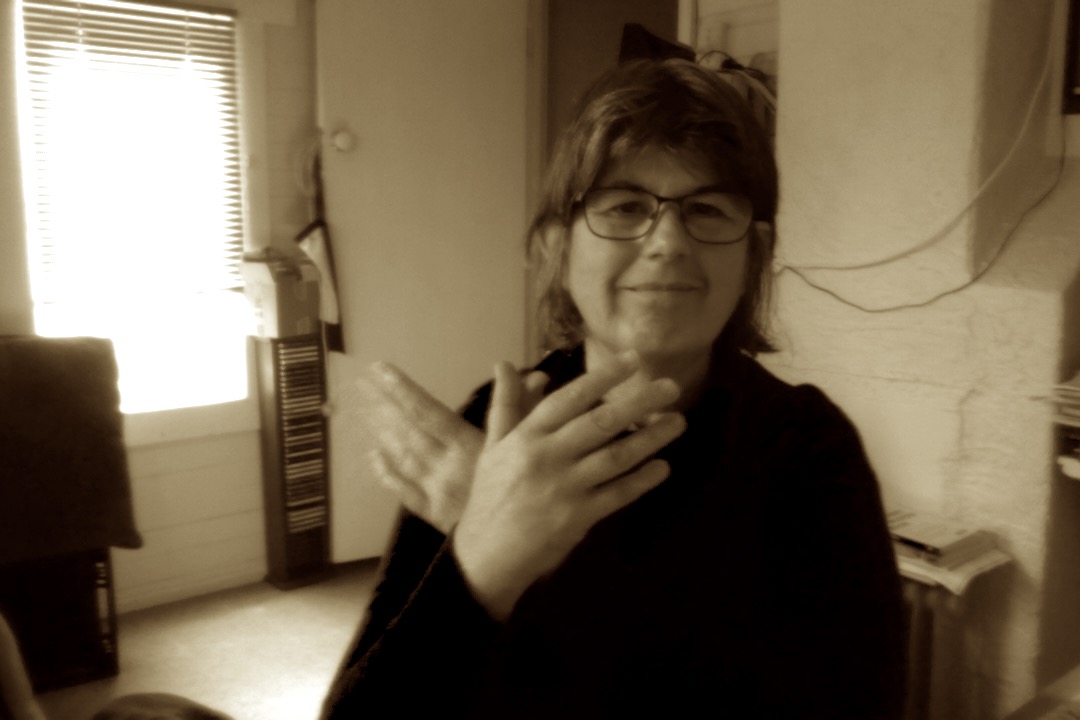
My daily life is pretty much the same Culture where I live in the middle of two worlds—the deaf world and the hearing world. My partner is hearing, and we have three dogs as assistance/working dogs for me. My favourite relaxing are gardening, reading, blogs, and spending time with my partner and dogs.

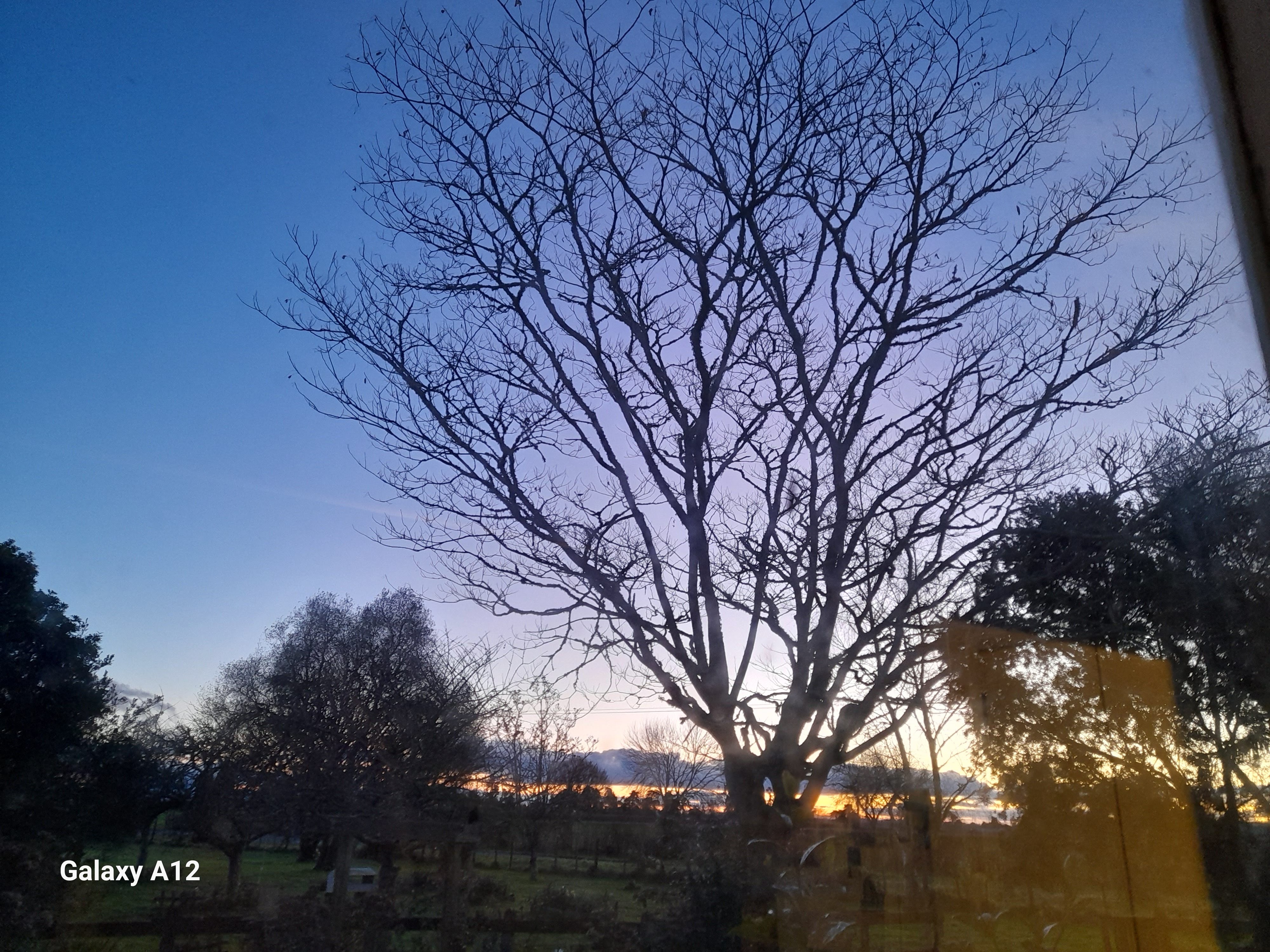
Our home in the rural country of Waikato

Friday: Diversity in Deaf Communities

As advocates for diversity and sign language rights, we recognise the power of your personal choice to support this cause. Your decision to sign up for sign language rights is not just a choice, but a crucial step in strengthening our diverse D/deaf communities. You are an integral part of this movement, and together, let’s fortify our communities today!

Despite the diversity in our D/deaf communities, we share common experiences that unite us. Whether it’s navigating a new country, embracing a different culture, or communicating through sign language, our shared experiences foster a sense of unity and understanding.

Through my daily work life, I met, greeted, and learned from many different D/deaf people, D/deaf with disabilities, and hard-of-hearing people from other countries, for example, Pakistan, Somalia, Hong Kong, Afghanistan, Colombia, and Spain in Hamilton, New Zealand. One night, I had an unexpected video chat request via Turkey, and it was the family in Pakistan who were on holiday. The family of Pakistan wished to contact me and stay in touch by remembering me and my work for them. They told me about their holiday in Turkey and their experience meeting new people and cultures. The parents of the Deaf adult long for their Deaf son to find a wife rather than be alone. His brother and sister, both hearing, were married and had children.

Thursday: Building Resilient Deaf Communities

Thursday: Building Resilient Deaf Communities

We are building the capacity of D/deaf communities on emergency preparedness and response to mitigate disaster risks and reduce D/deaf communities’ vulnerability in the face of disasters. Sign up for sign language rights by demonstrating partnerships between D/deaf communities and emergency responders, who play a crucial role in providing timely and accessible information during emergencies.

Climate change, a pressing global issue that has been unfolding over many years, is now leading to a rapid increase in disasters such as flooding and earthquakes worldwide. The time for action is now.

The most significant impact to us – D/deaf people, D/deaf with disabilities and disabled people living in the community where radio, social media, and even neighbours telling us there is a bad storm coming now without sign language communication method. This lack of accessible information puts us at a severe disadvantage during emergencies, making it crucial to address this issue urgently.

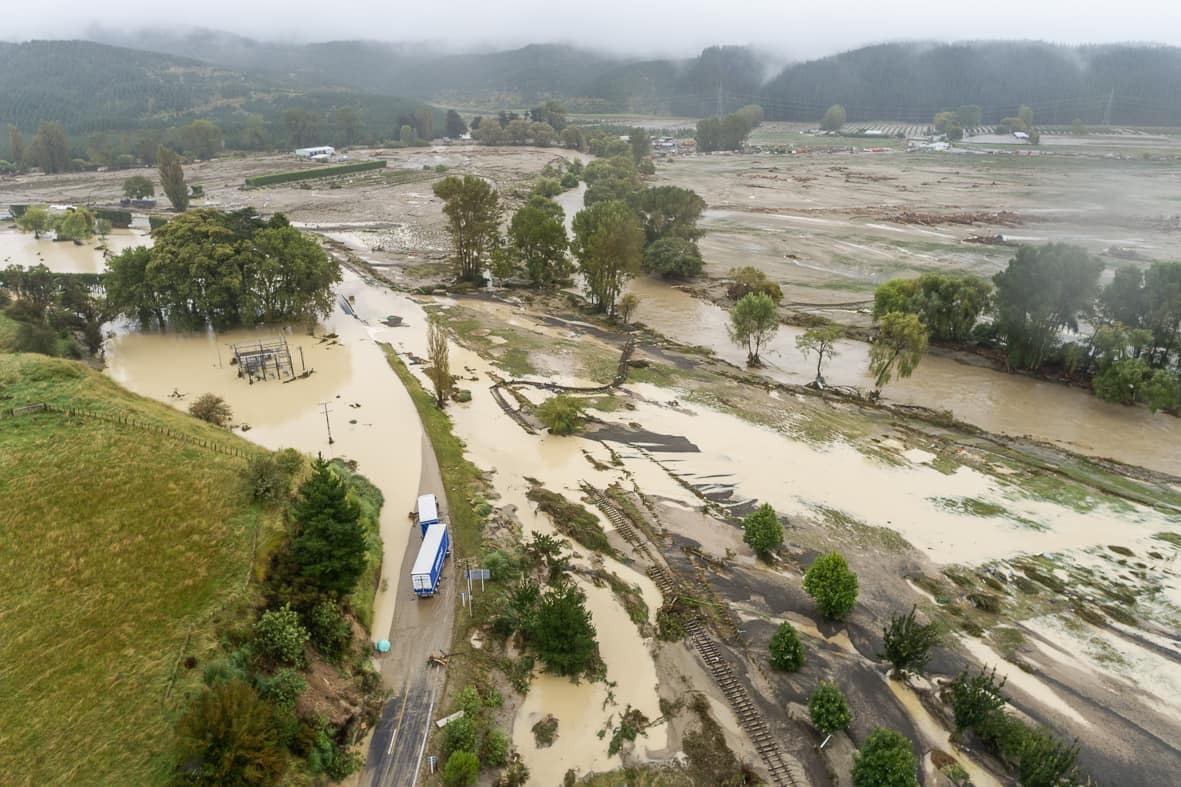
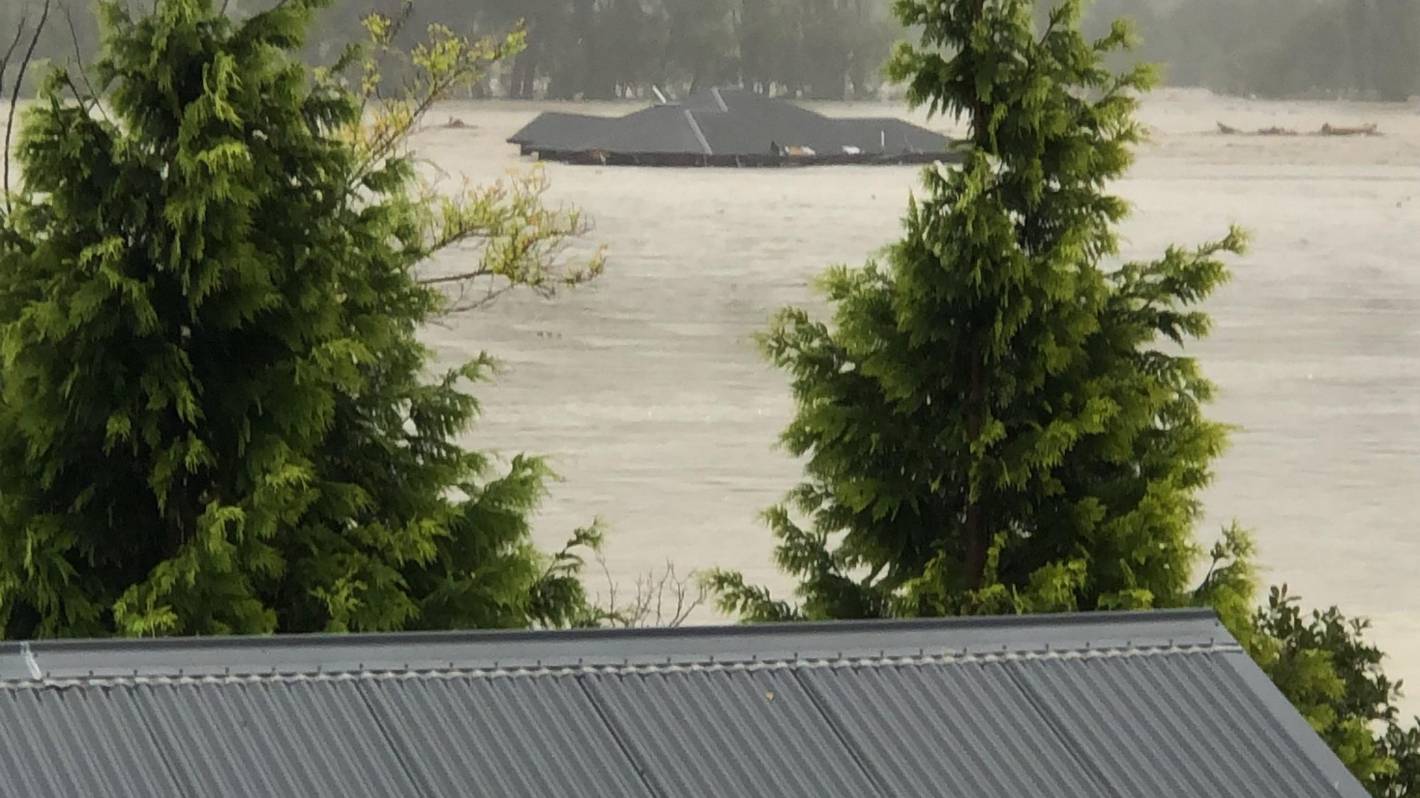
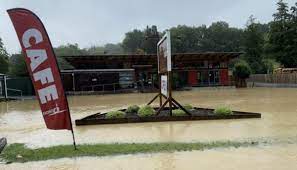
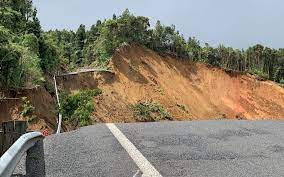
Recently, there have been heavy losses in North Island from landslips, bridges washed away, and many small communities trapped between two towns, flooding over farmlands and the city. The worst disaster area was Coromandel, where many disabled older adults and disabled people were trapped due to the main highway bridge being washed away by the massive landslips. Local suppliers from Hamilton and Auckland could not deliver them food and medical supplies. Still, the missing bridge forced delivery suppliers to travel a long way around to reach the distance. There were no power and landlines available for them to know what happened when the supplies reached them and who they could contact someone in need of help.

Today, the Civil Defence of New Zealand is making more progress in making NZSL videos and plain English language with pictures (Easy to Read) for the website and social media. I had a couple of visitors from the Civil Defence in the past in Hamilton, and we are working with the City Council from time to time.

Here is one of the examples, but I noted it was an old one, and it requires improvement. https://www.civildefence.govt.nz/resources/news-and-events/news-and-events/to-sign-is-to-be-seen

Here is one of the links – https://getready.govt.nz/alternate-formats

In my local farming and Horticulture community, we made a contact detail list of neighbours; there is a local community hall along with HeartSine Defibrillator, which is based on the Civil Defence meeting point place.

Wednesday: Sign Language Advocacy

Wednesday: Sign Language Advocacy

Encourage everyone to actively advocate for the rights of deaf individuals and the official recognition of national sign languages. Your role in promoting national sign language in public arenas is crucial and greatly valued. Let’s all work together to sign up for sign language rights.

Please let us know if you know someone struggling to communicate through sign language at school, work, public meetings, or events. We’re here to assist on behalf of the D/deaf person and D/deaf with disabilities people. Let’s all unite and work together to understand and promote our collective right to use sign language as an official language in any country.

It is critical to remember them—D/deaf people and D/deaf with disabilities people—to be more inclusive in the community. This is not just a slogan; it’s a principle we must uphold—’ Nothing about us without us‘.

I have worked along with many D/deaf people, D/deaf with disabilities and people in the community over many years as an advocator through the Government, the Council, and Government agencies such as MSD (Ministry of Social Development),  Kāinga Ora (Housing New Zealand) and Social Services. Your efforts in advocating for the rights of the deaf community are greatly appreciated and recognised.

Currently, the more significant issues are D/deaf with disabilities seniors who are living alone without their families, the need for home help services, the lack of understanding of the difference between mobility impaired/sensory impaired and D/deaf people who are permanent hearing loss from birth/early childhood age.

D/deaf with disabilities seniors

A couple came to the library several weeks ago and decided to learn primary sign language because the husband is developing hearing loss and finding it challenging to communicate with their family and friends in their community. That is a start for them to learn about us, so we enjoy sharing our experiences.

Tuesday: Inclusive Education

Join us in celebrating the International Week of Deaf People in September 2024, a crucial event that advocates for inclusive education for D/deaf learners through national sign languages. Your participation is critical to our global movement!

Tuesday: Inclusive Education

As we advocate for quality multilingual, inclusive education that includes D/deaf learners through national sign languages, we call upon you, individuals, organisations, and governments. Your collective support is crucial; it’s integral to supporting Sign Language rights. By signing our Declaration on the Rights of Deaf Children, you are making a significant difference, and we value your contribution! 

In 2006, the Deaf community achieved a significant milestone in New Zealand by passing the New Zealand Sign Language Legislation. This inspiring move mandated every agency, organisation, and sector, including Health and Education, to adopt and learn our NZSL legislation, paving the way for a more inclusive society. Since then, we’ve made significant progress and are optimistic about the future.

https://www.legislation.govt.nz/act/public/2006/0018/latest/whole.html

Progress has been plodding since 2006 for all businesses, the education, and the health sectors in New Zealand. Now, the Government has cut back funding for the education and health sectors, and the Health and Education sectors are cutting back staff by laying off to save finances/funding. There has been more improvement by putting NZSL videos through social media, TV media, and educational resources, but again, more is needed.

Around the world, literacy ratings are affected by education. The survey found that 45% of adult New Zealanders were in Levels 1 and 2 for prose literacy, 50% for document literacy, and 49% for quantitative literacy. https://www.educationcounts.govt.nz/publications/80898/27773/5495#:~:text=The%20survey%20found%20that%2045,and%2049%25%20for%20quantitative%20literacy.

Why is it important to have sign language in the curriculum?

“Sign language provides children with an alternative way to make themselves understood. This extra tool enables them to express how they feel, their thoughts, and their wants so that they can take part in learning and social activities. This not only gives a child a ‘voice’ but is also important when building relationships.” https://learningjournals.co.uk/benefits-of-sign-language-in-child-development/#:~:text=Sign%20language%20provides%20children%20with,also%20important%20when%20building%20relationships.

Monday marks the International Day of Sign Language….

Monday marks the International Day of Sign Language, a day dedicated to celebrating sign language’s linguistic diversity and cultural heritage. Let us all sign Up for Sign Language Rights – on September 23rd 2024. Your participation is crucial in our collective efforts to advocate for the linguistic human rights of D/deaf people.

As we approach the 20th anniversary of the CRPD in 2026, we are united in our efforts to enhance the CRPD at the national level. Your participation in advocating for the linguistic human rights of D/deaf people and signing up for Sign Language rights is not just a gesture; it’s a decisive action that can bring about real change. We can collaborate with local and national associations to achieve a tangible goal for D/deaf communities today. 

Did you know that there are 300 or more different sign languages worldwide? This diversity, which is a testament to the richness and complexity of sign languages, is something we should all celebrate and embrace. Furthermore, there are 78 countries with national-level legislation by United Nations Member States (78 countries that have achieved Sign Language Legislation).

Note that there are more than 72 million D/deaf and D/deaf with disabilities worldwide who use their first language in sign language rather than spoken language. It is not a universal sign language.

Why not take the opportunity to learn sign language in your country? It is like learning another new language if you speak Spanish from Italian.

Mental Health Awareness Week 23rd to 29th September

Mā te whakarongo, ka mōhio through listening, comes knowledge

Mā te mōhio, ka mārama, through knowledge, comes understanding

Mā te mārama, ka matau, through understanding, comes wisdom

Mā te matau, ka ora through wisdom, comes wellbeing

Manaaki Monday

Let’s kick off the Mental Health Awareness Week with Manaaki Monday. Start the week with a simple act of kindness. On the first day of MHAW, take a moment to help someone in a small but meaningful way. Remember, even the smallest gesture, like carrying groceries or holding a door open for a stranger, can set off a ripple of kindness that uplifts the entire community. Your small act can make a big difference.

Let’s consider everyone means, including disabled people, D/deaf people, people with D/deaf with disabilities people and senior people. When was the last time you saw, visited, or helped them??

Let’s start with today. Open your contact book on your mobile or use Facebook or any other social media platform to say hello. Do you have time to catch up?

Last night, I received an unexpected video chat request from Pakistan, and I had a slight moment before going to bed. It was from one of my ex-deaf students who lived in Hamilton with his family many years ago. I often think of them through daily life, what they were doing, whether they were living financially independently by their adults (children), avoided violent conflicts and bombings in Karachi, employment, health, and the cost of living conditions. This Deaf person (Azlan – not the real name for this blog) was delighted to see me through video chat. It was a heartwarming moment that reminded me of the power of connection and the importance of reaching out.

Azlan showed me his family, especially his older brother and mama, who were close to me through their hard times in Hamilton. His mama adopted me as a daughter to their family for the last five years before moving back to their homeland in 2004. There was no price to pay back; it was just a friendly video chat after all these years.

When someone knocks on your door and asks for food, do not give them money. They need food for their bodies to retain nutrients and regain their well-being. Give them food from your gardens or from the pantry if it is overstocked.

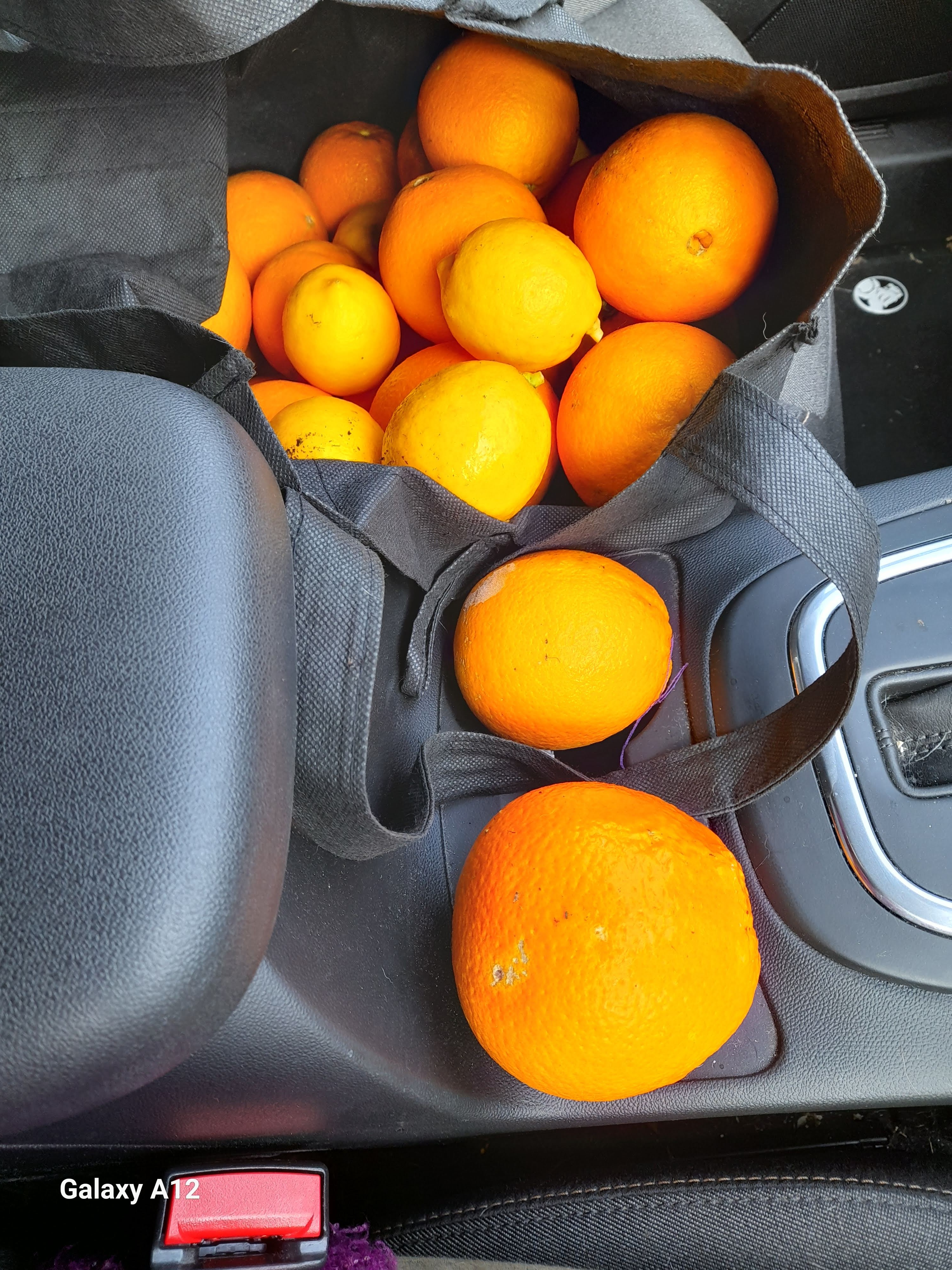
Tangelo from our fruit trees and it were given to a Deaf Soalian lady and a CP, Speech Impaired and Deaf man.

When someone is lonely and feels cut off by their family living far away,. Why not drive over and spend time with someone who is isolated, or pick up the mobile and chat in the spare moment.