End of February 2025

My pre-surgery appointment is due on Thursday next week. Yesterday, I received a letter from the Head of the Ophthalmology department. They explained that the surgery request, which is aimed at correcting a severe eye condition such as an Implant lens and laser correctly for cataracts, has been accepted and how long the waiting list will be.

How have I been faring since January and the post I posted here?

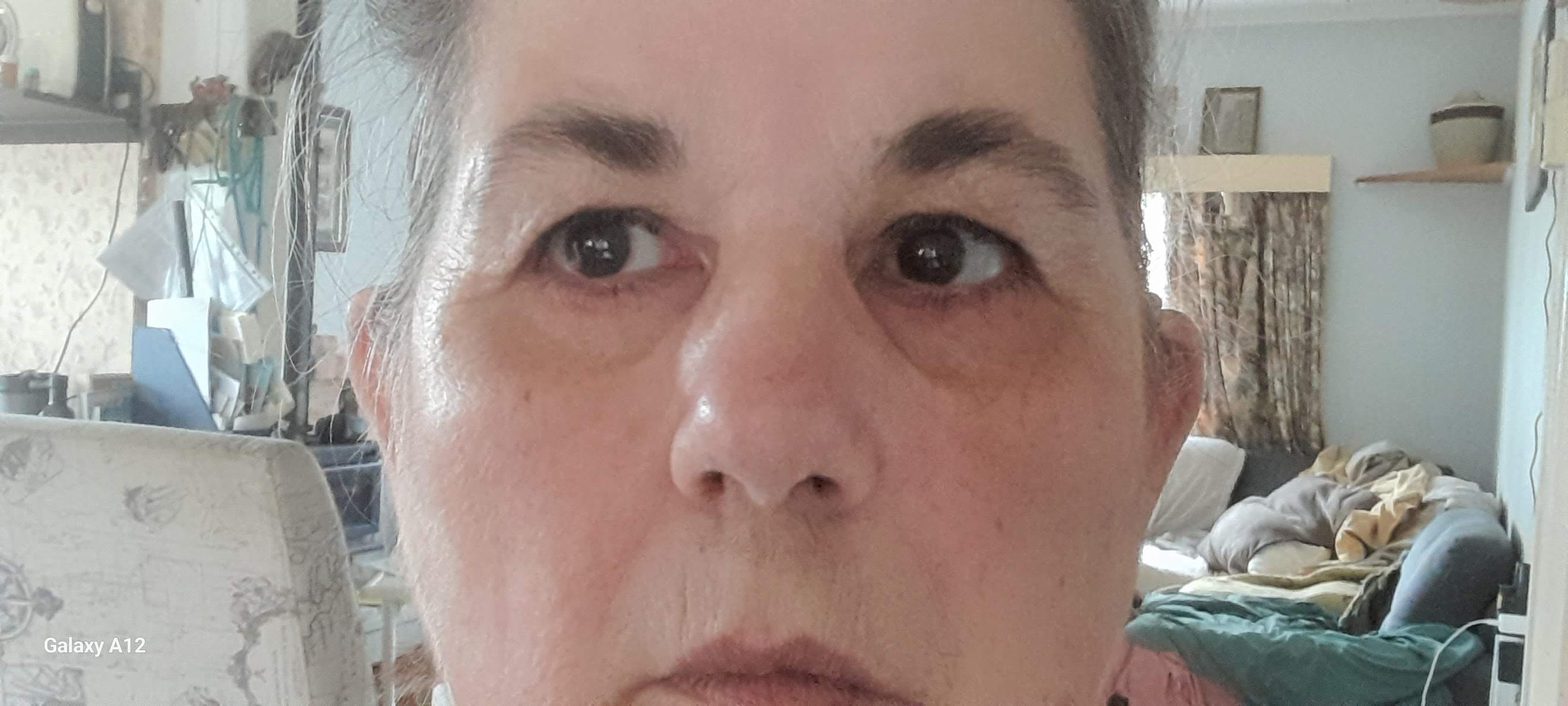
The humid temperature increased to 31oC late afternoon, and the bright sunlight gave an intense ray of light that hurt my eyes when I went out around the garden, making it impossible for me to do weeding and go to work in the city of Hamilton by driving with the glasses on. I lost one person currently overseas for three months and cannot earn the same wages, meaning I lose 6 hours a week. The eye drops are working, and I must wait until the appointment day for the outcome result. I had a couple of visitors through my workplace, and they noticed the different appearance on my face – a changing pattern around both eyes, which was a drooping shapeshifter, and a bit of dark colour rings around the eyes.
Despite his technological challenges, my partner’s unwavering support in other aspects of our lives, such as managing household chores and providing emotional support, is a source of comfort and strength for me.

One key to communication is his awareness of my needs through gestures, sign language, and speaking—but he has never used tactile sign language yet!

Looking back in the past, I worked for the Low Vision Organisation and elderly seniors with low vision, including two Deaf-blind persons and one new Deaf-blind lady from Matamata recently. I learnt a lot from them and explored gadgets and tools around home and workplace over many years. New technologies, such as laptops and desktops, work wonders but are costly because I can not get funding from MSD/Te Whatu Ora due to my partner’s income. I can get a little funding if I require support funding for part-time work under the social service. However, it is difficult across NZ that the Government and BUREAUCRATIC people have cut funding.

Here are the examples of technologies from Australia and New Zealand.

https://shop.visionaustralia.org.nz/campaigns/large-print-keyboard-black-characters-on-white-keys.html

https://nz.1lowvision.com/Software-and-Accessories

Imagine I had the surgeries and took one week off, no working and no driving. I would be bored around home with three dogs, not knowing how they would be mischievous or well-behaved around me during the day. I would be unable to read—not the talking book. It would be impossible to hear rabbling sounds on the television in the background that drowned out the speech, and I would sit down and wait. I would not let my partner read business emails due to private acts from home. I will have to think of something like leaving a message such as I am away and will reply in two weeks; please leave any emergency message to one of the staff. I will find someone to relieve me from teaching the NZSL class at the library. There is one deaf with disabilities who requires help when he is resuming his treatment and medicines. I can let my partner do this through the home visits as they have known each other for a long time; however, I have to follow the Guidelines of work protocols for the second workplace under the Disability Organisation to do this. The prospect of this downtime is a challenge I must navigate during my recovery.
What is it like to have a morning routine with three dogs?

Every Monday to Friday, when Mum was home in the morning, we three dogs made our best attempts to get her attention through a variety of practical approaches, creating a chaotic yet endearing scene that was a unique part of our morning routine.

Morning Routines

Ben climbed onto Mum to cuddle and lay down on her lap. Nova lay down on the bedroom floor while Jazz lay on the lounge floor. Jazz perked her ears up as she heard the sounds outside. There went the recycled truck, tipping, banging, and cracking until it drove off. Then came the school bus, and she recognised the sound of the bus engine, which always made her ears twitch in anticipation.

Ben would sometimes bark at Mum, signalling his desire for biscuits. Mum, being her understanding soul, would communicate with Ben, and then he would head to the large plastic container where biscuit bags and dog treats are kept. Mum’s ability to decipher our needs, whether it’s a run, a toilet break, a meet and greet at the gate, a stroll along the private road, or meal times, is truly remarkable. Poor Dad, he’s still catching up, but Mum’s always there to explain.

Ben knows Mum has a unique alarm clock under the pillow every night. I learn to accept the vibrating noise until I learn to pick the time, for I do not know a human’s clock, for example, 7 a.m. Nova and Jazz have known this for a long time and are used to this vibrating noise, except for Vacuum Cleaner – not Jazz, only Nova and Ben.

Please note that due to the cost, I (Jean) cannot load the video on the ‘The Dogs’ Tales’ WordPress site. Hopefully, it will work out sooner rather than later. Also, I will update you once I have my eye surgeries and how my experience will differ from our morning routines.

One-Time
Monthly
Yearly

Make a one-time donation

Make a monthly donation

Make a yearly donation

Choose an amount

NZ$5.00
NZ$15.00
NZ$100.00
NZ$5.00
NZ$15.00
NZ$100.00
NZ$5.00
NZ$15.00
NZ$100.00

Or enter a custom amount

NZ$

Your contribution is appreciated.

Your contribution is appreciated.

Your contribution is appreciated.

DonateDonate monthlyDonate yearly

Experince the coming of drought in Waikato, NZ

This year, Waikato, a place that holds a special place in our hearts, is facing a silent battle with drought. The impact of this drought is not just on the land and the plants, but it’s also affecting our daily lives and the people in our community.

Over the past decade, Waikato has experienced a significant shift in weather patterns. From 2011 to 2021, we faced droughts at least once or twice a year. However, the period between 2022 and 2023 brought a drastic change, with record-high levels of rainfall over 12 months. The summer was unusually wet, with notable events like the storm on 27 January and Cyclone Gabrielle in February. These weather changes have not only affected our crops and gardens but also our daily routines and health. 

The temperature continues to rise to 32oC in Eureka, Waikato. The heat is unbearable for both my eye conditions while I wait for the optimisation for the double surgeries as soon as possible. When I go outside, bright light glares my eyes, and I wear sunglasses to avoid bright light while mining the dogs, especially young pups, are up to mischief or not. Some days, I get tired in the afternoon, and then I head for a ‘granny’ nap for about a few hours. Most people asked me about eye drops, and I replied yes, I have two eye drops – one drop for twice a day and one drop for the night pressures. It is a nightmare. I also have a Cervical Disc Spine degeneration Radiculopathy, and my neck to the right shoulder can be tiring and sore. Yes, as I get older and, becoming a new health condition, I will live with and be frustrated.

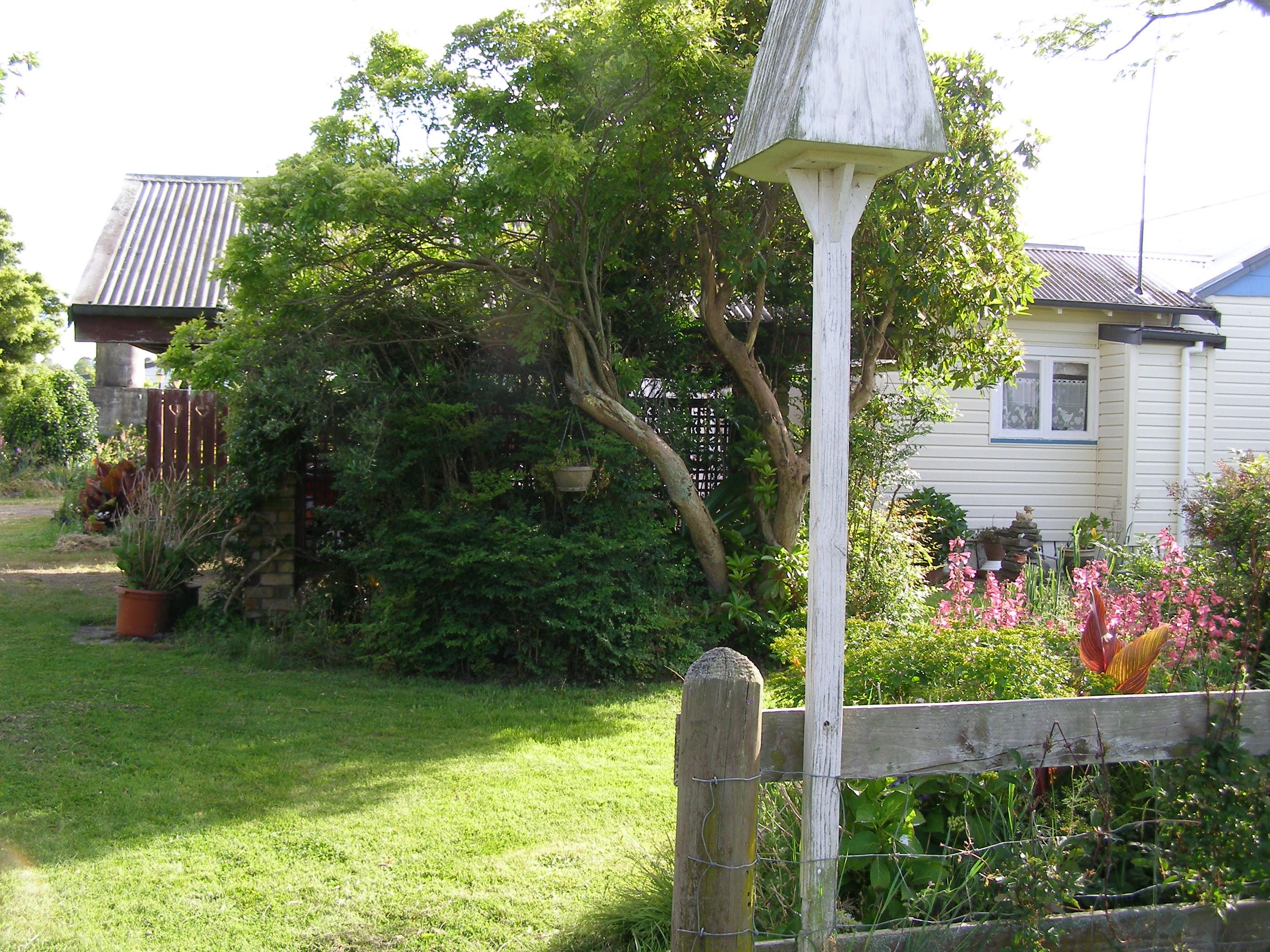
Our side garden

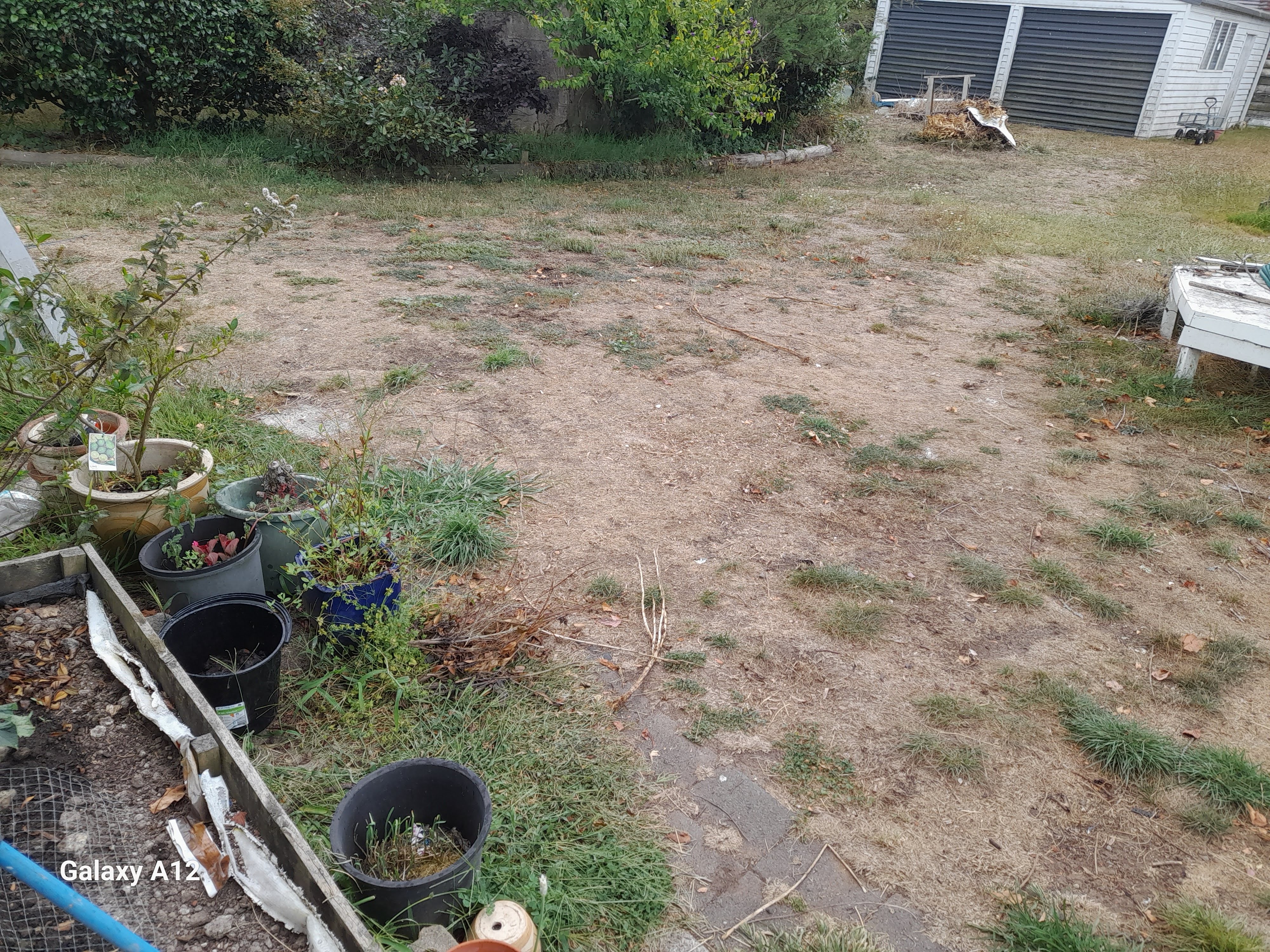
Looking at the lawn, which is going brown and not dying off due to the lack of moisture, and trees whose leaves droop down as if they need drinking water, their roots cannot reach further. Fruit and vegetable seedlings are okay because we ‘hand water’ them with watering cans every second evening, and there is no rain in between. Plant seedlings such as watermelon, capsicums, kumara (sweet potatoes), and tomatoes are okay in the greenhouse. Strawberries and blueberries shrubs often need more water, and I water every second day.

We grew vegetables and fruits from seedlings, and I gave boxes or a couple of bags of food to my workplace, where many families with children, homeless people, a few Deaf adults, and mental health people request food due to poverty. We keep the rest for ourselves when we do not have enough money to buy vegetables and other produce due to high-priced foods and put them in the freezer. We have done a lot of economic stuff, such as DIY, recycling materials, and growing seedlings for many years. We are not rich and do not have enormous incomes, so we pay our house mortgage, loans, and bills like you readers.

Today (Sunday), I took Jacek out for his requests, such as groceries and lunch, as part of my community support work. He asked me how his vegetables and strawberries grow here and whether we keep watering every day. I told him we could not water every day, only every second day without rain. He does not understand drought. However, he knows when the grass turns brown. He thinks every farm should have a couple of large water tanks and waterholes, allow watering, etc. today. I explained to him that everyone does not do this now and that everything is expensive, such as water meter rates, broken tanks, and limited receiving water from the council reservoir tank via the Waikato River. He remembers his old days with his parents at Waihou Farm, which is not far from here and does not understand the change in many farms today. Despite these challenges, the Waikato community remains resilient, finding ways to adapt and survive, inspiring us all with their determination.

walking toward the Cherry Trees field

My partner was preparing for work in the early hours of Monday morning, and at 520 a.m., a video call came through my iPad. The video call was from Ethiopia, where the Deaf lady I supported had been there for her sick mother and to catch up with the rest of her family for approximately three months. Their hour was 720pm evening time. This Deaf lady was pleased to meet her mother and had a sad feeling that her mother could not walk anymore. She was shocked to see the environment where there was no water or drinking water for the community. The people there have no money, and it is difficult to use equipment to draw out water or provide large water tanks. The impact of the drought on her family was heart-wrenching, as they struggled to find food and water. This personal story underscores the human cost of the drought, evoking empathy and understanding from the audience.

Back in Waikato, we do have water meter rates, and rural people pay them once a year. We pay below the high consumable cost of using water because we know how to manage it, apart from my favourite shower, which lasts more than 6 minutes. In the City of Hamilton, I heard many people complain about paying the water meter rate, and they do not seem to understand why. We all need to stop complaining and start looking at ourselves. Are we using too much household water, especially for gardening, cleaning the car and boat with a water blaster, and so on or are we aware of the shortage of water problem from the Waikato River due to intake by the city of Greater Auckland despite the population booms quickly than the Mayor, the council board and Water Care Service thought? Sadly, Waikato Regional Council is waiting for reimbursement from the Greater Auckland and Water Care Service because they promised it. I do not know if they have until I hear more updates from the Hamiton City Council and Waikato Regionals Council.

Finally, we had light rain late in the evening while the dogs fought over a feral rabbit. The middle one, Nova, proudly bought it inside while my partner mentioned something bought home from our dogs. There was not a lot of rainfall this evening, barely under 6mm. It is okay for many trees, fruit trees, and other gardens around here.

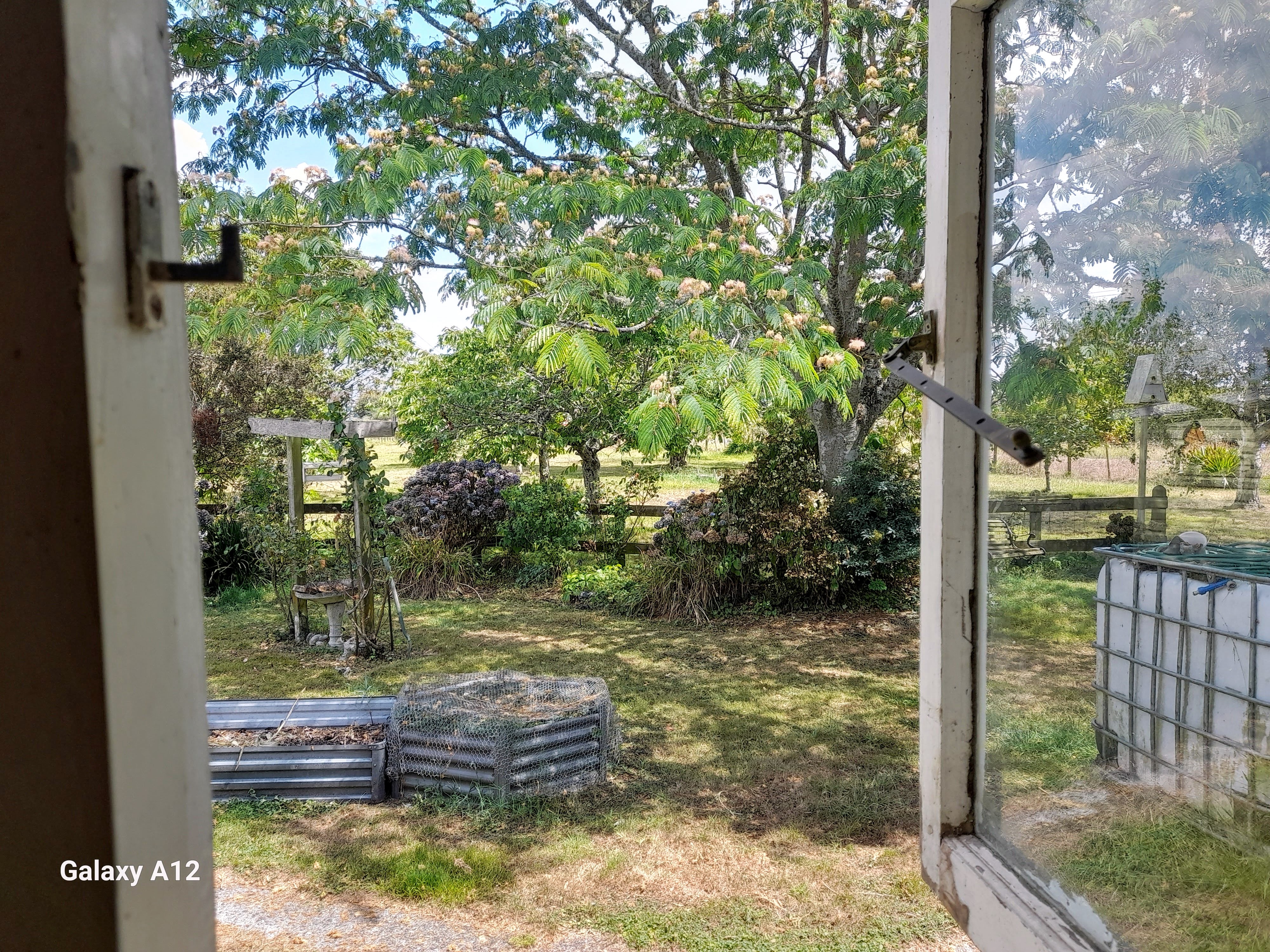
Our courtyard from the sunroom

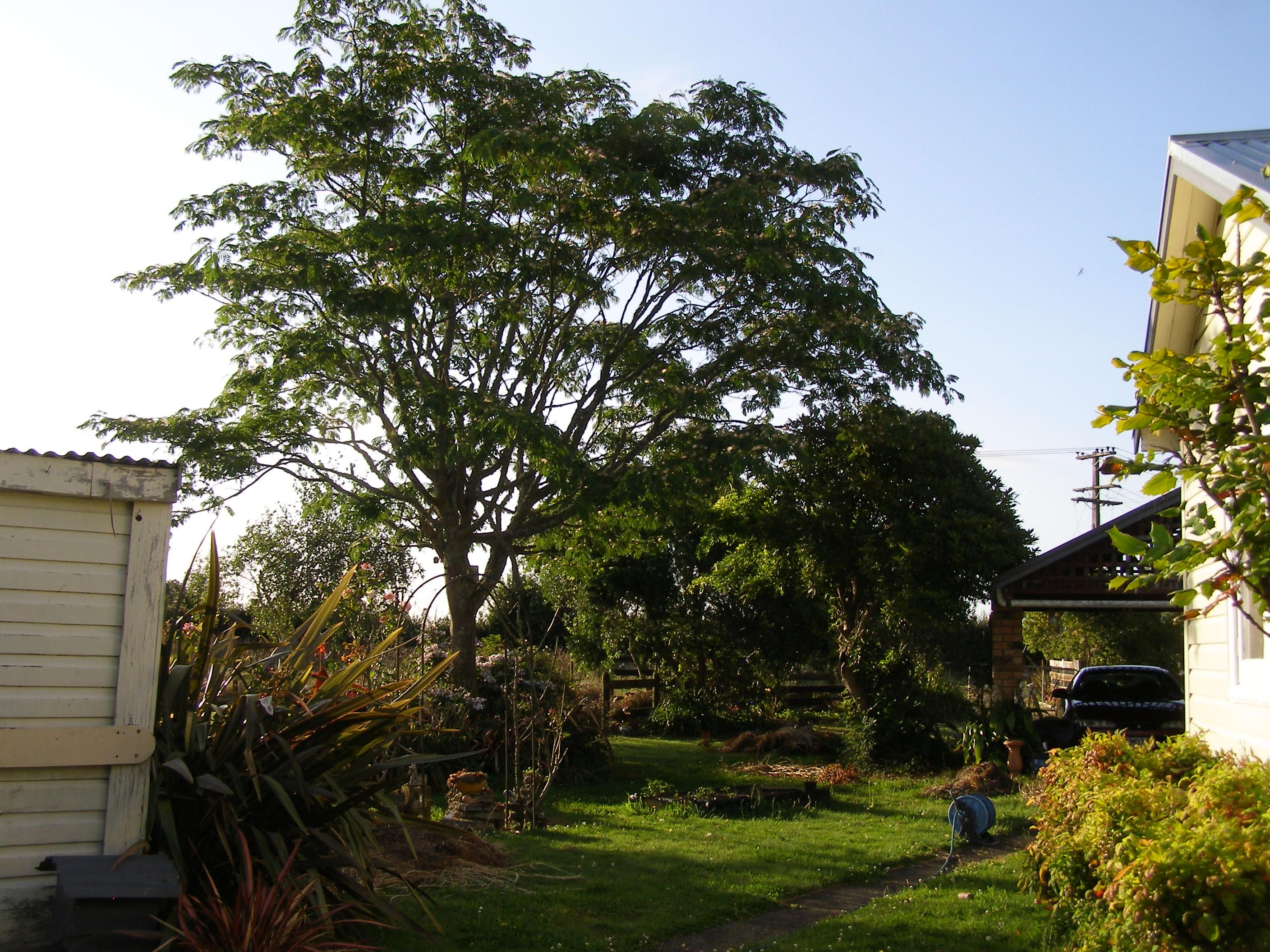
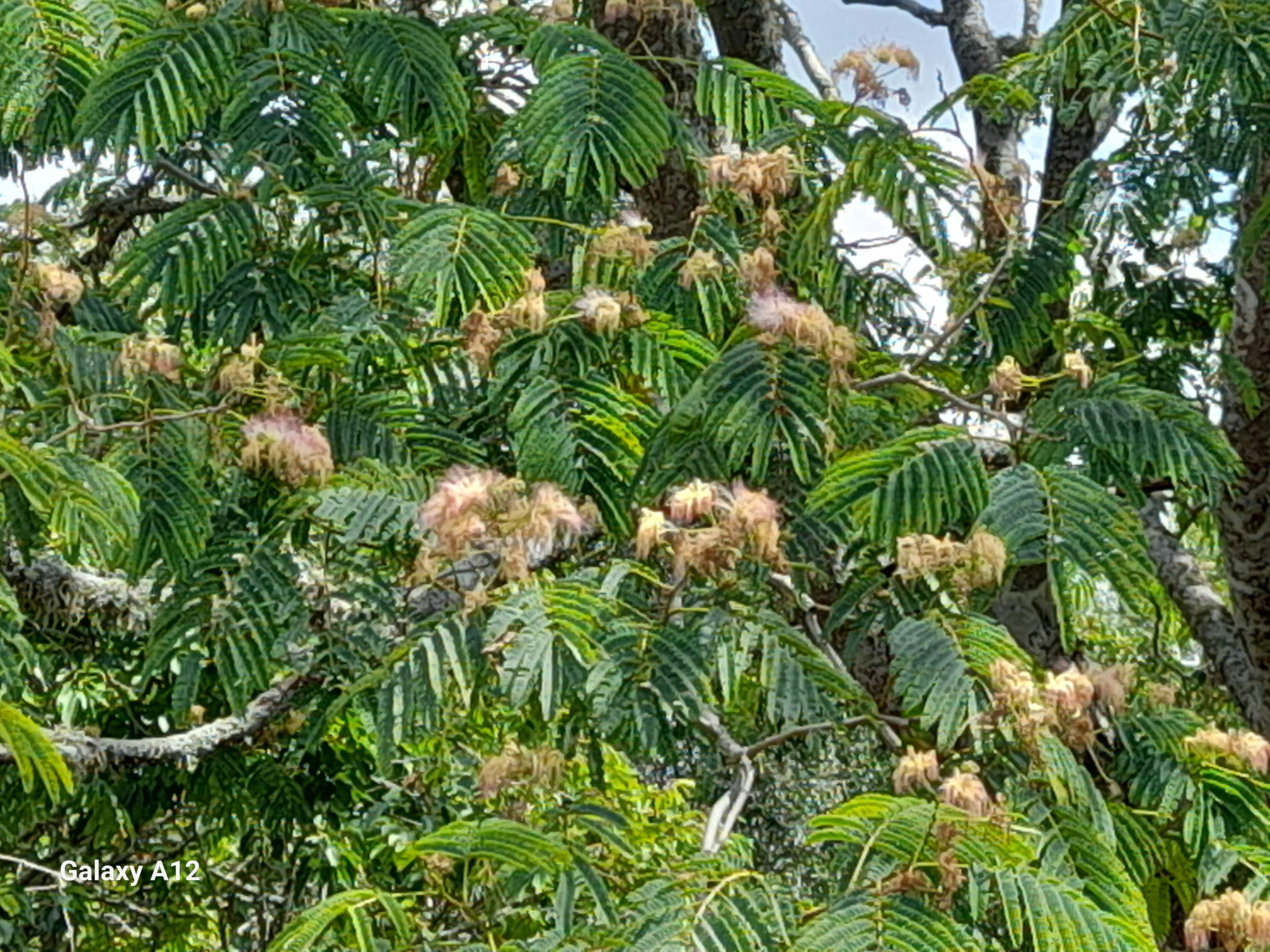
The Mighty tall Silk Tree stands in the ground.

We moved here over ten years ago, and the first sign I saw was a single silk tree standing next to the carport. Fast-forward ten years, and I can see how much the silk tree has grown.

The silk tree, a symbol of resilience, has weathered storms, high winds, drought, and humidity over the years. Despite losing several branches annually to the elements, it continues to stand tall.

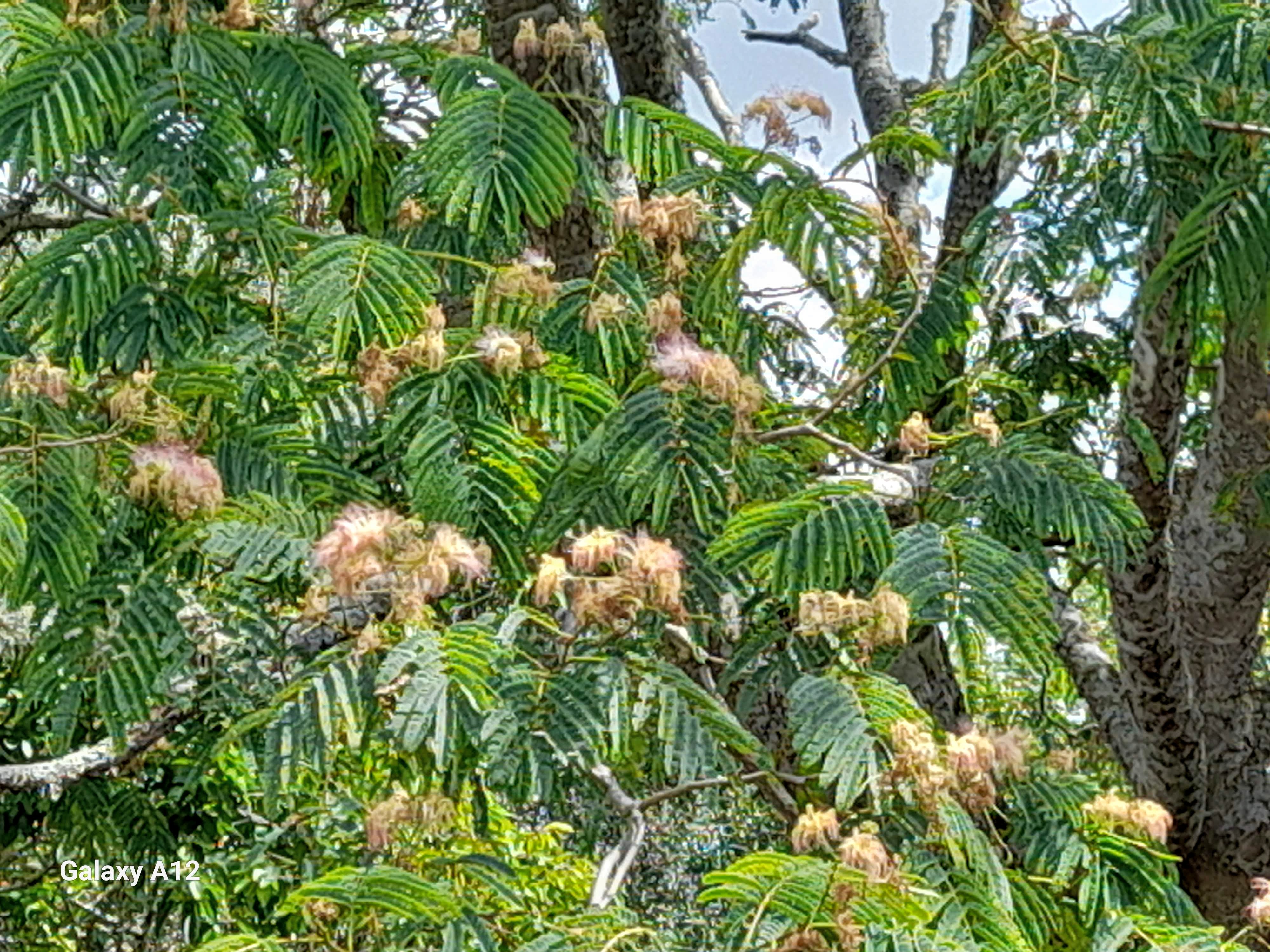
The silk tree, a sight to behold, proudly displays its silky flowers on every branch. Its graceful form and the way it reaches towards the sky from various windows and vantage points around our home is a constant source of admiration.

My partner often said it was time to cut down the silk tree for firewood, and I said firmly, not yet. I know the height by judging that the silk tree is growing taller above the carport now and has not fallen over yet.

I know many people will say several things: loose seeds landed somewhere and produced a new seedling tree faster than a weed, which can cause people to have allergies or hayfever; too many loose leaves floating or landing on top of the flower gardens and the lawn; and many other issues.

The Silk tree provides excellent shade for anyone, especially us and the dogs, to sit down, stand, and look at the flower garden. It also shades flower shrubs, strawberry planters, and vegetable planter boxes. Neighbours often asked if this silk tree needed a lot of water, and I replied no, perhaps only when it was a young seedling tree until it was mature enough to draw water from a metre to more down.

One-Time
Monthly
Yearly

Make a one-time donation

Make a monthly donation

Make a yearly donation

Choose an amount

NZ$5.00
NZ$15.00
NZ$100.00
NZ$5.00
NZ$15.00
NZ$100.00
NZ$5.00
NZ$15.00
NZ$100.00

Or enter a custom amount

NZ$

Your contribution is appreciated.

Your contribution is appreciated.

Your contribution is appreciated.

DonateDonate monthlyDonate yearly