This year, Waikato, a place that holds a special place in our hearts, is facing a silent battle with drought. The impact of this drought is not just on the land and the plants, but it’s also affecting our daily lives and the people in our community.
Over the past decade, Waikato has experienced a significant shift in weather patterns. From 2011 to 2021, we faced droughts at least once or twice a year. However, the period between 2022 and 2023 brought a drastic change, with record-high levels of rainfall over 12 months. The summer was unusually wet, with notable events like the storm on 27 January and Cyclone Gabrielle in February. These weather changes have not only affected our crops and gardens but also our daily routines and health.
The temperature continues to rise to 32oC in Eureka, Waikato. The heat is unbearable for both my eye conditions while I wait for the optimisation for the double surgeries as soon as possible. When I go outside, bright light glares my eyes, and I wear sunglasses to avoid bright light while mining the dogs, especially young pups, are up to mischief or not. Some days, I get tired in the afternoon, and then I head for a ‘granny’ nap for about a few hours. Most people asked me about eye drops, and I replied yes, I have two eye drops – one drop for twice a day and one drop for the night pressures. It is a nightmare. I also have a Cervical Disc Spine degeneration Radiculopathy, and my neck to the right shoulder can be tiring and sore. Yes, as I get older and, becoming a new health condition, I will live with and be frustrated.
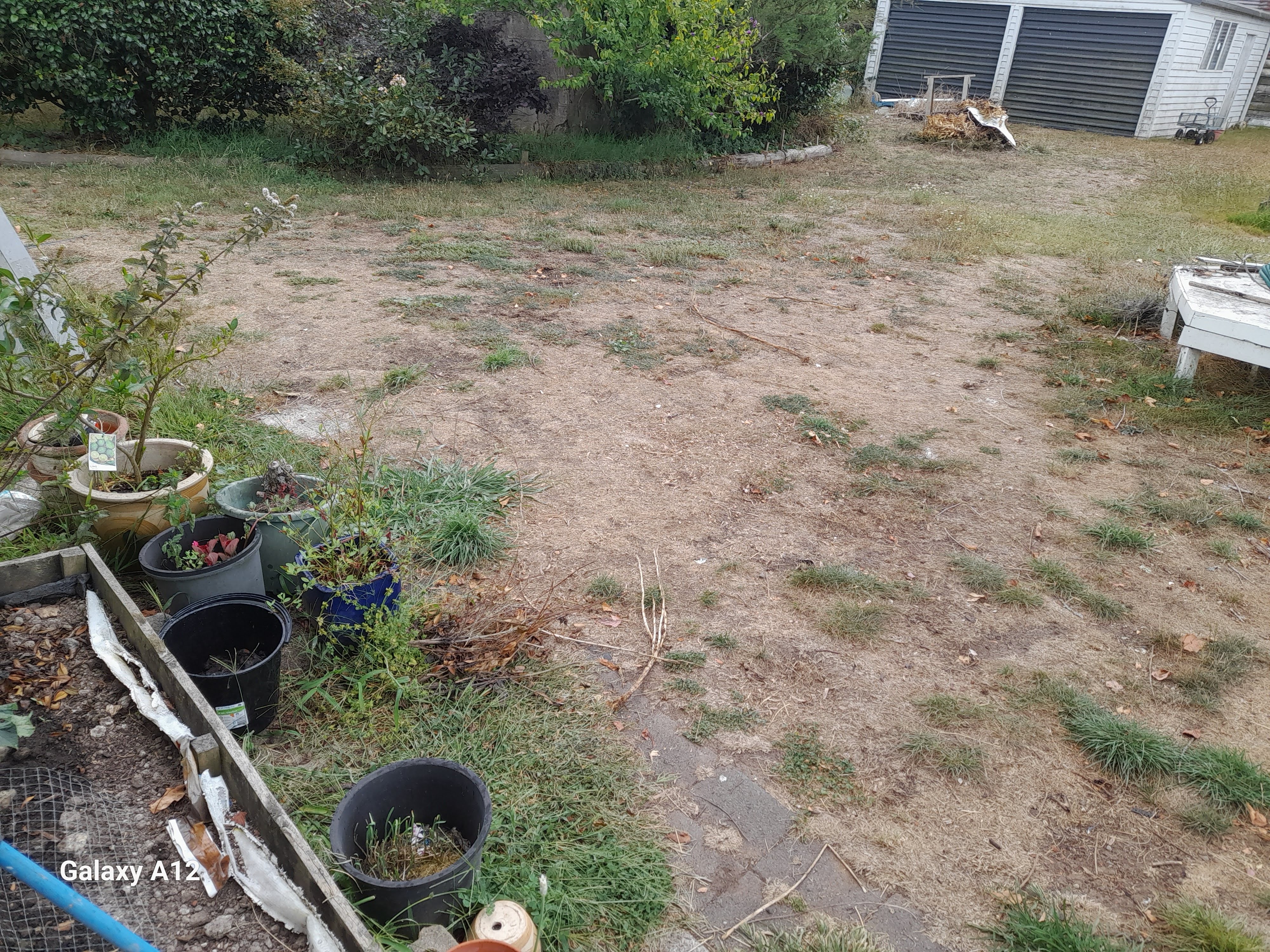
Looking at the lawn, which is going brown and not dying off due to the lack of moisture, and trees whose leaves droop down as if they need drinking water, their roots cannot reach further. Fruit and vegetable seedlings are okay because we ‘hand water’ them with watering cans every second evening, and there is no rain in between. Plant seedlings such as watermelon, capsicums, kumara (sweet potatoes), and tomatoes are okay in the greenhouse. Strawberries and blueberries shrubs often need more water, and I water every second day.
We grew vegetables and fruits from seedlings, and I gave boxes or a couple of bags of food to my workplace, where many families with children, homeless people, a few Deaf adults, and mental health people request food due to poverty. We keep the rest for ourselves when we do not have enough money to buy vegetables and other produce due to high-priced foods and put them in the freezer. We have done a lot of economic stuff, such as DIY, recycling materials, and growing seedlings for many years. We are not rich and do not have enormous incomes, so we pay our house mortgage, loans, and bills like you readers.
Today (Sunday), I took Jacek out for his requests, such as groceries and lunch, as part of my community support work. He asked me how his vegetables and strawberries grow here and whether we keep watering every day. I told him we could not water every day, only every second day without rain. He does not understand drought. However, he knows when the grass turns brown. He thinks every farm should have a couple of large water tanks and waterholes, allow watering, etc. today. I explained to him that everyone does not do this now and that everything is expensive, such as water meter rates, broken tanks, and limited receiving water from the council reservoir tank via the Waikato River. He remembers his old days with his parents at Waihou Farm, which is not far from here and does not understand the change in many farms today. Despite these challenges, the Waikato community remains resilient, finding ways to adapt and survive, inspiring us all with their determination.
My partner was preparing for work in the early hours of Monday morning, and at 520 a.m., a video call came through my iPad. The video call was from Ethiopia, where the Deaf lady I supported had been there for her sick mother and to catch up with the rest of her family for approximately three months. Their hour was 720pm evening time. This Deaf lady was pleased to meet her mother and had a sad feeling that her mother could not walk anymore. She was shocked to see the environment where there was no water or drinking water for the community. The people there have no money, and it is difficult to use equipment to draw out water or provide large water tanks. The impact of the drought on her family was heart-wrenching, as they struggled to find food and water. This personal story underscores the human cost of the drought, evoking empathy and understanding from the audience.
Back in Waikato, we do have water meter rates, and rural people pay them once a year. We pay below the high consumable cost of using water because we know how to manage it, apart from my favourite shower, which lasts more than 6 minutes. In the City of Hamilton, I heard many people complain about paying the water meter rate, and they do not seem to understand why. We all need to stop complaining and start looking at ourselves. Are we using too much household water, especially for gardening, cleaning the car and boat with a water blaster, and so on or are we aware of the shortage of water problem from the Waikato River due to intake by the city of Greater Auckland despite the population booms quickly than the Mayor, the council board and Water Care Service thought? Sadly, Waikato Regional Council is waiting for reimbursement from the Greater Auckland and Water Care Service because they promised it. I do not know if they have until I hear more updates from the Hamiton City Council and Waikato Regionals Council.
Finally, we had light rain late in the evening while the dogs fought over a feral rabbit. The middle one, Nova, proudly bought it inside while my partner mentioned something bought home from our dogs. There was not a lot of rainfall this evening, barely under 6mm. It is okay for many trees, fruit trees, and other gardens around here.

 Life in Eureka