Te Wiki o te Reo Māori (Māori Language Week) is a profound celebration that unveils the beauty and depth of the Māori language, inviting us to explore its richness and diversity.
As we approach the 50th anniversary of Te Wiki o te Reo Māori, a week that holds immense historical significance,
Tēnā koutou/Tēnā koe e hoa
There are 15 distinct sounds within the Māori alphabet. They are:
- five vowels: a, e, i, o, u
- eight consonants: h, k, m, n, p, r, t, w
- two digraphs (two letters that combine to form one sound): wh, ng.
Double long vowels (Macrons (tohutō or pōtae) and double vowels show where a vowel is lengthened, for example, in words like ‘rōpū’ and ‘roopuu’ (group).
Combinations of vowels (diphthongs) are common; examples of diphthongs are au, ao, ea, ia, ou, oa.
a, (short vowel) papa (earth)
ā, (long vowel) pāpā (father)
e, (short vowel) kete (kit)
ē, (long vowel) pēke (bag )
i, (short vowel) mihi (greeting)
ī, (long vowel) tītī (mutton bird)
o, (short vowel) oma (run)
ō, (long vowel) tō (your)
u, (short vowel) huruhuru (hair)
ū, (long vowel) tūrū (chair)
https://www.maorilanguage.net/how-to-pronounce-maori/
“Mā mua ka kite a muri, mā muri ka ora a mua,” which translates to “Those who lead give sight to those who follow; those who follow give life to those who lead”.
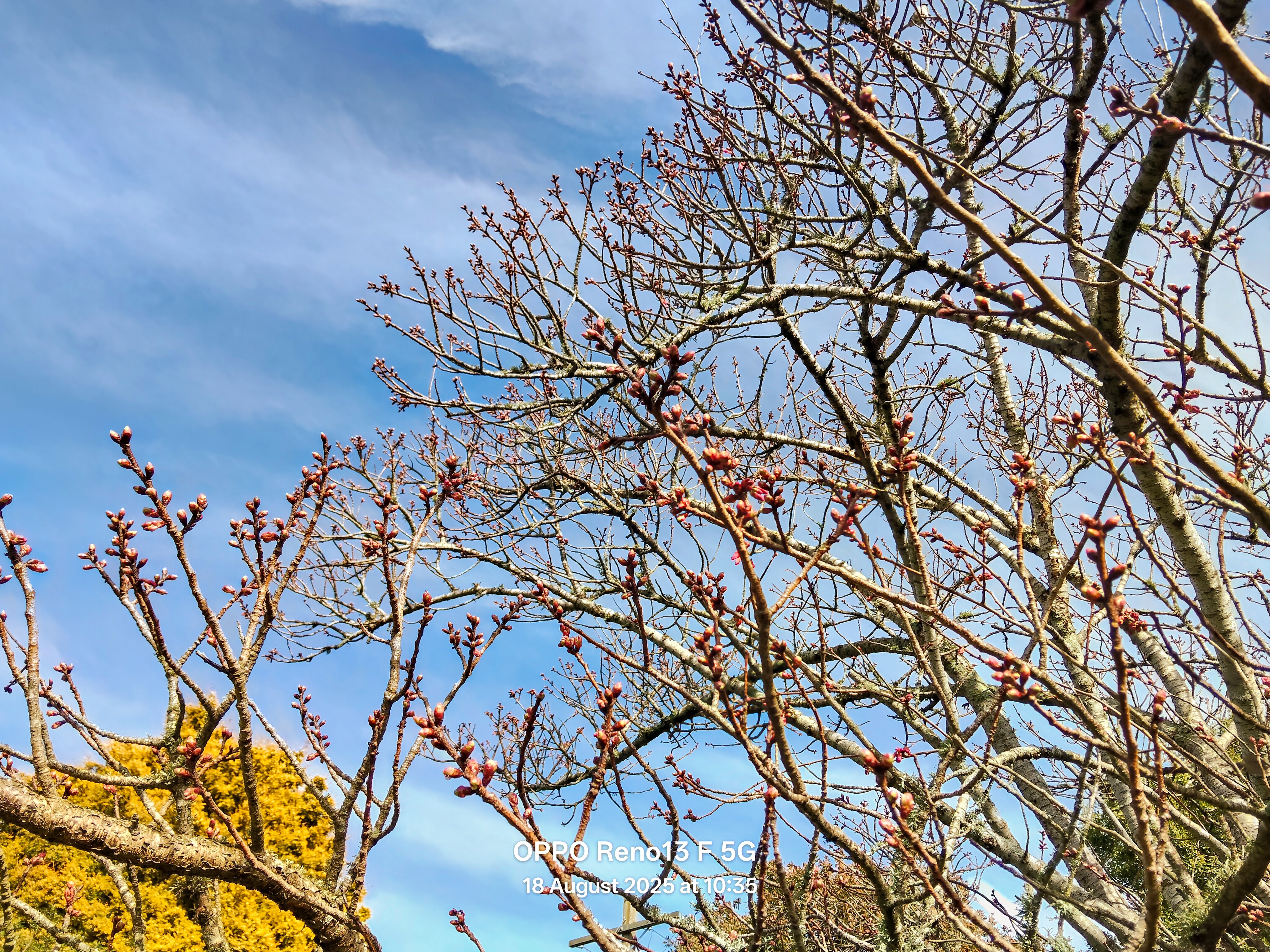
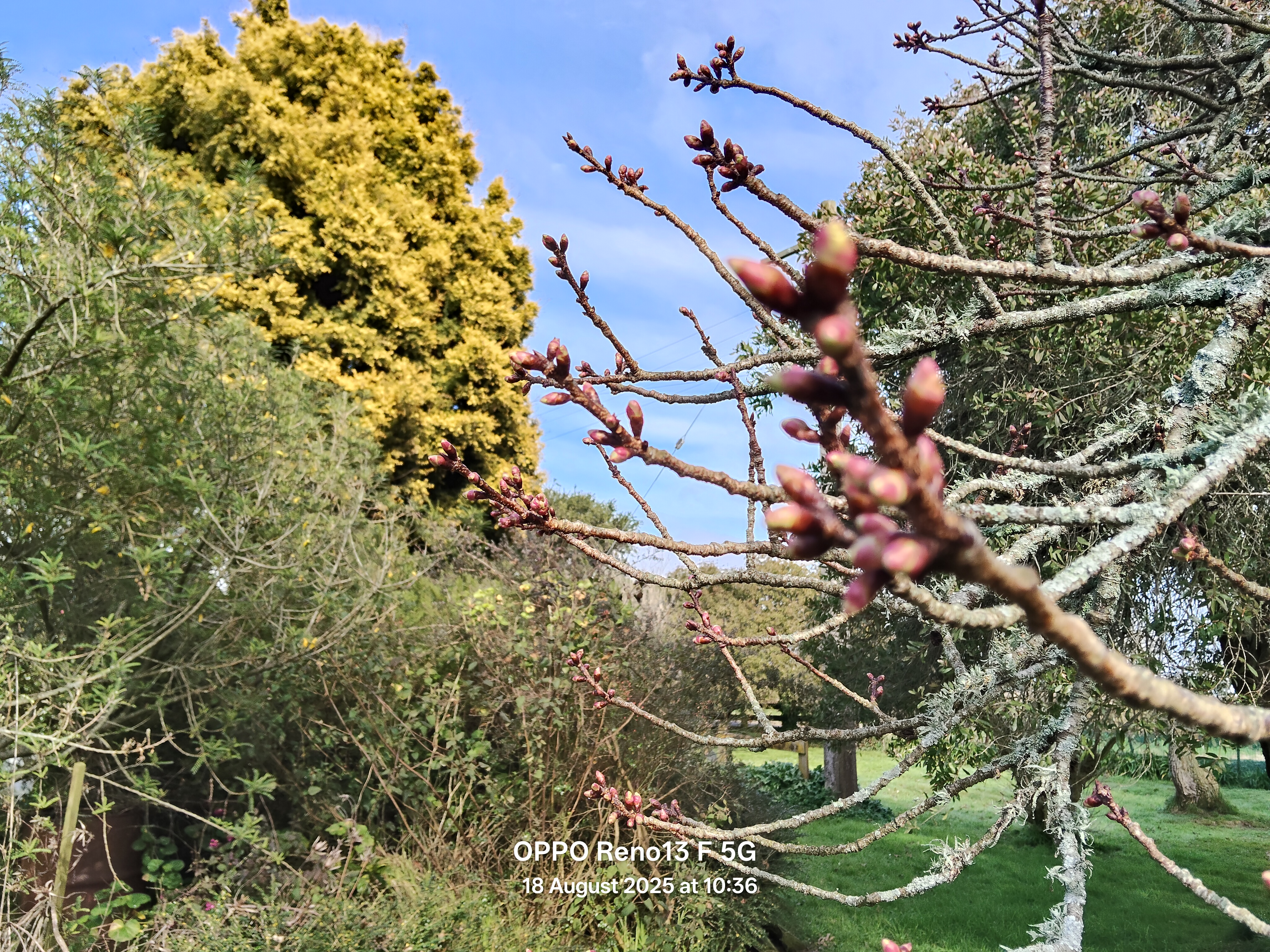
Iti noa ana he pito mata.
From the withered tree, a flower blooms.

Understanding and learning Te Reo sign language for the Tangata turi Māori is not just a crucial step towards cultural understanding and inclusivity, but also a mark of respect and consideration.
The official language, Te Reo, was introduced into Parliament after a long campaign, protests, and protest marches. This protest marked a significant milestone in the language’s history, demanding the right to be taught in all schools and government agencies. Te Petihana – The Petition was handed in 1972 by two of these groups, which were student organisations: Auckland-based Ngā Tamatoa (The Young Warriors) and Victoria University’s Te Reo Māori Society. https://www.parliament.nz/mi/visit-and-learn/history-and-buildings/te-rima-tekau-tau-o-te-petihana-reo-maori-the-50th-anniversary-of-the-maori-language-petition/te-petihana-reo-maori-the-maori-language-petition/
Over thousands of years ago, Māori people originated from East Polynesia and began arriving in Aotearoa in several waves of waka voyages between approximately 1250 and 1300 CE. European people arrived later as explorers, traders, sealers, and church missionaries to Aotearoa. Over two hundred years ago, there was a brink of speaking Te Reo throughout Aotearoa, with ups and downs. Meanwhile, the Ministry of Education banned the use of Te Reo in schools across Aotearoa, leaving children speaking Te Reo at home and in their communities. Note that there was no officially recognised language in English since the Parliament opened here; everyone speaks English, along with other languages such as Dutch, Irish, and many other languages.
Te Reo Māori started to decline at a time when many Māori linguists, Māori MPs, and Kaumātua (Māori elders) noticed grave concerns and began to campaign for its revival in the 1980s. Māori was made an official language of New Zealand under the Māori Language Act 1987. For more information on this history, please visit the following link.
History of the Māori language | NZ History
Let’s explore our official NZSL (New Zealand Sign Language), and note that there was no Te Reo sign language by the Taangata turi Māori from the 1980s. I was in London, UK during the OE in 2004, 2005 and 2006, and was requested by one of the MPs who is related to our family to visit the House of the Lord by seeking the document in Education and officially in the language there. The reason was that the official language, such as NZSL, was in English, omitting Te Reo sign language at the time for the Deaf community. NZSL became official on April 11, 2006, under the NZ Sign Language Act, and I recall that day because it coincided with my late cousin’s birthday during the third reading of the bill in Parliament.
Today, many Taangata turi Māori are learning to understand and use Te Reo to fit into Māori Sign Language concepts by using English words, such as elder vs Kaumātua, in a different sign or similar. It is a long journey for them to learn to understand how to sign the correct meaning to fit into Te Reo, meaning, how to break down the clusters of meaning from Te Reo. For example, my childhood memory is of Ruakura, outside Kirikiriroa (“long stretch of gravel”) in Hamilton, and the Ruakura Agriculture Research Centre. Waikato Agricultural College and Model Farm was established in 1888 in Ruakura, where our family had been farming for many years. The sign language for Ruakura is tapping double ‘r’ as a crooked finger on the palm. This sign language is okay, and I prefer to sign ‘pit’ and ‘red’ colour, connecting to the meaning of Ruakura.
‘RUAKURA IS NAMED AFTER A PIT IN THE AREA THAT WAS USED TO BURN IRON OXIDE’. Traditionally, large pieces of iron oxide found in swamps were heated by burning in a fire to produce a powdery red pigment. Māori people mixed water with the sacred red Kokowai (ochre), which was used for painting tapu ceremonial objects, koiwi and carvings. Burning the red oxide stained the pit red, thereby giving rise to the name Rua (hole or pit) kura (red)’. Source: An Assessment of the Potential Impact that any expansion and development of the Ruakura Estate might have on Cultural Values and Mana Whenua by NaMTOK Consultancy Ltd (November 2011) https://ngatihauaiwitrust.co.nz/wp-content/uploads/2018/12/Final-Presentation-to-Hui-a-Iwi-28-October-2018.pdf
Yes, there is another meaning, which is feather plumes or treasures. Taangata turi Māori and the Deaf people in the community need to learn to understand the meaning of Te Reo, the history and how to sign correctly. It is not about the right or wrong way to sign for anyone in the community.
On Facebook, there is one page that I enjoy watching the most, from a person who helps anyone pronounce words correctly. Paaka Davis – Māori Content Creator, and one of his videos was about how to pronounce Aotearoa. Here is the link

 Life in Eureka