Testing the time as the day went by!

Having two weeks break under one Disability Organisation, and I am on the second week of the break, despite the weather not being so great for me to start with the garden weeding, planning the jobs in the garden and many other lists. That is okay!

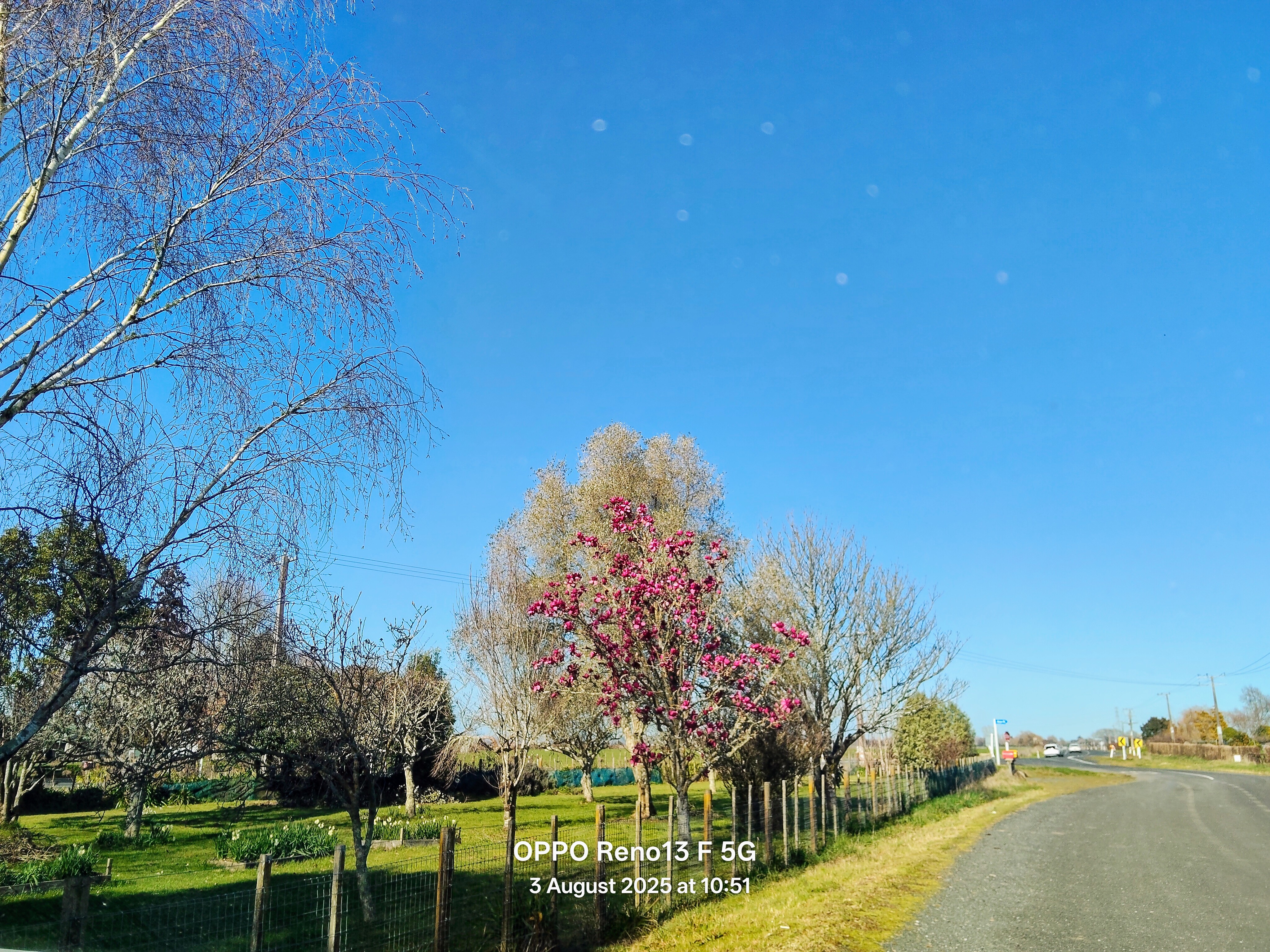
As you’re aware, Spring has already sprung here, and we’re eagerly awaiting the arrival of Summer! The anticipation is palpable, and I can’t wait to see how the garden transforms with the change in season. The excitement is contagious, and I hope you’re as thrilled as I am for what’s to come. It’s a journey we’re all part of, and I’m excited to share it with you.

It’s a delight to see the bees buzzing around the fresh flowers, diligently collecting pollen for honey and pollinating other blooms. Their presence is a reminder of the interconnectedness of nature, and I’m deeply grateful for their role in the garden. It’s moments like these that make me appreciate the beauty of our natural world.

New seedlings popped up, and it is not yet ready for planting in the vegetable garden. I need to think carefully about a rabbit-proof barrier around the seedlings in the garden. Yes, I do have rabbit-repelling stuff, such as a combination of physical obstacles and natural deterrents like certain plants, and it is working well. Mm, better throw out plenty of pumpkin seeds there and over there, anywhere.

The strawberry garden is thriving, and it’s a joy to see the urgent need for weeding and weekly fruit fertiliser. The same goes for the Blueberries garden-they’re doing well and it’s a testament to the care and attention they’ve received! It’s truly inspiring to see the results of our hard work, and it fills me with hope for the future of our garden.
I am focusing on doing plant cuttings and contacting a couple of friends I know who have dahlia bulbs before Labour Weekend. By looking at the weather forecast, a Labour Day Monday is not going to be good; however, who knows what the weather will bring for us in Waikato? The anticipation for these upcoming plans is palpable, and I can’t wait to see how they unfold.

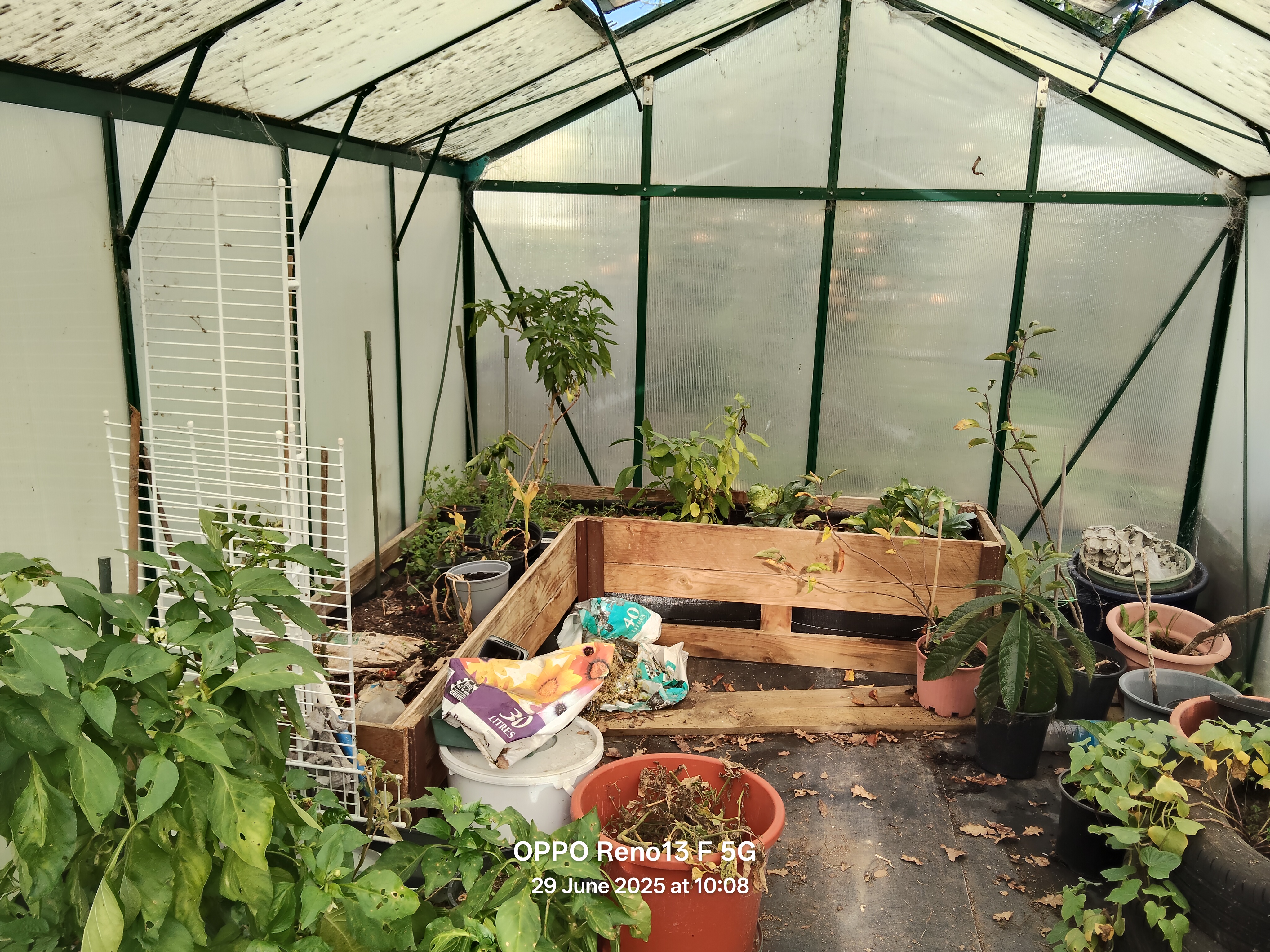
The greenhouse needs a bit of tidying up while caspuim plants are still producing caspuim fruits through Winter to present. Kumuras are ready for digging out and preparing for the next stage of planting fresh kumuras inside the greenhouse for a long, productive period of time. Just like Potatoes, too!

No fear for my last week of the holiday break, I am looking forward to an extended annual leave under two organisations before Christmas 2025 until mid-January 2026. It is a once-a-year one-month leave.

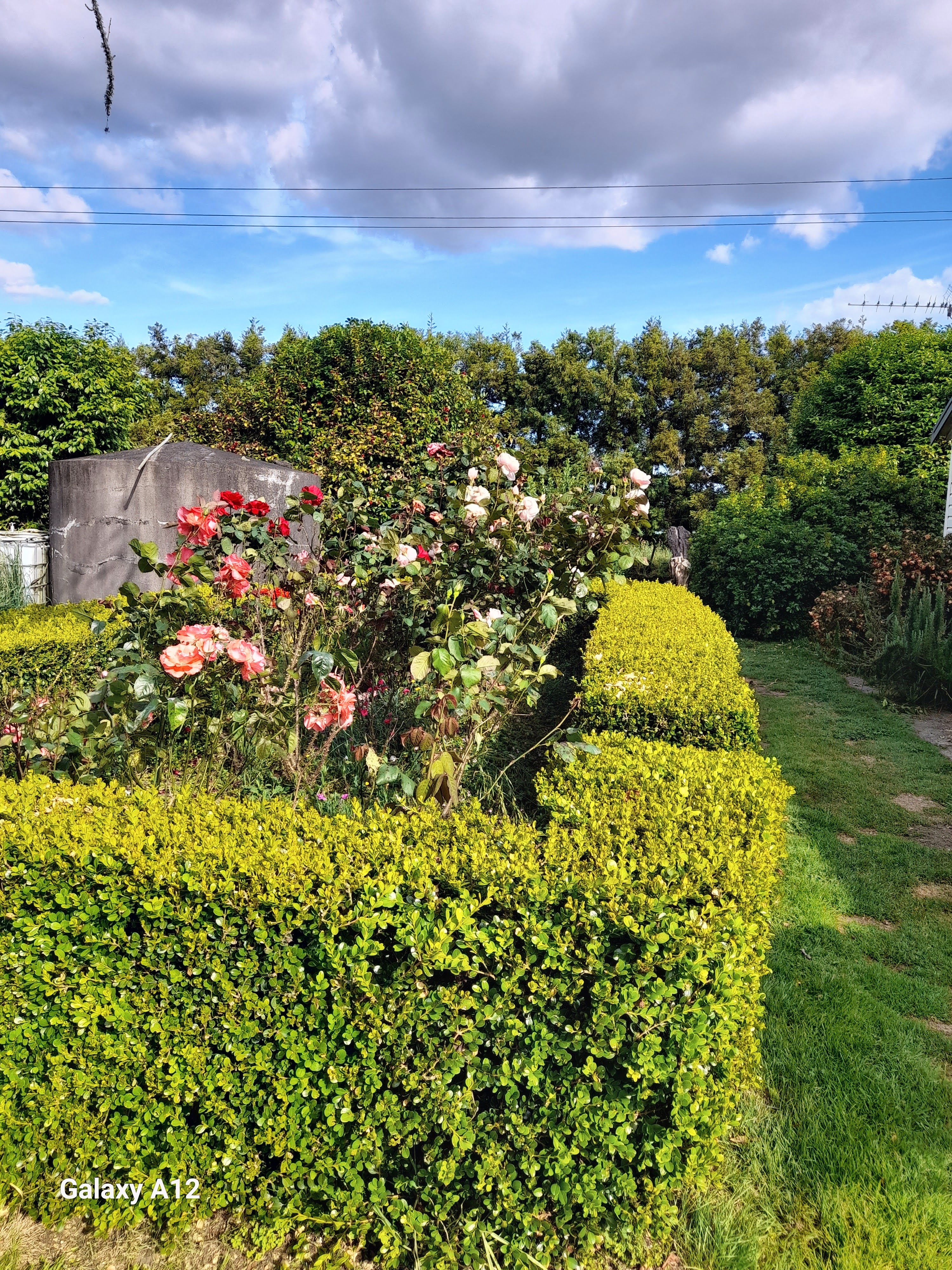
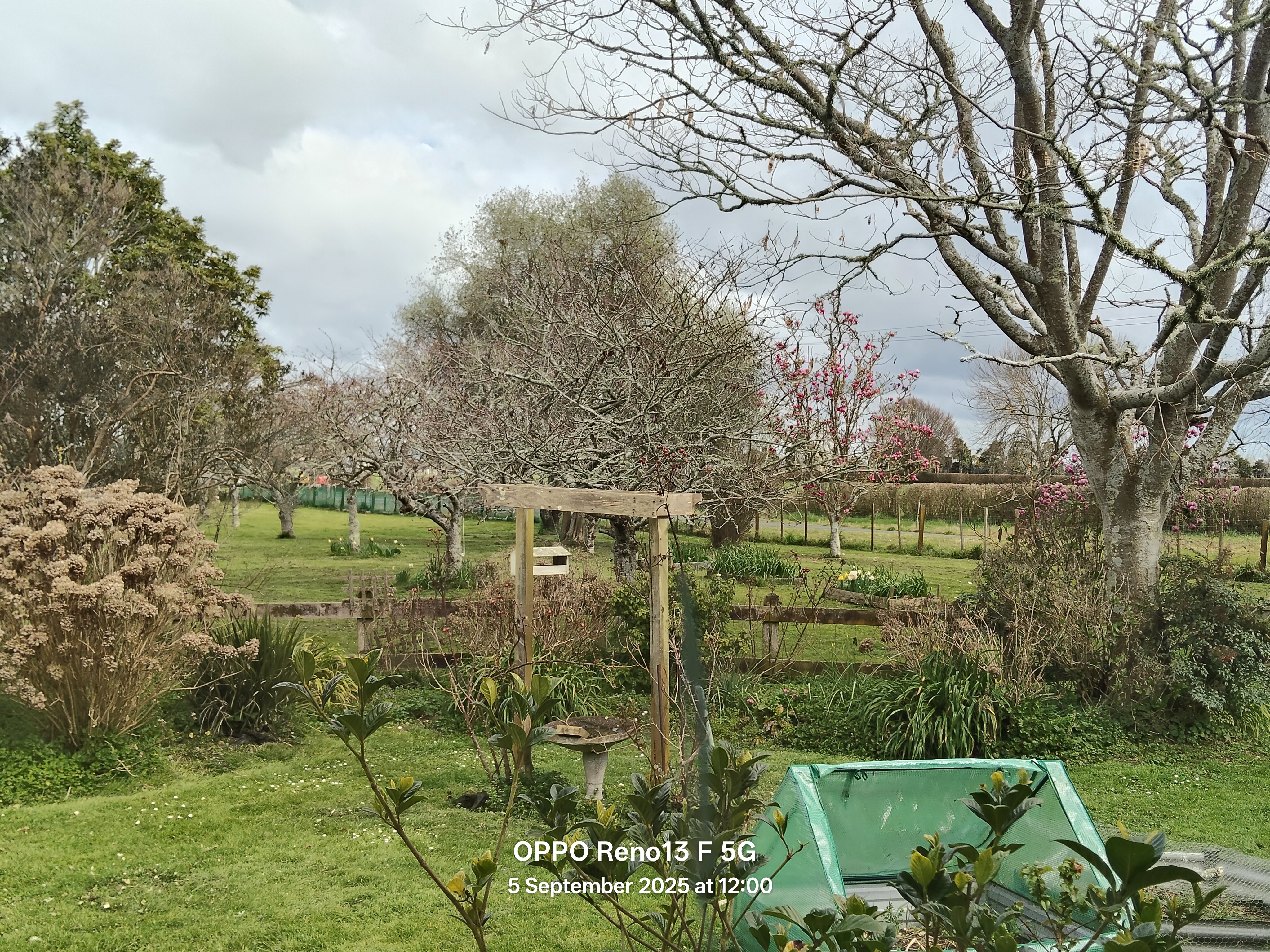
Flowering shrubs and trees are doing well, and there is plenty of time to do pruning of old branches and trimming heights once winter flowering finishes. The Five Cherry trees field will be displayed with flowers, not fruits, in one large field. Roses are coming out, and fear not about late pruning. I will trim and remove the dead stems and branches in the rose garden. There is no harm done if anyone forgot to do the pruning of the roses or not.

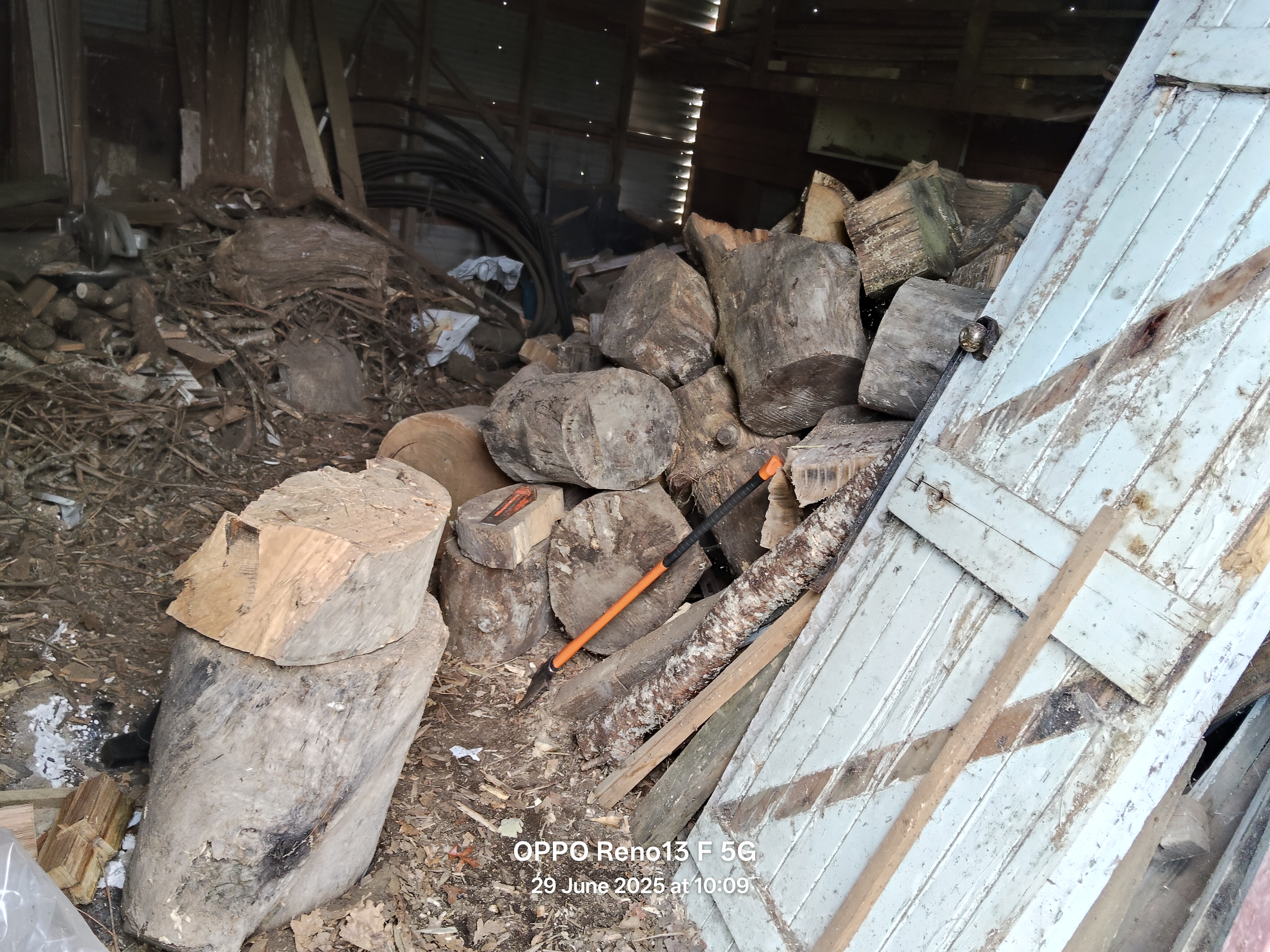
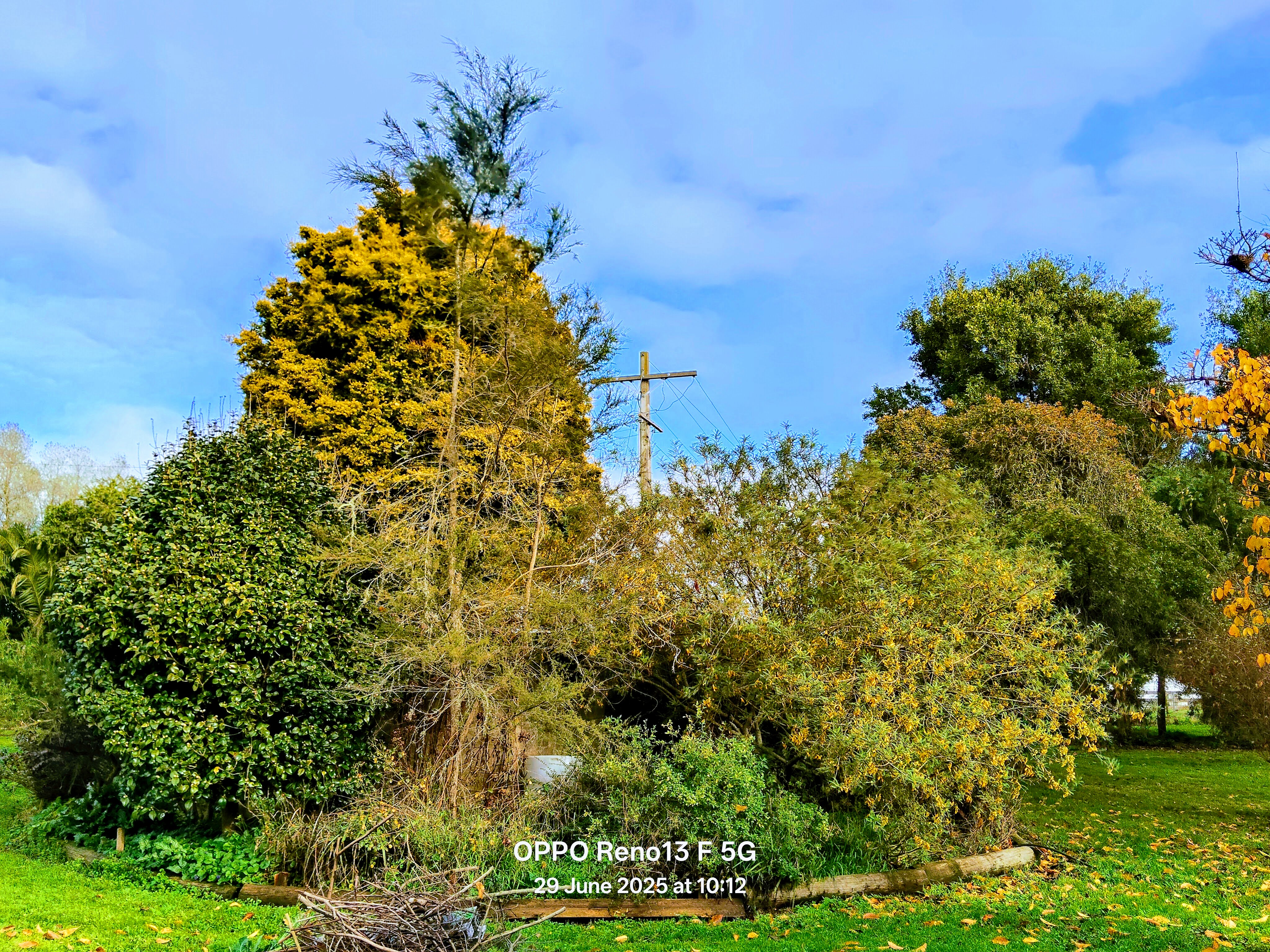
The large centre garden, as I call it, the Golden Totara garden, is a special place where the beautiful display of colour of the golden totara tree stands tall and mightily displays colours of the changing seasons every year. Currently, the shrubs, Manuka shrubs and kowhai tree need attention to do jobs such as trimming, weeding and laying down mulch of old totara leaves and branches, which were trimmed back by one of my Christian friend’s sons, who is an aborist qualified and runs a business early this year. Sigh, by seeing the last chunks of logs waiting to be cut up and stored in the large barn for firewood within one to two years.
Mm, there are lots more shrubs, lavender shrubs, bottlebrush trees and many more in our large property. We bought our homes (there were two houses – one house now) with a double carport, a double garage and a large barn over 50 years back in October Labour Weekend in 2014. The gardens grew by adding more trees, vegetables and fruit trees and expanding the size to allow the control of wind breaks and privacy screening. Mm, Flaxes, a type of plant that we particularly love for its beauty and resilience, reminding me, and I need more flaxes from a large flaxes section, the point head of the intersection of the state highway road and a small public road. By putting more flaxes, we will be planting along the entrapment stream opposite the private farms – share farming. This section will control a place for many ducks, pukeos, of course, bloody rabbits, a nest and a security place while maintaining flaxen fences border lines to stop erosion of the banks, despite the ever-changing nature of Global Warming becoming increasingly alarming and destroying the environment.

We love our home and gardens until we decide to move within fifteen or twenty-five years with our dogs, because we are over 60 years old and continue to work.

Invisible Disabilities Week, October 19 – 25, 2025.

#invisibledisabilitiesweek

#seetheinvisible

Let’s come together to celebrate our Invisible Disabilities Week, a time to raise awareness and understanding about the millions of invisible disabilities that many may not realise exist. This week is an opportunity to learn, share, and most importantly, support those living with invisible disabilities. By understanding their challenges and offering our empathy and support, we can make a significant difference in their lives. Let’s strive for inclusivity, acceptance, and understanding, as advocated by the Hidden Disabilities Sunflower. Our understanding and empathy can be a powerful force for change.

As a person living with invisible disabilities, I navigate daily life in a rural community outside Hamilton City, New Zealand. My invisible disabilities include deafness, Cervical Disc-Spine degeneration and radioculopathy of my right side from the neck, the shoulder and arm, Rheumatoid Arthritis, Endometriosis, migraine, hypertension, thyroid gland-T4 (thyroxine), glaucoma/cataract implant lens, chronic sinus and asthma conditions. These are the many symptoms I live with, but I don’t dwell on my severity. However, I often find that people, including my D/deaf friends, struggle to understand my experiences. I share these experiences to foster a sense of community and understanding among those living with invisible disabilities.

I write various types of blogs, including Deaf History, Dogs’ Tales, Life in Eureka, Waikato Deaf Society/Waikato Deaf Units, and a few more domains on WordPress. I enjoy writing, thinking, exploring, researching, and mentoring, all while enhancing the experiences of diverse audiences worldwide, because everyone is unique. By writing blogs across several domains, I help myself improve my writing in English and other languages and gain more confidence to share with you and others, such as in cognition, reasoning, reflection, pondering, contemplation, and ideation. In other words, philosophical thinking is a critical, reflective, abstract, and logical process aimed at pursuing truth and knowledge, examining values, and developing personal worldviews. It involves questioning assumptions, connecting ideas logically, and critically evaluating information to understand fundamental concepts, ethics, and the nature of existence itself. Please note that I am not a paid writer/historian/researcher at present, and I am seeking funding grants and donations to support my ongoing work.  

Let’s explore the diverse spectrum of invisible disabilities you may have come across – Crohn’s disease, MS (Multiple Sclerosis), ME (Myalgic Encephalomyelitis, also known as Chronic Fatigue Syndrome – CFS), Fibromyalgia Syndrome (FMS), ADHD (Attention Deficit Hyperactivity Disorder), Aphasia, autism, chronic obstructive pulmonary disease (COPD), Coeliac Disease, dementia, dyslexia, Ehlers-Danios Syndrome, and Endometriosis. What about two different types of diabetes, Dysautonomia, asthma, epilepsy, Foetal Alcohol Spectrum Disorder (FASD), Functional Neurological Disorder (FND), Haemophilia, Long COVID, Lupus, Migraine, Narcolepsy, Ostomy, Pancreatic Cancer, Parkinson’s, Peri/menopause, poTS, Scleroderma, stuttering, Tourette’s Syndrome and Ulcerative Colitis? Yes, these are all invisible disabilities, each with its unique challenges and experiences.

Societies around the world are not immune to ableism and disablism in the workplace and in communities. The disadvantage of these problems is that they are often perceived by other ‘able-bodied’ people, even without knowledge of disabilities, such as wearing glasses, dentures, and the main problem is a lack of understanding of our invisible disabilities out in the communities.

I want to highlight these problems. I used AI copy and paste here for you –ableism refers to the systemic valuing of able-bodiedness, which creates barriers and disadvantages for disabled people. In contrast, disablism is the specific, direct discrimination and oppressive behaviours that result from this underlying ableist ideology. 

Ableism

  • What it is: A system that values and prioritises the abilities of non-disabled people, also known as able-bodied privilege.
  • How it works: It shapes society to fit the needs of non-disabled individuals, creating physical and attitudinal barriers for people with disabilities.
  • Examples:
    • Buildings without ramps or elevators make them inaccessible to wheelchair users.
    • Lack of captions in online videos excludes deaf and hard-of-hearing individuals.
    • Workplaces are failing to make reasonable adjustments for employees with disabilities. 
    • Lack of Sign Language Interpreters in public meetings, events, staff training/meetings and media

Disablism

  • What it is: The discrimination, prejudice, and abusive actions or behaviours directed at disabled people. It stems from the belief that disabled people are inferior.
  • How it works: It can involve conscious discriminatory actions or behaviours, as well as less obvious prejudices.
  • Examples:
    • Using offensive or patronising language when speaking to a disabled person.
    • Ignoring or excluding someone with a disability.
    • Making assumptions about what a disabled person can or cannot do. 

The Relationship Between Ableism and Disablism

  • Ableism can be viewed as the underlying societal ideology that fosters an environment where disablism thrives.
  • Disablism is often the direct manifestation of ableist beliefs and practices.
  • Both concepts are crucial for understanding and dismantling discrimination against people with disabilities and for promoting a more accessible and inclusive society. 

I know a large group of people with invisible disabilities here, and they do not have full-time work like me; a small number of them are on part-time work under 25 hours a week. We are advocates for human rights to various agencies, Government agencies, and businesses. We, along with other groups such as low-income families, homeless people, seniors with disabilities and poverty groups, are unable to afford the cost of living, such as rent, mortgages, food prices, and power/wifi. The critically important thing is to remove ableism and disablism from laws, policies, acts, and other types of legislation by making our lives equal in society as one whole world. This slogan is our mission – ‘Nothing about us without us‘. Let’s work together to bring about this change.

In New Zealand, we have a small organisation called the Hidden Disabilities Sunflower to encourage inclusivity, acceptance, and understanding. Not just in New Zealand, there are global networks, such as The Hidden Disabilities Sunflower.

https://hdsunflower.com/au/about-hidden-disabilities-sunflower

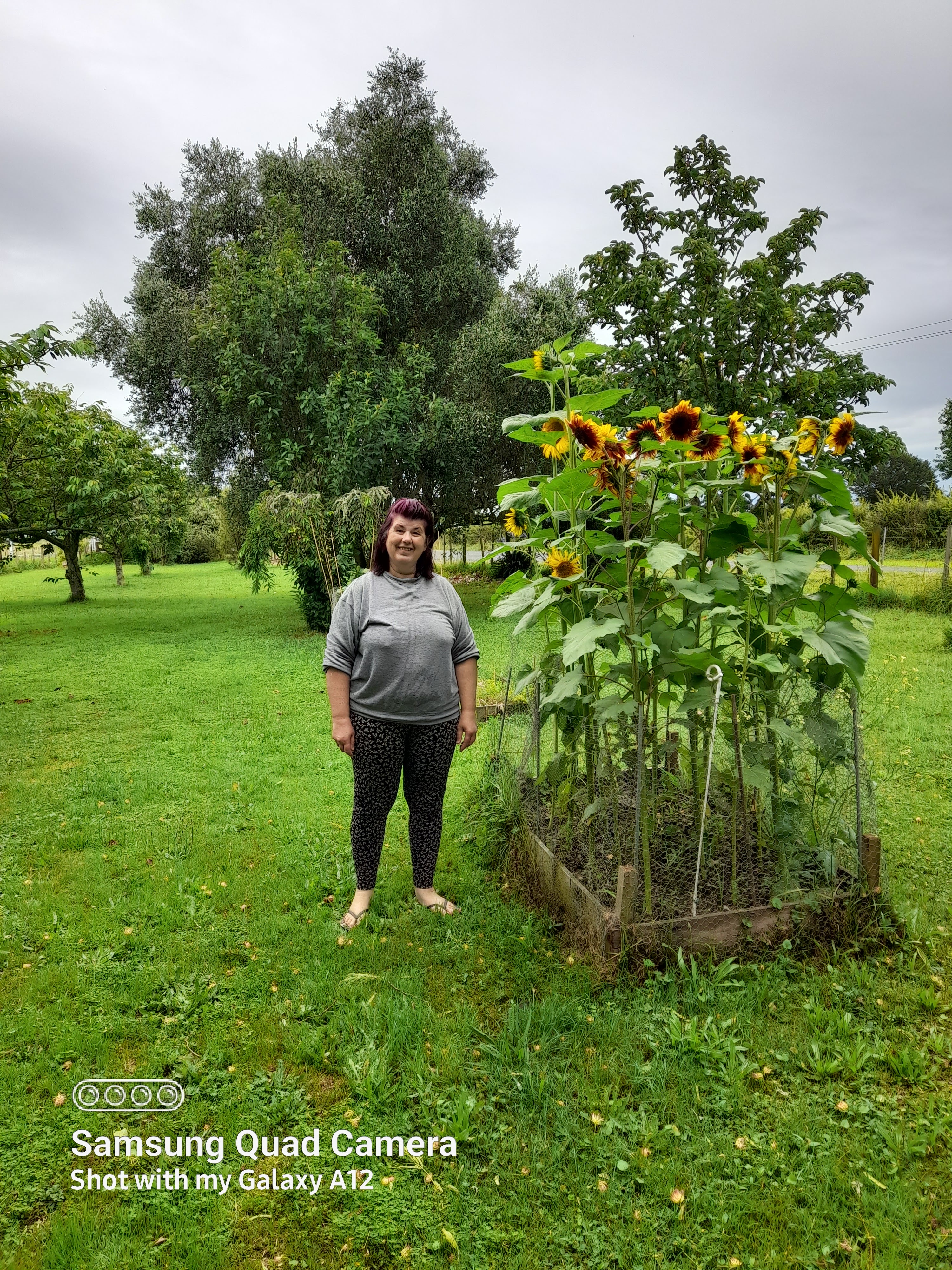
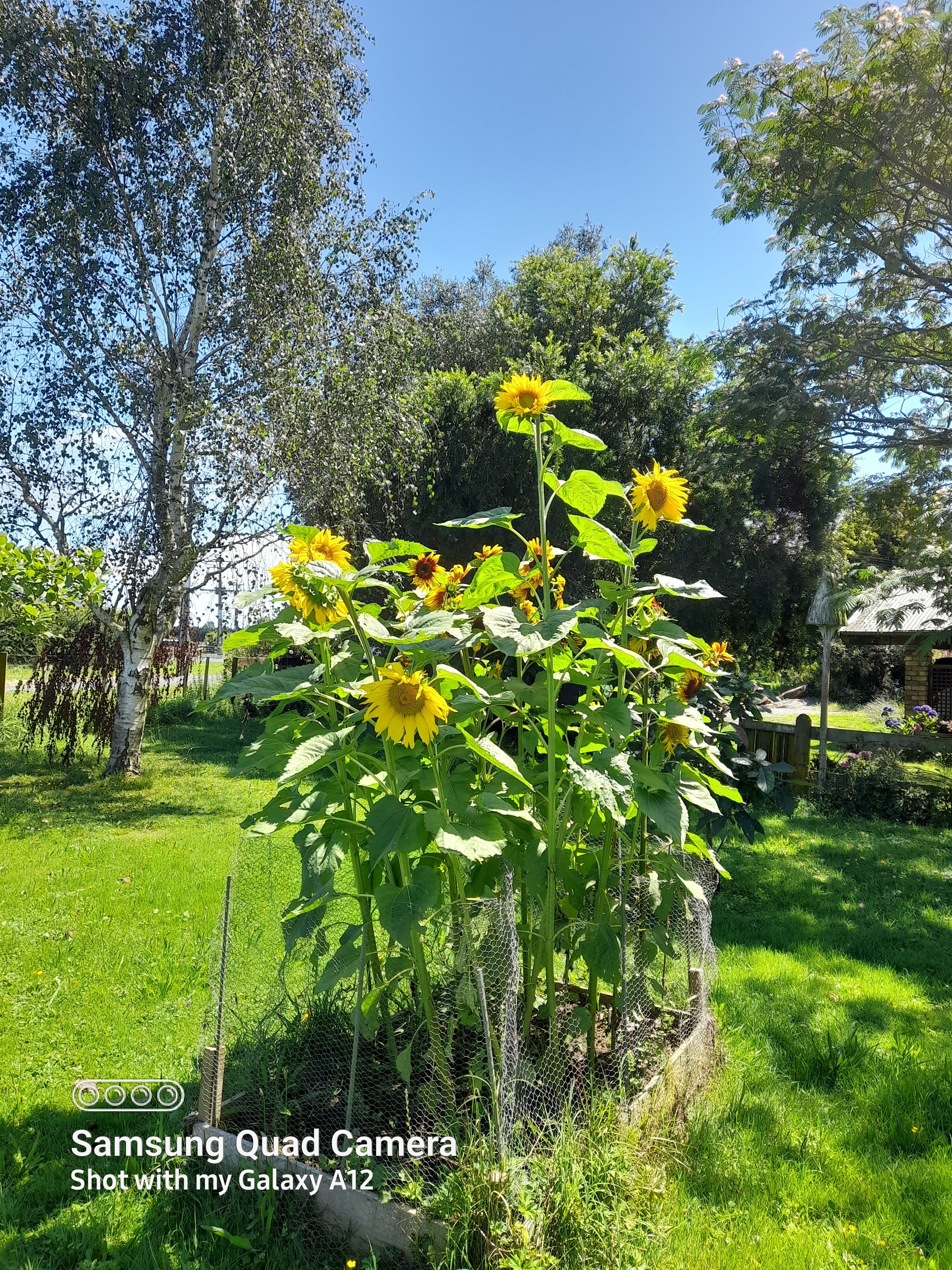
What was the reason it was called the Sunflower? Happiness, positivity, strength, growth, and confidence are universally known. 

One of the famous quotes I’ve known for many years came from Helen Keller – “Keep your face to the sunshine and you cannot see the shadows. It’s what sunflowers do.” 

Sunflowers are also seen as symbols of hope and optimism. Their ability to grow tall and strong, reaching toward the sky, represents personal growth and the pursuit of one’s aspirations.

Sunflowers symbolise joy, positivity, and hope during difficult times. They inspire resilience and perseverance. As gifts, they convey warmth, love, and admiration without words.

Essential keys for your audience/readers: consider starting learning about invisible disabilities through workshops, one of your colleagues, organisations near your business, and society. We would appreciate it if you and your company could amend or adapt the infrastructure and open environment gardens to allow children, seniors, and families to enjoy them.

https://www.hamiltonairport.co.nz/hiddendisabilitiessunflower/

wiki mo te hauora hinengaro (Mental Health Awareness Week)

Mane 6 o Oketopa (Monday 6th October)

Tūhono (Connect)

Extract from the Mental Health Foundation site NZ

Connect, me whakawhanaunga

Talk and listen – me kōrero, me whakarongo, be there – me whakawātea i a koe, feel connected – me rongo i te whanaungatanga

The ability to form relationships is a fundamental aspect of what makes us human. Positive social interactions make us feel happy, connected and secure. Building meaningful relationships with family/whānau, friends, and the community goes a long way to increasing your sense of belonging and strengthening personal wellbeing. Through sharing experiences, you can discover how you can help others. It also means that during times of distress, you have the support you need to get through. 

Connect with people who make you feel valued and appreciated. This might include your whānau/family, friends, colleagues and neighbours. Here are some examples:

  • Smile at someone else.
  • Take the time to find out something you didn’t know about someone you know.
  • Contact a friend you have not seen or spoken to for a while.
  • Reach out to someone who may be lonely and invite them to spend time with you.
  • Connect with someone you’ve lost touch with on social media and share a happy memory you have of them.
  • Introduce yourself to a new parent or family at your child’s school.
  • Eat dinner with the whānau. Play a game of ‘table talk’ where each person reports about their day’s events, including the best thing that happened, the funniest thing and anything they didn’t enjoy.
  • Take time to read your local newspaper or newsletter – find out what’s going on in your area.
  • Host a potluck catch-up or BBQ with neighbours, friends or whānau.
  • Join a group: it could be your local sports team, book club, choir – whatever interests you most!
  • Organise a baby photo competition with friends or colleagues – match the person to the baby!
  • Connect with the whenua; grab some mates and get into the great outdoors – go on a bush walk, go surfing, or mountain biking.
  • Have a family WiFi, TV, and text-free day and bring out the old board games.

World Cerebral Palsy Day – 6th October 2025

The theme is Unique and United, celebrating what makes every member of this community special.

It is a global day dedicated to celebrating the remarkable resilience of people with cerebral palsy (CP), raising awareness for CP, and advocating for a more accessible and supportive future for those affected by this common lifelong physical disability. 

#UniquelyCP

World Cerebral Palsy Day is about recognition, inclusion, and action for the 50 million people worldwide who live with cerebral palsy. It’s a day to celebrate the achievements of the CP community, challenge barriers, and strive for a more accessible and inclusive world. We all have a role to play in this. https://worldcpday.org/

It’s important to remember that people with CP are a diverse group, often living with more than one disability, such as being deaf, blind, or a wheelchair user.

To celebrate and support the CP community, raise awareness about the condition, and advocate for policy changes, research, and lifelong care for people with CP and CP with disabilities.  CP360 was born from a desire to transition from awareness to action. It is a global movement for accelerating change for the millions of people living with CP. It advocates for more current global data on CP, earlier screenings and interventions, evidence-based services, and equitable access to care and services, particularly for individuals living in underserved areas.

 #WorldCPDay

#UniqueAndUnited

In my workplace, I have three Deaf people with CP and other disabilities, and I stay in touch with them through daily and weekly video calls/home visits and text messages. They have different types of CP – two females in wheelchairs due to their advanced age (Diplegia), one male senior with a walking stick, speech impaired and slow walking mobility (dyskinetic/hemiplegic/ataxic) and a middle-aged man who regularly stays fit (spastic and diplegic CP). They lead different lives in the D/deaf community. Now, the male senior is facing a couple of new health issues, which have led him to struggle for the rest of his life alone with the hearing boarder.

Let’s ask a couple of questions about whether the D/deaf people in their own community understand their friends, ex-schoolmates, or friends with CP well enough or to what extent? For example, many D/deaf seniors know their ex-schoolmate as in the above list; however, they did not realise his full disabilities and found his communication with them hard to understand what he was saying.

There is one young lady, and she has a mix of cerebral palsy, which is Triplegia/ataxic/dyskinetic. She is very bright, bubbly, and tries to do the work as well as she can. She is not deaf like us.

Support many people with CP in the community to live fulfilling lives, be inclusive, and allow them the opportunity to choose where they would like to be, whether at home, in a resthome, or with their families. Let them try out new activities they can enjoy.

The essential tools for them and you to make more accessible, equal Human Rights for all, and to effect policy changes for equality. Listen to them, not ignore them, and set aside any concerns if you’re unsure of what to do or feel embarrassed.

Mental Health Awareness Week – Top Up Together

October 6th to 12th 2025

The Five Ways to Wellbeing is not just a set of five simple, evidence-based actions, but a powerful tool that can significantly improve wellbeing in everyday life.

There are five key points, along with other considerations, to consider each day. Firstly, I will explain why it is essential to engage in activities, take time out, and stay in touch with your family, friends, and colleagues.

The Five Ways to Wellbeing-Give, Be Active, Keep Learning, Take Notice, and Connect-are inclusive actions that can be adopted by anyone, regardless of their circumstances or abilities.

sharing the concept

Variety is significant, and communicating the message

These strategies are adaptable and can be incorporated into daily life at one’s own pace, empowering individuals to take control of their wellbeing.

The better to emphasise that people with disabilities, mental health and seniors represent a range of options that can be tried by anyone, friends, support persons and suited to an individual’s needs throughout daily life. The key essential tools are holistic wellbeing and a balance of activities that encourage and help everyone in their everyday lives.

Communicating the message

One researcher, Lynne Friedli, outlines the key principles for the effective social marketing of mental health messages. Five Ways framework and the best practice from using them in mental health promotion settings:

  • Start where people are
  • Focus on building emotional connections with the target audience
  • Be positive, upbeat and aspirational – selling healthy, satisfying lives as opposed to ‘do not do’ messages
  • Exchange – people must perceive a clear benefit if change is to occur.

Lynne pointed out the evidence in her findings that people are not related to the term ‘mental health’, and the target aspirations that underpin the messages were chosen as ‘wellbeing’ or ‘flourishing’. Other evidence she found is that people perceive health promotion messages as portraying something too distant from their own lives, and they will be resistant. Modelling behaviours from those communicating the message is effective in making the message seem attainable.