#invisibledisabilitiesweek
#seetheinvisible
Let’s come together to celebrate our Invisible Disabilities Week, a time to raise awareness and understanding about the millions of invisible disabilities that many may not realise exist. This week is an opportunity to learn, share, and most importantly, support those living with invisible disabilities. By understanding their challenges and offering our empathy and support, we can make a significant difference in their lives. Let’s strive for inclusivity, acceptance, and understanding, as advocated by the Hidden Disabilities Sunflower. Our understanding and empathy can be a powerful force for change.
As a person living with invisible disabilities, I navigate daily life in a rural community outside Hamilton City, New Zealand. My invisible disabilities include deafness, Cervical Disc-Spine degeneration and radioculopathy of my right side from the neck, the shoulder and arm, Rheumatoid Arthritis, Endometriosis, migraine, hypertension, thyroid gland-T4 (thyroxine), glaucoma/cataract implant lens, chronic sinus and asthma conditions. These are the many symptoms I live with, but I don’t dwell on my severity. However, I often find that people, including my D/deaf friends, struggle to understand my experiences. I share these experiences to foster a sense of community and understanding among those living with invisible disabilities.
I write various types of blogs, including Deaf History, Dogs’ Tales, Life in Eureka, Waikato Deaf Society/Waikato Deaf Units, and a few more domains on WordPress. I enjoy writing, thinking, exploring, researching, and mentoring, all while enhancing the experiences of diverse audiences worldwide, because everyone is unique. By writing blogs across several domains, I help myself improve my writing in English and other languages and gain more confidence to share with you and others, such as in cognition, reasoning, reflection, pondering, contemplation, and ideation. In other words, philosophical thinking is a critical, reflective, abstract, and logical process aimed at pursuing truth and knowledge, examining values, and developing personal worldviews. It involves questioning assumptions, connecting ideas logically, and critically evaluating information to understand fundamental concepts, ethics, and the nature of existence itself. Please note that I am not a paid writer/historian/researcher at present, and I am seeking funding grants and donations to support my ongoing work.

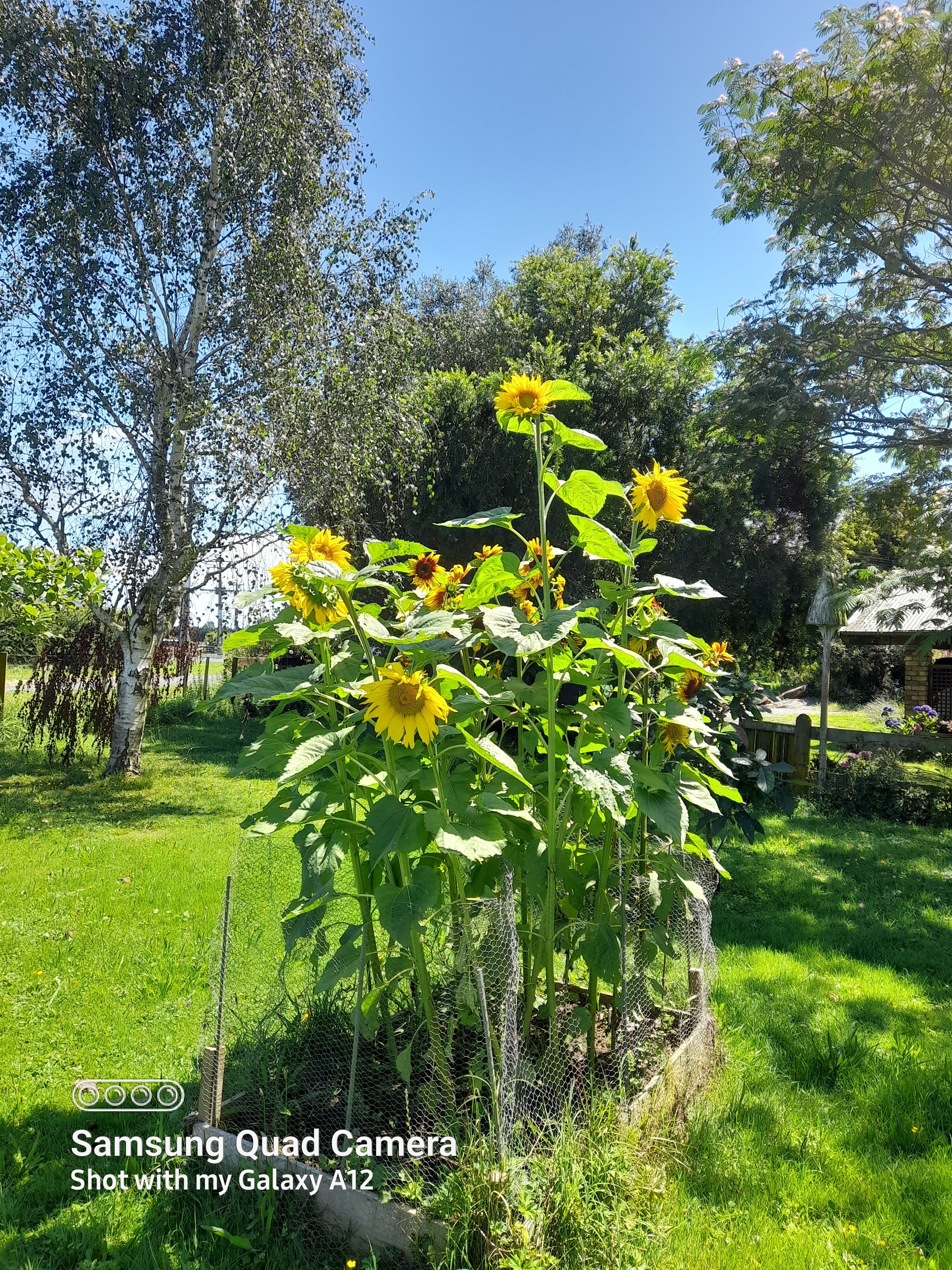
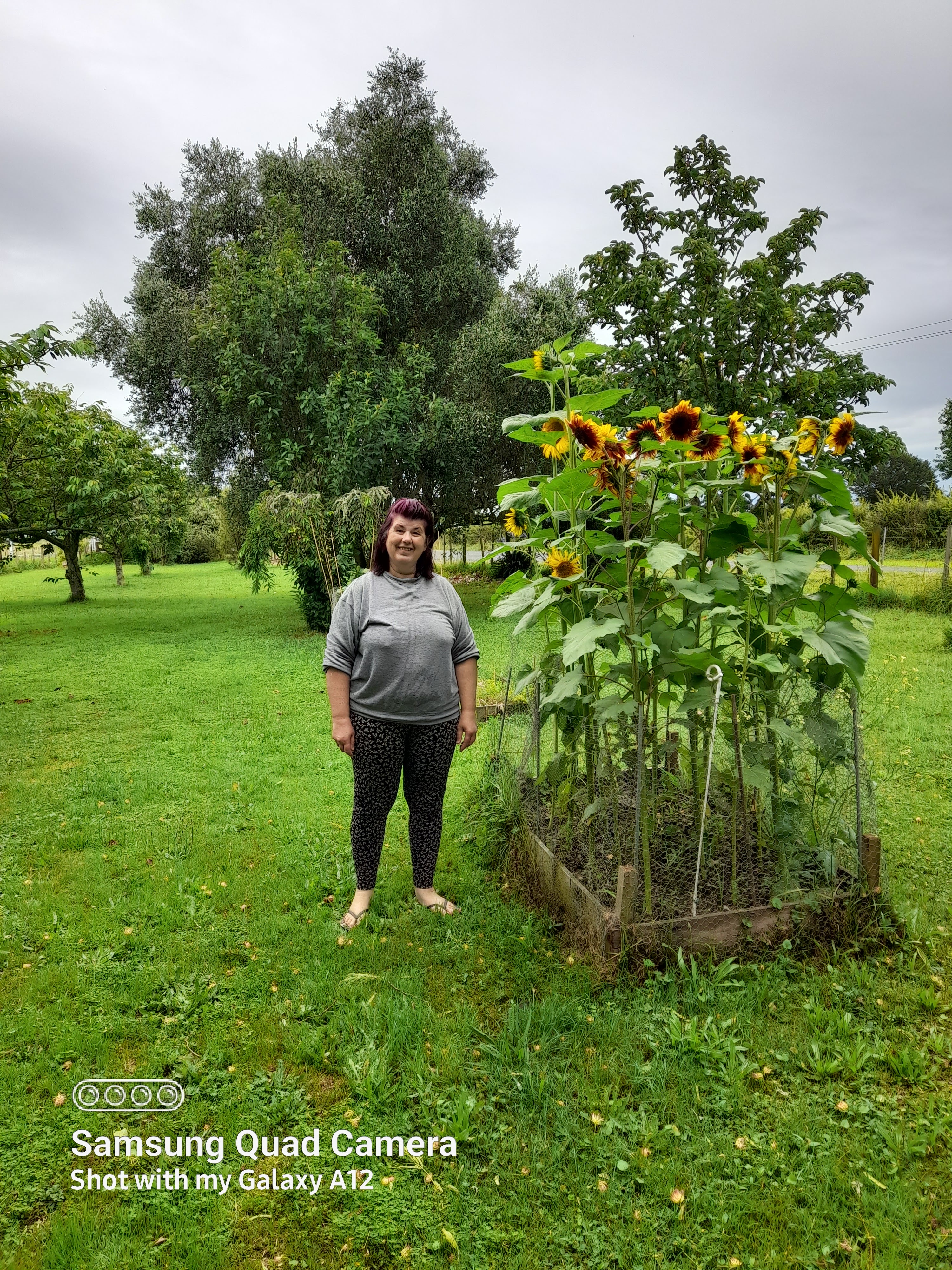

Let’s explore the diverse spectrum of invisible disabilities you may have come across – Crohn’s disease, MS (Multiple Sclerosis), ME (Myalgic Encephalomyelitis, also known as Chronic Fatigue Syndrome – CFS), Fibromyalgia Syndrome (FMS), ADHD (Attention Deficit Hyperactivity Disorder), Aphasia, autism, chronic obstructive pulmonary disease (COPD), Coeliac Disease, dementia, dyslexia, Ehlers-Danios Syndrome, and Endometriosis. What about two different types of diabetes, Dysautonomia, asthma, epilepsy, Foetal Alcohol Spectrum Disorder (FASD), Functional Neurological Disorder (FND), Haemophilia, Long COVID, Lupus, Migraine, Narcolepsy, Ostomy, Pancreatic Cancer, Parkinson’s, Peri/menopause, poTS, Scleroderma, stuttering, Tourette’s Syndrome and Ulcerative Colitis? Yes, these are all invisible disabilities, each with its unique challenges and experiences.
Societies around the world are not immune to ableism and disablism in the workplace and in communities. The disadvantage of these problems is that they are often perceived by other ‘able-bodied’ people, even without knowledge of disabilities, such as wearing glasses, dentures, and the main problem is a lack of understanding of our invisible disabilities out in the communities.
I want to highlight these problems. I used AI copy and paste here for you –ableism refers to the systemic valuing of able-bodiedness, which creates barriers and disadvantages for disabled people. In contrast, disablism is the specific, direct discrimination and oppressive behaviours that result from this underlying ableist ideology.
Ableism
- What it is: A system that values and prioritises the abilities of non-disabled people, also known as able-bodied privilege.
- How it works: It shapes society to fit the needs of non-disabled individuals, creating physical and attitudinal barriers for people with disabilities.
- Examples:
- Buildings without ramps or elevators make them inaccessible to wheelchair users.
- Lack of captions in online videos excludes deaf and hard-of-hearing individuals.
- Workplaces are failing to make reasonable adjustments for employees with disabilities.
- Lack of Sign Language Interpreters in public meetings, events, staff training/meetings and media
Disablism
- What it is: The discrimination, prejudice, and abusive actions or behaviours directed at disabled people. It stems from the belief that disabled people are inferior.
- How it works: It can involve conscious discriminatory actions or behaviours, as well as less obvious prejudices.
- Examples:
- Using offensive or patronising language when speaking to a disabled person.
- Ignoring or excluding someone with a disability.
- Making assumptions about what a disabled person can or cannot do.
The Relationship Between Ableism and Disablism
- Ableism can be viewed as the underlying societal ideology that fosters an environment where disablism thrives.
- Disablism is often the direct manifestation of ableist beliefs and practices.
- Both concepts are crucial for understanding and dismantling discrimination against people with disabilities and for promoting a more accessible and inclusive society.
I know a large group of people with invisible disabilities here, and they do not have full-time work like me; a small number of them are on part-time work under 25 hours a week. We are advocates for human rights to various agencies, Government agencies, and businesses. We, along with other groups such as low-income families, homeless people, seniors with disabilities and poverty groups, are unable to afford the cost of living, such as rent, mortgages, food prices, and power/wifi. The critically important thing is to remove ableism and disablism from laws, policies, acts, and other types of legislation by making our lives equal in society as one whole world. This slogan is our mission – ‘Nothing about us without us‘. Let’s work together to bring about this change.
In New Zealand, we have a small organisation called the Hidden Disabilities Sunflower to encourage inclusivity, acceptance, and understanding. Not just in New Zealand, there are global networks, such as The Hidden Disabilities Sunflower.
https://hdsunflower.com/au/about-hidden-disabilities-sunflower
What was the reason it was called the Sunflower? Happiness, positivity, strength, growth, and confidence are universally known.
One of the famous quotes I’ve known for many years came from Helen Keller – “Keep your face to the sunshine and you cannot see the shadows. It’s what sunflowers do.”
Sunflowers are also seen as symbols of hope and optimism. Their ability to grow tall and strong, reaching toward the sky, represents personal growth and the pursuit of one’s aspirations.
Sunflowers symbolise joy, positivity, and hope during difficult times. They inspire resilience and perseverance. As gifts, they convey warmth, love, and admiration without words.

Essential keys for your audience/readers: consider starting learning about invisible disabilities through workshops, one of your colleagues, organisations near your business, and society. We would appreciate it if you and your company could amend or adapt the infrastructure and open environment gardens to allow children, seniors, and families to enjoy them.

https://www.hamiltonairport.co.nz/hiddendisabilitiessunflower/

 Life in Eureka