In 2025, the theme of the International Day of Persons with Disabilities is “Amplifying the Leadership of Persons with Disabilities for an Inclusive and Sustainable Future,” highlighting the collective power to inspire pride and motivate action among the audience.
Make a Pledge
It is impossible to solve the world’s inequalities in a single day, so commit to meaningful actions like valuing Accessibility, supporting disabled staff, and joining local or national disability initiatives this World Disability Day. Consider setting measurable goals to track your progress and see how your efforts can lead to real change, empowering your organisation to make tangible impacts.
5 Meaningful Pledges You Can Make-each one a step to create real change, helping the audience feel empowered and capable of supporting disability inclusion.
- Donate to Disability Charities
- Strengthen Your Discrimination Policies
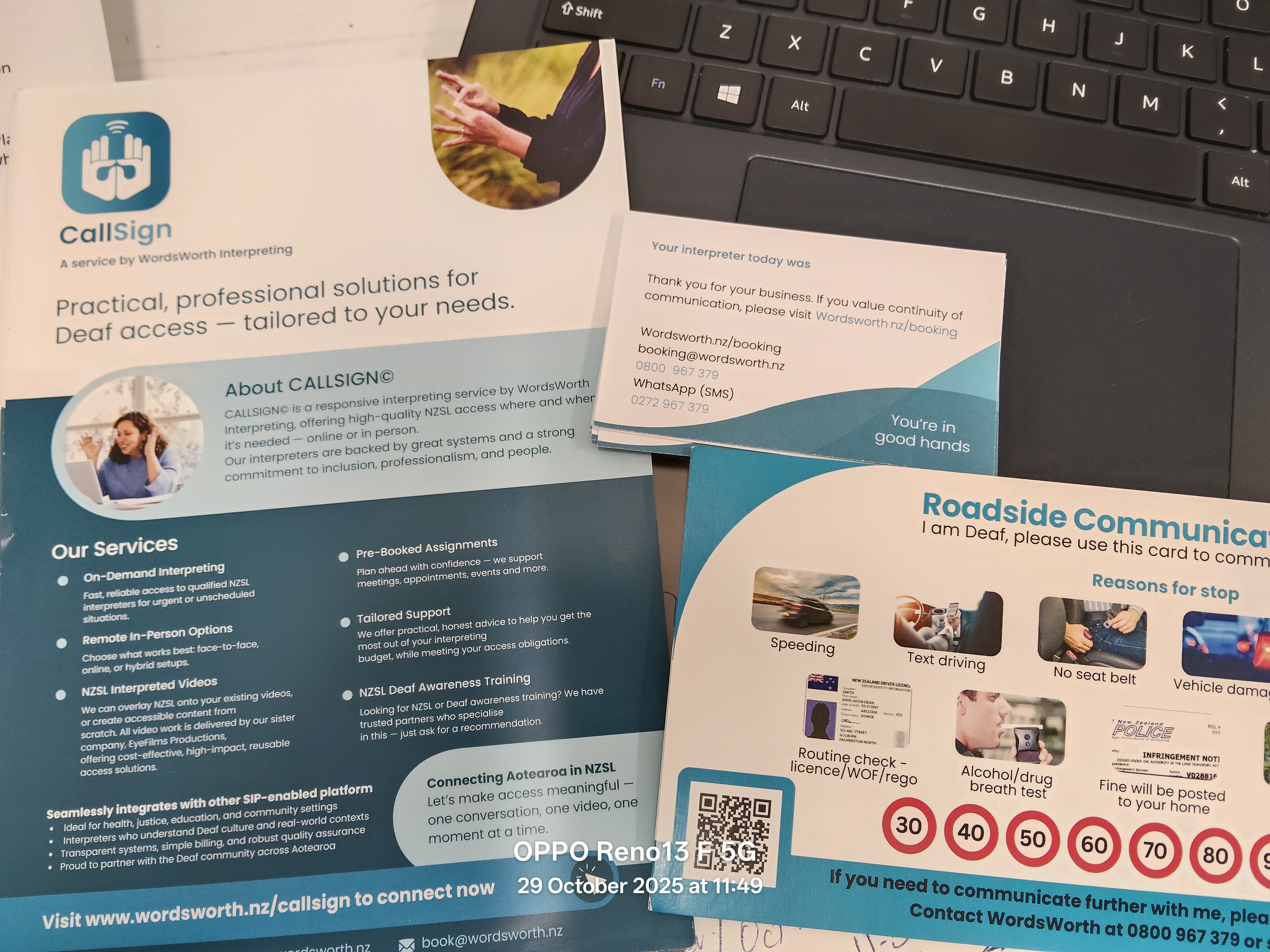
- Improve Accessibility, e.g., Wheelchair Ramps, providing Interpreters for D/deaf people, deafblind people, D/deaf with disabilities, and seniors, and braille. Seek out local or national resources, training, and expert advice to help you implement these changes effectively. Assess Your Employees’ Diversity
- Make a Public Statement of Support
Under the UNCRPD, Article 10: “Every Human being has an inherent right to life.”
In New Zealand, we are behind the rest of the world in the disability community; however, we Disabled people have worked hard in our sector, not together as a team/leadership/advocates (DPOs – Disabled People Organisations) for the communities, such as Government agencies, Health Sectors, Non-Government agencies, Education, and other agencies. Note that there are seven organisations linked to the DPOs: Association of Blind Citizens New Zealand (Blind Citizens NZ), Balance Aotearoa, Deaf Aotearoa, Disabled Persons Assembly NZ (DPA), Mana Pasefika, Muscular Dystrophy Association of New Zealand Inc., and People First New Zealand. How can community members and allies support these efforts and strengthen collective advocacy?
Ngā Tāngata Tuatahi. There is one more: Kāpo Māori Aotearoa, which is not currently a member of the DPO Coalition. DPOs are affiliated with international bodies such as the World Blind Union and the International Disability Alliance, thereby strengthening their global influence and advocacy efforts and inspiring the audience to feel part of a larger movement.
EGL (Enabling Good Lives) was created in 2012 and 2013, and I have been in the Waikato EGL Leadership from 2013 to the present. Let’s look at the eight principles: Self-Determination, Beginning Early, Person-Centred, Ordinary Life Outcomes, Mainstream First, Mana-Enhancing, Easy to Use, and Relationship Building. EGL gives people with disabilities and their families the choice to choose any equipment, home help, a personal carer, pay for an interpreter’s costs without using the Isign service, live in a flat, and control over their lives and the supports available to them. They can plan for the lives they want.
Thank you, Waikato Museum staff, for making a special day for everyone to enjoy tours around the museum – Explore Te Whare Taonga o Waikato in a welcoming and inclusive environment. A relaxed session in the open-air playground designed for our neurodiverse community, NZSL Interpreters tour, Drop-in Touch, and Braille and Audio-described tour, plus tea on December 3rd. There will be a guest speaker, Rodney Bell, an internationally renowned disabled dancer and co-director of Touch Compass. Rodney will share stories from his life as a dancer and community leader, what Accessibility means to him, and will lead an accessible movement workshop to follow in your seat.
https://tewharetaonga.nz/whats-on/events/open-house-at-te-whare-taonga-o-waikato
Take a look at the Nippon-Japan newsletter about friendly accessible technology for all people with disabilities, D/deaf people, and people with mobility difficulties as independents. The Japanese are becoming more friendly and accessible to everyone, not just the highly respected, demonstrating how inclusive design can benefit entire communities and encourage others to follow suit.
My sister sent me a photo showing an excellent idea for mobility scooter parking off the road, due to NZ Law. She took a picture at the Cirque Eatery in Leamington, Cambridge. There was another photo of a person-designed wheelchair in each car park lot on the road. The person mentioned a protest in England. Each wheelchair has a piece of paper on it saying “Sorry, will be back in a minutes, Just had to run an pick something up.”


Are you one of the people who park their car in the mobility car park without displaying a Mobility Car Park sticker inside the car and say you will be back in a minute?
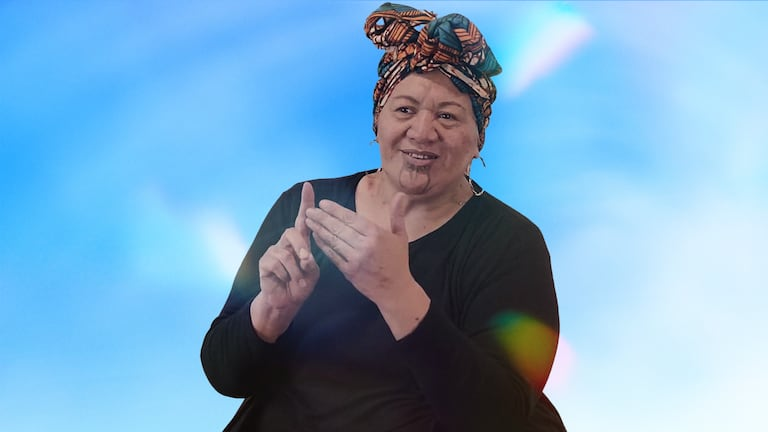
The United Nations estimates that there are approximately 70 to 72 million deaf people worldwide. Sign Language Use: This population collectively uses over 300 different sign languages. Sign languages are recognised as fully-fledged natural languages, structurally distinct from spoken languages.
What about this one? The hearing person and a Deaf person in the noisy bar have a social evening. Everyone in the same room, talking and shouting at their friends while loud music played, leaving a Deaf person out, unable to lip-read and a lack of sign language understanding for our communication. Then another Deaf friend entered the room and communicated in sign language without hesitation, and they understood each other. The hearing people are struggling to hear what their friends are saying, even the staff at the bar/restaurant. Why not learn our sign language with us! Organisations can offer sign language classes or resources to foster inclusive social environments.
Another example: making more things more friendly and accessible for many Deafblind people by using sensory/tactile approaches. Check out Haben Girma, a Deafblind lawyer who graduated from Harvard Law School as the first Deafblind person/American Disability Rights advocate in the USA. Haben has visited Edinburgh Castle yet and is checking whether the information is easily accessible for everyone and herself. Check out YouTube for yourself.
What makes a good leadership skill to help thousands of disabled persons, D/deaf persons, and D/deaf with disabilities people to achieve their goals by working in team groups/keynote speakers?? Perhaps look at one of the popular keynote speakers, Chris Ruden and Dustin Giannelli.
A good leader has qualities like integrity, vision, accountability, and empathy, combined with strong communication, problem-solving, and decision-making skills. Effective leaders also demonstrate resilience, self-awareness, and the ability to inspire and motivate their team through confidence, passion, and a willingness to delegate and collaborate.
Foundational and personal qualities
- Integrity: Acting with honesty and having strong moral principles.
- Vision: Creating a clear picture of the future and a sense of purpose for the team.
- Accountability: Taking ownership of one’s actions and decisions.
- Empathy: Understanding and sharing the feelings of others.
- Resilience: Bouncing back from setbacks and handling pressure effectively.
- Self-awareness: Understanding one’s own strengths, weaknesses, and emotions.
- Confidence: Believing in one’s own abilities to inspire trust in others.
- Humility: Recognising one’s own limitations and valuing the contributions of others.
- Passion: Having a strong enthusiasm for the work and the team’s goals.
- Adaptability: Adjusting to new situations and challenges with flexibility.
Interpersonal and communication skills
- Communication: Clearly conveying ideas, both verbally and non-verbally.
- Active Listening: Giving full attention to what others are saying and responding thoughtfully.
- Emotional Intelligence: The ability to understand and manage one’s own emotions, and those of others.
- Delegation: Assigning tasks to the most suitable team members to empower them and focus on key areas.
- Collaboration: Fostering teamwork and encouraging cooperation among team members.
- Respect: Treating others with dignity and fostering a respectful environment.
- Influence: The ability to guide and persuade others toward a common goal.
Strategic and problem-solving abilities
- Problem-solving: Identifying problems and developing practical solutions.
- Decision-making: Making timely and sound judgments, even under pressure.
- Courage: Having the bravery to make difficult decisions and take necessary risks.
Sigh! Today, the Beehive released the update to the New Zealand Strategy with the Whaikaha. It is not an excellent strategy for everyone in New Zealand.
https://www.beehive.govt.nz/release/new-disability-strategy-drives-change
https://www.nzdoctor.co.nz/article/undoctored/refreshed-new-zealand-disability-strategy-launched
If you wish to read the NZ Disability Strategy, here is the link, available in the format that best meets your needs.
https://www.whaikaha.govt.nz/about-us/our-work/new-zealand-disability-strategy-2026-2030
https://www.disabilitysupport.govt.nz/disabled-people/learn-about-enabling-good-lives
https://www.disabilitysupport.govt.nz/about-us/taskforce/independent-review






 Life in Eureka