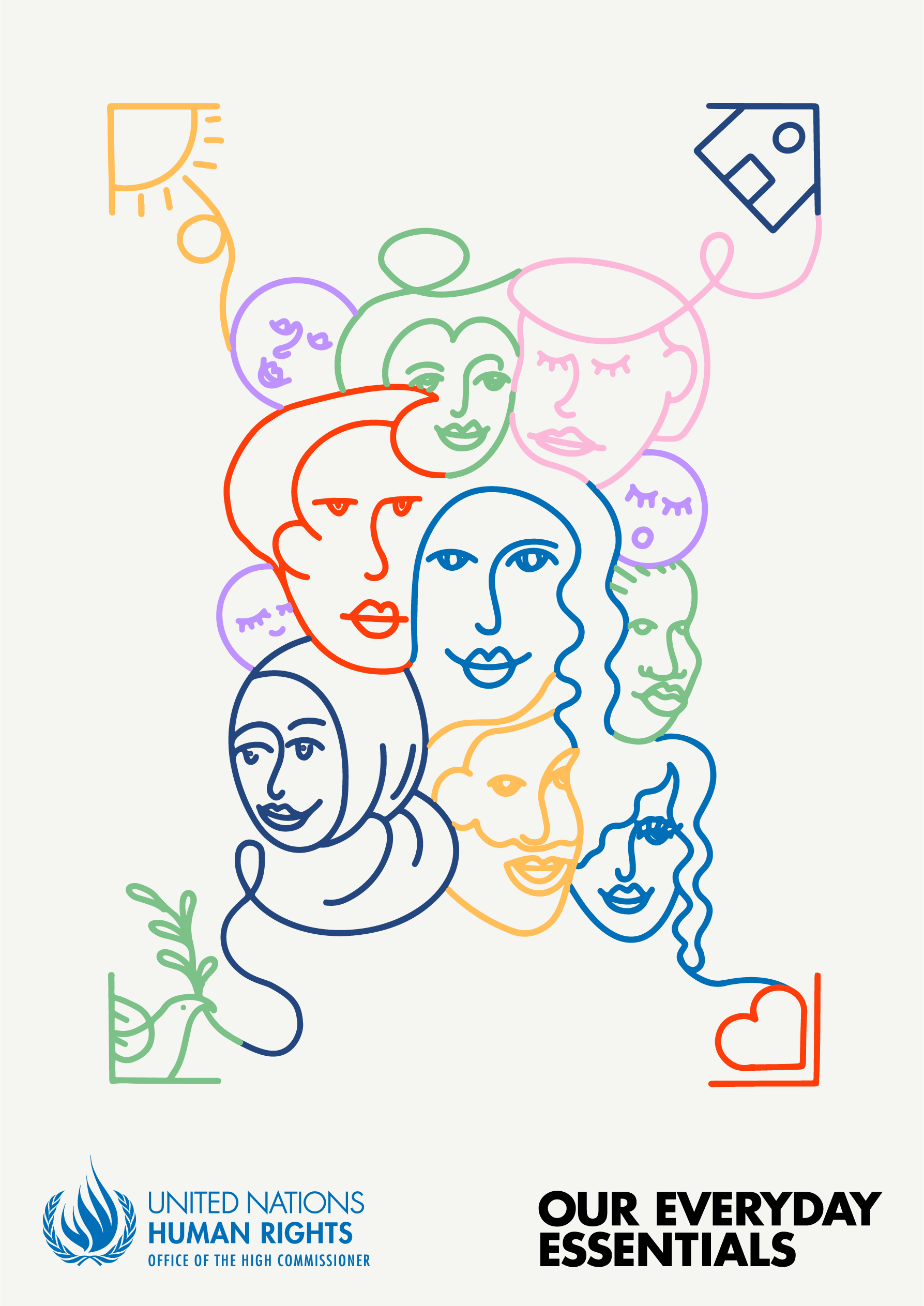
About Human Rights, Our Everyday Essentials
Human Rights Day on 10 December reminds us of our collective responsibility to uphold the rights in the Universal Declaration of Human Rights (UDHR), adopted in 1948, inspiring us all to protect the inalienable rights everyone is entitled to, regardless of race, religion, or social status, including people with disability.
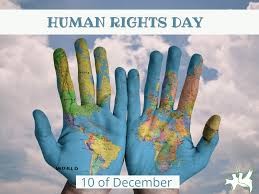
Human rights are at the core of the Sustainable Development Goals (SDGs) set out by the 2030 Agenda for Sustainable Development, which aims to inspire us all to work together to leave no one behind and ensure everyone’s rights are respected and protected.
Related links
Key hashtags
- #HumanRightsDay
- #GlobalGoals
UNCRPD – Article 10
“Every human being has an inherent right to life.”
Everyone born in this world has human rights that the law must protect. Recognising the 30 fundamental human rights can help the public and advocates feel empathetic and compassionate towards vulnerable populations.
https://www.ohchr.org/en/get-involved/campaign/everyday-essentials
Here is the thirty basic Human Rights List –
- All human beings are free and equal
- No discrimination
- Right to life
- No slavery
- No torture and inhuman treatment
- Same right to use law
- Equal before the law
- Right to be treated fair by court
- No unfair detainment
- Right to trial
- Innocent until proven guilty
- Right to prvacy
- Freedom to movement and residence
- Right to asylum
- Right to nationality
- Rights to marry and have family
- Right to own things
- Freedom of thought and religion
- Freedom of opinion and expression
- Right to assemble
- Right to democracy
- Right to social security
- Right to work
- Right to rest and holiday
- Right of social services
- Right to education
- Right of cultural and art
- Freedom around the world
- Subject to law
- Human rights can not be taken away
These are the 30 fundamental human rights listed by the United Nations General Assembly in the Universal Declaration of Human Rights, which serve as a foundation for laws that protect all individuals and promote societal support for vulnerable populations.
Fiji Women’s Rights Movement – Facebook Reel
https://www.facebook.com/reel/1246393090679510
On Wednesday, 3 December, I attended a Zoom meeting titled “From Hardship to Equity: Ensuring disabled people have a decent standard of living.” As someone working in Social Services, I felt a need to highlight that the panel and the New Zealand Disability Rights Commissioner did not address the struggles faced by homeless disabled, mentally ill, or other vulnerable people living on the streets across New Zealand. Their focus on reports to the Government and MSD misses the urgent reality of hundreds of thousands of vulnerable individuals living on the streets with disabilities and mental illness, which demands our broader concern and action. I suggested it is straightforward to find out what the main problems and issues are that have not been resolved for hundreds of thousands of disabled homeless people for the MSD, MPs, Organisations, Health sectors and many more.
Repeat: we are all human, no matter who we are, where we live, or our social class, whether in poverty, the lower middle class, or the upper middle class. We are all one human in the world. I understand the safety and security risks involved in questioning and collecting information for Government agencies such as MSD and other organisations, including DPA. People living in households, businesses, and agencies also face their own fears about safety and security, and acknowledging this can help us build trust and solidarity.
When I was a young deaf girl, I was without a father as a six-year-old, and living with my mother as a single mother with four children. We were fortunate to have a wider number of people through the Church, communities, the farming sector, and families. Many of the friends through our grandparents, such as Charlie F., late Rev. Moke Couch, late Rev. Tony Clark, taught me a great example of living a meaningful life from the ex-gangs in the workforce programme, the farming life, and the depression years they experienced in their own families. Yes, I do have several cousins who work in the Government and the Member of Parliament, and one particular cousin I never met was Norman Kirk, the Prime Minister of New Zealand. I met his wife down in Christchurch with my great-grandma at the Rest home. I do not recall Dame Lucy (Dame Lucy Ruth Kirk) much during my visits. My family are related to Norman’s mother’s family in Wairarapa and his father’s family in Waimate, Canterbury. They came from low-income families and had firsthand experience of life in the 1900s and 1970s.
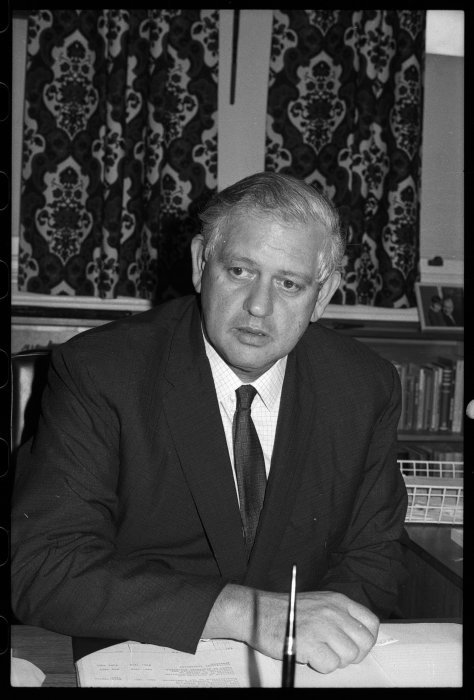
Check out Norman Kirk’s comments – he most formidable debater of his time and once famously said that “there are four things that matter to people: they have to have somewhere to live, they have to have food to eat, they have to have clothing to wear, and they have to have something to hope for”,[7] often misquoted as “somewhere to live, someone to love, somewhere to work and something to hope for”.[8]

 Life in Eureka