Our Sixth Christmas coming soon

IMG_20191210_172627


Reflecting back to 2014, where we invited my extended families to join with us as a home welcoming/Christmas lunch. We moved on November 26th, 2014, and spent our first Christmas as a joint homeowner here in Eureka, Waikato. This family gathering was the first time, but nothing more, only two to four family members visited here since 2014 apart from the following Christmas Day 2015 to the current year. The most frequent disabled visitor, along with his brother who came up to visit us every January. This disabled person is Jacek, and he comes to visit us for lunch or an afternoon tea during the year.

The ‘quote from Lao Tzu’ block is sitting on my work table where I work from home. This quote helps me daily when I think of doing the work for other people with disAbilities, people in the community, doing Deaf history research, making enquires to the staff of the Government agencies, and keep in touch with family and friends rarely. In our past times, I do the gardening works while my partner Peter do the carpentry, odd gardening jobs such as ride-on mower, repairing odd jobs, etc. We tend to have plenty of time out from our works in the city of Hamilton and greater Waikato where Peter work and I travelled to Cambridge, Huntly and Te Awamutu.

Most of the times when I am out in the gardens and I noticed so much layout of the garden, by an additional garden in another section, flowers and the more I discovered odd flowers or bulbs lying deep in the ground. It gave me joy and relief that I do not need to buy flowers from the nurseries. Well, our property is 0.36ha – fields with plenty of tall trees, wider trees for shade even acted windbreak shelter against vegetable gardens and new fruit trees. Plenty of rooms for cricket, footy games and dog runs by chasing down many rabbits. Plenty of trees provide us with some shade during the long hot summer days. Yes, a lot of gardens has been changing and improving better with less weeding maintenance for me each year. One of my cousins was envious of us because she said we have orchards and large fields with gardens and trees. She visited with her dog rarely when she can in the past.

My favourites are:

  • the autumn time where many leaves on the ground
  • relaxing when the sunset shows beautiful colour displays through our kitchen window or in the courtyard where we sit in the cool evening.
  • fruits and vegetables ready for making chutney, jams or eating plus to give to Jacek and my workplace as a food parcel to some of the Deaf people I visited.
  • Spring times what a wonderful sight to see and to smell all the flowers blooming and showing display colours out in the fields.
  • fire heating for long cold winter evening before we go to bed.

Yes, we do have our ups and downs such as dogs bought dead possums, hedgehog or rabbits inside the house as presents for us, love to make a mess while we were out working or shopping. In the past, we have had hot water cut by stupid tradesmen who were building extended rooms across the road from us plus the linemen discovered they cut the cable illegal. Peter tried to remove the old rusty thermostat out of the water cylinder. It was a tough job but we got there and still find no hot water. We did not have any hot water for five days and I used my workplace for a shower. The mouse chewed the phone line in the attic while our broadband internet was offline for a week. We lost our two dogs since we moved here. We demolished the old house where there were two houses on our property and we used woods from the old house for fire heating, bbq and of course Peter uses for his woodworks while our neighbour comes and use the good wood for his woodwork as well.

Surely I have one or two projects which I am hoping to complete within a year or a year and a half from this year. The last two years ago I battled my health problem which called radiculopathy degenerative disc disease on my right side. Each day I take easily and rest often when I need away from work in the city of Hamilton and greater Waikato.

Rarely, we do not get plenty of family visits here each year, just two or three visits a year.

We are privileged to found a home for us and to allow us to do something we want to do, have a healthy lifestyle, to grow fruits and vegetables from the garden and enjoy the breaks from works. We are no longer want to live in the city of Hamilton.

Here is a video clip – around 7 minutes. I did not include everything from our home and gardens. NOTE: Video can not be shared without permission.


International Day of Persons with Disabilities

“I want the United Nations to lead by example and invite you to join me in the moving decisively to achieve the goals of the United Nations Disability Inclusion Strategy.” This quote is from the United Nations Secretary-General António Guterres

Each year, we celebrate a special day called International Day of Persons with disabilities, and the date is December 3rd. This year the theme is focused on – Promoting the participation of persons with disabilities and their leadership: taking action on the 2030 Development Agenda.

There are 15% of the world’s population or one billion people – persons with disabilities. About 80% of persons with disabilities live in developing countries.

There are three main key points of the planning for every workplace, Government and their agencies, organisation, and many other businesses.

Three Key Approaches Guide our Work.

The strategy is based on three overarching approaches to achieve disability inclusion: Twin-Track Approach, Intersectionality, and Coordination.

  1. Twin-Track Approach: Disability is a cross-cutting issue and should be considered in all our work – First track. Targeted programming is also required – Second Track.

  2. Intersectionality: Factors such as gender, age and location inform an individual’s experience. These factors also impact people with disabilities and their life experiences.

  3. Coordination: A coherent and coordinated approach is essential to accelerate progress, build on each other’s work and achieve inclusion.

The Four core areas of responsibility are: –

Core area 1: Leadership, Strategic Planning, and Management.

Core Area 2: Inclusiveness

Core Area 3: Programming

Core Area 4: Organisational Culture

Here is the example of photos that showed many persons with disabilities in developing countries.


In New Zealand, we have a large number of disabled refugees, including citizenship persons with disabilities, because they are genuine refugees from their war-torn countries such as Somalia, Ethiopia, Iraq, Colombia, Afghanistan, Sudan, and Kenya.

What about persons with D/deaf or Hard of Hearing even with other disability/ties? Yes, there are a small number of D/deaf persons and deaf with other disability/ties living here. However, there is no International Sign Language Interpreter or one or two ISL (International Sign Language) Interpreter available here; I am talking about Deaf refugees who have no English/ASL Sign language than their mother’s sign language such as Kenyan, Iraq or Colombia.

Is our accessibility improve or small improve around New Zealand or not?

In Hamilton, Waikato, Jean is currently involved with the Hamilton City Council and Access for All group, DPA (Disabled Persons Assembly), EGL (Enabling Good Lives) Waikato Leadership including Waikato District Health Board – Disability advisory group. In the last few years, we achieved the plan on a free accessibility concession for the bus fares for all disabled people, including youths in the Hamilton and part of the Waikato towns, by using the buses. Next year, in Hamilton City, there will be new recycled bins, and these bins are designed to have friendly accessible for all people with disabilities and older adults to take the rubbish out.

What about communication such as interpreters on television, warning text messages, or captioning showing on the video for social media/televisions? Because many Deaf people do not understand English better, and they struggle to understand what happened, even can not hear the warning announcements over the radio.

Jean recalled one day when she was driving to work from our rural home, which takes approximately 15-20 minutes. Jean checked her text messages and social media before leaving for work. Then she arrived at the intersection along Claudeland Bridge; Jean saw many people standing outside the shopping mall in front of her. Jean continues to drive toward the traffic lights by turning left, more people standing outside the shopping mall. Another turn left passed the second traffic lights, more people standing until she tried to enter the car park, for security officers were blocking her. Jean was told to park further away from the shopping mall. She found a car park and walked over to the Central Library, where there was a class. Police, security officers, and people everywhere – this baffled her and found it odd. Jean spoke to one of the librarians, and the staff responded to Jean that there was a bomb inside the shopping mall. Jean continued her way to the class and explained to them because her students were disabled and their staff as support workers. That day was the cricket match, and there were several bombs scares in other places in Hamilton several days ago. That was the reason for no visual or text message warning through social media. The social media journalists use radio for breaking new warnings, and they do not realise people who are D/deaf or Hard of Hearing like Jean. These D/deaf people can not hear the message over the radio, mobile voice mail, and other voice communication through social media. Now this problem is sorted and the Hamiton City Council set up a website through social media – Facebook for all people with disabilities including D/deaf people. The Civil Defense set up a warning message through the mobile app – Hazard Red Cross for nothing.

It is important to remember and to include every persons with disability/ties in your community when making the universal design, in the project such as disaster area, planning design in the park, shopping mall and many other things. The technologies are changing fast and these people with disability/ties are way behind advanced technologies.

Christmas time coming!

Poverty and the Poor – Dickens and the Victorian City (http://dickens.port.ac.uk/poverty/)

Do you celebrate Christmas by believing Jesus the Christ was born on a Christmas Day and died for us on an Easter Day? Do you celebrate Christmas by buying gifts/present for your family or loved ones?

Many years ago, for I am a deaf Christain and often celebrated by having a family together, going to the church and opened presents each year. I went to my sister and her family’s place many times or my mother’s home many times. My hearing partner is not Christain BUT deep down in his heart – he is a right person with kind, caring, sharing, respectful and love to me. For the last 9 years (except 3 times visit my old homes), our current house is open to anyone to come and visit us anytime, but each Christmas Day we choose to stay home with our two faithful dogs and not one single-family or person came over to see us on a Christmas Day. That is fine for them. We visited my mother and brothers the next day or a couple days for lunch for my mother live at the beach – roughly 55 minutes one way. We do not buy a lot of presents for our family, including my partner’s son’s young family.

I noticed many people complaining about the cost of the foods, petrol, bills to pay, buying high or reasonable price of the gifts for their children everyday throughout each year. My workplace – it is a Social Service – Methodist City Action under the Methodist Orgainsation, and we have so many low-income persons, solo mother or dad and people with disabilities who come to their cookery class and Mind Gym class.

I work with people with disabilities, including Deaf/Hard of Hearing, advocator for these people and supporting them by doing budgeting and literacy.

Many people do not think about Jesus or The Third Country, where there are thousands of people suffering from poverty, starving – receiving no food aids, even medicines.

Each year I gave out our vegetables and fruits such as feijoas from our garden or jams and chutneys even a cake to the people I supported them and gave to the Christain Food Banks and schools nearby. This is the way Jesus taught me, including my partner who gave away the favourites apricot jams, plum/tomatoes sauces and tomatoes chutneys to his mates at work.

Tomorrow it is a special day – The Third World Day of the Poor.

Jesus was not a rich man, he does not have a job, even a home. Jesus, the Christ Saviour, was born on a Christmas Day to his poor parents living in a stable or nearby cave-house or an inn with a stable. The date 25th may not be accurate because it was not listed in the Bible. In the Early Roman calendar as a holiday 25th December honouring Jesus‘ birthday appears in from 336 A.D.

My faith with Jesus the Christ is always with me each day wherever I go, I work, and I sleep. I learnt a lot about Jesus, his story and his works by spreading his Gospels. We do not have a lot of amounts of money for we do pay the bills, mortgage, rates, petrol and basic essential foods such as butter, milk, BUT we have riches in our hearts all the times. We use our skills to do productive works such as gardening, DIY around the house, budgeting our incomes and teaching other people as mentors so they can learn from us. This is what Jesus telling and sharing his stories with other people. This is God’s work for us to do the work for other people.

What is that rumbling, flashing lights, vibration?

Sleeping in the middle of the long hot night.
Feeling rumbling and rumbling from the bedroom floor. What on earth is that?
Dogs jumped onto our bed and cuddling close to me while my partner slept onward.
Dog One – Joseph jumped out of our bed and thudded onto his sleeping bed close by. Grumbling for there is no room for him on the bed.
Dog Two – Jazz crept closer to me, right up to my neck and chest. Barking and barking at the strange noise for she does not know or scent the sound before. Lazy Joseph can not be bothered to do a dog communicates to Jazz.
End up my partner for I know, he tells Jazz ‘Shut up”.

Frigging God sake!
Tried to shift Jazz out as she crept closer… Feeling the rumbling ongoing then suddenly flashing lights beaming through our windows. Bright shining lights going round and round!

Feeling the vibration coming through the echo of the noise for I can not hear without hearing aids. Yep! I am deaf, and so what!

Finally onward trying to sleep through a long hot night into the early morning. Suddenly more rumbling on the ground, flashing lights repeated through the windows and energetic vibration coming through.

Joseph farted when he heard the loud noise for I know that because I can smell it beside me. Yuck and revolting smell. Jazz shifted her body into a sleeping log in the middle – between of us. I am nearly on the edge of our bed.

Looking at the alarm clock – oh, sigh! It is 2am yet.

Mmmm, oh, boy? Figuring out what is that vibration and flashing lights going through a long hot night into the new hours of the morning??

Blast!

It is the hay harvest season and ploughing the farmland for the maize in our farm neighbour.

Finally came in the morning at 4am while my alarm clock pager which laid inside the pillow, vibrated, and it is time to get up for my partner to get ready for his work. We have got two separate alarm clocks – one ordinary alarm clock with sound for my partner and the second one is a special vibrated pager attached to alarm clock. Because I can not hear the sound of ringing or alarm go off. Grumbling for the lack of sleep!!

We let the dogs out for their runs and began to chase rabbits around. Preps Breakfast then preps lunch, dogs came back from their field and kiss my partner off to work… crawling back to bed at last… Set my own alarm time and sigh, hopefully, to gain more sleep until I go to work. Praying and praying!

Blast!
Dogs jumped onto the bed again and cuddling up tightly.

Oh Sigh! back to sleep slightly toward the edge of the bed.
Vibrating pager from the alarm clock rang. Time to get up BUT dogs do not want me to get up as Jazz knead me down, pretending to sleep onward.

What a sight through our neighbour farmland!!

Hays into the huge bales and ready for pick up!

The field has been ploughed and ready for the maize to be planted.

https://mdagrispares.com/ploughing-3/

Days at the Ruakura Farm

Driving along Ruakura Road between home in Eureka and work in the City of Hamiton, NZ. The Ruakura Research Centre has been changing from the 1900s. The name ‘Ruakura’ means “rua” – hole/pit and “kura” – red because in the early years before 1550, the cavity in the area that was used to burn iron oxide. Today it is becoming a new intergenerational development project creating a thriving business and lifestyle hub with logistics and port facilities. It is called the Ruakura Variation and owned around 822ha back in 2016, then they (Ruakura Variation appeal)  will rezone to 400ha in 2017. Not much happening except the new expressway motorway – NZTA Waikato Expressway will be completed in 2021. This expressway covering from Bombay Hills in the north down to Cambridge in the south and it is the longest – 102km with four lanes.

The place has a special memory of my early childhood with my grandparents during the school holidays. My grandfather worked at the Ruakura Research and the significant properties of the farms. His name was Alan Masters, and everyone at Ruakura Research Centre including farms called him, ‘Shorty”. Shorty was on the left while his old mate – Barry Hoskins was on the right at one of the largest farms – No. 2, which this farm was called.

pr-7-0013.tif

Copyrights: AgResearch – Shorty and Barry.

So many names of the families worked there at the Ruakura Research Centre, I remember but there were too many names to mention. The most names I can remember were the Jury, Clayton, Gatenby, Umber, Lawler, Kimble? and Irwins.

One of the Watkinson families worked at the farms previous years before the Ruakaura AgResearch Station established in the early 1900s. It was John Watkinson and his wife, Rachel Watkinson nee Hall. They had got two daughters – Sarah and Ann, but Sarah died unexpectedly at the age of 38 years old. My late grandmother – Hilda was raised by John and Rachel because Hilda’s natural parents died suddenly. Hilda’s nicknamed as ‘Biddy’. I remember Ann over many years when Mama (Hilda) took me to see Ann and Tyrrel Brown and their only son – Trevor. Currently, Trevor and I kept regular touch every Christmas. I came across old photos from Hilda and my late father – Ray was only 1 year old and 1 month.

Let go back to John and Rachel Watkinson, they were living in Walton, in 1911 and it is a place at the junction of Walton Road and Morrinsville-Walton Road. This township is not far from our home in Eureka, and it is 34 km. John was a contractor in Walton and Ruakura Farming in 1911 then his family moved to a new home right in the middle of Ruakura Farm of Institutes from 1914 until he retired as a teamster in 1946 or before that year. Hilda met Alan at the dance club (but I may be wrong), and from there Alan landed himself a job working at the Ruakura until he retired. Alan – Shorty always takes me, my sister, two brothers to see the farms during the school holidays. I don’t recall that my sister and two of my brothers were regular visits or less because I was the most frequent visitors to the farms where Shorty worked, to shoot ducks as to cull the number of ducks, rabbits and possums at the farms, and other animals. I recalled there was a small project which wallaby there. Of course one of the fazed memories was alive

‘electric shock’ fence for I was not wearing a pair of gumboots and Shorty teased me for this. We do have another cousin from my mother’s side – John M. Follett (late scientist of  plants and foods Research including Myoga Ginger)

The Ruakura Research Institutes have expanded and changed the name to AgResearch Ltd (formerly known as New Zealand Pastoral Agriculture Research Institute Limited) from 1992.

Hooray for a Labour Weekend!

Samuel Parnell – Noted copyright.. https://nzhistory.govt.nz/media/photo/samuel-parnell

noted from NZ History – Samuel Parnell achieved fame as the founder of the eight-hour working day in New Zealand, a right he had fought for a carpenter at Petone in early 1840. Today his name is often linked with Labour Day, which has celebrated as a holiday since 1900.

Who is he? Where did he come from? Why is he doing this? What is his occupation?

A matter of the discovery in our mother’s father’s side family, his name was linked to my late grandfather’s ancestor. Wow, and I did not expect that. Whenever I do the genealogy and our family have hidden surprise or sad history, for example, one of our ancestor linked to Norman Kirk who he was a Prime Minister or John Follett whom he was researching in growing ginger in Waikato and the USA.

Samual Duncan Parnell born on February 19, 1810, and raised in London, England. He trained as carpenter’s apprentice until 1834 at joinery on Theobold’s Road in London. The Grand National Consolidated Trades Union formed in 1834 and carpenters worked long hours including Samuel. Samuel asked the union if they can support the shortening of the working day, but the union did not agree, and Samuel refused to join the union.
One day, Samuel met his first wife – Mary Ann Canham in 1839, and 11 days after they got married, they left for Wellington, New Zealand. Mary Ann was widowed when she met Samuel, and they bought a large property of the land in Wellington. One of their areas, it was Port Nicholson, later today it is a city of Wellington. The amount of their land was 40 ha of a country land plus 1-acre of the property as a Port Nicholson in the old days.

Before arriving in Wellington, Samuel met a shipping agent – George Hunter and Samuel said that the condition of working 8 hours per day is a must, no overtime. Hunter found it difficult, and later, he agreed with Samual. The quote that Samuel gave out “Eight hours’ labour, Eight hours’ recreation, Eight hours’ rest.” and this quote was from Robert Owen in 1817. Every day Samuel greet new migrants and told them to work 8 hours per day if anyone who has work overtime and anyone would be thrown into the harbour. That quote was the moment to everyone in 1841 and the 8 hours day cemented from 1841. 

Mary Ann died in 1842, and there were no children. Samuel sold the land in Hutt Valley and moved to Karoi where he runs an animal farm as a farmer in 1843. In 1851, Samuel met one of our ancestors – Sarah Sophia Brunger, another widow for she married Robert Brunger and had several children.

Samuel and Sarah returned to Wellington in 1873, and they lived in Cambridge Terrace, Wellington. Unfortunately, Sarah died in 1888 and Parnell have no natural children through Sarah while Sarah’s children came from James Brunger. Samuel died on December 17, 1890, and there was a significant public funeral three days after he died. There were a thousand of people respected Samuel and his idea – 8 hours per day.

Note: the first annual Labour Day was October 28 1890, and you can see the drawing below where many employers and merchants campaign to force the Government to restrict the working hours. Then the Labour Day Act 1899 established and became a statutory holiday. https://nzhistory.govt.nz/first-labour-day-celebrations

In our family – Sarah has got three children before married Samuel Parnell. One of her children was Elizabeth, who later married Robert Signal and they have a large number of children in Marton, Wanganui, New Zealand. Their eldest daughter – Agnes Signal married to my late great, great grandfather – Charles James Follett.

Facing new challenge each day!

When someone is facing bad news, a piece of good news, starting over again, a new challenge and the list go on.
Everyone is different, and their life could be similar such as learning to overcome the pain in their body, finding the strength of courage to face up their experience from darkness, trying to move on and start a new life.

Yesterday I went to the Waikato hospital for a couple of new Xray because of my body is changing from the past where I did lots of physical works such as doing the gardening, DIY, driving, walking and repairing the jobs. One funny thing and it does amuse me for I am a deaf person without a support person or my hearing partner. I arrived at the hospital early because of the car park, it was challenging to find a car park, and it has been difficult for other people to find a car park over many years. I went to the reception – the Radiology Department and I reminded the receptionist that I am deaf. They let me through into the waiting area. I waited and noticed the nurse walked around the corridor several times, looking for a patient plus calling out the name of the patient. It was only five minutes later, she came to me and asked me if I am the person who is Jean. My reply to this nurse, Yes, I am Jean for I am deaf. I was the only patient in the sub waiting area while the rest of the patients were in the CT waiting area on the other end of the room. The nurse was embarrassed, and she did read the note “Jean is deaf’ in highlight earlier but not sure if a Jean can lip read or looking at somewhere else. I was texting to someone and waited for the nurse to called out the name, but I could not see her face.

I ran into a friend from University along with staff/friends from the Hospital Department on my way out. We were chatting, and one of the team spoke to me by saying if I realise that I am a deaf bilingual rather a person with two or more than one languages. My reply was I often thought I could put down a deaf bilingual on any application form or not. Their response was to go for it. These staff and a friend encouraged me to go forward by putting down a deaf bilingual (with using the word deaf or not) from now to the future. It is called motivated to other people to do something they can do or to change the way they do in their life.

I stopped at the Punnet Cafe on my way home from the hospital for a lunch snack. I looked around people and families with young children, and they were either busy, restless, chatting away and trying to find a peaceful space in the room. I know it was noisy and I can feel vibrated where the children dropped and banging even crying loud. I noticed several people were looking at the young child who was screaming out loud and the mother of this child apologised. She spoke to me by saying sorry, and my reply was simple, I am deaf. The mother was astounded to my response.

Some days I visited many Deaf people, and they struggle to get through their daily life because they could not read formal letters from WINZ, GPs, Insurance company and to watch the breaking news by reading the captions on the television. Their first language is NZSL (New Zealand Sign Language) than any other language. Why there is no NZSL Interpreter on TV except the Parliament Channel? BUT not everyone watches the Parliament Channel every Tuesday and Thursday. For example, this week there was a fire outbreak in Auckland and the bulletin new popped up through social media BUT no caption or NZSL interpreters on TV. I received a text message via the National Civil Hazard app, which was great. The fire outbreak happened at the Auckland SkyCity Convention a couple of days ago. Many of the Deaf people were very disappointed for the lack of breaking news message because it was not getting through many Deaf people when they were working in the CBA or travelling to the CBA in Auckland. It is a massive challenging for these Deaf people to face into a dangerous area due to the lack of communication by other business, company and social media networks without using NZSL Interpreter available. Please consider thinking about how can you approach or send an emergency message to Deaf people even to add a new communication system by having an NZSL Interpreter in the social media and on TV. It is valuable input for the communication system and making Deaf people’s lives better where they are in the community. Better without using radio, a phone call, voice mail/message, face to face or watching any programme on tv without NZSL interpreter. Captioning is okay BUT their second language in English is not so great for them.

From Food waste scraps to compost..

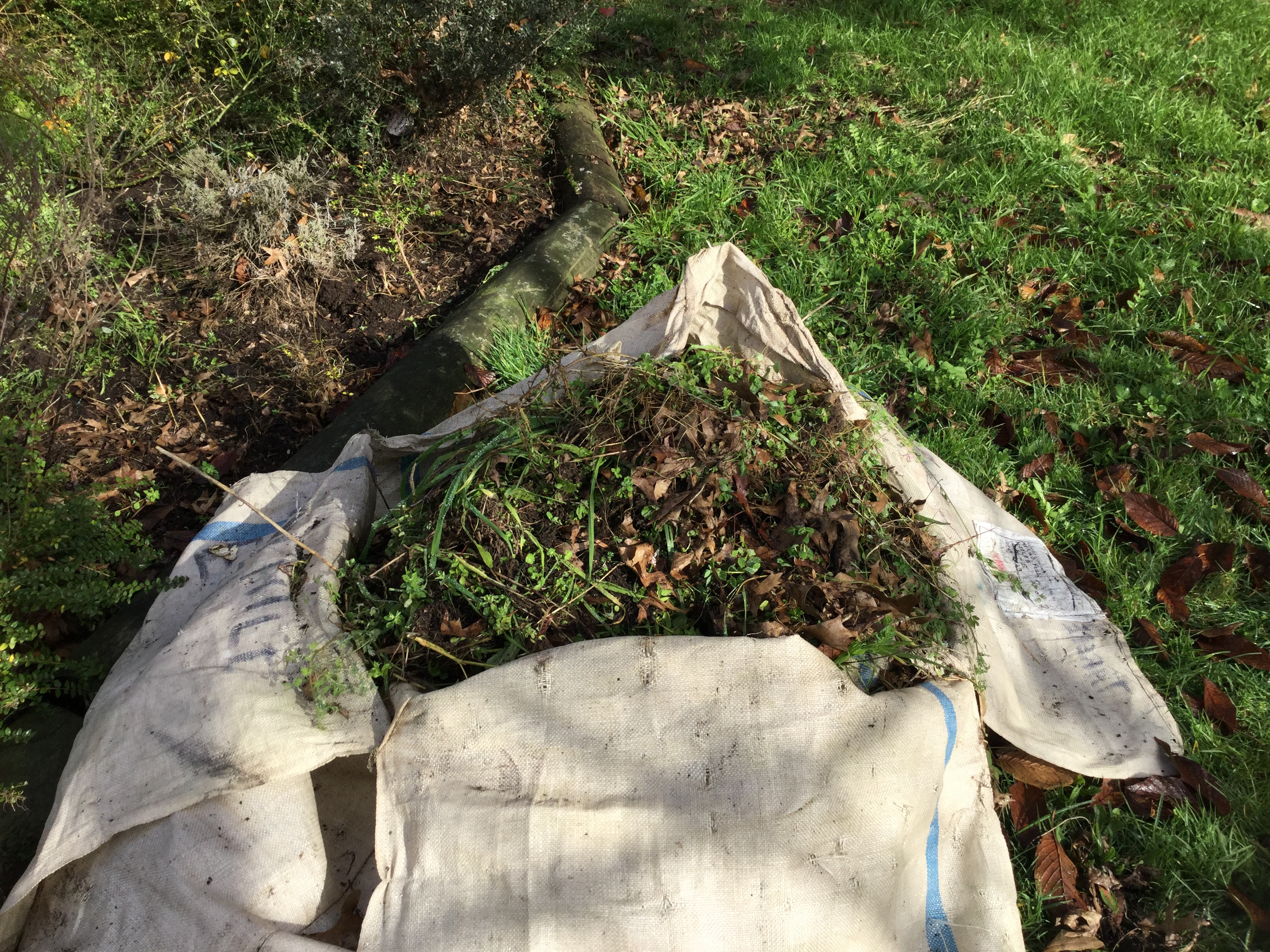
Many different options of throwing food waster scrap, is to throw directly in the old tired vegetable garden plot. Leave there to rot and start turning over by making a long or long trench and covering up with old soil from time to time. I won’t worry about birds, rats, mice or rabbits come along and pick it for meals. You may see lupin plants in the old garden, and they are an excellent fertiliser, even mustard seed/flowers too. The Lupin and Mustard Seeds are high for Green Crop Nitrogen Fixing. Somewhere there were comfrey leaves as well. I grow comfrey plants for flowering and making fertiliser.

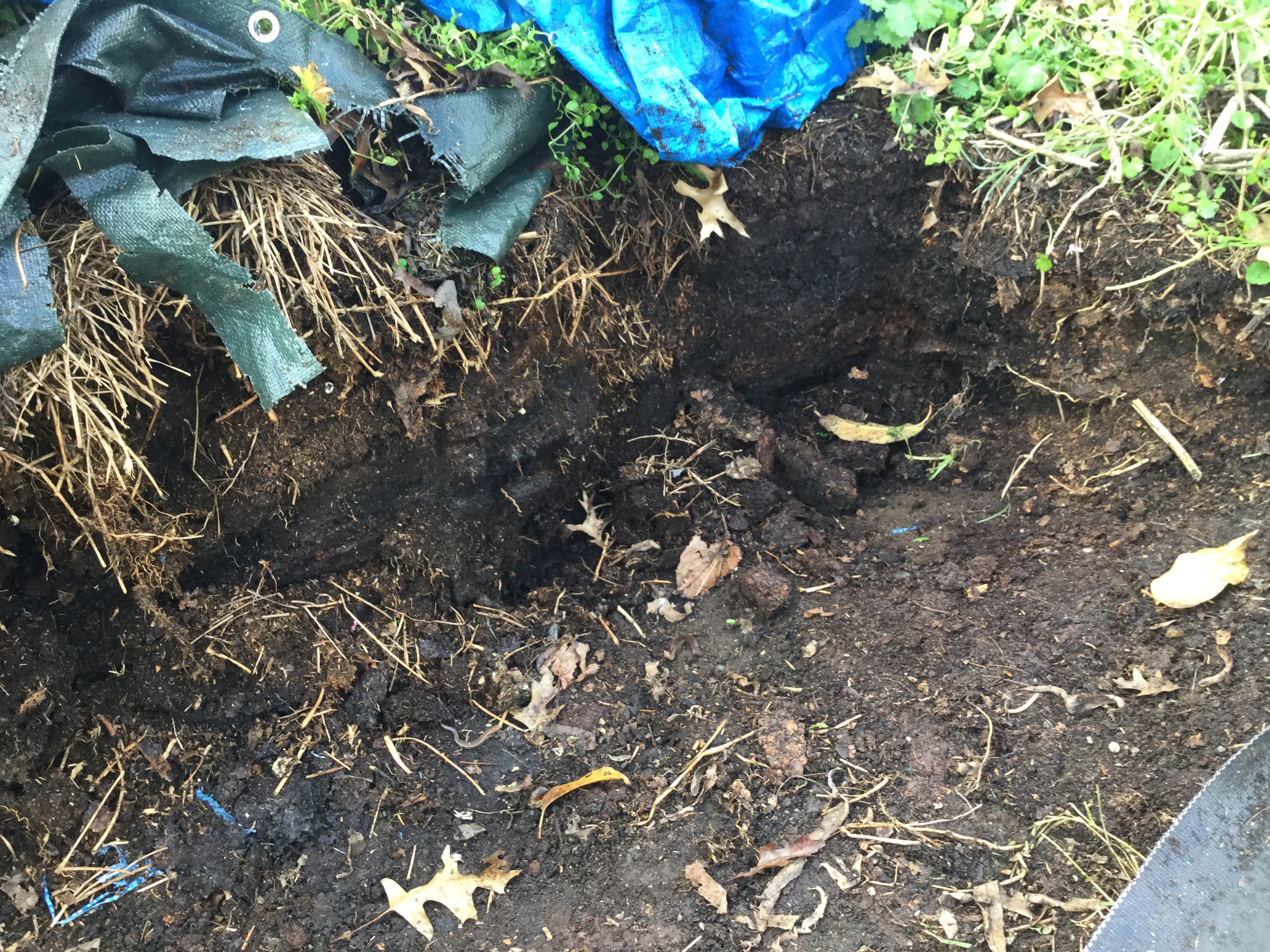
In the third photo, the other food waste scraps came out directly from the white drum as in the previous blog into the section for making compost throughout the year. I covered this one with large tarp sheet, before this work I laid down cardboard on the ground first, then food scrape on top and finally covered with tarp sheet. Check regularly and turn over, see the layer of compost colours and break down mulching in the fourth photo.

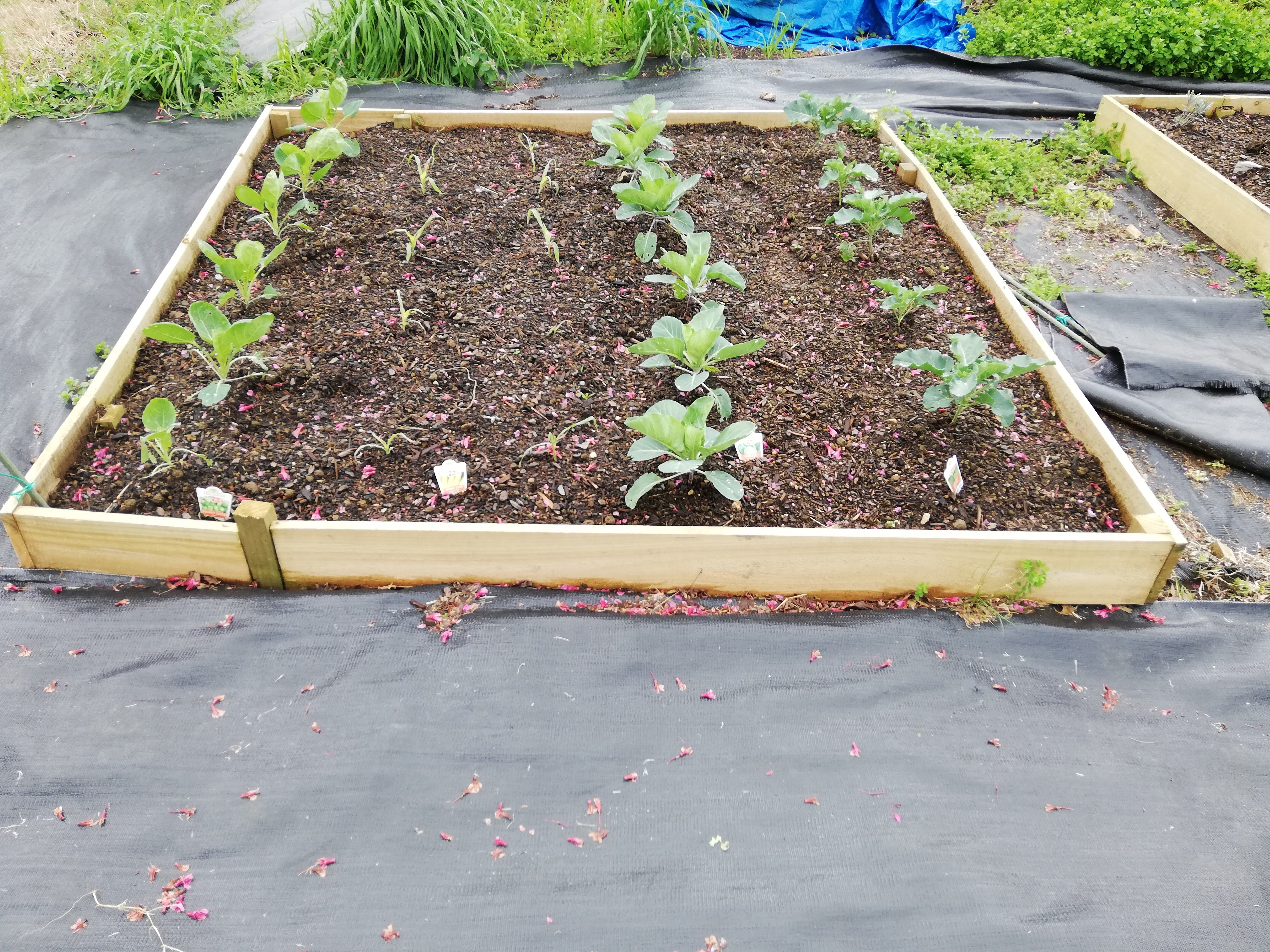
Then shift freshly compost to the garden plot, dig in and turn over for a few days.

It is ready for new vegetable seedlings to plant in.

Jacek’s vegetable section. He is one of the persons with disabilities and I am growing for his request on the choices of the selection vegetables.

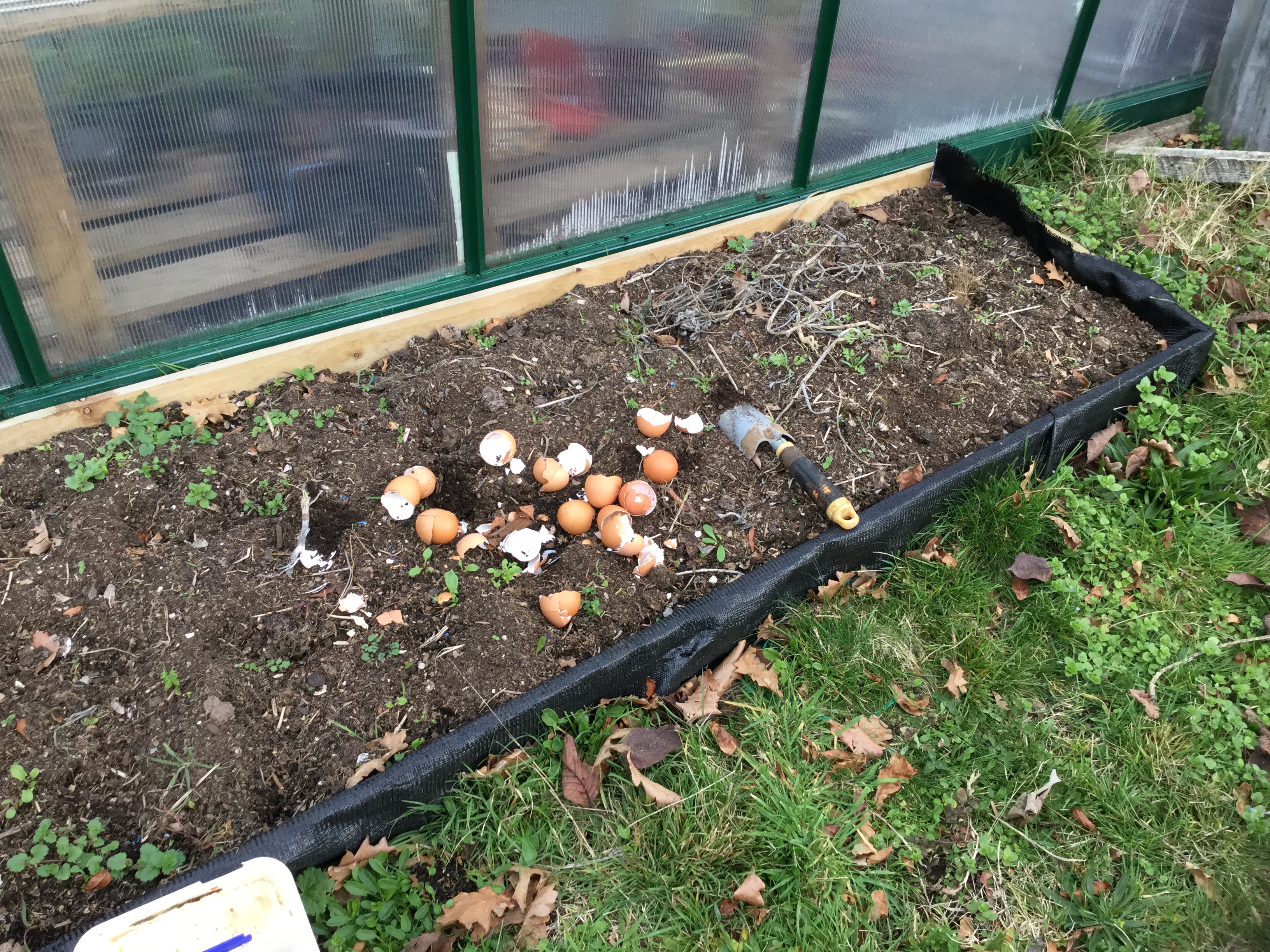
Another tip for making fertiliser, use broken clean eggshells and put straight into the soil and turn over. Why eggshells?? These eggshells provide calcium deficiency. While this deficiency rarely caused by improper watering, there’s no harm in making sure your plants have a steady source of calcium.

Leaves, grass and weeds are also high for quick composting if you can pile up into moulds and leave there until it is ready to put back in the garden after several weeks.

Discovering more about the history of our home

This photo was from the book which gave to this author of this blog by a chap – Ace. The author – Jean will update the detail by putting the name of the book and who took the photo.

Our home in Eureka is full of history, and there are a few numbers of people still living in Eureka over many years. The people who live/lived here in Eureka, are the Hinton, Duncan, Henwood, Inglis, Insoll, Masters (no related to us), Morrow, Clarkin, Ross, Gordon and the list go on.
Jean’s great-granduncle of the Yates family (her dad’s side family) married to a Hinton lady who her father was James Jasper Hinton. James’s brother Thomas’s present generation are still living here.
Our home is sited between Hinton Road and State Highway 26 – Morrinsville Road.

Ace came over for his request on any woods from the old house where the Jean and her partner pulled down. Yes, Jean’s partner stored many old woods such as pine, rimu, Mahogany or black wattle in the barn or somewhere.

What a small world! Ace has got a small number of Deaf members in his family, and Jean knows his Deaf cousins and uncle well. Jean asked Ace if he recalls his childhood in Eureka, and he responded that he lives here over many years. What our home was like or is it changed over many years. There was a depot called Eureka Transport Depot, but there was no picture of the place.

Now, Jean got a photo of the Eureka Transport Depot at last, and this business ran by the Hopper family who lived in Hopper Road, not far from here. Mr John Hooper ran the home business on their farm in Hooper road in 1920 then the Eureka Transport Depot became more expanding in 1949. It became too big to run the business, and they bought another land in Hinton Road before 1970. Mr Charles Edwards married to a Milly Hooper while John Hooper moved to Hamilton. Charles continues to run the business until the business sold and folded in 1980.

Jean tried to remember the place during her childhood when her late grandparent – Mama and Poppa took Jean out to our uncle’s farm near Te Aroha, Morrinsville. No, she was too young, but perhaps her aunties or uncles may remember for they live too far away.

Wow, the depot and previous homes looked like in the past. It had made a big difference today. In the photo above, there were three houses along with abundant storage shed for hays and other supplies, barn, garage and three driveways plus turnabout driveway. A palm tree was in the front of the main highway road and not much gardens and trees. The roads – Hinton Road and State Highway 26 – Morrinsville Road was different from current roads today.

Today there is one house and the second house pulled down to the ground. There are two garages – one is a double carport next to the house and the second one is a double garage next to the large old barn which still standing there. There is a remaining water pump hut near the house. The previous two driveway facing the main State highway 26 blocked off and leaving the third driveway in Hinton Road. Both roads have changed a bit while the garden grew bigger, including more trees in the fields.

Jean and her partner continue to improve the current house and try to restore the large barn in shape. The gardens, including the vegetable gardens, will continue to expand. The dogs love the home, and every day they run around the fields by chasing rabbits, birds, mice even possums.

Seeds for growing

There are many ways of collecting seeds instead of buying seeds from the Plant Shops, Garden Centre or King’s Seeds (NZ), by saving your money. Each time I grow vegetables, cut up for our meal preparing, and I collected seeds to keep for future use of growing in the following season. Sometimes I want to get something different kind of vegetables or fruits where the Fruits & vegetable shop does not have one. I ordered the seeds through King’s Seeds (NZ).

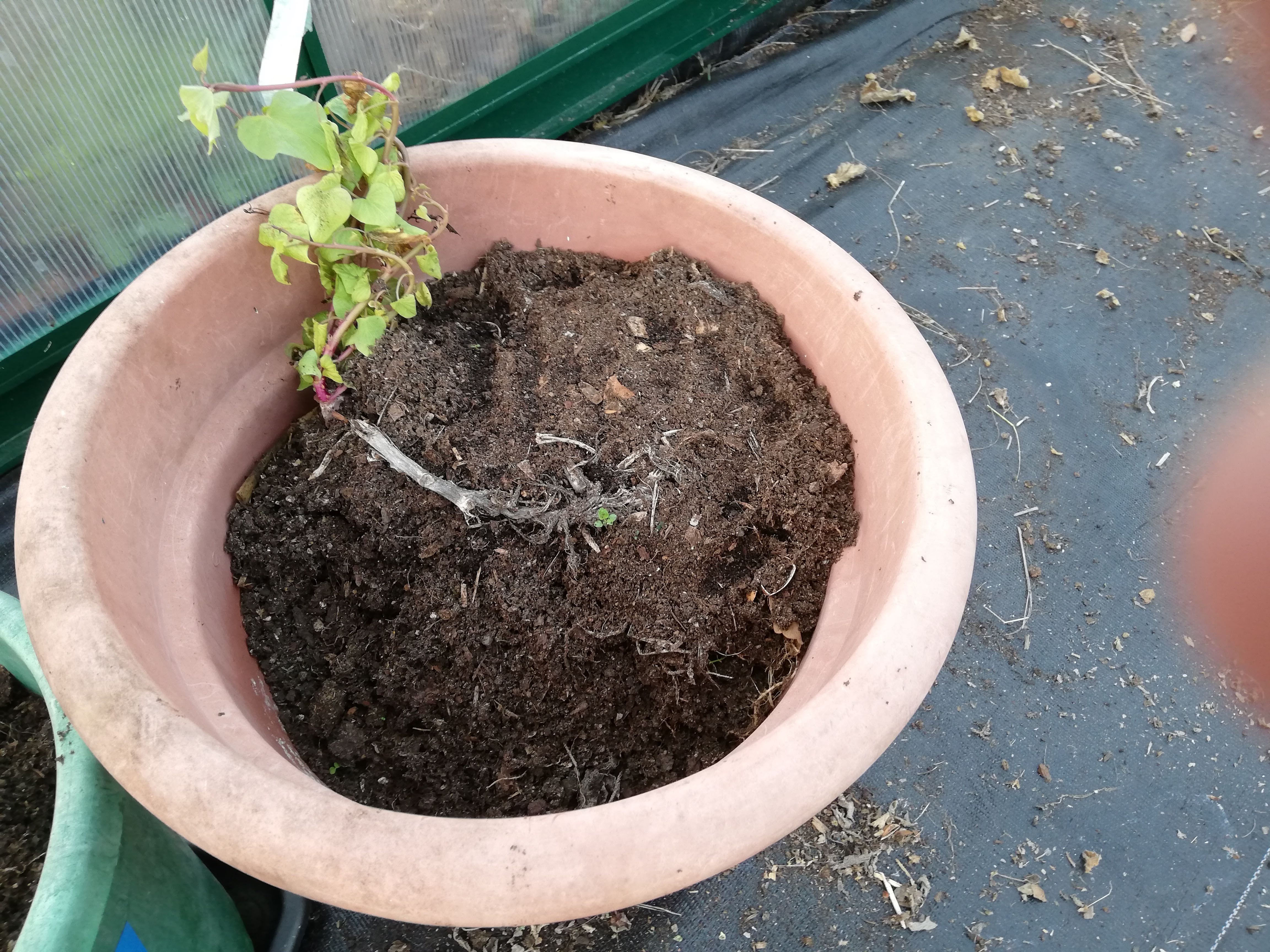
First of all, to dry the seeds onto the paper towel or plant straight into an empty eggshell or egg carton filled with dirt and grow inside. An eggshell or egg carton is useful for recycling back into the ground quickly. Currently, I am growing kumara slips and planted out in the large pots inside the greenhouse last weekend. Kumara slips do not like frost, they prefer full sun and warmth, just like pumpkins.

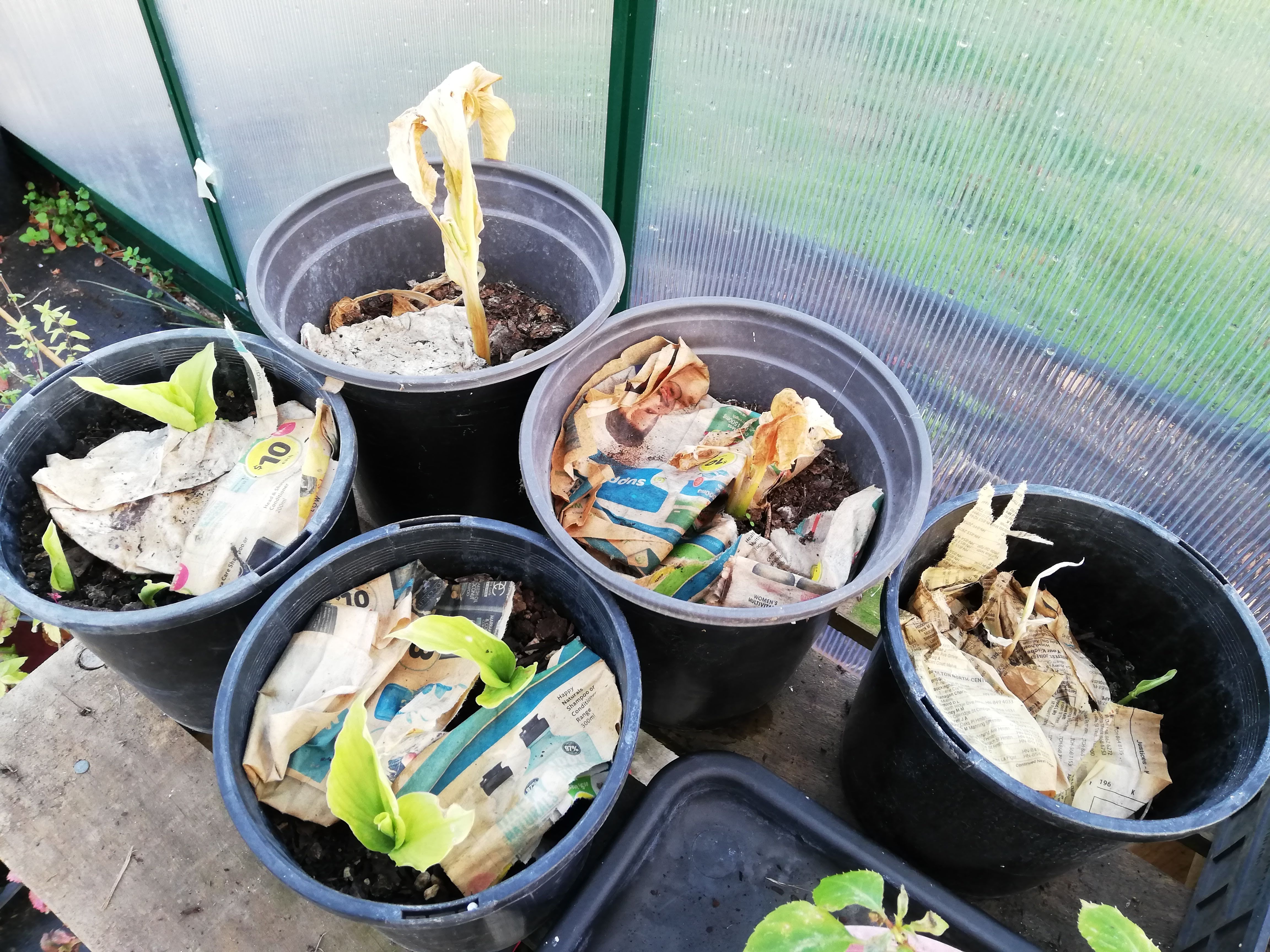
Inside the greenhouse, there are several ginger shoots and turmeric shoots growing in the pots. Note I put scrape newspapers over the soils and this helps the earth in the containers to retain moisture and warmth through winter inside the greenhouse.