Let’s proactively shape our future; together, we can innovate, inspire, and make an impact!
Deaf communities are not just local; they are global. Our diverse intersectional communities, found in every country on Earth, are united in our innovation. We have multiple opportunities to impact technological change, and our future begins with our knowledge, drawn from diverse communities working together to shape the future we want. Together, we will innovate, inspire and create a world where D/deaf people everywhere can sign anywhere!
Extract from the World of Deaf people and amended by Jean.
Millions of D/deaf people, D/deaf with disabilities, Hard of Hearing Seniors and families of D/deaf children continue to raise awareness about us, our culture and sign languages around the world. We repeat the popular title – ‘Nothing about Us without Us’ and strive to blend the rest of you as equals by removing ableism. Your voice, your experiences, and your contributions are integral to our community.
We know our D/deaf children, D/deaf with disabilities children, are developing valuable skills and living experiences by producing improved and advanced technology and preserving our taonga (treasures) of sign language alive for the future.
Recently, the World Federation of the Deaf celebrated a new milestone in acknowledging our culture and sign language, approving the design of the Deaf flag—the Deaf flag, designed by a Deafblind (Usher Syndrome) man, Arnaud Balard, along with many other D/deaf people’s designed Deaf flags from other countries in 2023-2024. Actually, he designed the flag and French les personnes sourdes (D/deaf people) between 2013 and 2015. More information about Arnaud here. https://surdistsunited.com/sign-union-flag-by-a-balard/
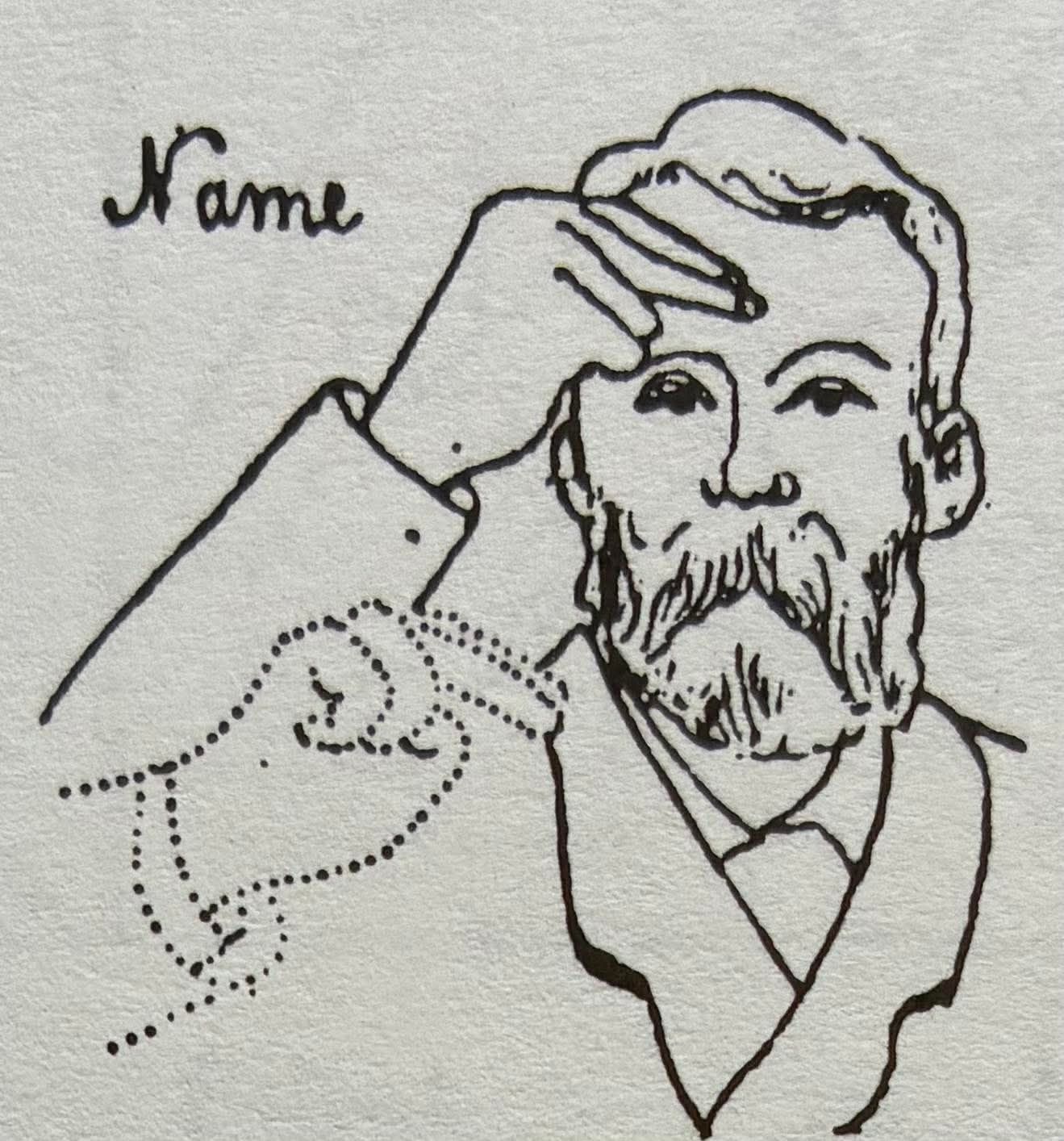
As a deaf linguist, I recently came across a post on my personal Facebook page via the Deaf History group that I thought would be insightful for you. Our sign language, a living and evolving part of our culture, has undergone some minor changes in its communication. Let’s examine the sign ‘name’ from British Sign Language (BSL), dating back to the 1890s. The sign for ‘Name’ is derived from the baptism method in the Church of England. This sign originated in London and the South East of England, as noted in an article by Peter R. Brown. In New Zealand and Australia, we sign our name the same as in England today. This sign ‘name’ continues today from the 1890s and will continue, showing that our culture and language are not static, but living and evolving traditions.
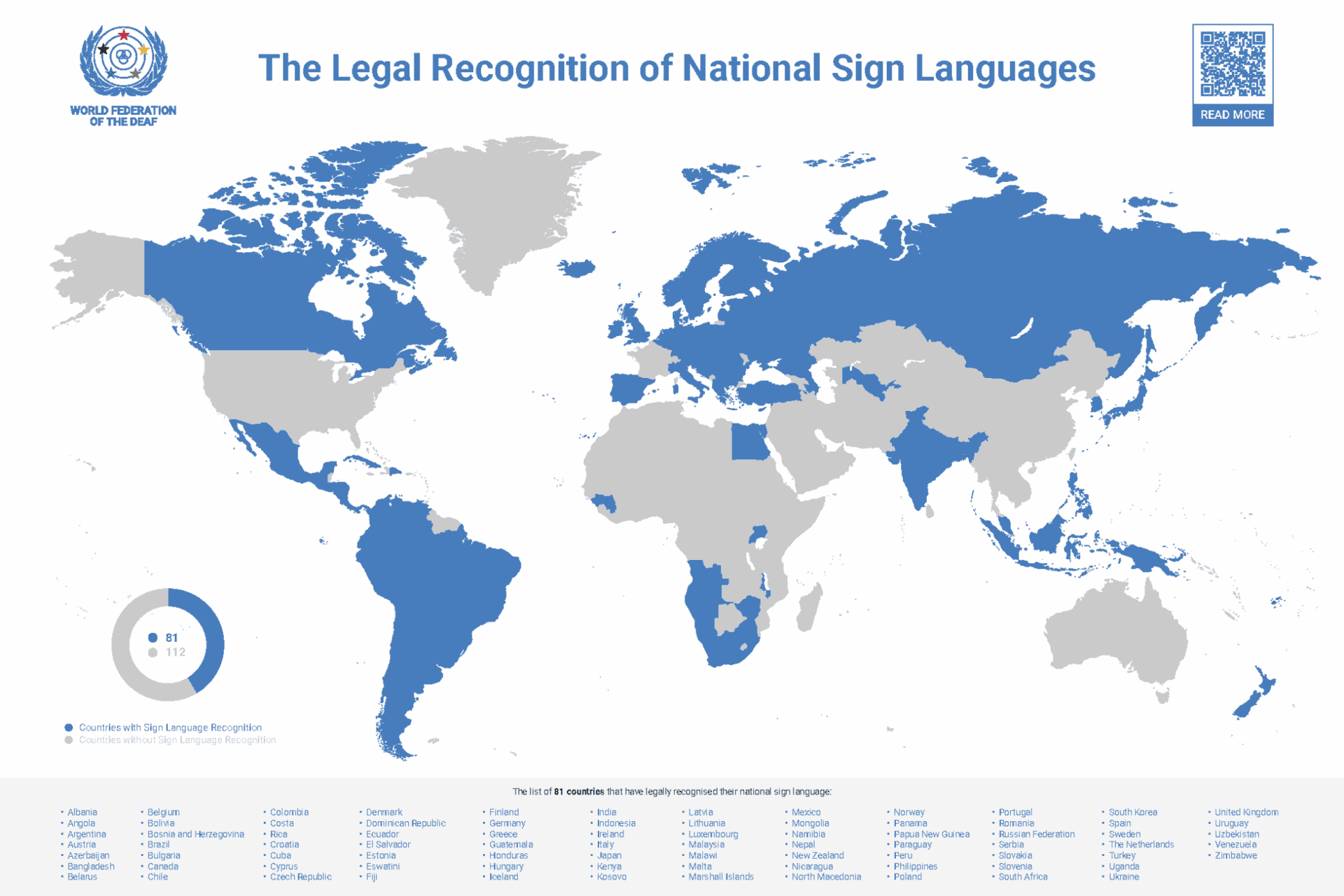
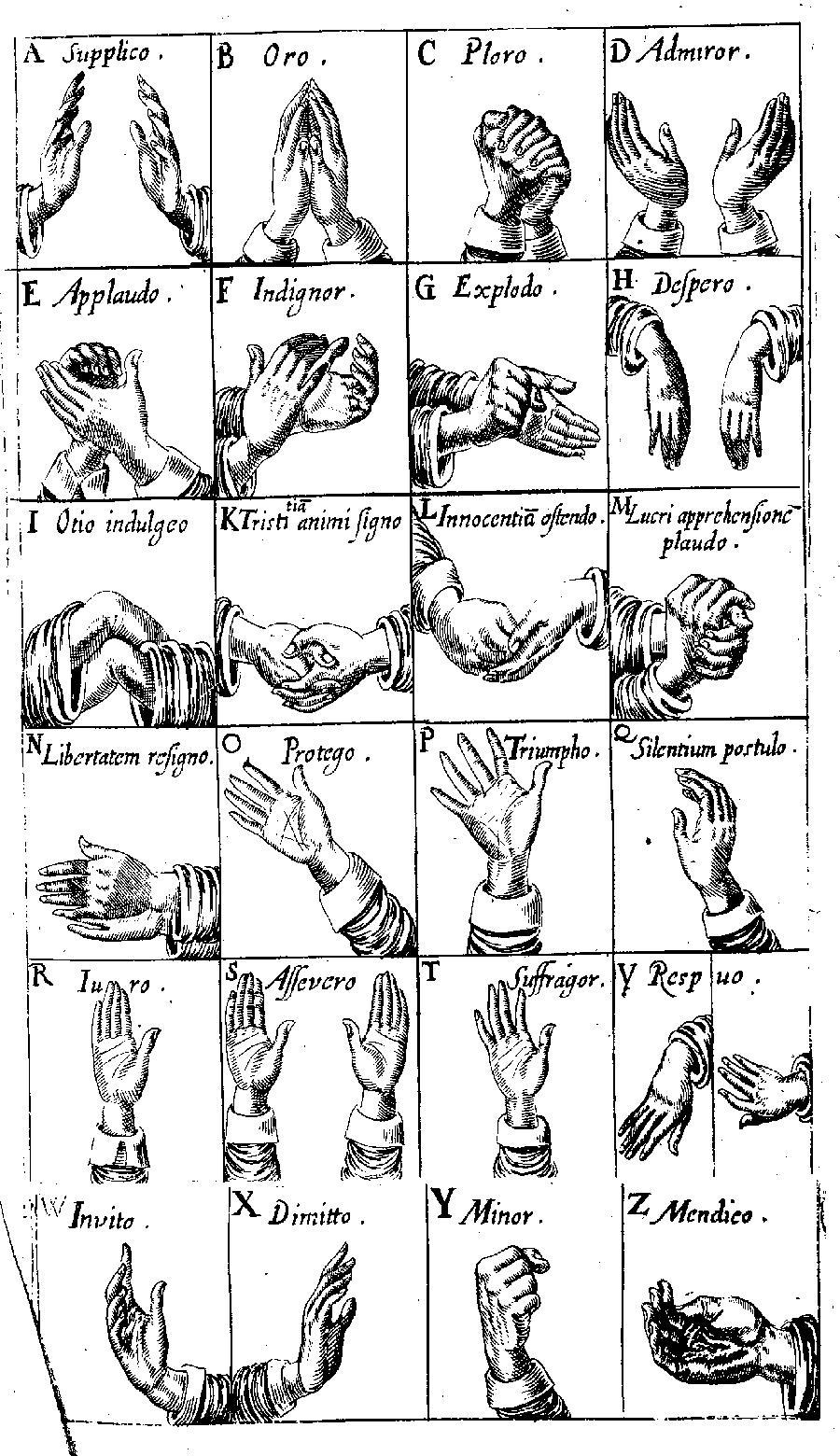
Today’s and future technologies, such as AI and Google Gemini, may lead to a lack of accurate sign language representation; therefore, these technologies need to support more than 200 sign languages worldwide, not just one, such as American Sign Language (ASL). Overall, we need to teach technicians, designers, and graphics teams our sign languages so that they can create friendly sign languages for everyone in the world. For example, consider our New Zealand company, Kara Technologies Ltd., which is linked to another country, the USA.

 Life in Eureka
You must be logged in to post a comment.