Oh, what a vibrant sight of yellow, a burst of life harmoniously set against the serene green background.
Curly spiral shapes, reminiscent of snails or daddy long legs, curl against a green, spikey background. Oh, oh, what a spiky, sharp tip! It could leave a prick for dogs or humans walking by, a curious detail in this natural scene.
Blue are violet, how sweet the sight, not the sound to my ears! Along the stalk, winding down, spiralling, touching the grass. Another lone violet flower, its delicate head bent down as if it were praying for a miracle, perhaps for a gentle rain to quench its thirst.
Today, amidst the rare frosty morning, I took a leisurely walk around the expansive property. My focus was on the entrapment stream, where I planned to plant precut flaxes from other areas, as well as large shrubs and trees, to combat erosion and mitigate the effects of wet weather. To my absolute delight, I discovered numerous new tree shoots sprouting from the main trees. It’s a joy to witness the cycle of life in action.
Great men are like eagles and build their nest on some lofty solitude.
The bird’s nest, a symbol of health, longevity, and prosperity, holds a special place in traditional Chinese culture. Gifting a bird’s nest is a gesture of well wishes for vitality and good fortune, a tradition that has endured for generations. It’s a gift that not only shows care but also symbolises prosperity.
Allow me to introduce you to the ‘Nandina domestica’ Richmond’, a plant that has captivated me with its vibrant beauty and rich cultural significance. Here’s a photo to share its allure with you.
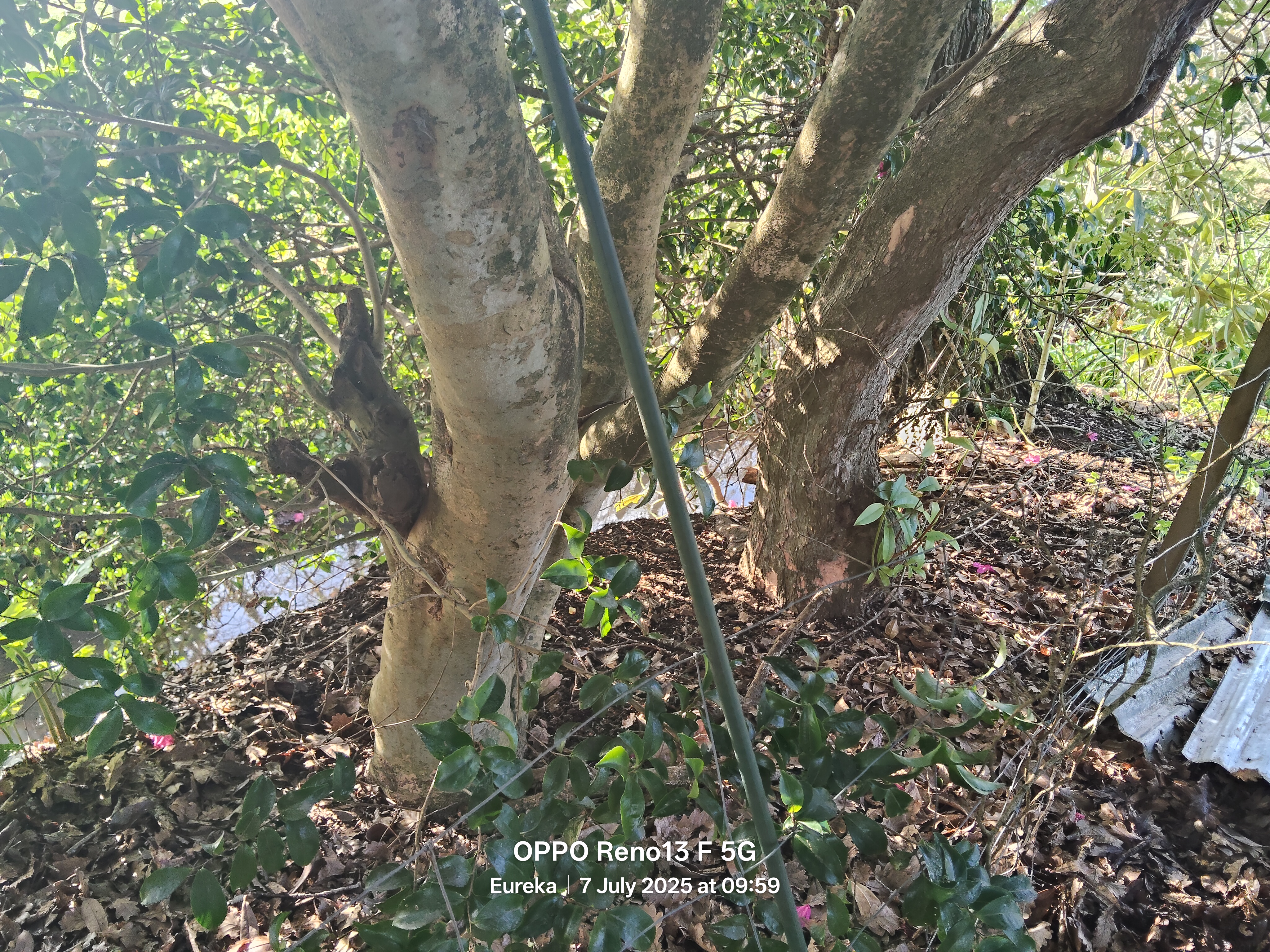
Inspecting the ground where autumn-winter leaves are on the ground under cherry trees, and other large trees – Liquidambar styraciflua, displaying Sweet Gum Balls: the sharp, spiky seedpods of liquidambar (sweet gum) trees and hanging onto the branches.
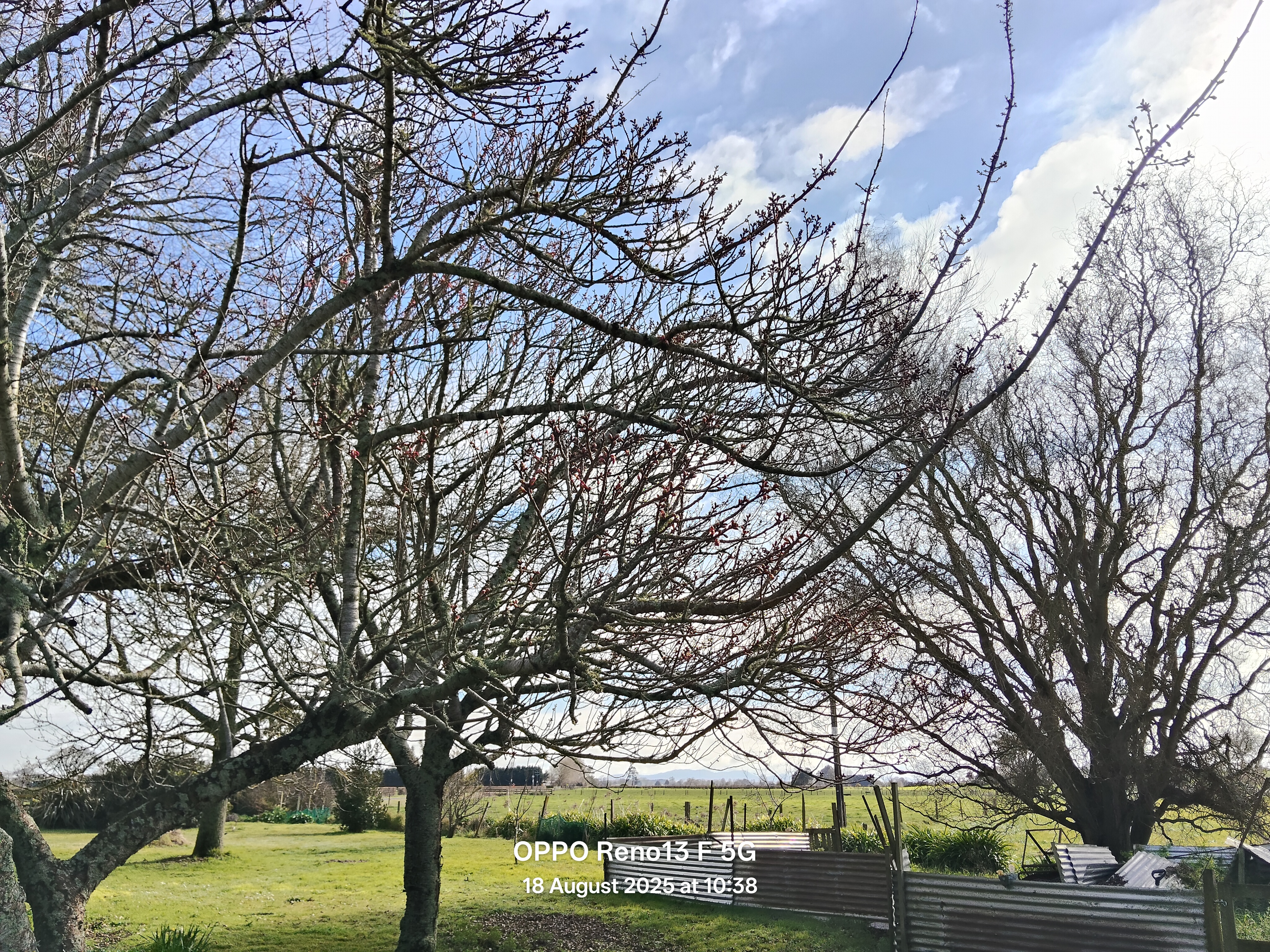
As I take in the surroundings, I can’t help but feel the anticipation of spring. It’s as if it’s just around the corner, ready to bring new life and beauty to this familiar landscape.
“Winter is the time for comfort, for good food and warmth, for the touch of a friendly hand and for a talk beside the fire: it is the time for home.”
– Edith Sitwell
Sitting in the shared rooms – lounge and dining rooms and working from home today as the thunderstorm finally beckons this afternoon. Three dogs are asleep in the bedroom, where they can see the world outside through the window, hearing the strange sounds, rabbits passing by, and birds flying by, and be on guard for Jean, who is deaf with disabilities. Jean worked through the right side of her neck down to the right side of the shoulder blades as she has had Cervical Spine Degenerative Radiotherapy for many years. Jean faced the impossible challenge of getting back to a regular routine around home and working from Autumn to Spring.
June marks the beginning of the Winter season, and Spring is not far away, despite global climate change being at its worst and with no action taken to preserve the global climate.
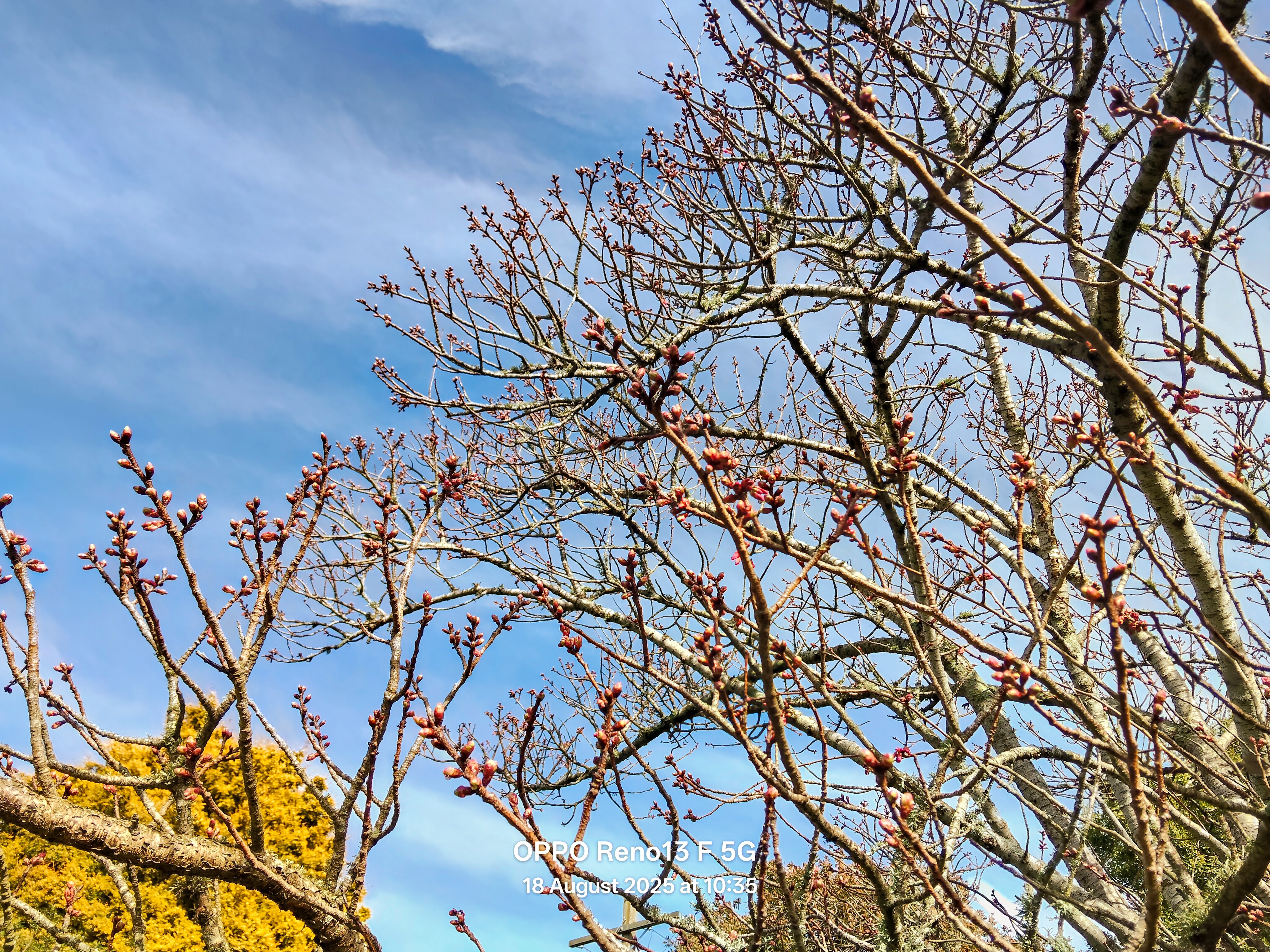
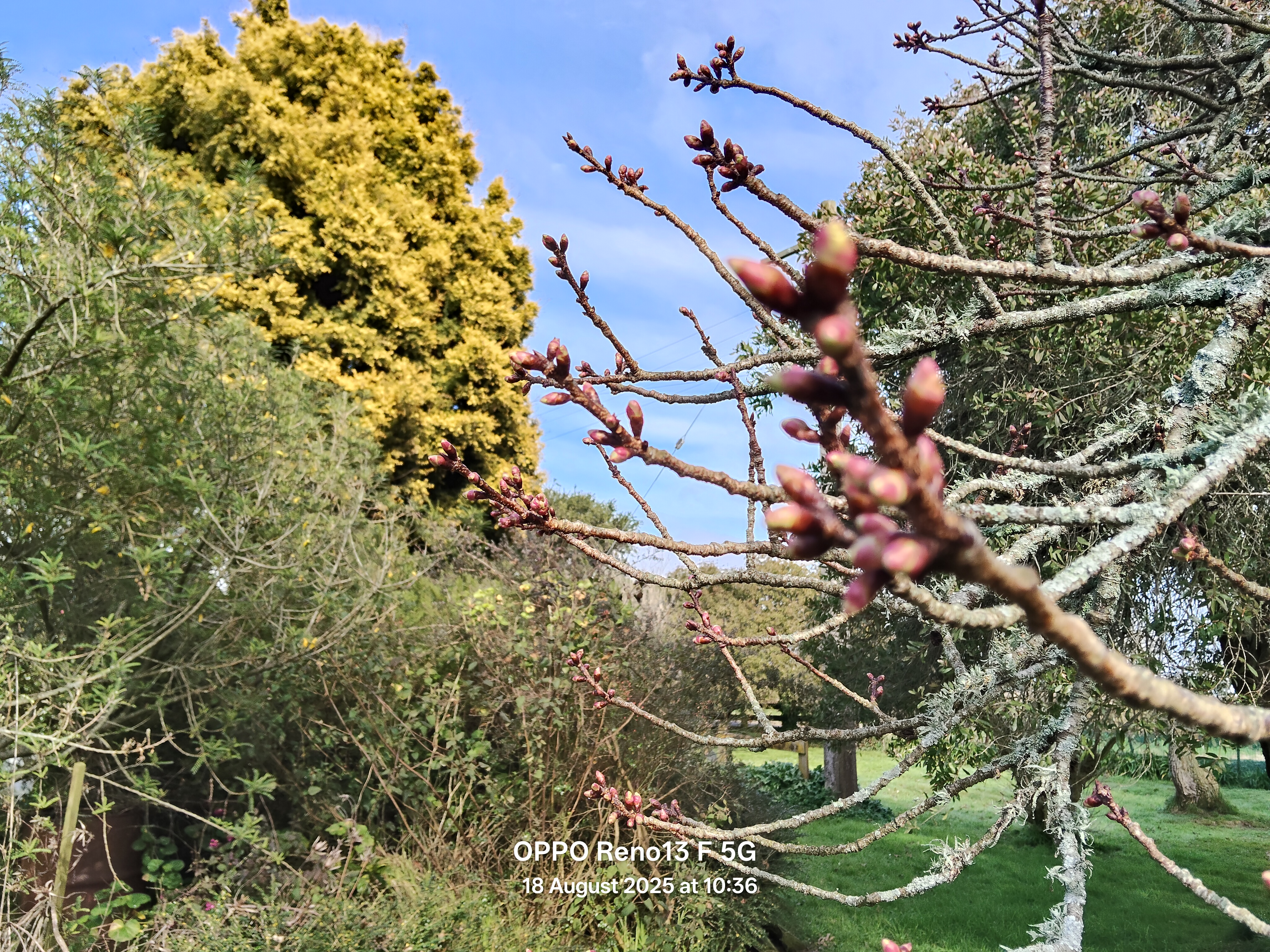
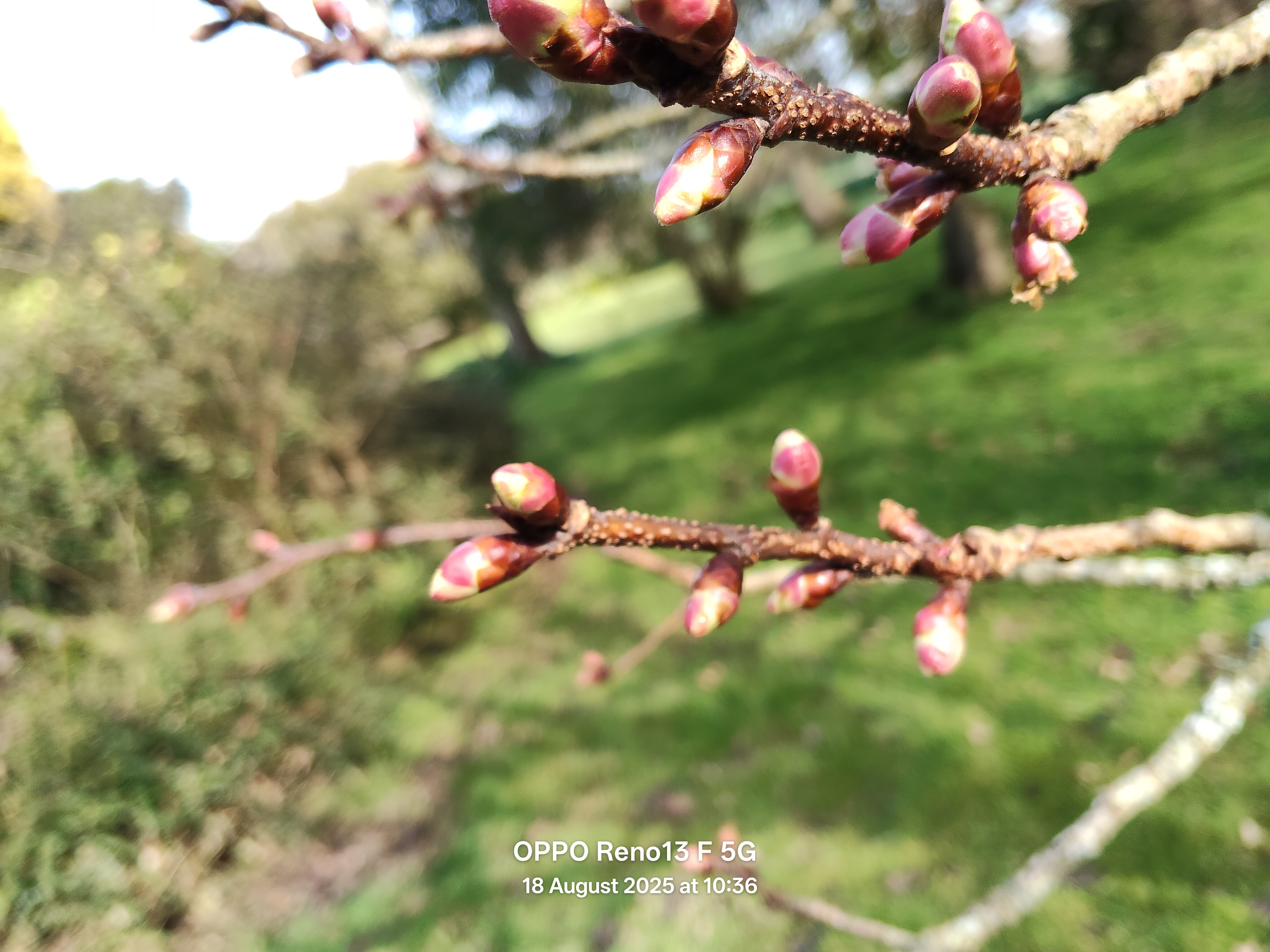
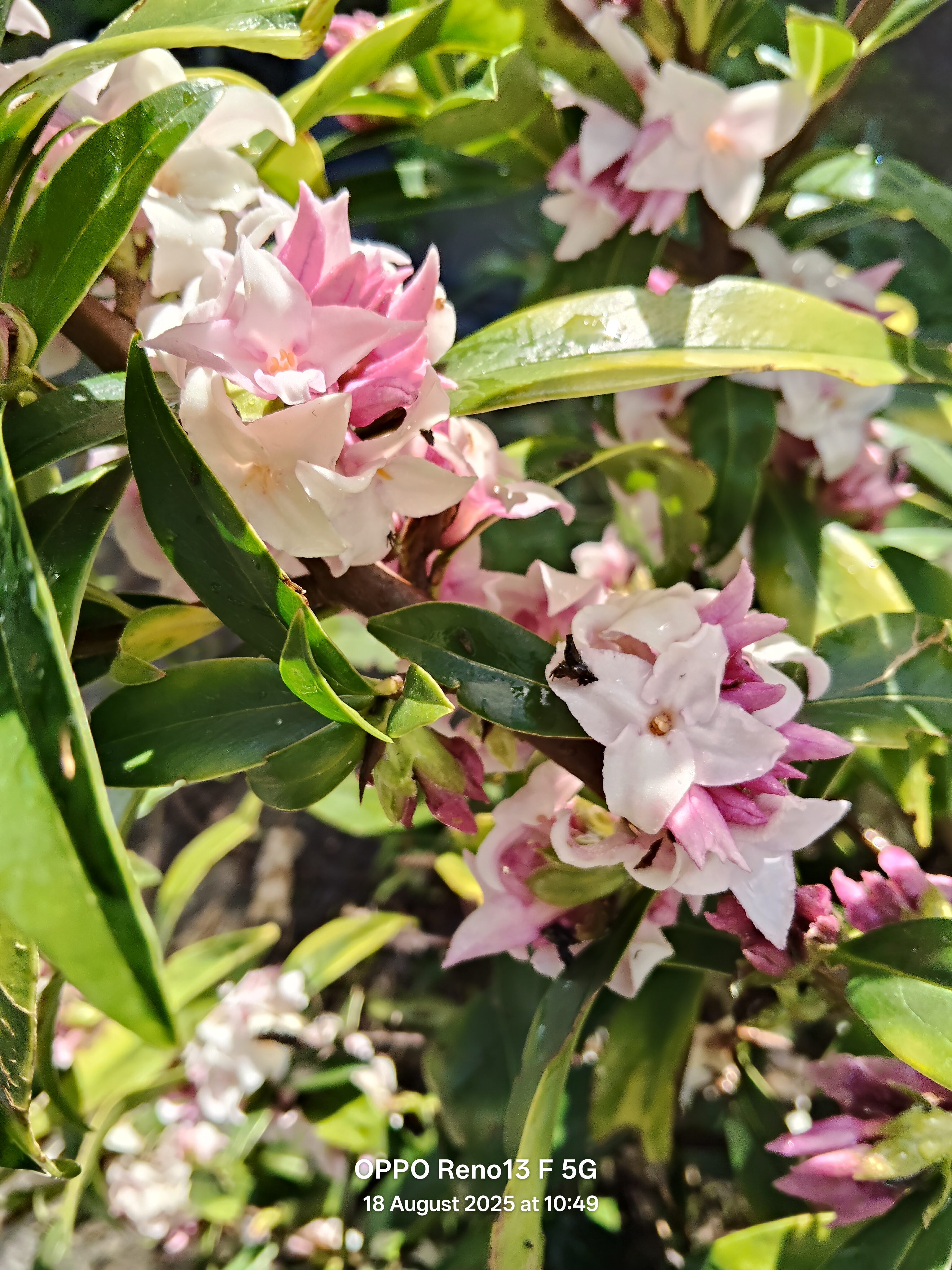
The Cherry trees in the Cherry Trees field, turning orange, golden brown, and red, are an incredible sight of the Autumn to Winter seasons. The vibrant colours of the leaves, the crispness in the air, and the anticipation of Winter make this a truly magical time. Early flowers, such as Erlicheer and Daphne, show signs of Autumn-Winter flowering in the extensive gardens and fields.
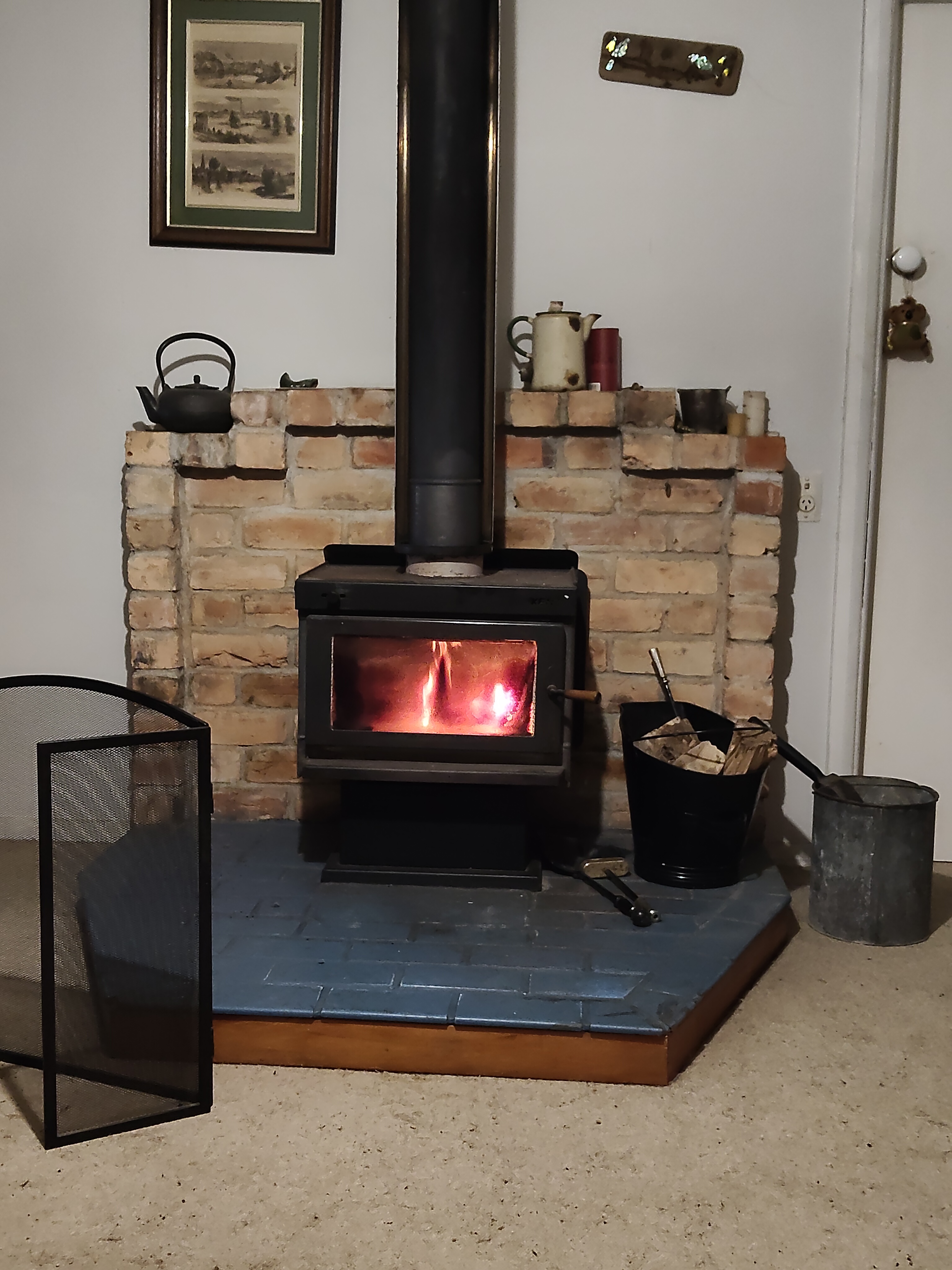
Jean prepared the fire for fire heating through the cold night and decided to cook a warm meal, such as an Irish casserole.
“What could the weather bring tomorrow or the day after?” Jean ponders, a sense of intrigue filling the air.
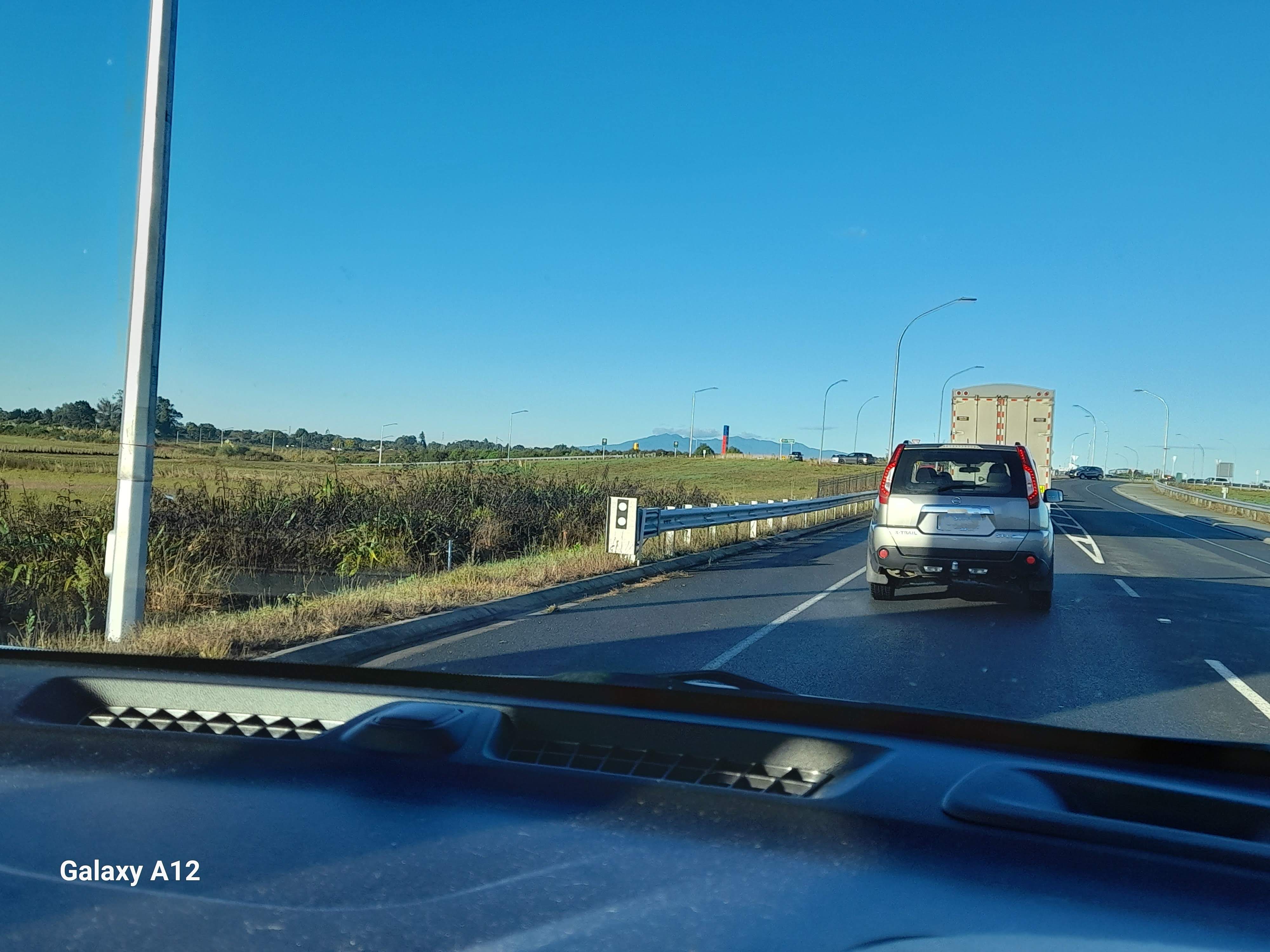
On the 20th of March, in the early morning hours, I was on my way to Hamilton from home. My regular route is State Highway 26 and the Intersection/roundabout of the Waikato Expressway State Highway 1. While I was waiting for my turn passing the roundabout toward the University of Waikato campus, Ruakura Research Centre and the city of Hamilton, I admired the maunga (Māori word for “mountain”) – Pirongia-o-Te Aroaro-ō-Kahu is the background on a fine, clear morning. It was great to see the viewing while sitting in the car, waiting to move forward.
If you are wondering what this unique name is – Pirongia-o-Te Aroaro-ō-Kahu under the Waikato tribes – Tainui. It is called ‘the scented pathway of Kahu’/‘the fragrant presence of Kahu’, his wife.
The full name of Karioi is Maunga-O-Karioi, which means to linger or loiter. This name arises from the journey of Kahu from Kāwhia to the south Waikato and north Taupō districts. Kahu named numerous hills, mountains and other landmarks on her journey.
Despite the daunting challenges, seniors and disabled individuals worldwide exhibit extraordinary personal resilience in effectively managing their limited finances and budgets. Their unyielding determination and strength in the face of adversity are a powerful source of inspiration and hope for us all.
As Jean read a prayer that resonated with her—” Lord, I don’t know what today holds- go before me and walk with me!” by Grace Oasis—she found solace in its message of uncertainty and the need for divine guidance. This prayer, she realised, echoes the daily struggles and hopes of many seniors and disabled individuals, including herself. This prayer speaks to the heart of our shared experiences, fostering a sense of connection and empathy.
As a senior, Jean immerses herself in daily articles in newspapers, online news, and social media—not the frivolous ones like TikTok or X. I understand the struggle many of us face in managing our finances, incomes, and even superannuation amidst economic financials, high inflation, interest rates, mortgage rates, and other issues. It is our collective responsibility as a community to extend our support to the millions of disabled people who are also grappling with low income or Poverty without social security, supported living benefits (in New Zealand), and New Zealand Superannuation (pension) benefits to pay the bills, rent/mortgage, food, petrol, power, and the list goes on. On the other hand, some people run businesses struggling for profit, have above-average income, and earn an average. They do not realise the problem outside the building or open their eyes to or notice thousands of homeless people and low-income families trying to do their best. These personal stories bring us closer to the realities of seniors and disabled individuals, fostering a sense of engagement and emotional connection.
For example, on one side of the coin, public people, councillors, and business owners fear their businesses will lose profit because of the homeless people hanging around in Garden Place, Hamilton City, washing, showering, having a ‘bong’ and socialising with other familiar faces of homeless people. Jean understands that many restaurants and cafes lose wasted food and do not give them out to homeless people or schoolchildren. Jean understands their feelings and how they can stop and think twice before making a complaint. On the other side of the coin, Jean walks to the Central Library every Friday except for school terms, and yes, Jean notices several homeless people living in Garden Place. Jean recognised them because they visited our workplace where we provide a new service, ‘Orange Sky’. The Orange Sky is a mobile laundry and shower service providing dignity and hygiene to those experiencing homelessness. Every Monday at our workplace, we have a community lunch in the kitchen and the hall and provide homeless people and low-income adults a lunch meal of $1. They do not complain about the meal; they enjoy popping in and having regular chats, getting advice or making a phone call. Yes, staff have safety and backup when they visit or pop in. Many of the City Safety Watch Patrols spoke to them about our workplace without a problem. Why not read the article from Waikato Times here?
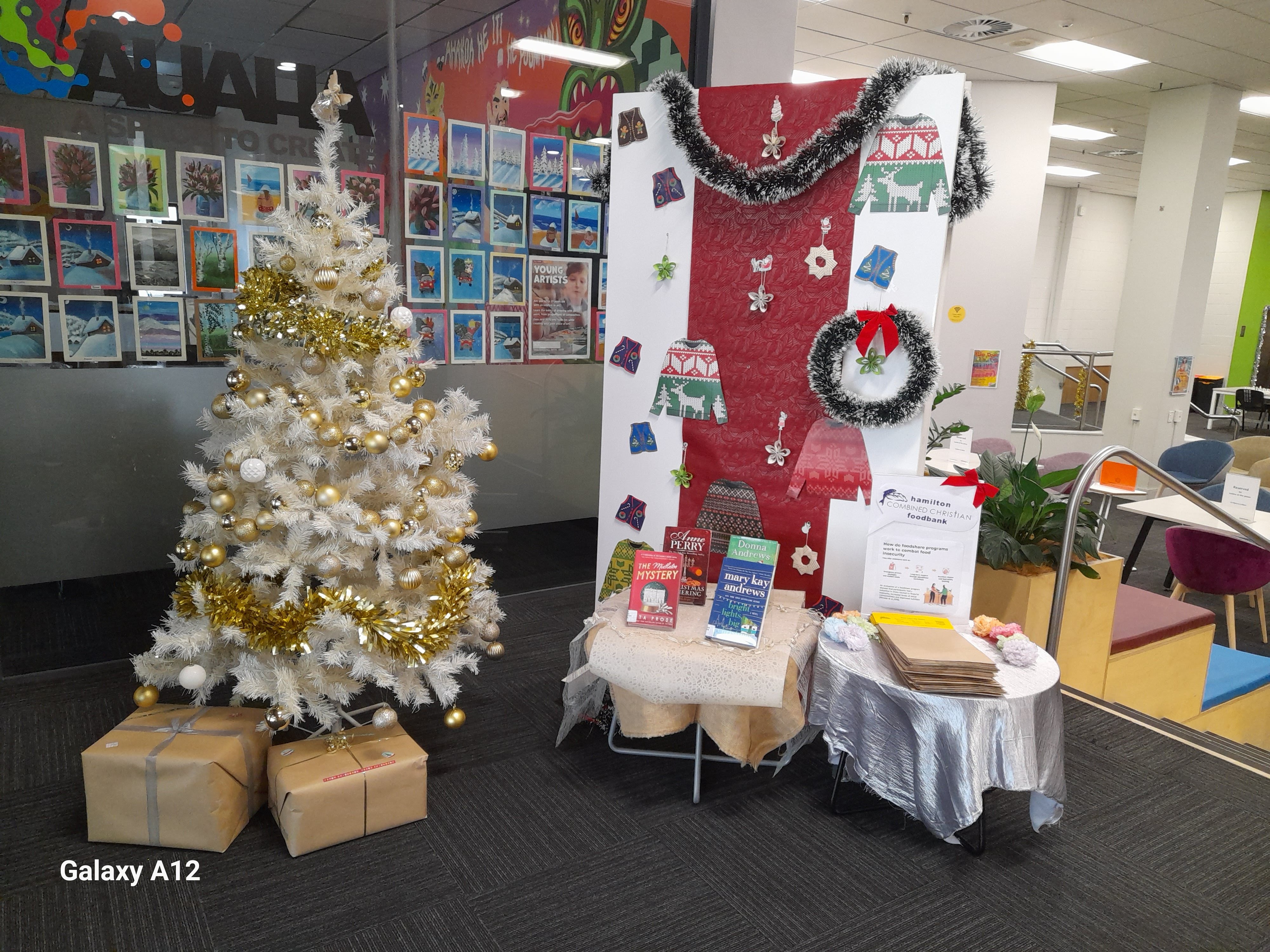
Requesting donations to Hamilton Combine Foodbanks
Here is a one-hour video – Disability is forced Poverty.
Today, the baby boom is outpacing the planning efforts of Health Authorities and the Government. It is frustrating to hear the Housing Minister’s claim that emergency housing and housing for low-income families and individuals adults (possibly for a few disabled people) are being prioritised to reduce waiting lists in New Zealand. We need to advocate for more effective government action, as empty housing in poor conditions sits in the local area, waiting to be built to make way for new housing developments. The plan of making more housing development begs the question- is this the best use of resources? We must push for government action that is not just about building more houses but about addressing the root causes of homelessness and Poverty.
Fortunately, we had a lifestyle block and a 1940s farmhouse, which we decided to renovate and make suitable for living. This decision was driven by our financial constraints, as we needed a cost-effective solution for our housing needs. We are budget-conscious and careful about what we spend, paying close attention to bills like rates, water rates, and many utilities. We are not wealthy people with disabilities, and we are approaching between 61 years old and 70 years old. Our situation is a stark reminder of the financial challenges many seniors and disabled individuals face in New Zealand, where the cost of living is high, and support systems are often inadequate.
Readers may not be aware of the crisis in Finland, the UK, the USA, and other countries, in which thousands of seniors have been living in caravans, old buses, their own cars, and makeshift tents since COVID-19.
Yesterday, a disabled female video chatted about her request for NZ Superannuation and whether she is entitled to a disability allowance to cover the cost of her home, transport, and power. Yes, she is entitled to a disability allowance, and Jean helped other disabled people to ensure they are covered and have some little money to live on in daily life. A few disabled people Jean knew had retired and gained a lump income plus Kiwisaver investment without a mortgage or with a mortgage. They get NZ Superannuation and part-time jobs with different tax codes to ensure they earn limited income daily. Many latecomers joined Kiwisavers at 45 and would not receive much Kiwisaver investment when they turned 65. Also, many young ones struggle to place a deposit for house loans by withdrawing from Kiwisavers and losing interest in the investment and fees.
“Disabled children and their carers are significantly more likely to live in Poverty in New Zealand. Households with disabled children are between 1.4 and 1.6 times more likely to be below all three poverty thresholds than households that only had non-disabled children.”
In New Zealand, the census stats are out now for 2023, and the problem was collecting the data by inaccurate figures due to never filling out language barriers, no one being at home, and not wanting to fill in the questionnaire forms. Thousands of homeless people and homeless people with disabilities across New Zealand did not collect the data.
Spend a day with a homeless person living on the street.
What can Jean do to explore more about disabled people who are homeless anywhere and find updated reports to ensure the public community, businesses, MPs (Members of the Parliament), Housing General Managers, and many more?
Here is our New Zealand Census 2023, and it is not the correct estimate, Jean believes, because they are missing out on more homeless, disabled people in the rural and other areas.
It is stark and pessimistically noticeable that disabled people, seniors and mentally ill young adults live in these conditions of the community throughout their daily lives. The Government – MPs and their parties are not doing their jobs well; they lack leadership skills, there is too much funding under the Financial/Budget cuts back, uncertainly where to place the top priority where many disabled and D/deaf people are placed at the bottom of their lists.
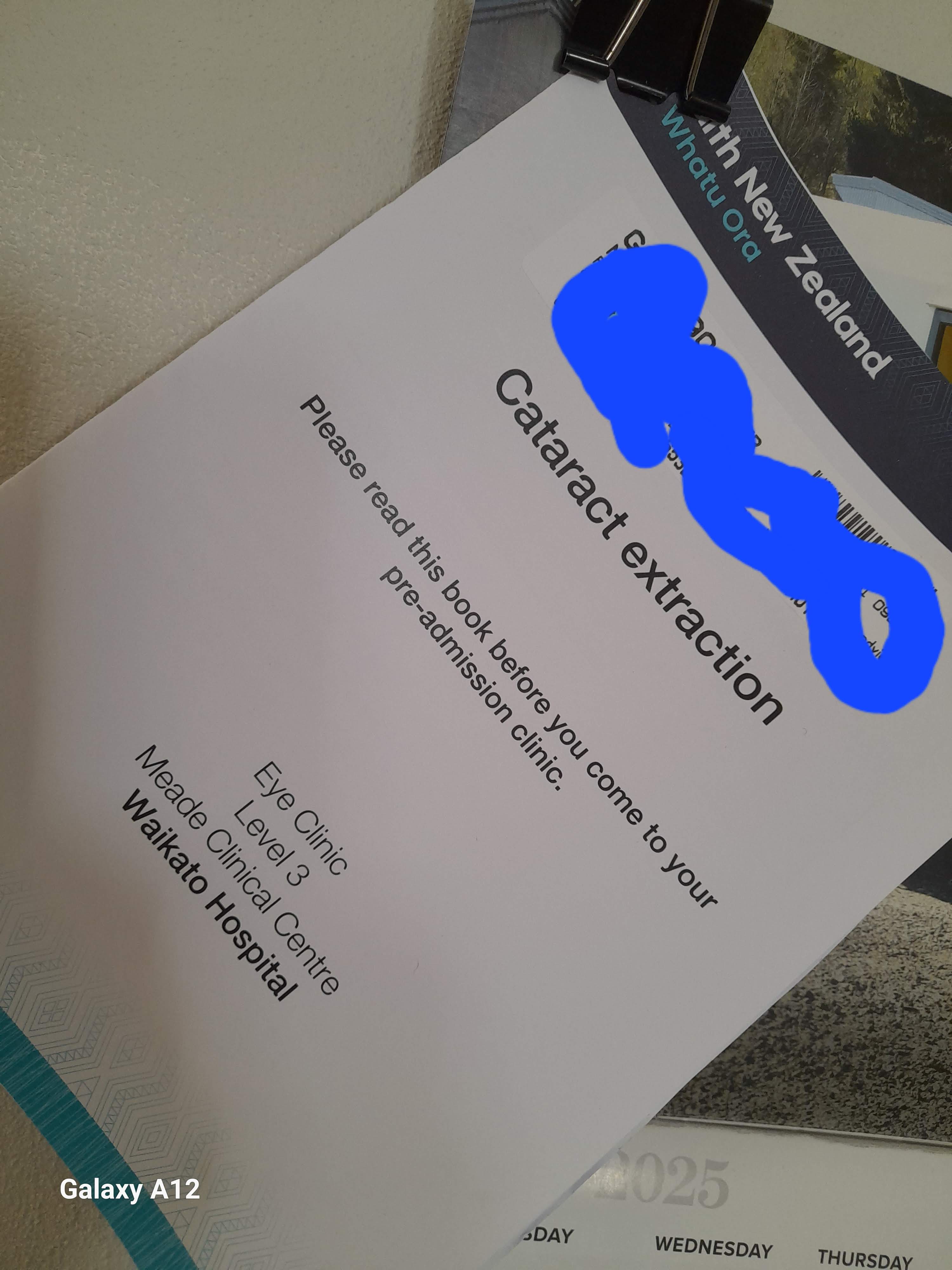
My pre-surgery appointment is scheduled for next Thursday. I recently received a letter from the Head of the Ophthalmology department confirming that the surgery request to correct my severe eye condition has been accepted. This surgery, which involves an Implant lens and laser correction for cataracts, is a crucial step in my health journey. The letter also provided an estimate of the waiting time. This update was written two weeks before my February 27th, 2025 appointment.
How have I been faring since January and the post I posted here?
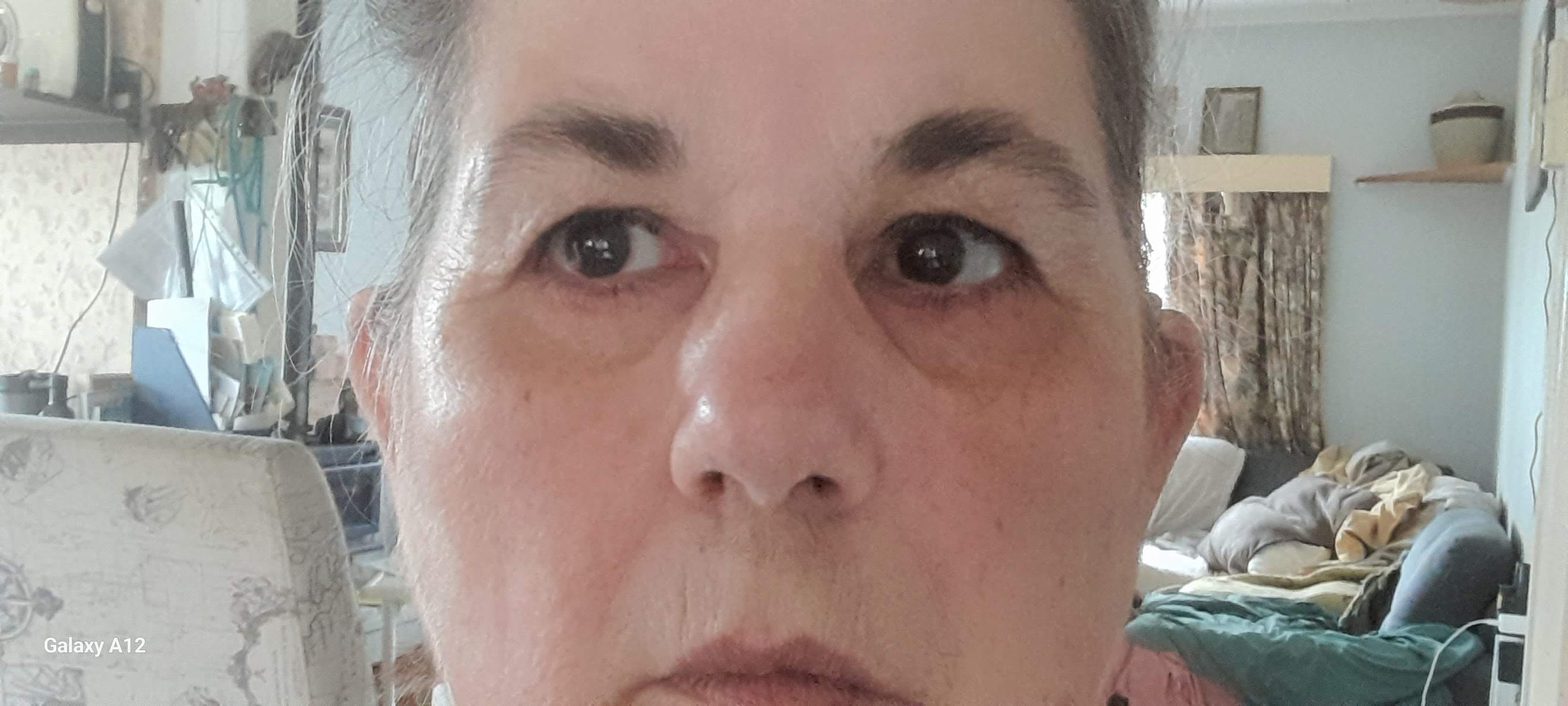
The humid temperature increased to 31oC late afternoon, and the bright sunlight gave an intense ray of light that hurt my eyes when I went out around the garden, making it impossible for me to do weeding and go to work in the city of Hamilton by driving with the glasses on. I lost one person currently overseas for three months and cannot earn the same wages, meaning I lose 6 hours a week. The eye drops are working, and I must wait until the appointment day for the outcome result. I had a couple of visitors through my workplace, and they noticed the different appearance on my face – a changing pattern around both eyes, which was a drooping shapeshifter, and a bit of dark colour rings around the eyes. This condition has significantly impacted my daily life and work routine.
Despite his technological challenges, my partner’s unwavering support in other aspects of our lives, such as managing household chores and providing emotional support, is a constant source of reassurance and strength for me. I am deeply grateful for his support and it has made a significant difference in my journey.
One key to communication is his awareness of my needs through gestures, sign language, and speaking—but he has never used tactile sign language yet!
Looking back in the past, I worked for the Low Vision Organisation and elderly seniors with low vision, including three Deaf-blind persons and one new Deaf-blind lady from Matamata recently. I learnt a lot from them and explored gadgets and tools around home and workplace over many years. New technologies, such as laptops and desktops, work wonders but are costly because I can not get funding from MSD/Te Whatu Ora due to my partner’s income. This financial challenge has significantly impacted my ability to access necessary technologies. I can get a little funding if I require support funding for part-time work under the social service. However, it is difficult across NZ that the Government and BUREAUCRATIC people have cut funding. We must ensure we have enough or abundant financial resources daily.
Here are the examples of technologies from Australia and New Zealand.
Imagine I had the surgeries and took one week off, no working and no driving. I would be bored around home with three dogs, not knowing how they would be mischievous or well-behaved around me during the day. I would be unable to read—not the talking book. It would be impossible to hear rabbling sounds on the television in the background that drowned out the speech, and I would sit down and wait. I would not let my partner read business emails due to private acts from home. I will have to think of something like leaving a message such as I am away and will reply in two weeks; please leave any emergency message to one of the staff. There is one deaf with disabilities who requires help when he is resuming his treatment and medicines. I can let my partner do this through the home visits as they have known each other for a long time; however, I have to follow the Guidelines of work protocols for the second workplace under the Disability Organisation to do this. The prospect of this downtime is a challenge I must navigate during my recovery.
Today is the day of my pre-surgery appointment, and how long the waiting list will be, along with the type of daily care, guidelines around home and work, and the recovery timeframe. It was a long waiting experience, and the interpreter and my partner played a crucial role in facilitating communication and providing emotional support during the whole afternoon with one nurse and my specialist, Dr Liam. There were a couple forgotten, like providing the scan of the distance pressures in both eyes and unfinished information on the application form for the pre-surgeries.
One disappointing outcome was that eye drops did not work during the day or even help reduce eye pressure in both eyes. Oh boy! That was a relief because I hate doing eye drops during the day. I will continue to use the night drops in both eyes until the surgery date. For now, I have been accepted to have the surgeries within three months from Thursday, February 27th, until an anesthesiologist has been the source. Because many anesthesiologists have moved across the ditch – Australia for better wages. Dr Liam gave us a lot of information about precautions around the home, recovery time frames, the importance of wearing night eye shields with sticky tapes to prevent infections, the possibility of staying overnight if something goes wrong, and the list. Dr Liam is learning about my Deaf culture and the need to communicate around home and work. I am hopeful for the surgeries and the positive changes they will bring. My time leave – sick leave under two different workplaces is enough to cover while I am at home resting from the surgery day to ensure we pay all the bills, loans and mortgage. My partner is taking leave in care within one or two weeks due to dogs around the home and ensuring I am not doing any heavy lifting or activity. We hope it will not fall on my birthday in April or my partner’s birthday in May. The most important thing was to finish off the fence around the large property because our young dog had slipped through between two wires. If we require updated fencing with extra height, cover it with wire mesh wrap over wooden fences, which is more expensive and breaks the bank. One kind neighbour gave us a large roll of mesh, and the other neighbour kindly offered to help before I went to the Public Hospital at no labour cost. We are a more economical couple around home.
My pre-surgery appointment is due on Thursday next week. Yesterday, I received a letter from the Head of the Ophthalmology department. They explained that the surgery request, which is aimed at correcting a severe eye condition such as an Implant lens and laser correctly for cataracts, has been accepted and how long the waiting list will be.
How have I been faring since January and the post I posted here?
The humid temperature increased to 31oC late afternoon, and the bright sunlight gave an intense ray of light that hurt my eyes when I went out around the garden, making it impossible for me to do weeding and go to work in the city of Hamilton by driving with the glasses on. I lost one person currently overseas for three months and cannot earn the same wages, meaning I lose 6 hours a week. The eye drops are working, and I must wait until the appointment day for the outcome result. I had a couple of visitors through my workplace, and they noticed the different appearance on my face – a changing pattern around both eyes, which was a drooping shapeshifter, and a bit of dark colour rings around the eyes.
Despite his technological challenges, my partner’s unwavering support in other aspects of our lives, such as managing household chores and providing emotional support, is a source of comfort and strength for me.
One key to communication is his awareness of my needs through gestures, sign language, and speaking—but he has never used tactile sign language yet!
Looking back in the past, I worked for the Low Vision Organisation and elderly seniors with low vision, including two Deaf-blind persons and one new Deaf-blind lady from Matamata recently. I learnt a lot from them and explored gadgets and tools around home and workplace over many years. New technologies, such as laptops and desktops, work wonders but are costly because I can not get funding from MSD/Te Whatu Ora due to my partner’s income. I can get a little funding if I require support funding for part-time work under the social service. However, it is difficult across NZ that the Government and BUREAUCRATIC people have cut funding.
Here are the examples of technologies from Australia and New Zealand.
Imagine I had the surgeries and took one week off, no working and no driving. I would be bored around home with three dogs, not knowing how they would be mischievous or well-behaved around me during the day. I would be unable to read—not the talking book. It would be impossible to hear rabbling sounds on the television in the background that drowned out the speech, and I would sit down and wait. I would not let my partner read business emails due to private acts from home. I will have to think of something like leaving a message such as I am away and will reply in two weeks; please leave any emergency message to one of the staff. I will find someone to relieve me from teaching the NZSL class at the library. There is one deaf with disabilities who requires help when he is resuming his treatment and medicines. I can let my partner do this through the home visits as they have known each other for a long time; however, I have to follow the Guidelines of work protocols for the second workplace under the Disability Organisation to do this. The prospect of this downtime is a challenge I must navigate during my recovery.
Every Monday to Friday, when Mum was home in the morning, we three dogs made our best attempts to get her attention through a variety of practical approaches, creating a chaotic yet endearing scene that was a unique part of our morning routine.
Morning Routines
Ben climbed onto Mum to cuddle and lay down on her lap. Nova lay down on the bedroom floor while Jazz lay on the lounge floor. Jazz perked her ears up as she heard the sounds outside. There went the recycled truck, tipping, banging, and cracking until it drove off. Then came the school bus, and she recognised the sound of the bus engine, which always made her ears twitch in anticipation.
Ben would sometimes bark at Mum, signalling his desire for biscuits. Mum, being her understanding soul, would communicate with Ben, and then he would head to the large plastic container where biscuit bags and dog treats are kept. Mum’s ability to decipher our needs, whether it’s a run, a toilet break, a meet and greet at the gate, a stroll along the private road, or meal times, is truly remarkable. Poor Dad, he’s still catching up, but Mum’s always there to explain.
Ben knows Mum has a unique alarm clock under the pillow every night. I learn to accept the vibrating noise until I learn to pick the time, for I do not know a human’s clock, for example, 7 a.m. Nova and Jazz have known this for a long time and are used to this vibrating noise, except for Vacuum Cleaner – not Jazz, only Nova and Ben.
Please note that due to the cost, I (Jean) cannot load the video on the ‘The Dogs’ Tales’ WordPress site. Hopefully, it will work out sooner rather than later. Also, I will update you once I have my eye surgeries and how my experience will differ from our morning routines.
This year, Waikato, a place that holds a special place in our hearts, is facing a silent battle with drought. The impact of this drought is not just on the land and the plants, but it’s also affecting our daily lives and the people in our community.
Over the past decade, Waikato has experienced a significant shift in weather patterns. From 2011 to 2021, we faced droughts at least once or twice a year. However, the period between 2022 and 2023 brought a drastic change, with record-high levels of rainfall over 12 months. The summer was unusually wet, with notable events like the storm on 27 January and Cyclone Gabrielle in February. These weather changes have not only affected our crops and gardens but also our daily routines and health.
The temperature continues to rise to 32oC in Eureka, Waikato. The heat is unbearable for both my eye conditions while I wait for the optimisation for the double surgeries as soon as possible. When I go outside, bright light glares my eyes, and I wear sunglasses to avoid bright light while mining the dogs, especially young pups, are up to mischief or not. Some days, I get tired in the afternoon, and then I head for a ‘granny’ nap for about a few hours. Most people asked me about eye drops, and I replied yes, I have two eye drops – one drop for twice a day and one drop for the night pressures. It is a nightmare. I also have a Cervical Disc Spine degeneration Radiculopathy, and my neck to the right shoulder can be tiring and sore. Yes, as I get older and, becoming a new health condition, I will live with and be frustrated.
Our side garden
Looking at the lawn, which is going brown and not dying off due to the lack of moisture, and trees whose leaves droop down as if they need drinking water, their roots cannot reach further. Fruit and vegetable seedlings are okay because we ‘hand water’ them with watering cans every second evening, and there is no rain in between. Plant seedlings such as watermelon, capsicums, kumara (sweet potatoes), and tomatoes are okay in the greenhouse. Strawberries and blueberries shrubs often need more water, and I water every second day.
We grew vegetables and fruits from seedlings, and I gave boxes or a couple of bags of food to my workplace, where many families with children, homeless people, a few Deaf adults, and mental health people request food due to poverty. We keep the rest for ourselves when we do not have enough money to buy vegetables and other produce due to high-priced foods and put them in the freezer. We have done a lot of economic stuff, such as DIY, recycling materials, and growing seedlings for many years. We are not rich and do not have enormous incomes, so we pay our house mortgage, loans, and bills like you readers.
Today (Sunday), I took Jacek out for his requests, such as groceries and lunch, as part of my community support work. He asked me how his vegetables and strawberries grow here and whether we keep watering every day. I told him we could not water every day, only every second day without rain. He does not understand drought. However, he knows when the grass turns brown. He thinks every farm should have a couple of large water tanks and waterholes, allow watering, etc. today. I explained to him that everyone does not do this now and that everything is expensive, such as water meter rates, broken tanks, and limited receiving water from the council reservoir tank via the Waikato River. He remembers his old days with his parents at Waihou Farm, which is not far from here and does not understand the change in many farms today. Despite these challenges, the Waikato community remains resilient, finding ways to adapt and survive, inspiring us all with their determination.
walking toward the Cherry Trees field
My partner was preparing for work in the early hours of Monday morning, and at 520 a.m., a video call came through my iPad. The video call was from Ethiopia, where the Deaf lady I supported had been there for her sick mother and to catch up with the rest of her family for approximately three months. Their hour was 720pm evening time. This Deaf lady was pleased to meet her mother and had a sad feeling that her mother could not walk anymore. She was shocked to see the environment where there was no water or drinking water for the community. The people there have no money, and it is difficult to use equipment to draw out water or provide large water tanks. The impact of the drought on her family was heart-wrenching, as they struggled to find food and water. This personal story underscores the human cost of the drought, evoking empathy and understanding from the audience.
Back in Waikato, we do have water meter rates, and rural people pay them once a year. We pay below the high consumable cost of using water because we know how to manage it, apart from my favourite shower, which lasts more than 6 minutes. In the City of Hamilton, I heard many people complain about paying the water meter rate, and they do not seem to understand why. We all need to stop complaining and start looking at ourselves. Are we using too much household water, especially for gardening, cleaning the car and boat with a water blaster, and so on or are we aware of the shortage of water problem from the Waikato River due to intake by the city of Greater Auckland despite the population booms quickly than the Mayor, the council board and Water Care Service thought? Sadly, Waikato Regional Council is waiting for reimbursement from the Greater Auckland and Water Care Service because they promised it. I do not know if they have until I hear more updates from the Hamiton City Council and Waikato Regionals Council.
Finally, we had light rain late in the evening while the dogs fought over a feral rabbit. The middle one, Nova, proudly bought it inside while my partner mentioned something bought home from our dogs. There was not a lot of rainfall this evening, barely under 6mm. It is okay for many trees, fruit trees, and other gardens around here.
We moved here over ten years ago, and the first sign I saw was a single silk tree standing next to the carport. Fast-forward ten years, and I can see how much the silk tree has grown.
The silk tree, a symbol of resilience, has weathered storms, high winds, drought, and humidity over the years. Despite losing several branches annually to the elements, it continues to stand tall.
The silk tree, a sight to behold, proudly displays its silky flowers on every branch. Its graceful form and the way it reaches towards the sky from various windows and vantage points around our home is a constant source of admiration.
My partner often said it was time to cut down the silk tree for firewood, and I said firmly, not yet. I know the height by judging that the silk tree is growing taller above the carport now and has not fallen over yet.
I know many people will say several things: loose seeds landed somewhere and produced a new seedling tree faster than a weed, which can cause people to have allergies or hayfever; too many loose leaves floating or landing on top of the flower gardens and the lawn; and many other issues.
The Silk tree provides excellent shade for anyone, especially us and the dogs, to sit down, stand, and look at the flower garden. It also shades flower shrubs, strawberry planters, and vegetable planter boxes. Neighbours often asked if this silk tree needed a lot of water, and I replied no, perhaps only when it was a young seedling tree until it was mature enough to draw water from a metre to more down.
You must be logged in to post a comment.