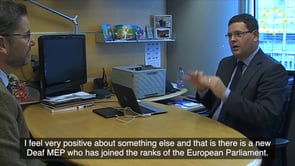
kia haha! (be strong)

Over a week, there has been a destructive earthquake – magnitude 7.8 quake in our country – New Zealand. This time it is in the upper South Island where there is the most tourist place called Kaikoura and the surrounding areas such as Hanmer Springs, Culverden and Cheviot. Kaikoura is a famous place where tourists visit and watch whales, eating crayfishes, birds watching or cave tours. There are so many activities where tourists can do during the holidays. One problem is the highway road along the coast from Christchurch to Picton which we call the Gateway to the North Island. The travelling times between Christchurch to Kaikoura is two hours while from Kaikoura to Picton is one and a half hour. The Gateway Costal Highway is blocking many people who are unable to travel in and out due to many landslips. Many tourists and local people are trying to get out or get foods, petrol and medical supplies into the devastated areas.
Here is one of the miracle story in the Herald NZ this morning.
http://www.nzherald.co.nz/nz/news/article.cfm?c_id=1&objectid=11747702

A centenarian lady pulled out of her historian home which called The Elms Homestead in Kaikoura. Here is one photo of the historian homestead. http://www.heritage.org.nz/the-list/details/7693

Many of the D/deaf people and their families keep in touch by texting and emails to contact their friends and other families who lives outside but the main problem was our TVNZ (Television New Zealand) did not allow any interpreters on the breaking news broadcasting. Yes, they did not do anything better for many D/deaf and hearing impaired people around NZ (New Zealand) again. A couple of days later, the group called Deaf Action which I have involved with this group, and we signed the petitions – the demand for interpreters on the breaking news during any natural disasters e.g. Earthquake for the Government. Lucky we have got a Minister for Disability Issues and our MP (Member of the Parliament) – Mojo Mathers who she is a hearing impaired lady. These two ladies sorted out the problem, and we have interpreters on the live broadcasting news over the last few days. It was really embarrassing for the rest of the world because, in Australia, USA, UK even in Europe, there is a plenty of interpreters on the live broadcasting news for the D/deaf people. So far, the Government and TVNZ still have not learnt anything better for us – D/deaf people even hearing impaired people. In the past, we have a famous NZ interpreter – Jeremy Borland and he had seen on TV during the earthquake in 2011. We don’t forget about the other interpreter – Evelyn Pateman who paired with Jeremy. I remember him when he was a trained interpreter for my University studies many years ago.
https://mcdem2.cwp.govt.nz/about/news-and-events/news/sign-language-interpreter-jeremy-borland-backing-new-zealand-shakeout/

The idea of making a video for the D/deaf community successful and here is one of the clips for you to look at his work for the Deaf community around NZ.
https://www.youtube.com/watch?v=zz1GCUiatBQ

Looking back in 2010 and 2011, Christchurch suffered two destructive earthquakes, and it made a huge impact on everyone including my late father’s side families living there. There was one hundred eighty-five people died in 2011 and this year it was two people died.
We never forget this and we continue to carry on doing the works. My great grandaunt wrote an email several years ago and she mentions “bugger the historian buildings and there were no used for now”. We can not keep the historian buildings for preserving and restoring again because it cost a lot of money. There are many people out there still want to keep the historian buildings today. In Christchurch, there was an oldest Deaf Society building in the past (1965 and the land in 1960) and they were forced and accepted that the building was not a bulletproof for the Deaf community. Also, it was uneconomical to repair the building too.

For us, we were not aware of the tremors in the Waikato area, but our dogs sensed something not right throughout the night of the earthquake. I received a couple of texts and emails in the next day. Some of my deaf friends who lives in Flagstaff, did feel the tremors and she thoughts it was her little dog. One thing she forgot was to have the brake on in her special bed which got wheels. Yes, there were some people who felt the tremors when I was teaching NZSL (New Zealand Sign Language) at the Central Library last week.

Sign Language

Deaf people around the world communicate using sign language as distinct from spoken language in their every day lives. A Sign Language is a visual language that uses a system of manual, facial and body movements as the means of communication. Sign language is not an universal language, and different sign languages are used in different countries, like the many spoken languages all over the world. 

https://wfdeaf.org/our-work/focus-areas/sign-language

Pin it

Paste a link and press Enterhttp://www.instytut-gluchoniemych.waw.pl/pliki/falkowski_zyciorys.htm

A sign language (also signed language) is a language which chiefly uses manual communication to convey meaning, as opposed to acoustically conveyed sound patterns. This can involve simultaneously combining hand shapes, orientation and movement of the hands, arms or body, and facial expressions to express a speaker’s thoughts. Sign languages share many similarities with spoken languages (sometimes called “oral languages”, which depend primarily on sound), which is why linguists consider both to be natural languages. Although there are also some significant differences between signed and spoken languages, such as how they use space grammatically, sign languages show the same linguistic properties and use the same language faculty as do spoken languages.[1][2] They should not be confused with body language, which is a kind of non-linguistic communication.  https://en.wikipedia.org/wiki/Sign_language

Mm, There are so many reasons to known where, who wrote, who was the first person created sign language for the D/deaf people and the lists go on…. Not to be confused with sign language as sign boards e.g. Keep Calm, Do not feed the cat, etc. In my theory, sign language gives benefit for all kind of people including children with disabilities, not just D/deaf people because there are people/children with speech impaired or learning disabilities out there and they can not communicate with their family even friends.  One of my experiences, I am teaching a group of young adults with multiple disabilities including learning disabilities and deaf.  More than four years ago, they came to the central library in the city of Hamilton where I am teaching NZSL (New Zealand Sign Language) and first of all; they were in shell/fragile life and unable to communicate back to their staff and family. Every week, I noticed there has been developing when they starting to open up and able to communicate. Today they were able to help and communicate in sign language to their staff, friends and family. Their support staff even managers learnt to communicate with them easily without having frustration, conflict in conversation e.g. throwing at the staff or friends in anger. My method of teaching is the tool for them – basic sign language, visual sign shapes, emotion signs and body gestures. 

Looking back on how sign language develops in the earliest days…. Here is one of the examples here – John Bulwer wrote the book called Chirologia in 1644 and it was about the manual alphabets. It can be found on this website. https://en.wikipedia.org/wiki/File:Jbulwer.jpgThe first record of the books about sign language and deaf, was the fifth century BC by Plato and he wrote about Socrates and his comment, “If we hadn’t a voice or a tongue, and wanted to express things to one another, wouldn’t we try to make signs by moving our hands, head, and the rest of our body, just as dumb people do at present?”[4]. This quote extracts from en.wikipedia as above. When a person who can not speak and it is not a problem because this person gives any gestures such as drink, phone, etc. I have alway asked by many students who came to learn sign language, and I asked them what did they sign for glasses or drink. They replied by body gesture as in glasses or drink, and I told them that were the signs they have been doing all the times. 

Sign Language plays an important role for many D/deaf people to overcome communicate with everyone in the communities around the world over many years. Sign language has changed and evolved into the system that people see today, just like people who speaks their mother’s tongue.

How does the sign language develop in the early in human history?

Think about hunter-gatherer societies, Egyptian hieroglyphs, counting tokens – in Mesopotamia, pictographs, cuneiform, and many other kinds of languages. The hunter-gatherer used their communicated tools by doing gestures and the ‘hoots’, and they were lower primates around 25,000-30,000 years BP. The making of communication when a primate group met another primate group from the outside circle, they developed a new method of the tool such as a rudimentary oral communication.

Humans rather using the word – primate, starting using painting pictures on cave walls and the painting pictures represented a story, spirit message, ritual exercise. These painting pictures can be found on the cave walls around the world today.

About 9,000 years ago or a bit more, the next communication was a counting token. This method was to use for trade or owning the property based on an agreement with one family to another family.

Another tool of communication was Cuneiform – a picture of a symbol which represented an idea or concept, ideographs and to represent sounds.

We assume that in the ancient times where a person is deaf and she/he would have difficulty speaking and learning the language. They continue to communicate with hand and facial gestures to enhance ideas in the hearing society.

The first record in the Deaf history was ca. 575-550 BC – a quote

“Deaf son (name unknown) of Croesus, king of Lydia; first recorded the deaf person in history. Croesus’ other son, Athys, was hearing and had his name preserved for posterity. Mentioned in Book I of Herodotus’ History, and in the Cyropaedia by Xenophon. (Some other sources say Croesus had only one son, deaf, named Athys, but this seems to be incorrect.) In Lydian-Greek mythology, Croesus consulted an oracle about his deaf and mute son, and was told the son would first speak only on “an unhappy day”. The legend goes on to say that when Croesus was later defeated in a battle, his life was saved when his deaf son suddenly spoke to request his father’s life be spared, although Croesus lost his empire.” 

 APA

Timeline of recorded deaf history – LibGuides at Gallaudet … (n.d.). Retrieved from http://libguides.gallaudet.edu/content.php?pid=352126&sid=2881782

Other examples can be found in the ancient Egypt and Greece, and it was fascinating to compare with Egypt and Greece. Because in the ancient time, during the BC era, many disabled people were not harmed by Egyptian and they lived in a generous way of life. The D/deaf people were selected by gods because of their peculiar behaviour. They were treated respectfully and educating through the use of hieroglyphs and gesture signs. In Greece, The Greeks felt better to kill any disabled people/children because the Greeks believe anyone would be the burden to society and put down to death. Yes, there are many D/deaf people were mistreated and persecuted because they were not given a chance to work on creating a language.

In Spain, in 1500’s Pedro Ponce de Leon, a Benedictine monk and he created the first sign language – “vow of silence” in the monastery. In 1620, Juan Pablo Bonet wrote a sign language dictionary and in the book he showed the outline how to learn sign language and contained the first sign language alphabet.

In France, the birth of formal sign language by Charles Michel del l’Eppe in 1775 and he was a French priest, an early advocate for deaf rights.

He established the first Deaf school which was the original public school for the deaf children. It is called the Insititution Nationale des Sourds-Muets a Paris (National Institute for Deaf-Mutes in Paris) and the school is there today. Charles Michel de l’Eppe was called the ‘ Father of the Deaf.’

How did this happen in France? One day l’Eppe was passing and stopping at one of the local house for a night. The family offered him to stay for the night, and he noticed two girls communicated differently way as body gesture. He asked the mother, and she replied that her two girls were deaf. He realised that sign language would benefit for any D/deaf children/people to communicate through school and in the society. He believed that sign language would help them a better life and able to interact with other people as their mother’s tongue.

The sign language is Old French Sign Language, and in this language, there are symbolic gestures that conveyed concepts and a sign language alphabet for the French language.

Looking at babies and their conductivities from twelve weeks to preschools, which comes first speech or gesture. To my understanding, it is the gesture before language development, social and cognitive because babies are growing all the times until they mastered their speech. They use their eyes to explores around our daily activities and grabbing our attended to them by making noises such as crying. Babies learn to memorise our mother’s tongue and who were are related to them from eight to twelve weeks and onward. That is how they are starting to use ‘coo’ or babbles words such as ‘b’,’p’ and ‘m’.

If a baby diagnosed the hearing loss and it may not/may be a problem for any parents of the deaf baby. There are plenty of resources on sign language for baby in the cognitive education around the world. Then the parents would start teaching their child in sign language in the way of the basic word such as drink, mum, dad. The child will develop a photo memory from time to time, and they learn up to 200 sign words a year than a child with speech development where it would be under 65 words. Every sign words they see, are stored in the child’s brain as a memory bank. A deaf child will develop in their way of creating and evolving a new sign language in the life.

It is the same as any teenagers developing a new word such as youse, etc. But many D/deaf teenagers and adult missed out many new words or have not come across anywhere in the newspaper, job application, health forms. It is a difficulty for any D/deaf person to keep up to date.

There are many Deaf families, and their first language is sign language of course. They communicate easily with each other in the same household even in the Deaf community. When they are outside their Deaf community into the hearing society, it brings a barrier of communicating, and they need an interpreter/communicator in the society. It is paramount for everyone because it is part of our life. I know some of the hearing children who comes from their deaf parents, and they feel embarrasses when their hearing friends come over to stay or to visit. The hearing children who I know, are brave enough to tell their hearing friends, and they do not mind. They share and learn to sign too. 

With Sign Language, I am Equal. Part Four

Equal Participation – Deaf people need to have equal access of participation in the personal, public and political area as everybody else. More importantly, it is necessary to ensure that deaf people have the opportunity to take up leadership roles, so that deaf people themselves can appropriately advocate for their rights and be involved in all decision-making processes  concerning their lives. This is a reflection of the slogan “Nothing About Us, Without Us.” equal-participation

Deaf Aotearoa – Equal Participation

Look at Japan Deaf community

deaf-mps

Lifelong Learning – Access to education, vocation training and ongoing professional training and development, is key to gaining and retaining a job and earning a wage that allows independent living.

Enabling Good LIve

Deaf Indians = work

Deaf Christian Indian


Here are the last slogans over the International Deaf Week and my apologise that I have not completed these last two topics. There are so much works to be done in the Deaf communities along with the hearing communities around the world.

Today we have schools for the Deaf, Federation for the Deaf, Deaf Sports, Deaf theatres and the lists so on. But not every thing we expect to achieve our dream goal such as offical sign languages, deaf people who have equal right to work in the workplace as everyone, health sectors etc around the world. Because everyones are still learning or not fully aware that there are many D/deaf people out there and it is often we are isolated or separate from the hearing community due to communicate or the lack of keeping in touch. We, the Deaf people are not the only one, what about people who living in the rural country, out of reach county like in the desert in Africa, war-torn country with no network communication.

First of all, there are about 70 millions Deaf people who use sign language as their first language or mother tongue and the number of sign languages around the world are over 300. So far there are 36 legal recognition of sign languages around the world including here in New Zealand. Yes, in New Zealand, our NZSL (New Zealand Sign Language) passed the bill through the Government 10 years ago. It was announced on April 6th 2006 and it was a couple day before my birthday. This was how I remember easily even it was on our late cousin’s birthday too.

I am a deaf person who come from a hearing family – solo mother with four children, a deaf advocate for many disabled people, a leadership mentor under EGL, tutor for Deaf adults in literacy/numeracy, teacher aide, a community support worker and the list so on. I am often the last person to be contact or miss out the important thing by any hearing people. I have been there by missing out or left out for many years. Many other Deaf people have the same path as me if they were married to a hearing person, living in a relationship, working in the same building or in the extendend family.

Not everyones are lucky if they have got special equipment in their homes, workplaces, equal pay for their jobs, accessible or unaccessible to public/private transports even buildings and the list so on. What about the poor countries like in Africa or in India? Did they have got equipment to help them to become independent or not. Basically it is the Government and financial for everyone in the country. Today in New Zealand we, Deaf Action lobbies for flashing fire/smoke alarm in all public/private building because the Government does not recognise our important need for us to see as visual sight instead of hearing the sound.

Here is another announcement from the World Federation of the Deaf  Language Rights of Deaf Children

The World Federation of the Deaf (WFD) is an international non-governmental organisation which promotes the human rights of deaf people worldwide. An important part of our work is the promotion of the rights of deaf people, including deaf-blind people and deaf people with disabilities, to an education in their native indigenous sign language(s). The need for natural language acquisition in sign language is crucial for all deaf people.

The UN Convention on the Rights of Persons with Disabilities (UN CRPD) commits governments to recognising the importance of sign languages and promoting their use. The UN CRPD also entitles deaf people, on an equal basis with others, to recognition and support of their specific cultural and linguistic identity, including sign languages and deaf culture. Being allowed to develop their cultural and linguistic identities – including in educational settings – is a key right of deaf children.

What about Deaf adult and they need to improve their literacy/numeracy for their works and around home with their children!!  There are tutors/teachers of the Deaf adults like me around the world and we are seeking funding for us to continue teaching Deaf adults for example like learning to drive a car, assignments in electrical tools, building code, health issues. I am still learning to improve by writing this blog and doing writing books in Deaf History about our Hamilton Deaf Units in Waikato.


With the Sign Language, I am Equal: Part Three

Another campaign messages: Equal Employment Opportunities and Bilingual Education

Bilingual Education: Urges stakeholders to accept the need for bilingual education for a deaf child and to understand how quality bilingual education should be provided in a sign language environment. Bilingual education is a social-cultural approach of using sign language as the language of instruction in all subjects with a parallel strong emphasis on teaching reading and writing of the language used in the country or society.


Prince Harry visited to a Deaf school in Africa

Zero Project in Asia Deaf schools

The Bilingual Education around the world, do you realise that there are many urgent needs for the teachers, principals including Prime Minister/MPs to continue teaching sign language for the deaf children in bilingual education or not?

Deaf children have the right to access to be in their school by having a teacher aide with sign language skill and Deaf culture, equipment such as flashing lights, Ipad for recording from teacher like homework to do and to teach new friends to learn to sign language. In New Zealand, there will be shortage of teacher aide/support worker for the special needs children/deaf children due to funding by the Government. It will be frustrating for many deaf children who can not access to education materials and without interpreters/teacher aides because they will be lost and unable to catch up with learning abilities when they reaches adult even during in the transition to work place or stay home. I was a deaf teacher aide for two teenager boys in the past and I discovered their learning problems where the teachers did not picked up. These two teenagers developed more fluency in sign language by using NZSL (and English Signed for literacy) by me. One of these teenager boys have got a Deaf mother and their first language was NZSL. The second teenager boy’s parent were one of the migrant people and his parents came to live in New Zealand from Laos. Because the parents want the best education for their two boys in New Zealand. The second teenager and his parents’s first language was a tonal language – Tai-Kadal language family and it is the official language of Laos and closely related to Thai language. Our NZSL is listed in the school curriculum and the children will have the right to access any language including NZSL they choose to learn in bilingual education. BUT we need more resources such as video of story telling along with interpreters and closed captioning and special technology such as Skype for video conferencing.

You will be amazed to read this details from my own experience when I was working with people who come from oversea. I am continuing to work with a Deaf Somalia lady for her literacy today.

Equal Employment Opportunities: Sign language competency for communication and provision of interpreters mean that deaf people can do almost any job. It is important for deaf people to equally aspire securing jobs that reflect their interest and competency. The main barriers to employment arise from inaccessible work environments rather than an inability to hear.

There are 360 million people worldwide who have hearing loss/deaf. A rough idea of how many D/deaf people are working in the USA and there are around 46%-58% according to the research by the Galluadet Unvierstiy in 2011 and leaving around 4%-5% of Deaf people who are not working in USA.  US Deaf people who are working or not     One person wrote a blog and he mention that there are 67% of Australian Deaf people who are unemployed while in the developed countries there are 90% of unemployed Deaf people.

Over the last few years, there has been increasing awareness to hire deaf people to workforce such as working in a cafe, runs a Deaf cafe, coffee cafe, McDonalds, offices and factories. In Europe, England, Canada and USA, I visited friends and family of mine during my OE/holiday for many years and I popped in one of many cafe where there was a deaf person working there. It was pleasures to see that the business hired deaf person and able to interacted with many customers. I recalled one time when I was in Paris and I was signing to a few deaf people who are not from France, in the cafe and pizza restaurants. My deaf friends do not understand French language let alone leaving me to read and ordered for them. One of the waiter did not realise that I was deaf even he noticed that I was signing to my deaf friends. He communicated with me through body gesture and spoken French langauge (simple French phrases) to me. We understood well and ordered the meal no problem as all. The manager noticed us and out of the blue I was given a free dinner one evening when I walked back to the hotel via this cafe after the conference. This waiter and the manager knew about Deaf people and the Deaf history in Paris. In Lyon, I was staying there and I visited many cafe during my walk about around the countryside. I mention to the staff in Lyon that I am deaf. Out of blue, they signed to me even they were not deaf. I asked them how did they know deaf people or sign language. Their replied was there is a large Deaf families living in Lyon for many years. Simple that is the way how staff should hire deaf people to work or to learn to sign.

Many D/deaf people have got the skill during the transition from school to training college or University. It was their choice to studying carpentry, farming, barista, lawyer, linguist or teacher for the Deaf etc. I was one of them in New Zealand. Not every Deaf person got a good job to their liking because they need money to pay mortgage, bills, rents and foods etc. I know some Deaf people who are working as a welder, mechanics, farmers, home care assistants, cleaners, draftsman even a courier. One of my friends, he works for one company and he works this company over 46 years in Hamilton. His formates are excellent with him and they have no problem working with him. His disabilities are deaf, speech impaired and cerebral palsy. His workplace adapted the equipment and installed a new technology that matched him to work over the period of times. The latest technology, his manager asked me to visit and discussed over the technology that will suit this disabled friend of mine. So far, there have been no problem at work.

We, Deaf people completed the work by deadline time than normal people who can not completed their deadline works. I do know why because many normal people chatted so long, tend to forget where the information are, using more over the phone lines than checking emails/faxes more often etc. We have visual contact on every details to get the work done. There are many other issues which I can not mention here.

What about the rest of the Deaf people in New Zealand? There is one lady who I know and her qualification is a law. She can not get a job because of the cost to support her in the workplace.  There is another Deaf lady who is a doctor and she is lucky to have some special equipment that support her around workplace. It cost her a lot of money to buy equipments. In New Zealand, many workplaces are slow to learn to understand about Deaf culture, sign language and getting the equipment into workplaces. The other problems are attitude and financial BUT that problems should be removed and start looking at yourself to change your attitude. Do not embarrasses yourself if you have a deaf person working with you!

There is a guideline about Equal Employment Opportunity in USA and have a good read it.

Equal Employment Opportunity in USA

Simple solution for you all – starting learning about Deaf people and what their skill are. Do not worry about financial to get special equipment even get a flashing fire alarm in workplace. A flashing fire alarm is a part of the rule for Occupation Health and Safety and it is equal for everyone. Technology is growing and improving better for us to access in workplace. You will realise that it is only one-off by getting equipment than hiring and firing many people in the workplace.

Update: With the sign language, I am Equal. Part two…

Here are the example of sign language from Somali Deaf person who I am supporting over four years.

641085471

This picture of sign recorded in Egypt and it is a one hand manual alphabets. Around the world it is a universal sign language and it is the same for spoken language. But some countries have the similar signs that related to the earliest days for example USA sign language traced back to France and it produced the first old French-American sign language in 1817. But it has been proposed that ASL (American Sign Language) is a creole with LSF (French Sign Language) as the superstrate language and with the native village sign languages as substrate languages. Our NZSL is not the same way as in the literacy way for example deaf people write in sentence by signing like – School, I go. Me go home., me, have two children home., 3pm movie Hamilton. These sentences when deaf people wrote down on the paper or email, are linked to their NZSL conversation. It does not show that they are bad in writing in English because it is their communicate methods. They do not realise that there is a rule when writing in full English grammar because no one explained to them during the school. In NZSL, yes there are full morphology, syntax and structures.

There are so much to say to you all in this blog. I just want to give you some ideas on how D/deaf people develop sign language around the world. I will do some more stories on this one in the future…

Accessibility – We have the right to access anywhere such as public buildings, government buildings, car parks, home, transports, laws and technology. For example, we have televisions, Internet, YouTube, video in our homes and in public buildings such as in the library, movie theatre for many years.

Captioning in television/video. No one thought about captioning/subtitles for the D/deaf and Hearing Impaired people because they presume that we could hear or lip read a bit or well. The answer is wrong and we can not lip read well, let alone we can not hear the sound or voice over the phone, mobile, by watching the television/video or to see singers in music video etc. We do not feel the same right as the other people who can and we feel left out for many years. We were privilege to have some wonderful people established the idea to produced captioned television programme series, music video over 40 years ago. That is a start, but we need more because technology keep changing and updating for everyone.

Phones/faxes.  Many mobile phones are wonderful for us to use by sending/receiving texts and video conferencing through signing each others than using voice mails/messages which was impossible for us. Many landline phones are no good for us which it is the same for mobile phones except texting/video. In the old days, fax machines were excellent tools for us and we write out on paper to send out or to received in. Sadly there are not many fax machines available for elderly Deaf people because they do not like computer or never want to try out internet/email. It cost them too much money on their superannuation because they do not receive a lot of money even they will say it is wasting money on buying expensvie computers/tablets.

Interpreters – What a wonderful example to use an interpreter available for us during the public meetings, job interview, News/Parliament broadcasting in Europe, Canada and USA but not in New Zealand and Australia. The only time we have is to watch Emergency new breaking on Television and there will be an interpreter available. For example, during the Christchurch Earthquake, in the earliest television breaking news, there was no interpreter to tell many Deaf people around New Zealand and no one had no idea what happened. It was a major crisis and it made impact on the Deaf community because there was no access to information. Our Government staffs including MPs and the Broadcasting Media accepted that we need the information via interpreters because it was our right to access information through media such as Internet and television than listening on the radio.

What about fire alarms in public/government buildings and in our homes? We have been told to installed a fire alarm, yeh BUT what about the flashing light? The service people and the technicians people have forgotten about us again because they never thought about our deafness. We can not hear the sound from the fire alarm and we do not want to depended on other people in the house or in the buildings even workplace. We want to be independent because we CAN DO ourselves just like everyone. The main problem is the cost of making flashing fire alarm for us and the price tag range from $500 to $900 for one equipment. In the shops, the products – smoke/fire alarm are from $20 to $50 and these products does not have flashing light systems.


With Sign Language, I am Equal: Part two

Today we will be thinking and looking at the campaign messages:

Equal Language and Accessibility

I promised you about the photo of my old-fashioned hearing aid…

In the pictures, you will see there are three different type of hearing aids.. The dark brown one hearing aid was the first one which I wore everyday. The second grey with clip hearing aid was the model of changing to small type from 1980s.. Both of these hearing aids had an ear piece attached to ear mould which can be see in the photo. Finally the latest changing of hearing aid which called ‘over the ear’ and it showed in the photo. It amazed me how the hearing aid change a lot over the period of times. I hated the first two hearing aids because I have to wear like a ‘harness type with a pocket’ to hold the hearing aid everywhere I go. I know some of my D/deaf friends hated those as well. The pictures of children and clothes were used for us to learn at school. These materials were given to me by two teachers for the Deaf children at Kelston Education for the Deaf Centre, Auckland. Because I was doing researching and making into our Deaf History for the community. My project on Deaf History is on hold due to no funding and income for me to continue. Both of the teachers passed away.

Now looking at the topics in Equal Language and Accessibility.

Equal Language – recognises sign language as a valid linguistic means of conveying thoughts, ideas and emotions. it is a fully operating language with its own syntax, morphology and structure. it fulfils all features serve to define the notion of a language. this has been confirmed in many systematic linguistic research on sign language since the late 1970s.

Accessibility – Stresses that deaf people need access to public information and service via sign language, interpreting, subtitling and/or close captioning. A key factor to accessibility to public service such as health care, employment, social welfare or any other government services is provision of and access to sign language.

As a deaf linguist, before I became a deaf linguist and I tried to understand why many D/deaf people signs as their first language, does it have a genuine language like English, French, Italian etc? Are our sign language the same to the rest of the world or not? There was so many answers for me to explore and to research. ….

will continue later..

Do you realise that we are equal as everyone in the world?

5a-iwd-2016-poster


World Federation for the Deaf

An exciting week: starting from today – “With Sign Language, I am Equal” and this is a strong message to everyone to share with their colleagues, family and friends..

Ten years there was an official language – New Zealand Sign Language in New Zealand and today we have got three official languages which are Maori, English and New Zealand Sign Language.

“International Week of the Deaf is an initiative of the WFD and was first launched in 1958 in Rome, Italy. It is celebrated annually by the global Deaf Community on the last week of September to commemorate the same month the first World Congress of the WFD was held. IWD is celebrated through various activities by the respective Deaf Communities worldwide. These activities call for participation and involvements of various stakeholders including families, peers, governmental bodies, professional sign language interpreters, and DPOs.”

https://www.dropbox.com/sh/tvdrp4rittw623k/AACjcAthvtHtjyiRldqrrv09a/1.%20IWD%20TOOLKIT%202016.pdf?dl=0

Let see the campaign messages are:

Birth Right – Draws upon the principle of basic human rights in relation to language acquisition at birth. When acquired fast, it enables deaf children to have full communication with people, improving their cognitive and social skills. Deaf children need access to sign language from birth.

Deaf identity – Identifies deaf people as belonging to a cultural and linguistic community, who use sign language as a mother tongue or natural language to communicate.

Many D/deaf people born D/deaf from birth or in the later life and their parents were referred to the medical clinic for the diagnosed on the hearing loss. The parents will decide on what kind of communicate for their D/deaf child and it can be sign language, oral or both of the communication. It can be difficult for a D/deaf child to be placed in a mainstream school where there are no other D/deaf children there. The school must provide a teacher aide with a skill which called NZSL (New Zealand Sign Language), full or partially understand in the Deaf culture and the community. As well, the staff of the school must provide any equipment such as Ipad with special tools such as captioning, recording the teacher’s message for homework and flashing fire alarm for the D/deaf child during the school terms. Every child in the mainstream school must learn to communicate in sign language with a D/deaf child and it will strength bond of friendship and trust.

It can be difficult for a D/deaf child to be placed in a mainstream school where there are no other D/deaf children there. The school must provide a teacher aide with a skill which called NZSL (New Zealand Sign Language), full or partially understand in the Deaf culture and the community. As well, the staff of the school must provide any equipment such as Ipad with special tools such as captioning, recording the teacher’s message for homework and flashing fire alarm for the D/deaf child during the school terms. Every child in the mainstream school must learn to communicate in sign language with a D/deaf child and it will strength bond of friendship and trust. If the parent chose to have their D/deaf child to speak, therefore a speech therapist need to be there and to teach the D/deaf child.

It would be good for the parent placed their D/deaf child in the Deaf Education School because of many D/deaf children are there and have the same communicating methods such as NZSL/English Signed. In this school where D/deaf children will communicating easily and there are plenty of special equipment available for their needs. The teachers have got their skills in NZSL/English Signed and of course, the teachers can be either Deaf or hearing. The parents of the D/deaf child would need to learn to sign early so they can communicate with their children including a D/deaf child in the household, school and in the Deaf community.

It is really come down to a D/deaf child to develop their mother’s tongue as a first language which can be either NZSL/English Signed or English language.It is the D/deaf child’s right to make the decision on what their Deaf identity is.

For an example – I was born deaf from rubella via my sister and mum. My parents were unaware of my deafness since birth until my late grandmother noticed the problem I have. Of course, I suffered a slow delayed in speech and balance problem right up to 18 months old. I wore an old-fashioned hearing aid even I hated the sounds and I tried to throw the hearing aid down in the toilet. A picture of my old-fashioned hearing aid will be following in the next day. I learnt to speak through my speech therapist until I was at Hamilton West School. There was a speech therapy clinic from 1950s to 1980s and every Deaf children went to have a speech therapy. We did not use sign language until later but we did use sign language which called body gesture signs in the playground times. We developed our own gesture signs which formed into New Zealand sign language and share with other Deaf children throughout many schools around the regional of New Zealand during the social visitings. This sign language is our own linguistic in New Zealand and we borrow other sign languages from USA, Australia and Europe such as England and France (Old French-USA sign language). I do not identify myself as a Deaf when I was young until I was in  Melville High and this is when I realised that I am deaf.  Yes, I do notice that I wear hearing aid and speak three languages – English and TC (Total Communicate Signs)/NZSL for many years even I can not hear myself at night.

More to follow…….


Spring time here or sooner!

img_0659


Eating my lunch in the sun room today and it was a lovely morning so far… Most of our trees are showing sign of flowers blooming – Cherry Trees out in the back off the rural road and a couple lovely Magnolia trees in the fields from the kitchen and office windows.

Imagine what kind of life will bring to everyone including us from now to the future?? Joy, Sad, relaxing, reward, war, more crimes or what ever….

In Waikato area, we have experience with wild and wet weather during the Winter season. It was so different weather from last year:

  • In 2015 less thunderstorm, rain, late cold evening, early frost and plenty of sunshine.
  • In 2016 over two and a half months lots of rains – mainly heavy one, a month of thunderstorm and wild wind, cold and less sun shine. Of course flooding out in the farm land.

We have not see any possums, rabbits, rats or mice lately but our dogs have heard and chased them out in the property. We caught around five to six young rats in the sun room. We know these animals are still out here and there.

I have not done any gardening project since January and I managed to do light weeding, planting a few new trees including the last three fruit trees and shrubs including plant cuttings. What was the reason that stopping me from doing gardening??

It was my injury in the neck, shoulder and elbow that prevent me from doing any activities such as house jobs, gardening, computer works and carry shopping. Of course walking our two dogs…

My GP sent a referral letter to the Neurology Clinic after I visited my Physio Therapist who he suggested that I need to see someone at the Neurology Clinic because of my nerve and muscle got worst and there is a possibility not much left. This was in January 2016 and I was told that I am on the priority two list at the Waikato Hospital. This means my waiting list will be around April and May. However everyday I walked or drive to the rural mail box and check any mails from the Waikato Hospital.. Nothing came, nothing bring me good new so far until two months ago. I emailed my GP and they followed up with the nurse. This time we were told that it will be around mid August to September.. Nothing came in the mail until I discovered that I have a different appointment last week. OF course I did not received a mail from a different department of the Waikato Hospital either. Lucky I got my family member to phone the nurse while my partner was at work. The whole thing was the failure to update my physical home address by three quarter of the Waikato Hospital Departments except Audiology Department. I asked the nurse if she can locate the booking system via Neurology Department including updating our physical address and she was happy to do it for me. Finally a proper mail came through in the rural mail box last Saturday and it was only four days closer to my appointment. Good grief, what a shocking even madness!

The jobs – One of the job bought looming for me because the work place is closing down at the end of the year or whatever. I have no luck in finding a job and many applicants have turned down. I have no idea what kind of job that I can do until I get the result from the Neurology Department first. First of all, I would love to continue to work on projects which are Deaf Adult Literacy/Numeracy, Budget Advisor for the Deaf people, Deaf History – continue to write books and collaborate stories, photos etc and finally gardening project from home. I don’t have any funding as all and no income to support these projects. Where would I find funding from? I tried to established a couple websites and to raise awareness. But no one response and donated to the projects. There are many shortage of fundings around NZ and I may need to source oversea business or private charity fundings.

Now I am wondering what kind of life will bring me and my partner for our future here. We are not going anywhere because we love our home and gardens better than in the city of Hamilton. I want to carry on with gardening projects for pleasure and encouraging my extended families to come here more often than having us to their places many times over the last many years. The gardens have changed a lot since a small number of family came here until April or May 2016. Our first Christmas lunch we invited them to come and shared with us in our newly home, was in 2014. It was not the whole extending family.  This year we are staying here and to relax the day on Christmas Day as it will be our third Christmas.

Of course we understand that many of them don’t have money to travel out or their times with their friends in the city of Hamilton but what are the excuse they have or to complain. They have already been out to Raglan, Pirongia and other many places more often. We are not that far away from Hamilton and the travelling time is between 28 minutes to 1 hour (Raglan area). I made a lot of travels to the city of Hamilton three to four times a week and it was only work and a bit of shopping. I often asked them on a particular day when I will be in the city but they said they have their own plan already. They don’t regularly in touch with us than with their own family and friends. I like to have time out during the rest days when there is a beautiful weather and allow to spend time in the garden or doing something in the house even with dogs. My partner work five to six days a week in a very long hours. If I am to preparing to make video or take photos and send over to them and it won’t work on their computer or does not feel if they were here. So what is the different between here to there! I am not complaining…..

mmmmm, We enjoying popping in Morrinsville, Cambridge and other rural villages for our shopping and to enjoy drinking coffees in the cafés. Last week we visited Morrinsville and the weather was lovely. We were amazed to see how many people including children popping in one of the popular bakery along the main road in Morrinsville. I observed on what kinds of people bought on cakes/biscuits, doughnuts, pies, Sally Lunn buns and fish n chips. The most popular items were doughnuts, pies, Sally Lunn buns, chips and cakes/biscuits.

Who know what the result of my injury bring us at the end of the week!


Waiting, waiting waiting…….

empty mail box  For 8 months since my GP logged the referral letter to the Neurology Department at the Waikato Hospital and every mail days, I walked/drive past the rural mail box to check any mails from them.. I was on the list under priorly Two and it means within 3-4 months from January 2016. Nothing from the Neurology Department and my GP rang the nurse last month. We got a replied message from the nurse and my appointment will be around mid August to September. Blast and bother them!! It is going to have a lovely Spring time and I am wanting to do the gardening projects. The longer delay kept me waiting and my injury is getting worst on good days than bad days. Some days I found myself tiring due to nerve and unable to do physical works. rural mail boxes

Another thing that I am facing is the losing one of the job toward the end of this year! I would be happy to continue to do garden projects BUT with no other income and still waiting for my assessment from the Neurology Department.

What my future will bring me!

I have no luck of getting a job I like and many applicants have turned me down due to other person who have a good high qualification than me apart from my deafness. I applied over 20 applicant forms. No one will support me to do gardening projects as to do voluntary because they want money too. I don’t have any income to pay someone to do the gardening projects. I can’t depend on my partner a lot of times and he is working full time 5-6 days a week. I have no ideas/options what kind of physical works that I can do and not allow to do in the workplace. I REALLY want to get the gardening project up and running and the kind of work I need to earn income until I get the full answer by the Neurology Department.


mmm, today it was not really a good day for me because my injury flared up a bit and the weather was lovely.. Tomorrow I am facing a long meeting with EGL (Enabling Good Lives) and on Thursday I will be working a half day in the city – sign language in the library with a new group and Crosslight Trust office. On Friday I am hoping to recover from injury and less exhaust so I can do some plantings before the rain come back next week. The maximum hours of gardening I can do, is between 1-3 hours a day otherwise the next day or a couple of days I will recover. If I do a half day or a whole day and it will take me a long time to recover.

What about signing to Deaf, Hearing Impaired people, working on computer/Ipad/laptop?? Nope it is not easy when I sign and I will receive a shooting pain or a really nasty one just like an electric shock.

What kind of job I like to do? book-keeping, preparing and teaching literacy/numeracy to Deaf Adult, gardening, writing/typing/researching Deaf History even making a couple of books about Hamilton Deaf Unit, bank officer for Disabled customer, an Advocate person on behalf of the Disabled/Deaf people or genealogist even something I can work from home. Sadly I can’t get any funding for the projects in Deaf History Research and Deaf Adult Literacy/Numeracy by any other organisation even a couple of website such as “Give a little” and “Pledgeme.

I am aware that there are plenty of people who are still waiting for their tests at the Waikato Hospital but the more the staff keep fragile or sick people waiting, will get worse by the time they visit GPs or specialists. I am one of them and my injury will be worsen from time to time….  The same with jobs, I am aware that there are plenty of people who are still looking for work – Hey!  what about disabled people even Deaf people – they need the job first than any other ‘average’ people because they hang around longer than other people.

Oh boy, time to shut down this blog and rest until another day……….! Yes I am raving mad and getting frustrated for being delay unless something else will brighten up my day. Our dogs and my partner always bring or make my laugh and give me time to rest.

OLYMPUS DIGITAL CAMERA

Spring time on the way here!

2016-01-12 08.46.09
Ginger root in the pot

Less rain, thunderstorms, frost and cold so far!

The last two months we have had experienced very bad weather – heavy rain, frequently thunderstorms, high winds, colds and foggy. We have 3-4 frosts in the first month of the Winter. It was so different season from last year.

Over the last few weeks, I was looking at the planning on the garden project stages but there are some physical activities jobs that I still can’t do. Last weekend we pruned the old Feijoa tree – just partially facing on the State Highway 26 road and leaving the other side to grow more. I recall a couple of my family members pruned hard on my mother’s Feijoa tree few years back and she did not have any fejioa for a while. I told her to not prune back every branches.. The family members and my mother learnt the lesson about pruning any trees.

Last week, I did some weeding in the garden next to the water pump hut and found more winter plants such as Helleborus. It was good to know that I don’t need to buy these plants because it cost a lot of money. Today I did some more weeding in the centre large garden by checking any plant cuttings survived or not through wet weather and it was relief that the plant cuttings survived  through wild wet weather even by our dogs who trampling over any plants.


Yesterday I was sowing the seedlings – vegetables and flowers in advance and keep in the sun room where we receive daily sunshine. Two vegetable gardens were not ready for plowing and turning over yet.. due to my injury and my partner at work. Did you ever notice the vegetable prices at the supermarkets such as courgettes for $12.99 a kg, avocados for $3.50 each and tomatoes $8.99 – $11.00 a kg. The vegetables and fruits are far more expensive for everyone who can’t afford to buy. It is okay for most people who have high income and don’t have time to grow vegetables or fruits. We were lucky to have a large property and able to grow vegetables and fruits here. The last two years we managed to get plenty of vegetables and Feijoas for us and to share with family members and a couple of people I know who can’t afford.

IMG_0466
The first crops grews by a disabled man and for us.

In the city of Hamilton, there is a community garden for the people who don’t have a garden in their homes, flats or an apartments. One lady from Deaf Aotearoa and I established the first garden for the Hamilton Deaf-Hearing Impaoired people who wish to grow vegetables and how to grow any kind of vegetables. We would love to have more Deaf-Hearing Impaired people to come along and share with ideas on how to grow and save money. Any helpers of the family or friends are welcome to share with us. If you want to know more about this group – go to Facebook page – Waikato Deaf-Hearing Impaired Community Garden

Mmm, I wonder what Spring-Summer seasons will bring for us in 2016-2017.