“Winter is the time for comfort, for good food and warmth, for the touch of a friendly hand and for a talk beside the fire: it is the time for home.”
– Edith Sitwell
Sitting in the shared rooms – lounge and dining rooms and working from home today as the thunderstorm finally beckons this afternoon. Three dogs are asleep in the bedroom, where they can see the world outside through the window, hearing the strange sounds, rabbits passing by, and birds flying by, and be on guard for Jean, who is deaf with disabilities. Jean worked through the right side of her neck down to the right side of the shoulder blades as she has had Cervical Spine Degenerative Radiotherapy for many years. Jean faced the impossible challenge of getting back to a regular routine around home and working from Autumn to Spring.
June marks the beginning of the Winter season, and Spring is not far away, despite global climate change being at its worst and with no action taken to preserve the global climate.
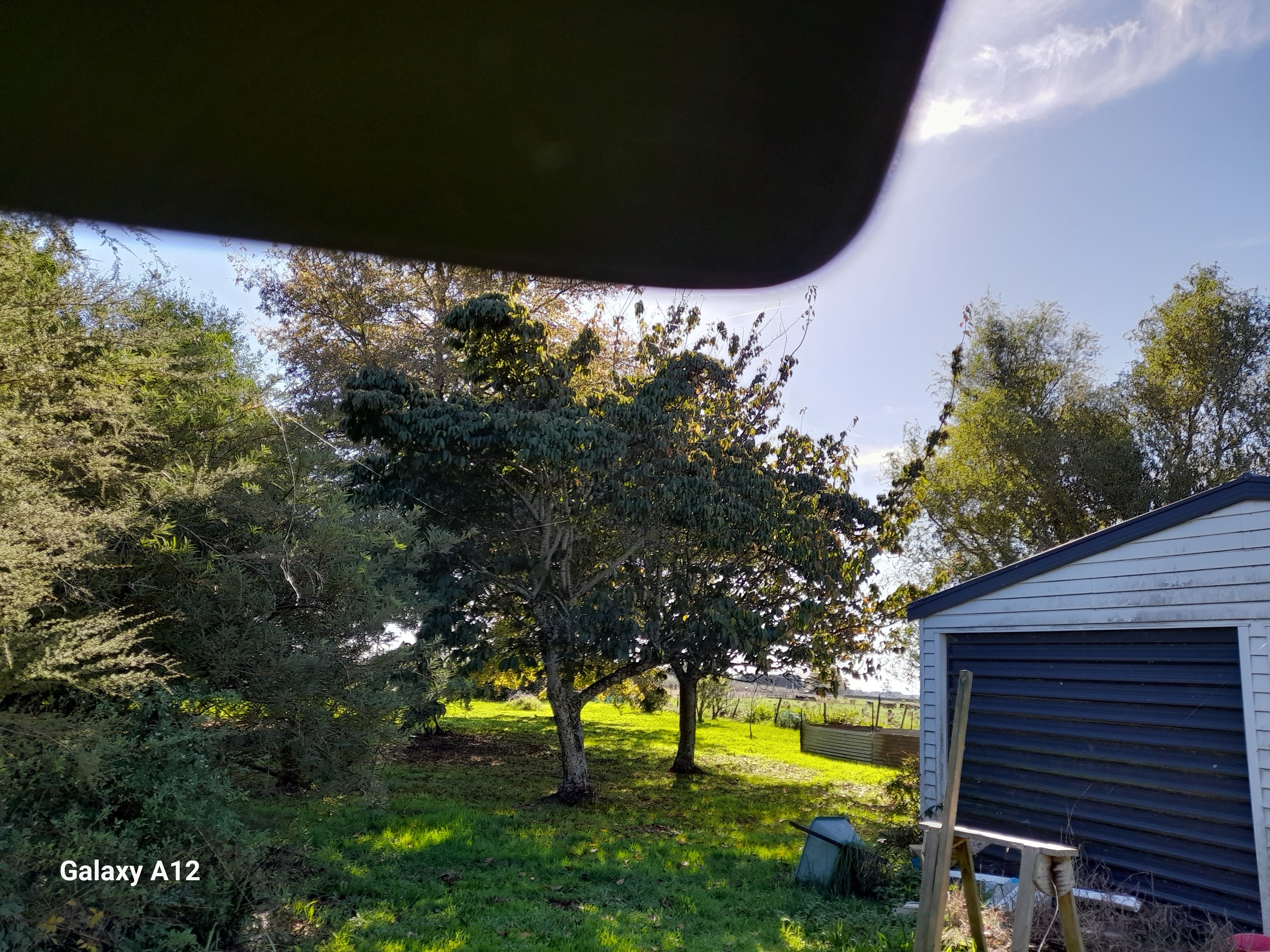
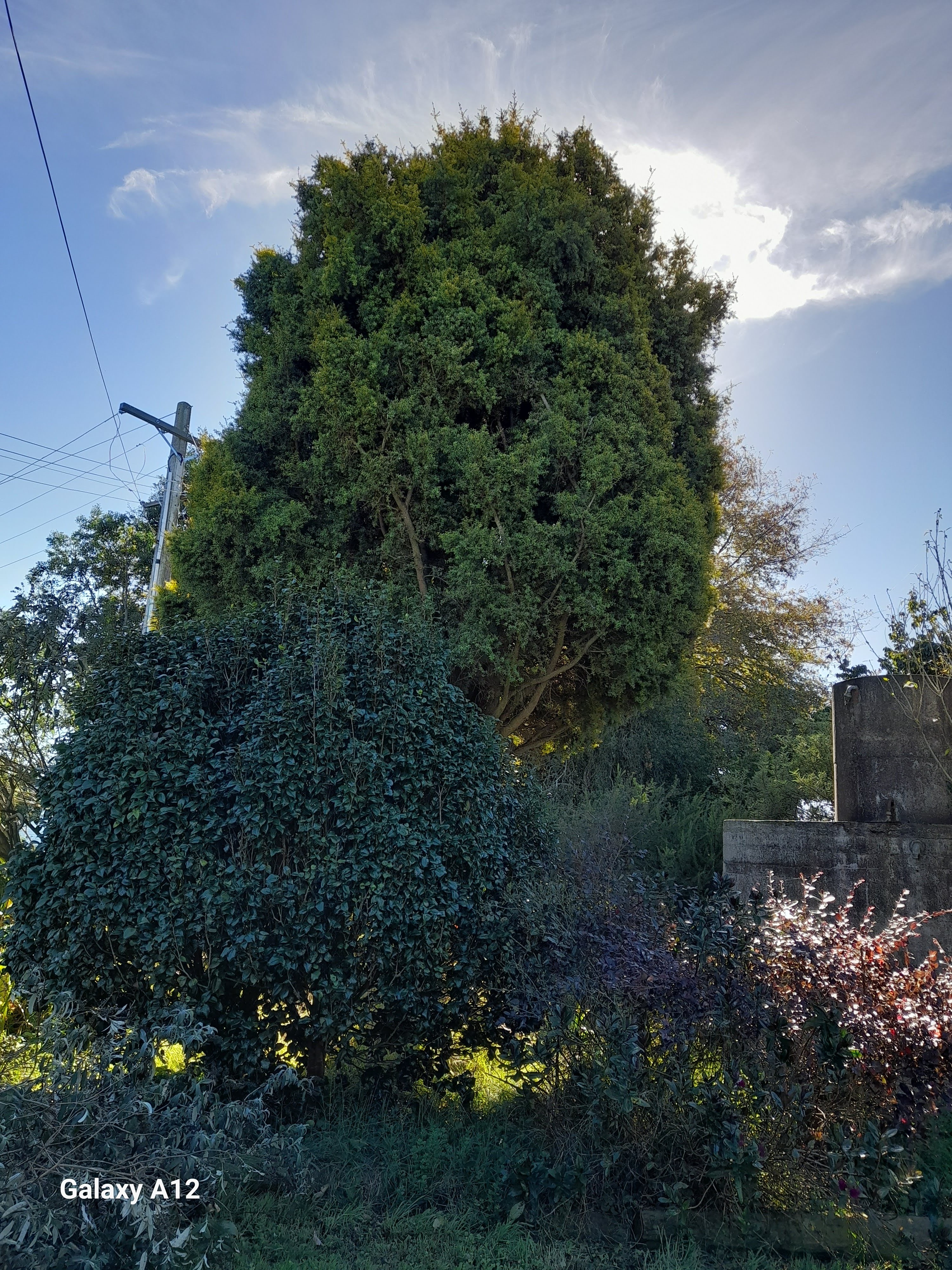
The Cherry trees in the Cherry Trees field, turning orange, golden brown, and red, are an incredible sight of the Autumn to Winter seasons. The vibrant colours of the leaves, the crispness in the air, and the anticipation of Winter make this a truly magical time. Early flowers, such as Erlicheer and Daphne, show signs of Autumn-Winter flowering in the extensive gardens and fields.
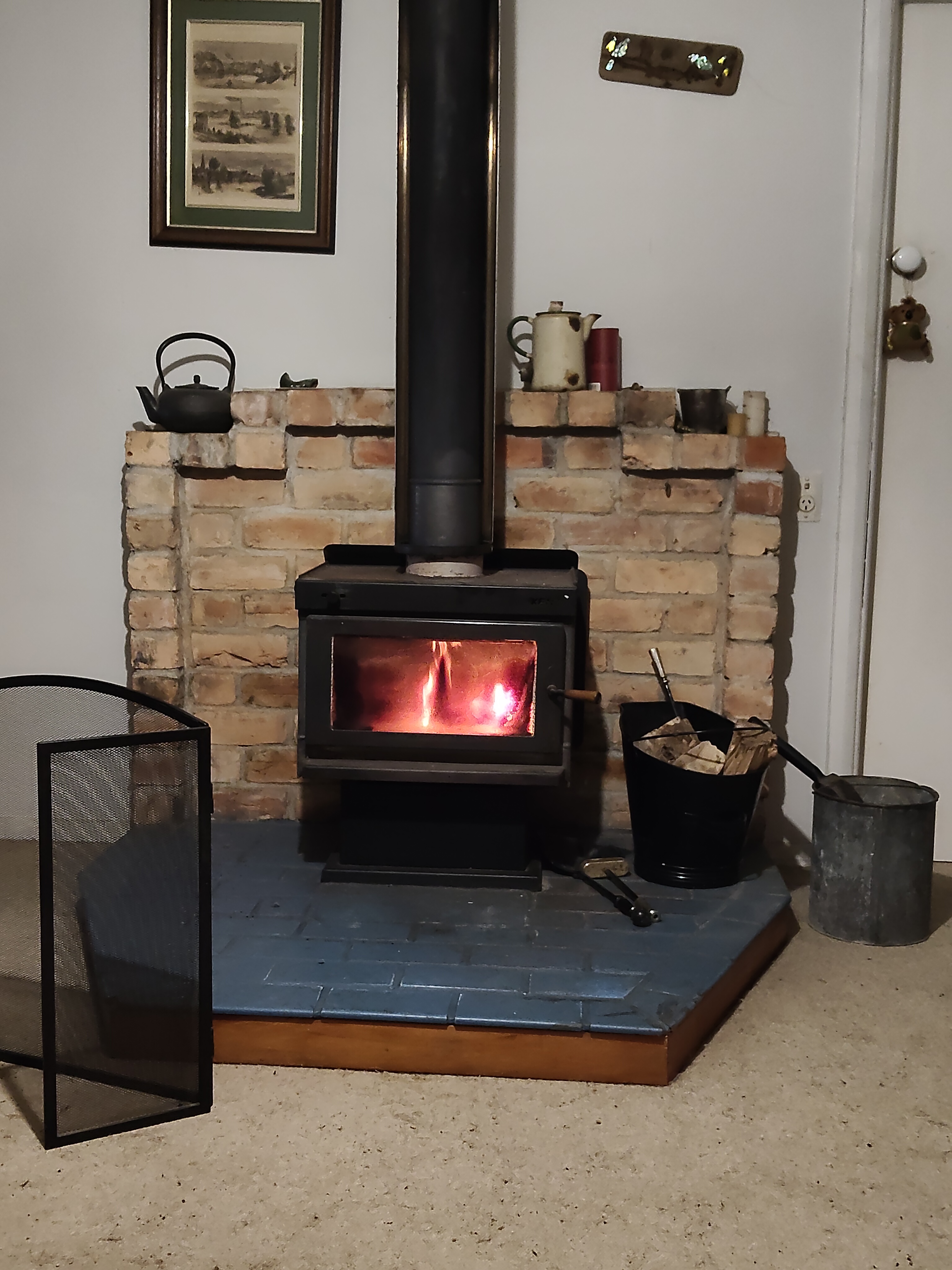
Jean prepared the fire for fire heating through the cold night and decided to cook a warm meal, such as an Irish casserole.
“What could the weather bring tomorrow or the day after?” Jean ponders, a sense of intrigue filling the air.
As I approached the end of May 2025, I found myself confronting the reality of living with two conditions as a deaf person with disabilities. The journey from September 2024 has been a rollercoaster, filled with challenges, uncertainties, and fears. Yet, I made a courageous choice to undergo surgery, believing it to be the most promising path. Now, I stand on the brink of relieving the eye pressure in my right eye through laser treatment on the 23rd of May 2025.
I hold in high regard all individuals with low vision and seniors who grapple with sight impairments and the onset of cataracts or glaucoma in their later years. I share my story as a deaf person with a disability, now in my 60s. The strides in health technology, particularly those without additional disabilities like deafness, neurological issues, or physical mobility challenges, have been a game-changer for seniors with eye conditions, showcasing the potential for further advancements in this field.
The ability to struggle through everyday life is the ability to lip-read someone in the same room, watch television with captioning, use signers and interpreters, look at road signs when travelling on the roads, make PowerPoint presentations, read materials/resources, work on a computer device, and use the display, including the font size and background screen—white to black as dark mode. Around home, gardening isn’t easy due to the appearance of plants and leaves, highlighting the daily challenges faced by those with vision impairments.
Image if your eyesight like this except during the foggy morning!
My circle is not immune to the challenges of vision impairments. I have a cousin who is partially blind, a great-grandmother who developed a hearing loss, then lost her eyesight, became blind over 80 years old, and a grandaunt who developed hearing loss after her cataract surgery many years ago. One of the Deaf seniors I assisted in the past had a cataract, and it was difficult for him to tell me if he could see better because he lost his glasses several times. These shared experiences have fostered my deep sense of connection and empathy.
The two implant lenses in my eyes have been a game-changer. They have significantly improved my vision, allowing me to navigate my surroundings better, lip-read more effectively, and even notice areas around many rooms that need more cleaning jobs and the ability to watch staff/directors/board team and the interpreters during Zoom meetings. I continue to work under the Social Services and one of the Disability Organisations until I decide to retire, when I feel ready to step down and let another person take over. I continue to advocate for people with disabilities, D/deaf with disabilities, D/deaf people and seniors in the community anywhere. My writing days are not over.
My eye surgeries arrived on Wednesday, 2nd April 2025, after a short waiting time from November 2024. My partner took a three-day leave from Wednesday while I took a two-week leave. Yes, it had been a long, anxious wait for the outcome, to follow the Hospital Procedures before the surgeries, and to recover within the time frame. I did not have an interpreter that day. My partner – Rusty, kept reminding nurses and an anesthesia person with a small communication skill with finger spelling and gesture signs – a bonus for me because of my deafness and difficulty lip reading. We arrived before 615am because we lived in a rural home outside the city. Then, everyone, including us, entered the waiting room before the surgery at 645am. It was a long waiting time and dull as well. Many people like nurses, anesthesia, GPs, Specialists and other types of hospital staff can not see my disabilities because my disabilities are invisible to them. The same issues in our home in the rural area, like neighbours failing to understand or to acknowledge my disabilities and my needs different to any of their family members like grandmother or seniors. Awareness of invisible disability everyone has a long way to go, and we learn to understand our world by removing ableism in rural areas.
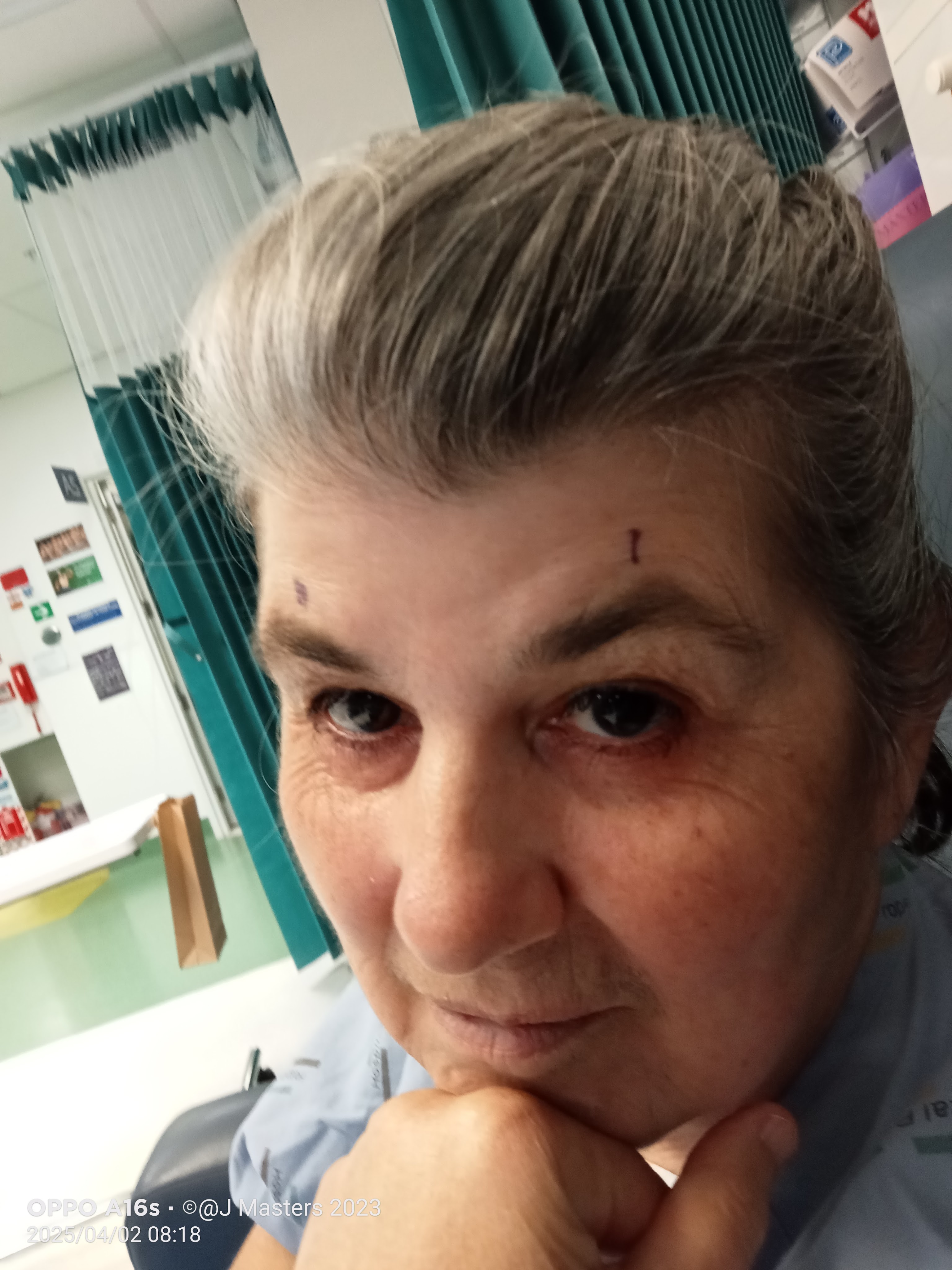
One nurse came to put markers above my eyebrows as he realised I was having two eyes in surgery—not one eye only, where the other patients were having one eye surgery. These Markers were to ensure the correct eye was operated on.
An anesthesia person, Niam, came to speak to us, and I found trouble lip-reading him. I told him to move toward me so I could lip-read, and out of the blue, he signed his name in fingerspelling and chatted over any issues I may have. He explained many good examples, warnings, tubes inserted through windpipe – urgh, drug side effects and many other problems. Niam put a long needle into the vein while Rusty was curious to see how it worked. The time was 1030am, and I waited for another half hour before going to the theatre.
When I entered the surgery room, nurses, a specialist, and an anesthesia team checked over me. There were a few issues the nurses wanted me to move up to the headrest – oh boy, a couple or three times shuffling upward. Then, one of the nurses placed an anesthesia mask over my mouth, and I was knocked out to sleep through the surgeries.
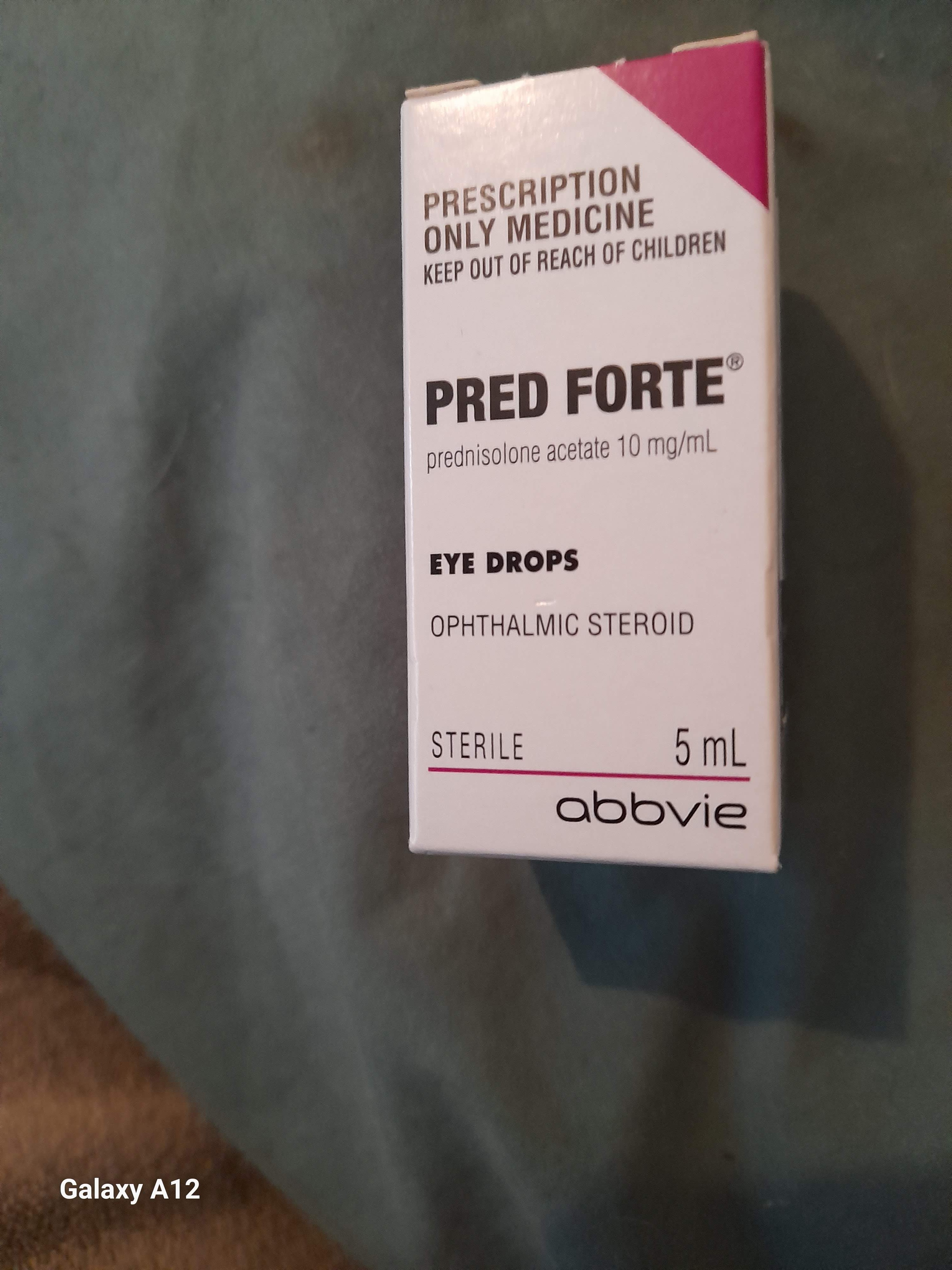
The nurse tapped my shoulder in the recovery room to wake me up. I began to wake up slowly and took a while to visualise the room and team. The nurse told me they had called Rusty to come in. Through blurred time, I noticed it was after 130 p.m., far out, which was why it was so long. The nurses asked several questions (one nurse is a third year’s training) if I would like something to eat – cheese and onion sandwiches and a cup of water. Rusty spoke to me and patiently asked if I was okay then. Just before an hour was up after the recovery time, the nurse asked me if I would like an ice block with lemonade flavour. I took the offer and ate the ice block until I was finally ready to go home. I changed from the hospital gown to my day clothes. We were waiting for the assistance person to take me in a wheelchair via the Hospital Pharmacy – four bottles of eye drops and one large tablet, Car Park Pay Machine, and then up to the car park building where Rusty parked his ute. I wore two transparent protective eye shields with tapes. These shields protected my eyes from potential harm during the initial recovery period. See Photo.
I was surprised how the surgeries went, and the implant lens in each eye helped me a lot better than before. I started to visualise the environment while going home. Yes, my eyes were tired after a long day, from morning through evening, each day and night. Gross bruised down the windpipe due to the tube inserted, and I took it easy while eating a dinner meal. I took a tablet plus other tablets before going to bed. Bearing in our thoughts, we have three dogs who were relieved to have us home, and they (dogs) knew something in me. The first night went without a hitch until Day Two in the morning. I remember feeling a mix of relief and apprehension during the first night; I was relieved that the surgeries were over but apprehensive about the recovery process.
Day Two: I did not remove the transparent protective shield until we went to the hospital first. Finally, I was allowed to wear shields without transparent protection during the day. I left several messages for my managers at two workplaces, close colleagues who trust and know my deaf and other disabilities, and one good and trusted neighbour who is a cousin to my mother’s side of the family. We went back to see the Soecalist at the Waikato Hospital for the follow-up. We spent another three hours from 10 am to around 1 pm. We found out more about the long hours through surgery, and it was about giving me another drug to continue the other eye surgery. The team had to wait about an hour. Usually, for anyone to have an extraction cataract surgery, it takes approximately 30 minutes and one hour of recovery time. The most important item you are required to wear is sunglasses, and I use sunglasses when going outside because the sunlight will be sensitive to implant lenses in the eyes.
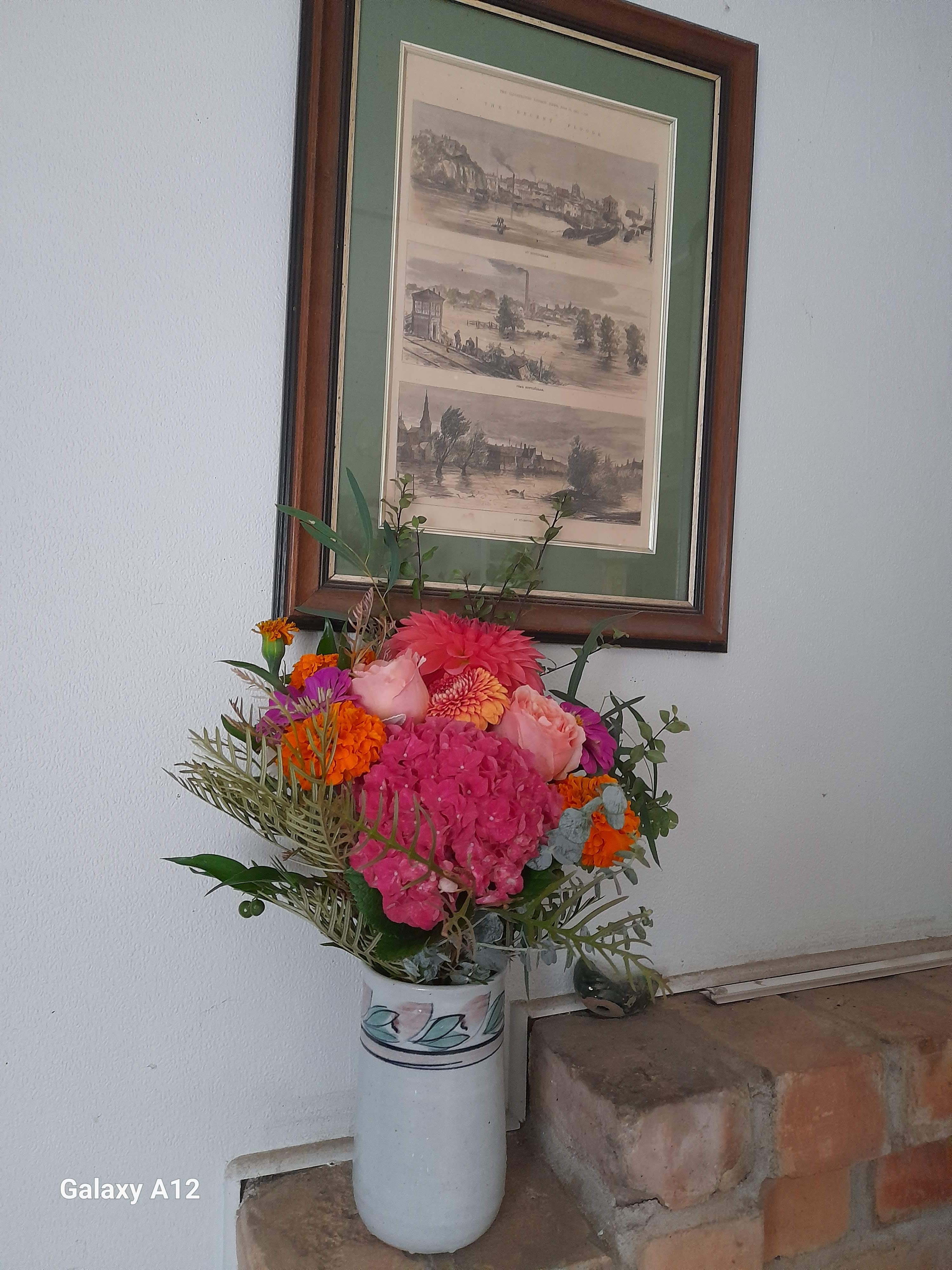
Rusty got a mobile call from his boss, who gave him a week off after three days off to the weekend. That was very nice of his boss. I was still tired and took an easy around the house while the dogs sat beside me. In the afternoon, an unexpected delivery came at the gate and rang Rusty while he was napping. It was the florist delivery from my work – Social Service Trust. The mobile call/text to us from the gate is easier for anyone unfamiliar with or not bothered by our dogs without permission. Our dogs act like assisted dogs to raise the alarm, knowing someone is at the gate, someone is trying to do a home invasion/house break-in, and other methods are available to us. I hear nothing through nights in the large property – zero sounds/noises without dogs, and our dogs are alarmed many times by hearing someone trying to break in, come in without permission, here and in the neighbours. Recently, our dogs raised the alarm and came to me when I worked from home, and there was a serious three-car accident at the intersection that killed a young mother and a child. A young man (An apprentice carpenter) was responsible for the accidents.
Did you know there are five different assistance dogs and the cost of getting one in New Zealand? Let me tell you what type of assistance dogs are available here.
Guide Dogs – $173K for Low Vision, Blind and Blind with Disabilities people
Assistance Dogs – $75k for Neurological children, Teenagers, Youths and adults
Mobility Dogs – $50K for people with disabilities (difficulty mobile functioning around the house and in the garden, supermarket and other activities), D/deaf with Disabilities, seniors with poor mobility functions
Hearing Dogs – $30K for D/deaf people and Hard of Hearing people (most D/deaf with disabilities people depending on their disability)
Therapy Dogs – $5K outside Auckland for anxiety children, Youths, isolated seniors in the rest homes/their own homes, sensory recovery for people with invisible disabilities like Epilepsy and chronic asthma people/youths.
After eating a light meal in the late afternoon, I continued using eye drops four times daily. All went well, and I went to bed with the protection of transparent shields for the next four nights and slept on double pillows for both eye pressures throughout the night.
Day Three to Day Five
My usual routines: I take off a pair of transparent protective shields in the morning, ensure dogs are not jumping towards my face in bed, do not shower, wash my hair, walk around the house and a bit out in the garden with sunglasses. I watched TV, where there is captioning in the television programme, and it was better than before, except for reading minimal sentences (everyone has the same problem with this one). I am getting there to read fonts in the newspapers and emails on the computer, iPad and mobile. It has something to do with screen and display. I continue to use it four times a day eye drop for another three weeks. My right elbow, where the needle pucked into the vein, showed signs of an angry bruise scar.
Day Five to Day Eight
Finally, starting tonight, I will not be wearing a pair of transparent protective shields. Yes, it is a bother to tape the shields onto your face or mine each night, and I recommend you tie your long hair back, even the long fringe hair. I started doing this on day one, and I found it helpful. I continue to use normal routines while both my eyes are starting to improvise visually here and there, over there, and further away as much as I can without overusing my eyes.
On Day Eight, it was my birthday, and I was glad because I did not like having any surgery on my birthday. Another year added to my age of over 60 years.
In the morning, I planned the safety procedure for washing my hair after showering, which was the best thing to do. We have a handheld shower head that we can remove/lift out of the slider. Rusty helped me wash my hair, and I used a dry face cloth placed over both eyes and bent over the bath without a hitch. We went on a half-day trip to Raglan, where my mother, brother, and sister from Hamilton visited us for lunch on our birthday. Seeing the scenery of Raglan, beaches and shops was better than before, and Pirongia-o-Te Aroaro-ō-Kahu (Mount Pirongia) was brilliant.
I consider the Low Vision People and the Blind People I know and respect, for I understand it is tough for those with low vision or blindness to know what out there is like except to describe the background. There are several people I know whose disabilities are Deafblind; not everyone realised this except to learn about Helen Keller or Laura Bridgman. There is a Deafblind lady in Matamata, and she was involved with the Waikato Deaf Society Inc. before 1999; she went to the same Deaf Schools where I have several Deaf seniors through home visits, and lastly, she remembers or partially remembers seeing Helen Keller when Helen and Polly Thomson in 1948 at Sumner School for the Deaf (note the name of this school changed to van Asch then Ko Tahu Reo – Deaf Education New Zealand) in Christchurch.
A few people asked me after learning about glaucoma and the cataract I am living with and said too much computer/laptop/iPad reading and working, kindle reading, and even mobile caused the result of glaucoma and cataract. The answer is no!
My partner spoke to the Ophthalmologist about the cause of my eyes developing and whether my work with computers, laptops, and iPads resulted from this. The Ophthalmologist firmly assured my partner that it did not and was related to eye pressure and nerve damage.
“Glaucoma is an eye condition that damages the optic nerve. This damage can lead to vision loss or blindness. The optic nerve sends visual information from your eye to the brain and is vital for good vision. Damage to the optic nerve is often related to high pressure in the eye. But glaucoma can happen even with typical eye pressure.” https://www.mayoclinic.org/diseases-conditions/glaucoma/symptoms-causes/syc-20372839#dialogId20439982
Catarach – “Most cataracts happen because of regular eye changes as you age.
When you’re young, the lens in your eye is clear. Around age 40, the proteins in the lens of your eye start to break down and clump together. This clump makes a cloudy area on your lens — known as a cataract. Over time, the cataract gets worse and makes more of your lens cloudy.” https://www.nei.nih.gov/learn-about-eye-health/eye-conditions-and-diseases/cataracts
In my family, the history of eye surgeries is not uncommon. Several family members have undergone eye surgeries, which points to a strong genetic link in our family. This underscores the importance of being aware of our family history and taking necessary precautions for our eye health. It’s a shared responsibility that we all need to be mindful of, strengthening our bond and sense of duty towards each other’s health.
The fast-growing trends in technology include desktops, laptops, iPads, and mobile devices for everyone. However, one serious problem is Computer Vision Syndrome. Did you know this? If not, it is time to look at yourself and think about how often you look at the Computer vision screen every day and night. It’s crucial to take regular breaks and give your eyes a rest. By taking a break from the computer screen for more than three hours or having free time without looking at the screen through the evening, you are taking control of your health and empowering yourself to prevent potential issues.
It is the same trend where young children, young youths/teenagers and adults spend more time using earpieces or iPod devices, and it damages your hearing loss without following the guidelines, e.g. 60/60 (60 minutes and using 60 maximum volume. The safe time limit for listening to music is one hour daily, with a volume of no more than 60%. By being aware of these guidelines and following them, you are educating yourself and taking proactive steps to protect your hearing. If you listen to music for over an hour, you should reduce the volume to below 60%.
It’s crucial to prioritise your hearing health. If you use listening devices that allow you to exceed the maximum volume control, be mindful of the potential long-term effects. Whether you’re working or enjoying music, it’s essential to maintain a safe listening volume.
Note I will continue to do my journey blog before and after both eye surgeries and to realise how far I managed and the outcome of my recovery through seeing with implant len in each eye.
I will need to install the SEO plug-in without robbing my bank account. SEO—short for search engine optimisation—is about helping search engines understand your content and users find your site and decide whether to visit it through a search engine.
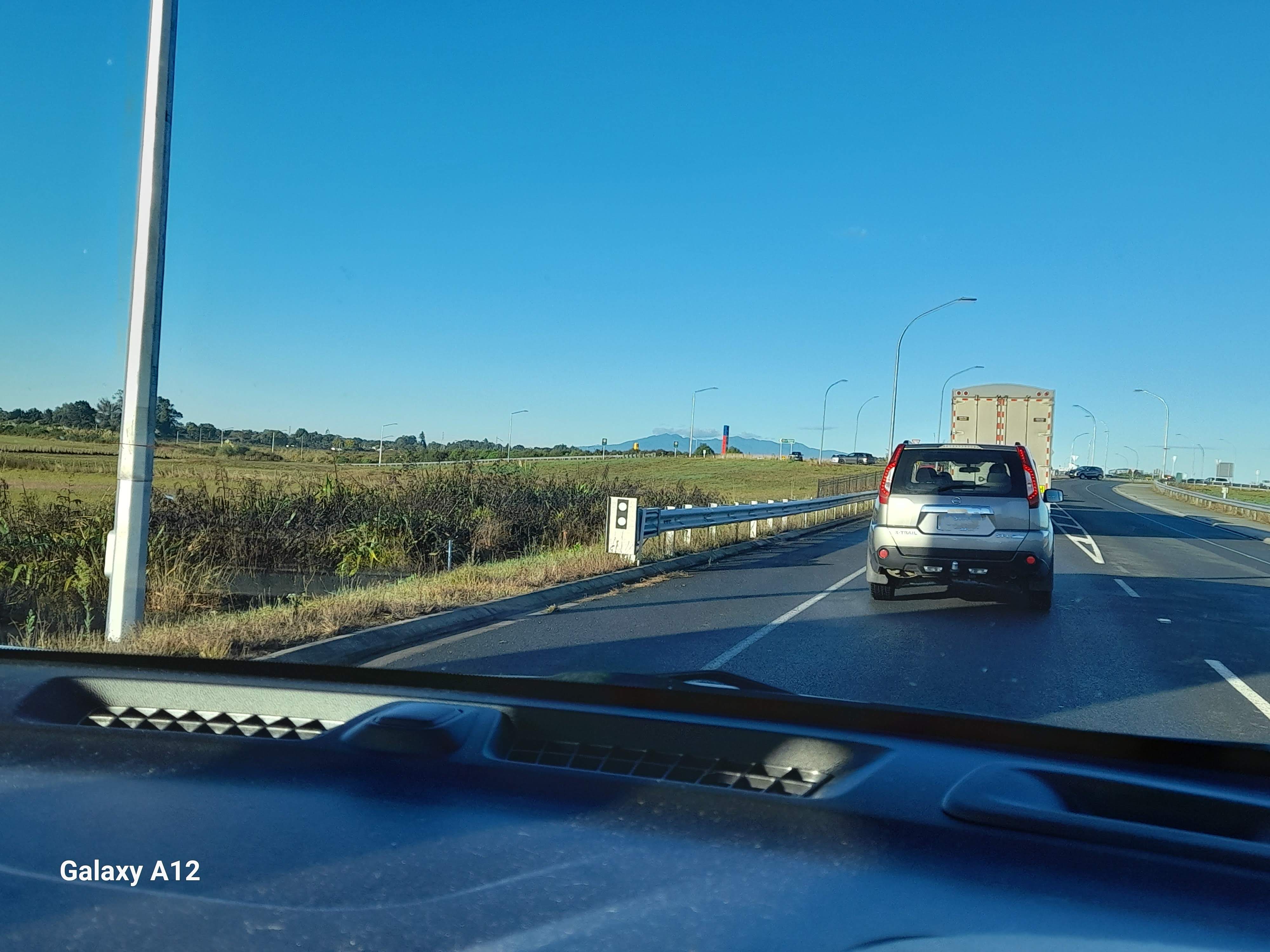
On the 20th of March, in the early morning hours, I was on my way to Hamilton from home. My regular route is State Highway 26 and the Intersection/roundabout of the Waikato Expressway State Highway 1. While I was waiting for my turn passing the roundabout toward the University of Waikato campus, Ruakura Research Centre and the city of Hamilton, I admired the maunga (Māori word for “mountain”) – Pirongia-o-Te Aroaro-ō-Kahu is the background on a fine, clear morning. It was great to see the viewing while sitting in the car, waiting to move forward.
If you are wondering what this unique name is – Pirongia-o-Te Aroaro-ō-Kahu under the Waikato tribes – Tainui. It is called ‘the scented pathway of Kahu’/‘the fragrant presence of Kahu’, his wife.
The full name of Karioi is Maunga-O-Karioi, which means to linger or loiter. This name arises from the journey of Kahu from Kāwhia to the south Waikato and north Taupō districts. Kahu named numerous hills, mountains and other landmarks on her journey.
How far have I managed my eye conditions since the last post of my journey with eye conditions here?
Some days, as the season changed to Autumn, we were getting more cloudy and slightly foggy on my way to work in the morning. I felt like my vision was affected by the weather, similar to the symptoms of double vision associated with glaucoma. I shifted my lot of sense for driving in the car and waited patiently at the intersection from our home. On the left side, there is a long drop hill sitting in the sunlight/foggy area and on the right side, it is not too bad; however, the drivers often drive at the centreline, which is wrong. Note our intersection along with our neighbourly; we were familiar with this intersection because there was a three-vehicle accident site in February 2022. A young mother and under 1-year-old daughter were killed, and I assisted as a front response.
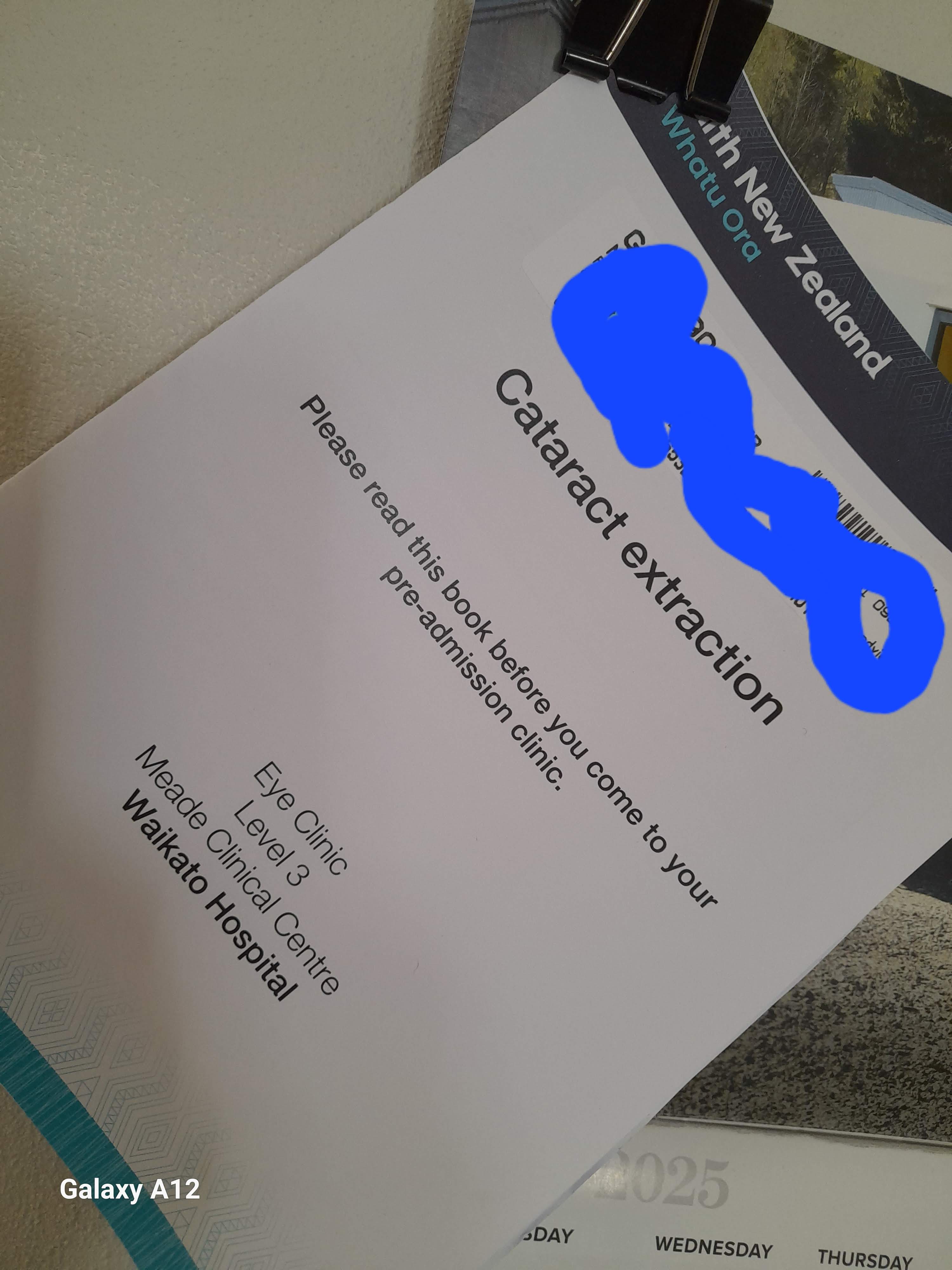
Mid-March week, I received a letter for the pre-surgery, and my partner and I went up for the assessment and prepared for the upcoming surgeries. Oh boy! What a long afternoon! A nurse was concerned about my blood pressure as she used the electrical blood pressure monitor equipment. I had to politely refuse to believe their reading because this equipment can sometimes give us wrong or almost accurate blood pressure readings. I asked the nurse to use the old-fashioned equipment, and she declined. Then, the GP notified me to see my GP by letter about monitoring my blood pressure the following week. Oh boy! Ultimately, I got blood pressure equipment from the PB Tech and monitored myself every morning. It worked well by recording the results, and I will return to my GP next week.
Yesterday, I received a text message from the Ophthalmology Department about the surgery date, and I am happy to accept the date because I want to have the surgeries done by Winter. This morning, I received an email letter confirming the surgery day along with other details. The surgery date is the 2nd of April, a week short of my birthday, which falls on the 9th. These weeks will allow me to rest at home with my partner and three dogs during recovery. It is the 25th of March, and my surgery date is next week. This surgery is a significant step in my journey towards better health.
Tomorrow, I will be making a short video about my sick leave for the D/deaf people and hard-of-hearing people to post on my Facebook page. I emailed several people I work with and assisted with them this morning. With my second workplace under the Disability Organisation, the case manager arranged for relief support workers to shadow my work with a Deaf, CP and speech-impaired chap several weeks ago, and one more person to do shadow work with me next week (Tuesday, the day before the surgery). I’m grateful for the proactive support from the case manager and head manager, who have informed me of my surgery date. The first workplace under the Social Service has been notified, and we will be sorted out tomorrow.
Despite the daunting challenges, seniors and disabled individuals worldwide exhibit extraordinary personal resilience in effectively managing their limited finances and budgets. Their unyielding determination and strength in the face of adversity are a powerful source of inspiration and hope for us all.
As Jean read a prayer that resonated with her—” Lord, I don’t know what today holds- go before me and walk with me!” by Grace Oasis—she found solace in its message of uncertainty and the need for divine guidance. This prayer, she realised, echoes the daily struggles and hopes of many seniors and disabled individuals, including herself. This prayer speaks to the heart of our shared experiences, fostering a sense of connection and empathy.
As a senior, Jean immerses herself in daily articles in newspapers, online news, and social media—not the frivolous ones like TikTok or X. I understand the struggle many of us face in managing our finances, incomes, and even superannuation amidst economic financials, high inflation, interest rates, mortgage rates, and other issues. It is our collective responsibility as a community to extend our support to the millions of disabled people who are also grappling with low income or Poverty without social security, supported living benefits (in New Zealand), and New Zealand Superannuation (pension) benefits to pay the bills, rent/mortgage, food, petrol, power, and the list goes on. On the other hand, some people run businesses struggling for profit, have above-average income, and earn an average. They do not realise the problem outside the building or open their eyes to or notice thousands of homeless people and low-income families trying to do their best. These personal stories bring us closer to the realities of seniors and disabled individuals, fostering a sense of engagement and emotional connection.
For example, on one side of the coin, public people, councillors, and business owners fear their businesses will lose profit because of the homeless people hanging around in Garden Place, Hamilton City, washing, showering, having a ‘bong’ and socialising with other familiar faces of homeless people. Jean understands that many restaurants and cafes lose wasted food and do not give them out to homeless people or schoolchildren. Jean understands their feelings and how they can stop and think twice before making a complaint. On the other side of the coin, Jean walks to the Central Library every Friday except for school terms, and yes, Jean notices several homeless people living in Garden Place. Jean recognised them because they visited our workplace where we provide a new service, ‘Orange Sky’. The Orange Sky is a mobile laundry and shower service providing dignity and hygiene to those experiencing homelessness. Every Monday at our workplace, we have a community lunch in the kitchen and the hall and provide homeless people and low-income adults a lunch meal of $1. They do not complain about the meal; they enjoy popping in and having regular chats, getting advice or making a phone call. Yes, staff have safety and backup when they visit or pop in. Many of the City Safety Watch Patrols spoke to them about our workplace without a problem. Why not read the article from Waikato Times here?
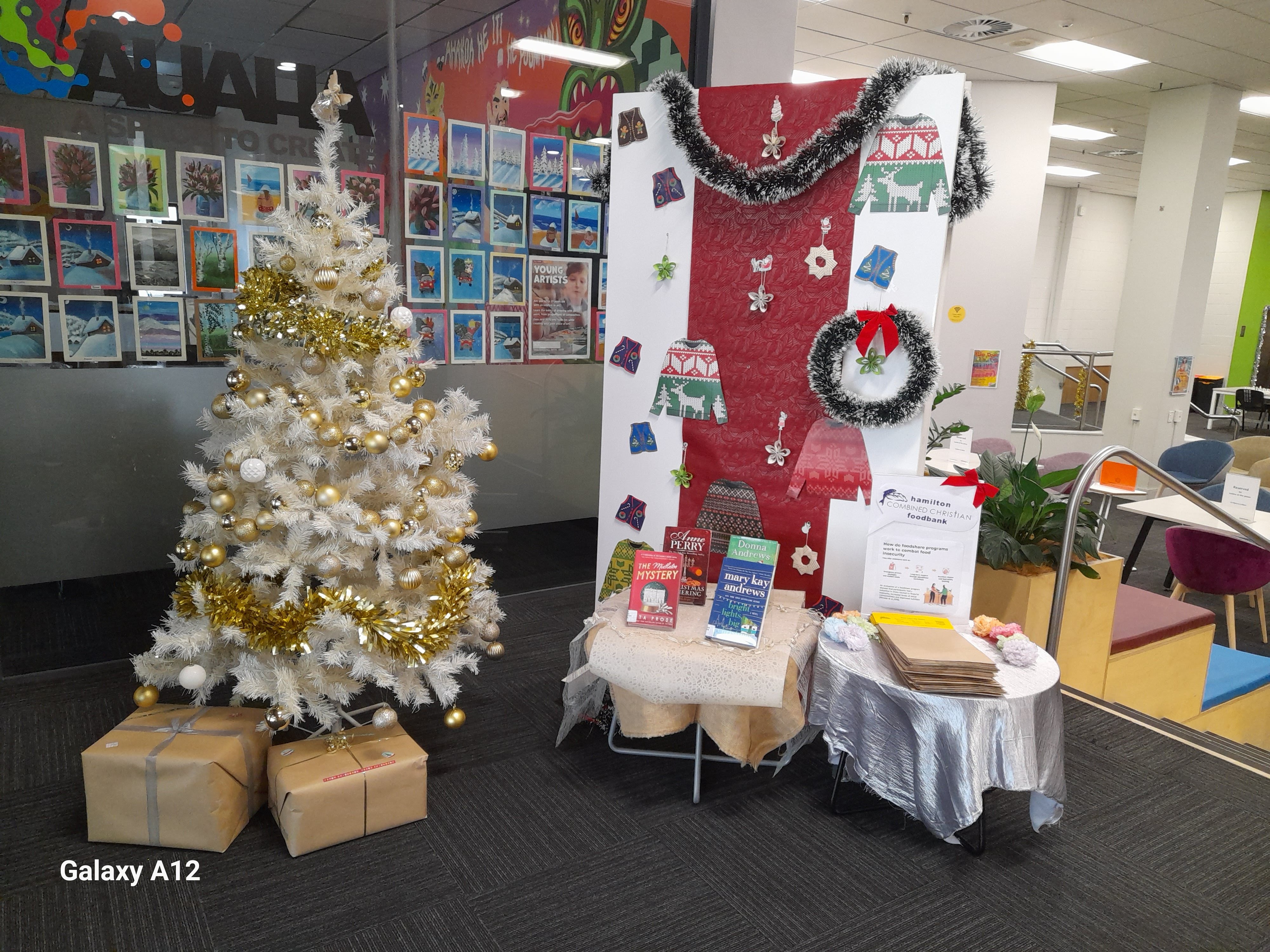
Requesting donations to Hamilton Combine Foodbanks
Here is a one-hour video – Disability is forced Poverty.
Today, the baby boom is outpacing the planning efforts of Health Authorities and the Government. It is frustrating to hear the Housing Minister’s claim that emergency housing and housing for low-income families and individuals adults (possibly for a few disabled people) are being prioritised to reduce waiting lists in New Zealand. We need to advocate for more effective government action, as empty housing in poor conditions sits in the local area, waiting to be built to make way for new housing developments. The plan of making more housing development begs the question- is this the best use of resources? We must push for government action that is not just about building more houses but about addressing the root causes of homelessness and Poverty.
Fortunately, we had a lifestyle block and a 1940s farmhouse, which we decided to renovate and make suitable for living. This decision was driven by our financial constraints, as we needed a cost-effective solution for our housing needs. We are budget-conscious and careful about what we spend, paying close attention to bills like rates, water rates, and many utilities. We are not wealthy people with disabilities, and we are approaching between 61 years old and 70 years old. Our situation is a stark reminder of the financial challenges many seniors and disabled individuals face in New Zealand, where the cost of living is high, and support systems are often inadequate.
Readers may not be aware of the crisis in Finland, the UK, the USA, and other countries, in which thousands of seniors have been living in caravans, old buses, their own cars, and makeshift tents since COVID-19.
Yesterday, a disabled female video chatted about her request for NZ Superannuation and whether she is entitled to a disability allowance to cover the cost of her home, transport, and power. Yes, she is entitled to a disability allowance, and Jean helped other disabled people to ensure they are covered and have some little money to live on in daily life. A few disabled people Jean knew had retired and gained a lump income plus Kiwisaver investment without a mortgage or with a mortgage. They get NZ Superannuation and part-time jobs with different tax codes to ensure they earn limited income daily. Many latecomers joined Kiwisavers at 45 and would not receive much Kiwisaver investment when they turned 65. Also, many young ones struggle to place a deposit for house loans by withdrawing from Kiwisavers and losing interest in the investment and fees.
“Disabled children and their carers are significantly more likely to live in Poverty in New Zealand. Households with disabled children are between 1.4 and 1.6 times more likely to be below all three poverty thresholds than households that only had non-disabled children.”
In New Zealand, the census stats are out now for 2023, and the problem was collecting the data by inaccurate figures due to never filling out language barriers, no one being at home, and not wanting to fill in the questionnaire forms. Thousands of homeless people and homeless people with disabilities across New Zealand did not collect the data.
Spend a day with a homeless person living on the street.
What can Jean do to explore more about disabled people who are homeless anywhere and find updated reports to ensure the public community, businesses, MPs (Members of the Parliament), Housing General Managers, and many more?
Here is our New Zealand Census 2023, and it is not the correct estimate, Jean believes, because they are missing out on more homeless, disabled people in the rural and other areas.
It is stark and pessimistically noticeable that disabled people, seniors and mentally ill young adults live in these conditions of the community throughout their daily lives. The Government – MPs and their parties are not doing their jobs well; they lack leadership skills, there is too much funding under the Financial/Budget cuts back, uncertainly where to place the top priority where many disabled and D/deaf people are placed at the bottom of their lists.
My pre-surgery appointment is scheduled for next Thursday. I recently received a letter from the Head of the Ophthalmology department confirming that the surgery request to correct my severe eye condition has been accepted. This surgery, which involves an Implant lens and laser correction for cataracts, is a crucial step in my health journey. The letter also provided an estimate of the waiting time. This update was written two weeks before my February 27th, 2025 appointment.
How have I been faring since January and the post I posted here?
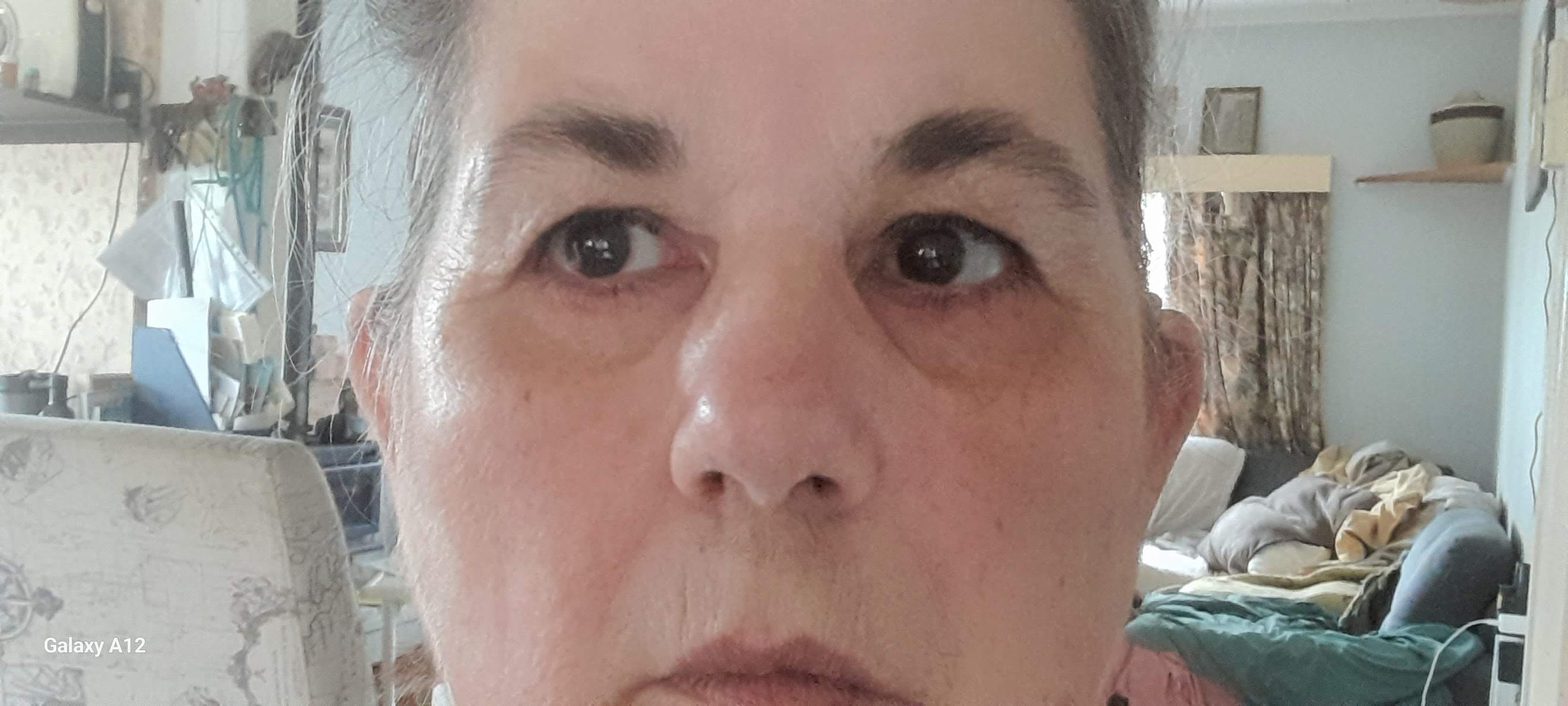
The humid temperature increased to 31oC late afternoon, and the bright sunlight gave an intense ray of light that hurt my eyes when I went out around the garden, making it impossible for me to do weeding and go to work in the city of Hamilton by driving with the glasses on. I lost one person currently overseas for three months and cannot earn the same wages, meaning I lose 6 hours a week. The eye drops are working, and I must wait until the appointment day for the outcome result. I had a couple of visitors through my workplace, and they noticed the different appearance on my face – a changing pattern around both eyes, which was a drooping shapeshifter, and a bit of dark colour rings around the eyes. This condition has significantly impacted my daily life and work routine.
Despite his technological challenges, my partner’s unwavering support in other aspects of our lives, such as managing household chores and providing emotional support, is a constant source of reassurance and strength for me. I am deeply grateful for his support and it has made a significant difference in my journey.
One key to communication is his awareness of my needs through gestures, sign language, and speaking—but he has never used tactile sign language yet!
Looking back in the past, I worked for the Low Vision Organisation and elderly seniors with low vision, including three Deaf-blind persons and one new Deaf-blind lady from Matamata recently. I learnt a lot from them and explored gadgets and tools around home and workplace over many years. New technologies, such as laptops and desktops, work wonders but are costly because I can not get funding from MSD/Te Whatu Ora due to my partner’s income. This financial challenge has significantly impacted my ability to access necessary technologies. I can get a little funding if I require support funding for part-time work under the social service. However, it is difficult across NZ that the Government and BUREAUCRATIC people have cut funding. We must ensure we have enough or abundant financial resources daily.
Here are the examples of technologies from Australia and New Zealand.
Imagine I had the surgeries and took one week off, no working and no driving. I would be bored around home with three dogs, not knowing how they would be mischievous or well-behaved around me during the day. I would be unable to read—not the talking book. It would be impossible to hear rabbling sounds on the television in the background that drowned out the speech, and I would sit down and wait. I would not let my partner read business emails due to private acts from home. I will have to think of something like leaving a message such as I am away and will reply in two weeks; please leave any emergency message to one of the staff. There is one deaf with disabilities who requires help when he is resuming his treatment and medicines. I can let my partner do this through the home visits as they have known each other for a long time; however, I have to follow the Guidelines of work protocols for the second workplace under the Disability Organisation to do this. The prospect of this downtime is a challenge I must navigate during my recovery.
Today is the day of my pre-surgery appointment, and how long the waiting list will be, along with the type of daily care, guidelines around home and work, and the recovery timeframe. It was a long waiting experience, and the interpreter and my partner played a crucial role in facilitating communication and providing emotional support during the whole afternoon with one nurse and my specialist, Dr Liam. There were a couple forgotten, like providing the scan of the distance pressures in both eyes and unfinished information on the application form for the pre-surgeries.
One disappointing outcome was that eye drops did not work during the day or even help reduce eye pressure in both eyes. Oh boy! That was a relief because I hate doing eye drops during the day. I will continue to use the night drops in both eyes until the surgery date. For now, I have been accepted to have the surgeries within three months from Thursday, February 27th, until an anesthesiologist has been the source. Because many anesthesiologists have moved across the ditch – Australia for better wages. Dr Liam gave us a lot of information about precautions around the home, recovery time frames, the importance of wearing night eye shields with sticky tapes to prevent infections, the possibility of staying overnight if something goes wrong, and the list. Dr Liam is learning about my Deaf culture and the need to communicate around home and work. I am hopeful for the surgeries and the positive changes they will bring. My time leave – sick leave under two different workplaces is enough to cover while I am at home resting from the surgery day to ensure we pay all the bills, loans and mortgage. My partner is taking leave in care within one or two weeks due to dogs around the home and ensuring I am not doing any heavy lifting or activity. We hope it will not fall on my birthday in April or my partner’s birthday in May. The most important thing was to finish off the fence around the large property because our young dog had slipped through between two wires. If we require updated fencing with extra height, cover it with wire mesh wrap over wooden fences, which is more expensive and breaks the bank. One kind neighbour gave us a large roll of mesh, and the other neighbour kindly offered to help before I went to the Public Hospital at no labour cost. We are a more economical couple around home.
My pre-surgery appointment is due on Thursday next week. Yesterday, I received a letter from the Head of the Ophthalmology department. They explained that the surgery request, which is aimed at correcting a severe eye condition such as an Implant lens and laser correctly for cataracts, has been accepted and how long the waiting list will be.
How have I been faring since January and the post I posted here?
The humid temperature increased to 31oC late afternoon, and the bright sunlight gave an intense ray of light that hurt my eyes when I went out around the garden, making it impossible for me to do weeding and go to work in the city of Hamilton by driving with the glasses on. I lost one person currently overseas for three months and cannot earn the same wages, meaning I lose 6 hours a week. The eye drops are working, and I must wait until the appointment day for the outcome result. I had a couple of visitors through my workplace, and they noticed the different appearance on my face – a changing pattern around both eyes, which was a drooping shapeshifter, and a bit of dark colour rings around the eyes.
Despite his technological challenges, my partner’s unwavering support in other aspects of our lives, such as managing household chores and providing emotional support, is a source of comfort and strength for me.
One key to communication is his awareness of my needs through gestures, sign language, and speaking—but he has never used tactile sign language yet!
Looking back in the past, I worked for the Low Vision Organisation and elderly seniors with low vision, including two Deaf-blind persons and one new Deaf-blind lady from Matamata recently. I learnt a lot from them and explored gadgets and tools around home and workplace over many years. New technologies, such as laptops and desktops, work wonders but are costly because I can not get funding from MSD/Te Whatu Ora due to my partner’s income. I can get a little funding if I require support funding for part-time work under the social service. However, it is difficult across NZ that the Government and BUREAUCRATIC people have cut funding.
Here are the examples of technologies from Australia and New Zealand.
Imagine I had the surgeries and took one week off, no working and no driving. I would be bored around home with three dogs, not knowing how they would be mischievous or well-behaved around me during the day. I would be unable to read—not the talking book. It would be impossible to hear rabbling sounds on the television in the background that drowned out the speech, and I would sit down and wait. I would not let my partner read business emails due to private acts from home. I will have to think of something like leaving a message such as I am away and will reply in two weeks; please leave any emergency message to one of the staff. I will find someone to relieve me from teaching the NZSL class at the library. There is one deaf with disabilities who requires help when he is resuming his treatment and medicines. I can let my partner do this through the home visits as they have known each other for a long time; however, I have to follow the Guidelines of work protocols for the second workplace under the Disability Organisation to do this. The prospect of this downtime is a challenge I must navigate during my recovery.
Every Monday to Friday, when Mum was home in the morning, we three dogs made our best attempts to get her attention through a variety of practical approaches, creating a chaotic yet endearing scene that was a unique part of our morning routine.
Morning Routines
Ben climbed onto Mum to cuddle and lay down on her lap. Nova lay down on the bedroom floor while Jazz lay on the lounge floor. Jazz perked her ears up as she heard the sounds outside. There went the recycled truck, tipping, banging, and cracking until it drove off. Then came the school bus, and she recognised the sound of the bus engine, which always made her ears twitch in anticipation.
Ben would sometimes bark at Mum, signalling his desire for biscuits. Mum, being her understanding soul, would communicate with Ben, and then he would head to the large plastic container where biscuit bags and dog treats are kept. Mum’s ability to decipher our needs, whether it’s a run, a toilet break, a meet and greet at the gate, a stroll along the private road, or meal times, is truly remarkable. Poor Dad, he’s still catching up, but Mum’s always there to explain.
Ben knows Mum has a unique alarm clock under the pillow every night. I learn to accept the vibrating noise until I learn to pick the time, for I do not know a human’s clock, for example, 7 a.m. Nova and Jazz have known this for a long time and are used to this vibrating noise, except for Vacuum Cleaner – not Jazz, only Nova and Ben.
Please note that due to the cost, I (Jean) cannot load the video on the ‘The Dogs’ Tales’ WordPress site. Hopefully, it will work out sooner rather than later. Also, I will update you once I have my eye surgeries and how my experience will differ from our morning routines.

















 Life in Eureka
You must be logged in to post a comment.