We are building the capacity of D/deaf communities on emergency preparedness and response to mitigate disaster risks and reduce D/deaf communities’ vulnerability in the face of disasters. Sign up for sign language rights by demonstrating partnerships between D/deaf communities and emergency responders, who play a crucial role in providing timely and accessible information during emergencies.
Climate change, a pressing global issue that has been unfolding over many years, is now leading to a rapid increase in disasters such as flooding and earthquakes worldwide. The time for action is now.
The most significant impact to us – D/deaf people, D/deaf with disabilities and disabled people living in the community where radio, social media, and even neighbours telling us there is a bad storm coming now without sign language communication method. This lack of accessible information puts us at a severe disadvantage during emergencies, making it crucial to address this issue urgently.
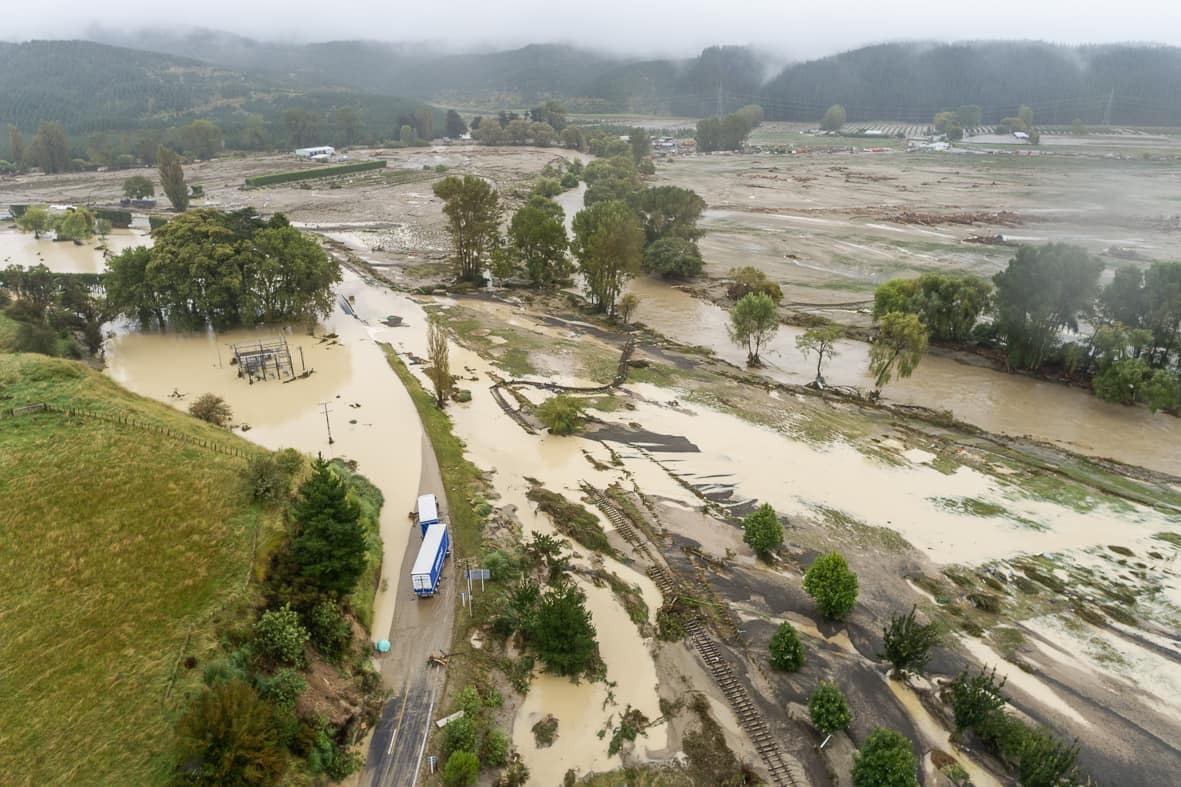
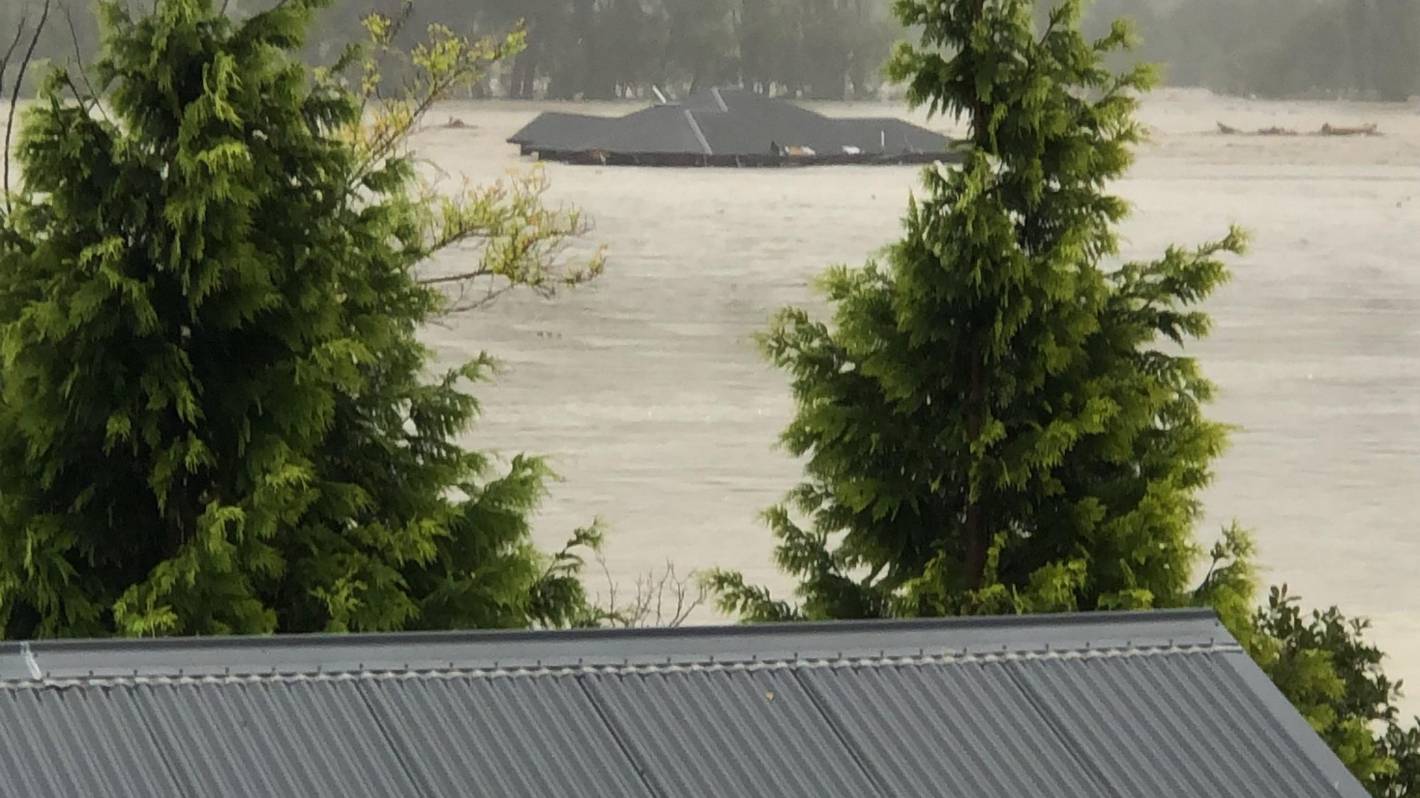
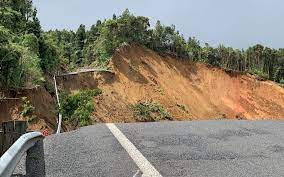
Recently, there have been heavy losses in North Island from landslips, bridges washed away, and many small communities trapped between two towns, flooding over farmlands and the city. The worst disaster area was Coromandel, where many disabled older adults and disabled people were trapped due to the main highway bridge being washed away by the massive landslips. Local suppliers from Hamilton and Auckland could not deliver them food and medical supplies. Still, the missing bridge forced delivery suppliers to travel a long way around to reach the distance. There were no power and landlines available for them to know what happened when the supplies reached them and who they could contact someone in need of help.
Today, the Civil Defence of New Zealand is making more progress in making NZSL videos and plain English language with pictures (Easy to Read) for the website and social media. I had a couple of visitors from the Civil Defence in the past in Hamilton, and we are working with the City Council from time to time.
In my local farming and Horticulture community, we made a contact detail list of neighbours; there is a local community hall along with HeartSine Defibrillator, which is based on the Civil Defence meeting point place.
Encourage everyone to actively advocate for the rights of deaf individuals and the official recognition of national sign languages. Your role in promoting national sign language in public arenas is crucial and greatly valued. Let’s all work together to sign up for sign language rights.
Please let us know if you know someone struggling to communicate through sign language at school, work, public meetings, or events. We’re here to assist on behalf of the D/deaf person and D/deaf with disabilities people. Let’s all unite and work together to understand and promote our collective right to use sign language as an official language in any country.
It is critical to remember them—D/deaf people and D/deaf with disabilities people—to be more inclusive in the community. This is not just a slogan; it’s a principle we must uphold—’ Nothing about us without us‘.
I have worked along with many D/deaf people, D/deaf with disabilities and people in the community over many years as an advocator through the Government, the Council, and Government agencies such as MSD (Ministry of Social Development), Kāinga Ora (Housing New Zealand) and Social Services. Your efforts in advocating for the rights of the deaf community are greatly appreciated and recognised.
Currently, the more significant issues are D/deaf with disabilities seniors who are living alone without their families, the need for home help services, the lack of understanding of the difference between mobility impaired/sensory impaired and D/deaf people who are permanent hearing loss from birth/early childhood age.
D/deaf with disabilities seniors
A couple came to the library several weeks ago and decided to learn primary sign language because the husband is developing hearing loss and finding it challenging to communicate with their family and friends in their community. That is a start for them to learn about us, so we enjoy sharing our experiences.
Join us in celebrating the International Week of Deaf People in September 2024, a crucial event that advocates for inclusive education for D/deaf learners through national sign languages. Your participation is critical to our global movement!
Tuesday: Inclusive Education
As we advocate for quality multilingual, inclusive education that includes D/deaf learners through national sign languages, we call upon you, individuals, organisations, and governments. Your collective support is crucial; it’s integral to supporting Sign Language rights. By signing our Declaration on the Rights of Deaf Children, you are making a significant difference, and we value your contribution!
In 2006, the Deaf community achieved a significant milestone in New Zealand by passing the New Zealand Sign Language Legislation. This inspiring move mandated every agency, organisation, and sector, including Health and Education, to adopt and learn our NZSL legislation, paving the way for a more inclusive society. Since then, we’ve made significant progress and are optimistic about the future.
Progress has been plodding since 2006 for all businesses, the education, and the health sectors in New Zealand. Now, the Government has cut back funding for the education and health sectors, and the Health and Education sectors are cutting back staff by laying off to save finances/funding. There has been more improvement by putting NZSL videos through social media, TV media, and educational resources, but again, more is needed.
Monday marks the International Day of Sign Language, a day dedicated to celebrating sign language’s linguistic diversity and cultural heritage. Let us all sign Up for Sign Language Rights – on September 23rd 2024. Your participation is crucial in our collective efforts to advocate for the linguistic human rights of D/deaf people.
As we approach the 20th anniversary of the CRPD in 2026, we are united in our efforts to enhance the CRPD at the national level. Your participation in advocating for the linguistic human rights of D/deaf people and signing up for Sign Language rights is not just a gesture; it’s a decisive action that can bring about real change. We can collaborate with local and national associations to achieve a tangible goal for D/deaf communities today.
Did you know that there are 300 or more different sign languages worldwide? This diversity, which is a testament to the richness and complexity of sign languages, is something we should all celebrate and embrace. Furthermore, there are 78 countries with national-level legislation by United Nations Member States (78 countries that have achieved Sign Language Legislation).
Note that there are more than 72 million D/deaf and D/deaf with disabilities worldwide who use their first language in sign language rather than spoken language. It is not a universal sign language.
Why not take the opportunity to learn sign language in your country? It is like learning another new language if you speak Spanish from Italian.
Mā te whakarongo, ka mōhio through listening, comes knowledge
Mā te mōhio, ka mārama, through knowledge, comes understanding
Mā te mārama, ka matau, through understanding, comes wisdom
Mā te matau, ka ora through wisdom, comes wellbeing
Manaaki Monday
Let’s kick off the Mental Health Awareness Week with Manaaki Monday. Start the week with a simple act of kindness. On the first day of MHAW, take a moment to help someone in a small but meaningful way. Remember, even the smallest gesture, like carrying groceries or holding a door open for a stranger, can set off a ripple of kindness that uplifts the entire community. Your small act can make a big difference.
Let’s consider everyone means, including disabled people, D/deaf people, people with D/deaf with disabilities people and senior people. When was the last time you saw, visited, or helped them??
Let’s start with today. Open your contact book on your mobile or use Facebook or any other social media platform to say hello. Do you have time to catch up?
Last night, I received an unexpected video chat request from Pakistan, and I had a slight moment before going to bed. It was from one of my ex-deaf students who lived in Hamilton with his family many years ago. I often think of them through daily life, what they were doing, whether they were living financially independently by their adults (children), avoided violent conflicts and bombings in Karachi, employment, health, and the cost of living conditions. This Deaf person (Azlan – not the real name for this blog) was delighted to see me through video chat. It was a heartwarming moment that reminded me of the power of connection and the importance of reaching out.
Azlan showed me his family, especially his older brother and mama, who were close to me through their hard times in Hamilton. His mama adopted me as a daughter to their family for the last five years before moving back to their homeland in 2004. There was no price to pay back; it was just a friendly video chat after all these years.
When someone knocks on your door and asks for food, do not give them money. They need food for their bodies to retain nutrients and regain their well-being. Give them food from your gardens or from the pantry if it is overstocked.
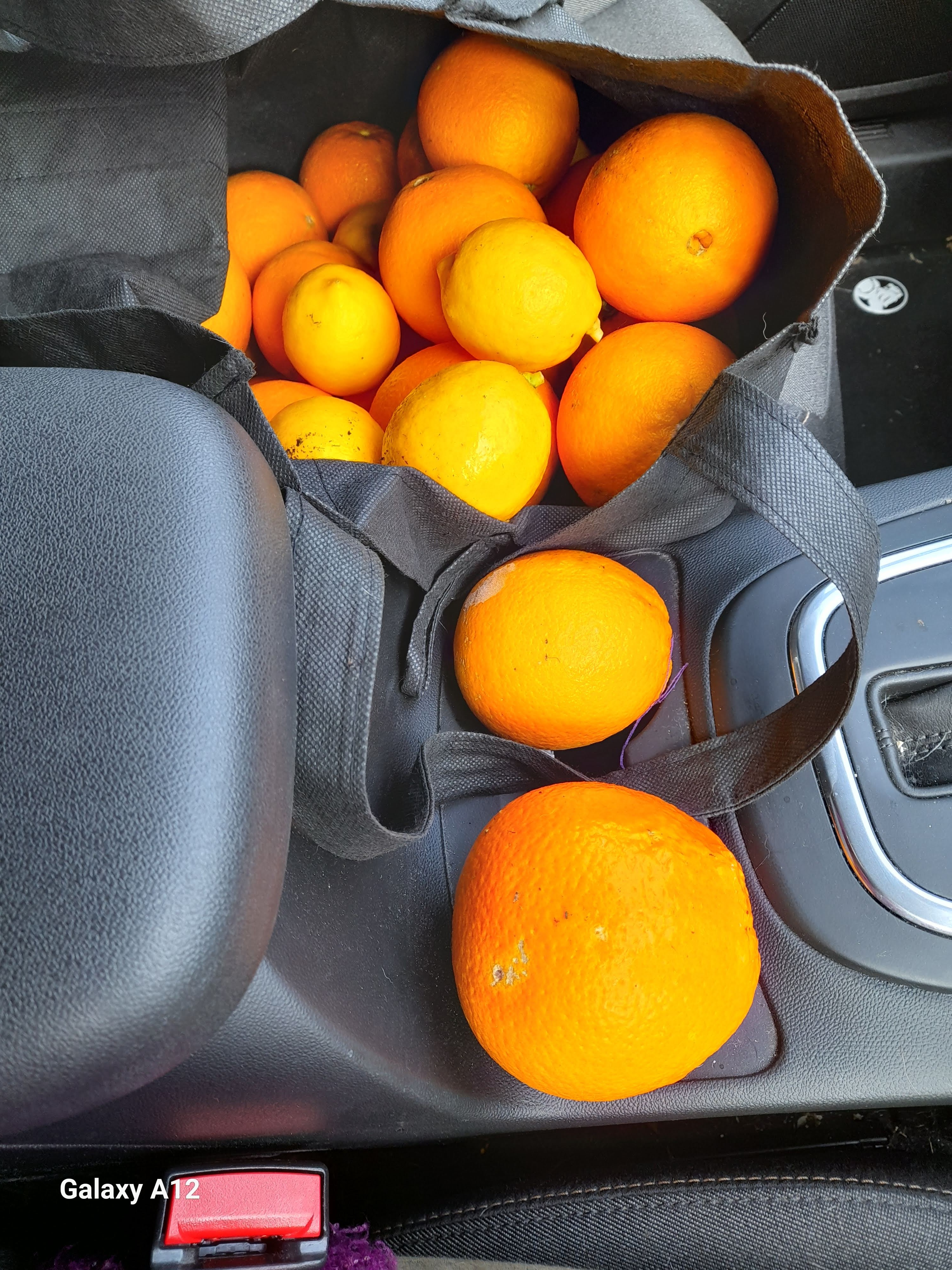
Tangelo from our fruit trees and it were given to a Deaf Soalian lady and a CP, Speech Impaired and Deaf man.
When someone is lonely and feels cut off by their family living far away,. Why not drive over and spend time with someone who is isolated, or pick up the mobile and chat in the spare moment.
I ngakaunui a Jean ki te rongo i te matenga o te Kingi Maori, me te harikoa ki te ako i o ratou tikanga me o ratou hitori. Ka ako tonu a Jean mo te reo, mo o ratou tikanga, te Tiriti o Waitangi, me nga tikanga. Jean was heartfelt to hear of the passing of the Maori King and graceful to learn of their culture and history. Jean will continue to learn more about te reo, their background culture, the Treaty of the Waitangi, and customs.
”Kua wheturangitia te haere o te Kingi whakahirahira, he wā i whakakotahi ai te Kīngitanga me te motu whānui o Aotearoa i te wā whakamahana e whā rā.”
The passing of the mighty Kiingi was a moment that united the entire Nation of New Zealand in a week-long mourning period, showcasing the strength and unity of the Māori community.
The Maori tāngata, Jean, knows several of them through our lives in Waikato, University of Waikato and has been in close contact with Kiingi Tūheitia and iwi Waikato-Tainui.
Prof Tom Roa of Ngāti Maniapoto, Waikato, Ngāti Apakura is a Tainui leader and Ahorangi/ Professor at the University of Waikato’s Te Pua Wananga ki te Ao—Faculty of Māori and Indigenous Studies.
Rahui Papa -Closest advisor to Kiingi Tuheitia, an orator, spokesperson, and recognised authority on Waikato reo and tikanga.
Ruakiwi Hond – Mātanga Reo, Ike Rakena, Anne Salmond (author), Nanaia Mahuta – formerly Labour MP and many more.
In 2006, a momentous event in Māori history unfolded as Kuini Te Arikinui Dame Te Atairangikaahu, the Queen, succeeded her son, Kiingi Tūheitia, to become the Māori monarch in a traditional tangihanga. This historic moment will forever be etched in our history, a testament to our reverence and respect for our traditions and leaders. Their iwi is Waikato-Tainui. Kiingi Tūheitia’s whaea (mother/Kuini) held the longest reign since Kiingi Korokī Te Rata Mahuta Tāwhiao Pōtatau Te Wherowhero from 1966 to 2006.
Te Whakawahinga me Te Raa Nehu Kiingi Tuuheitia’s nehu (Burial). 05/09/2024
I took a screenshot from my video of our early morning trip to Auckland.
Taupiri Maunga – known as ‘Taupiri-Kuao – The embracing mountain‘.
For our lives, we travel to Auckland or further up to the North, for example, to Whangārei, and we pass Taupiri maunga on the left side, further away from the Waikato Expressway Motorway. There was no Waikato Expressway Motorway in the past, and anyone drove past this maunga to Huntly, then to Auckland. This maunga is a sacred place to Waikato-Tainui and the Māori tribal for their identity. This maunga is sacred because it is a nehu (burial ground) and tapu for all Waikato-Tainui iwi since the death of Chief Te Putu.
Who is Chief Te Putu? Te Putu was the son of Tapuae, the uncle of Whare – grandsons of Mahuta and the leaders of Ngāti Mahuta lived in Kaitotehe, below the Hakarimata Range. Te Putu built Taupiri pā, the summit of a spur of the Taupiri maunga, after his father and uncle were killed in the 1600s. In the 1700s, Te Putu was violently killed by Ngātokowaru of Ngaati Raukawa at Te Mata-o-tutonga, outside the pā where his home was by the banks of Waikato River. Te Putu was nehu (burial) at the pā, and the site became tapu (sacred) and abandoned. The Taupiri maunga became a nehu ground where many Royal and prominent Maaori families have been laid to rest. Today, Kiingi Tūheitia lay there with his wheae (mother) – Te Arikinui, Dame Te Atairangikaahu, and his matua tāne (father).
“Be who we are, live our values, speak our reo and care for our mokopuna, our awa, our maunga, just be Māori. Māori all day, every day, we are here, we are strong.”
“For Māoridom, he has clearly been this very strong unifying force at a time when that is needed – bringing a strong voice to some pretty obvious attacks on the progress that has been made.”
Quote from Kiingi Tūheitia- “The best protest we can make right now is being Māori. Be who we are. Live our Values. Speak our reo. Care for our mokopuna, our awa, our maunga.”
Jean reflects on nehu, kiingitanga, and our people today because we have marvellous technology such as online, television and radio broadcasting, and social media. It is the second time Jean has watched Television broadcasting Live Streaming—the first one was Tangi for Te Arikinui Dame Te Atairangikaahu in 2006 without online broadband internet, and the second one was Tangi for the Kiingi Tūheitia through television broadcasting Live Streaming (and online live streaming). Jean found these social media and online brought many thousand people or more together to watch the live streaming of the Kiingi Tūheitia’s nehu services. Another excellent and unique to watch the four waka along the Waikato River from Ngāruawāhia -Tūrangawaewae Marae(river bank landing)to Taupiri Maunga Urupa – Mount Taupiri Cemetery area, where there is a river bank lending and overviewing the Taupiri Maunga by the helicopter/drone which permitted for the broadcasting. The weather was more or less for a week. On the day of the announcement of the kiingi’s hemonga (death), it was raining, and on the day of the nehu, the sun came out as the skies opened up to bless everyone there.
Jean asked her mother if she recalled watching or listening to the live streaming of the late kiingi Koroki Mahuta and the celebration of the new kuini in 1966. Her message was, “We did not have a television until a few years later, Maaori TV came later. There was a regional news channel early on Radio was still the main news for most people I do not know. They used to show newsreels at movie theatres so a film may exist.”
Jean noticed something missing through live-streaming Television and social media. Where was the trilingual interpreter for the Tangata Turi Māori (Māori Deaf people) for these special events? At Jean’s workplace, one of the Māori Trustees mentioned the missing trilingual interpreters, and these trustees believe many Tangata Turi Māori must understand the culture of kiingatanga and the tangihanga. One event, Waitangi Day in February every year, is about honouring the Te Tiriti o Waitangi (The Treaty of Waitangi). The trilingual interpreter – Stephanie Awheto, was always there for Tangata Turi Māori, but sadly, Stephanie is no longer around due to her passing nearly three months ago. Stephanie was the first trilingual interpreter. Jean knew one of the interpreters was there for a very short time, and there was nothing to show on live streaming on a Tuesday at noon.
Now it is time for the celebration of the new kuini (Queen) Te Puhi Ariki Ngā Wai Hono I Te Pō Paki – the youngest favourite daughter of the late Kiingi Tūheitia and the granddaughter of the late kuini Te Arikinui Dame Te Atairangikaahu. As the new Queen, she will carry on the legacy of her father and grandmother and play a crucial role in the Māori community, representing their values and aspirations. The sound of many birds making chirping noises in the background during the announcement of the new monarch symbolizes the beginning of a new era.
He kotuku rerenga tahi A white heron flies once
He aha te mea nui o te ao? He tangata! He tangata! He tangata! What is the most important thing in the world? It is people! It is people! It is people!
I ngakaunui a Jean ki te rongo i te matenga o te Kingi Maori, me te harikoa ki te ako i o ratou tikanga me o ratou hitori. Ka ako tonu a Jean mo te reo, mo o ratou tikanga, te Tiriti o Waitangi, me nga tikanga. Jean was heartfelt to hear of the passing of the Maori King and graceful to learn of their culture and history. Jean will continue to learn more about te reo, their background culture, the Treaty of the Waitangi, and customs.
”Kua wheturangitia te haere o te Kingi whakahirahira, he wā i whakakotahi ai te Kīngitanga me te motu whānui o Aotearoa i te wā whakamahana e whā rā.”
The passing of the mighty Kiingi was a moment that united the entire Nation of New Zealand in a week-long mourning period, showcasing the strength and unity of the Māori community.
The Maori tāngata, Jean, knows several of them through our lives in Waikato, University of Waikato and has been in close contact with Kiingi Tūheitia and iwi Waikato-Tainui.
Prof Tom Roa of Ngāti Maniapoto, Waikato, Ngāti Apakura is a Tainui leader and Ahorangi/ Professor at the University of Waikato’s Te Pua Wananga ki te Ao—Faculty of Māori and Indigenous Studies.
Rahui Papa -Closest advisor to Kiingi Tuheitia, an orator, spokesperson, and recognised authority on Waikato reo and tikanga.
Ruakiwi Hond – Mātanga Reo, Ike Rakena, Anne Salmond (author), Nanaia Mahuta – formerly Labour MP and many more.
In 2006, a momentous event in Māori history unfolded as Kuini Te Arikinui Dame Te Atairangikaahu, the Queen, succeeded her son, Kiingi Tūheitia, to become the Māori monarch in a traditional tangihanga. This historic moment will forever be etched in our history, a testament to our reverence and respect for our traditions and leaders. Their iwi is Waikato-Tainui. Kiingi Tūheitia’s whaea (mother/Kuini) held the longest reign since Kiingi Korokī Te Rata Mahuta Tāwhiao Pōtatau Te Wherowhero from 1966 to 2006.
Te Whakawahinga me Te Raa Nehu Kiingi Tuuheitia’s nehu (Burial). 05/09/2024
I took a screenshot from my video of our early morning trip to Auckland.
Taupiri Maunga – known as ‘Taupiri-Kuao – The embracing mountain‘.
For our lives, we travel to Auckland or further up to the North, for example, to Whangārei, and we pass Taupiri maunga on the left side, further away from the Waikato Expressway Motorway. There was no Waikato Expressway Motorway in the past, and anyone drove past this maunga to Huntly, then to Auckland. This maunga is a sacred place to Waikato-Tainui and the Māori tribal for their identity. This maunga is sacred because it is a nehu (burial ground) and tapu for all Waikato-Tainui iwi since the death of Chief Te Putu.
Who is Chief Te Putu? Te Putu was the son of Tapuae, the uncle of Whare – grandsons of Mahuta and the leaders of Ngāti Mahuta lived in Kaitotehe, below the Hakarimata Range. Te Putu built Taupiri pā, the summit of a spur of the Taupiri maunga, after his father and uncle were killed in the 1600s. In the 1700s, Te Putu was violently killed by Ngātokowaru of Ngaati Raukawa at Te Mata-o-tutonga, outside the pā where his home was by the banks of Waikato River. Te Putu was nehu (burial) at the pā, and the site became tapu (sacred) and abandoned. The Taupiri maunga became a nehu ground where many Royal and prominent Maaori families have been laid to rest. Today, Kiingi Tūheitia lay there with his wheae (mother) – Te Arikinui, Dame Te Atairangikaahu, and his matua tāne (father).
“Be who we are, live our values, speak our reo and care for our mokopuna, our awa, our maunga, just be Māori. Māori all day, every day, we are here, we are strong.”
“For Māoridom, he has clearly been this very strong unifying force at a time when that is needed – bringing a strong voice to some pretty obvious attacks on the progress that has been made.”
Quote from Kiingi Tūheitia- “The best protest we can make right now is being Māori. Be who we are. Live our Values. Speak our reo. Care for our mokopuna, our awa, our maunga.”
Jean reflects on nehu, kiingitanga, and our people today because we have marvellous technology such as online, television and radio broadcasting, and social media. It is the second time Jean has watched Television broadcasting Live Streaming—the first one was Tangi for Te Arikinui Dame Te Atairangikaahu in 2006 without online broadband internet, and the second one was Tangi for the Kiingi Tūheitia through television broadcasting Live Streaming (and online live streaming). Jean found these social media and online brought many thousand people or more together to watch the live streaming of the Kiingi Tūheitia’s nehu services. Another excellent and unique to watch the four waka along the Waikato River from Ngāruawāhia -Tūrangawaewae Marae(river bank landing)to Taupiri Maunga Urupa – Mount Taupiri Cemetery area, where there is a river bank lending and overviewing the Taupiri Maunga by the helicopter/drone which permitted for the broadcasting. The weather was more or less for a week. On the day of the announcement of the kiingi’s hemonga (death), it was raining, and on the day of the nehu, the sun came out as the skies opened up to bless everyone there.
Jean asked her mother if she recalled watching or listening to the live streaming of the late kiingi Koroki Mahuta and the celebration of the new kuini in 1966. Her message was, “We did not have a television until a few years later, Maaori TV came later. There was a regional news channel early on Radio was still the main news for most people I do not know. They used to show newsreels at movie theatres so a film may exist.”
Jean noticed something missing through live-streaming Television and social media. Where was the trilingual interpreter for the Tangata Turi Māori (Māori Deaf people) for these special events? At Jean’s workplace, one of the Māori Trustees mentioned the missing trilingual interpreters, and these trustees believe many Tangata Turi Māori must understand the culture of kiingatanga and the tangihanga. One event, Waitangi Day in February every year, is about honouring the Te Tiriti o Waitangi (The Treaty of Waitangi). The trilingual interpreter – Stephanie Awheto, was always there for Tangata Turi Māori, but sadly, Stephanie is no longer around due to her passing nearly three months ago. Stephanie was the first trilingual interpreter. Jean knew one of the interpreters was there for a very short time, and there was nothing to show on live streaming on a Tuesday at noon.
Now it is time for the celebration of the new kuini (Queen) Te Puhi Ariki Ngā Wai Hono I Te Pō Paki – the youngest favourite daughter of the late Kiingi Tūheitia and the granddaughter of the late kuini Te Arikinui Dame Te Atairangikaahu. As the new Queen, she will carry on the legacy of her father and grandmother and play a crucial role in the Māori community, representing their values and aspirations. The sound of many birds making chirping noises in the background during the announcement of the new monarch symbolizes the beginning of a new era.
He kotuku rerenga tahi A white heron flies once
He aha te mea nui o te ao? He tangata! He tangata! He tangata! What is the most important thing in the world? It is people! It is people! It is people!
“It does not matter how slowly you go, as long as you do not stop.” —Confucius.
A month or a month and a half has gone past since I posted about my new and old illness progression. Today (Sunday, 8th September 2024), I took Jacek’s usual once-a-week job to fulfil his requests, and he told me about the Paralympics in Paris. As you see, most of you may know Jacek, but other people may not. He has had CP (Cerebral Palsy), is speech impaired, and has been deaf since birth. He told me how amazing these Paralympic athletes performed in games despite nothing stopping them from doing physical games. Jacek did not realise how much tricky challenge these athletes have, the adapted ability to do rowing, running, and cycling with their physical and sensory impaired bodies over many years until he watched television over two weeks.
Some days were good or bad, whether for me at work or home. For the last two weeks, Aotearoa has been mourning because Maaori Kiingi passed, and now we have a new young kuini (Queen) on the same day as the nehu (Burial) and the announcement of the new monarch. The only culture remaining is Kīngitanga – the Māori King movement, but the Kuini in this movement now for the second time. The latest young kuini is the second line of the monarch, as her grandmother was kuini for forty years.
Bishop Emeritus of Rarotonga, Auckland and Hamilton – Dennis Browne- passed away, and his funeral mass took place on the same day as the Māori Kiingi. My mother, sister, and I have known Emeritus D Browne for many years, since my sister and I were young.
It is spring season, and it is a massive challenge for my supported partner and me to do the tasks around the vast garden and field – 1 hectare. We drew up the DIY lists from last year to the present, and every month, we ticked each task to do. Sometimes, it was not easy because other issues were thrown at us when health issues popped up, wild weather stopped us from doing chores or work increased load. First of all, in New Zealand, so much bad weather caused significant problems in the city and the rural, even coastal inland. For example, several floods created huge houses that damaged roads, water pipes, homes, and landslips, causing several bridges to collapse and destroy homes. Our property was not badly damaged; only a few trees fell over and snapped in half. We used these trees for our firewood. My partner had to refix the gutter along the sunroom and replace the ceiling in the doorway after the sunroom, but it was not very bad.
My health has not changed and has slowly improved from time to time as I get older and sixty years old. My eyesights are okay, and I continue to use night eye drops, which annoy me. I have a problem with long eyesight vision now, and I often find it difficult to read the interpreter signing or watching subtitles/captioning on television in daily life. I am waiting for the appointment at the Eye Clinic to have a conversation before heading out to the Optometrists for bifold glasses.
My other health issue is Cervical Disc Spine Degenerative – Radiculopathy. Note what this means to you. Cervical radiculopathy describes a compressed nerve root in the neck (cervical spine). Because the nerve roots in this area of the spine primarily control sensations in your arms and hands. Last month and early this month, I suffered several times with horrible pain from the neck to the elbow on the right side, and it took under 72 hours to recover than 48 hours. I was so exhausted despite the rainy days keeping me inside and resting.
Last week, I walked around the fields and checked fruit trees and other trees to see if there were flowering times. To my delight, plum trees are blossoming now, while apricot trees are starting to produce leaf buddings and tiny flowers opening up. Blueberries start producing flowers now while I do the weeding job and lay down the weeding mat. I still need to complete the wall barrier wrapping around the section of the blueberry shrubs. Later, I will lay down the bird netting over the poles like a tent roof once there are fruitings in sign to come within a few months. I was pleased with our three dogs that stayed beside me and checked on me after their run around with the wild rabbits in the field. I did have a break in between to allow my body to rest for an hour or so. But tonight, I am tired, and my body is not as sore as tomorrow. I am still determining whether I will be sore before work.
I must complete one blog about last week and seven days of blogs to make our International Deaf Awareness Week—Sign up for Sign Language coming up.
Whether you’re familiar with the term ‘ableism’ or not, it’s crucial to understand and address it. By improving our workplaces, environments, and society, we can create a more inclusive and equal community for all. This is not just a goal, but a call to action for each one of us to contribute to this societal change.
Why do I bring this up? I have been a deaf community worker for two D/deaf with disabilities for a long time in Hamilton. Today (Sunday, August 18th), I took a Deaf with cerebral palsy and speech impairment for his grocery, shared lunch and shopping. The first stop was KMart at the Base, Te Rapa, and our experience was absurd. I noticed many shoppers pushing and cutting in our way when walking past us, and they did not see this disabled person’s disability. Only a handful of shoppers noticed and politely said sorry to us after discovering his disability. So we could pass them, and I moved this chap to the sideway to allow shoppers to go through nicely. The checkout staff was great, as I explained to the staff because this chap told this staff, “We are Deaf”. This staff ushered me in the right direction to the checkout table, where there was another staff member instead of using the self-checkout technology. That was a great example of understanding us.
Our visit to Te Awa Base, a shopping mall, for lunch at The Latte Cafe inside the Warehouse Building, was a refreshing contrast. The service was excellent.
The next stop is the Woolworth, formerly Countdown Supermarket, in the Te Rapa area. It was more or less an experience inside Woolworth; most of the shoppers were pushing around without saying excuse me and overlooked our disabilities – note I have invisible disabilities, such as Deaf, Cervical spine disc degeneration radiculopathy, and disabled man has physical disabilities, which show cerebral palsy than speech impaired and deaf. A few shoppers recognised us and walked along us where there was room to pass along. We could not hear the trolley wheel approaching us when we turned left or right to the next aisle. One disadvantage is that no mirrors or shelves are reduced height to allow us to see someone approaching. We are always cautious when turning left or right without crashing into someone. The training checkout was tremendous, and the disabled man told her that we were deaf. She accepted and continued to scan the grocery products. At the end of the payment, she asked if one of us would like Disney Promotion cards, and he needed to know what they were for. I asked him if he would like it; I did not need it, so I asked the lady behind us if this shopper would like some. We gave the promotion cards to this person. It is an act of gratitude.
I’m thinking about the Minister of Social Development, Whaikaha, and the Government’s announcement of the shocking, disheartening news for everyone with disabilities across New Zealand last Thursday, August 15th, 2024. Note Whaikaha is a Ministry of Disabled, and it is the first time a new Ministry under the Government was created by the Disabled people two years ago.
The Government is more or less an “ABLEISM” improvement, and the politicians are more or less authentic in their understanding of disabled people in society. I know most of the Ministers have a disabled family member in their own homes. Their role as politicians remains under the Government rather than a household /family role in their community, which proved tricky when serving in Parliament.
In the next post, I will explain hindsight and how to reverse it from ableism to unableism.
The EGL (Enabling Good Lives) groups (Christchurch, Waikato-Sth Waikato-Coromandel and MidCentral of the North Island – Palmerston North- nearby area see map) advised Whaikaha monthly to give report updates, financial updates, and any other issues in the past two years. Still, unfortunately, from last year to the present, the EGL group has not been consulted and has received minimal update reports and no financial reports. There is a NEGL (National Enabling Good Lives). Note Whaikaha – Ministry of the Disabled, and it is the power of us – The people with disabilities, not the Government, stand above us and control us. The EGL has eight principles for everyone, including the MPs, the Government agencies and the parliament staff, which are: – Self-Determination, Beginning Early, Person-Centered, Ordinary life outcomes, Mainstream First, Mana enhancing, Easy use and Relationship building. (the link show here – https://www.enablinggoodlives.co.nz/about-egl/egl-approach/principles/)
Early this year, EGL learnt shocking news from Minister Uptson, who replaced Penny Simmonds, formerly Minister of the Disabled, and ordered to be made aware of the Indendent Enquires Panel established and the need to find what went wrong for the report from the Whaikaha. The EGL groups, along with the NEGL, DPO (Disabled Persons Organisation) and DPA (Disabled Persons Assembly), were never consulted during the Indenpent Enquires Panel Board review. Note that the panel persons on the board do not have living experience disabilities, and they are Sir Maarten Wevers, the Distinguished public servant and former diplomat; Leanne Spice of Tregaskis Brown senior partner; and Rev Murray Edridge of Wellington City Missioner.
In the end, Minister Upston and the Government breached and discriminated against the human rights of persons with disabilities under the Convention on the Rights of Persons with Disabilities (CRPD). Two years ago, the Committee of the General Assembly of The Convention on the Rights of Persons with Disabilities (CRPD) cautioned Ministers and other staff to visit and deliver the report from the Government of NZ in New York. The committee mentioned they watched every moment if any MPs and the NZ Government did not comply with the Article’s section.
“The Convention on the Rights of Persons with Disabilities (CRPD) is an international human rights convention which sets out the fundamental human rights of people with disability.
The purpose of the United Nations Convention on the Rights of Persons with Disabilities (CRPD) is to promote, protect and ensure the full and equal enjoyment of all human rights and fundamental freedoms by all persons with disabilities and to promote respect for their inherent dignity.
It consists of two documents: the Convention on the Rights of Persons with Disabilities, which contains the leading human rights provisions expressed as a series of Articles, and the Optional Protocol to the Convention on the Rights of Persons with Disabilities.
We strongly support EGL and suggest that Waikaha improve the service by providing more staff training, preparing the action now that later, doing the monthly financial review reporting, and doing other types of work involved. We would not be tolerant or told what to do and what we are entitled to use the funding from the Ministry of Social Development (MSD) because MSD service and the staff lack understanding of our disabilities and our needs in our daily lives, for example, one staff request a driver licence from a Blind benefit person or suggest to contact them by making a phone call from a Deaf person without using a Relay Service/often against a third party if using a Relay Service. I have met several disabled homeless persons who had their benefits cut without giving any reason or explaining why disabled homeless and low-income families with disabled children’s benefits stopped. I have to find a way to end this solution by getting the answers from MSD, and often, I found the lack of staff attitudes, failure to follow up the correct methods from their MSD computer systems and understanding of the disabilities and needs difficult in finding work for them where no business would not take them into employment.
The providers are walloped due to the difficulty of funding. Now, with EGL funding on pause, providers face real hardship depending on how much funding they are allotted or how little funding they have to use for disabled people and families of disabled members in the household.
Rural societies are beginning to be hit hard due to a lack of or very little funding for transport, technology, 24/7 Care Services, and the list goes on.
We will not stand down; we will continue to fight and make the Ministers, staff and the Government not take EGL away from disabled people.
Here is the supported letter via the Labour Party website. You can copy and paste it to contribute to others you know by sending this letter to Prime Minister Chris Luxton and Minister Louise Upston.
“I’m writing to oppose the changes being made to Whaikaha and the pausing of the Enabling Good Lives programme. Alongside many other New Zealanders, I am deeply concerned that our disability communities were not consulted on these changes and will be left worse off.
My key concern is that, without a fully-fledged Ministry of Disabled People, decisions that affect New Zealand’s disability communities will once again be taken away from them.
The Enabling Good Lives programme also gives choice and control to disabled people to lead meaningful, and dignified lives. I urge you to please reconsider the halt to this programme, which will make life harder for many people.
Earlier this year, sudden cuts to disability funding flexibility left many people shocked. Thousands of people have asked for these changes to be reversed, and this new announcement is yet another decision that overlooks the views of those it affects.
Please listen to the thousands of people from our disability communities who are strongly against these changes. We ask that any decisions are centred on the needs of disabled people and their whānau.
You must be logged in to post a comment.