One afternoon, I came home from the Waikato Hospital after assisting/supporting a Deaf older man (ninety-one years old) to find my main Facebook went disabled/suspended for no reason explained by the Meta Team. However, they sent a link regarding community standards. I know these community standards, but why and what are they mentioning if I have done wrong? I am still waiting for a reply from them and still have yet to decide which post or something I may have done against the new Guidelines because they have yet to give me an explanation or example other than a page of Community Standard. I presumed my Facebook was hacked, and I am struggling to work to get to the bottom of the solutions. Update: I knew that someone took the blame on me and told the Meta team that it was me. However, the hacker, not me, breached the community standard rule and lacked empathy and respect. I reported one of the posts to the community standard team that someone posted the post by breaching the rule in the first place. Yes, it was a cunning step plan by the hackers.
For a long time, I read their guidelines and instructions, but in the end, I have been thinking about people with disabilities, D/deaf people who are struggling to understand the English language. The answer is no because it is not a friendly and accessible format to meet all people with disabilities and Deaf people, such as in sign language videos and simple, clear English language. In the end, many people made a new Facebook and started over again.
Accessing the help and support centre on Facebook/Messenger can be a daunting task due to its complicated navigation. Where are the human services behind the Help and Support Centre? Update – someone mentioned the long waiting time frame by one of the people, and this person said there are too many users who need to respond. Oh wow! No wonder most people who had their Facebook hacked wait a very long time to get their Facebook back. Another issue is the high repair price and the need to avoid another hacker in the future.
Recently, one Deaf person said a large number of Deaf people worldwide have their Facebook locked, disabled, or suspended, and they have no understanding of why. There is no explanation or example to show Deaf people where they have done wrong. They received a long page with the whole English language, which could have been more beneficial for them to understand, or they had low literacy and no sign language video format. Imagine Deafblind people struggle with their disabled Facebook page as well.
On Facebook, there are always continuing posts of too many advertised videos and shopping advertised bombs to anyone’s personal Facebook page. Advertising media could be more pleasant and allow us to choose what we would like to see or remove advertising away, but it invades our interests, which we are not interested in on our personal Facebook page. Where are our rights to remove this?
Consider whether Facebook should make themselves more robust and safeguarding or still make no difference for us!
As a deaf community liaison/deaf advocator under the social service for many years, many people with disabilities/deaf, D/deaf people and the provider services staff came to see or emailed me to request assistance, advice and help.
Listening to their requests and delivering the best solution to meet their needs is essential. I always give them the option of problem-solving solutions as much as possible. The more problem-solving solutions worked out well, the fewer solutions made more tackle or find a way to reach out to another agency and change a different process.
It is not an idea to push them around to send them off to another agency if your job role is limited, not in your job role or unable to deliver.
It is best to listen to and understand their problem solutions, troublesome reading letters, and requests for help from the hospital, such as medicines and health issues. Then, make a plan of goals they may wish to increase their confidence on their own, one step at a time.
In the past, I have had several D/deaf individuals and D/deaf with disabilities individuals request funding to gain their independence, such as a mobility van, flashing alarm lights and doorbells or a laptop. Several of them have received a copy letter from one peculiar Deaf person of Auckland and copied it to the Lottery Grants. In return, several D/deaf persons’ application letters for the funding were declined. They visited me with their declined letters, and I read them to explain why their funding application was rejected. I discovered the original copy example letter by the Deaf person of Auckland was incorrect and did not provide more details for the application funding paper. I asked the D/deaf individuals if they would happily reapply the funding applicant by rewriting the information with the correct information to the Board of Funding. Of course, they were desperate to get a laptop or mobility van funding. I helped them and provided my supporting letter for the Funding Applicant Grant. Within three months, they got the funding approved and, much to their delight, could obtain a laptop and mobility van for their course.
Most of the D/deaf people, D/deaf with disabilities people and older people come to see me when they get a strange message or their Facebook issues – note I still have Facebook issues, and it is not an easy task. It is challenging to teach them how to learn from their mistakes and their money scammed out. If there is a support team, we ask them if they resolve the issues by keeping the promise. Anyone trusts or moves forward by letting the bank/police know when dealing with the support team problem-solving matters. Of course, there is a cost of paying or not depending on how much money is involved in returning to normal. Mostly in the end, they can not afford to have their Facebook back which mean lost everything. They continue to make a new Facebook account. I don’t know about my Facebook but who know? The higher price to pay or not depending on the bank and our savings for our future and health. There are many people, even people with disabilities, D/deaf people and D/deaf with disabilities people are struggling with their finances for the home, food on the plate, bills to pay for power, car and petrol and the list so on. The critical financial needs are a roof over you, health and well-being, and a journey to live a longer life.
Scammers, cowboys’ constructions, online shopping, and other activities, and apps such as WhatsApp have stolen millions of people’s lives and finances. I read many stories from many people worldwide about a slight chance of getting their finances back or not. I still need to find out about my chance of getting Facebook back with the community groups. So, a promise or not?
What about a Separate Relationship agreement through the Lawyer when a couple goes through a separate/divorce stage by selling the house and contents? That is a very hard one for most people with disabilities and D/deaf with disabilities, even D/deaf people too. I have been working with a couple of people for over a year, and one person finalised the paperwork, but her life was not an easy option for her future with the children because of less finances in return from her ex-partner. The second person is waiting for confirmation of the acceptance to pay the ex-partner of the price to pay. However, the second person does not have enough finances to live a long life in the future and needs a friendly, accessible home where the ex-partner has a new partner, paying the rent without problem. A promise or not? My partner’s previous past went through, but in the end, he chose to do something foolish so that his ex-wife would not get any more financial support from him again a very long time ago.
There are many other types of going through relationships, living together, trusting each other, family and friends, and the list goes on. One or two worst are the Government and the Law and Policy Makers. Everyone does not have faith in them – for example, Putin, Donald Trump, Benjamin “Bibi” Netanyahu, Senator Bola Ahmed Tinubu of Nigerian, Mian Muhammad Shehbaz Sharif of Pakistan, Hamza Abdi Barre of Somalia, and the ideologies of the countries, finances, and creating nuclear wars and ongoing wars until they decide when to end. Everyone in the world is getting frustrated and tired of the ongoing wars that wreak people’s lives, making them go into poverty, malnutrition and, of course, no medical supplies. Where are there promises for these people suffering and struggling in war countries?
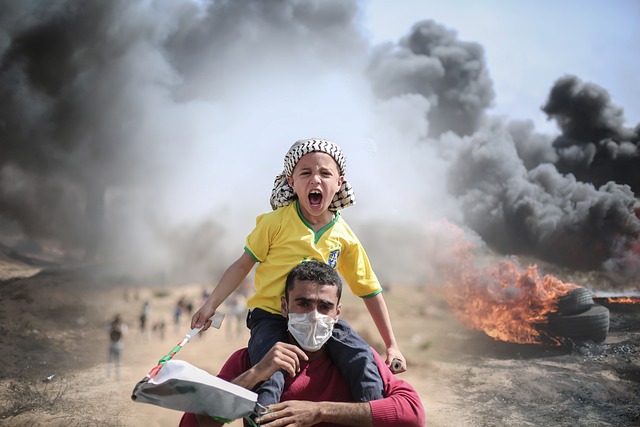
Every hour, the clock ticking per second, cars, trucks and motorcycles go past along the main highway route, dogs pant through a long hot day, and every news brings war stories about Palestine versus Israel, Ukraine versus Russia and other countries to the television. Every reporter speaks one language to another, gibbering every word about their witness in the war-torn countries makes no sense to me.
New Zealand – new parties of the Government as a coalition: National with ACT’s and NZ First verse Māori communities over the Te Tiriti (The Treaty)/Te Triti o Waitangi (the Treaty of Waitangi) went into uproar and upsetting many hundreds and thousands of te iwi Maori (Māori people).
Kia rongo tuatahi nga mema o te Whare Paremata o Aotearoa i te reo o to tatou iwi. (Let the New Zealand House of Representatives members first hear our people’s voice.)
תן לנציג הישראלי של הממשלה לשמוע קודם כל את קולו של עמנו ומיליוני פלסטינים לא יוכלו להתעלם ממנו.
(Let the Israeli representative of the Government hear first our people’s voice and millions of Palestinian people can not ignore it.)
As myself, I am a deaf advocator and think of silent messages from many people described by speaking, showing us pictures and videos and their expressions of hatred, anger, remorse, and salvation signs. On the other hand, less news from many people far away and in New Zealand delivers good news and happiness, and showing expressions on faces often makes no sense, or I cannot work out their message.
We see with our eyes, while Blind people (low vision impaired) use their ears in the environment they are exposed to daily. It can be calming, violent, threatening, whispering, or empty silent sounds.
A couple days ago, the day of the Holocaust Memorial was January 27. We came home via Hillcrest, Hamilton, to Eureka, Waikato and were stopped at the intersection of Wairere Drive and Naylor Street. We noticed a medium-sized group of protesters, and each protester held their mother’s homeland flags – Palestine and Africa.
Flags were displayed in the air, banners with many words displayed, and their faces expressed with shouting, anger and demanding.
Children and young adults of their parents were there.
Should anyone in the countries fly the Palestine flag to acknowledge we or anyone to support Palestinians on November 29?? The Palestinian flag will be flown on November 29, the United Nations International Day of solidarity with the Palestinian people.
“Hope is being able to see that there is light despite all of the darkness.”
Daily news keeps bringing in from Gaza-Israel, and there is no hope!
“When the world wearies and society fails to satisfy, there is always the garden.” ― Minnie Aumonier
Sunday 14th January 2024
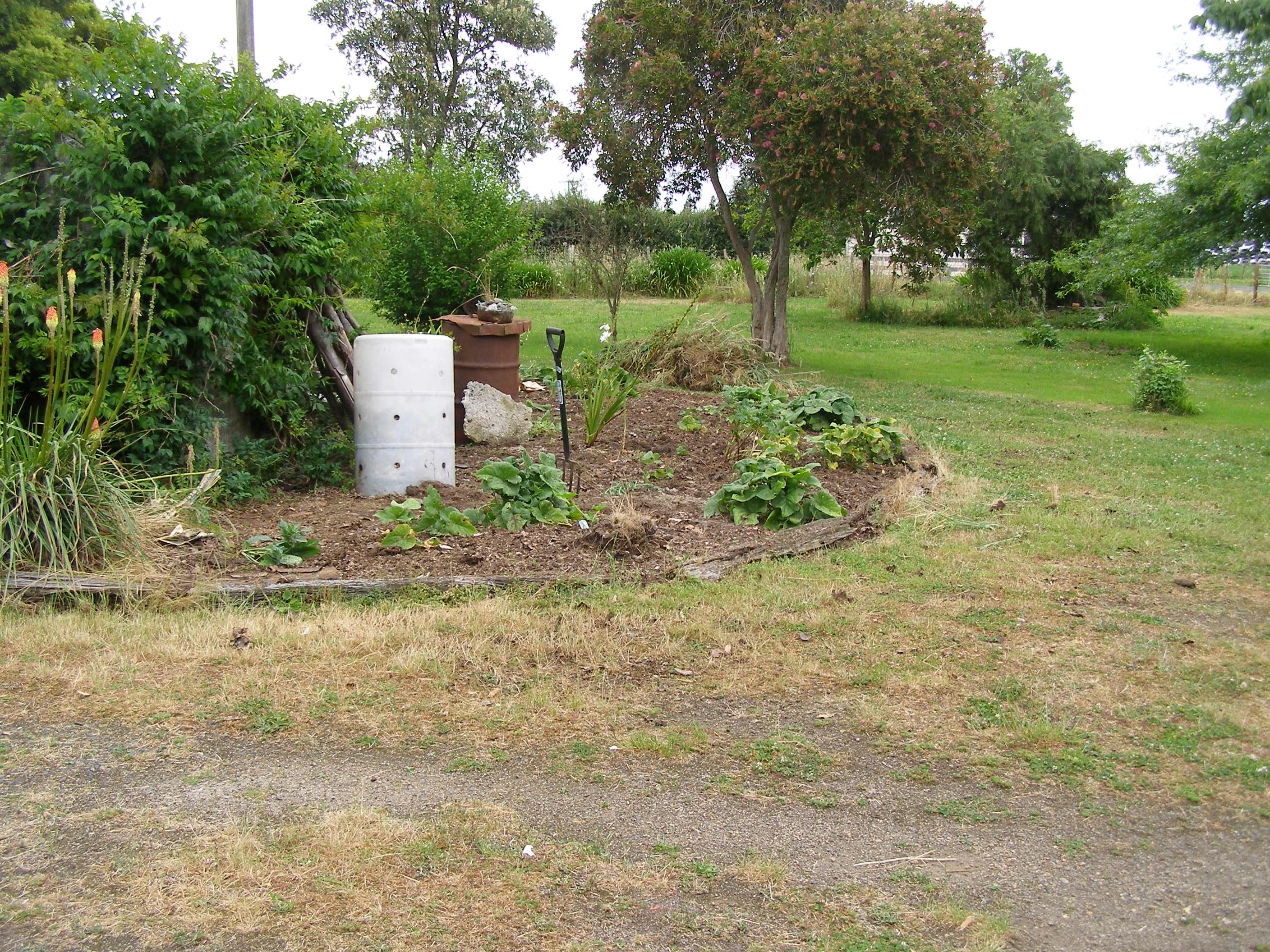
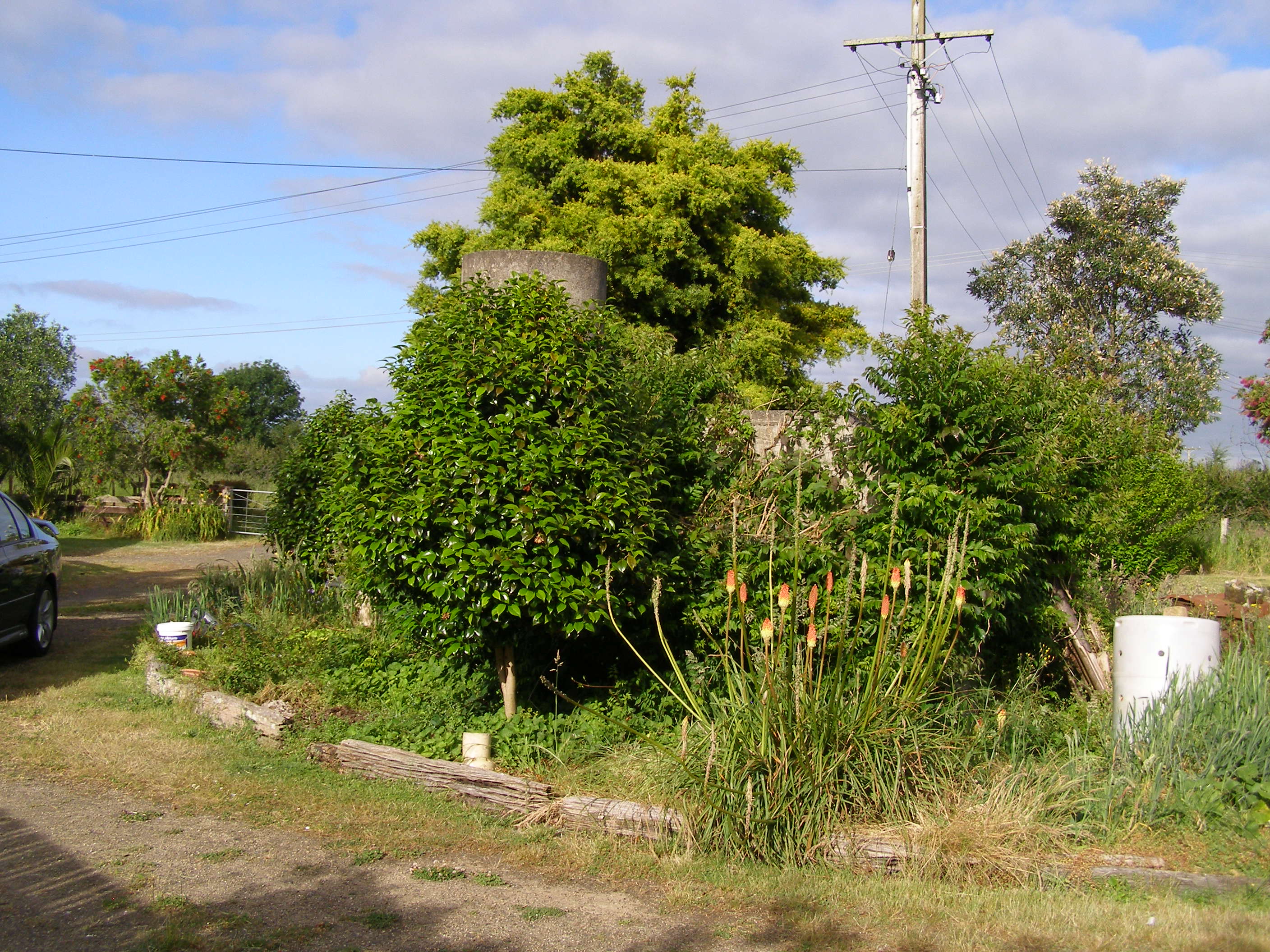
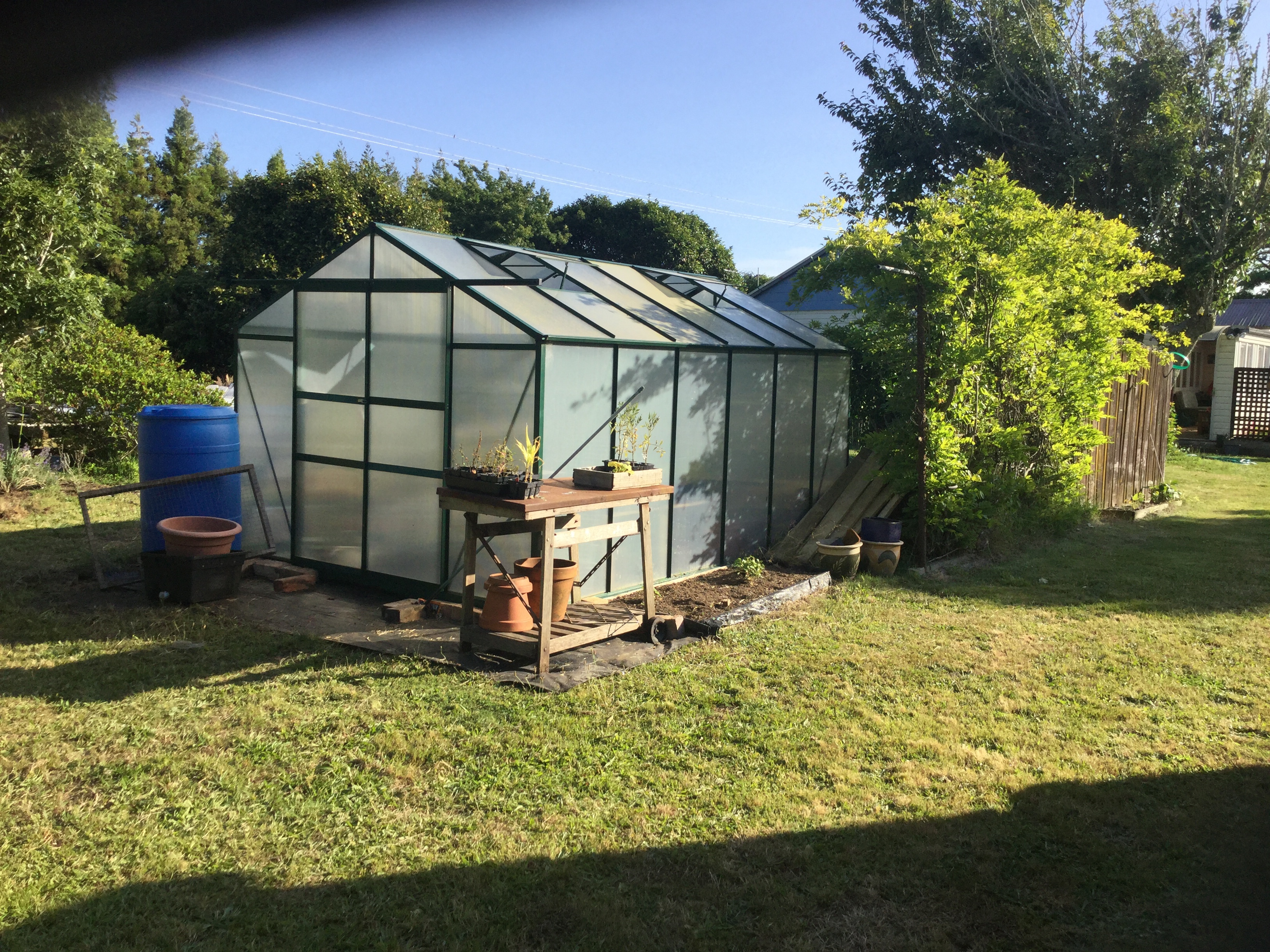
Our vegetable garden in one of the many garden plots in our homeFirst sight of the dark Cherry treesOLYMPUS DIGITAL CAMERAOLYMPUS DIGITAL CAMERAOLYMPUS DIGITAL CAMERAOLYMPUS DIGITAL CAMERA
We are in January 2024, and it has been ten years (October 2014) since we lived here in the rural country of Eureka, Waikato. The first photo of the middle/centre garden showed what it was like. Fast forward to today, there have been a lot of challenges in planting shrubs, groundcover herbs, bulbs, several native small trees and one fruit tree.
January 2024, Centre garden
There are two things I am dealing with: –
I am battling with one exasperating weed, Kikuyu grass, and they love drought and coastal. We are not in the coastal area because we live in a rural country. How does this Kikuyu grass come to New Zealand? Did you know that Kikuyu grass came from the native to the African countries of Burundi, Zaire, Ethiopia, Kenya, Rwanda, Tanzania and Uganda? Kikuyu is named for the Kikuyu (Gikuyu) people of Kenya. It was introduced to New Zealand from Zimbabwe by the Department of Agriculture in the early 1920s.
Between 2016 and 2017, I got the diagnosis of my right side – neck, shoulder and down along the arm via elbow and hand, and it was called C4-C7 Cervical Disc Degeneration Radiculopathy. It had been a very long time since I had the nerve damage overnight without warning, and what caused the nerve damage back in 2006 in my previous second home without a partner. Every day, I take it easy when doing housework, gardening, driving around, studying University BA courses, cooking, communicating in sign language, and so on. In 2009, my partner came along and supported me until today. We shared the workloads, including the large garden and drove around, which helped me. My partner knows the garden is my joy and relaxation from work – Deaf community liaison/advocacy role. This symptom is my living experience through pain and recovery daily as the disability adds to my deafness.
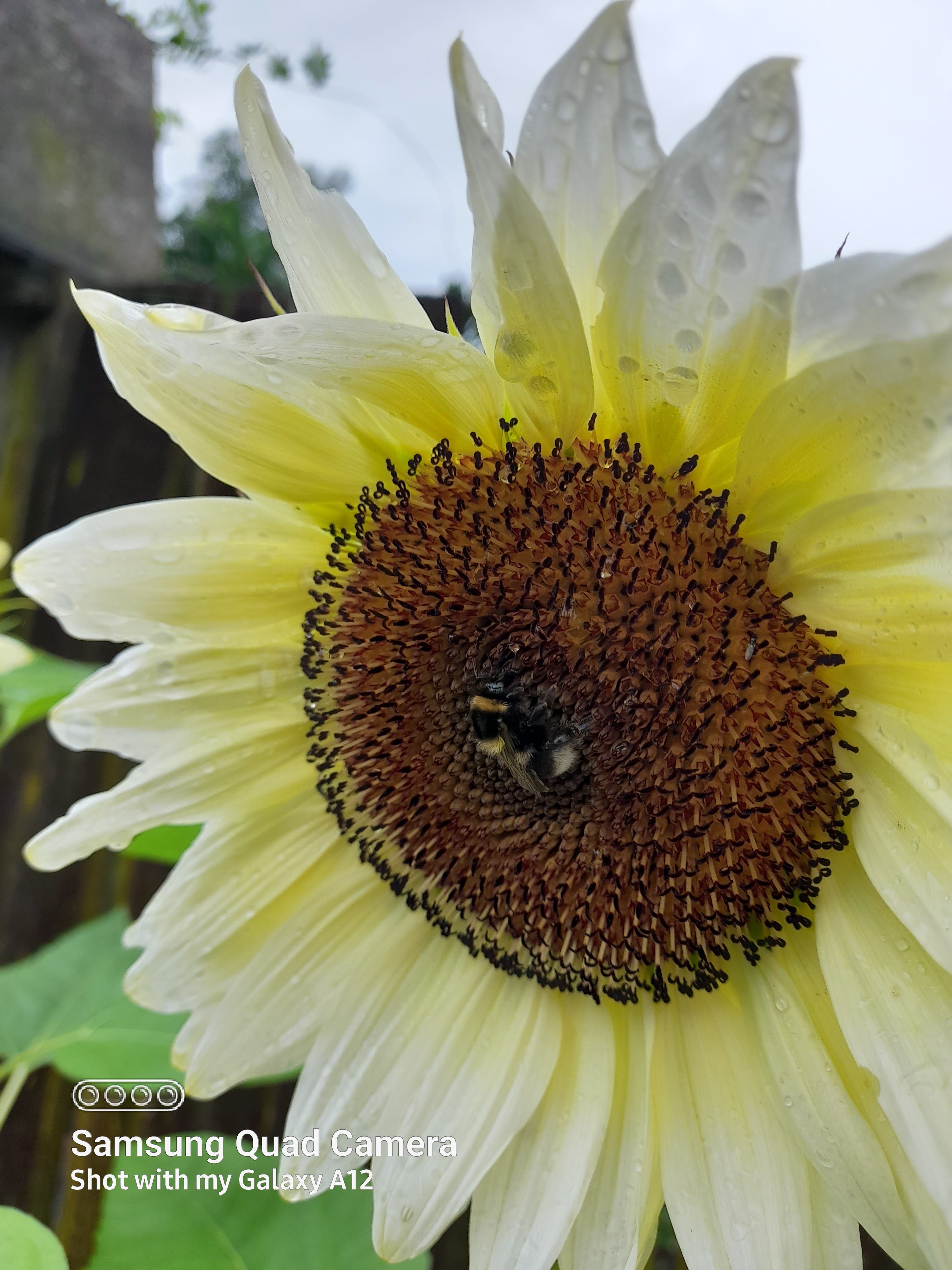
Oh wow! The giant tree is the Golden Totara, which can withstand all seasons with the most brutal weather, from wind to drought. Many birds shelter there or make nests inside the Golden Totara. Of course, little furry animals such as rats, mice, possums, rabbits and critters and flying insects like bees, bumble bees, wasps, shanks, butterflies, and moths hovering over the garden or seeking food from flowers. Our dogs roam around the garden daily, seeking rabbits and other animals.
I pruned back the branches nearly three years ago, and today, it was time to tidy up the unwanted low-laying branches and trim around the trunks. Readers probably wonder what I do with all the cut and thick branches. I leave it to my partner as we use these branches for firewood through Winter.
Ah, the rain softened this afternoon after a whole morning doing the garden job yesterday. Our dogs sleep inside while I take it easy on my first day working from home under the Social Service. Everywhere around New Zealand, there has been a bag of mixed weather such as flooding, drought, mild bushfires, humid and hot and, of course, rain. In Waikato, local farmers and agriculture workers are restricted by water from the Waikato River despite the Greater Acklanders taking water as they are outside the Waikato Regional Council region.
Note: When I was a young girl, my solo mother – Joan, asked me when I would do the weeding in the garden. I told her I did not want to get my hands dirty, but I definitely would do the garden when I have a home. Throughout three home ownerships in the past, I did the gardening, and Joan realised that I did the gardening after all. In the past years, from 2014 onward, I have loved collecting new plants and shrubs, even receiving plant gifts, and my partner often said no more plants/bulbs each time we went. He realises our large property has so much grass space that he has to use lawn mowing and little space for a flower garden. He enjoys seeing the sight of flowers, fruits and vegetables.
After all, have you considered garden therapy in your home, even at work??
Liberty Hyde Bailey: A garden requires patient labour and attention. Plants do not grow merely to satisfy ambitions or to fulfil good intentions; they thrive because someone expended effort on them.
Gertrude Jekyll: A garden is a grand teacher. It teaches patience and careful watchfulness; it teaches industry and thrift; above all, it teaches entire trust.
Carl Linnaeus: If a tree dies, plant another in its place.
The worst histories of 2023 are Israel and the Gaza Strip. The war started on October 7th 2023, by the Israel Defense Forces, per instruction from Prime Minister Benjamin “Bibi” Netanyahu. The horror of the war of continuous bombings on many thousands of infrastructures such as hospitals, schools, refugee camps, housings and other buildings by flattening them down into pieces. Once again, Gaza City is no longer a city, and all buildings are demolished to the ground into broken pieces of concrete, window frames, wiring exposed and many more lying on the ground.
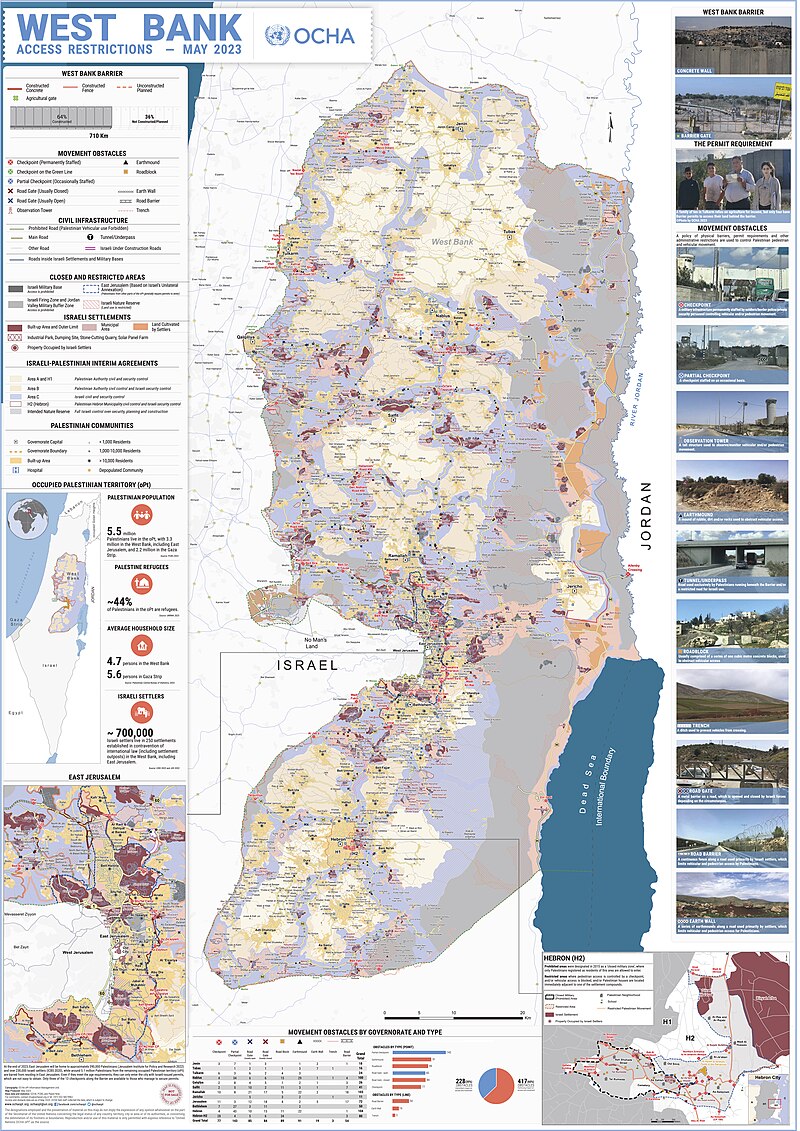
It is called genocide and indiscriminate bombardment! There are 2.5 million Palestinians in the Gaza Strip and 3.2 million Palestinians in the West Bank. Nevertheless, the total population is 14.3 Palestinians around.
The result of this bombardment was the hostages by the Hamas, and the hostages’ families wanted Prime Minister Benjamin “Bibi” Netanyahu to give the order a negotiable between Hamas and Israelian Defence Forces. The deal from Hamas wants the extirpation of the Jewish state. In the past, there was a Two-State Solution that suggested by the United Nations that Hamas and Israel might work separately in their state. The main problem is that Israel rejected the Two-State Solution for many years.
The aid, such as food and water supplies and medical supplies, are not getting through to hundreds and thousands of Palestinians in the temporary makeshift camps or unknown places. The problem is that there was no new ceasefire, and the trucks with recognised logos, such as the Red Cross and World Vision, were not allowed to cross the border and try to reach the largest camps.
“Violations will continue for as long as there is impunity. Any party who violates the sanctity of healthcare must be independently investigated and held accountable. We demand an immediate end to attacks on healthcare facilities and personnel, and an urgent ceasefire to allow the health system to recover and aid to flow to all who need it.” Attacks on healthcare are exacerbating the worst humanitarian crisis ever seen in Gaza. More than 19,400 people have been killed and at least 52,000 injured in Israel’s indiscriminate bombardment. Infectious diseases are spreading rapidly in overcrowded shelters, with 360,000 cases reported, including respiratory infections, diarrhoea, hepatitis and skin diseases. Meanwhile, hospitals and clinics seeking to care for them face acute shortages of supplies including medicines, fuel, water and food.” https://www.map.org.uk/news/archive/post/1543-more-health-workers-killed-in-israelas-assault-on-gaza-than-all-countries-in-conflict-in-any-year-since-2016
There were thirty-six hospitals around Palestine; now, nine hospitals are left partially running low or struggling to keep up to date with supplies and fuel in South Gaza, leaving one minimally functioning hospital – Al Ahil in North Gaza: Al-Shifa, Al Awda and Al Sahaba hospitals – sheltering hundred thousand displaced people. Al Ahli Hospital does not take any newly displaced people but only treats wounded people, including children and babies. Ten remaining staff – junior doctors and nurses- provide basic first aid and pain management at Al Ahli Hospital. The WHO and other U.N. partners said they recently delivered supplies, including medicine, IV fluids, surgical supplies, wound treatment and birthing supplies, to Al Ahli Arab Hospital and Al Shifa Hospital in northern Gaza.
The Palestinian people do not receive equal income, pensions, or disability pensions along with the Israeli people. Currently, 50,000 Palestinians with disabilities face difficulty through continuous bombardment or death. Strangely, Israel signed the U.N. Convention on the Rights of Persons with Disabilities. In the end, Israel chose to ignore Palestinians with Disabilities for safety, providing safe passages, medical supplies, and the list goes on. https://www.aljazeera.com/program/newsfeed/2023/11/23/palestinians-with-disabilities-face-immense-hardship-in-gaza
One of the most promised disabled person leaders was Bader Mosleh. Unfortunately, disability rights defender Bader Mosleh was killed by an Israeli airstrike in Deir al Balah, Gaza Strip, on December 7th. He leaves a legacy of courage and dedication. The link here – https://www.frontlinedefenders.org/en/profile/bader-mosleh
Did anyone know 500,000 Israeli settlers are living in the West Bank, with another 200,000 living in East Jerusalem currently early this year? In the first six months of 2023, 13,000 housing units were built in settlements, which is almost three times more than in the whole of 2022 – https://www.timesofisrael.com/netanyahu-hands-smotrich-full-authority-to-expand-existing-settlements/ It is illegal to build for the Israeli settlers than the Palestinian settlers. Israel’s Ministry ignored the international law and United Nations-Human Rights policies. Back in 1993, there was an agreement called the Oslo Peace Process between PLO and Israel where Israel recognised “the PLO as the representative of the Palestinian people”. However, Israel does not recognise the State of Palestine.
Anyone can see that the State of Israel has been accused of inciting genocide against the Palestinians for many years, and this result is linked to the conceptualisation of Israel as a settler colonial state as one whole state. Looking back, there were so many conflicts/wars, such as Nakba, the Sabra and Shatila massacre, the blockade of the Gaza Strip, the 2014 Gaza War and the 2023 Israel-Hamas war, and this meant material instantiations of genocide.
Remember we are one people in the world with different religions, cultures, ethnicity and with disabilities as we respects everyone equally. There is no need to hate or bring in war/conflicts in the world.
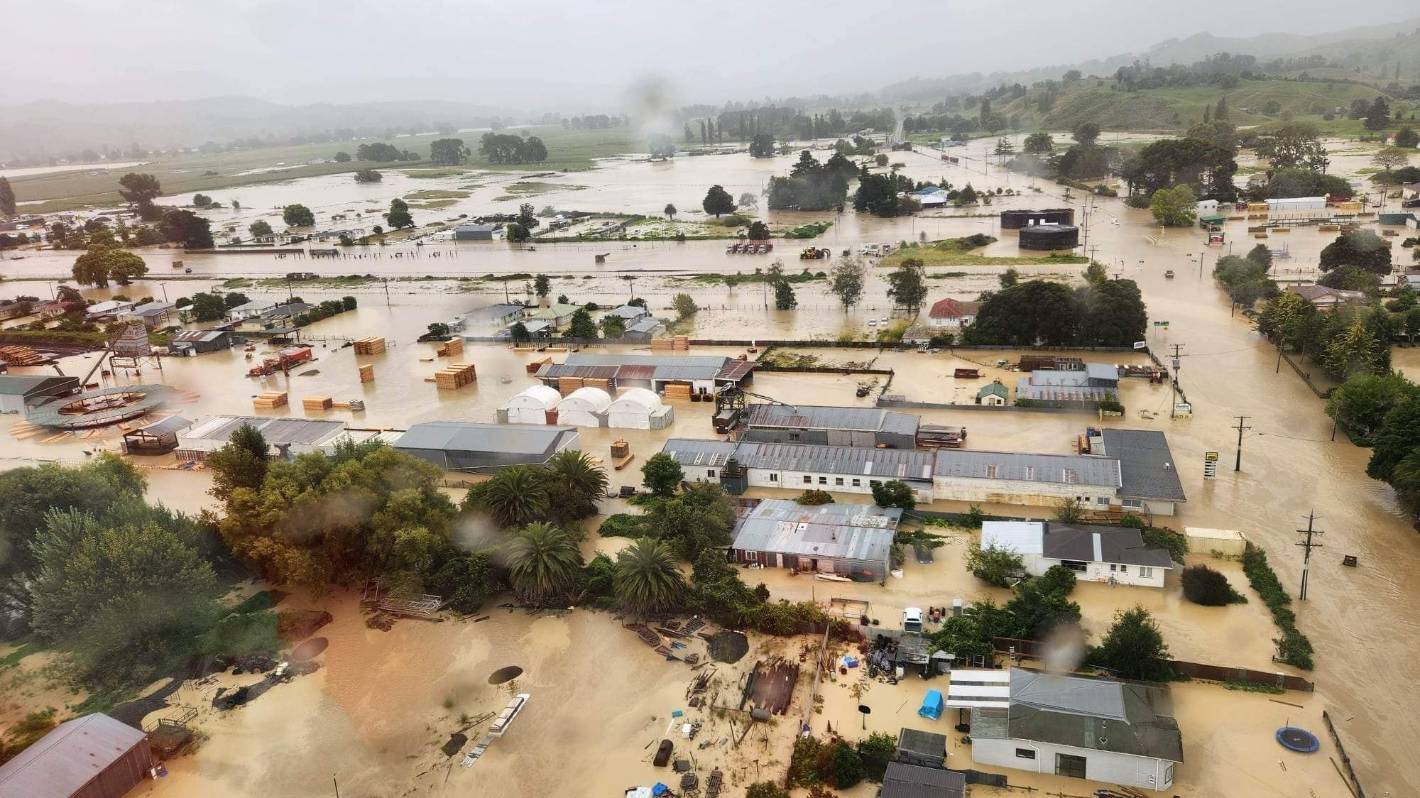
Early this year, there were floodings, cyclone-hurricanes, heatwaves, droughts, fires, and several earthquakes. Then came severe violent wars, which shocked everyone and angered them. There is a never-ending cycle of bad timing, bad news, bad weather and destructive disasters.
It is nearly Christmas time/holiday season/Hanukkah – Festival of Lights. And the Prophet’s Ascension and the Prophet Muhammad’s Birthday.
“A philosophy of life is defined as having, at a minimum, two components: a metaphysics and an ethics. A metaphysics is an account of how the world hangs together. An ethics is an account of how we should live in the world.”
Everyone will celebrate their own belief and custom holidays around the world, but not everyone will celebrate due to hardship, surviving victims of the wars, having no family to share, and even having no friends. They live in urban and rural countries, while others live in civilised countries.
Families come together, or families within other families live apart in the world, but what about families who lost their loved ones during the violent and hardship ongoing wars. There are more orphan children/teenagers and disabled children/teenagers than before due to endless wars and climate change – agriculture, crops, and water. There is no celebration for these children/teenagers due to their loss of parents and families.
Yes, many countries, such as the environment, are changing due to the people and machinery, such as making shifts, building infrastructure for more people to live in, and raining down many weapons to militate terrorists. Global warming is one of the highest changing patterns every year. People can be selfish, greedy for their desires, want to emulate terrorists or criminals and refuse to repent for other people’s lives.
Between fifty and fifty per cent of disabled people, D/deaf and D/deaf with disabilities are more or less better with financial, employment, poverty, hardships, unable to remove the barriers that prevent their access, health issues and living conditions in their homes.
We have different opinions of life here, away from the city, where we are in the rural. We are fine and happy to have lived here for nearly ten years where there were several issues, such as a car accident that killed a mother and a young daughter less than three months old close to our property, not much water left inside the water tank due to leaking without warning, burst water from the water meter. We keep learning by doing things in our daily lives, and our personal values are courage, learning, and humility.
Our gardens have expanded since we moved here; more native birds draw to our trees, shrubs and flowering plants for food, except for so many rabbits enjoying and basking in the sunshine here. Grow many vegetables and fruits for our needs food and allow me to share/give away to the Food Banks and a couple Deaf people with disabilities. I support/assist them each week. We are here to make good things happen for us and the community where I work as the purpose in life. The personal values are relationships, empathy and compassion.
How can other people learn and tell them there are no failures but learn results from them?
“Tenacity is behind this philosophy; you keep going no matter what happens to you.
No matter how many less-than-desirable results you get, you keep moving toward your goal and taking action to get closer to it.
You know that every so-called failure is just a result you can learn from, and you view setbacks with a growth mindset to seek out the lesson.
You look at what went wrong or what you can do to get a better result next time. And you try again.
You don’t accept failure because every result that exceeds your hopes teaches you more than you might expect. Every faltering step is still a step.”
When someone visits me and asks for advice, seeks solutions, or requests suggestions, I give them my best recommendation by teaching them to understand where they have gone or gone in the wrong direction of a learning curve. The personal values are resilience, tenacity and courage.
Let’s hope everything will be okay when people and people with disabilities learn something from dangers and climate change and make a ceasefire happen to stop the war and start rebuilding again, but we don’t know if it will be successful or if it will struggle in the new year 2024.
We need the answer to make it happen and are still determining what the future will look like.
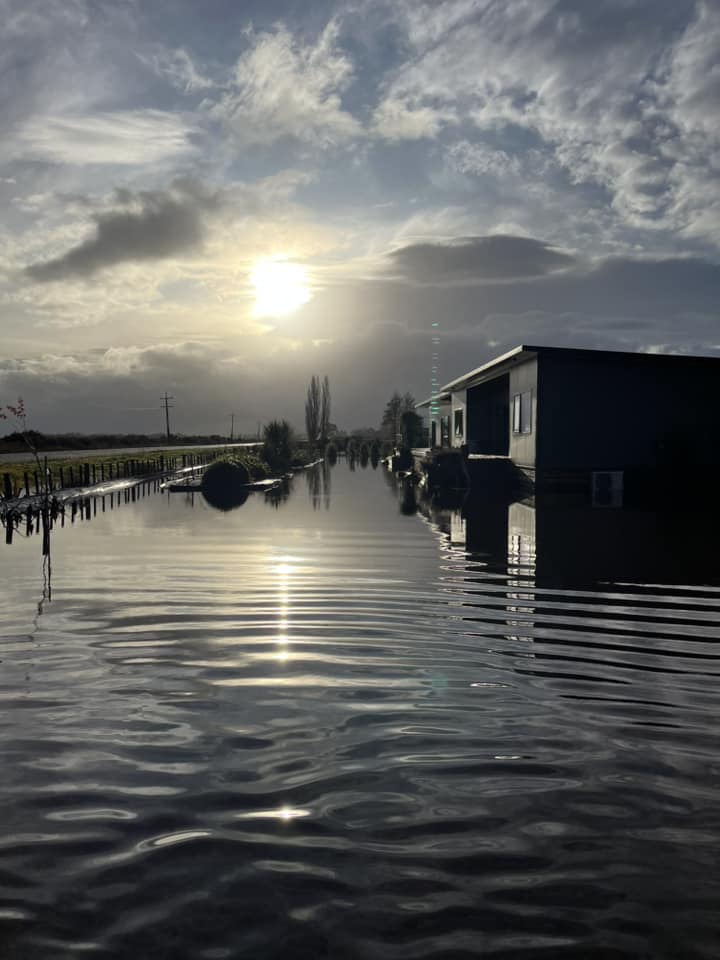
Flooding in Eureka-Tauwhare, WaikatoFlooding in Eureka, Waikato
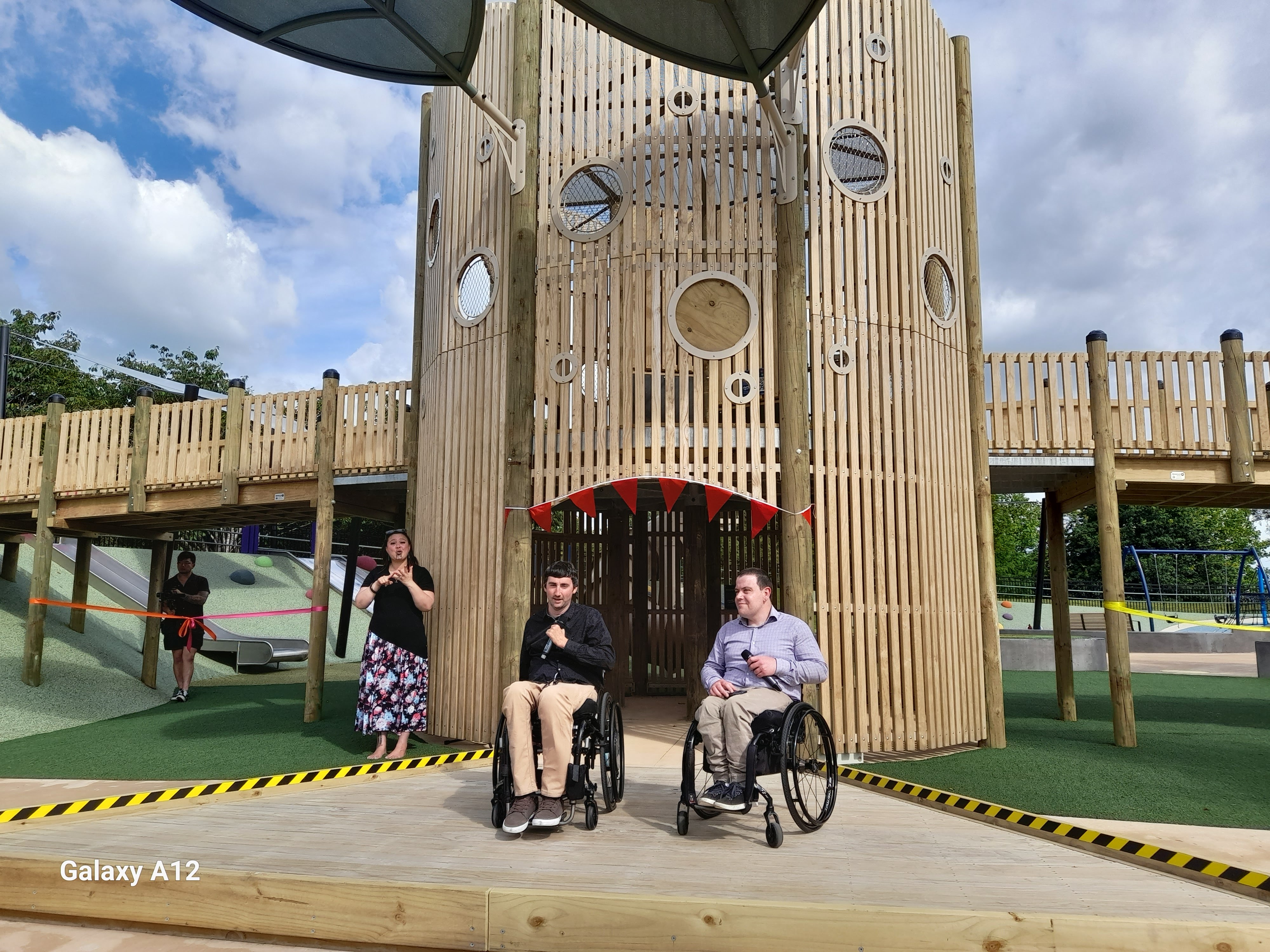
The Opening of the Magical Bridge Playground, Waikato, New Zealand – December 1st 2023
United Nations IDPwD 2023 Theme
The theme for IDPwD 2023 is ‘United in action to rescue and achieve the Sustainable Development Goals (SDGs) for, with and by persons with disabilities. ‘ The 2023 theme for IDPwD asks everyone to work together to make the world better and fairer for people with disabilities.
Every December 3rd, we, people with disabilities, celebrate International Day of the People with Disabilities. Our mission is to raise awareness of equity, human rights, and sign language and to promote collaboration and the closure of community gaps. Note the language – people with disabilities vs disabled people is more or less where people call themselves depending on informal or formal. “This term should always be avoided because disabled people do not want to be grouped as one. The preferred term would be disabled people (or people with disabilities, depending on which term you prefer).” https://celebratingdisability.co.uk/disability-language/#:~:text=Collective%20Labels%20and%20Positive%20Language&text=This%20term%20should%20always%20be,on%20which%20term%20you%20prefer).
In New Zealand, they address/call ‘disabled people’ than people with disabilities.
Have a read the United Nations Office in Geneva article. This article will help you understand more and how to address anyone with disabilities/disability.
We, people with disabilities, live in houses, flats, and rest homes, working and non-working in the communities, and are often forgotten people in the communities by other people. Sure, here you go:
It is imperative that we are granted equal rights by all members of society, including agencies, the health sector, the business sector, the cabinet team, and political members. Denying us these rights is unjust and hinders progress and growth for all. Let us work together towards a fair and equitable society where everyone lives and works with respect and dignity.
We must not forget people/children with disabilities who lost their infrastructures such as homes, rest homes, hospitals, transports, and special equipment during the wars and floodings. Technologies such as mobiles and computers/laptops are valuable tools for communicating with their families and friends. Without technology, they will be lost and face giant, complicated, complex lives.
What about the playground for all children/teenagers with disabilities?
Is it accessible for all or not? Let’s start putting a thinking cap on and make the community playground more accessible and friendly by designing equipment, grounds, tactile and visual picture communication, non-verbal sharing, and hand-physical tools.
The Deputy Mayor of Hamilton confidently inaugurated the Magical Bridge Playground on December 1st, 2023, in the Hamilton, Waikato, New Zealand community, emphasising the event’s significance for the city’s residents. We are the first to establish the Magical Bridge Playground with a partnership with the Magical Bridge Foundation of Palo Alto, California, US, in the Southern Hemisphere of New Zealand. We are the first International Magical Bridge Playground. Currently, there are nine Magical Bridge Playgrounds, and we are the number ninth in the world. Five more playgrounds are coming – two in Singapore and three in California. I will have to double check often on the number of playgrounds.
Having participated actively in the Disabilities Forum for several years, I was thrilled to join the discussion group Peter van Vroohoven requested through the forum in 2020 for a very short time.
My experience with many forums has taught me how important it is to have a platform where individuals with disabilities can come together to share their stories, exchange ideas, and discuss their unique challenges. As a result, I was excited to be a part of this discussion group and contribute to the conversation in any way possible.
I have been in touch with old friends, Bernice and Jack, who live in California, and we met through our Italy trip many years ago. We kept in touch every year, and I visited them at least six times in the past. Bernice wrote me a long letter about the Magical Bridge Playground in 2014-2018. Yesterday, in my mind, it was sad that I could not let Bernice know that we have a Magical Bridge Playground because Bernice and Jack have passed away, so I contacted her daughter and son through email. They were thrilled to hear about our news.
שני עמים, ארץ אחת שני עמים, ארץ אחת, שלוש אמונות, שורש אחד, אדמה אחת, אמא אחת, שמיים אחד, התחלה אחת, עתיד אחד, גורל אחד, לב אחד שבור, אלוהים אחד. אנו מתפללים אליך: תן לנו חזון של אחדות. שנראה את הרבים באחד ואת האחד ברבים. מי יתן, חיי כל העולמות, מקור כל ההבדלים המדהימים תעזור לנו לראות בבהירות. הנח אותנו בעדינות ובתקיפות אחד כלפי השני, לקראת שלום.
הרב שילה וינברג
May the Lord give the Holy Spirit guidance to the people!
Two Peoples, One Land Two peoples, one land, Three faiths, one root, One earth, one mother, One sky, one beginning, one future, one destiny, One broken heart, One God. We pray to You: Grant us a vision of unity. May we see the many in the one and the one in the many? May you, Life of All the Worlds, Source of All Amazing Differences, help us to see clearly. Guide us gently and firmly toward each other, toward peace.
Rabbi Sheila Weinberg
פיוס במזרח התיכון אלוהים אדיר! אחרי כמעט מאה שנה של חוסר אמון ורצח אחים, נתת השראה ליהודים, נוצרים ומוסלמים ללכת בדרך של פיוס במזרח התיכון… אנו מבקשים את סליחתך, אלוהים, ובכל זאת אנו מתקשים לסלוח לאויבינו בעבר. יהי רצון שדבריך יגעו באלה שעדיין תועים
במדבר של אלימות נקמנית, שוכח את פקודתך “לסלוח ולהתעלם, עד שאלוהים ישיג את מטרתו; כי לאלוהים יש כוח על כל הדברים.”
עבדאלווהאב היצ’ה
Reconciliation in the Middle East Almighty God! After almost a century of mistrust and fratricide, you inspired Jews, Christians, and Muslims to take the path of reconciliation in the Middle East. We ask for your forgiveness, O God, yet we find it hard to forgive our past enemies. May Your Words touch those who still stray
in the wilderness of vengeful violence, forgetting your command to “forgive and overlook, till God accomplish His Purpose; for God hath power over all things.”
It is hard not to be moved by Jean’s unwavering dedication to advocating for the rights of disabled, deaf, and marginalised individuals. Jean’s passion for justice is not only inspiring but a testament to the power of one’s commitment to making a difference. Their tireless efforts exemplify us all to follow in pursuing a more just and equitable world.
Jean wants to give readers some facts of understanding the Palestinian disabled people and the Israeli disabled people.
There are around 795,000 Palestinian Refugee Disabled People registered with UNRWA (2017). That is roughly 15%. There are 28.9% of Palestinian refugee children with disabilities in Lebanon are not enrolled in any school at all. American University Beirut and UNRWA (2015), Survey on the Socioeconomic Status of Palestine Refugees in Lebanon
Look in Israel – “In 2020, people with disabilities accounted for 20% of the population in Israel (more than 1.5 million people). Of those, about 326,000 children (accounted for 11% of all children in Israel), 751,000 people of the working-age population (16%) and 525,000 people over the age of 65 (47%). Some 6% of the working-age population (aged 20-64) (about 276,000) have a severe disability (with significant difficulties in performing basic everyday tasks). In comparison, some 10% (about 451,500) have a moderate disability (with some difficulties in performing basic everyday tasks). Among people with disabilities over the age of 20, there are about 499,000 people with severe disabilities and about 654,000 with moderate disabilities. 40% of people with disabilities have difficulty walking or climbing stairs, 8% have difficulty seeing, and 7% have difficulty hearing.” https://www.gov.il/en/departments/general/pwd_israel_2021_statistics
Compare the financial support living payments here, in Israel and Palestine.
NZ$ Supported Living Payment plus accommodation supplement $2064.92 (after tax) a month. Suppose anyone has a disability and requires a disability allowance of up to $75.10 (before tax) a week.
Monthly pension rates (as of January 01, 2023):
Full incapacity degree (100 or 75%) – a full disability pension of NIS 4,063. Partial incapacity degree of 74% – a partial disability pension of NIS 2,770.
Israel Disability Allowance – NIS 4,063
NZ Dollar total Disability Allowance $1,726.66 a month
Palestine’s monthly income of NIS 2,500
NZ Dollars $1,060.77
The current minimum wage in the Palestinian Territories is ₪1,880.00 per month in 2023. It became valid on January 01, 2022. The amounts are in Israeli Shekel.
No one wants to employ any disabled persons with excellent skills, let alone those who are struggling to live on Social Welfare Payments but often miss payments. In Palestine, many people, including disabled people, received no social welfare payments for six months, according to 2022.
53.3% of Palestine disabled children have more than one disability through the survey in West Bank. Overseas Development Institute and UNICEF (2016), Every Child Counts: Understanding the needs and perspectives of children with disabilities in the State of Palestine.
20.6% of the housing problem in Lebanon, where Palestine refugee households living in extreme poverty in Lebanon include at least one individual with a disability. American University Beirut and UNRWA (2015), Survey on the Socioeconomic Status of Palestine Refugees in Lebanon.
“The electricity shortage has decreased the availability of water, sanitation, and health services and undermined Gaza’s fragile economy, particularly the agriculture and manufacturing sectors.
Many organizations are working persistently to alleviate poverty in Palestine.”
There are many protest groups worldwide, and journalists, families, staff, and United Nations staff produce media and video reports daily. However, there is no news about people with disabilities on social media and television. The recent news was that Jabalia Rehabilitation Centre, where persons with disabilities are being cared for alongside others sheltering at the centre, cannot move with heavy strikes close to these centres, such as al-Quds Hospital and Indonesia Hospital. The al-Quds hospital ran out of fuel and power.
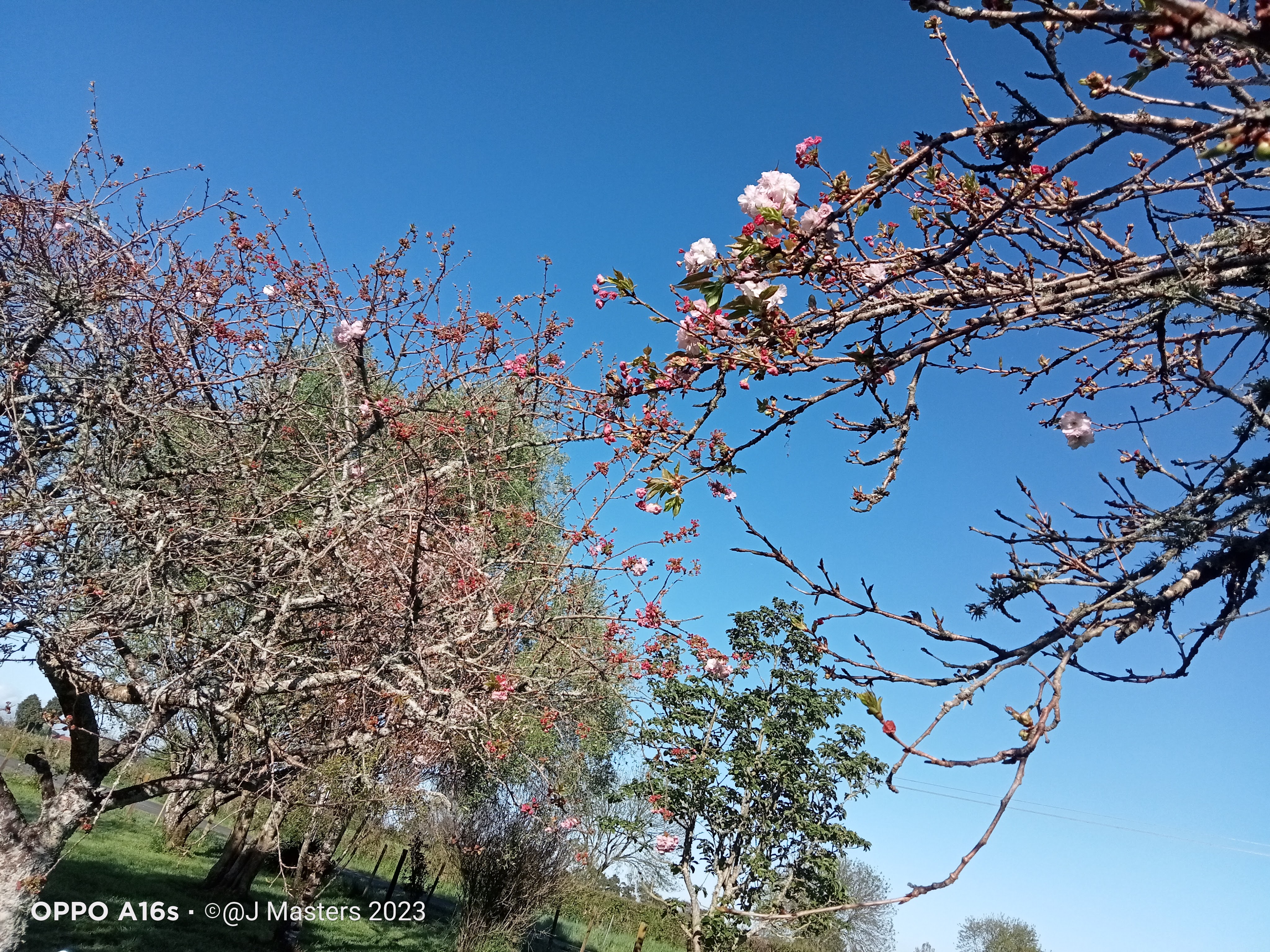
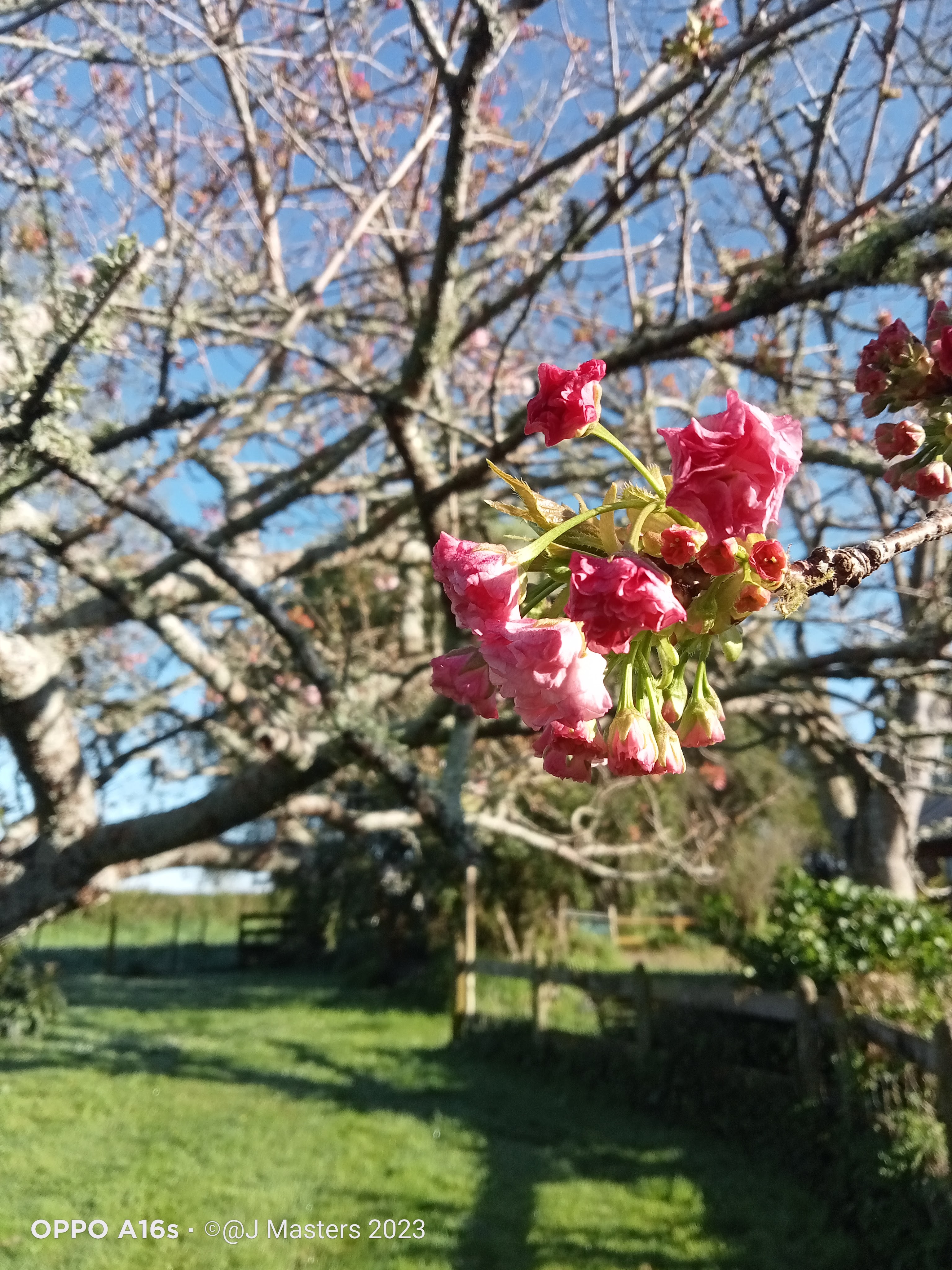
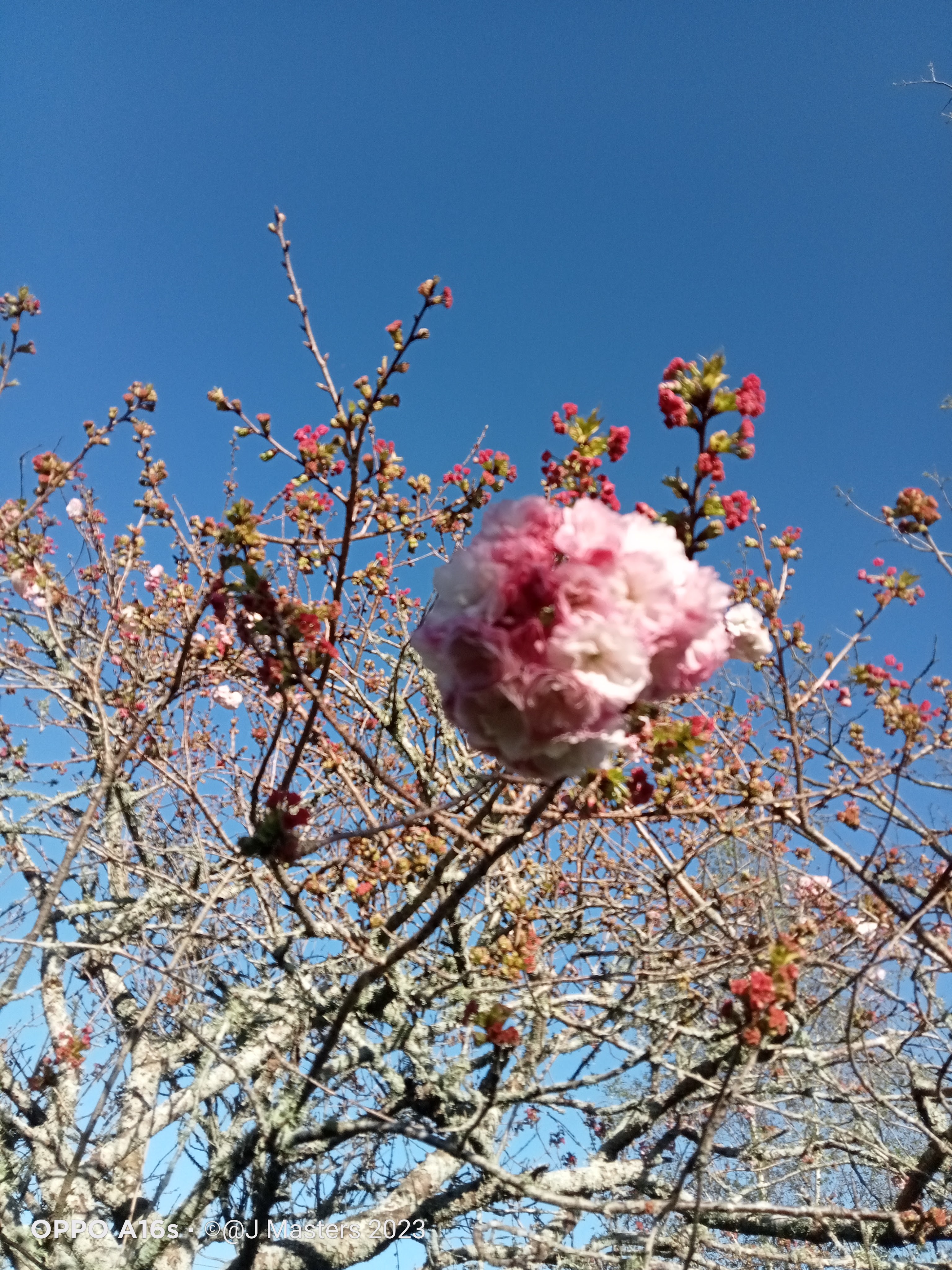
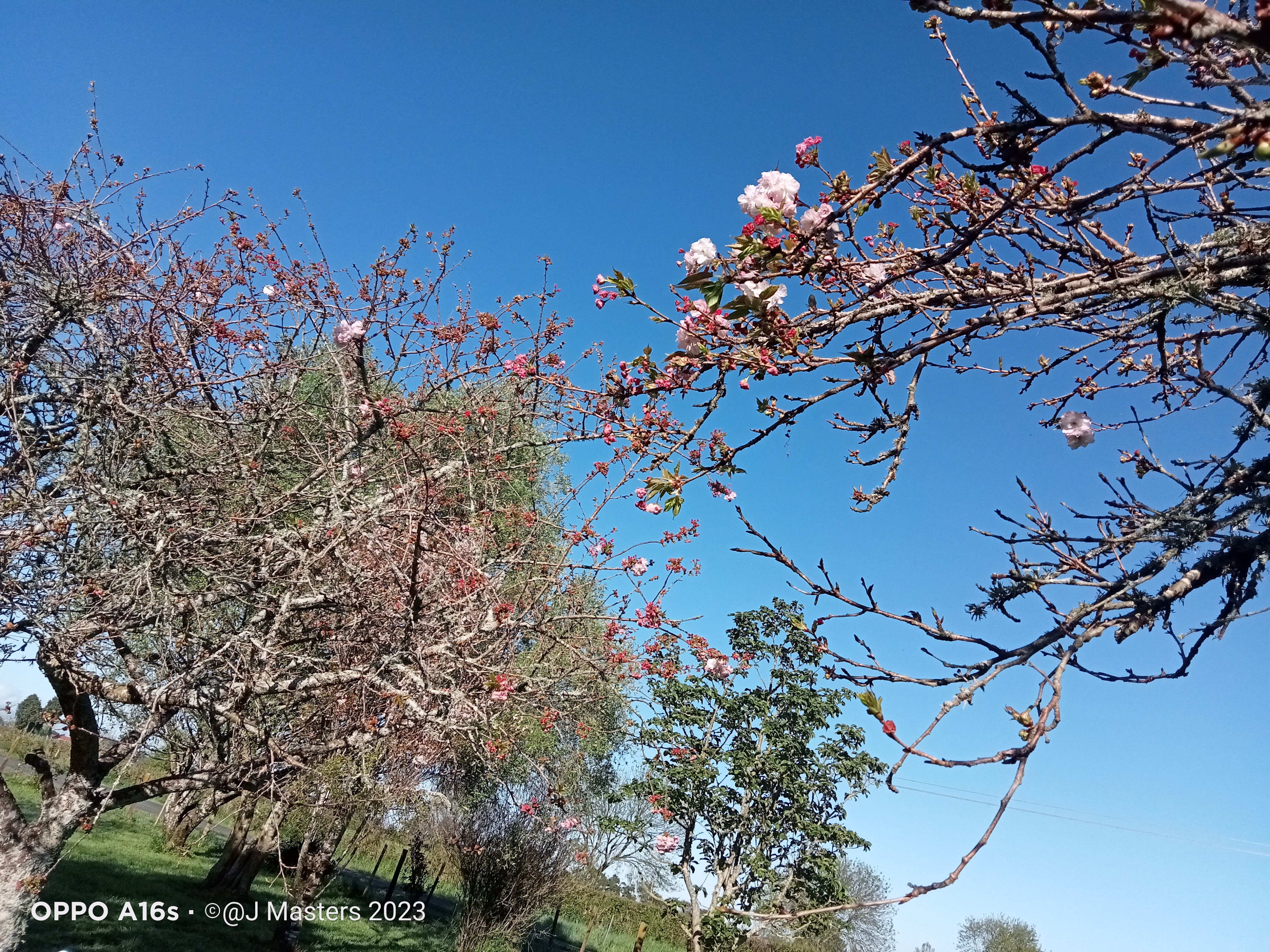
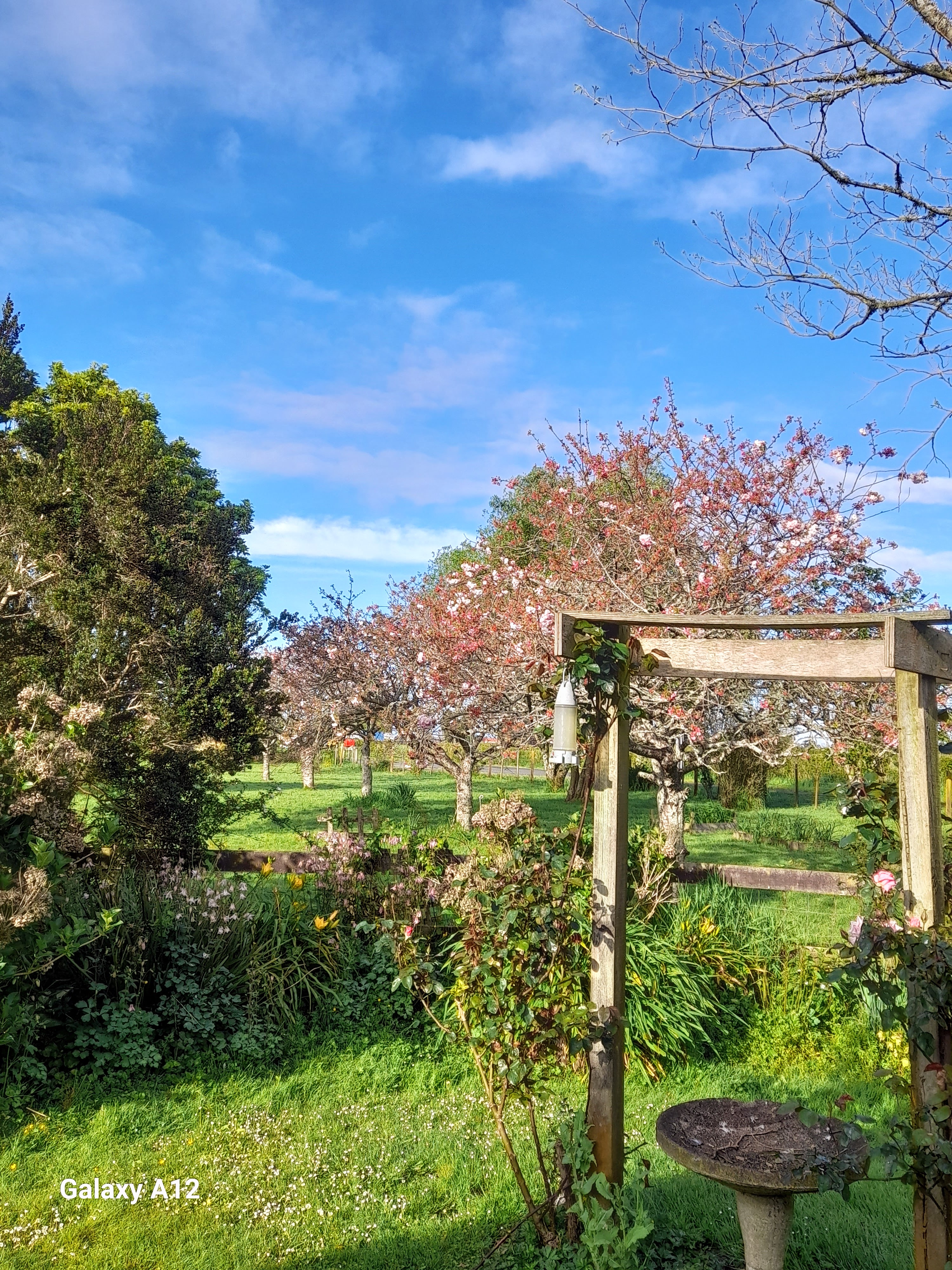
Seeing our six Cherry trees in the field from the 18th of October that morning was beautiful! The weather was dreadful each day from the 18th of October, except our Cherry flowering always stood out against the weather.
Each year, Cherry trees are a sign of Spring season here despite the changeable weather in the past. It is not just here when I drove anywhere in the Waikato region and saw many cherry flowers in the streets, along the main roads and parks. It is a magnificent showing of displays and warm to everyone’s hearts.
“The significance of the cherry blossom tree in Japanese culture goes back hundreds of years. In their country, the cherry blossom represents the fragility and the beauty of life. It’s a reminder that life is almost overwhelmingly beautiful but that it is also tragically short.” – Homaro Cantu.
Many tuis and bees love collecting nectar and pollen from cherry flowering. As myself, I would not hear the buzzing noise of these birds and bees each day but see them working over flowering.
The cherry blossom symbolises life and death, beauty and violence, and promising new life. The blooming of cherry blossoms shows a sense of vitality and vibrancy, and the flowering takes a short time to remind us that life is fleeting.
“Are we to look at cherry blossoms only in full bloom, the moon only when it is cloudless? To long for the moon while looking on the rain, to lower the blinds and be unaware of the passing of the spring – these are even more deeply moving. Branches about to blossom or gardens strewn with flowers are worthier of our admiration.” – Yoshida Kenkō.
It’s imperative that we raise awareness about the difficulties faced by people with disabilities when dealing with organisations such as Kaainga Ora, Life Insurance, and MSD. The recent experience of a Deaf tenant with Kaainga Ora highlights the need for better communication and understanding. Despite submitting an online form two weeks ago, I, as a consented person on behalf of the Deaf (ESOL) tenant, had not received any updates on job maintenance for leaking taps. The system had removed my name as the consented person, leading to confusion and difficulty in understanding their needs. The call centre staff were not adequately trained to deal with people with disabilities, leading to further frustration. The lack of communication and understanding from the case manager of the Housing Support Manager added to the Deaf (ESOL) tenant and myself more problems. It’s time we take action to ensure that people with disabilities are treated fairly and with respect and that organisations are better equipped to meet their needs. I updated the tenant’s profile with consented persons in the portal system and hope they will not remove my name again.
It’s disheartening to hear about the challenges you faced while trying to contact Kaainga Ora for the Deaf (ESOL) tenant and myself as a deaf consented person. It’s high time that organisations like Kaainga Ora take the necessary steps to understand the needs of people with disabilities better and train their staff to handle such calls effectively. Doing so can improve their communication channels and ensure that people with disabilities are treated fairly and respectfully. Let’s work together to create a world that’s inclusive and accessible for everyone.
Effective communication is essential for everyone and becomes even more critical when dealing with people with disabilities. My recent experience with Kaainga Ora and a Deaf tenant highlights the need for better communication channels and understanding. It’s time for organisations like Kaainga Ora, Life Insurance, and MSD to take action to ensure that people with disabilities are treated fairly and with respect. By improving communication channels and training their staff to handle calls more effectively, these organisations can provide a more inclusive and accessible environment for everyone. Let’s work together to create a society that values diversity and promotes equal opportunities for all.
It’s frustrating to hear about my experience with a different caller who didn’t realise I was a deaf person and sent the email incorrectly. It’s essential for people to be aware of the needs of individuals with disabilities and take appropriate measures to ensure effective communication. However, it’s good that the caller apologised and resent the email without any issues. Let’s continue to raise awareness and promote understanding to create a more inclusive and accessible society for everyone.
To create a more accessible and inclusive society, organisations like Kaainga Ora, Life Insurance, and MSD need to recognise the needs of people with disabilities. These organisations’ current database system is minimal and fails to display disabilities. It takes work to communicate effectively, make appointments, and arrange for interpreters. However, by investing in improving their systems and displaying the profile’s disabilities, these organisations can provide better services to people with disabilities and ensure that they are treated fairly and with respect. Let’s encourage them to immediately improve their systems and create a society that values diversity and promotes equal opportunities.
It’s unacceptable that many organisations fail to recognise the needs of people with disabilities, as seen in the case of Kaainga Ora, Life Insurance, and MSD. On the other hand, hearing about my positive experience at an international hotel in Europe is commendable. It’s high time that all organisations recognise the importance of investing in training their staff to identify and cater to the needs of people with disabilities. It’s essential that they provide accessible facilities such as flashing lights for phone wake-up calls, fire alarms, and doorbells to ensure that people with disabilities are treated with respect and dignity. Let’s demand that organisations take immediate action to create a society that values diversity and promotes equal opportunities for all, including people with disabilities.


















 Life in Eureka
_May_2023.jpg)
You must be logged in to post a comment.