Earth Day – 22nd April 2026

AI Overview

The theme for Earth Day 2026, “Our Power, Our Planet,” focuses on working together to protect the environment and accelerate the adoption of renewable energy. It shows that both individuals and governments are important for driving change, aiming to triple renewable energy by 2030.

This video shares why the 2026 Earth Day theme matters.

00:33

António Guterres Instagram• 22 Apr 2026

Here are the main points of the 2026 theme:

  • Action-Oriented Focus: Moving from promises to real local involvement to make a difference.
  • Core Goals: Supporting clean energy, cutting down on plastic pollution, and looking after ecosystems.
  • Community Mobilisation: Inspiring schools, businesses, and people to take real steps in their own communities.

This year’s theme builds on the 2025 focus and reminds us that everyone shares responsibility for the environment. Even small actions by individuals can have a big impact worldwide.

In New Zealand, we’ve had several tropical storms and heavy rain over the past two weeks. Northland, East Coast/Hawke’s Bay, and Marlborough have been hit the hardest in years. Bay of Plenty, Wairarapa, and Wellington (Te Whanganui a Tara) have also faced downpours, flash floods, and rising rivers. Wellington was especially affected because it sits at the southern tip of the North Island, surrounded by hills, narrow roads, and parks. The city took the worst hit in just 48 hours this week.

Wellington’s Māori name, Te Ika-a-Māui (often called Te Upoko-o-te-Ika), means “The Head of the Fish of Māui.” This traditional name for the southern tip of the North Island comes from the legend of the demi-god Māui.

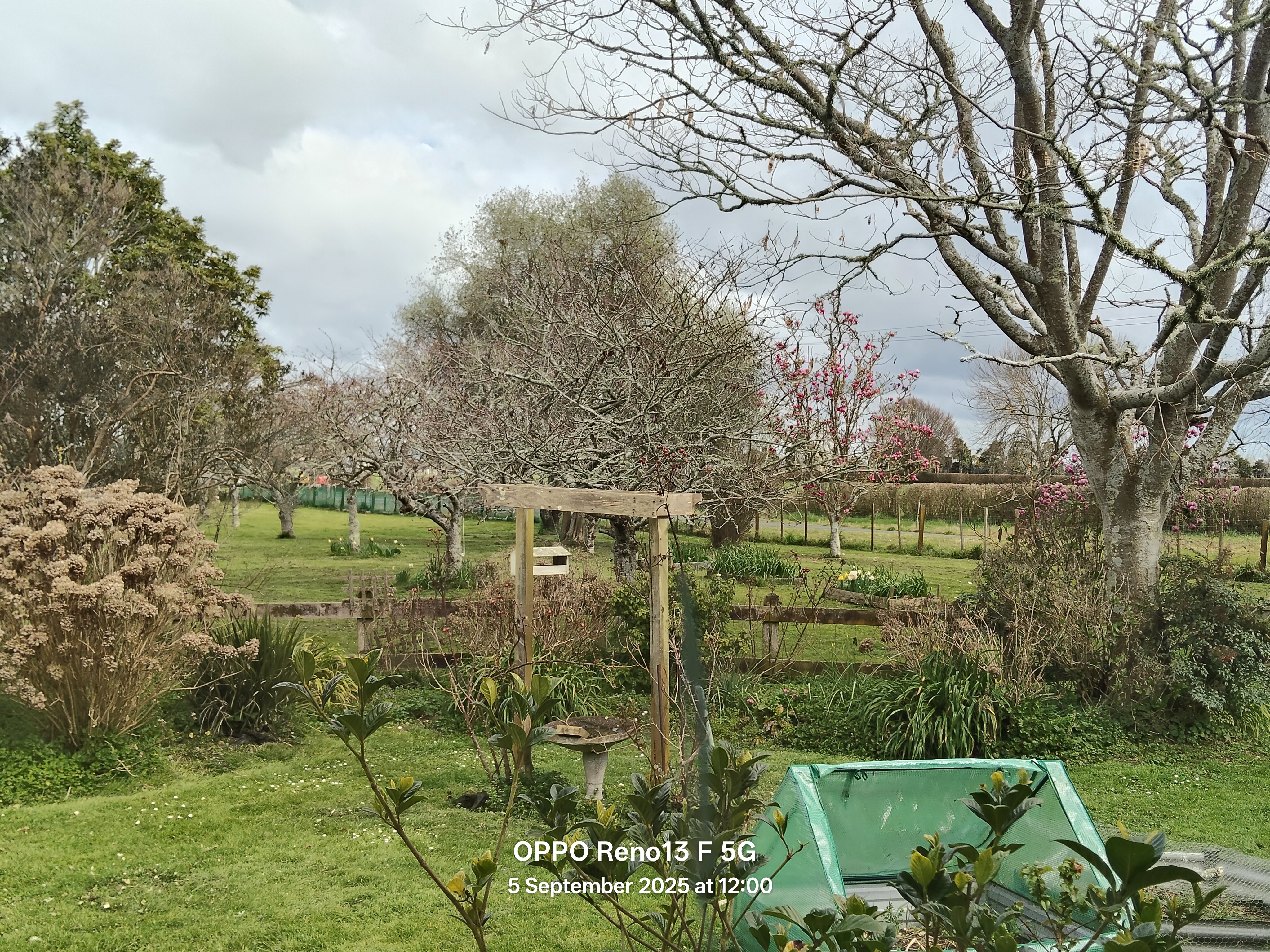
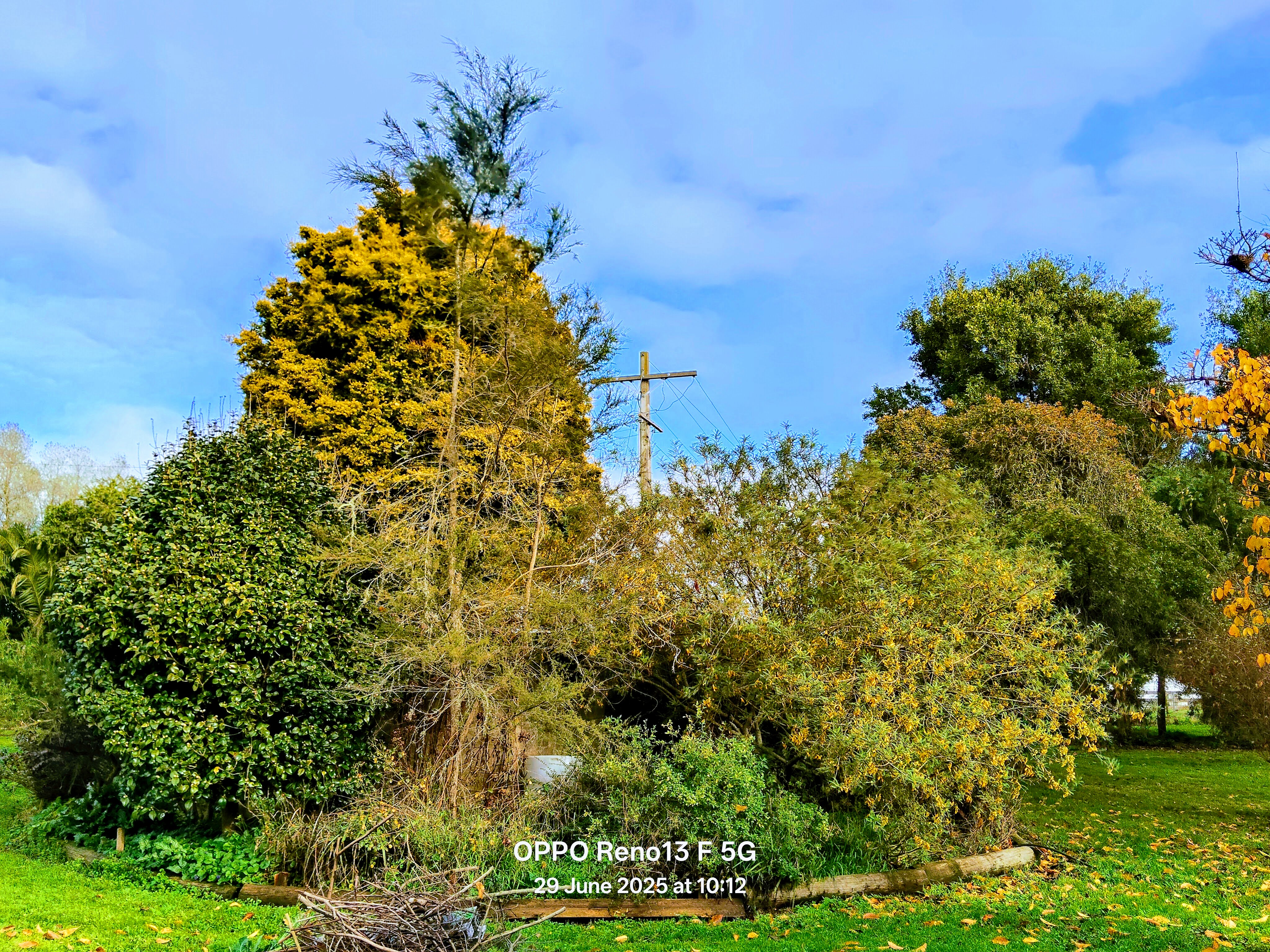
Other countries around the world are facing similar challenges, and in many cases even worse ones, such as earthquakes, cyclones, floods, and other natural disasters. The world is changing, and many people are not taking care of the environment or working to prevent global warming. For example, our property lacked enough trees to block the wind or prevent erosion, so the soil began to wash away. I planted native trees—some that grow quickly and some slowly—to balance growth each year, and I also planted flaxes to replace agapanthus shrubs. I am still working to remove the agapanthus, even though I have disabilities and little help from my farming neighbours or the council’s environment staff.

Yes, it is time to start thinking about how you can preserve and improve the environment, such as planting trees and shrubs, controlling weeds, exploring other ideas, and recycling plastic into materials or products.

Genealogy Research

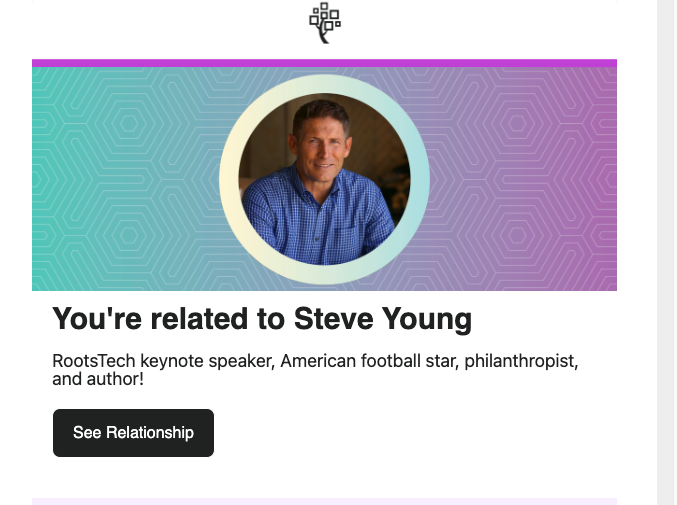
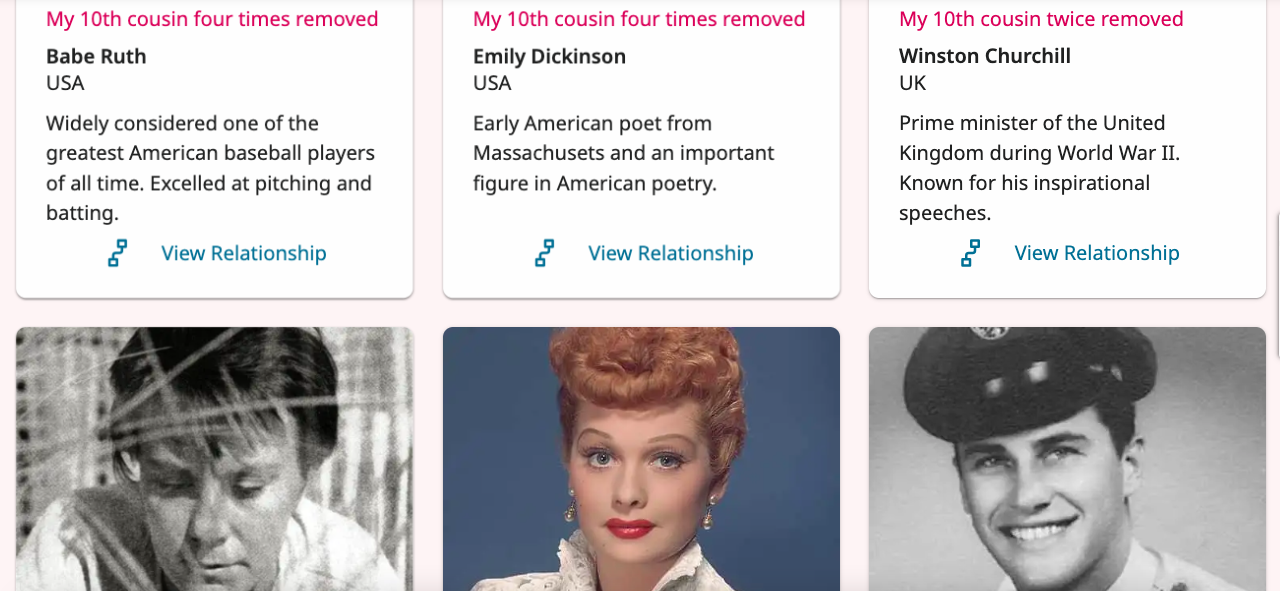
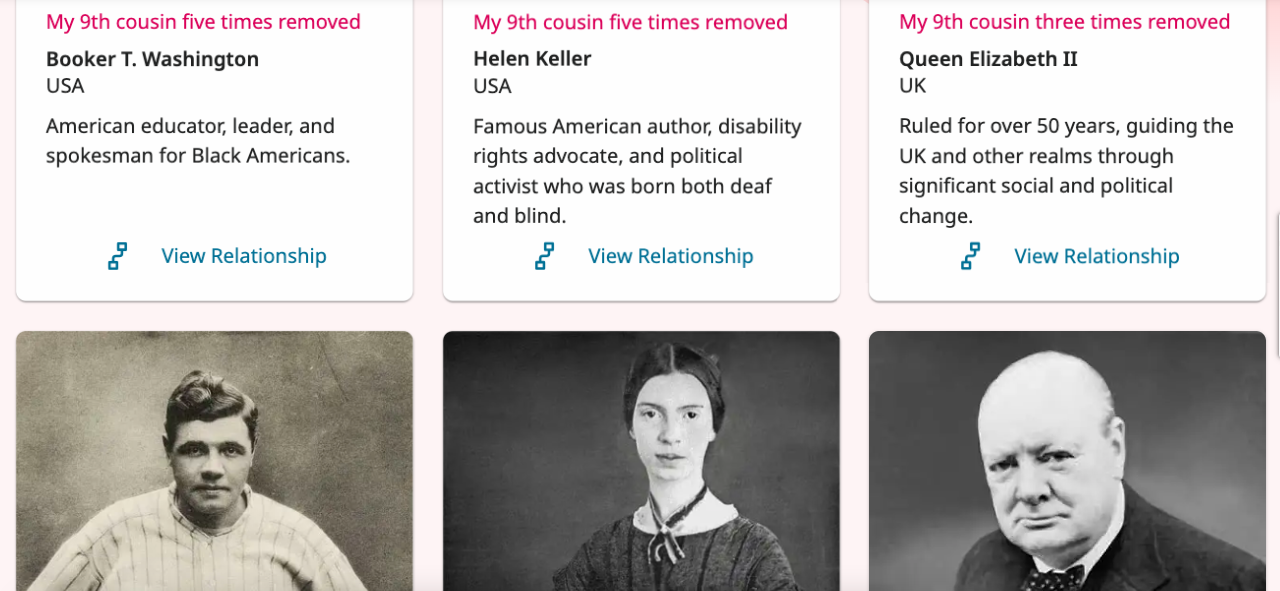
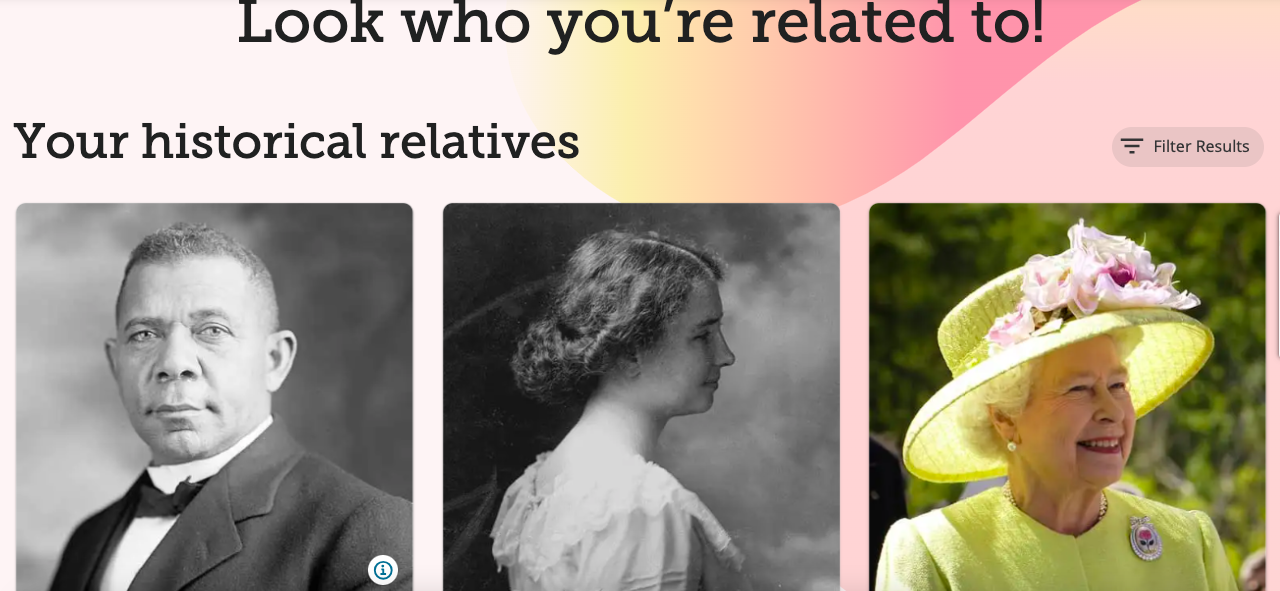
I’ve spent years exploring both sides of my family tree, and it’s been a rewarding journey. Not long ago, I checked Family Search, the website run by The Church of Jesus Christ of Latter-day Saints, for any updates. I hadn’t visited in some time because my work in social services and advocacy kept me busy. Over the weekend, I received an email that piqued my curiosity about which famous people might be connected to my family. I was surprised and pleased to see a list of twelve well-known names. I also got a message from RootTech about a possible connection to someone I’m unfamiliar with.

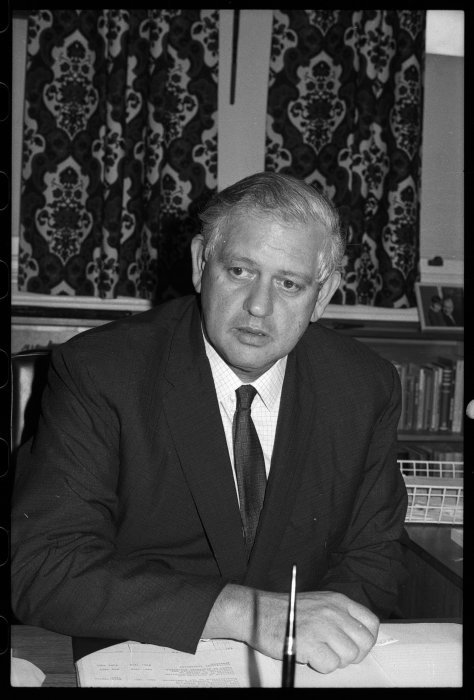
I was excited to discover that some of these people are important to me as a writer and blogger, including a few of my favourite historical figures and even a politician. On my late father’s grandmother’s side, we are related to Prime Minister Norman Kirk. On my mother’s side, there are well-known rugby players. My nephew only learned about them when his mother mentioned Carlos and Payton Spencer. I have a neighbour up the road who is related to my mother’s side of the family, and her aunt, though not related by blood, is a New Zealand politician. Another neighbour who owns a share in the local farms is connected to my father’s mother’s mother’s side of the family.

His ancestor through the Cherry-Osborne side of the family

I also found a darker part of our family history while reading a New Zealand newspaper. None of us had heard this story from my mother’s side before. It was about Walter James Bolton, the last person to be hanged in Auckland and in New Zealand before capital punishment ended. The death penalty for murder was abolished in 1961, but the last parts of the law were not removed until 1989. My mother’s family left Marton, in the Rangitikei district of the Manawatū-Whanganui region on New Zealand’s North Island, during the Depression years. Marton is 35 kilometres southeast of Whanganui and 40 kilometres northwest of Palmerston North. Ngāti Apa are the tangata whenua for the Marton area.

I also learned that we are connected to a royal family line dating back to the 1300s, though not to the current royal family. This connection is through my mother’s side, from Somerset, UK.

When you look into your family history, you may find both good and bad stories. There’s no need to feel afraid or worried if you discover a black sheep or someone with a criminal past. These events often happened long ago, and learning the reasons behind them can help, such as understanding why someone was sent to Tasmania, Australia, as a convict.

It’s true that finding these stories can feel embarrassing or shameful, and sometimes others might even see them as taking advantage of the past.

A few years ago, I met a Deaf woman through Facebook and Messenger who was related to the Flutey family from Canterbury, New Zealand. She only found out about this connection after researching her mother’s side. She mentioned the name “Flutey” on a Deaf Facebook page, and I recognised it because I knew her through her deaf ex-husband. I offered to help her with genealogy and shared that my father’s mother’s side included a marriage to a Flutey man. She gave me her family details, and I traced them back to Okains Bay, Banks Peninsula, near Christchurch. It turned out her female ancestor was a sister to our female ancestor from Canterbury. Among her Flutey ancestors, there are many dark stories, mysteries, troubles, and good stories.

Most people choose not to get into genealogy, and that’s completely fine. Māori people have their own genealogy, called whakapapa, for their hapu and iwi. Another reason to look into both sides of your family is to check for any genetic issues, such as whether a family member might carry cancer DNA or show other symptoms. Here are some important variations and factors to keep in mind:

  • X-Inactivation: In females, one X chromosome is turned off to prevent getting a double dose of genes.
  • Aneuploidy: Missing or extra chromosomes can cause conditions like Turner syndrome (monosomy X).
  • Chromosomal Studies: Researchers often study X-chromosomal variants, including nonadditive effects, in genetic association studies to better understand disease risk, according to research from PMC – NIH.

The more you look into your genealogy, the more connections you’ll find, and you never know who you might be related to. There are several good websites available, though you usually have to pay to join. My advice is to be careful about whether there’s a real link to another family or DNA system, since it’s not always accurate. For example, details like birthplace, age, sharing a name with a parent, or changing a name to leave family or country can cause confusion.