For Empowerment: “Be gentle with yourself; your pain is real, your strength is unmatched”.
Even though we face pain every day, we still find reasons to smile. We keep fighting our illness and work hard to have our condition recognised. Through everything, we stay strong and live with love. This is what every endo warrior goes through.
Endometriosis is not imagined. It is a real condition that affects the pelvis.
Bethany Stahl
Today is Endometriosis Awareness Day. It is a time to recognise the challenges many women face with this condition.
Endometriosis isn’t always recognised as a listed disability under specific laws, but in severe cases, it can qualify if it significantly disrupts one’s ability to work or perform daily activities.12 Nov 2025 https://clintonwomenshealthcare.com/is-endometriosis-a-disability-what-patients-should-know/#:~:text=Endometriosis%20isn’t%20always%20recognized,work%20or%20perform%20daily%20activities.
Is endometriosis considered a disability in New Zealand?
Endometriosis is a long-term condition that can greatly affect daily life. However, most medical professionals and the law in New Zealand do not consider it a disability. 13 Sept 2022 in New Zealand.
You are not alone. I am a deaf endometriosis survivor, and my journey took place between July and October 2000.
This is my story of moving from unbearable pain to recovery after surgery in 2000. Before July that year, my periods were not painful, but they slowly became lighter each month. After spending a month in the USA between June and July, I was asked to teach basic sign language to a group of neurodiverse young adults for a play in October called ‘Snow White and Seven Tall Dwarves’. In mid-July, I started to feel a nagging cramp on one side of my pelvis and stomach. I made an appointment with my GP to talk about it. My GP could not find the cause and sent me to a Radiology Clinic for an ultrasound. During the scan, the nurse asked if I was pregnant or had children, then brought in a specialist to check the results. They decided I needed to see a gynecologist, so my GP referred me. Since they could not find a female gynecologist, I eventually saw a male gynecologist. In August and September, I met with him to discuss the ultrasound results, and we agreed I should have surgery as soon as possible, since I had teaching duties for the play in October. I did not use an interpreter in the same room, but the gynecologist explained everything to me in detail, with pictures and information about the surgery. Laparoscopic surgery is a minimally invasive technique that uses a camera and small instruments inserted through small incisions to perform abdominal or pelvic procedures. It reduces pain, minimises scarring, and allows for a faster recovery than open surgery.
Since I am deaf and cannot use the phone, the gynecologist called the private hospital for me. After two cancelled bookings, I scheduled my surgery for the first week of October and took five days to rest. I found a friend from church to cover my teaching duties for the play. I explained the situation to the neurodiverse students, their support staff, and the organisers. At first, they were disappointed, but they understood and accepted that I would be back in time for the play’s show night. I also received a wedding invitation from a Deaf couple that same month.
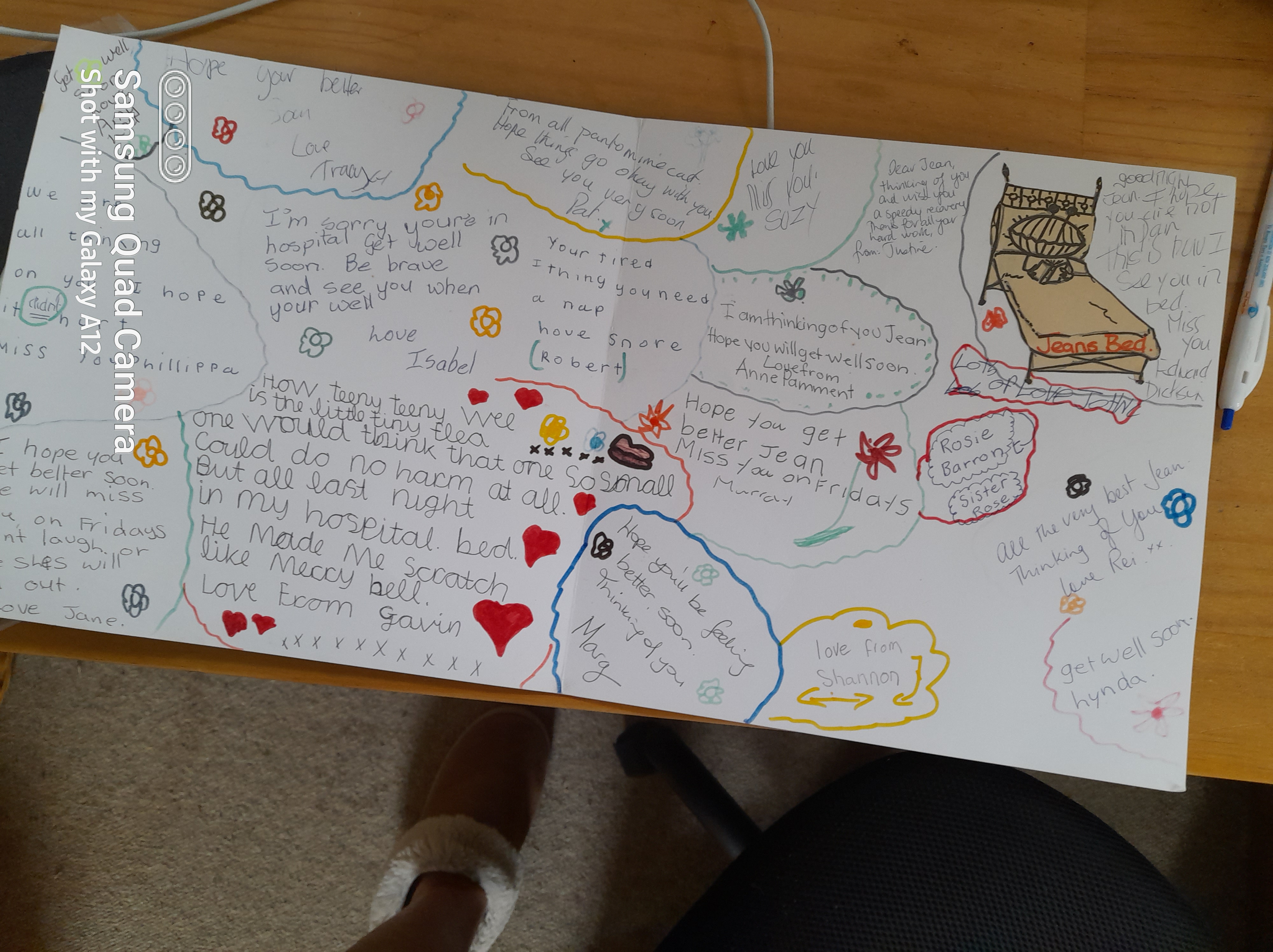
The laparoscopic surgery went well. During the operation, the gynecologist and other specialists found more cysts behind the pouch of Douglas and near the bladder. They had my permission before the surgery and made sure to remove everything. The surgery took a long time, and the nurse called my mother in the middle of the night. My mother was relieved to hear I was okay. The next day, I woke up and saw more than two specialists in the room. We talked about the results and what they found. After five days, I was discharged from the private hospital and rested for two weeks: one week at my mother’s place in Ralgan and another week at my home in Silverdale. While I was in the hospital, I received a big Get Well card and flowers from the neurodiverse students. It was a kind gesture, and they missed me. First, I attended my Deaf friends’ wedding. An ex-husband of one of them, who worked for the NZ Deaf Association Hamilton Branch, now called Deaf Aotearoa, took me to the wedding.
On the night of the show at Hamilton Methodist Social Service Hall, the place was packed with a big crowd eager to see the play. Another friend took me to the show because I was not allowed to drive for six weeks. Several weeks later, they gave me the video. I still have it and a Get Well card somewhere here.
In the following years, I was studying for a BA in Arts at the University of Waikato, and my notetaker asked me about this symptom. I replied, “Yes, I have one. Why are you asking me?” The notetaker went through a painful journey, waiting for results and looking for help from networks and books. I loaned her one of my books and gave her a contact website. In the end, she had surgery and went on a Maaori spiritual healing retreat, since she is Maaori.
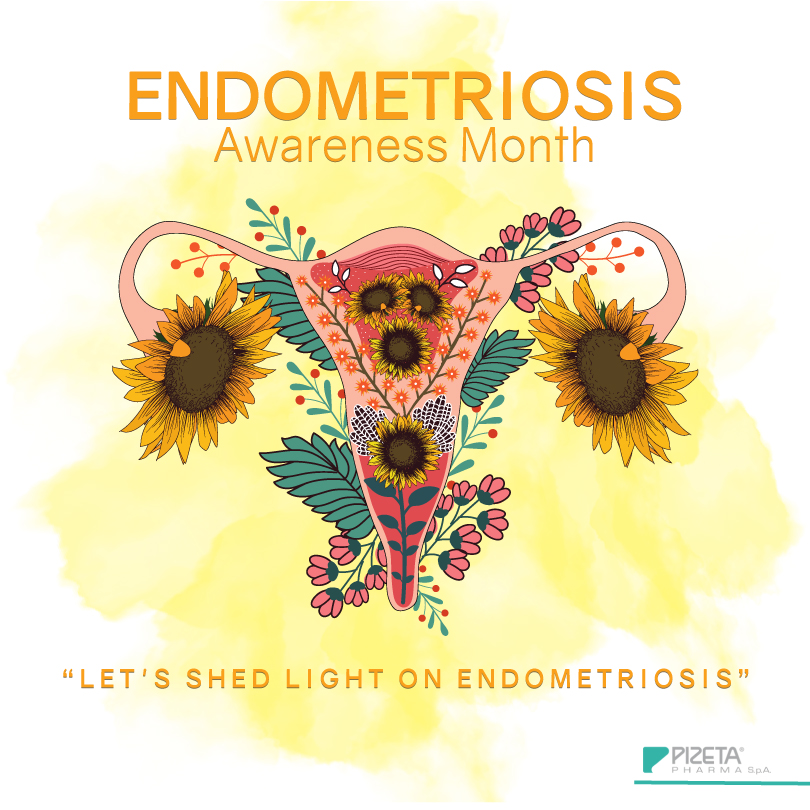
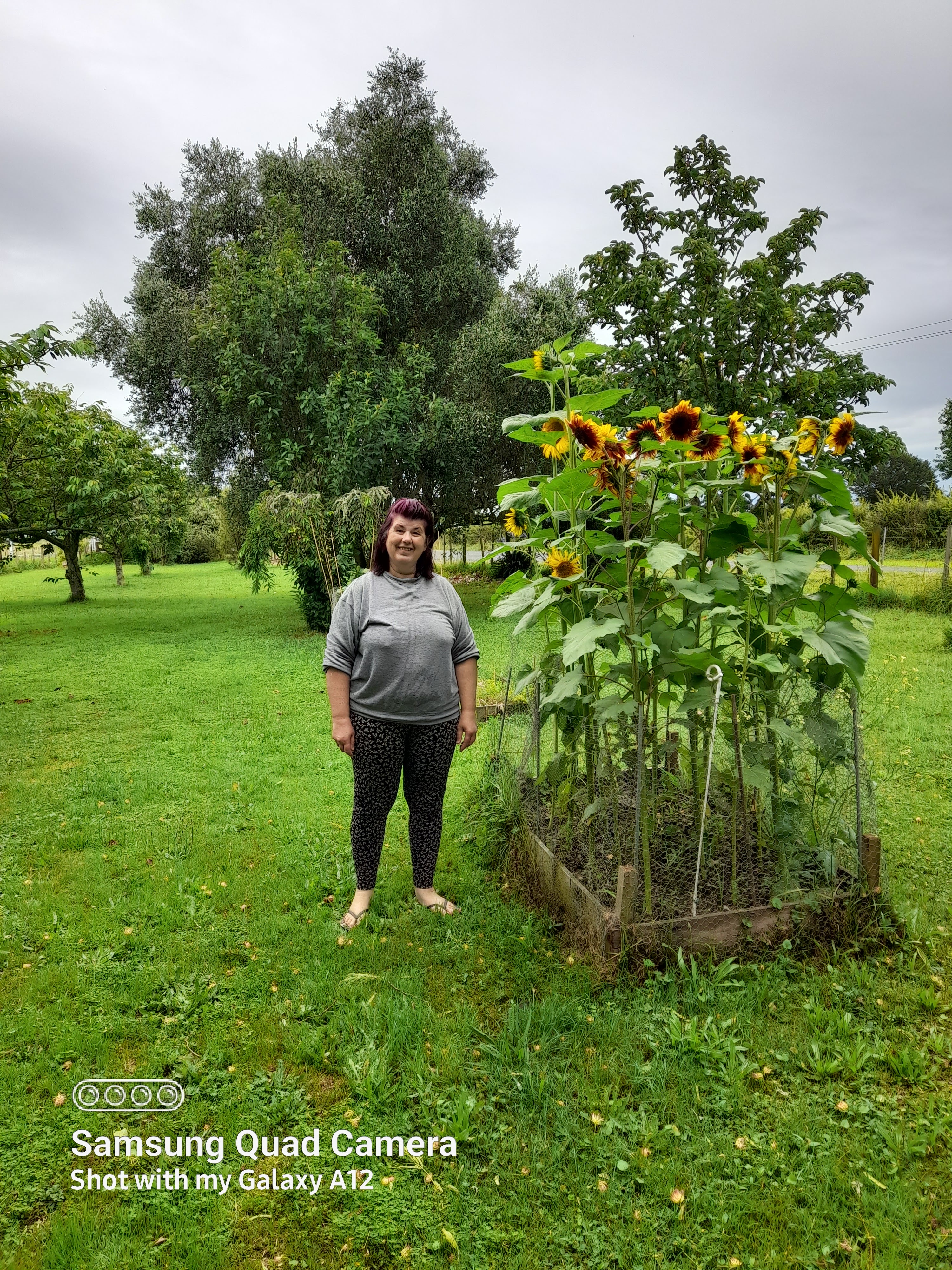
Endometriosis is represented by the sunflower, a flower which, by its nature, symbolises light and life and is an emblem of hope for all women who live every day with this pathology, which is still “in the shadows” and little known.



 Life in Eureka