World Cerebral Palsy Day – 6th October 2025

The theme is Unique and United, celebrating what makes every member of this community special.

It is a global day dedicated to celebrating the remarkable resilience of people with cerebral palsy (CP), raising awareness for CP, and advocating for a more accessible and supportive future for those affected by this common lifelong physical disability. 

#UniquelyCP

World Cerebral Palsy Day is about recognition, inclusion, and action for the 50 million people worldwide who live with cerebral palsy. It’s a day to celebrate the achievements of the CP community, challenge barriers, and strive for a more accessible and inclusive world. We all have a role to play in this. https://worldcpday.org/

It’s important to remember that people with CP are a diverse group, often living with more than one disability, such as being deaf, blind, or a wheelchair user.

To celebrate and support the CP community, raise awareness about the condition, and advocate for policy changes, research, and lifelong care for people with CP and CP with disabilities.  CP360 was born from a desire to transition from awareness to action. It is a global movement for accelerating change for the millions of people living with CP. It advocates for more current global data on CP, earlier screenings and interventions, evidence-based services, and equitable access to care and services, particularly for individuals living in underserved areas.

 #WorldCPDay

#UniqueAndUnited

In my workplace, I have three Deaf people with CP and other disabilities, and I stay in touch with them through daily and weekly video calls/home visits and text messages. They have different types of CP – two females in wheelchairs due to their advanced age (Diplegia), one male senior with a walking stick, speech impaired and slow walking mobility (dyskinetic/hemiplegic/ataxic) and a middle-aged man who regularly stays fit (spastic and diplegic CP). They lead different lives in the D/deaf community. Now, the male senior is facing a couple of new health issues, which have led him to struggle for the rest of his life alone with the hearing boarder.

Let’s ask a couple of questions about whether the D/deaf people in their own community understand their friends, ex-schoolmates, or friends with CP well enough or to what extent? For example, many D/deaf seniors know their ex-schoolmate as in the above list; however, they did not realise his full disabilities and found his communication with them hard to understand what he was saying.

There is one young lady, and she has a mix of cerebral palsy, which is Triplegia/ataxic/dyskinetic. She is very bright, bubbly, and tries to do the work as well as she can. She is not deaf like us.

Support many people with CP in the community to live fulfilling lives, be inclusive, and allow them the opportunity to choose where they would like to be, whether at home, in a resthome, or with their families. Let them try out new activities they can enjoy.

The essential tools for them and you to make more accessible, equal Human Rights for all, and to effect policy changes for equality. Listen to them, not ignore them, and set aside any concerns if you’re unsure of what to do or feel embarrassed.

Thursday 24th September 2025

Thursday 24th September 2025

Deaf Rights in Crises

Effective disaster planning for deaf communities hinges on strong leadership and collaborative efforts. The use of national sign languages and D/deaf-centred strategies significantly bolsters crisis response. It’s vital to bear in mind that Article 11 of the UNCRPD and the Sendai Framework are not mere guidelines, but legal mandates that necessitate states and organisations to ensure that D/deaf people have access to information in sign language during emergencies. Extract from the World Federation of Deaf People and amended by Jean.

file:///Users/jeanmasters/Downloads/WFD-WASLI-Guidelines-on-Access-to-Information-in-SL-During-Emergency-Broadcasts_Final.pdf

Consider the ongoing crises in Gaza vs Israel, Ukraine vs Russia, where wars have persisted for years. The long-term impact of these conflicts on deaf communities is dire, with millions of people exhausted, striving for peace, and seeking to rebuild their lives, well-being, and mental health to achieve long-term recovery. The reality of people becoming permanently disabled from bombing, malnutrition, and starvation is stark. They are gradually adapting to new disabilities, relearning to navigate their lives, and finding ways to be independent in their new lives or in safe environments

Regrettably, there is no perfect tool of technology to alert millions of D/deaf people, D/deaf with disabilities and Hard of Hearing people to evacuate or escape from humanity’s disasters and wars. While several sponsorship companies have developed watches that alert them to flee, the current aid efforts and technology are insufficient. There is a pressing need for innovation and improvement in this area.

Consider the challenges faced by the deaf community in accessing interpreters, as highlighted through breaking news on media and social media. Without assistance and access to the best information on where to obtain food parcels, medical supplies, hospital supplies, shelter, and other resources, it is a daunting task to support thousands of people.

https://remix.aljazeera.com/aje/PalestineRemix/stronger-than-words.html#/13

https://actionaid.org/news/2024/i-dont-hear-sirens-war-ukraine-intensifies-people-disabilities-face-deadly-toll

https://www.cufoundation.ca/support-for-the-deaf/

Wenerei 17 o Oketopa (Wednesday 17th October)

Mā te kimi ka kite, Mā te kite ka mōhio, Mā te mōhio ka mārama

Seek and discover. Discover and know. Know and become enlightened.

Māori myths (pūrākau) 

In Aotearoa, Te Iwi Māori (people) speak of their traditional stories explaining the origins of the world and cultural practices. Often they speak of their ancestors in their marae.

https://eng.mataurangamaori.tki.org.nz/Support-materials/Te-Reo-Maori/Maori-Myths-Legends-and-Contemporary-Stories/Kupe-s-travels-around-Aotearoa

Our past Education has been enriched by the profound teachings of Māori myths (pūrākau). These stories, such as Maui and the Sun, Ranginui, the Sky Father, and Papatūānuku, the Earth Mother, are not just tales, but the very fabric of our cultural identity. They are the primal parents of the world, the Fish of Maui -Te ika a Māui: The creation of the North Island, Hinemoa and Tūtānekai, Paikea the Whale Rider, and many other Myths.

What about the stories of the te hunga hauā Māori (disabled Māori people)? Yes, there were several stories, for example, the blind god Tāwhirimātea; however, they were not widely taught in Primary Education until higher Education and universities. Who is Tāwhirimātea? In Māori legend, Tāwhirimātea is the god of weather, controlling winds, storms, thunder, and lightning.

“The way Māori view being disabled is tapu (sacred), and Matariki is a good example. Matariki is named after Tāwhirimātea, a blind god.”  

https://www.acc.co.nz/newsroom/stories/finding-the-meaning-of-matariki

Let’s go back to the Te hunga turi Māori (Māori Deaf people). I sourced any video in NZSL Māori concepts of the Myths for everyone to learn in Education, at the libraries, online resources and in the communities. The resources I have found are waiata (songs) and fun, entertaining waiata that incorporate Te Reo Māori sign language concepts.

https://www.nzsl.govt.nz/nzsl-community-grants/previous-nzsl-community-grant-rounds/2023-recipients/a-maori-legend-story-told-in-vr360

Regrettably, my search for YouTube videos about NZSL Te Reo sign language concepts in the myths has been in vain. This morning, I spoke to one of the iwi turi, and it became clear that there is currently no plan to create Māori myths in Te Reo sign language concepts. This underscores the urgent need to bring these stories to the communities, Education, and whanau (families) communities, and the only platform available for this is a Facebook Page.

Taangata/Iwi Turi needs to understand the myths of their generation as treasures, as depicted in murals on the marae walls and carvings, and traditions to pass on to the next generation over many years. Today, we have amazing technology, especially AI, that offers a beacon of hope. It allows tamariki turi Māori (Māori Deaf children) to utilise their skills and ensures that our myths are not only preserved but also made accessible to all.

Turei 16 o Oketopa (Tuesday 16th)

“manaaki whenua, manaaki tāngata, haere whakamua”. Which translates to “if we take care of the land and take care of the people, we will take care of the future.”

Many of you may know or be unaware that there are many ancient languages, like Manx Gaelic, that are nearly dying around the world. The last native speaker, 97-year-old fisherman Ned Maddrell of the Isle of Man, passed away in 1974. This language is a poignant example of the global issue of language endangerment.

What about Manchu – is the Chinese language native to Northeast China? From 1636 to 1911, the Chinese Qing Dynasty announced Manchu as an official language. Manchu is becoming endangered because its native speakers have been replacing it with Mandarin, primarily due to social and economic pressures. This is a common trend in many language endangerment cases.

Examples of Dying Languages

  • Ainu (Japan): Critically endangered, spoken by a few elderly individuals, and subject to long-standing assimilation policies. 
  • Nǀuu (South Africa): A critically endangered language with only about eight speakers remaining, although revitalisation efforts are underway. These efforts, which include language classes and cultural events, are a testament to the resilience of the Nǀuu community and the importance of preserving their language. Lengilu (Indonesia): Spoken by only four people in the northeastern region of Kalimantan. 
  • Tehuelche (Argentina): The language of nomadic hunters, now spoken by the last four speakers in Patagonia. 
  • Ainu (Japan): Critically endangered, with only a few fluent speakers remaining. 
  • Ter Sami (Russia): Spoken by only two older adults in the Kola Peninsula, a language that was once prohibited in schools. 
  • Kayardild (Australia): Flown by only four elderly Aboriginal people on Bentinck and Mornington Islands. 
  • Yarawi (Papua New Guinea): A language from the Morobe Province used by only one person, with most natives preferring the Binandere language. 

According to Ethnologue, 3,193 languages are endangered today. However, with concerted community efforts, we can work towards preserving these invaluable linguistic treasures.

“He iti te mokoroa, nāna i kati te kahikatea” (The caterpillar small, though it felled the kahikatea tree), which encourages persistence and significant achievements from small beginnings.

Today, we are learning to speak Te Reo through daily life, while many Tāngata Turi Māori are slowly learning to read and understand Te Reo before applying it to Te Reo Sign language concepts.

Here are two different Te Reo sign language concepts from two other organisations. Take a good look at the sign language differences between these two Karakia (Prayers) – Timatanga. Timatanga means ‘new beginning,’ a phrase that embodies life, introduction, commencement, and start.

In Ko Taku Reo Education for the Deaf Timatanga –

oplus_32

Te Reo sign language concept.

First line – sign for peace and widespread

Second line – sign for sea, glisten and a different sign for glisten (as greenstone in the bottom hand as a stone, while the top hand is glisten)

Third line – sign for the day and the pathway

Fourth line – sign for respect for each other

fifth line – sign for all together

Second Timatanga from Deaf Aotearoa

oplus_32

first line – sign for peace, wide and spread

second line – sign for whakapapa, precious/treasure/sacred/value/worth and sea

third line – sign for pathway, all and day

fourth line – sign for show, love (Aroha) and respect

Fifth line – sign for all, each other, and show instead of one hand toward outward, then the second hand toward outward, and finally both hands outward, as in pural.

“tātou” means “we” or “us” and katoa means all, we, completely

“With your contribution and mine, the people will thrive. “

Nā tō rourou, nā taku rourou, ka ora ai te iwi.

A proverb of shared abundance. It reminds us that a community thrives when each of us brings what we can.

Te Wiki o te Reo Māori (Māori Language Week)

Te Wiki o te Reo Māori (Māori Language Week) is a profound celebration that unveils the beauty and depth of the Māori language, inviting us to explore its richness and diversity.

As we approach the 50th anniversary of Te Wiki o te Reo Māori, a week that holds immense historical significance, 

Tēnā koutou/Tēnā koe e hoa

There are 15 distinct sounds within the Māori alphabet. They are:

  • five vowels: a, e, i, o, u
  • eight consonants: h, k, m, n, p, r, t, w
  • two digraphs (two letters that combine to form one sound): wh, ng.

Double long vowels (Macrons (tohutō or pōtae) and double vowels show where a vowel is lengthened, for example, in words like ‘rōpū’ and ‘roopuu’ (group).

Combinations of vowels (diphthongs) are common; examples of diphthongs are au, ao, ea, ia, ou, oa.

a, (short vowel) papa (earth)

ā, (long vowel) pāpā (father)

e, (short vowel) kete (kit)

ē, (long vowel) pēke (bag )

i, (short vowel) mihi (greeting)

ī, (long vowel) tītī (mutton bird)

o, (short vowel) oma (run)

ō, (long vowel) tō (your)

u, (short vowel) huruhuru (hair)

ū, (long vowel) tūrū (chair)

https://www.maorilanguage.net/how-to-pronounce-maori/

“Mā mua ka kite a muri, mā muri ka ora a mua,” which translates to “Those who lead give sight to those who follow; those who follow give life to those who lead”. 

Iti noa ana he pito mata.

From the withered tree, a flower blooms.

Understanding and learning Te Reo sign language for the Tangata turi Māori is not just a crucial step towards cultural understanding and inclusivity, but also a mark of respect and consideration.

The official language, Te Reo, was introduced into Parliament after a long campaign, protests, and protest marches. This protest marked a significant milestone in the language’s history, demanding the right to be taught in all schools and government agencies. Te Petihana – The Petition was handed in 1972 by two of these groups, which were student organisations: Auckland-based Ngā Tamatoa (The Young Warriors) and Victoria University’s Te Reo Māori Society. https://www.parliament.nz/mi/visit-and-learn/history-and-buildings/te-rima-tekau-tau-o-te-petihana-reo-maori-the-50th-anniversary-of-the-maori-language-petition/te-petihana-reo-maori-the-maori-language-petition/

Over thousands of years ago, Māori people originated from East Polynesia and began arriving in Aotearoa in several waves of waka voyages between approximately 1250 and 1300 CE. European people arrived later as explorers, traders, sealers, and church missionaries to Aotearoa. Over two hundred years ago, there was a brink of speaking Te Reo throughout Aotearoa, with ups and downs. Meanwhile, the Ministry of Education banned the use of Te Reo in schools across Aotearoa, leaving children speaking Te Reo at home and in their communities. Note that there was no officially recognised language in English since the Parliament opened here; everyone speaks English, along with other languages such as Dutch, Irish, and many other languages.

Te Reo Māori started to decline at a time when many Māori linguists, Māori MPs, and Kaumātua (Māori elders) noticed grave concerns and began to campaign for its revival in the 1980s.  Māori was made an official language of New Zealand under the Māori Language Act 1987. For more information on this history, please visit the following link.

History of the Māori language | NZ History

Let’s explore our official NZSL (New Zealand Sign Language), and note that there was no Te Reo sign language by the Taangata turi Māori from the 1980s. I was in London, UK during the OE in 2004, 2005 and 2006, and was requested by one of the MPs who is related to our family to visit the House of the Lord by seeking the document in Education and officially in the language there. The reason was that the official language, such as NZSL, was in English, omitting Te Reo sign language at the time for the Deaf community. NZSL became official on April 11, 2006, under the NZ Sign Language Act, and I recall that day because it coincided with my late cousin’s birthday during the third reading of the bill in Parliament.

Today, many Taangata turi Māori are learning to understand and use Te Reo to fit into Māori Sign Language concepts by using English words, such as elder vs Kaumātua, in a different sign or similar. It is a long journey for them to learn to understand how to sign the correct meaning to fit into Te Reo, meaning, how to break down the clusters of meaning from Te Reo. For example, my childhood memory is of Ruakura, outside Kirikiriroa (“long stretch of gravel”) in Hamilton, and the Ruakura Agriculture Research Centre. Waikato Agricultural College and Model Farm was established in 1888 in Ruakura, where our family had been farming for many years. The sign language for Ruakura is tapping double ‘r’ as a crooked finger on the palm. This sign language is okay, and I prefer to sign ‘pit’ and ‘red’ colour, connecting to the meaning of Ruakura.

‘RUAKURA IS NAMED AFTER A PIT IN THE AREA THAT WAS USED TO BURN IRON OXIDE’. Traditionally, large pieces of iron oxide found in swamps were heated by burning in a fire to produce a powdery red pigment. Māori people mixed water with the sacred red Kokowai (ochre), which was used for painting tapu ceremonial objects, koiwi and carvings. Burning the red oxide stained the pit red, thereby giving rise to the name Rua (hole or pit) kura (red)’. Source: An Assessment of the Potential Impact that any expansion and development of the Ruakura Estate might have on Cultural Values and Mana Whenua by NaMTOK Consultancy Ltd (November 2011) https://ngatihauaiwitrust.co.nz/wp-content/uploads/2018/12/Final-Presentation-to-Hui-a-Iwi-28-October-2018.pdf

Yes, there is another meaning, which is feather plumes or treasures. Taangata turi Māori and the Deaf people in the community need to learn to understand the meaning of Te Reo, the history and how to sign correctly. It is not about the right or wrong way to sign for anyone in the community.

On Facebook, there is one page that I enjoy watching the most, from a person who helps anyone pronounce words correctly. Paaka Davis – Māori Content Creator, and one of his videos was about how to pronounce Aotearoa. Here is the link

https://www.facebook.com/paakadavis/

http://www.youtube.com/@paakadavis

Life, a delicate balance between daily struggles and uplifting moments, is a shared journey we all embark on.

As Thich Nhat Hanh beautifully puts it, ‘Every breath we take, every step we make, can be filled with peace, joy and serenity.’ This potential for tranquillity and happiness lies within our daily actions.

In our daily lives, we’re all on a journey, whether we’re on the move or staying put. We sleep through the night or barely do, and we must pause to consider what life is truly about. It’s crucial to remember that no one can make a judgment against us if we work together as a team and as a leadership. Our collective actions can make a significant difference in addressing social issues.

It’s easy for most people, including those who are D/deaf or disabled, to be quick to judge. However, it’s best to stop and think before prejudging others. Consider the Leaders in countries where numerous wars are ongoing, causing people to suffer. When food aid and medical supplies are delayed, are these leaders demonstrating effective leadership and a talent for peacemaking? Perhaps not. It’s essential to approach these situations with empathy and understanding, rather than quick judgment.

Finances and businesses are struggling with inflation, which has led to cutbacks in financial resources for sending or receiving goods and services. Staff are demanding higher incomes to cover their mortgages, bills, education, and health costs, all of which have increased due to inflation and other financial issues. Thousands of homeless people are struggling to find a home to live in. In contrast, other people turn their backs on homeless people in a selfish act, refuse to acknowledge the homeless people if they believe they may be a criminal, drug addict/or alcoholic, and many other health issues.

It’s crucial to stop and start looking out there in the fields, in the street, in the farmlands, on the beaches. What is out there showing you? The signs are there, telling us to understand and realise that we may have overlooked something, done something wrong, or have other issues. Mother Nature has brought us disaster through global warming and environmental changes. We need to learn from this and adapt the environment to make it better and safer for us. It’s a reminder that no one is perfect, but we can always learn and grow from our mistakes.

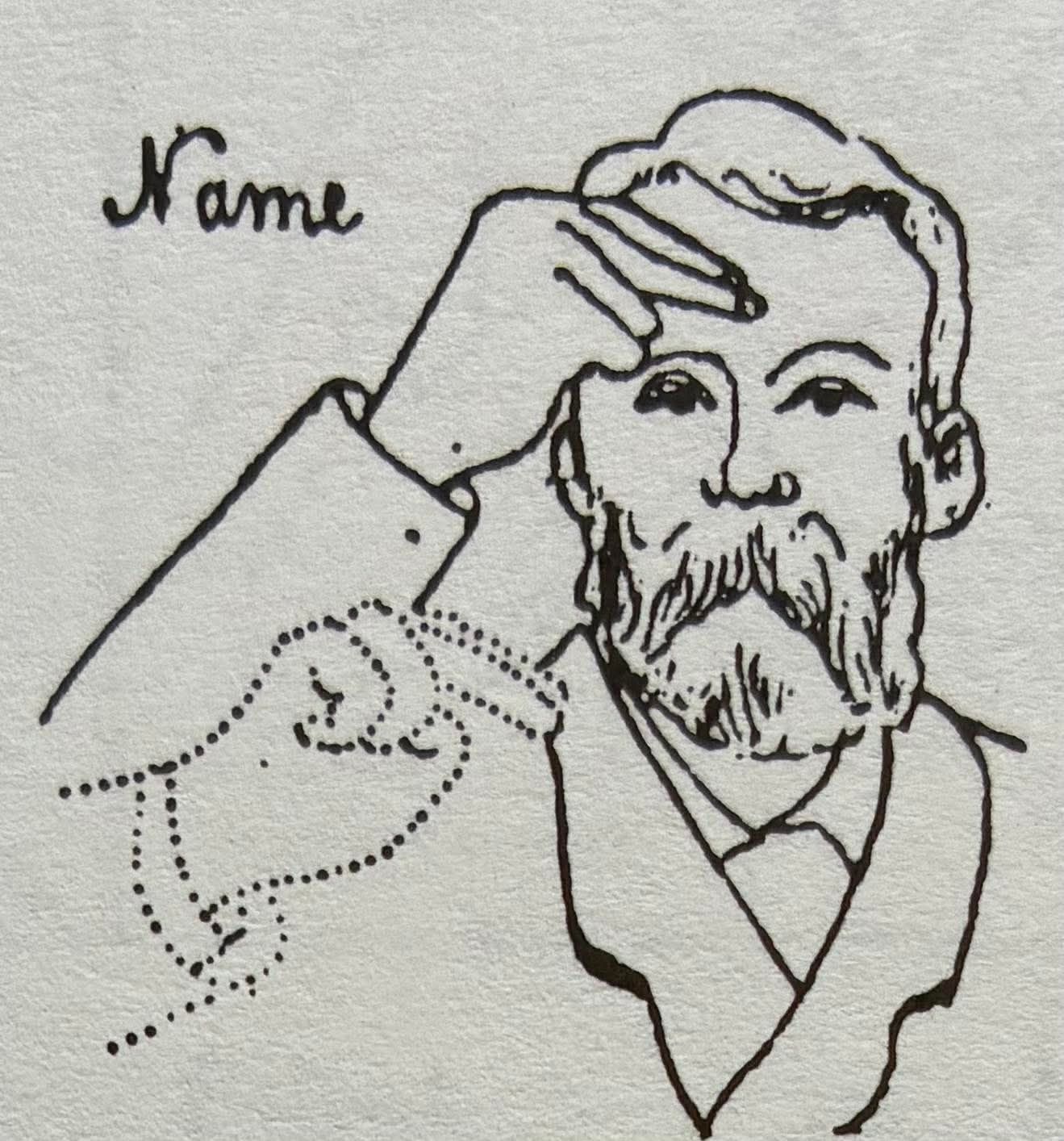
I am a deaf philosopher like Auguste Rodin, and the love of exploring life out there by teaching me to understand how they (the people, disabled people, D/deaf people) behave differently, technology makes our lives worse or better, daily in the home and in the communities. I can help with problem-solving by teaching them how to live a meaningful life, showing them different ways to approach things, and being respectful and attentive through conversation.

Exploring Nature’s Colours: Yellow, Blue and Green Harmony

Oh, what a vibrant sight of yellow, a burst of life harmoniously set against the serene green background.

Curly spiral shapes, reminiscent of snails or daddy long legs, curl against a green, spikey background. Oh, oh, what a spiky, sharp tip! It could leave a prick for dogs or humans walking by, a curious detail in this natural scene.

Blue are violet, how sweet the sight, not the sound to my ears! Along the stalk, winding down, spiralling, touching the grass. Another lone violet flower, its delicate head bent down as if it were praying for a miracle, perhaps for a gentle rain to quench its thirst.

Nature does not hurry, yet everything is accomplished.

Lao Tzu

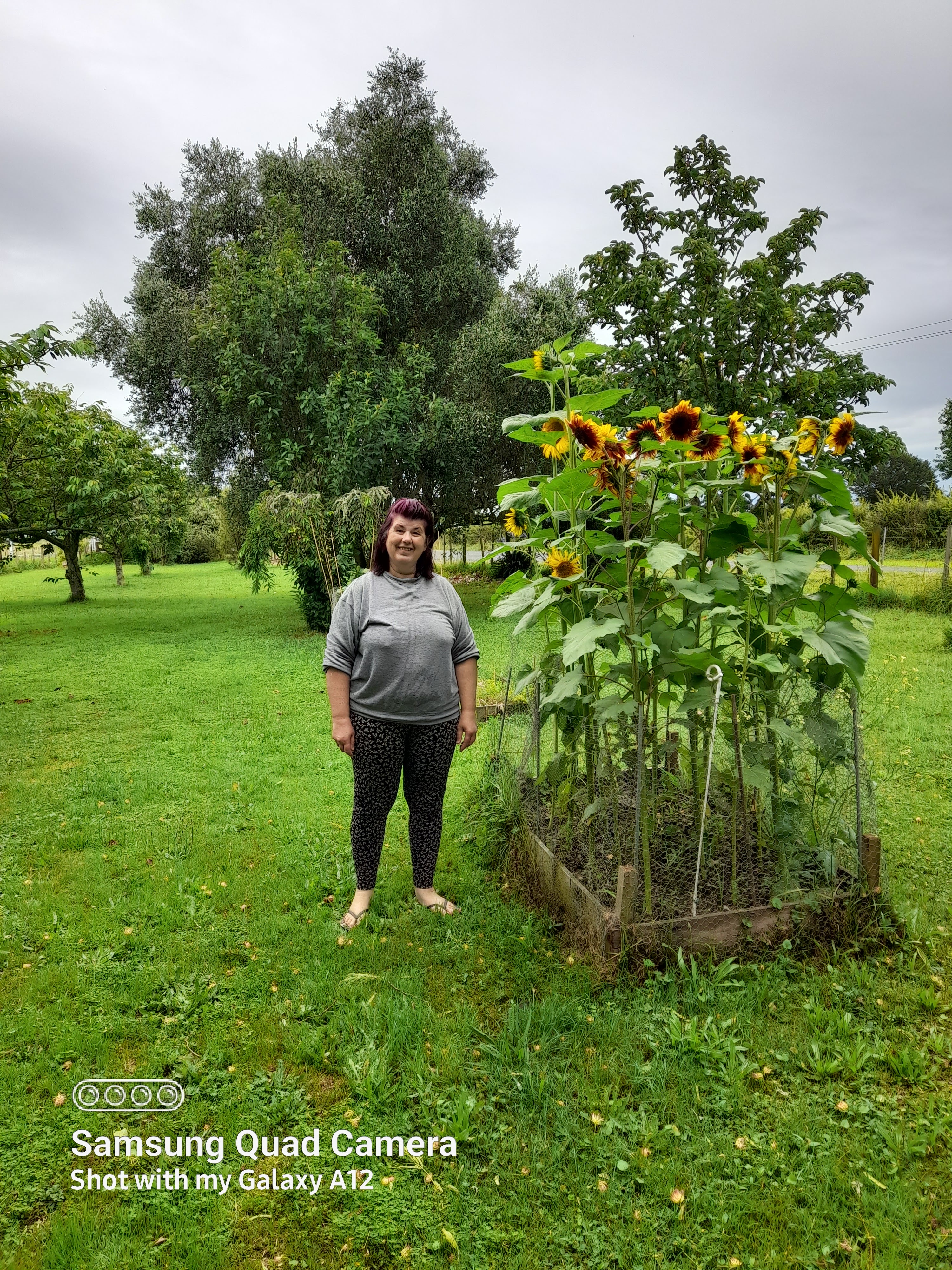
Today, amidst the rare frosty morning, I took a leisurely walk around the expansive property. My focus was on the entrapment stream, where I planned to plant precut flaxes from other areas, as well as large shrubs and trees, to combat erosion and mitigate the effects of wet weather. To my absolute delight, I discovered numerous new tree shoots sprouting from the main trees. It’s a joy to witness the cycle of life in action.

Great men are like eagles and build their nest on some lofty solitude.

Arthur Schopenhauer

Photo here – Cherry Tree.

The bird’s nest, a symbol of health, longevity, and prosperity, holds a special place in traditional Chinese culture. Gifting a bird’s nest is a gesture of well wishes for vitality and good fortune, a tradition that has endured for generations.  It’s a gift that not only shows care but also symbolises prosperity.

Allow me to introduce you to the ‘Nandina domestica’ Richmond’, a plant that has captivated me with its vibrant beauty and rich cultural significance. Here’s a photo to share its allure with you.

Inspecting the ground where autumn-winter leaves are on the ground under cherry trees, and other large trees – Liquidambar styraciflua, displaying Sweet Gum Balls: the sharp, spiky seedpods of liquidambar (sweet gum) trees and hanging onto the branches.

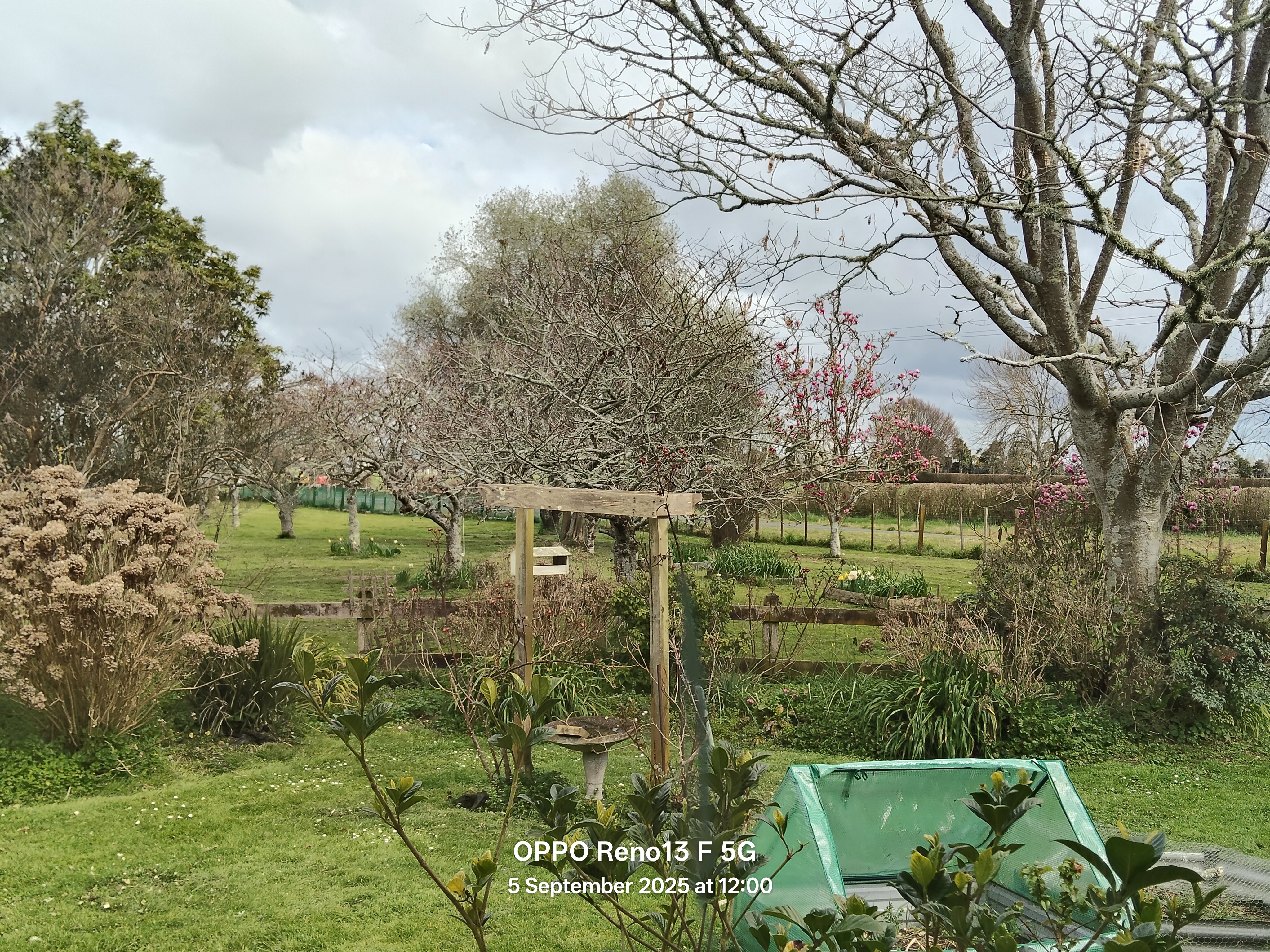
As I take in the surroundings, I can’t help but feel the anticipation of spring. It’s as if it’s just around the corner, ready to bring new life and beauty to this familiar landscape.

Winter beckons as June is here.

“Winter is the time for comfort, for good food and warmth, for the touch of a friendly hand and for a talk beside the fire: it is the time for home.”

– Edith Sitwell

Sitting in the shared rooms – lounge and dining rooms and working from home today as the thunderstorm finally beckons this afternoon. Three dogs are asleep in the bedroom, where they can see the world outside through the window, hearing the strange sounds, rabbits passing by, and birds flying by, and be on guard for Jean, who is deaf with disabilities. Jean worked through the right side of her neck down to the right side of the shoulder blades as she has had Cervical Spine Degenerative Radiotherapy for many years. Jean faced the impossible challenge of getting back to a regular routine around home and working from Autumn to Spring.

June marks the beginning of the Winter season, and Spring is not far away, despite global climate change being at its worst and with no action taken to preserve the global climate.

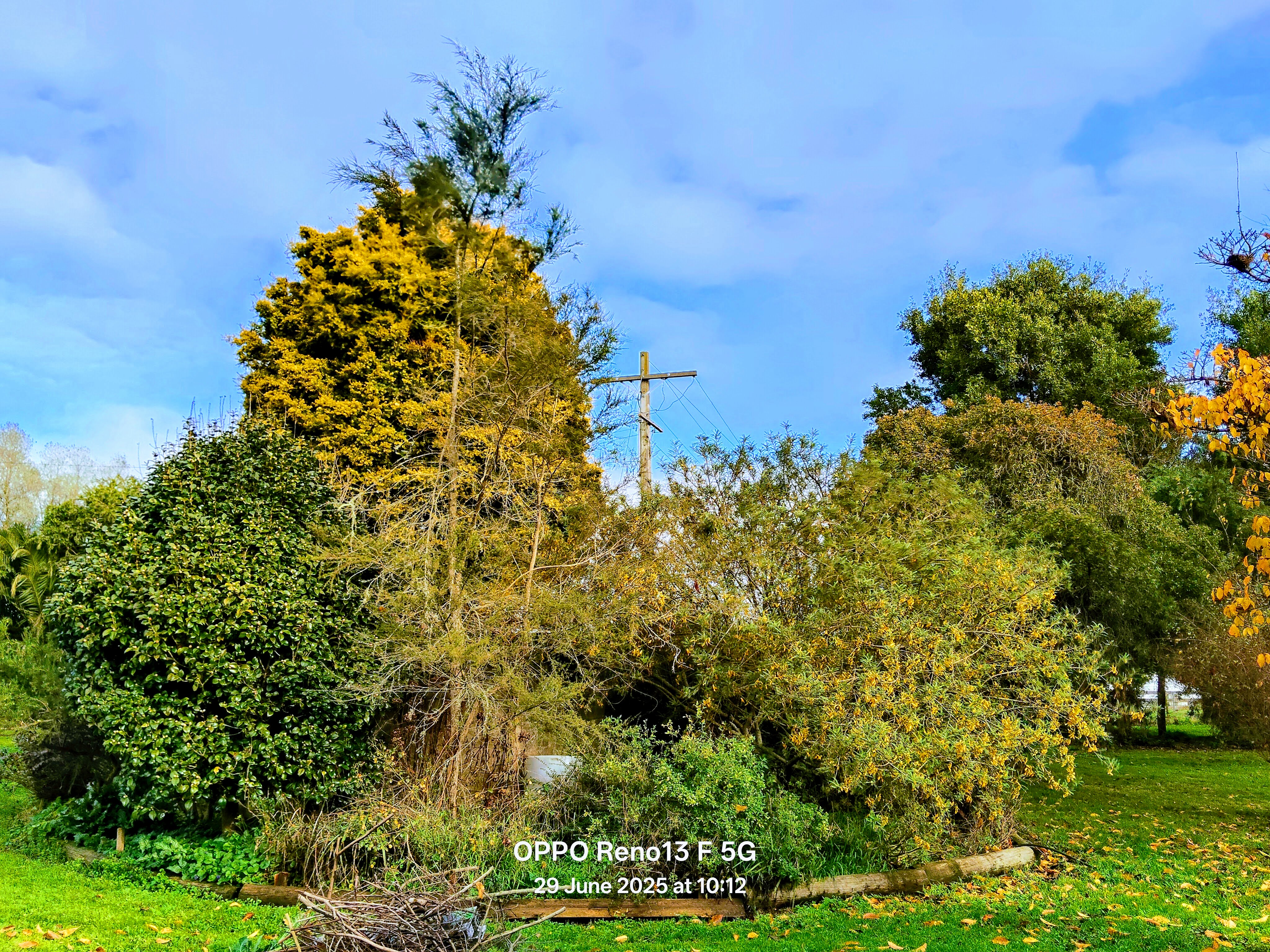
The Cherry trees in the Cherry Trees field, turning orange, golden brown, and red, are an incredible sight of the Autumn to Winter seasons. The vibrant colours of the leaves, the crispness in the air, and the anticipation of Winter make this a truly magical time. Early flowers, such as Erlicheer and Daphne, show signs of Autumn-Winter flowering in the extensive gardens and fields.

Jean prepared the fire for fire heating through the cold night and decided to cook a warm meal, such as an Irish casserole.

“What could the weather bring tomorrow or the day after?” Jean ponders, a sense of intrigue filling the air.

June 4th 2025

Pirongia-o-Te Aroaro-ō-Kahu

Local townships and mountains around Raglan

Whāingaroa,

Pirongia-o-Te Aroaro-ō-Kahu (Mount Pirongia)

Pirongia is also remembered as one of the homes of the legendary patupaiarehe, or ‘fairy folk’. https://teara.govt.nz/en/photograph/1723/pirongia-mountain

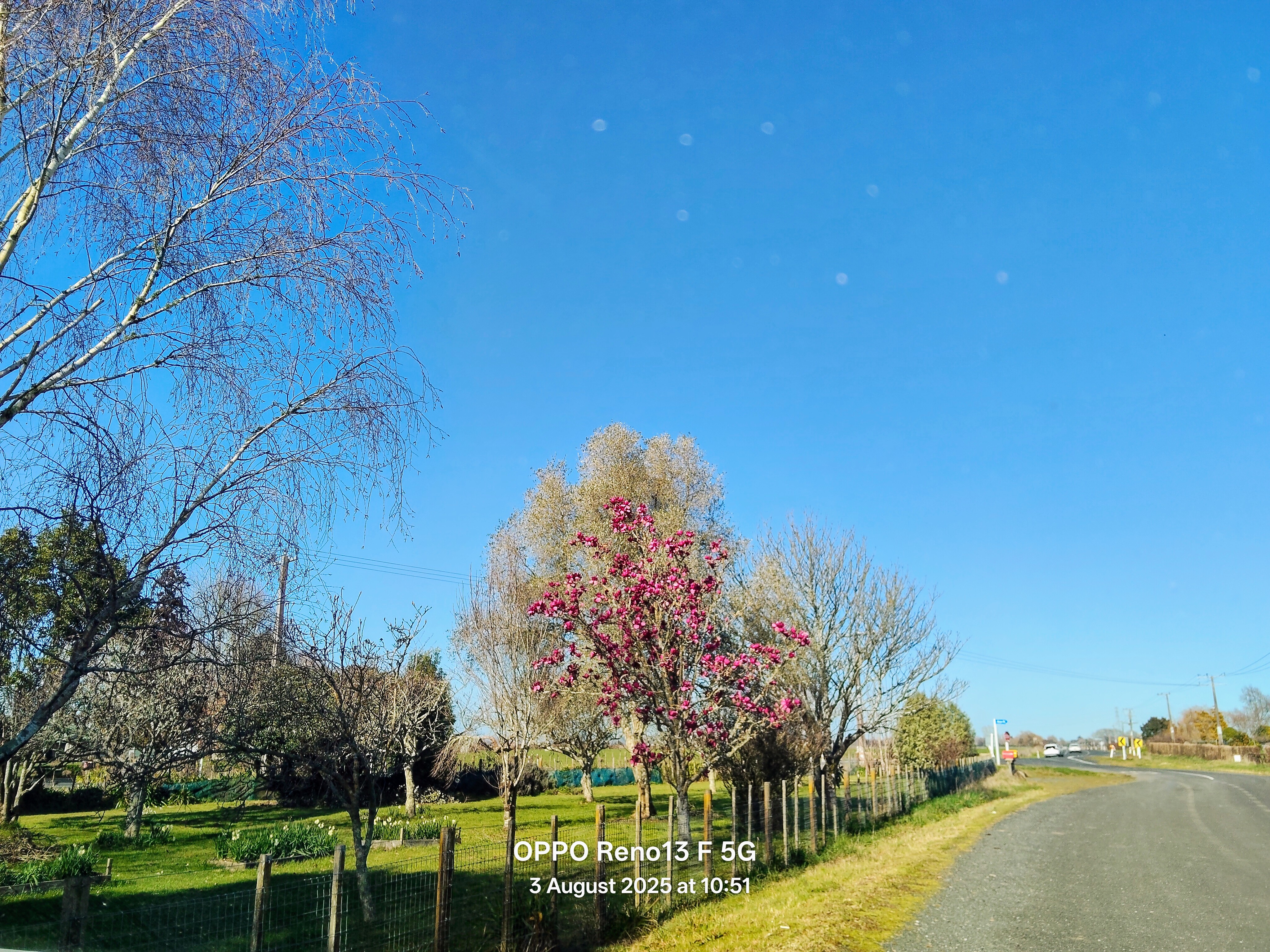
On the 20th of March, in the early morning hours, I was on my way to Hamilton from home. My regular route is State Highway 26 and the Intersection/roundabout of the Waikato Expressway State Highway 1. While I was waiting for my turn passing the roundabout toward the University of Waikato campus, Ruakura Research Centre and the city of Hamilton, I admired the maunga (Māori word for “mountain”) – Pirongia-o-Te Aroaro-ō-Kahu is the background on a fine, clear morning. It was great to see the viewing while sitting in the car, waiting to move forward.

If you are wondering what this unique name is – Pirongia-o-Te Aroaro-ō-Kahu under the Waikato tribes –  Tainui. It is called ‘the scented pathway of Kahu’/the fragrant presence of Kahu’, his wife.

The full name of Karioi is Maunga-O-Karioi, which means to linger or loiter. This name arises from the journey of Kahu from Kāwhia to the south Waikato and north Taupō districts. Kahu named numerous hills, mountains and other landmarks on her journey.
https://www.mtpirongia.org.nz/history