AI Overview
The theme for Earth Day 2026, “Our Power, Our Planet,” focuses on working together to protect the environment and accelerate the adoption of renewable energy. It shows that both individuals and governments are important for driving change, aiming to triple renewable energy by 2030.
This video shares why the 2026 Earth Day theme matters.
António Guterres Instagram• 22 Apr 2026
Here are the main points of the 2026 theme:
- Action-Oriented Focus: Moving from promises to real local involvement to make a difference.
- Core Goals: Supporting clean energy, cutting down on plastic pollution, and looking after ecosystems.
- Community Mobilisation: Inspiring schools, businesses, and people to take real steps in their own communities.
This year’s theme builds on the 2025 focus and reminds us that everyone shares responsibility for the environment. Even small actions by individuals can have a big impact worldwide.
In New Zealand, we’ve had several tropical storms and heavy rain over the past two weeks. Northland, East Coast/Hawke’s Bay, and Marlborough have been hit the hardest in years. Bay of Plenty, Wairarapa, and Wellington (Te Whanganui a Tara) have also faced downpours, flash floods, and rising rivers. Wellington was especially affected because it sits at the southern tip of the North Island, surrounded by hills, narrow roads, and parks. The city took the worst hit in just 48 hours this week.
Wellington’s Māori name, Te Ika-a-Māui (often called Te Upoko-o-te-Ika), means “The Head of the Fish of Māui.” This traditional name for the southern tip of the North Island comes from the legend of the demi-god Māui.
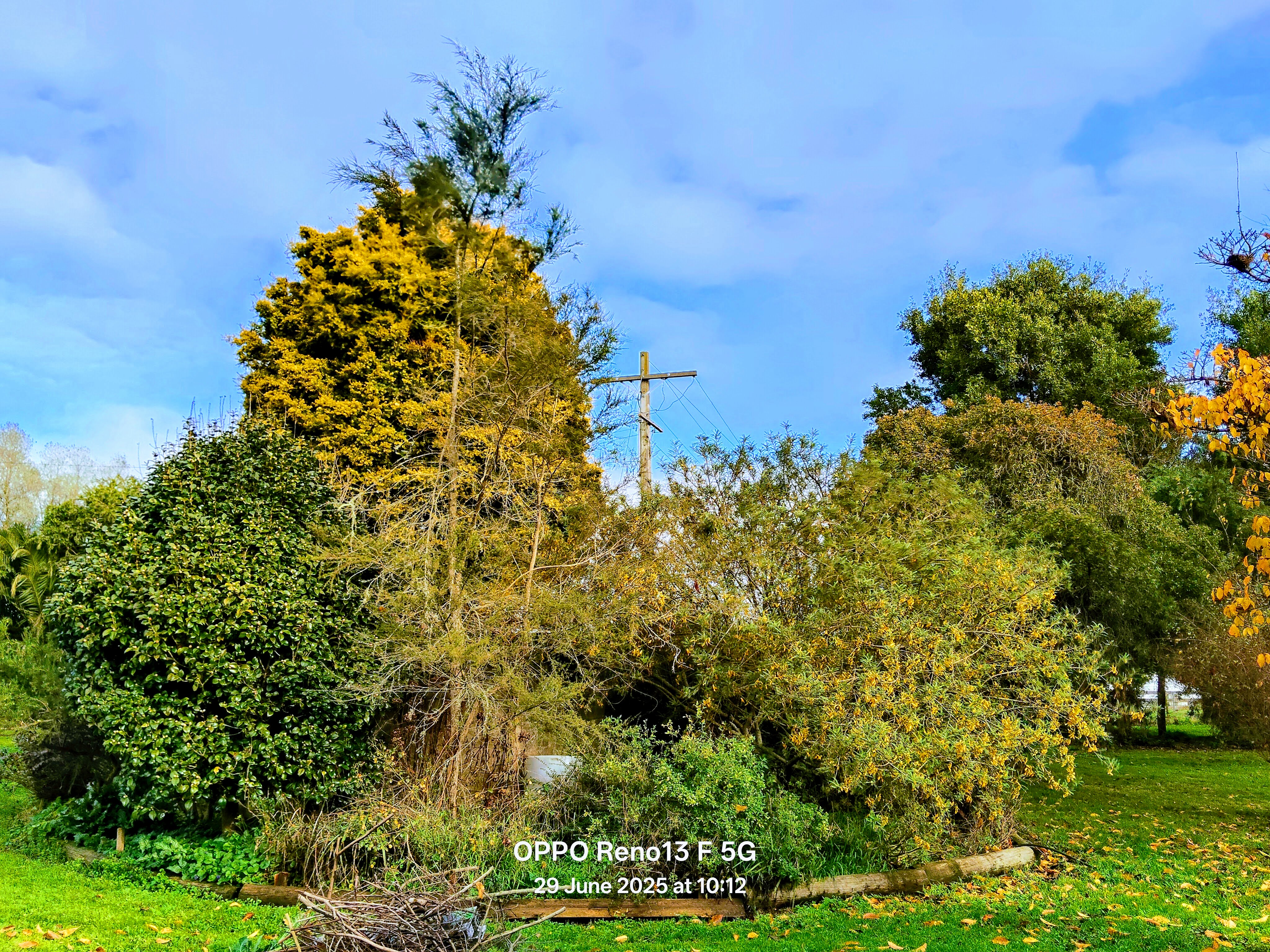
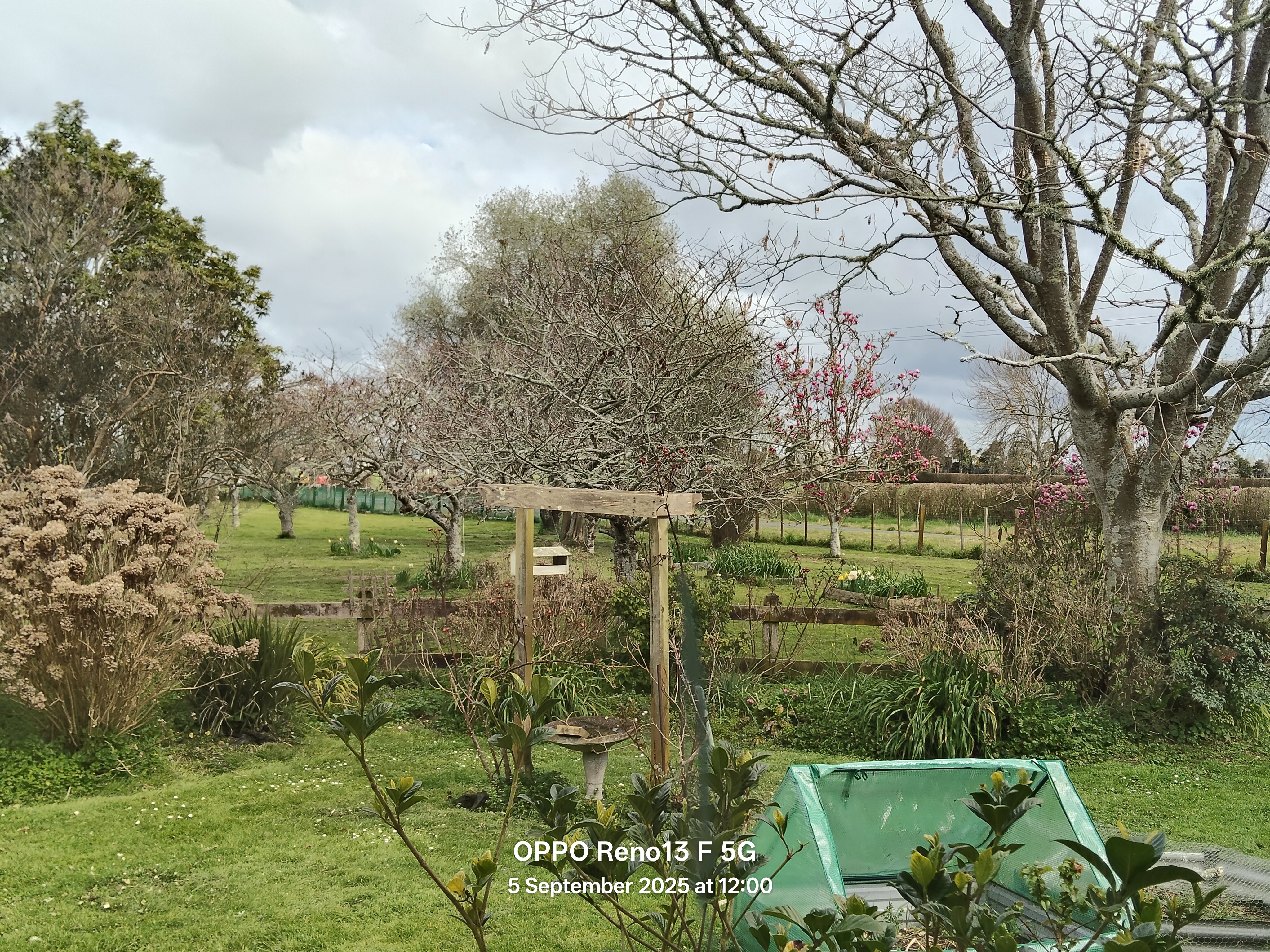
Other countries around the world are facing similar challenges, and in many cases even worse ones, such as earthquakes, cyclones, floods, and other natural disasters. The world is changing, and many people are not taking care of the environment or working to prevent global warming. For example, our property lacked enough trees to block the wind or prevent erosion, so the soil began to wash away. I planted native trees—some that grow quickly and some slowly—to balance growth each year, and I also planted flaxes to replace agapanthus shrubs. I am still working to remove the agapanthus, even though I have disabilities and little help from my farming neighbours or the council’s environment staff.
Yes, it is time to start thinking about how you can preserve and improve the environment, such as planting trees and shrubs, controlling weeds, exploring other ideas, and recycling plastic into materials or products.