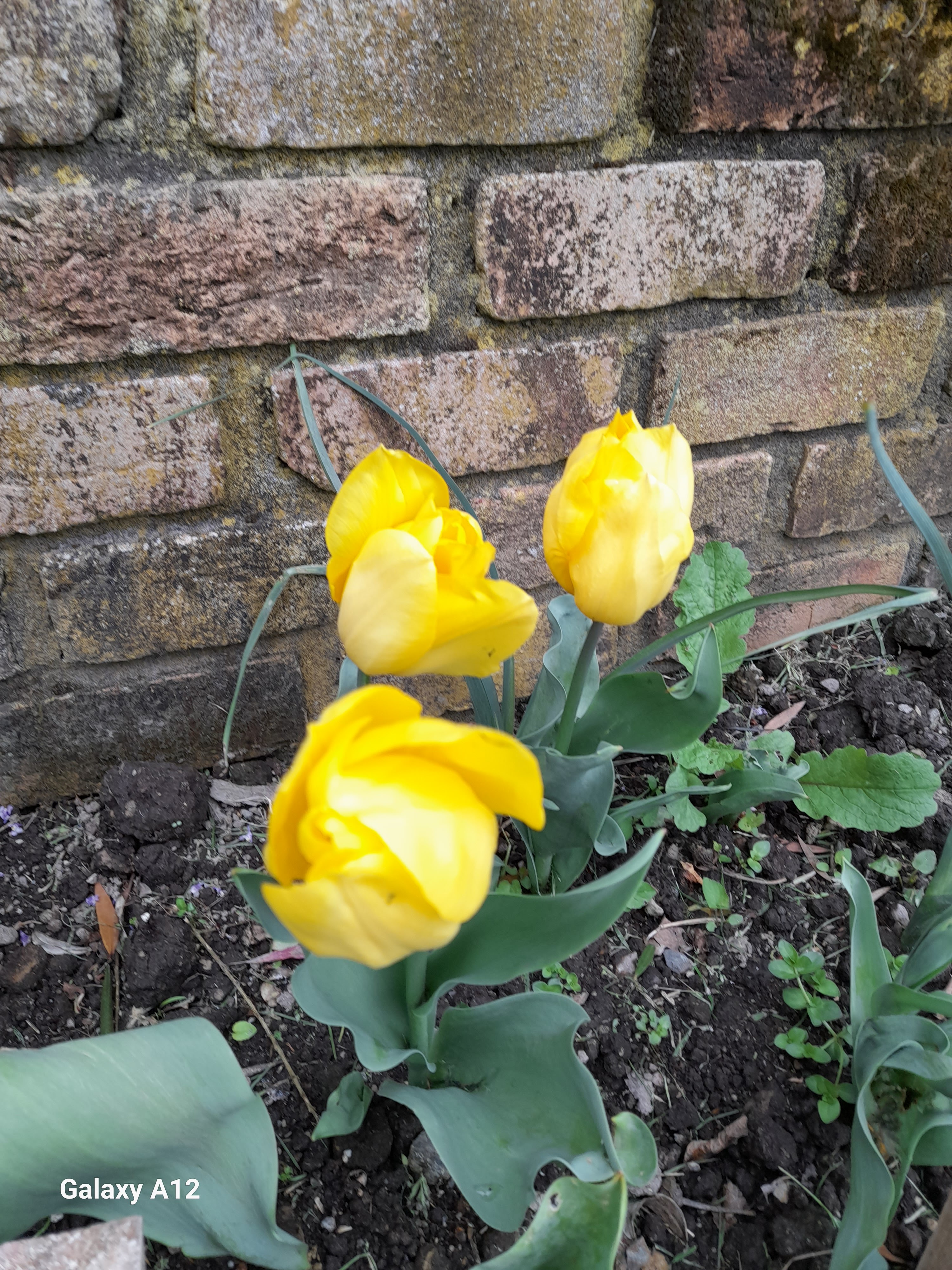
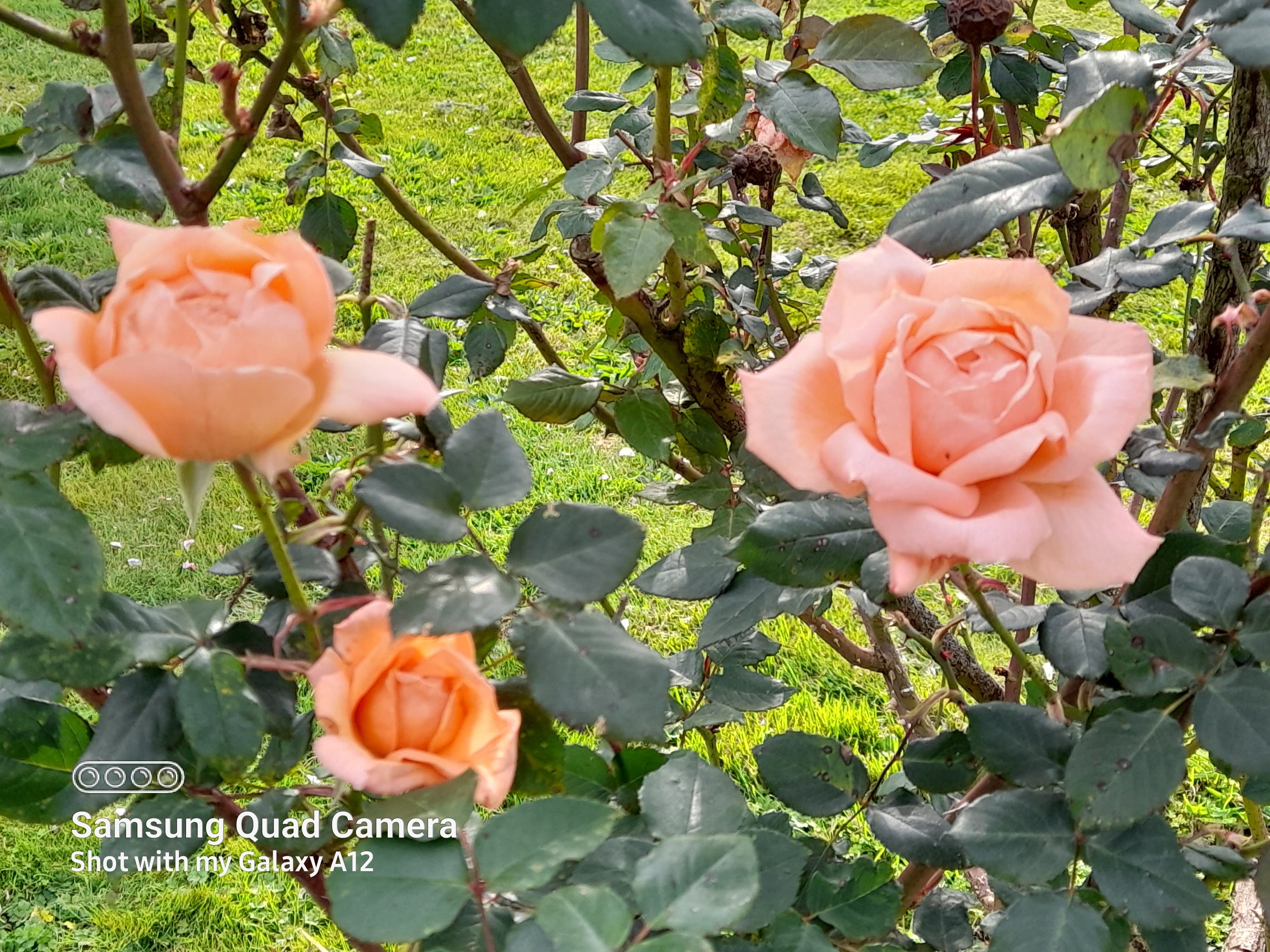
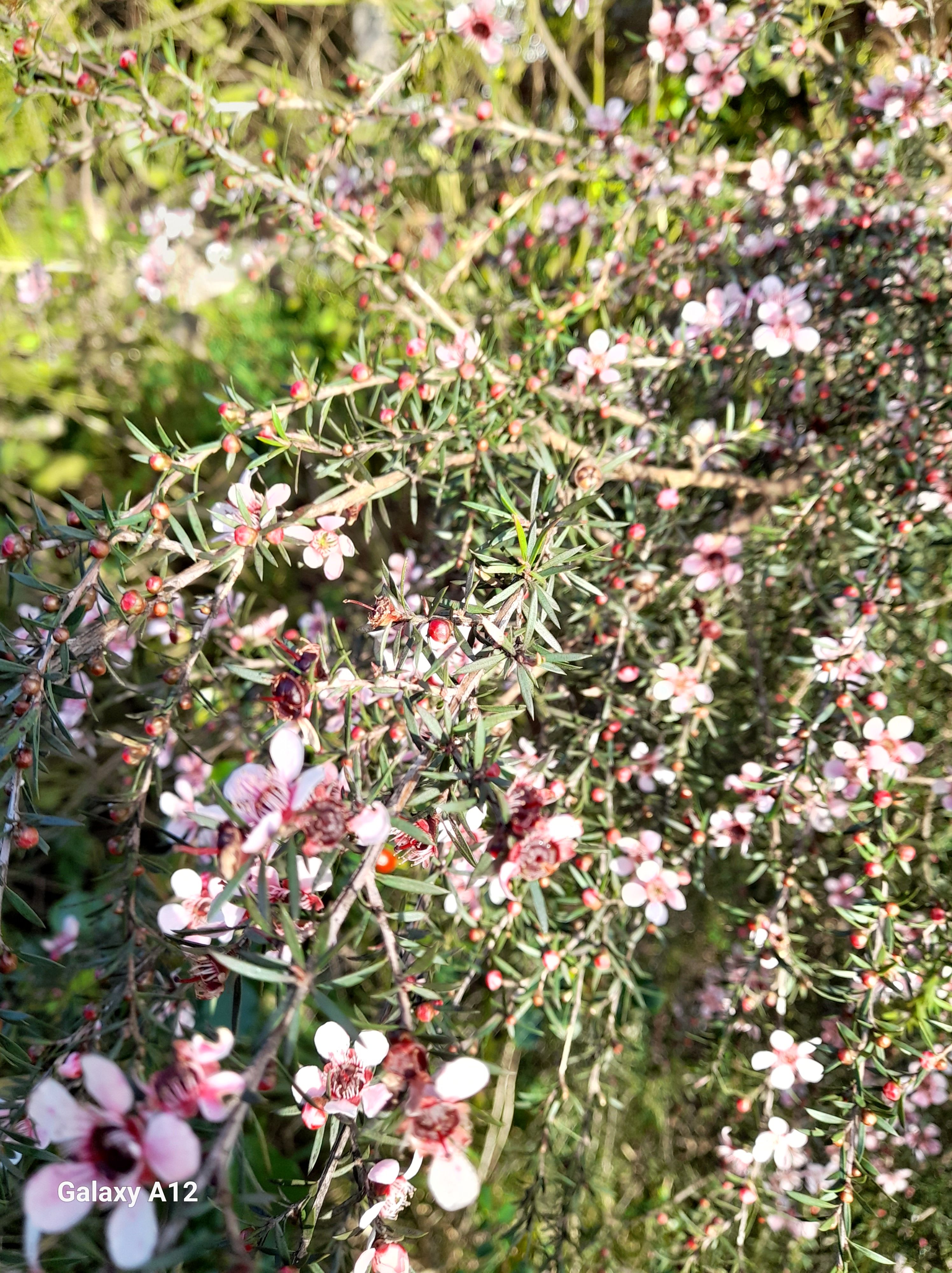
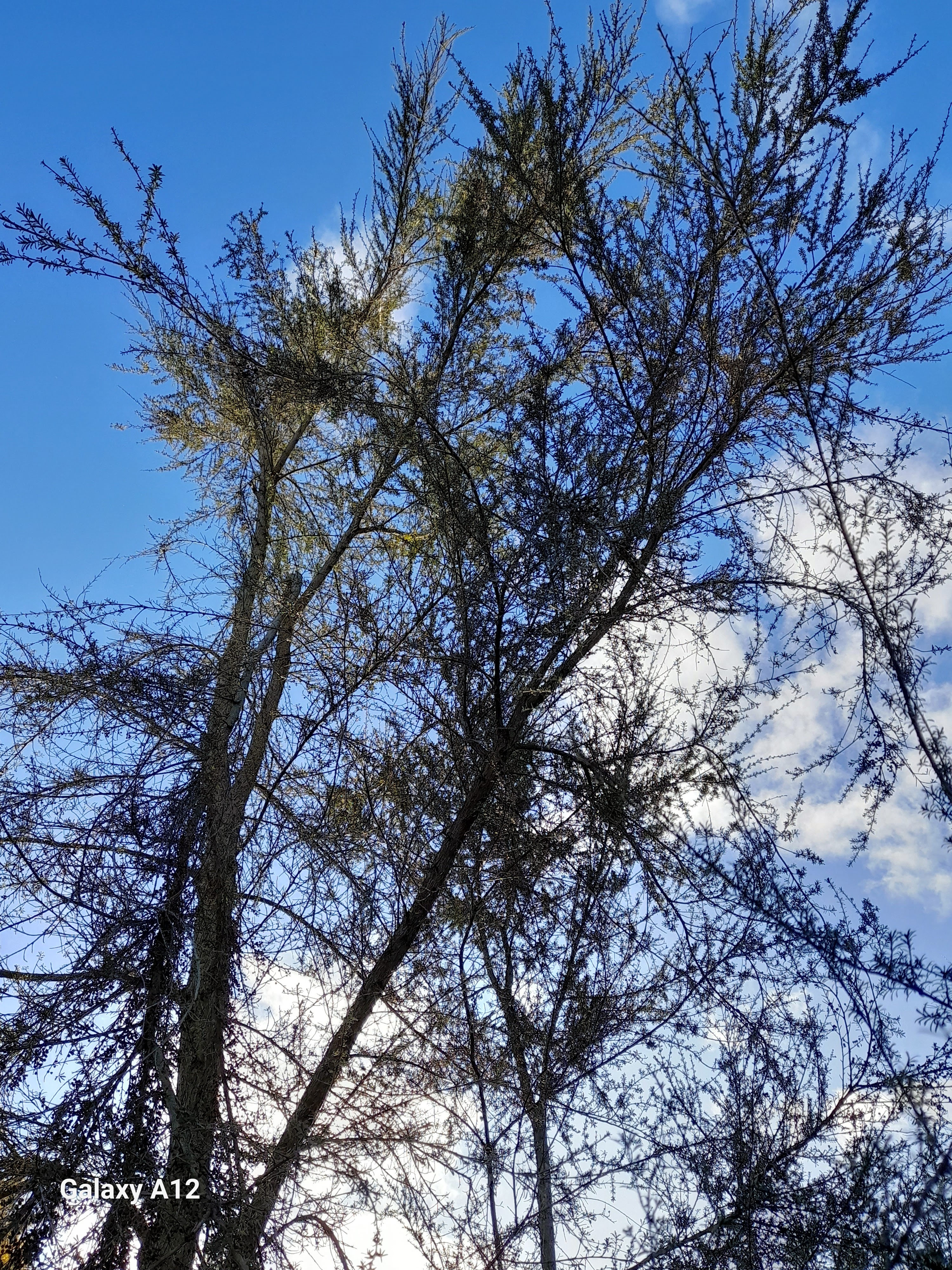
“There are always flowers for those who want to see them.”— Henri Matisse

“Sweet scents red tulips, red tulips bring such happiness. Our hearts are full of pleasure.” – Natasa Tocuc.

Life is some philosophy to anyone, but not everyone’s real life is hope, joy, or despair. Socrates is possibly the father of philosophy in Western philosophy, and Jean studied his books to find the answer or solution in our sign languages and Deaf Culture. What about Aristotle, Plato, and Pythagoras? Many academics pointed out the first three philosophers in their scholarly thesis papers: Socrates, Plato and Aristotle. Did anyone know there was/were disabled Greek people in the mythology? The people were Larunda, Tiresias and Hephaestus, and their disabilities were mute, blind and clubfoot.

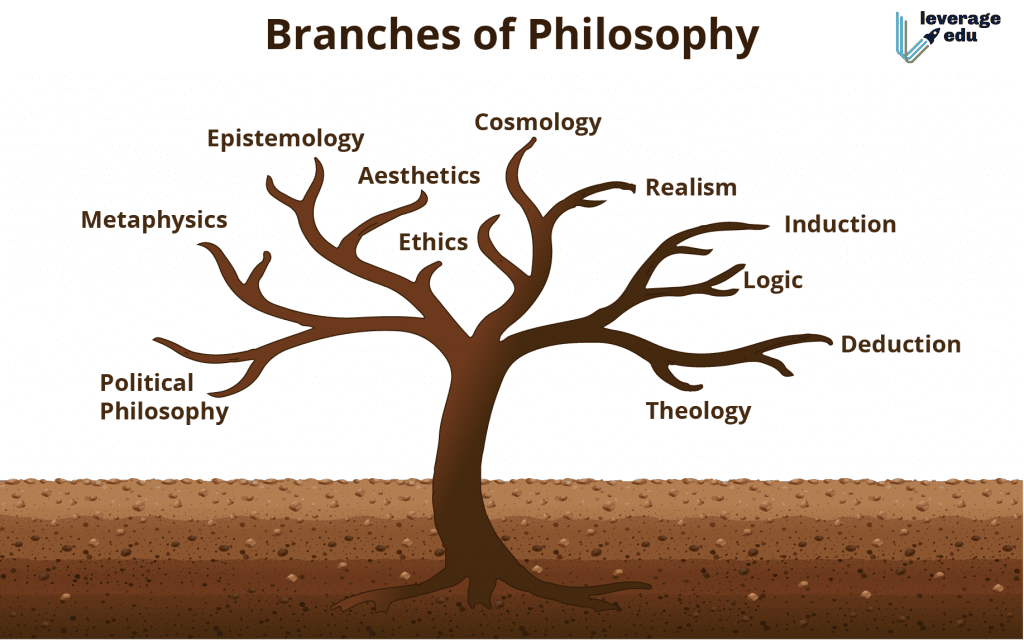
Mm, let us look at the chart here. There are more than five key branches – epistemology (knowledge and truth), metaphysics (reality and being), logic (argumentation and reason), axiology (aesthetics and ethics), and political philosophy (the state and government).
In Jean’s diverse and multifaceted life, Jean takes on multiple roles, including being an advocate for the D/deaf community both at work and at home. Over the years, Jean has been honoured with several awards for her contributions to this community. Those in leadership must recognise her essential role in advocating for individuals with disabilities, particularly those who are deaf or hard of hearing. Jean’s ultimate goal is to impact the lives of those around her positively, and she is dedicated to achieving this through her work.

“Focus on your strengths, not your weaknesses.

Focus on your character, not your reputation.

Focus on your blessings, not your misfortunes.”

— Roy T. Bennett

Jean relishes collaborating with her partner and furry companions in her leisure time on various gardening endeavours. Jean owes her gardening acumen to the benevolent guidance of her departed grandparents and other kindred spirits who graciously imparted their wisdom. Although Jean hailed from Hamilton with minimal gardening exposure, she spent countless school breaks in the countryside with her grandparents, honing her horticultural skills. Jean is deeply grateful for the invaluable knowledge they bestowed on her and is enthusiastic about further advancing her gardening expertise through perpetual education and development.

“If we should be blessed by some great reward, such as fame or fortune, it’s the fruit of a seed planted by us in the past.”

— Bodhidharma
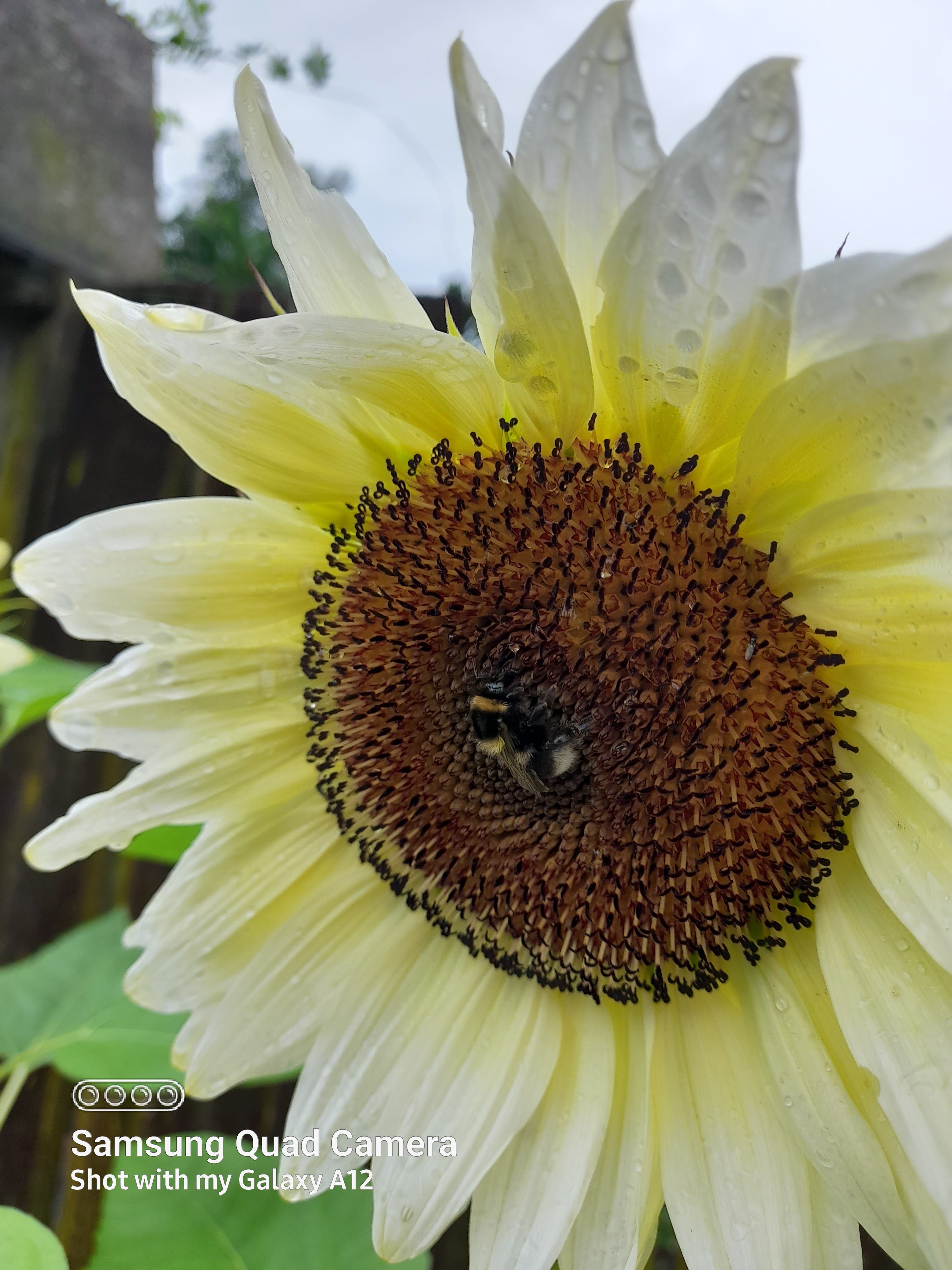
Jean is a remarkable individual who serves as an inspiration to many. Despite her disabilities, she refuses to let anything hinder her from experiencing life to the fullest with such strength and determination is truly inspiring. Whether at home or work, Jean always finds ways to overcome any obstacles that come her way. Her passion for nature is evident in the garden with her dogs, where she is truly in her element. Watching her flowers, fruits, and vegetables grow brings her immense joy, and she is always eager to share her harvest with others. Her beautiful gardens are a sight to behold, and even her neighbours cannot help but appreciate their beauty. Each season brings something new and exciting, and Jean’s positive attitude and determination are truly remarkable. She is a shining example of overcoming challenges and living a fulfilling life. She is an accurate role model for anyone facing difficulties, showing us all that we can lead a fulfilling life with hard work and perseverance.

“Blessing must arise from within your own mind. It is not something that comes from outside.”

— Dalai Lama

“Always remember to forget the troubles that passed away. But never forget to remember the blessings that come each day.”

— Irish Proverb

Mā mua ka kite a muri, mā muri ka ora a mua

Those who lead give sight to those who follow; those who follow give life to those who lead. This whakatauki also speaks to the importance of working together. It acknowledges and values the importance of both the leader and the followers, for both are essential and co-dependent.

Last night, we were watching the programme ‘The Project’ channel three, and there was a clip about a Māori whanau (family) with their tamariki (Plural as in children) and te tamaiti (singular as in a child) to speak Te Reo Māori in the home. The large cities did not have enough service or kura (schools). This story clip made me think about Māori Turi Tangata (Māori Deaf people) in Aotearoa. 

Ko tōku reo tōku ohooho, ko tōku reo tōku māpihi maurea. My language is my awakening, my language is the window to my soul.

Māori Turi Tangata (Māori Deaf people) use their first language – Māori Sign Language concepts, which use most of our NZSL (New Zealand Sign Language) into Māori Te Reo. “Deaf signs express concepts through visual elements rather than originating in spoken words, so NZSL signs can be translated into either English or te reo Māori.” 

https://teara.govt.nz/en/new-zealand-sign-language#:~:text=New%20Zealand%20Sign%20Language%20(NZSL,is%20itself%20a%20distinct%20language.

 One thing is to speak in Māori Te Reo; they cannot say correctly because of sounds. Māori Turi Tangata cannot hear the sound correctly, let alone follow the lip reading. They will ‘mouth’ the words as they sign where a trilingual interpreter is available. 

Look at the poster and try to learn our sign language when ordering coffee.

One weekend, I took Jacek for his social outing as part of my job, and we went to see the new building at the University of Waikato. I studied for a BA in History along with Linguistics and Anthropology. The new facility is called The Pā: māu, māku, mā tātou katoa. The previous small building and the marae – Te Kohinga Mārama were no longer there. 

https://www.waikato.ac.nz/news-opinion/media/2023/university-of-waikato-opens-the-pa-mau-maku-ma-tatou-katoa

He mea nui kia tiakina o tatou reo, kaua ki te mate i nga reo mo nga whakatipuranga o muri. It is crucial to preserve our languages rather than dying languages for future generations.

Ko te Tōtara koura e tu ana hei rakau kaha i roto i to maatau maara.Golden Tōtara stands as a mighty tree in our garden.

“Kotahi te waka e noho ana tatou katoa kaore he wehenga.”
– Whakatauki Maori
“One canoe which we are all in with no exception.”
– Maori Proverb

Tōtara rakau (tree) was there when we bought our home and the large property in 2014. The tara (spike leaves) change their colours from lime-green to gold each season; for example, in Spring, the tara is yellow-green colour, yellow in Summer, and then in winter, the tara is golden yellow. This tree is a Podocarpus totara ‘Aurea’ – Golden Totara. It grows to 5 metres tall and 3 metres wide and lives over 900 years.

Ka rere nga manu ki roto i te rakau mo nga hua whero kiko. Birds swoop into the tree for fleshy red berries. Possums often climb up for shelter or to collect berries. 
Autumn into Winter: Many Tara are shedding on the ground and replaced with many new Tara. Incredible mulch ground for the soil. 

Tōtara wood is widely used for waka (long boats), fence posts, floor piling, and railway sleepers. Many Māori tane (men) used this wood for carving properties such as Toi whakairo (art carving) or just whakairo (carving), which is a Māori traditional art of carving in wood, stone or bone, e.g. the tekoteko (carved figure), the maihi (front barge boards) 

Kānuka (Kanuka) and Mānuka (NZ Tea Tree) are growing in our garden. It has benefits for bees, pollen transfer from one tree to another tree, collecting nectar, using the leaves for cooking like smoking during roasting meats or steaming the leaves over hot water for head cold, oil from the soft bark and chewing the smooth bark for relaxing and sleeping benefits. 

The flowers differ between these two trees – Mānuka displays large white or light reddish pink flowers and produces single flowers over the bush/tree. 

  • Kānuka displays small white flowers and produces a cluster of flowers in clumps. 

Many thousand years ago, Māori settlers used Mānuka (NZ Tea Tree) for honey in New Zealand. They know and claim that Mānuka (NZ Tea Tree) honey is used for antibacterial health properties. 

https://manukahoneyofnz.com/blogs/manuka-honey-blog/the-history-of-original-manuka-honey

Why was it called ‘tea tree’? Captain Cook visited Aotearoa and came across the Mānuka rakau. His crew boiled the rau (leaves) to make cuppas of tea for drinking. They made beer using Mānuka and Rimu rau (leaves) and found it: “exceedingly palatable and esteemed by everyone on board.”

https://www.nzstory.govt.nz/stories/manuka-a-honey-of-a-plant/

Which country makes the best Mānuka honey? The reality is our country – New Zealand, not the Australia Manuka. 

Understanding the different types of honey products each country makes where NZ help ensure an authentic product is essential. Also, it’s crucial to choose a Mānuka honey product that is raw and unpasteurized to preserve the anti-inflammatory properties and other nutrients found in the bee pollen. It is not about the number of tea trees available in Australia; there is one unique Mānuka rakau (tree) in NZ.

See the argument between Australian scientists and our people in NZ. It is about competition, bragging about who is the best-produced honey, marketing for finances and, of course, the greed of Australian capital financial marketing. “Biosota using lab testing to create an MGO rating – the higher the rating, the higher the grade of your honey and its benefits.

Australia’s Manuka trees’ diversity is vastly superior to New Zealand’s. Australia is home to 83 species of Manuka, 12 of which have bioactive, medicinal properties, making them ideal for high-MGO Manuka production. In comparison, New Zealand has only one.”

https://biosota.com.au/blogs/resources/what-makes-australian-manuka-honey-the-superior-choice#:~:text=The%20diversity%20of%20Australia%27s%20Manuka,New%20Zealand%20has%20only%20one.

Manuka in Australia was incorrect; many Aboriginal people called Ngooka (the Ballardong Noongar native word), and the tree grows on Ballardong Noongar native land in Western Australia. https://www.foodnavigator-asia.com/Article/2020/09/29/On-par-with-manuka-Aboriginal-Ngooka-honey-aims-for-premium-positioning-due-to-health-benefits#

Did you know that Aboriginal people have another name for sweet? It is Ngkwarle — a honey-like food in Central Australia (“sugar-bag as in native”). The Marrangu-Wurrkiganydjarr people and Wurrkiganydjarr mean flower power – known as the sugarbag (honey) people. 

https://nga.gov.au/first-nations/the-aboriginal-memorial/artists-and-clans/marrangu-wurrkiganydjarr-people/

https://truebluebees.com.au/f/sugarbag-the-origin-of-the-native-australian-word-for-bee-honey

So, Manuka is not an Aboriginal language but a native Māori language. The indigenous Māori people of Aotearoa were the first to discover Mānuka honey.

“Le printemps, c’est quand la vie est vivante en tout.” —Christina Rossetti, écrivain.

“Spring is when life’s alive in everything.” —Christina Rossetti, writer.

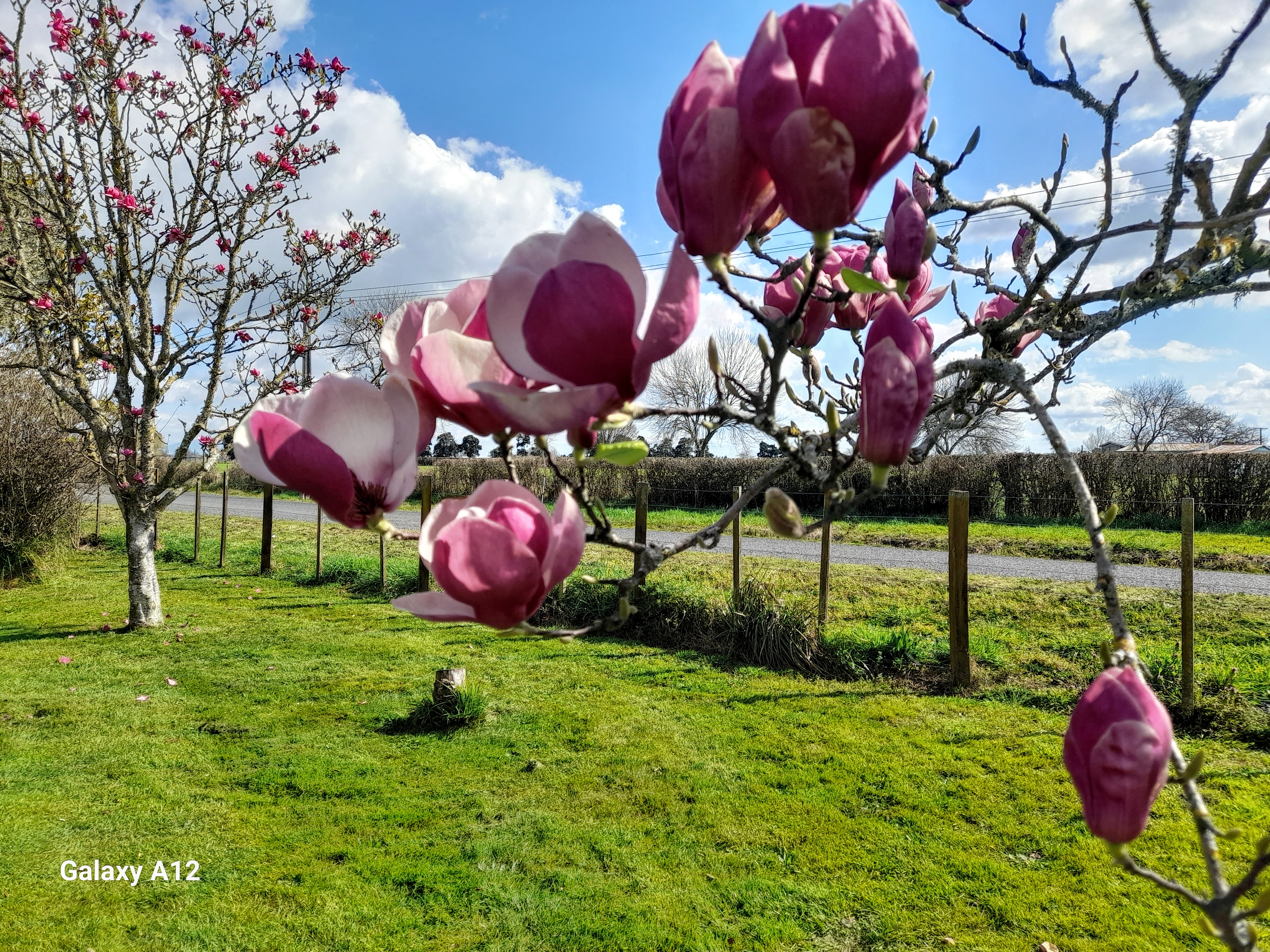
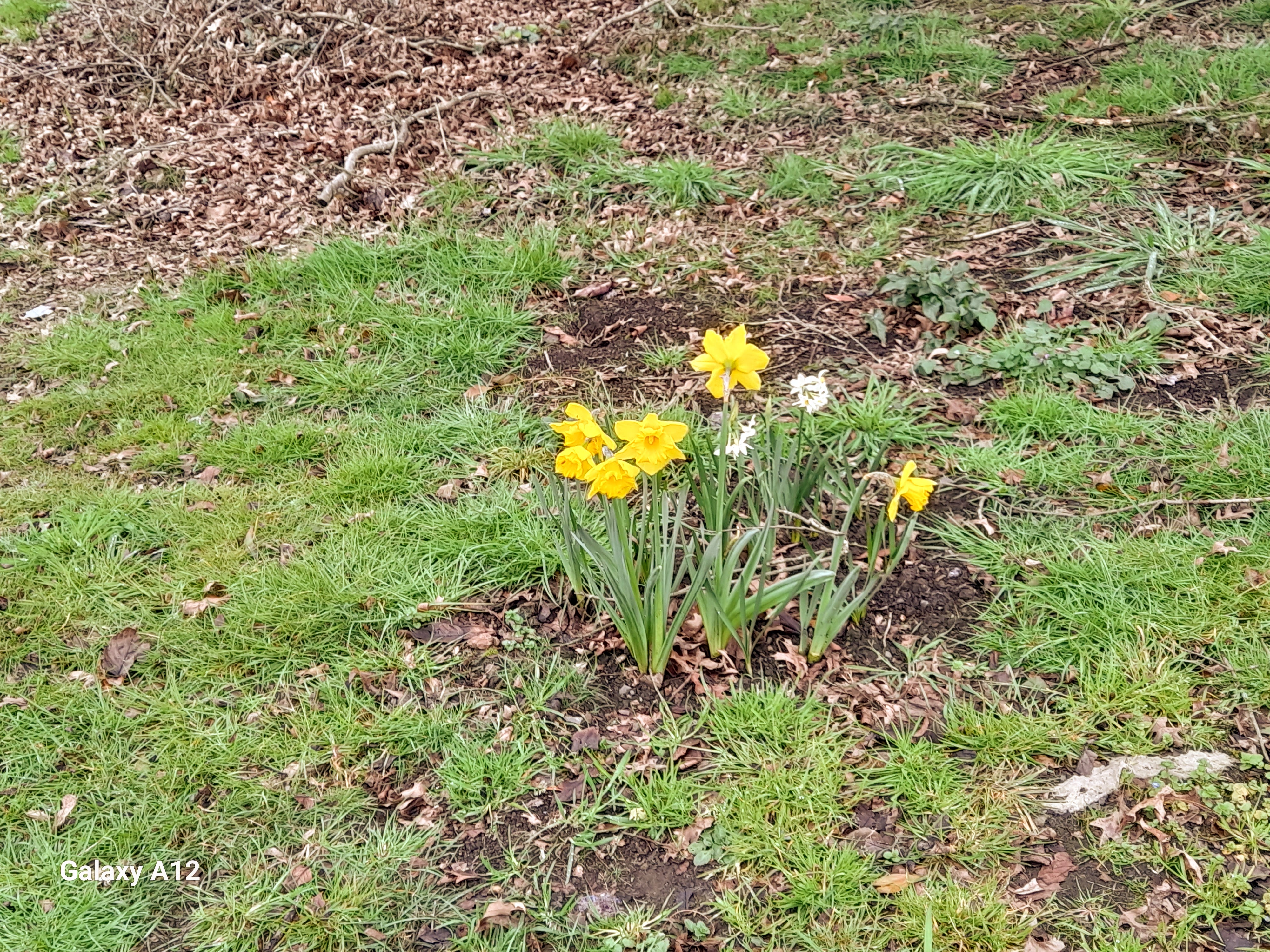
Quel plaisir de voir fleurir les jonquilles et les magnolias !

What a delight to see daffodils and magnolia blooming!

“Spring has sprung, and a new life has begun. It’s finally time for me to come out of hibernation. It’s a beautiful time of year for a new beginning. Spring is the perfect time to turn over a new leaf.”

“Life is full of transitions and changes, embracing each season with open arms is essential to personal growth.” – Anonymous

I am eagerly anticipating the arrival of Spring! The end of Winter is near, and soon, the fields surrounding our home will be ablaze with vibrant hues of flowers. The sweet melodies of birds will fill the air as they soar through the sky, savouring the nectar and seeds provided by the blossoming flowers. These feathered creatures will be busy building nests in trees, birdhouses, and beneath the bushes. And let us not forget the feral rabbits, leaping and bounding through the fields in search of sustenance for their young offspring. Spring is undoubtedly a stunning season! Winter is almost finished, and come the Spring season when many flowers bloom out in the fields of our home. Birds sing in the air, swooping down to eat seeds and nectars from flowers and making nests in the tree tops, inside the birdhouse and on low ground under the bushes. Feral rabbits jumping, running and finding food for their babies bunnies around the fields. 

“A flower blossoms for its own joy.” —Oscar Wilde, author

Our dogs enjoy chasing feral rabbits, and they try to catch one each day as wild rabbits are intelligent when they stay as model statues or try to camouflage against the backdrop in the garden. It is nice to look at or laugh at them by watching their behaviour while we are inside the house or standing in the doorway. We know that in New Zealand, wild rabbits are classified as pest animals and need to be culled because the rabbits are a nuisance to the land environment by damaging plants and land. There are many possums here, too. We can not lay traps or poison bait due to our dogs on the property. Most farmers locally have traps, poison bait and guns where no animals such as cows, pet animals, goats, Ilama and chickens are nearby farmlands. One of our neighbours who is related to my mother’s side of the family and related to one of the National MPs (not our side through the line family of our mother) does have a gun, but he does not use to shoot because they have chickens around their property. 

“I love spring anywhere, but if I could choose I would always greet it in a garden.” —Ruth Stout, gardener and author.

A few weeks ago, I accompanied Jacek on his social outings and grocery runs as part of my job. Jacek has four permanent disabilities – he’s deaf, speech-impaired, has cerebral palsy, and has mobility difficulties due to his age over 70 years. During one of our outings, we stumbled upon some petrol/electric Utility vehicles being showcased near the Hospital and Hamilton Lake area. Jacek expressed a keen interest in them and suggested that we (my partner and I) get one for our home to make physical labour jobs around our 0.4000 Hectares much easier. We would like to have one for our daily physical acitivies around the property, but I prefer to walk and use my partner’s ride on mower for collecting branches, tree trunks, etc. We need more money to buy these types of Utility vehicles. Yes, it is a nice gesture of thought from Jacek to me. 

“Life is a journey to be experienced, not a problem to be solved.” – Winnie the Pooh

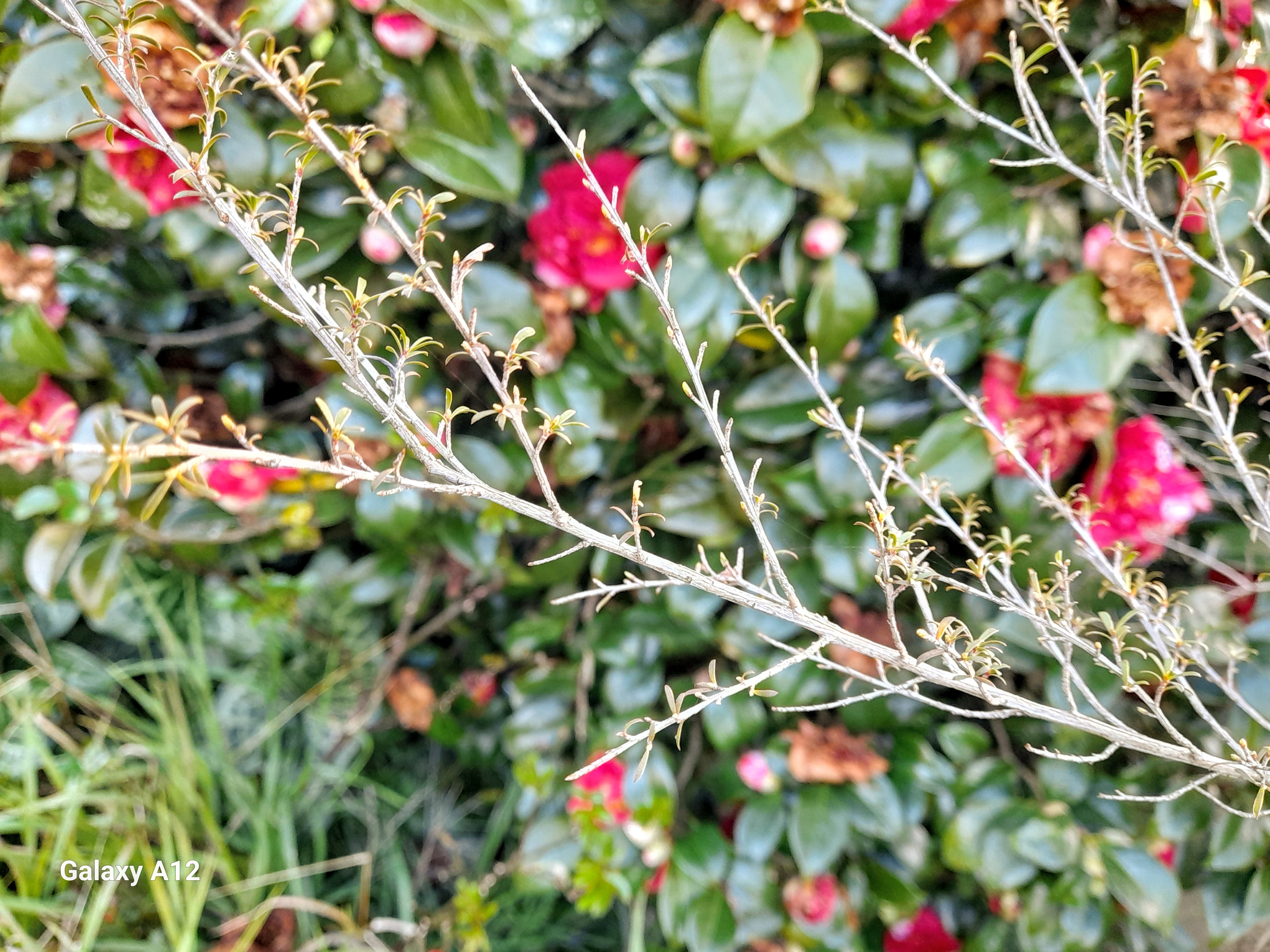
Winter season brought us different flowering times, such as Camelia trees, Hellebores, Cyclamens, daphne shrubs, violet groundcovers, Irises, crocus, protea shrubs, Prunus campanulata (Taiwan Cherry), Mānuka or kahikātoa (Leptospermum scoparium), Wattle trees (bottle brush flowers) and Lily of the Valley tree. Daily activities I did were going out to work, working from home, and then taking a break by walking around if it was not rainy or too cold.  

“Life is a series of natural and spontaneous changes. Don’t resist them; that only creates sorrow. Let reality be reality. Let things flow naturally forward in whatever way they like.” – Lao Tzu

Yellow dots raised bumps on the pavement.

Some individuals were expressing their discontent regarding the yellow dots, which they believed were causing injuries. They were moaning, complaining, frustrating, whining or grumbling about this issue, despite the fact that only a small number of people had experienced accidents as a result of the tactile dots. Over the past decade, approximately 45 individuals have been injured by the yellow dots, which is a relatively low number in New Zealand. Despite recent articles from the NZ Herald, social media, and news outlets claiming that the yellow dots were to blame for these injuries, I was not surprised. Something seemed off about these claims, and it appears that the issue has been blown out of proportion. Some people were suggesting that the yellow dots should be replaced or fixed throughout Auckland, but it seems unnecessary given the minimal impact they have had on public safety.

Individuals who are struggling to carry out daily tasks due to ongoing pain resulting from their injuries. Despite receiving their ACC compensation claim, they still face difficulty in managing their day-to-day activities. In this blog, I provided them with some advice on how they can improve their situation, but it is evident that they are going through a challenging time. My thoughts are with them and anyone else who may be in a similar predicament.

I am curious to know if the health and safety staff at ACC and the medical staff are aware of the safety measures and minimal-risk options available in the city’s surroundings, such as the yellow tactile pavements. It seems like there may be additional ways to mitigate potential safety risks in the area. I would appreciate any knowledge or recommendations they may have on the matter.

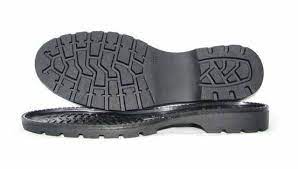
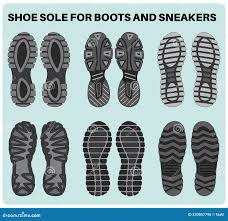
Are you wearing the proper shoes/boots with a rubber sole/non-slip sole or not? Were you using mobile and looking/reading texts or Youtube media while walking without looking at your surrounding environment? Were you talking over your mobile while walking without looking around or using the crossing in a hurry? 

Hey there! Just wanted to check in and see if you’re wearing the right shoes today. It’s highly recommended and important that you wear shoes or boots with a rubber or non-slip sole today, especially if you plan on walking around. Moreover, it’s crucial to be fully alert of your surroundings while you’re out and about. Although it may be tempting to use your phone or listen to music, your safety and awareness should take precedence. Be cautious and take good care of yourself.

Most of the time, I do shoe shopping for us and people with mobility disabilities such as walking problems. I checked every shoe and boot to see if these shoes/boots have rubber or non-slip soles. Sadly, only one-quarter of these shoes/boots have rubber soles/non-slip soles, while three-quarters of shoes/boots still need one. I recall one or two staff asked me and the person I support if we needed help finding the shoes. I asked these staff if there were any shoes with rubber soles; these staff did not understand why I asked this question. I explained about wearing shoes/boots with rubber soles for safety when walking around. These staff need to learn about this, and it is not about fashion design shoes/boots. 

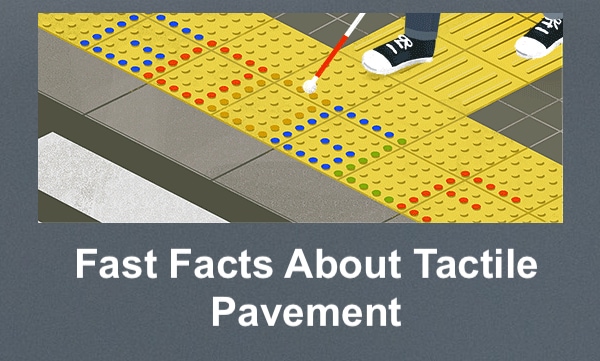
Take a moment to observe the numerous yellow tactile pavements that are installed on sidewalks and at crosswalks worldwide. These pavements serve a crucial purpose in aiding people with disabilities, particularly those who are visually impaired or blind. The raised bumps on the pavement offer tactile feedback that enables these individuals to navigate their surroundings with safety and independence. It’s a significant step towards creating a more inclusive and accessible world for everyone. So, remember that the yellow tactile pavement is there to assist those who require it the most.

Tactile pavements, particularly the yellow ones, are absolutely crucial for people with low vision or children using walking canes. Without these pavements, they risk becoming lost and losing their independence, which could lead to disastrous consequences. It is imperative that we prioritise the safety and accessibility of every individual in our communities.

Stop blaming yellow tactile pavements or poorly installed/designed pavement! We are human, including people/children with disabilities, as equal humans, and we do ourselves differently in work, social outings and homes. Many people do not realise that there are 28% of humans with disabilities living in New Zealand, and they need to learn to accept it and to understand us and the need for access to anywhere we go. We pay tax and rates to the Government and the City Council for these tactile pavements as same with you. We must work together as teams, and you will have to adapt or change the way of buying a proper pair of shoes/boots, walk properly and take it easy by looking around and limiting yourself when using the mobile while walking. 

Let’s move on and learn about the history of tactile pavement. 

Many low-vision people/children and blind people/children need critical information and guidance help when walking around the city because their brains work differently from yours. 

“Provide the additional information needed to confirm an impression gained visually. Tactile learning also requires that information be gathered over time by systematically exploring an object one aspect at a time.”

One person invented tactile pavement in Japan in 1965 and wanted to make it more accessible for blind people/children and low-vision people/children in Japan. That is a brilliant example of breaking down the barriers for all people with disabilities around the world. The person was Seiichi Miyake, who invented Tenji blocks by helping his friend who was losing his eye-sights/visual impairment. Thank him for breaking down the barriers for all Blind people/children and low-vision people/children. 

https://www.independent.co.uk/tech/seiichi-miyake-google-doodle-who-is-japan-tactile-paving-a8827656.html

https://www.news18.com/news/buzz/how-japans-yellow-tenji-blocks-guide-the-visually-impaired-in-public-places-4169453.html

https://www.rnib.org.uk/get-involved/support-a-campaign/inclusive-journeys/tactile-paving/#:~:text=Tactile%20paving%20consists%20of%20a,of%20a%20train%20station%20platform.

https://www.perkins.org/resource/fast-facts-about-tactile-pavement/

https://www.nzherald.co.nz/nz/broken-bones-concussions-yellow-tactile-dots-for-sight-impaired-a-slippery-hazard/QOH3XFF2SFFN3D5MJVUYOGVLSE/

https://www.nzherald.co.nz/nz/man-suffers-break-in-four-places-after-slip-on-yellow-dots-at-auckland-train-station/CXYSEPTNFZABTLPOQRVYPYKMWE/

https://www.nzherald.co.nz/nz/auckland-woman-breaks-leg-in-three-places-after-slipping-on-auckland-transports-yellow-tactile-dots/XKA3S2YB3BBB5GPPMBJEHVSG7I/

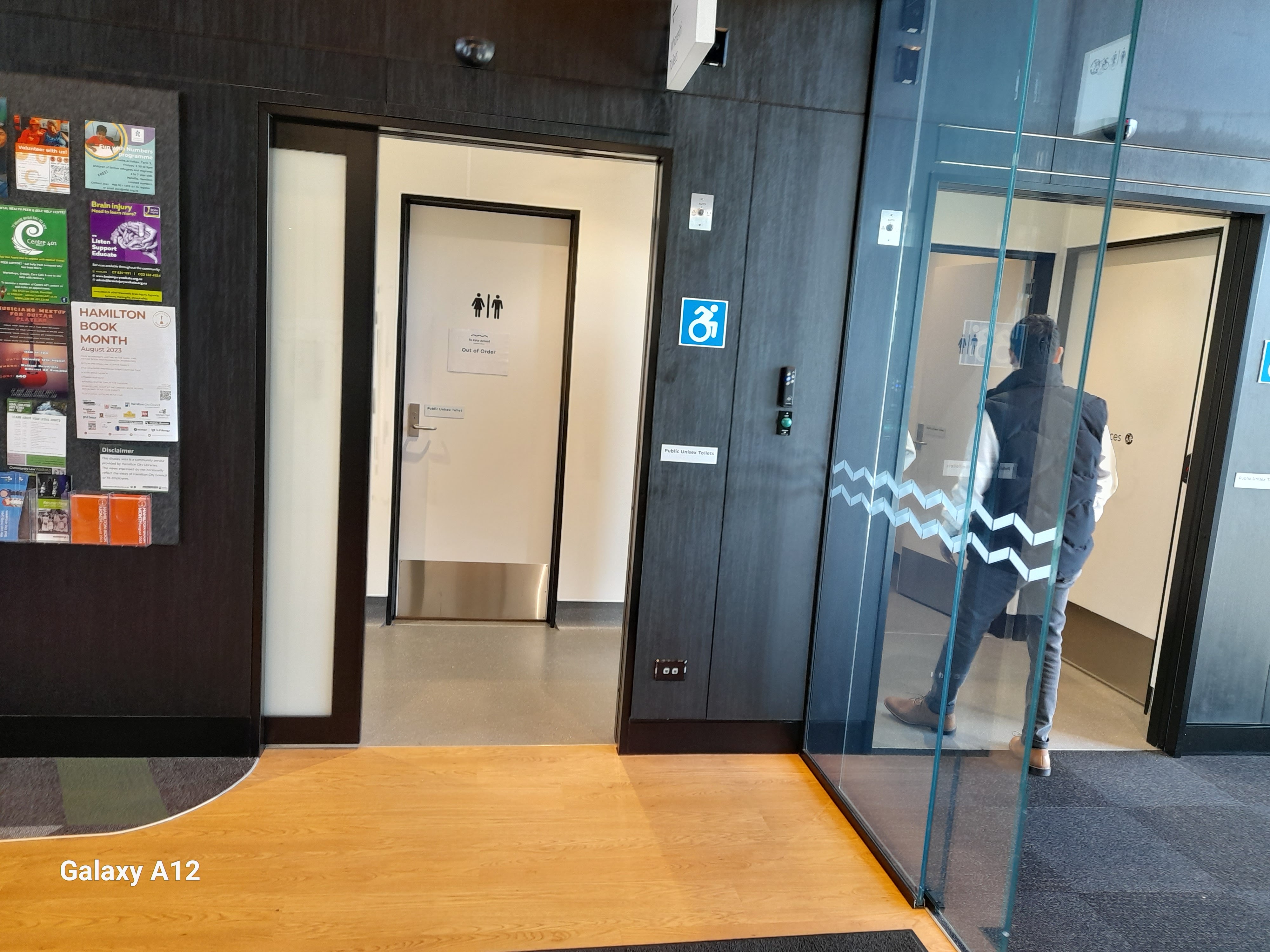
Te Kete Aronui 

Te Kete Aronui – The Te Haa o te Whenua o Kirikiriroa (THaWK) group collectively devised the following name and narrative for the building. 

“A new name that is significant and relevant to this building

in Rototuna. We are referring to Te kete aronui, a basket

of knowledge of aroha, peace and the arts and crafts which

benefit the Earth and all living things – one of the three

baskets of knowledge. This basket relates to knowledge

acquired through careful observation of the environment.

It is also the basket of ritual, of literature, philosophy and

is sometimes regarded as the basket of the humanities.

This is how we would describe and refer to this place.”

– Sonny Karena

https://hamiltonlibraries.co.nz/location-and-hours/te-kete-aronui/

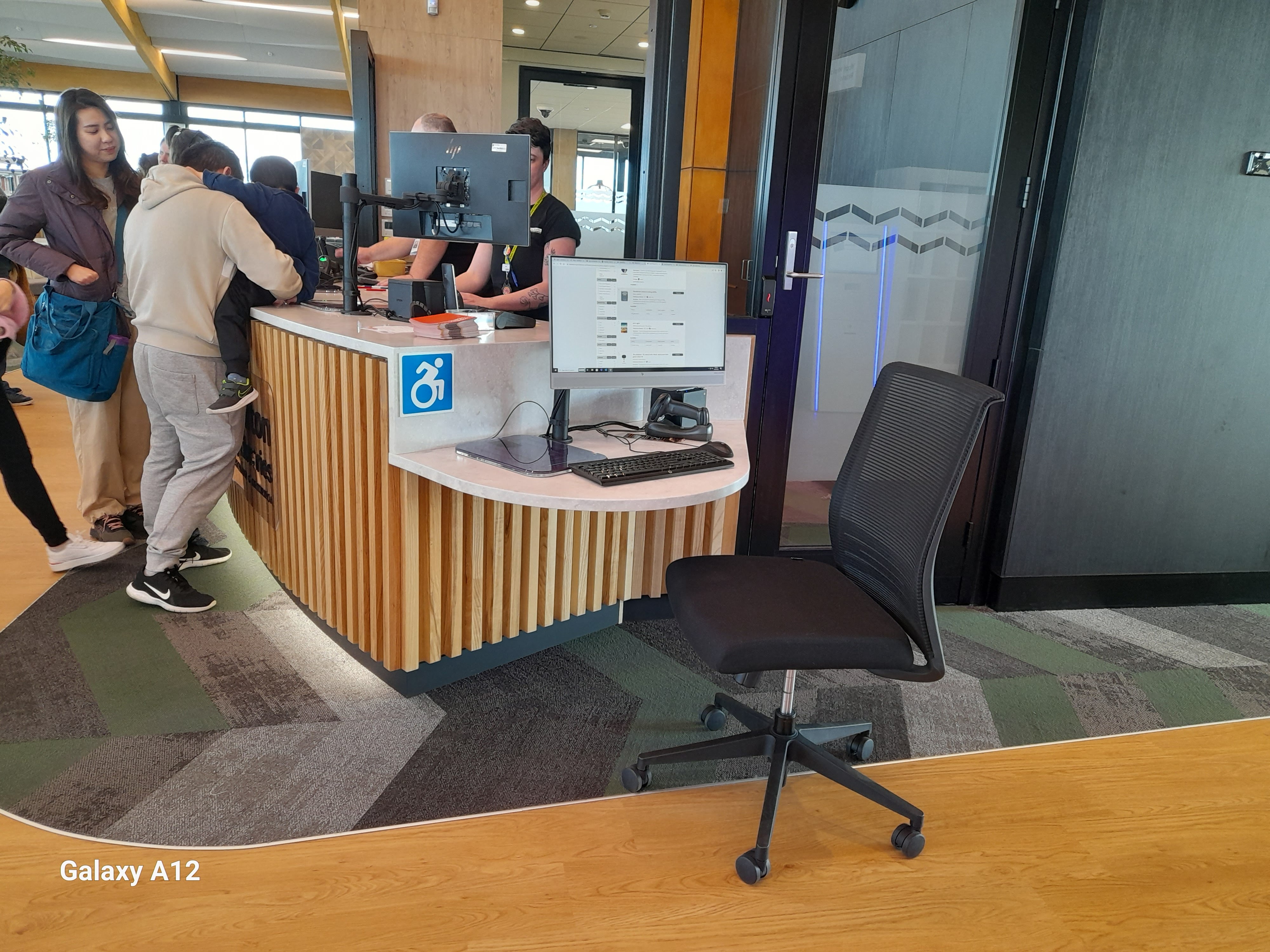
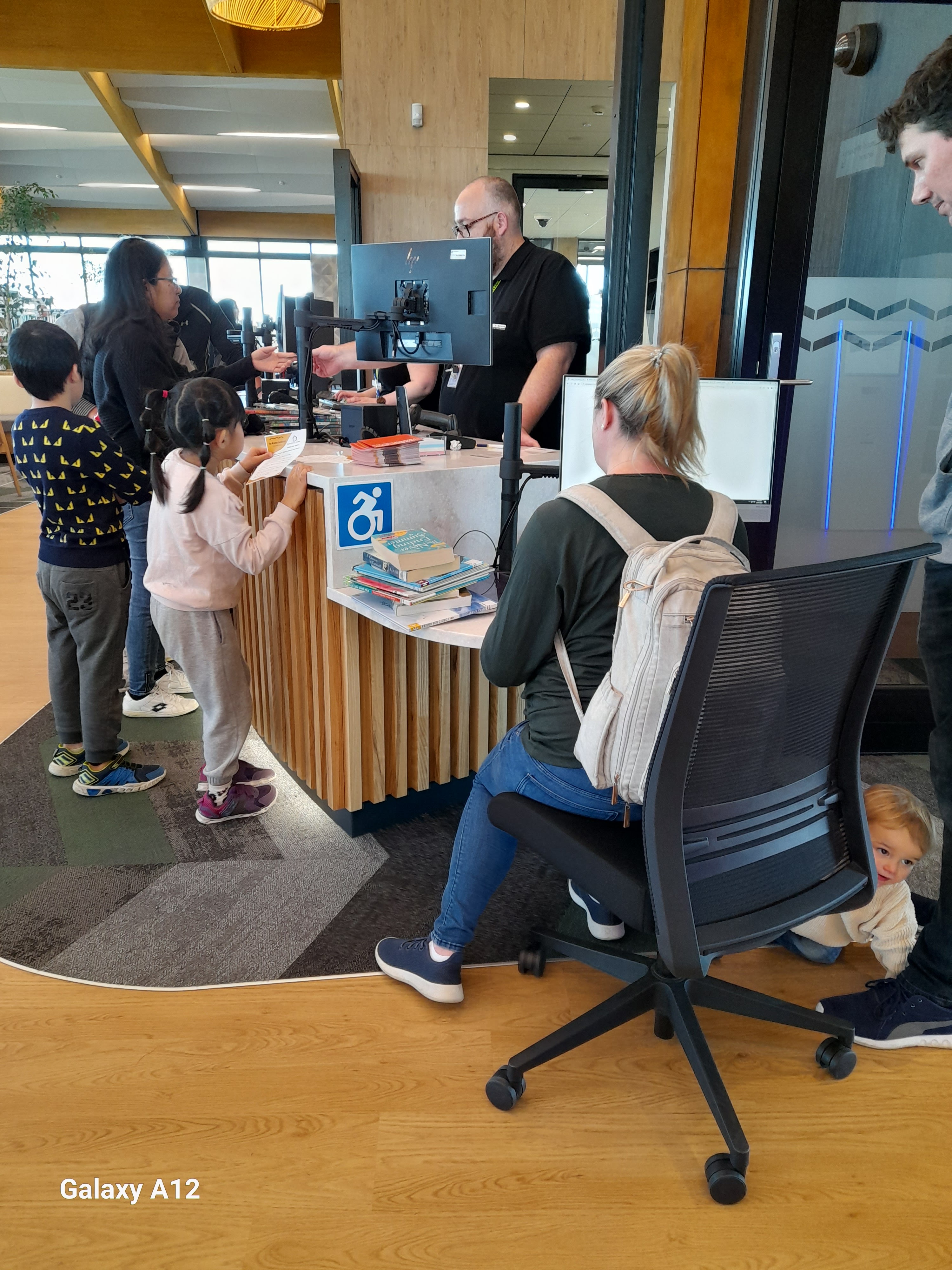
The deaf blogger/author took Jacek – a deaf with speech impaired and CP (Cerebral Palsy), one Sunday morning after the new library opened in Rototuna, Hamilton. We did explore the building to see if there are friendly and accessible for all people and children with disabilities. He found it a great place to visit the library, especially an indoor cafe in Rototuna. 

The blogger/author was invited by the Hamilton City Council, the librarian manager and the Disability Advisor staff of the Hamilton City Council, and we were in a team to overlook the designed plan of the library several times back in 2019 and 2020. We discussed what to amend/adapt in the design plan and what needs to be friendly and accessible ground floor interior and exterior surroundings. 

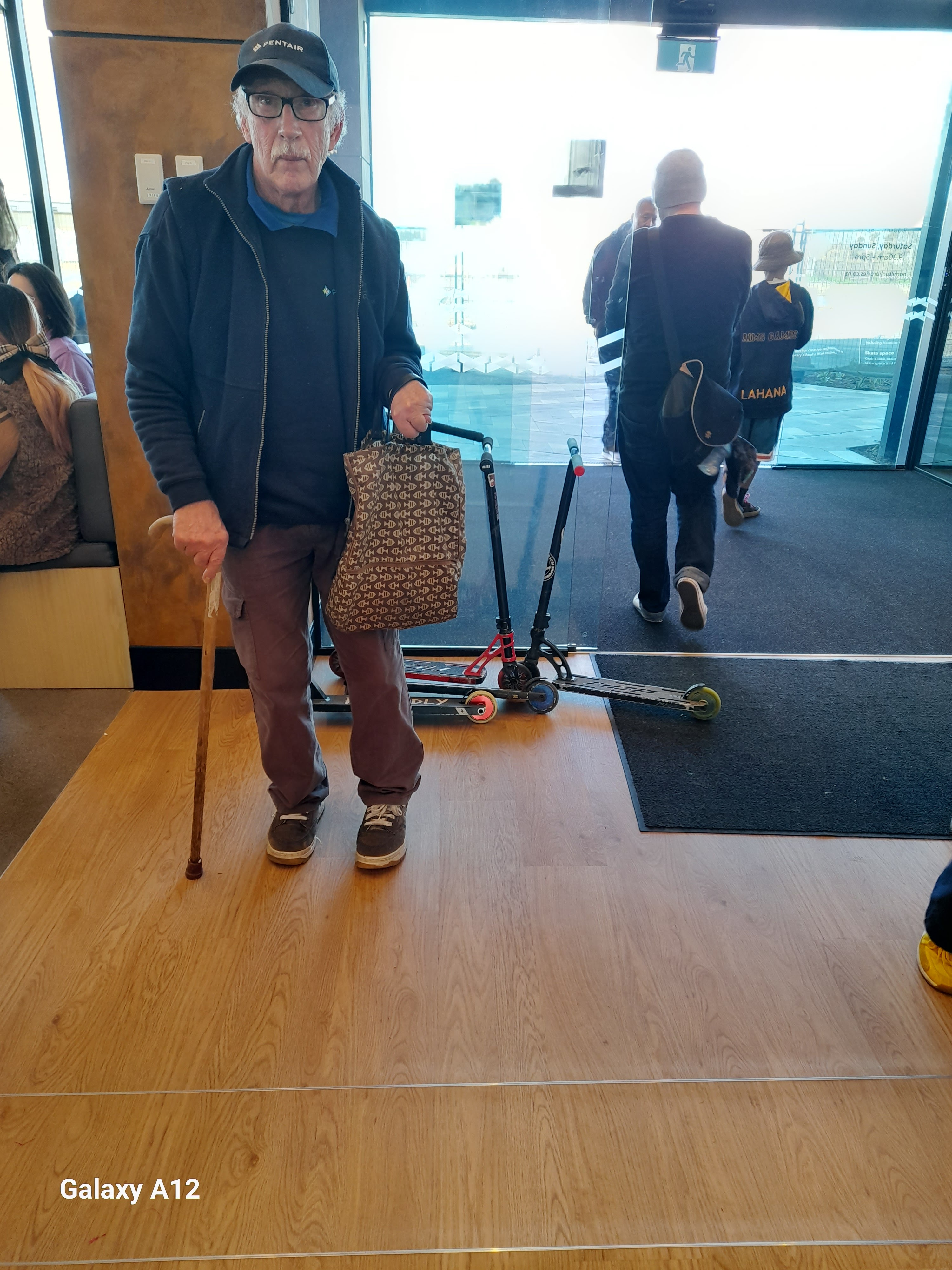
There was one thing we noticed and does not assume in the future, such as children and teenagers coming along and leaving their scooters near the double automatic glass doors. The blogger/author thought it might be a mild risk for low vision impaired/blind people may trip over or knock over. We would require the staff to put scooter stands along with the bike stands. 

The cafe was a brilliant idea, and the staff were great. Jacek mentions that we are both deaf when ordering food and coffee. She was helpful and repeated what we called and paid the cost of the meals and drinks. 

Inside the library, there are many services and meeting rooms for everyone.

  • The library features are: – A range of small and large meeting rooms and flexible spaces are available to book.
  • Council services such as rates payments and dog registrations. 
  • Hamilton’s third Changing Places bathroom facility. 
  • An on-site café called Chapter One. 
  • An Auaha Makerspace, purpose-built for creative technologies. 
  • Free wi-fi, with computer, printing and scanning services available. 
  • Kids and young adults’ zones, community lounge and a study/work area. 
  • Borrow from self-checkouts, collect holds, and return items 24/7. 
  • A skate space integrated with the outdoor areas. 
  • A play space designed for junior to intermediate use (opening October). 

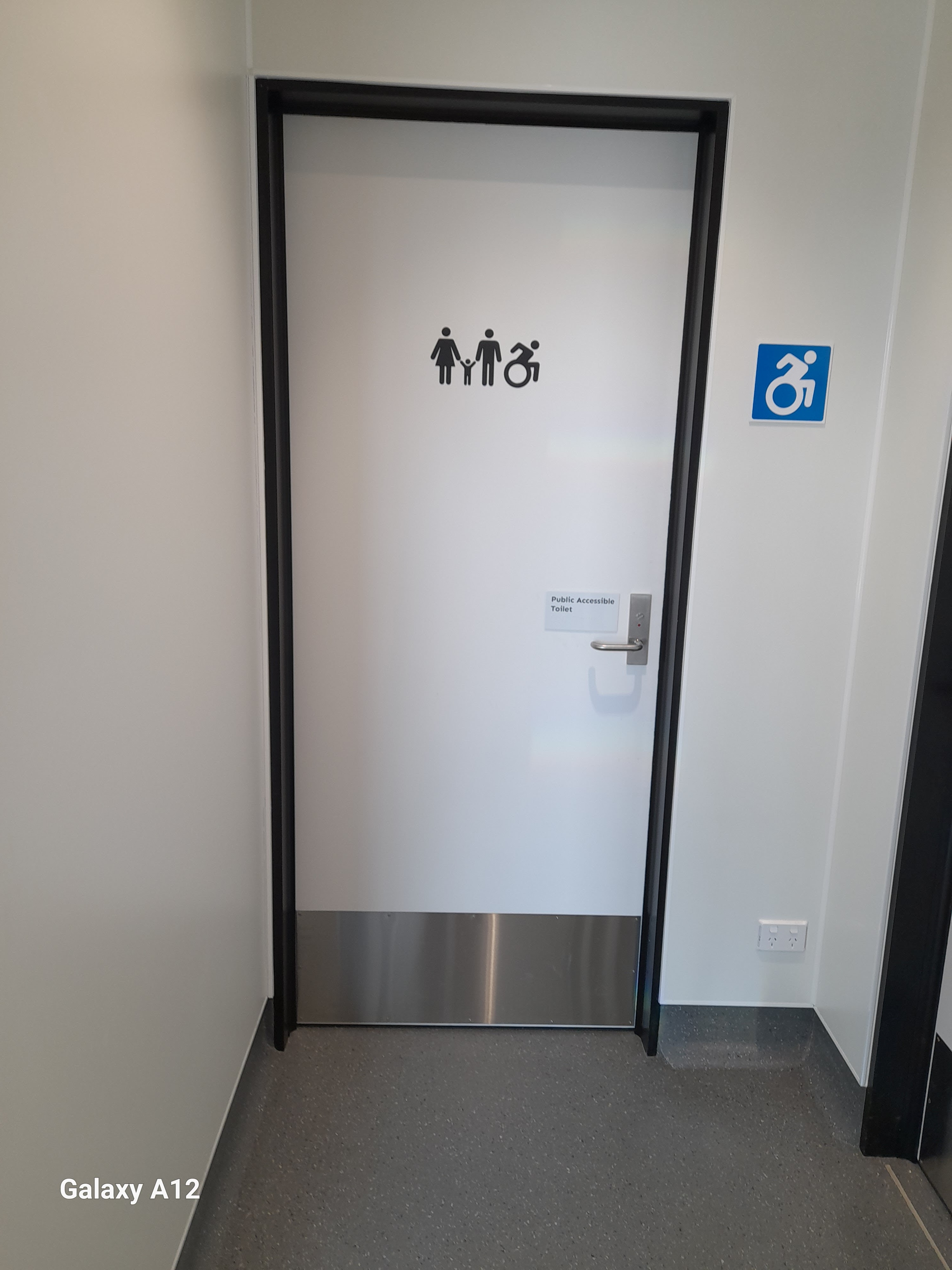
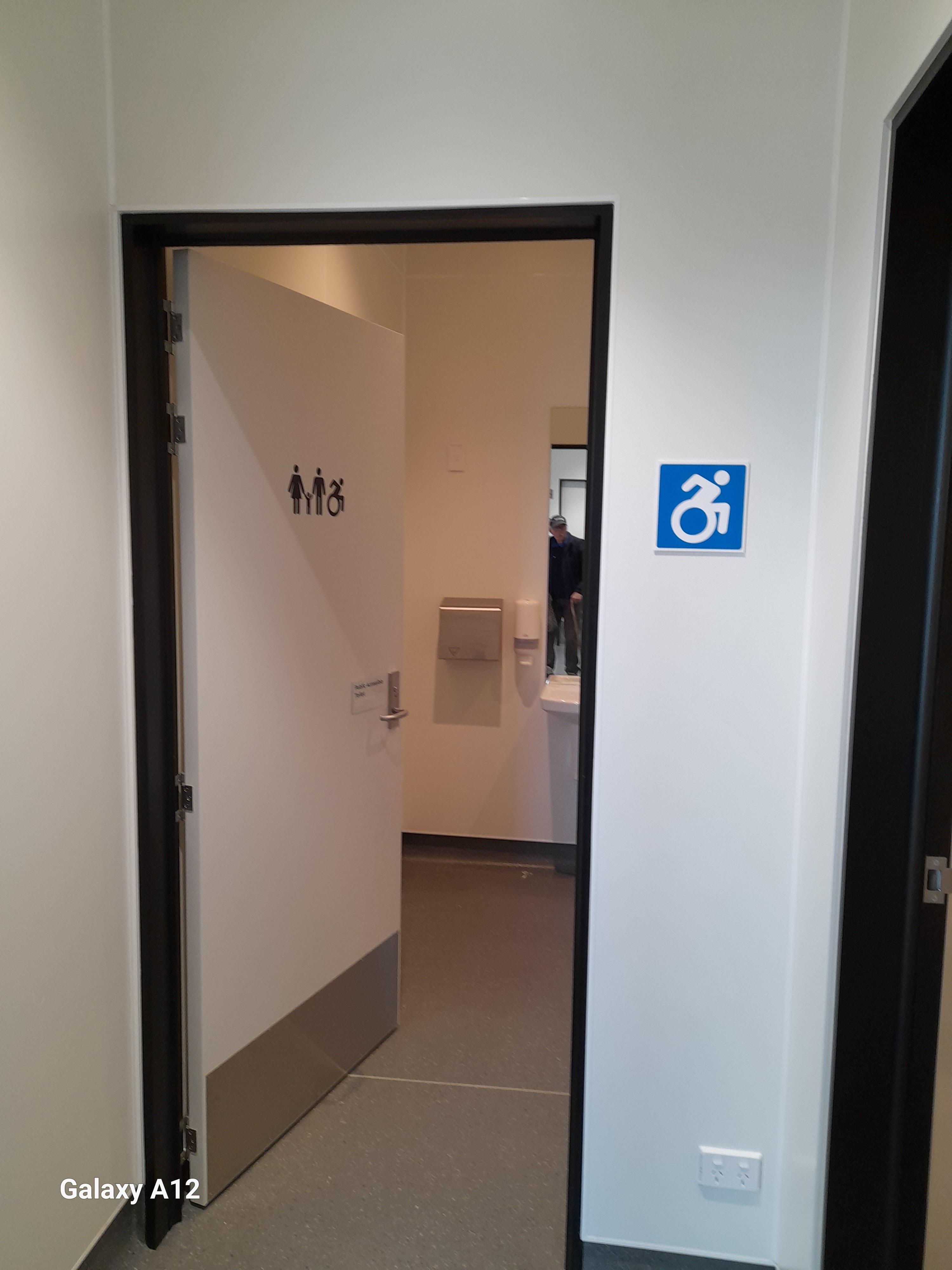
The public toilet facilities include the changing places bathroom, which is excellent for anyone with disabilities and any support workers/parents of the disabled person/child to use this. One large room – designed for the changing place, requires a tag to identify anyone belonging to the Changing Place as a member. Check out this link for more information here. https://www.changingplaces.org.nz/

https://hamilton.govt.nz/your-council/news/growing-hamilton/new-library-brings-community-space-to-rototuna

What a beautiful sunshine in the garden after all the wild wet weather in Eureka!

“Give me odorous at sunrise a garden of beautiful flowers where I can walk undisturbed.” Walt Whitman.

We looked through photos of our gardens and property over many years as we moved here in October-November 2014. My goodness, how much we have changed and made several new garden plots surrounding our property. Our neighbours walked along our shared road off the State Highway road daily; even the parents of their children come home from school/going to school. They noticed our daily changing of landscape, new plants and trees in our property when their children saw and heard many native birds such as fantail birds, kingfishers, ducks, finches, swallows and many more. Through the Winter season, we do not do much gardening, and we do a lot of tidying up, chopping wood, trees down for firewood, and storing in a large barn.

“The best and most beautiful things in the world cannot be seen or even touched — they must be felt with the heart.” -Helen Keller.

Do you realise there is excellent therapy in the garden when you feel down, grieving, dismaying or taking a timeout from work? If you hate walking, running, and weightlifting, why not exercise in the garden?

I have enjoyed this throughout my life since I came home from travelling overseas for many years and taking a break from work in the city of Hamilton and Waikato. I must remind myself to take it easy when doing physical work in the garden because I have a disc spine degeneration radiculopathy, and on my right side has an early set of arthritis and partial nerve damage from the shoulder to hand.

“You will face many defeats in life, but never let yourself be defeated.” -Maya Angelou.

Each day, the staff of our workplace help out with food parcels, referrals to Budget Advice agencies, Mental Health and Addiction agencies, and so on. The people I support are people with disabilities, D/deaf people, D/deaf people with disabilities and Deaf seniors; I help them with home visits, literacy lessons, referrals to job brokers, posting newsletters, and so on. I am a deaf advocate and deaf historian/linguist/researcher. The main issues are poverty, financial problems, failing the assessment over equipment, no jobs available for them and, of course, our human right to access and equality in everyday lives. I found many families with children and people with disabilities (including D/deaf and D/deaf with disabilities people) struggling to buy food due to high prices in the supermarkets.

Whenever I asked them if they knew how to grow vegetables or fruits in their garden or the pots, their answers were a big NO. Mm, their replies were the landlord said no, there was no idea of growing in the containers or the garden, no time to do growing, sore back or knee and so on. Most People with disabilities are unable to reach the ground, their physical can be challenging to maintain the body to stand balance while weeding or planting, and many barriers are preventing them from doing gardening.

“To improve is to change; to be perfect is to change often.” -Winston Churchill.

Today there are many options of ideas and making accessible by improving the heights, making it easy to reach for something, finding the right garden tools, using the seeds from ‘shop bought’ vegetables and fruits, throwing out waste foods by digging a trench for food scraps into compost/fresh soil and so on.

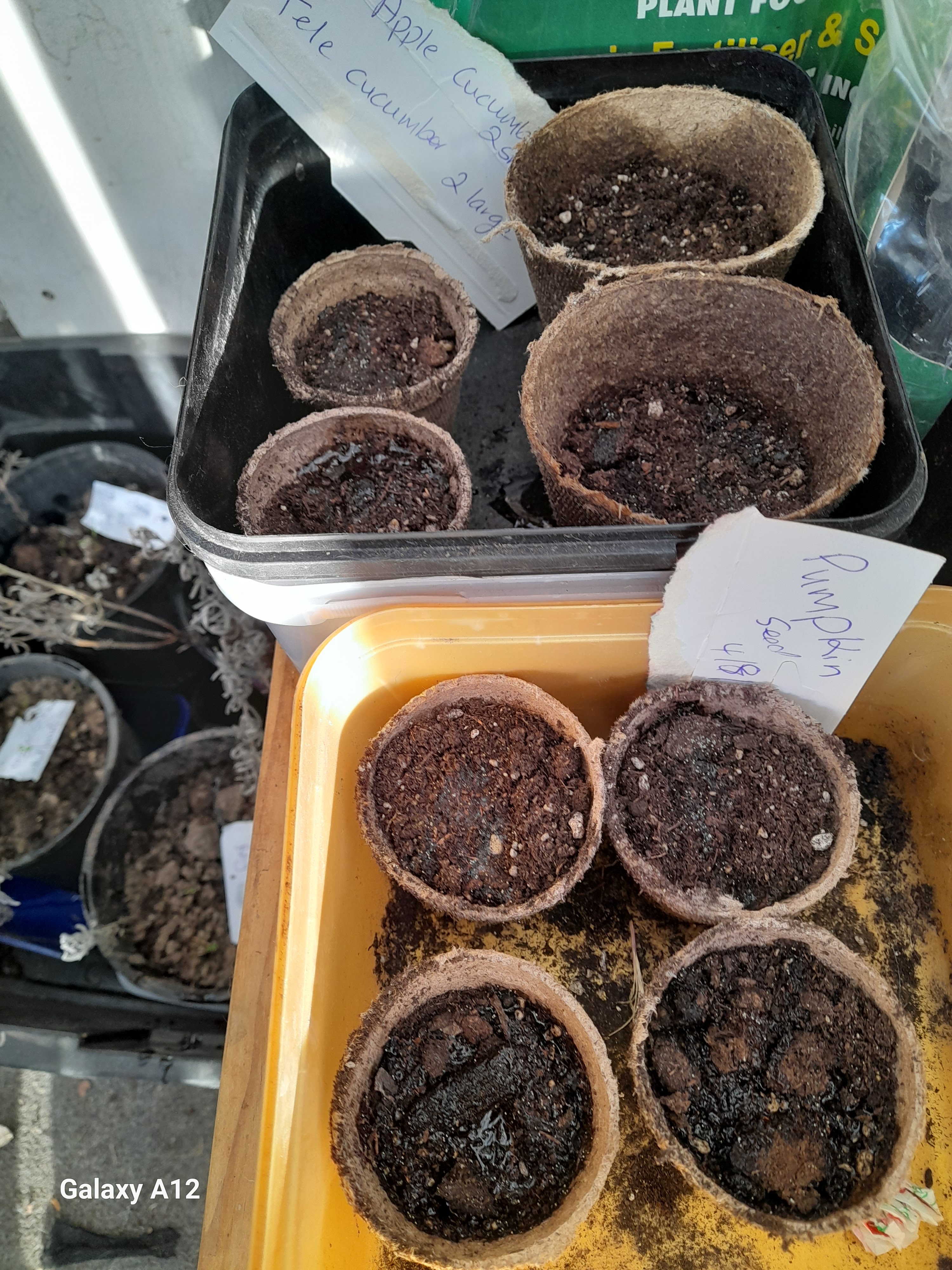
I enjoy visiting our gardens daily by walking around, pulling out weeds, or removing dead-headed flowers. We do have a greenhouse to grow brassica vegetables and potatoes there. We are tidying up the strawberries garden by putting fresh topsoil with blood and bone fertiliser and coffee grind from the local coffee shop.

‘Every great dream begins with a dreamer. Always remember, you have within you the strength, the patience, and the passion to reach for the stars to change the world.’ -Harriet Tubman.

Water, water, water everywhere overnight!

“Imagine a culture in which everything is geared toward helping all individuals become the best human beings they can be; in which individuals are driven to devoting their lives to becoming enlightened by the natural flood of compassion for others that arises from their wisdom.” ~ Robert Thurman

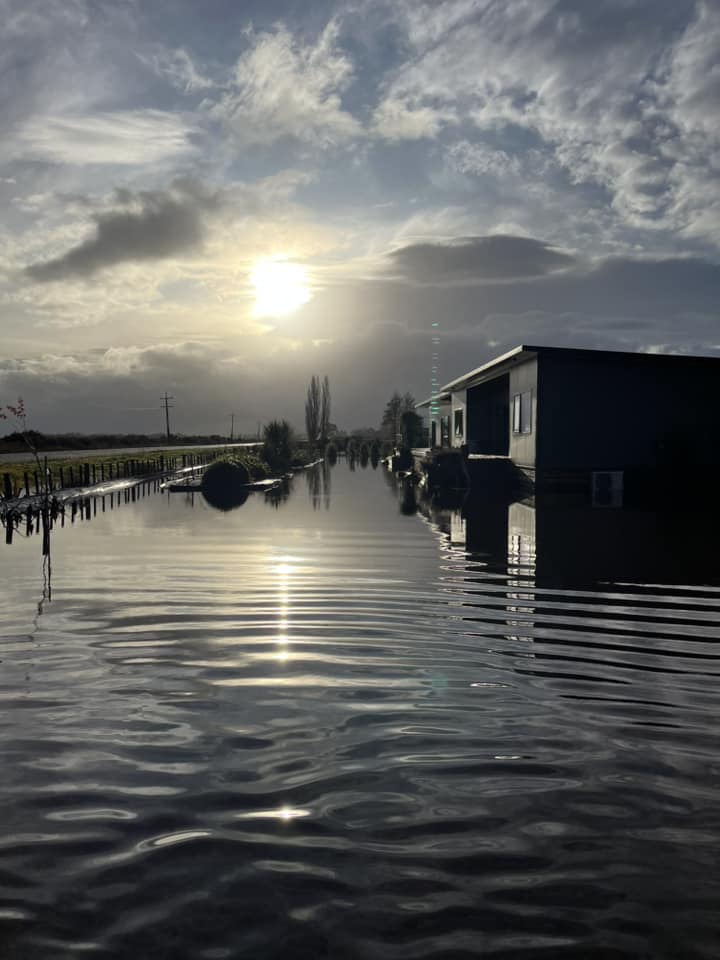
As I woke up this morning on Friday, June 23rd, 2023, I noticed a lake had formed in our neighbour’s farm field due to the heavy rain overnight. While enjoying a warm breakfast, I took a moment to browse our local Facebook private page. I stumbled upon photos and comments from neighbours about unexpected flooding in Eureka-Tauwhare. One significant road, State Highway 26 from the Eureka garage to Friedlander Road (before the Tauwhare Road Intersection), is currently closed due to flooding. Our property was okay and survived without flooding.

During my recent visit to Hamilton, I had the pleasure of attending a New Zealand Sign Language class at the Hamilton Central Library. Along the way, I was captivated by several large lakes and ponds surrounded by picturesque farmlands. One particular lake caught my attention as it was home to many ducks and their darling ducklings, making for an adorable sight. As I watched the ducks swimming, I also spotted pūkeko birds searching for food in the area. The drive to Hamilton was serene and enjoyable, and I cherished the scenic beauty surrounding me.

Just got back from Hamilton and managed to finish three tasks on the way home. Needed to get some petrol for my car, so stopped by Eureka Garage to see Colin. As we were driving down the main road towards Morrinsville, we noticed several houses on the right side of the road. Unfortunately, a massive swamp flooded past many rows of houses. Colin and I were both shocked to see the flooding in that area. Colin even mentioned that one of the houses he knew was in a terrible state because of how much water passed the house at the back. Seeing such a devastating natural disaster affecting people’s homes like this is regrettable.

I knew one of the houses where the families lived; this family is related to a Deaf man from Hamilton. I thought of taking videos and photos for this blog and sent one video to the Deaf man.

Hello there! There is a chance of more rain in the forecast for the coming days, starting tonight, June 24th. As locals, I’m sure we are no strangers to rainy weather, but it’s always wise to be ready for any potential damage or power outages. However, on a positive note, the flood has reduced since we were travelling back from Cambridge on the back road today. Overall, things are starting to look up!

I recently discovered some fascinating details about Eureka, our local rural area. In the Waikato District and Waikato Regional, Eureka is surrounded by dairy farmlands on a flat plain. What’s intriguing is that it once stood on the former Piako Swamp, which was known to be quite deep back in 1876. If you’re keen on uncovering more about the area’s rural history, click this helpful link. A bit of the history of our region,
http://heritagewaikato.org/node/5

“Mother Nature may be forgiving this year or next year, but eventually, she’s going to come around and whack you. You’ve got to be prepared.”
Geraldo Rivers

May the blessings of each day. Be the blessings you need most.

On Sunday, 11th of June, 2023, it had been a long day for me as a deaf community support worker/co-ordinator for the Christian Deaf Fellowship in Hamilton. The season here is mid-Wintertime, and we are preparing for the long winter around our home. Oh, what a delight to see the sunset over the vast farmland surrounding our house!

With old dog – Joseph, passed away several weeks ago, and our remaining dogs wait for me to get home while my partner rest or prepares the fire-heating and warm meals.

Pondering our lives here in the rural for nearly ten years to November this year. Reflecting on the past, we have updated and improved the house and the forever-growing gardens, and our dogs run around the large property. We are grateful to live here than in the urban city of Hamilton as the city of Hamilton keeps growing.

May your heart be warm and happy. With the lilt of Irish laughter
Every day in every way. And forever and ever after.

The local people here are a mix of Doctors, farmers, Lab Technian people, architects, pharmacists, mechanics, MPs (Members of the Parliament) person, councillors, orchardists, teachers, health workers and community support workers. Also, horse trainers/owners, stall marketers, gardeners, IT technicians and retired people. In 2014, I met several newfound cousins of my late great uncle’s wife, Joy, and Joy’s sizeable extended family lived here for one hundred forty-six years. Then a few years ago, another newfound cousin of my mother’s father’s side family up the road from us. It is a small wonder of discovery to know local people are related to me.

May the blessings of Light be upon you, Light without and Light within. And in all your comings and goings, May you ever have a kindly greeting From them you meet along the road.

Sitting in front of the fire heating in the lounge while the dogs sleep and snore away on the sofa gives us warmth and peace through the night. The temperature dropped to 0c, and we know the morning will be a frosty start. Sigh! I better pull out the frost blankets to protect several young fruit trees and plants in the morning.

It is all about lives in the rural here. Sunrise, sunset, the changing of the seasons all year round.

To every thing there is a season, and a time to every purpose under the heaven: A time to be born, and a time to die; a time to plant, and a time to pluck up that which is planted; a time to kill, and a time to heal; a time to break down, and a time to build up; a time to weep, and a time to laugh; a time to mourn, and …

Winter is nearing here!

Joseph’s life is nearing its end as his heart still beats away each day. Joseph knew the season was changing from hot to cold days as it was a sign of winter approaching. Update – Joseph passed away 19th of May, 2023. He was buried in the rose garden where his previous two other girl dogs were buried in the same section.

Joseph was thirteen years old, and he will be fourteen in October. He continued to sleep on the bed while I slept, and my partner was away for his work, but his age slowed him down; he slept beside the bed on the floor. His life has been much more lively, with laughter to surprise us, for example, following the police dogs and armed police squad down the road, howling out loud when the sirens go past. In our rural home, he loves chasing and catching wild rabbits, possums, hedgehogs, birds, mice and rats.

Joseph was loyal to his deaf mum and dad throughout the years, from the start to the end. But he preferred closer to deaf mum than dad as she trusted Joseph wherever she was at home and in the garden.

Here is the movie of Joseph’s life journey to end.