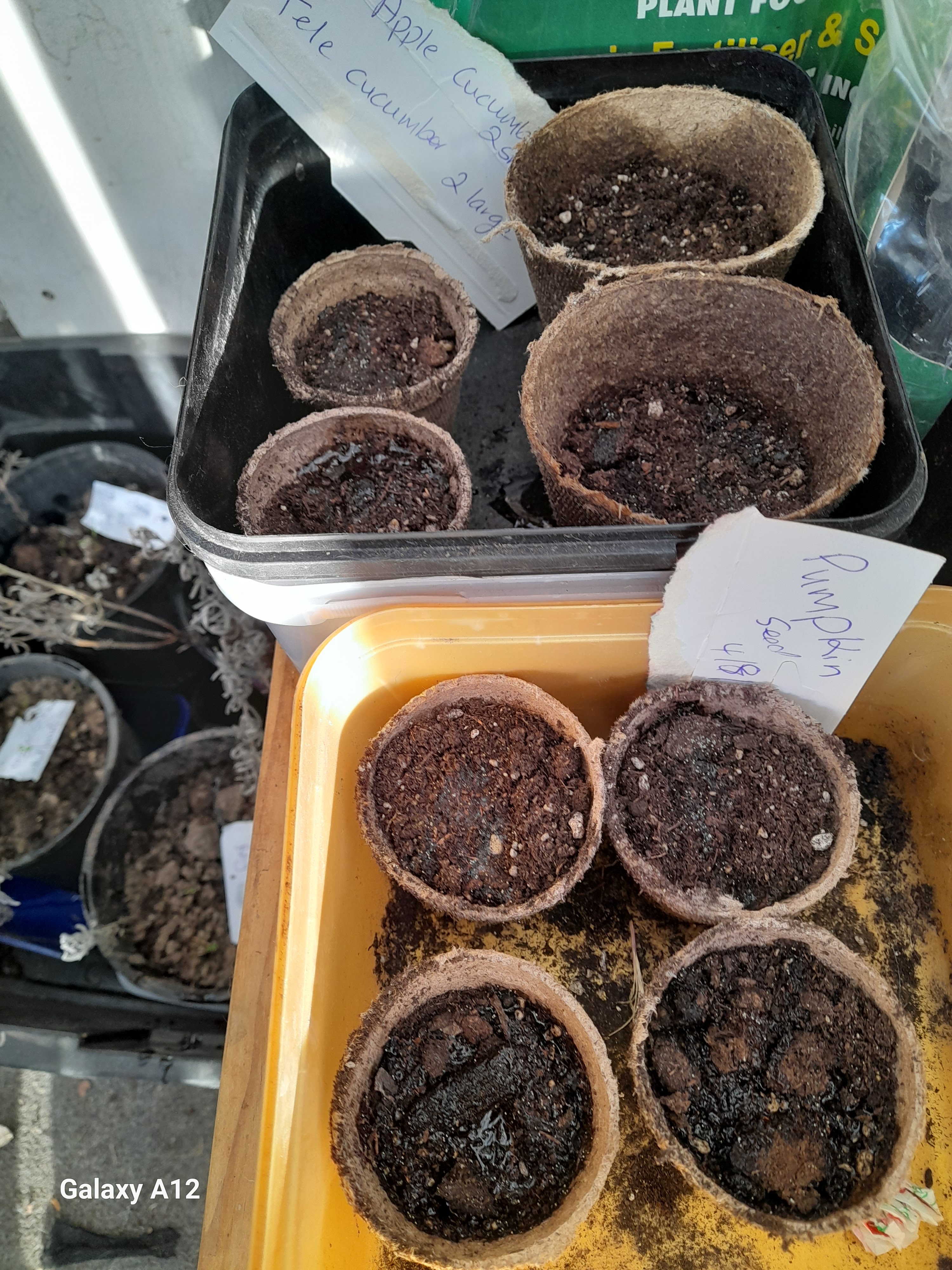
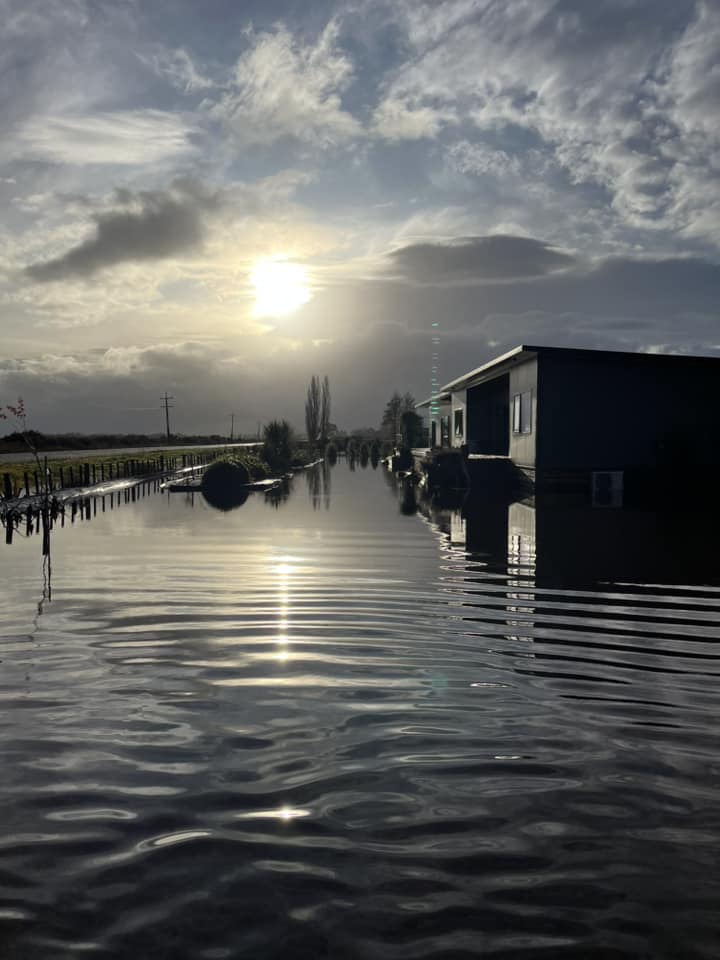
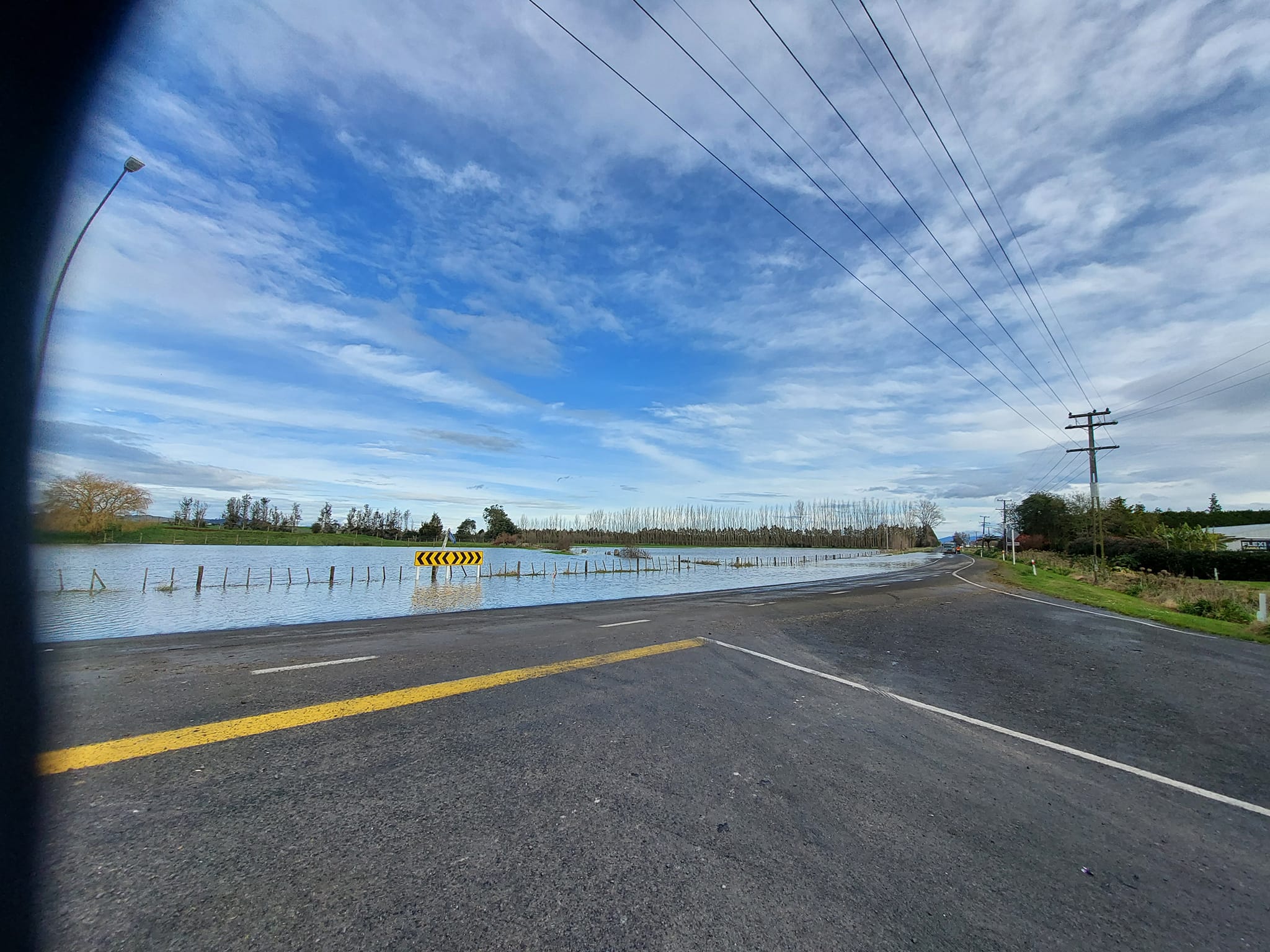
On Sunday, 11th of June, 2023, it had been a long day for me as a deaf community support worker/co-ordinator for the Christian Deaf Fellowship in Hamilton. The season here is mid-Wintertime, and we are preparing for the long winter around our home. Oh, what a delight to see the sunset over the vast farmland surrounding our house!
With old dog – Joseph, passed away several weeks ago, and our remaining dogs wait for me to get home while my partner rest or prepares the fire-heating and warm meals.
Pondering our lives here in the rural for nearly ten years to November this year. Reflecting on the past, we have updated and improved the house and the forever-growing gardens, and our dogs run around the large property. We are grateful to live here than in the urban city of Hamilton as the city of Hamilton keeps growing.
May your heart be warm and happy. With the lilt of Irish laughter Every day in every way. And forever and ever after.
The local people here are a mix of Doctors, farmers, Lab Technian people, architects, pharmacists, mechanics, MPs (Members of the Parliament) person, councillors, orchardists, teachers, health workers and community support workers. Also, horse trainers/owners, stall marketers, gardeners, IT technicians and retired people. In 2014, I met several newfound cousins of my late great uncle’s wife, Joy, and Joy’s sizeable extended family lived here for one hundred forty-six years. Then a few years ago, another newfound cousin of my mother’s father’s side family up the road from us. It is a small wonder of discovery to know local people are related to me.
May the blessings of Light be upon you, Light without and Light within. And in all your comings and goings, May you ever have a kindly greeting From them you meet along the road.
Sitting in front of the fire heating in the lounge while the dogs sleep and snore away on the sofa gives us warmth and peace through the night. The temperature dropped to 0c, and we know the morning will be a frosty start. Sigh! I better pull out the frost blankets to protect several young fruit trees and plants in the morning.
It is all about lives in the rural here. Sunrise, sunset, the changing of the seasons all year round.
To every thing there is a season, and a time to every purpose under the heaven: A time to be born, and a time to die; a time to plant, and a time to pluck up that which is planted; a time to kill, and a time to heal; a time to break down, and a time to build up; a time to weep, and a time to laugh; a time to mourn, and …
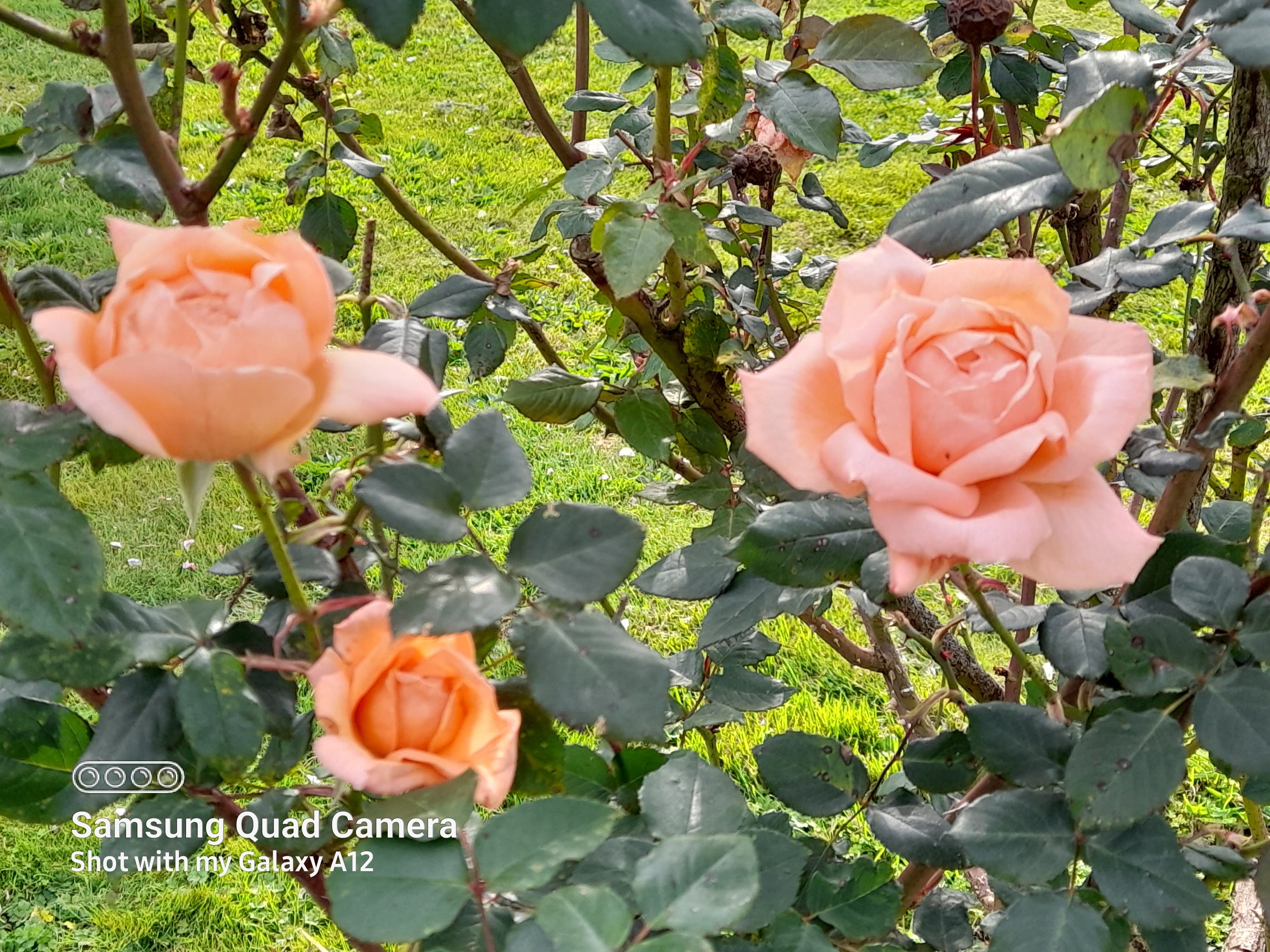
Joseph’s life is nearing its end as his heart still beats away each day. Joseph knew the season was changing from hot to cold days as it was a sign of winter approaching. Update – Joseph passed away 19th of May, 2023. He was buried in the rose garden where his previous two other girl dogs were buried in the same section.
Joseph was thirteen years old, and he will be fourteen in October. He continued to sleep on the bed while I slept, and my partner was away for his work, but his age slowed him down; he slept beside the bed on the floor. His life has been much more lively, with laughter to surprise us, for example, following the police dogs and armed police squad down the road, howling out loud when the sirens go past. In our rural home, he loves chasing and catching wild rabbits, possums, hedgehogs, birds, mice and rats.
Joseph was loyal to his deaf mum and dad throughout the years, from the start to the end. But he preferred closer to deaf mum than dad as she trusted Joseph wherever she was at home and in the garden.
Here is the movie of Joseph’s life journey to end.
Hey everyone, I just wanted to share some exciting news about the Deaf community in New Zealand! It’s so important to support and uplift the Deaf community, and I hope this week will help raise awareness and appreciation for NZSL (New Zealand Sign Language). They are currently running an NZSL Week, and the theme is “Together can make NZSL thrive.” Incredibly, they are promoting and celebrating New Zealand Sign Language in such a positive way.
Learning sign language for everyone is critical, such as in Rest Homes, a cafe, the public hospital and the council. Every day many D/deaf people need help communicating with ordinary people such as family members, staff, nurses, and council staff without using NZSL.
It is natural for individuals who are deaf to develop cognitive and communication skills using sign language, which serves as their mother language. From a young age, they begin to learn and use sign language, which helps them enhance their early communication abilities. Sign language is an essential part of their culture and identity, enabling them to participate fully in their community and express themselves naturally and comfortably. It’s fascinating to note that babies and children aren’t able to hear the voices of their mothers, fathers, and family members. However, Deaf babies and children have found ways to connect with their loved ones by relying on their visual contact and sight as cues for communication. Their ability to adapt to their surroundings and form relationships is genuinely remarkable.
When inquiring about other sign languages, such as baby signs or Makton, people frequently presume that they are identical to New Zealand Sign Language (NZSL). Nonetheless, it is crucial to acknowledge that sign language is not universal and differs from nation to nation. Therefore, although there may be resemblances between distinct sign languages, they are not all the same.
The recognition of NZSL as an official language in New Zealand was hard-won by many determined Deaf individuals. Their dedication and persistence were rewarded on April 6, 2006, when the government passed the bill recognizing NZSL as an official language alongside Te Reo Māori. This historic moment was a significant step forward in promoting inclusivity and acknowledging the language and culture of the Deaf community in New Zealand.
Ka pai Ko taku reo taku ohooho, ko taku reo taku mapihi mauria – My language is my awakening, my language is the window to my soul ~ Māori proverb
I have been thinking about router/modem equipment provided to us by Telecommunication Services. I was thinking about the quality of signal reception, wifi signal from one room to another, the cost of broadband and whether it delivers excellent reception to any house aged and the size of the house.
I have several older Deaf people who strongly prefer fax to communicating than using the Internet or mobile texts. We are using an ADSL broadband line and keep the landline for the fax machine. Our home is a farmhouse with several walls plus an old fireplace, while the landline network black box is sitting on the ground more than 100 metres from here. In the past, in the previous home, we used the same service with an ADSL network and fax machine.
Now there is new network broadband called Fibre Line to replace copper lines or keep the copper line for fax machines and medical alert alarms—the reason why Fibre Line increases broadband and meets advanced technology such as mobile and Internet.
Let me explain over modems/routers issues and the Network Broadband/Fibre line services.
We replaced modem/routers many times due to power cuts, the short life of modem/router equipment and the need for better broadband signal reception in the past house and current house. Overall, using ADSL is more than $88 a month (120 GB)through Sparks. Yes, we searched other broadband providers and found the cost was over $99.00 to $130.00 a month, plus the connection fee, keeping the modem/router free without breaking the 12 monthly contact fee. At the end of the result, we still receive slow broadband reception that nothing will improve faster and cheap. We used wifi signals for laptops and two iPads in the centre of the house, while two desktops used ethereal cables in two separate rooms. In our current home, there is one phone line jack in the centre while the router is in the lounge, which is close enough to send a signal around the rooms, but it failed to improve the faster movement.
Our neighbours have the same problems too, and a couple of our neighbours have joined Starlink (SpaceX by Elon Musk). Unfortunately, I checked out the prices, and they needed to be lowered for anyone, even us, to afford to join Starlink. https://www.starlink.com
For example, the cost for the hardware is $1040.00 (the catch for sale is $199.00). High-speed, low-latency broadband internet is available for $159/mo.
“Offer applies to select areas of rural New Zealand.
In the rest of New Zealand, $1040 is $729 for hardware.
Requires a satellite dish on the roof; add another cost. from $138.00 upward.”
Yes, that is crazy. I know that now and in the future, every household will have fast speed, router/modem, and the hours of using broadband/fibre line will impact other families who are low density and low income. It is the same with universal designs housing for all people, including people with disabilities. The question is, does modem/router equipment match every house design or not and does the ability to send out fast speed around the house or not? The answers are clear – NO.
Perhaps a message to all technology developers, designers and telecommunication services – reduce the cost for income people/family/people with disabilities and allow them to enjoy the freedom to use the internet/broadband, to improve better and match the target trouble issues in the house in the router/modem types of equipment.
Ko taku reo taku ohooho, ko taku reo taku mapihi mauria
My language is my awakening, my language is the window to my soul
This proverb is closely associated with language revitalization, a fundamental struggle in maintaining culture.
Tēnā koe
Hi there, our NZSL week is coming up next month in New Zealand. As a member of the D/deaf community, we look forward to spreading awareness of our language and sharing it with more people in our daily lives. It’s crucial to continue raising awareness and preserving our language for future generations.
If learning our language is something that intrigues you, we have a website that will provide you with all the necessary information. Moreover, we have organized Taster Class events in multiple towns and cities across New Zealand, which could be a great opportunity for you to experience it firsthand in a location convenient for you. It would be wise to attend one of these events to see if it’s right for you.https://nzslweek.org.nz/
Ko te manu e kai ana i te miro nōnā te ngahere, ko te manu e kai ana i te mātauranga nōnā te ao. The bird that consumes the miro berry owns the forest The bird that consumes knowledge owns the world
I had the pleasure of assisting a kind-hearted elderly Deaf man with his grocery shopping in Hamilton. Throughout our trip to two different supermarkets, I experienced nothing but positivity from the check-out staff. One of the staff members even signed “Thank you” to me as we departed, which was a heartwarming moment. Additionally, I appreciated the other staff member’s curiosity about Deaf culture in New Zealand, as it demonstrated a genuine desire to learn and promote awareness. It was truly a wonderful experience to witness such kindness and openness towards the Deaf community.
Ehara toa i te toa takitahi, engari, he toa takitini
My success (or my strength) is not that of a single person but instead the strength of many.
“This is my simple religion. There is no need for temples; no need for complicated philosophy. Our own brain, our own heart is our temple; the philosophy is kindness.”
Waking up in the morning to find it is my birthday today. Reflecting on my life in the past so far to the current year. Not quite a significant 6 and 0 age yet like my sister – Beth turned 60 last year.
Some days had been better than others had been annoyed or disappointed.
Today the world has gone mad, terrible with fighting over politics, bringing war between Ukraine and Russia, and the list of events happening daily in our lives. There are few happy events to celebrate anywhere in the world. It would be a pity if the world was better in the past, for example, cheap cost of products and foods in the supermarket, housing for families to buy a house or no technology such as iPad or mobile.
But there is something to understand how things changing, such as technology for people with disabilities, D/deaf people even D/deaf with disabilities today for example, communication, improving social media/televisions with using interpreters in the corner of the screen or standing behind the person who was speaking to many journalists. Nothing like this in the past as we depended on our partners, family, friends, flatmates etc.
I found technology excellent, but it is a hard habit to let go and do activities outside like gardening, chatting with my partner, and taking a break from my computer/laptop for my health issues – chronic C3-7 degenerative disc disease radiculopathy. Gardening, reading and other activities with dogs and my partner are great and separate from work. My partner and I were fortunate to have our skills from the past to today, for example, throwing food scraps into the compost as recycling, using recycling scraps from the garden or the old house into something new. With my health issues – some days are better than some, other days are worst, and the better is to learn to sit back, do light gardening, and relax my mind away from work.
The best part of my journeys was a hot air balloon ride a day before my 50th birthday nearly 10 years ago, travelling around the world and three times a staff weekend retreat break at Flaxmill Bay, Coromandel. Yes, of course, the constantly changing garden project each year and the delight of how much the garden grew from little scratch to efficiently display throughout seasons. My partner often says, “Mum, no more plants where ever we go.” But deep down inside his heart, he learned more about our beautiful plants and trees grew big and usually made the mistake of cutting a couple plants while he thought it was weeds. Our dogs gave our lives fun, enjoyment and compassion throughout our times.
“Everything has beauty, but not everyone sees it.” Confucius
Where ever I travel to Hamilton and many other places, I constantly see everything changing, rebuilding new buildings, mowing down farmlands into housing estates, and yes, the world is changing too fast. It is not like our childhoods when we go farming, to beaches, and playing on the road after a flash storm flood.
But here our home is perfect for us away from the city! Nothing stopping us from doing anything and our age.
My disabilities do not prevent me from doing any activities, for I always find a way to succeed throughout my life.
“One, remember to look up at the stars and not down at your feet. Two, never give up work. Work gives you meaning and purpose and life is empty without it. Three, if you are lucky enough to find love, remember it is there and don’t throw it away.” ― Stephen Hawking
Have you considered or thoughts about us – D/deaf people, D/deaf with disabilities people, People with disabilities, even seniors? Do you have a plan for us? What about digital technology for accessibility, like satellite mobile?
The cyclone, flooding and disasters around the North Island of New Zealand recently impacted many survivors without communication, clothing, food, drinking water and medicals.
Recently I understood that approximately 20 Deaf people are living in Hawke’s Bay and Gisborne. There are 35% of disabled older adults over 65 years old, 26% of Maaori disabled people and 24% of disabled people (1.1 million) across New Zealand.
New Zealand has Civil Defense Emergency services, Hazard Services (mobile emergency service by SMS/Text warning alerts) and Red Cross. We have Police, Fire and Emergency Services, Ambulance, and Forest and Rescue Services.
Every City Council is responsible for checking, monitoring and recognising the worst area for flooding listed in the database records via emergency and hazard alert services. For example, Hawke’s Bay Council did not list the flooding hazard for the Eskdale and Esk Valley because the staff thought it was okay. Unfortunately, Eskdale and Esk Valley were the worst hit by flooding, and the residents did not receive any SMS hazard warning. It was a human error for not recognising or being aware that a river runs along the valley from the ocean, and the database still needs to be updated in 2018.
In the Waikato area, we have a flood hazard map linked to the emergency team. See the link and a map.
Is there anyone familiar with the knowledge and to work with people with disabilities, D/deaf with disabilities and D/deaf people or partially familiar with working and knowing where they (people with disabilities) live? For example, sign language, wheelchairs, blindness, learning disabilities or medical issues such as diabetes and a heart condition. A couple more problems need to be aware of our mobiles, communication and friends/strangers to the neighbours.
Learn from this group called Off the Grid Missions, which runs by non-profit organisations. Here is the website and explore their works for the crisis https://www.offthegridmissions.org
Would the satellite phones work for any D/deaf people?? Probably not? They need SMS, TEXTS and video chats free from no cost service through emergency and disaster times. Note Our landline by Sparks was down before Cyclone Gabrielle happened and we were unable to use the internet for video chat, social media and my work from home for two weeks. Sparks provide a Promise connection but it is not enough and I have to use my mobile which was too small to work on. The problem on the landline down was due to an outage BEFORE cyclone Gabrielle happened and we have not received any reason why there was an outage by Chrous.
“Alerting systems can be used for alarm clocks, doorbells, door knocks, phone calls, baby monitors, weather alerts, motion detectors, smoke alarms, and a wide range of other traditional alerting technologies. Instant Messaging is a form of real-time communication between two or more people based on typed text.” Emergency app
As a deaf blogger, I have been a deaf advocator for many years, not just for the D/deaf people and D/deaf with disabilities. I am advocating for all people with disabilities due to my experience. I am a member of the World Federation of the Deaf, the Commonwealth Disabled People Forum and the United Nations Convention on the Rights of Persons with Disabilities. I posted the article from the World Federation of the Deaf about accessibility and sign language included in all Governments and agencies through media, social media, Health sectors and emergency teams such as the Civic Defense team.
“In addition to the CRPD, an essential aspect of our work is the United Nations’ 2030 Agenda, adopted in 2015. The 2030 Agenda aims to reduce poverty and inequality and save the planet from ecological degradation and climate change.
The 2030 Agenda is a worldwide call to action, recognising that we can only solve these critical issues facing our global society with everyone’s participation.
The WFD remains involved in developing and implementing the 2030 Agenda and Sustainable Development Goals (SDGs). As a result of the work done by the WFD and other organisations of persons with disabilities and global partners, the 2030 Agenda contains 11 direct references to people with disabilities, including deaf people.
We also advise and provide training to our members so that they, too, are involved in implementing the 2030 Agenda and the SDGs. To achieve truly sustainable development, we cannot leave anyone behind.
The WFD has enriched my perspectives about the Deaf Community, informing and contributing to implementing my mandate. Their extensive knowledge about the situation of deaf people makes them a valuable partner in promoting the human rights of deaf people through sign language rights globally. Fulfilling the CRPD demands the active engagement of representative organisations of deaf people. The permanent collaboration with the WFD is vital to ensure that deaf people are not left out or behind in the global agenda.’Catalina Devandas Aguilar
UN Special Rapporteur on the rights of persons with disabilities
The UN Committee on the Rights of Persons with Disabilities (the CRPD Committee) decided that its 9th General Comments would focus on Article 11. Article 11 requires States Parties to ensure the protection and safety of persons with disabilities in situations of risk, including cases of armed conflict, humanitarian emergencies and natural disasters.
The WFD has a long history of closely collaborating with the CRPD Committee on various topics.
In that regard, the WFD made a written contribution to the General Comment on Article 11 to highlight the specific rights of deaf people in times of crisis. The WFD provided several recommendations to be included in the draft General Comment by taking examples of the lessons learned from the war in Ukraine and other crisis situations. These recommendations include the rights to professional and accredited national sign language interpreters at all times when seeking assistance and emergency services. All emergency-related information and materials must be translated into the national sign language.
HUMAN RIGHTS INSTRUMENTS THAT SUPPORT ACCESSIBILITY: to make informed decisions, we need an informed world. Too often, a lack of accessibility bars deaf people from sharing and learning information with others. Information and communication across all areas of life should be accessible via sign language interpreting, subtitling, and close-captioning. A key factor to accessibility for public services such as healthcare, employment, social welfare or any other government services is the provision of and access to sign language interpreters.
CRPD Articles 9 and 21: Requires governments to provide accessibility to information and communication.
2030 Agenda, Goal 11.2: By 2030, provide access to safe, affordable, accessible and sustainable transport systems for all, improving road safety, notably by expanding public transport, with special attention to the needs of those in vulnerable situations, women, children, persons with disabilities and older persons.
2030 Agenda, Goal 11.7: By 2030, provide universal access to safe, inclusive and accessible, green and public spaces, in particular for women and children, older persons and persons with disabilities”
Prayer in a Time of Disaster Holy One, you are our comfort and strength in sudden disasters, crises, or chaos. Surround us now with your grace and peace through storm, earthquake, fire, or flood. With your Spirit, lift those who have fallen, and sustain those who work to rescue or rebuild. Fill us with the hope of your new creation through Jesus Christ, our rock and redeemer.
A Prayer for Rescue, Recovery and Relief workers God, our help and hope when the waters rise, you bring Israel safety through the sea. Sustain all those who seek to save others, so they may repair the ruined cities, raise the former devastations and be the restorers of streets to live in through Jesus Christ, our eternal saviour. Isaiah 58, 61
This year was the worst environmental disaster ever since Cyclone Bola hit Hawke’s Bay and the Gisborne/East Cape region on the East Coast of the North Island on March 7th 1988. The cyclone brought powerful, brute, and high winds that lashed out and slammed in every North Island region. Coromandel-Thames and Hawkes’ Bay-Gisborne were the only areas more severely affected than Greater Auckland.
Hawkes’ Bay region and Gisborne are different from Coromandel-Thames and Greater Auckland. In Hawkes’ Bay, the area is a low flat vast land toward the coast; several rivers run out to the ocean and contain many agriculture regions, orchards, wineries and Māori native plants and parks as in the Horticulture region. Many people in Hawkes’ Bay-Gisborne were unexpectedly unaware of the flash flooding, torrent flood rivers, riverbanks burst open and other issues overnight.
Thousands and thousands of residents and visitors were stranded for hours and hours until the rescue team came. Many residents were saved from flooding, and their emotional runs were severe such as shock, disbelief, grave concern for their loved ones, frustration and anxiety about their future. The residents have been completely cut off from outside the regions, with no telecommunication and no power for twenty-seven hours and more. The rescue teams and an emergency team located five people, including a child (two years old) who died overnight.
Many Hawkes’ Bay-Gisborne residents were caught off guard by the possibility that the flooding would be above the average level of the danger warning or thinking they would be okay. They were wrong and received unexpected preparation for the worst disaster in their lives again.
February 17th – Seven people died, including the second fireman who survived and was admitted to the hospital but passed away overnight. On February 22nd, eleven people died (two firefighters in Muriwai and five people, including a young child in Hawke’s Bay-Gisborne.)
The worst floodings were in Esk Valley and Puketapu, with more than four metres of slit and mud flooding the valley, houses, and farmlands. The Waipawa River was the closest.
Why is this area received the worst? Eskdale and Esk Valley should have been listed in the record for the Hazard map by Hawke’s Bay District Council. “Hawke’s Bay Regional Council confirmed it never issued a valley-wide advance evacuation notice, instead choosing to warn only those it deemed to be at specific risk. Stuff has also confirmed that the regional council never developed specific flood hazard maps for the valley, despite a recommendation to do so following a 2018 flood.” https://www.stuff.co.nz/national/300810300/cyclone-gabrielle-was-the-catastrophe-at-esk-valley-avoidable
On March 7th 1988, Tropical Cyclone Bola lasted three days of torrential rains, which was the most damaging in this region. This month Cyclone Gabrielle brought the worst of all to this region for the second time.
The previous Cyclone was Tropical Cyclone Gisele (Wahine storm) in 1968, and fifty-one people died. A cousin lost their lives on the Lyttleton-Wellington ferry Wahine on 9 and 10 April 1968 at Barrett Reef, Wellington. What caused this ferry to sink there? The Wahine went out of control and struck at Barrett Reef due to strong wind; unable to control the ferry steering, the build-up of water in the ship holds and capsized. The wind was 150 km per hour, recorded at the Wellington Airport.
What can we learn more to prepare and do something better for the next disaster next time?
Several years ago, Hamilton District Council and team researched the city with a possible flood area. They listed areas where they may receive flood hazard areas for anyone wishing to build a house or to know how to prepare for their safety. There is a map display of the flood hazard area and a link. Hamilton City – https://maps.hamilton.govt.nz/floodviewer/
There has been no change since my last contact with Sparks via Chorus, and today there has been a wide outage in the Northland and Auckland due to Cyclone Gabrielle yesterday and today.
Yesterday (February 12th 2023), across New Zealand, we received a weather alert warning about Cyclone Gabrielle coming toward New Zealand starting last night to Wednesday, February 15th. We live in Eureka, Waikato, and we do not get or received severe wild weather here over the years, only high winds.
The main problem is the communication line to everyone I work with, support and assist around Waikato, Coromandel-Thames, and other parts of the North Island. The people I support/work with them are disabled, D/deaf and D/deaf with disabilities and Government agencies staff. It is difficult to check, and video chat with them over mobile data of 20Gb. Faxes to Deaf seniors are another problem because I use copper broadband ADSL line from home. The fibre line is no help and no match technology for any fax communication to the senior people who hate or refuse to accept new technology such as mobile and internet.
Monday, February 13th – We still have no landline and internet connection until possibly Thursday, February 16th, instead of today. Another disappointing outcome. My partner was annoyed because he wanted to google something from his iPad, which was not working today. Then my partner was told by his boss to take another day off tomorrow due to heavy flooding in the construction area. I went over to check with one of the D/deaf persons for her well-being in Hamilton City, and I borrowed her WIFI while I was at her rental home because of the zoom meeting with the Government agencies for nearly two hours.
February 14th 2023, our copper line/broadband line is still down, but our mobiles do not work very well because the telecommunication signal lagged and is very slow to download. Another disappointing outcome. We survived the storm – heavy high winds lashed out trees, branches, roofs, and power line overnight. We did have a small power cut before 4 am until I woke up when my partner said, ‘Looked out in the field’. Oh! The fig tree blew down, and the young avocado tree bent slightly but saved. The other pressing matter was to inspect our property to see if there was any damage. Just a few to name, a black wattle hardwood tree, a dahlia tree, a fig tree and a young pittosporum tree.
Cyclone Gabrielle weather in New Zealand – 2023 February
It had been a strange summer season for us here because it is not an entire summer season for a long time. Last month we had several wild wet kinds of weather on the North Island, and it was the first cyclone – Hale. The destructive effect of the environment area is Coromandel-Thames than Greater Auckland. The difference between these regional areas is Coastal-rural and city. Coromandel-Thames regional is the most significant coastal rural with narrow roads and no other routes through the heavy bush area. Greater Auckland is the largest population with poor infrastructure – roads, building on the hilltops, buildings close to each other’s, and old underground water/sewage pipes. Along the coastal beaches, for example, Browns Bay, Mercury Bay or Tamaki Drive, there are multiple erosions by salt wind and ‘king waves or tidal waves wash out many sand banks.
In Coromandel-Thames regional, the main road, State highway 25a, closed due to continuous landslips of more than 100 metres and unable to repair or replace the road. The Geonet teams are working on planning and checking the land depth, soil types and many other issues with this road. Who knows how much it will cost them to replace this highway road? How long will this road be repaired? Most people will say about $2 billion or more.
Kaikoura in the South Island was severely affected by the earthquake/landslides and was one only central state Highway Road from Picton to Christchurch. The cost of repairing and scrapping part of the hill slope was $1.25 billion along the 60km between Clarence and Oaro in 2016. The repair job took two years instead of ten years.
Coromandel-Thames State Highway 25a (North Island) is different to Kaikōura State Highway 1 (South Island) because Kaikōura is a coastal road which exposure to the coast and beach, not in the bush region like in the Coromandel-Thames (Hauraki regional).
Dubious is the people of Coromandel-Thames in their mind over State Highway 25a and how can they travel more quickly than going a long way round trip! I have been there several times, especially Flaxmill Bay and the road from Kopu to Flaxmill Bay or Whitianga. This road is a lovely winding route, and to admire the stunning ocean view over the mountain climbs and through many low bank farmlands on both sides of the road. I am not a fan of the longest winding road all the way because anyone must drive carefully on the curve bend, a narrow road with one hillside and the other side is a long drop down. But the best is the viewing toward Motuhoa/Shoe Island, WMW Slipper Island (Whakahau), and the Pacific Ocean. This region is a Coromandel Forest Park.
Flaxmill BayFlaxmill BayFlaxmill Bay Accommodation
February 14th, 2023, the worst fear came true, and the whole region of Coromandel-Thames, including the route to Whangamata, were wholly cut off with roads collapsed, heavy flooding over farmlands, landslips, coastal slips, power line down and, of course, communication line down. Isolated, they started cleaning up, repairing jobs, and wishing outsiders like Aucklanders and Waikato people to revisit Coromandel-Thames for their financial needs.
February 15th, 2023, the sun came out in the early hours of this morning, bought us delight in Eureka. I received a couple of text messages from the people, and their statements were, “did Coromandel-Thames suffer six times through bad storms?” My reply was, ‘Yes, and more regularly than in Greater Auckland and other parts of New Zealand.’ I watched the Breakfast News this morning, and the Prime Minister – Rt Hon. Chris Hipkins and his team are travelling to Coromandel-Thames to inspect and review the disaster region today.
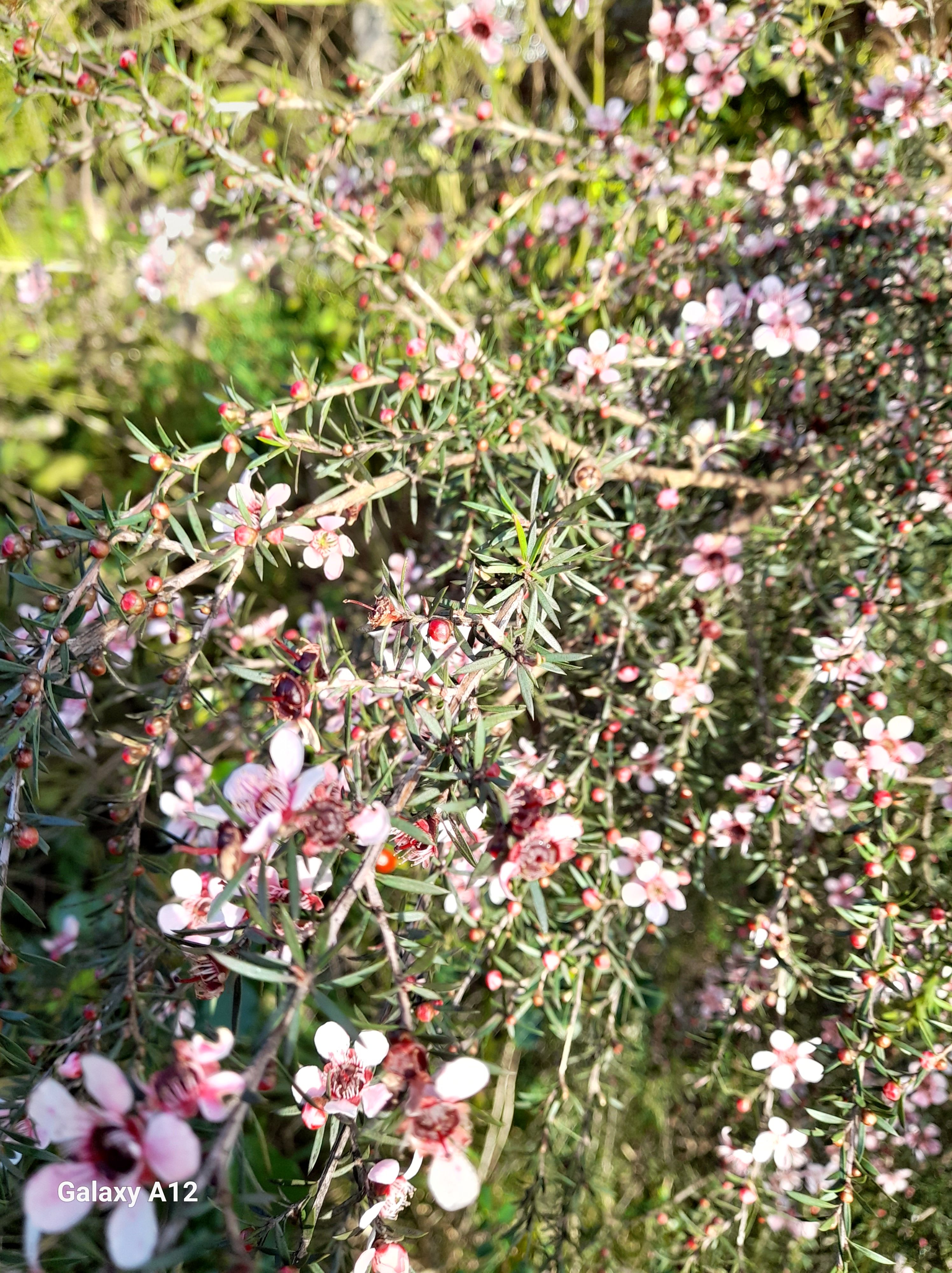
Silk Tree gardenGolden Totara gardenRose gardenKingfisher in our garden
The downside is the poignant news from the Muriwai region near Greater Auckland about the missing firefighter that happened overnight on February 13th at midnight. Here is the updated news today, they found the body.
What is the heck going on in the middle of the zoom meeting??
I began to investigate our landline (copper line) and internet connection. I unplugged, retested and turned off the router, then turn back on. Nothing was back to resume at all around 1045am.
Oh, bother, I will send the messages via messenger from my mobile because of the mobile data. Mm, not so helpful because of the exact instructions I must follow for testing. Blah blah, there have been outages across the North Island and the top part of the South Island. Oh, by looking at the Chorus outage app on my mobile. Crikey! I got a response from my partner and the staff – Spark saying they are working on it as soon as possible. One team sympathised with me.
Time ticking away, time ticking away to evening 9 pm, and nothing resumed or restored the line. We wondered if it would be a very long time because we have been there before along with our local neighbours for five days – yep, five days was a very long time, and my emails and messages kept piling up. At least I popped into my work office in the city of Hamilton twice a week. My partner wanted to look up google search, read Waikato Times/NZ Herald and watch YouTube in the evening due to boring television programmes every evening. I tried to read newspapers, do online jigsaw puzzles and catch up on social media.
There was a pressing, urgent email I need to send out as soon as I wish for today, but hopefully tomorrow, I will be in another meeting, and I will send it off quickly as I can first thing in the morning. First, I would need to do the grocery for a deaf older man because his request was an ice cream on his grocery list. I could not fax him today because he does not have internet or mobile. After all, he hates it, wasting money, and his age is 91. His family does not have a fax machine, and they live out of the city, but the other family members are busy working, and one family member is in the hospital for surgery. It was impossible and challenging to access communication when the line was down.
Thursday, 9th of February 2023
We woke up at 5 am as my partner goes to work by 6 am from Monday to Friday. I turned on the router while my partner picked up the handset phone – disappointed result: red light on the router and the sound of the landline tone dead. Oh, bother, and we knew we had more than two days in a row. My partner left for work, and I headed back to sleep for another hour before a full-day meeting with the EGL Waikato Leadership in Hamilton. I took my laptop instead of my Ipad and headed out for the discussion around 850am. Several quick check emails, read Waikato Times and NZ Herald through break times at Trust Waikato, Hamilton. I headed home instead of doing the grocery for one Deaf senior until tomorrow as it was 445pm. Finally got home at 515pm, let our three dogs out for fresh air and exercise, and ran as I switched on the router. Darn, there goes the red light again, and it was not good enough for our local Eureka community. My partner got home later and asked me for any good news – I replied no. Another day and night until I rechecked the outage by Chorus and discovered our landline, including our local neighbours, would resume around Saturday 11th. Yep, SATURDAY, as I told my partner, his reply was bloody hell.
Tomorrow I will be heading back to the city of Hamilton as I have two jobs as a support worker and work in my office at the Social Service, then to pick up my partner as he leaves his truck at the depot for the maintenance job. Another long day for me tomorrow.
Friday 10th February
I woke up in the morning usual and there is no change. We, Eureka local people still been affected by the outage for three days in a row. Now I am in my office in Hamilton City and catching up on emails, printing off materials and cleaning up unwanted emails from my inbox. Our bill was paid this morning. The director of my workplace was affected too and she learnt a bit more detail about why the outage happened across North Island. It was something to do with upgrading copper broadband and fibre lines.
Many D/deaf people and D/deaf with disabilities love to communicate through social media such as video chat, zoom, and emails. Many unique technologies today than in the old days make our life better. Despite Broadband’s high cost, the fibre line shot up in the sky as three-quarters of D/deaf people could not afford to pay the line while one-quarter could pay the line because they work like me. There are no cheaper costs for Broadband with a good speed, and I know there is one called Skinny Broadband. I researched this company through Lockdown for the D/deaf people I support and obtained three modems from Skinny for them to stay in touch with their families through Lockdown. Many senior D/deaf people and D/deaf people with disabilities preferred to use fax machines in the past, and only less than one-quarter of them still use fax machines which I kept for four-five D/deaf with disabilities seniors from home. We cannot hear a voice over the telephone and mobile for many years.
Telecommunication companies and Chorus needs to think about people living in a rural area like us who run businesses in the tiny township. D/deaf people and D/deaf with disabilities need to reach out and stay in touch through communication while the line is up and running smoothly, NOT DOWN and struck down without contact or minimal promise of mobile data to top-up. We know a bill is due today (Wednesday 8th), but we are not paying until the online is up and running. Because I don’t have time to pop in Spark business after 430pm in Hamilton, it will take me to drive home 15 minutes to 20 minutes from the city of Hamilton tomorrow. I do not use online payment from my mobile because it is not ideal and safe. What senior people live in the rural countryside or retirement villages? Family and friends who have been isolated away from another area during a natural disaster like flooding in Thames-Coromandel cannot use Broadband and landline or without landline/broadband.
There must be another way of resolving this problem now and in the future. At the end of this incident, we do not have any reason why there were massive outages again. Last time, our local community went without landline/broadband for five days until we learnt the small, transformed line station caught fire in our local area. They (Telecommunication) and Chorus did not let us know why we received no apology in the first place. We continue to pay the bill in full instead of minus five days charge cost.
You must be logged in to post a comment.